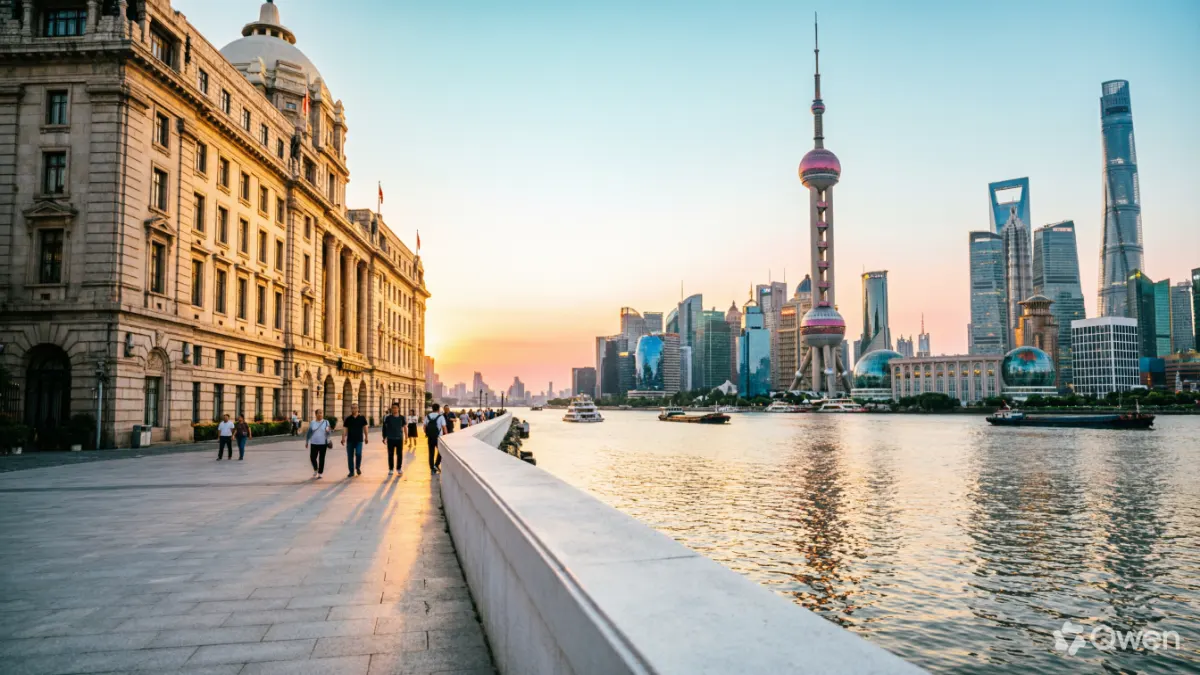
Neon towers rising over a centuries-old river, dumpling steam curling out of a hundred-year-old alley, and bullet trains gliding past rice fields Shanghai rarely looks the way first-time visitors expect. Many American travelers arrive worried about the language barrier, the size of the city, or simply not knowing where to start, and that uncertainty can eat into precious vacation days.
This Shanghai travel guide solves that problem. It walks through exactly when to go, how to get around, where to stay, what to eat, and how to build a realistic itinerary If you have three days or a full week. Every section is written to answer the questions travelers actually search for, from budget breakdowns to visa rules, so you can plan with confidence instead of guesswork.
FeatureifSnippet:
Shanghai is China’s largest city and a major gateway for international travelers, blending futuristic skyscrapers with historic canal towns and French-era streets. The best time to visit is March–May or September–November, when mild weather makes walking, sightseeing, and river cruises far more enjoyable than the humid summer months.
Quick Facts About Shanghai
Shanghai sits on China’s central coast at the mouth of the Yangtze River, with a population of roughly 25 million people, making it one of the most populous cities on Earth. It uses the Chinese Yuan (CNY), runs on China Standard Time (UTC+8), and Mandarin is the primary language, though English signage is common in tourist areas.
| Category | Details |
| Best time to visit | March–May, September–November |
| Currency | Chinese Yuan (CNY/¥) |
| Language | Mandarin Chinese; Shanghainese dialect also spoken |
| Main airports | Pudong (PVG), Hongqiao (SHA) |
| Visa needed for US citizens | Yes, or eligible visa-free transit (verify current rules) |
| Average trip length | 3–7 days |
| Getting around | Metro, taxis, ride-hailing apps |
Best Time to Visit Shanghai
The best time to visit Shanghai is during spring (March to May) or autumn (September to November), when temperatures are mild, and rainfall is lower than the summer months. These shoulder seasons also tend to have thinner crowds at major attractions than the peak summer travel period.
Summer (June–August) brings heat, humidity, and occasional typhoon-linked rain, while winter (December–February) is cold and damp, though far less crowded and often cheaper for flights and hotels.
| Season | Months | Weather | Pros | Cons |
| Spring | Mar–May | Mild, occasional rain | Blooming parks, comfortable walking weather | Can be rainy in early spring |
| Summer | Jun–Aug | Hot, humid, 85–95°F | Long daylight hours | Heat, humidity, typhoon risk |
| Autumn | Sep–Nov | Cool, dry, clear skies | Best photography light, comfortable temps | Popular Golden Week crowds in early Oct |
| Winter | Dec–Feb | Cold, damp, 35–45°F | Lower prices, fewer tourists | Short days, chilly outdoor sightseeing |
Insider tip: Avoid the first week of October (China’s National Day “Golden Week”) when domestic travel surges and hotel prices spike sharply.
How to Get There: Transport Options
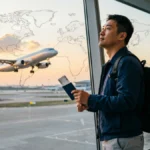
Most US travelers fly into Shanghai Pudong International Airport (PVG), which handles the majority of international long-haul flights, while Hongqiao Airport (SHA) mainly serves domestic and regional routes. Direct flights run from cities like New York, Los Angeles, and San Francisco, typically taking 13–15 hours nonstop.
From Pudong Airport, the Maglev train reaches speeds over 250 mph and connects to the metro system in about 8 minutes, making it one of the fastest and most memorable airport transfers in the world. Taxis and ride-hailing apps like Didi are also widely available and metered.
Within the city, the Shanghai Metro is the most efficient way to get around, with English signage, affordable fares, and lines reaching nearly every major attraction. Download a metro app or map in advance, since it’s one of the busiest subway systems globally.
Where to Stay in Shanghai
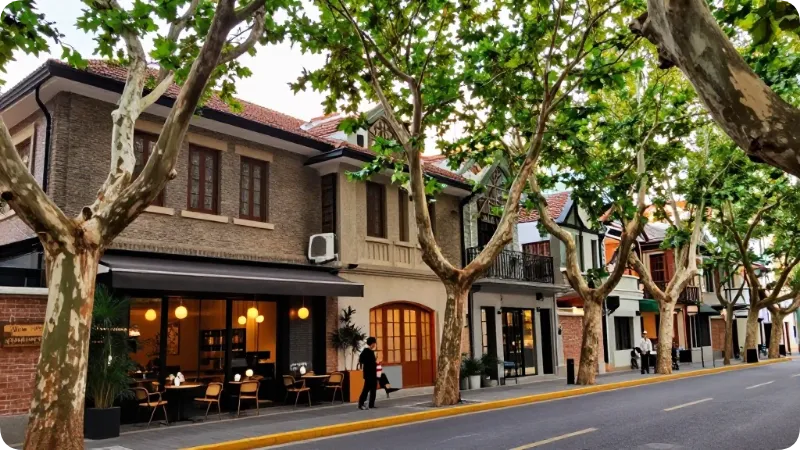
Choosing a neighborhood matters more in Shanghai than in many cities, since the metro area is enormous. First-time visitors generally do best staying near The Bund or French Concession, both of which offer walkable access to major sights, restaurants, and metro stations.
- The Bund / People’s Square best for skyline views, luxury hotels, and central sightseeing.
- French Concession best for boutique hotels, tree-lined streets, cafes, and nightlife.
- Jing’an: best for business travelers, mid-range hotels, and shopping.
- Pudong (Lujiazui) is best for modern skyscraper views and financial district energy.
Budget tip: Boutique hotels and well-reviewed hostels in the French Concession often deliver better value than international chains near The Bund, withou is crificing walkability.
Budget Breakdown
Shanghai can be visited on a range of budgets, and costs vary significantly between backpacker-style travel and luxury stays. As a general planning guide (always verify current pricing before booking):
| Expense | Budget Traveler | Mid-Range | Luxury |
| Accommodation/night | Hostel/budget hotel | 3–4 star hotel | 5-star hotel |
| Meals/day | Street food, local eateries | Mix of local + Western | Fine dining |
| Local transport/day | Metro pass | Metro + occasional taxi | Private car/Didi |
| Attractions/day | Free parks, temples | Paid attractions + 1 tour | Guided private tours |
Metro rides, street food, and public parks keep daily costs low, while museum entry fees, the Maglev train, and observation decks add up quickly if visited every day. Building in a mix of free and paid activities keeps the trip balanced.
Top 10 Places to Visit in Shanghai
These are the sights most travelers plan their trip around, ranging from historic waterfront views to futuristic skylines.
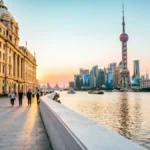
- The Bund riverside promenade with colonial-era architecture facing Pudong’s skyline.
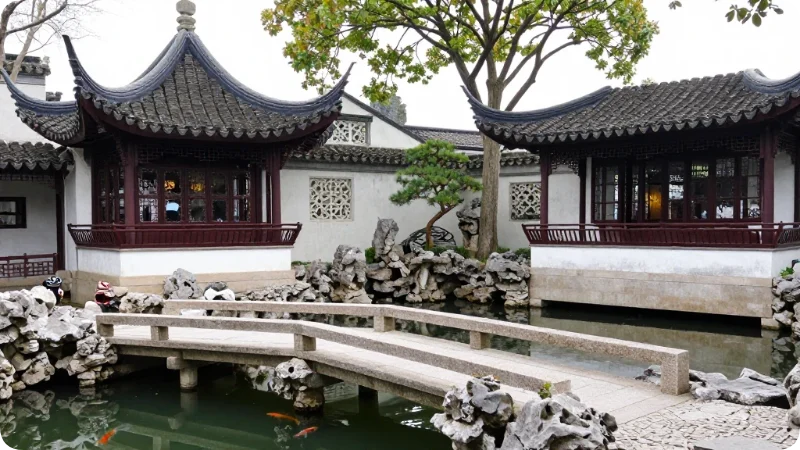
- Yu Garden a classical Ming Dynasty garden with koi ponds and ornate pavilions.
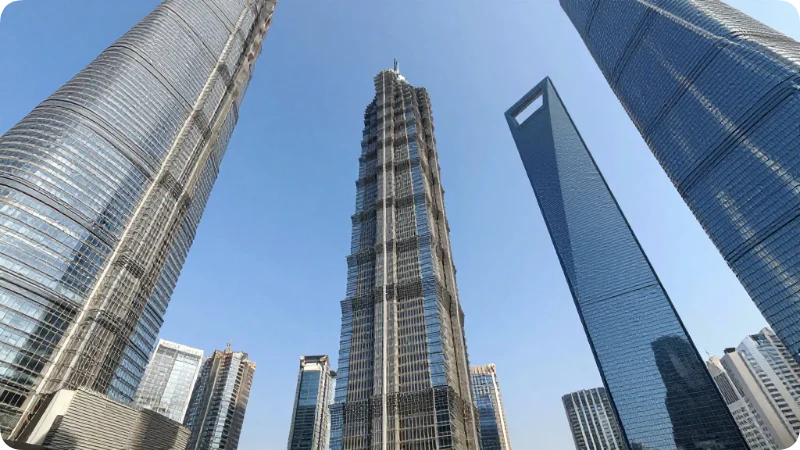
- Shanghai Tower one of the tallest buildings in the world, h an observation deck.
- Nanjing Road Shanghai’s famous pedestrian shopping street.
- French Concession: leafy streets, cafes, and preserved colonial architecture.
- Shanghai: an extensive collection of Chinese art and antiquities.
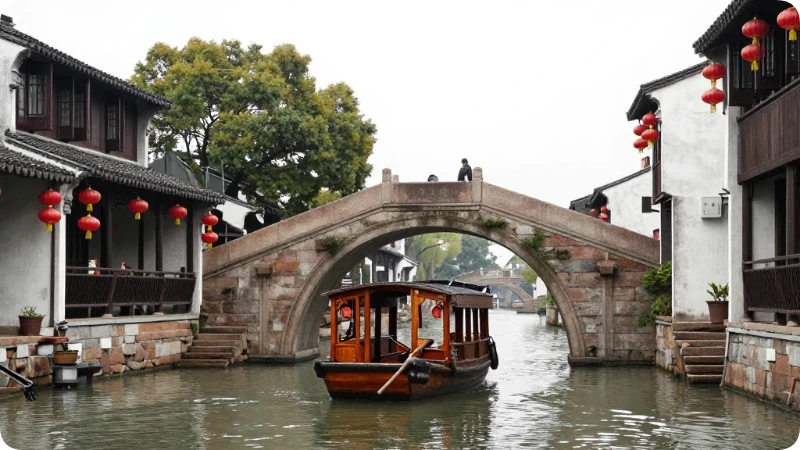
- Zhujiajiao Water Town a canal town nicknamed the “Venice of Shanghai.”
- Jing’an Temple: a striking gold-accented Buddhist temple in the city center.
- Xintiandi restored lane houses turned into dining and entertainment area.
- Century Park Shanghai’s largest public park, ideal for a slower afternoon.
What to See in Shanghai in 3 Days
With three days, focus on the essentials without overpacking the schedule.
- Daa ya 1: The Bund at sunset, Nanjing Road, and a Huangpu River night cruise to see the skyline lit up.
- Day 2: Yu Garden and the Old City, followed by Shanghai Museum and Xintiandi in the evening.
- Day 3: Shanghai Tower observation deck, French Concession walking tour, and dinner in Jing’an.
This pace balances history, skyline views, and food without excessive backtracking across the city.
Shanghai Itinerary 5 Days
A five-day itinerary allows room to slow down and add a day trip.
- Day 1: Arrival, Bund waterfront walk, Nanjing Road evening stroll.
- Day 2: Yu Garden, Old City temples, Shanghai Museum.
- Day 3: Shanghai Tower, Lujiazui skyline, Huangpu River cruise.
- Day 4: Day trip to Zhujiajiao Water Town for canal boats and traditional architecture.
- Day 5: French Concession cafes, Xintiandi, Tianzifang art lanes, farewell dinner.
Money-saving tip: Buy a multi-day metro pass rather than single tickets if you’re moving across neighborhoods daily.
Shanghai Itinerary 7 Days
A full week lets you dig deeper into neighborhoods and add another regional day trip.
- Days 1–5: Follow the 5-day itinerary above.
- Day 6: Day trip to Suzhou, a classical garden city roughly 30 minutes away by high-speed rail.
- Day 7: Free day for Century Park, shopping on West Nanjing Road, or revisiting a favorite neighborhood at a relaxed pace.
Spreading sightseeing across seven days also leaves buffer time for jet lag recovery, which is worth planning for given the long flight from the US.
Hidden Gems & Underrated Things to Do
Beyond the headline attractions, a few lesser-known spots reward travelers who venture off the main tourist track.
- Tianzifang a maze of art studios and cafes tucked into old lane houses, quieter than Xintiandi.
- M50 Art District a former industrial complex turned contemporary art galleries.
- Duolun Road: preserved historic street with far fewer tourists than the Bund.
- Fuxing Park: a peaceful French-designed park popular with locals doing tai chi at sunrise.
Underrated: Zhujiajiao Water Town is often overshadowed by the famous towns near Suzhou, yet it’s closer to Shanghai and just as scenic. Overrated: Nanjing Road’s far end can feel like a generic shopping mall strip; the Bund-facing section is far more worthwhile.
Food & Dining in Shanghai
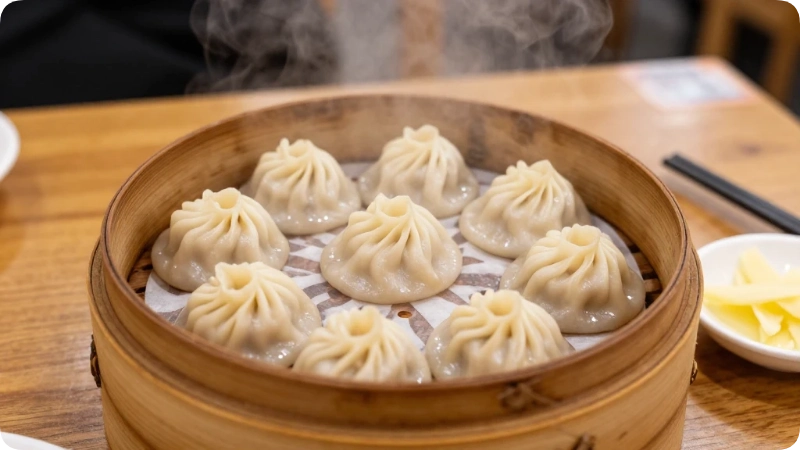
Shanghainese cuisine leans slightly sweet and features dishes rarely found elsewhere in China. Xiaolongbao (soup dumplings) are the city’s signature dish, best eaten fresh and piping hot, while shengjianbao (pan-fried pork buns) make for a crispy street-food alternative.
Other dishes worth seeking out include hongshao rou (red-braised pork), scallion oil noodles, and river crab in autumn. For a first meal, a reputable xiaolongbao restaurant in the Old City area is a reliable starting point, and street food stalls near Wujiang Road are popular with both locals and travelers.
Culture & Etiquette
Shanghai is one of China’s most cosmopolitan cities, but a few etiquette basics go a long way. Tipping is not customary in most restaurants, and pointing your chopsticks upright in a rice bowl is considered inauspicious.
Dress modestly when visiting temples, and always ask before photographing people directly, especially in markets or residential lanes. Many businesses, including some taxis, prefer mobile payment apps over cash, so having a backup payment method is worth arranging before your trip.
Safety Tips
Shanghai is generally considered a safe city for tourists, with low rates of violent crime, though petty theft can occur in crowded tourist areas like Nanjing Road and the Bund. Keep valuables secured and be cautious of unofficial “tea ceremony” scams targeting tourists near popular sights.
Tap water isn’t recommended for drinking; bottled or boiled water is the safer choice. It’s also worth registering trip details with the US Department of State’s Smart Traveler Enrollment Program (STEP) before departure, and checking current guidance on the State Department’s China travel page.
Visa Requirements for Shanghai (Visa & Legal Notes)
Most US citizens need a visa to enter mainland China, though Shanghai does offer a 144-hour visa-free transit policy for eligible travelers connecting through the city to a third country, subject to specific conditions. Because visa rules and transit policies change periodically, always verify current requirements directly with the Chinese Embassy or Consulate or your airline before booking.
Passports should generally have at least six months of validity remaining, and it’s worth applying for a standard tourist visa well ahead of your trip if you don’t qualify for visa-free transit. Travel insurance covering medical care and trip interruption is also worth considering for an international trip of this distance.
Common Mistakes First-Time Visitors Make
Avoiding a few common missteps can save time and frustration on the ground.
- Not downloading a VPN before arrival many Western apps and sites are inaccessible in China, and VPNs are much easier to set up before you land.
- Underestimating distances: Shanghai is enormous, and cramming too many far-apart sights into one day leads to exhausting backtracking.
- Relying only on cash many vendors expect mobile payment apps, so having Alipay or a linked payment method set up in advance is worth the effort.
Packing Advice
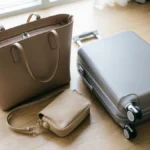
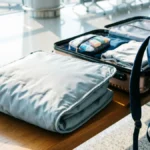
Pack layers for spring and autumn visits, since temperatures can shift noticeably between morning and evening. Comfortable walking shoes are essential given how much ground the top attractions cover, and a portable phone charger is handy for long days using maps and translation apps.
Bring a physical map or offline map download as backup, since some navigation apps behave differently without a VPN. A universal power adapter is also necessary, as China uses different plug types than the US.
Shanghai Travel Guide PDF: Do You Need One?
Many travelers search for a downloadable “shanghai travel guide pdf” to use offline during their trip. Rather than relying on a static PDF, which can go out of date quickly, it’s often more reliable to save this guide as an offline browser page or bookmark it, a Shanghai ofofficial resource like the Shanghai Municipal Tourism Administration site, before you lose signal.
If you prefer a printed reference, condensing this guide’s itinerary and quick facts sections into a personal one-page PDF before your trip is a practical middle ground.
Shanghai Travel Guide Reddit: What Travelers Say
Communities like r/Shanghai and r/China on Reddit are popular among travelers researching a shanghai travel guide reddit-style, first-hand perspective. Common themes in these discussions include praise for the metro system’s efficiency, repeated recommendations to set up a VPN before arrival, and mixed opinions on how much time to spend at Yu Garden versus the water towns.
Reddit threads are useful for real-time, crowd-sourced tips, but posts can be outdated or reflect one traveler’s opinion, so it’s worth cross-checking anything time-sensitive, like visa rules or attraction hours, against official sources.
Shanghai Travel Blog Recommendations
If you enjoy reading a Shanghai travel blog before a trip, look for writers who’ve visited recently, since restaurant closures, ticketing systems, and transit apps change often in a fast-moving city like Shanghai. Well-regarded independent travel blogs and long-form Reddit trip reports tend to offer more nuanced, ground-level detail than general listicles.
Cross-referencing two or three recent blog posts alongside official tourism board pages gives a more balanced, up-to-date picture than relying on a single source.
Should You Book a Shanghai Travel Agency or Tour?
Independent travelers can comfortably navigate Shanghai using the metro and translation apps, but a shanghai travel agency or local tour operator can be worthwhile for day trips to Zhujiajiao or Suzhou, or for travelers who prefer a guided, hassle-free experience. Agencies can also help navigate visa paperwork for travelers familiar with the process.
For most independent, English-speaking travelers, booking a tour selectively such as a single guided day trip rather than a full-package agency tour tends to offer the best balance of flexibility and convenience.
Nearby Attractions & Day Trips
Two of the best day trips from Shanghai are Suzhou, famous for its classical gardens and canals, and Zhujiajiao, a closer and more low-key water town. Both are reachable within roughly 30–60 minutes by train or bus, making them realistic additions to a 5- or 7-day itinerary.
Hangzhou, home to the scenic West Lake, is a slightly longer but popular option for travelers with extra time, typically about an hour away by high-speed rail.
Is Shanghai Worth Visiting?
Shanghai is worth visiting for travelers who want a mix of futuristic architecture, deep history, and world-class food in one city, especially those already planning a broader China itinerary. Three days is the realistic minimum to see the highlights, while five to seven days allows for day trips and a slower pace.
Travelers seeking a quieter, small-town China experience may find Shanghai’s scale and pace overwhelming, and might prefer pairing a shorter Shanghai stay with more time in Suzhou or Hangzhou instead.
FAQs
How many days do you need in Shanghai?
Three days covers the major highlights like the Bund, Yu Garden, and Shanghai Tower, while five to seven days allows time for day trips to Zhujiajiao or Suzhou and a more relaxed pace overall.
Is Shanghai expensive to visit?
Shanghai can suit a range of budgets, since metro fares and street food are inexpensive, while five-star hotels and fine dining push costs up quickly. Mid-range travelers can generally manage a comfortable trip without luxury pricing.
Do US citizens need a visa for Shanghai?
Most US citizens need a visa for mainland China, though a 144-hour visa-free transit policy may apply for eligible travelers passing through Shanghai to a third country. Requirements change periodically, so verify current rules with the Chinese Embassy before booking.
What is the best way to get around Shanghai?
The Shanghai Metro is the most efficient way to get around, with extensive coverage, English signage, and low fares. Taxis and ride-hailing apps like Didi are useful backups, especially late at night.
Is Shanghai safe for tourists?
Shanghai is generally considered safe, with low rates of violent crime, though petty theft and tourist-targeted scams can occur in crowded areas like the Bund and Nanjing Road. Standard travel precautions apply.
What is Shanghai famous for?
Shanghai is famous for its futuristic Pudong skyline, historic Bund waterfront, xiaolongbao soup dumplings, and its blend of colonial-era French Concession architecture with modern skyscrapers.
What should first-time visitors avoid in Shanghai?
First-time visitors should avoid relying only on cash, skipping a VPN setup before arrival, and overpacking each day’s itinerary given how spread out the city’s attractions are.
Can you drink tap water in Shanghai?
Tap water in Shanghai isn’t recommended for drinking; bottled or boiled water is the safer option for travelers, and most hotels provide complimentary bottled water.
What is the best neighborhood to stay in for first-time visitors?
The Bund and French Concession are the best neighborhoods for first-time visitors, offering walkable access to major sights, restaurants, and metro connections without needing to travel far each day.
Is a Shanghai travel agency necessary, or can you visit independently?
Most English-speaking travelers can visit Shanghai independently using the metro and translation apps, though booking a single guided day trip through a local agency can simplify visa-related logistics or trips to Suzhou and Zhujiajiao.
What time of year should be avoided in Shanghai?
Early October’s Golden Week national holiday should generally be avoided, since domestic travel surges, hotel prices spike, and major attractions become significantly more crowded than usual.
Conclusion
Shanghai rewards travelers who plan around its scale rather than fight it: pick a walkable base neighborhood, pair the skyline with at least one canal town day trip, and build in buffer time for jet lag and Golden Week crowds.
If you have three days or a full week, the mix of the Bund’s skyline, Yu Garden’s history, and a steaming basket of xiaolongbao is what makes this city memorable long after the trip ends.
Start with a short list one skyline view, one historic garden, one food crawl and let the rest of the itinerary build around it. Shanghai has a way of turning even a first-timer’s cautious three-day visit into a reason to come back for a l: r one.

Ben Fogle believes that true adventure begins where the pavement ends. After spending years documenting extreme environments, rowing across oceans, and trekking through frozen landscapes, he mastered the art of wilderness travel. For Travelmarse, Ben constructs highly detailed guides on deep-nature packing lists, wildlife safety, and sustainable eco-tourism. He breaks down intimidating, rugged expeditions into clear, step-by-step roadmaps so everyday travelers can safely connect with the natural world.