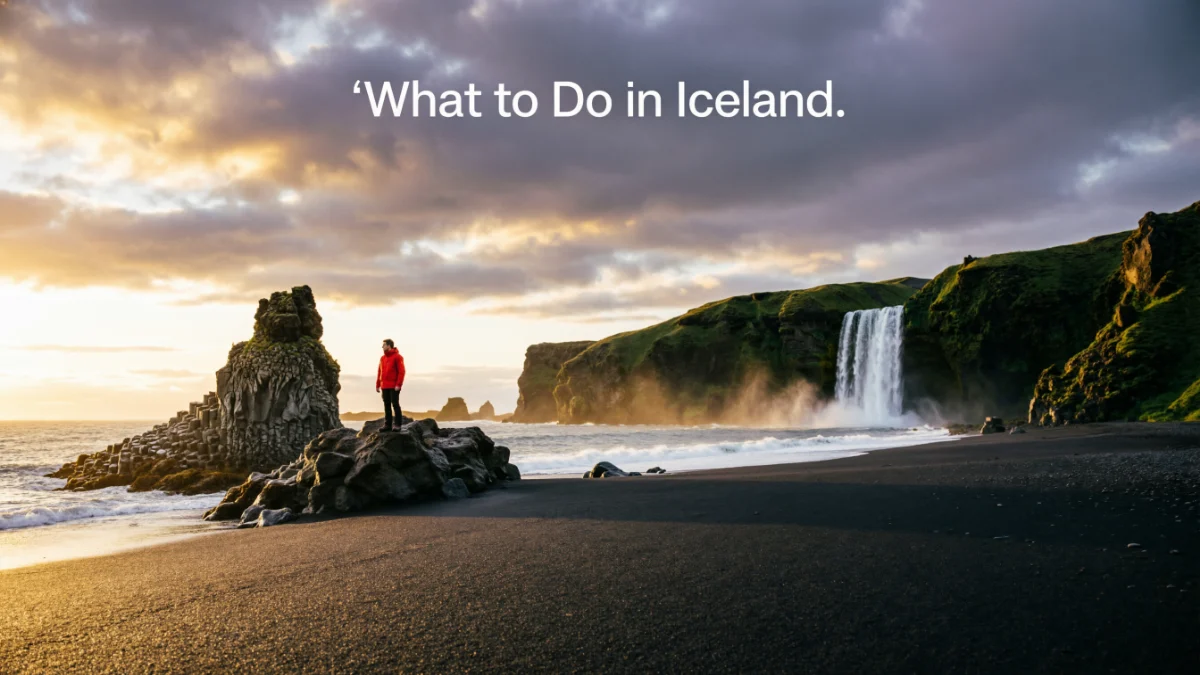
Iceland pulls travelers in with a promise few destinations can match: glaciers, volcanoes, waterfalls, and the Northern Lights, all within a single day’s drive. For USA travelers planning what to do in Iceland, the sheer number of options can feel overwhelming, from geothermal lagoons to remote fjords.
This guide breaks down exactly what to do in Iceland by season, by trip length, and by traveler type, so nothing important gets missed. Whether it’s a quick 3-day layover from a US airport or a full week-long road trip, the plan below covers the essentials, the hidden gems, and the mistakes to avoid along the way.
Featured Snippet:
The best things to do in Iceland include soaking in the Blue Lagoon, driving the Golden Circle, chasing the Northern Lights, exploring Reykjavik’s harbor and museums, hiking glaciers, and touring the South Coast’s waterfalls and black-sand beaches. Most visitors need 5–7 days to comfortably see the highlights.
Quick Facts Table
| Category | Details |
| Capital | Reykjavik |
| Currency | Icelandic Króna (ISK) |
| Language | Icelandic (English widely spoken) |
| Best time to visit | June–August (summer) or Feb–March (Northern Lights) |
| Average trip length | 5–7 days |
| Visa | Not required for US citizens for stays under 90 days (Schengen Area) |
| Main airport | Keflavík International Airport (KEF) |
| Currency exchange tip | Cards accepted almost everywhere; carry minimal cash |
Always verify current entry requirements on the official U.S. State Department or Icelandic immigration website before travel, as policies can change.
Best Time to Visit Iceland
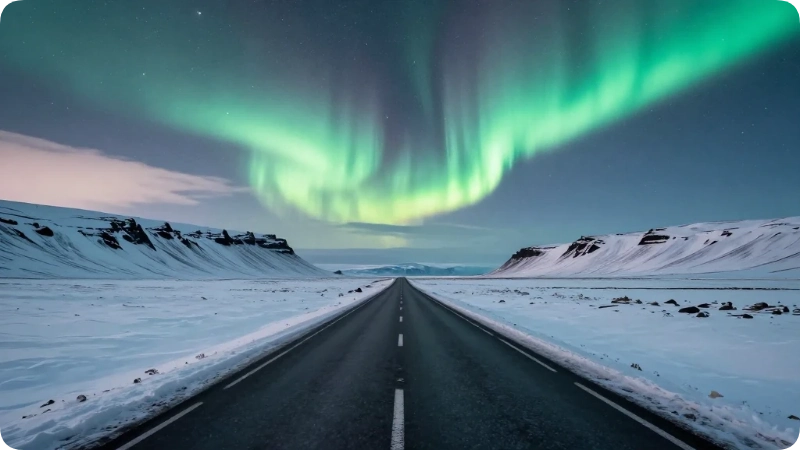
The best time to visit Iceland depends on the goal: summer (June–August) offers 20+ hours of daylight, road access to the Highlands, and mild weather, while winter (November–March) brings the Northern Lights, ice caves, and fewer crowds. Shoulder seasons (May and September) balance good weather with lower prices.
Summer is ideal for hikers and road-trippers who want the Ring Road fully open. Winter suits travelers chasing auroras and snowy landscapes, but daylight is short and some rural roads close.
Seasonal Comparison Table
| Season | Daylight | Weather | Best For | Watch Out For |
| Summer (Jun–Aug) | 18–24 hrs | Mild, 50–60°F | Hiking, Ring Road, Midnight Sun | Higher prices, crowds |
| Fall (Sep–Oct) | 10–14 hrs | Cooling, windy | Early auroras, fewer tourists | Unpredictable weather |
| Winter (Nov–Mar) | 4–7 hrs | Cold, icy | Northern Lights, ice caves | Road closures, short days |
| Spring (Apr–May) | 13–17 hrs | Mild, unpredictable | Budget travel, birdwatching | Lingering snow in Highlands |
What Is Iceland Famous For?
Iceland is famous for its dramatic natural landscapes: volcanoes, glaciers, geysers, waterfalls, geothermal hot springs like the Blue Lagoon, and the Northern Lights. It’s also known for Reykjavik’s colorful architecture, Viking history, and being one of the safest, cleanest countries in the world.
The country sits on the Mid-Atlantic Ridge, which is why it has such intense volcanic and geothermal activity. This same geology powers nearly all of Iceland’s electricity and heating.
Top 20 Things to See in Iceland
- Blue Lagoon – geothermal spa near Keflavík
- Golden Circle – Þingvellir National Park, Geysir, and Gullfoss waterfall
- Seljalandsfoss & Skógafoss – iconic South Coast waterfalls
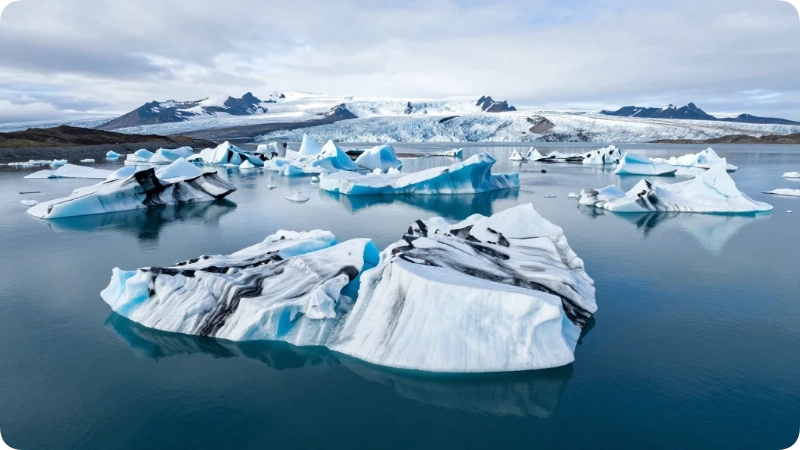
- Jökulsárlón Glacier Lagoon – floating icebergs and seals
- Diamond Beach – black sand studded with ice chunks
- Reynisfjara Black Sand Beach – basalt columns near Vík
- Vatnajökull National Park – Europe’s largest glacier
- Reykjavik’s Hallgrímskirkja Church – panoramic city views
- Landmannalaugar – colorful Highland hiking trails
- Northern Lights – visible September through mid-April on clear nights
Beyond the highlights above, here are 10 more experiences worth building into any itinerary:
- Snorkel or dive Silfra Fissure between two continental plates
- Explore an ice cave inside Vatnajökull Glacier
- Whale watch from Húsavík or Reykjavik harbor
- Soak in the Sky Lagoon with ocean views
- Drive the full Ring Road (Route 1) around the island
- Visit Akureyri, the “Capital of North Iceland”
- Hike Fimmvörðuháls or Laugavegur trail
- Tour a lava tube cave near Reykjavik
- See puffins on the Westman Islands (May–August)
- Relax at a lesser-known hot spring like Reykjadalur or Krauma
What to Do in Iceland Winter
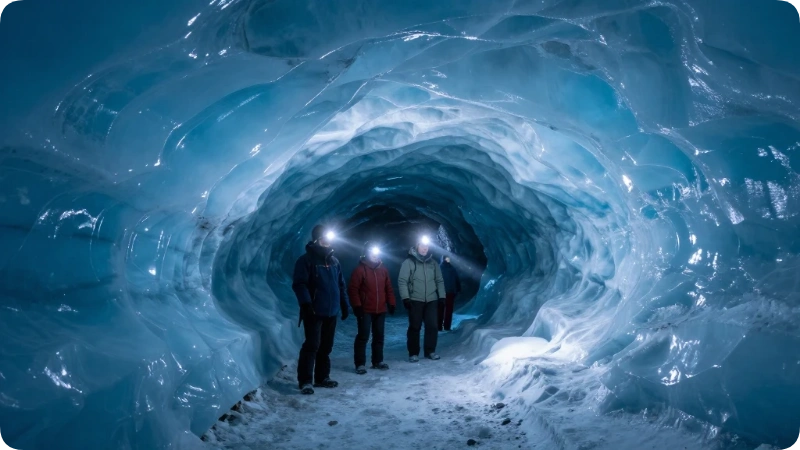
In Iceland during winter, the top activities are Northern Lights tours, glacier ice cave exploration, snowmobiling, and soaking in geothermal pools while snow falls. Days are short, so plan fewer stops per day and prioritize weather-dependent activities early in the trip in case of cancellations.
Ice caves inside Vatnajökull only form and remain safe during winter months, making this a season-exclusive experience. Pair a cave tour with a Northern Lights hunt for a full day of contrast between dark ice and glowing sky.
Pack for sub-freezing temperatures, and book a guided tour for ice caves and glacier hikes, since conditions shift daily and require certified guides.
What to Do in Iceland in Summer
Summer in Iceland is best used for road-tripping the Ring Road, hiking in the Highlands, whale watching, and enjoying the Midnight Sun, when the sky stays light nearly 24 hours a day. Roads that are closed in winter, including F-roads into the interior, typically open by June.
This is the season for puffin watching on the Westman Islands and hiking multi-day trails like Laugavegur. Campsites and mountain huts also become accessible.
Book accommodations early, since summer is peak season and hotels near popular stops fill up months in advance.
What to Do in Iceland Reykjavik
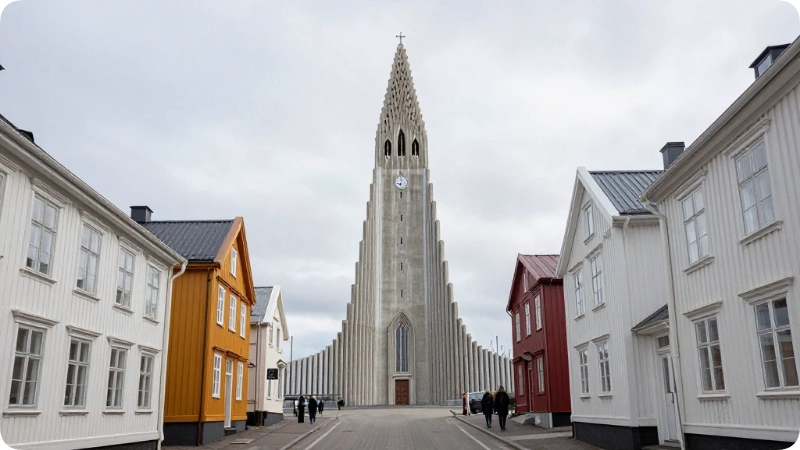
In Reykjavik, don’t miss Hallgrímskirkja church, the Harpa Concert Hall, the Sun Voyager sculpture, and the Old Harbour, plus museums like the National Museum of Iceland and the Saga Museum. The compact downtown is walkable, making it easy to combine sightseeing with cafés and shopping on Laugavegur street.
For a local evening, try Icelandic hot dogs at a harborside stand or book a whale-watching tour directly from the Old Harbour. The Sky Lagoon, just outside downtown, is a convenient alternative to the Blue Lagoon for visitors short on time.
What to Do in Iceland with Kids
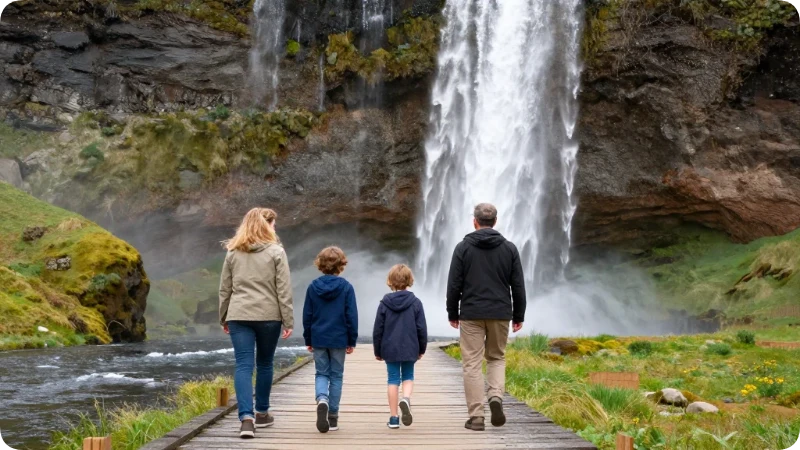
Family-friendly activities in Iceland include the Blue Lagoon (shallow, warm water), Reykjavik’s Family Park and Zoo, whale watching, and easy South Coast waterfalls like Seljalandsfoss. Most nature sites have short, flat paths suitable for strollers, though some require sturdy footwear.
Avoid long glacier hikes or ice caves with very young children, since gear and safety requirements can be difficult for kids under 8. Instead, choose lava tube tours with easy walkways or the geothermal beach at Nauthólsvík, which has heated seawater.
What to Do in Iceland for a Week (Sample Itinerary)
A 7-day Iceland itinerary typically covers Reykjavik, the Golden Circle, the South Coast, and a partial Ring Road loop, balancing driving time with sightseeing.
| Day | Focus |
| 1 | Arrive, Blue Lagoon, Reykjavik |
| 2 | Golden Circle (Þingvellir, Geysir, Gullfoss) |
| 3 | South Coast waterfalls, Reynisfjara black beach |
| 4 | Jökulsárlón Glacier Lagoon, Diamond Beach |
| 5 | Glacier hike or ice cave (seasonal) |
| 6 | Snæfellsnes Peninsula or Reykjavik free day |
| 7 | Departure, Sky Lagoon or Northern Lights hunt |
This pace leaves buffer time for weather delays, which are common even in summer.
What to Do in Iceland in November
November is a shoulder-to-winter month, ideal for early Northern Lights viewing, geothermal spas, and shorter South Coast day trips, since full darkness sets in by mid-afternoon. Snow can begin appearing in the Highlands, closing some F-roads.
This is one of the more affordable months to visit, with fewer crowds at major attractions like the Golden Circle. Pack layered winter clothing and expect roughly 7–8 hours of daylight.
How to Get There
Most US travelers fly directly into Keflavík International Airport (KEF), about 45 minutes from Reykjavik, with nonstop routes from cities including New York, Boston, Chicago, Denver, and Seattle on carriers like Icelandair and Delta. Flight time from the East Coast is roughly 5–6 hours.
From KEF, travelers can rent a car, book an airport shuttle (such as Flybus), or arrange a private transfer into Reykjavik.
Transport Options
Renting a car is the most flexible way to see Iceland, especially for the Ring Road or South Coast. Public buses (Strætó) cover Reykjavik and some regional routes, while guided day tours are a good option for travelers who prefer not to drive on Icelandic roads.
4×4 vehicles are recommended for winter travel or any route into the Highlands, since regular sedans aren’t permitted on F-roads.
Where to Stay
Reykjavik is the most convenient base for first-time visitors, with easy access to day tours and restaurants. For a road trip, staying in smaller towns along the South Coast (Vík, Hof) or near Jökulsárlón spreads out driving time and gets travelers closer to sunrise and sunset photo spots.
Guesthouses and countryside hotels tend to book out fastest in summer, so reserving 2–3 months ahead is wise for peak season travel.
Budget Breakdown: Is Iceland Expensive to Visit?
Yes, Iceland is considered an expensive destination, largely due to food, lodging, and fuel costs. Budget travelers can expect to spend roughly $150–$200 per day, while mid-range travelers often spend $250–$350 per day covering hotels, meals, car rental, and activities.
Costs can be reduced by booking a guesthouse instead of a hotel, cooking some meals from a grocery store like Bónus, and traveling in shoulder season rather than summer. Always check current pricing directly with vendors, since Iceland’s costs shift with fuel prices and tourism demand.
Top Attractions
Beyond the must-see list above, attractions worth prioritizing by interest include Skaftafell for glacier hiking, the Snæfellsnes Peninsula for a mini version of Iceland’s landscapes, and Þórsmörk valley for serious hikers seeking fewer crowds.
Hidden Gems
Three underrated spots that don’t get as much attention as the Golden Circle:
- Reykjadalur Hot Spring River – a hike-in hot river near Reykjavik, less crowded than the Blue Lagoon
- Stokksnes / Vestrahorn – dramatic mountain backdrop near Höfn, popular with photographers but light on tourist traffic
- Dynjandi Waterfall – a tiered waterfall in the remote Westfjords, worth the detour for travelers with extra days
Food & Dining
Icelandic cuisine centers on fresh seafood, lamb, and dairy products like skyr, with Reykjavik’s food scene also offering modern Nordic restaurants, food halls, and the famous roadside hot dog stands. Traditional dishes like fermented shark (hákarl) exist but are more novelty than daily fare for most visitors.
For a casual, affordable meal, the Icelandic hot dog (pylsur) with all the toppings is a local staple worth trying at least once.
Culture & Etiquette
Icelanders are generally reserved but friendly, and English is spoken fluently by nearly everyone in the tourism industry. Tipping isn’t expected, since service charges are typically included in the bill.
Respecting nature is taken seriously here: staying on marked paths, not walking on moss-covered lava fields, and not flying drones near sensitive wildlife areas are all part of responsible travel in Iceland.
Safety Tips
Iceland is consistently ranked among the safest countries in the world, but natural hazards, not crime, are the main concern. Check road conditions at road.is and weather at vedur.is before any drive, since conditions change quickly.
Never walk close to glacier edges, waterfalls, or ocean waves at black-sand beaches like Reynisfjara, where sneaker waves have caused fatalities.
Packing Advice
Layered clothing is essential year-round, since Iceland’s weather can shift within hours regardless of season. A waterproof, windproof outer layer, sturdy waterproof shoes, and a swimsuit for geothermal pools are non-negotiable packing items.
Winter travelers should add thermal base layers, insulated boots with good grip, and gloves, while summer visitors should still pack a warm layer for evenings and Highland trips.
Common Mistakes to Avoid
- Underestimating driving times – distances look short on a map but Icelandic roads are often narrow and weather-affected; fix this by building buffer time into each day.
- Skipping travel insurance – weather delays and outdoor activities carry real risk; fix this by purchasing coverage that includes trip interruption and medical evacuation.
- Ignoring official road and weather alerts – closures happen with little notice; fix this by checking road.is and vedur.is each morning of a road trip.
Alternatives to Iceland’s Busiest Spots
Travelers who want similar scenery without the Golden Circle crowds can consider Snæfellsnes Peninsula (sometimes called “Iceland in Miniature”) or the Westfjords for a quieter, more remote experience with comparable waterfalls and coastline.
FAQs
Is 3 days enough time in Iceland?
Three days is enough for a highlights trip covering Reykjavik, the Golden Circle, and part of the South Coast, but it won’t allow time for the full Ring Road or Highland areas. It works well as a stopover en route to Europe.
Is 7 days enough for Iceland?
Yes, seven days is generally enough to cover Reykjavik, the Golden Circle, the South Coast to Jökulsárlón, and one glacier or ice activity without excessive rushing. A full Ring Road loop typically needs 10–14 days.
What is the best month to visit Iceland?
June through August offers the mildest weather and longest daylight for sightseeing, while February and March are best for combining decent road access with strong Northern Lights chances. The “best” month depends on whether the priority is daylight or auroras.
What is the cheapest month to go to Iceland?
January, February, and November tend to have the lowest flight and hotel prices, since these fall outside peak summer and holiday travel windows. Prices rise sharply around Christmas, New Year’s, and the June–August peak season.
Is Iceland expensive to visit?
Yes, Iceland is one of the pricier European-adjacent destinations, mainly due to food, lodging, and fuel costs. Budget-conscious travel is still possible with guesthouses, grocery-store meals, and shoulder-season timing.
What to be careful of in Iceland?
Sneaker waves at black-sand beaches, unstable weather, and slippery ice on winter roads and sidewalks are the main hazards. Always follow posted warning signs and official weather advisories.
What not to bring into Iceland?
Raw or unprocessed food products, including certain meats and dairy, are restricted for biosecurity reasons, and used outdoor gear (like hiking boots or fishing equipment) may need to be disinfected to prevent spreading invasive species. Check Icelandic customs guidelines before packing.
What should you not miss in Iceland?
The Golden Circle, at least one South Coast waterfall, Jökulsárlón Glacier Lagoon, and a geothermal soak (Blue Lagoon or an alternative) are considered must-do experiences for first-time visitors.
What is the main food in Iceland?
Seafood, lamb, and skyr (a thick Icelandic dairy product) form the backbone of traditional Icelandic cuisine. Reykjavik also offers a strong modern Nordic dining scene.
Which part of Iceland is best to visit?
The South Coast and Golden Circle region offer the highest concentration of iconic sights for first-time visitors, while the Westfjords and North Iceland suit travelers seeking fewer crowds and more remote landscapes.
Was Harry Potter filmed in Iceland?
No, the Harry Potter films were not shot in Iceland; they were filmed primarily in the UK. Iceland has, however, appeared in other major productions, including Game of Thrones and several James Bond films.
Where should I go for the first time in Iceland?
First-time visitors typically start with Reykjavik, the Golden Circle, and the South Coast as far as Jökulsárlón, which covers the country’s most iconic and accessible landscapes.
Is it worth visiting the Blue Lagoon?
Yes, most travelers find the Blue Lagoon worth the cost for its convenience near the airport and the novelty of a milky-blue geothermal spa, though it is pricier and busier than lesser-known alternatives like the Sky Lagoon or Secret Lagoon.
How much money should I take to Iceland for 7 days?
Budget roughly $1,000–$2,500 per person for 7 days, depending on travel style, covering lodging, food, car rental or tours, and activities. Iceland is largely card-based, so minimal cash is needed.
Is it okay to wear jeans in Iceland?
Jeans are fine for city days in Reykjavik but aren’t ideal for hikes, glacier tours, or wet weather, since they don’t dry quickly or insulate well when damp. Pack quick-dry hiking pants for outdoor excursions.
What currency is used in Iceland?
The Icelandic Króna (ISK) is the official currency, though cards are accepted almost everywhere, including small purchases, making cash largely unnecessary.
Is it cheaper to travel to Iceland or Norway?
Iceland and Norway are both expensive, but Iceland is often slightly cheaper for flights from the US and comparable or slightly less expensive for food and lodging, though both destinations require a generous travel budget.
What mistakes should you avoid in Iceland?
Underestimating driving distances, ignoring weather and road alerts, and skipping travel insurance are the most common and costly mistakes first-time visitors make.
Who needs a visa to visit Iceland?
US citizens do not need a visa for stays under 90 days, since Iceland is part of the Schengen Area, but a valid passport is required. Always confirm current entry rules on official government sites before departure.
What to wear in the evening in Iceland?
Evenings call for warm layers, even in summer, since temperatures drop noticeably after sunset or during long daylight evening hours. A packable insulated jacket is a practical addition to any evening outfit.
What is the best way to travel around Iceland?
A rental car offers the most flexibility for reaching waterfalls, beaches, and remote viewpoints on your own schedule. Guided tours are a solid alternative for travelers who prefer not to drive on unfamiliar or icy roads.
Is Iceland safe for solo female travelers?
Yes, Iceland is widely regarded as one of the safest countries in the world for solo travelers, including women, with very low crime rates. The main precautions relate to weather and terrain rather than personal safety.
Should I bring toilet paper to Iceland?
No, toilet paper isn’t necessary to pack, since it’s widely available in hotels, guesthouses, and public restrooms throughout the country. It’s more useful to carry hand sanitizer for remote rest stops.
What month is the Northern Lights in Iceland?
The Northern Lights are typically visible from late August through mid-April, with the darkest, clearest viewing conditions often falling in October, November, February, and March.
How much does Iceland cost per day?
Daily costs generally range from $150 for budget travelers to $350 or more for mid-range travelers, covering lodging, food, transport, and activities. Luxury trips can run significantly higher.
How do you say “hi” in Iceland?
“Hæ” or “Halló” are common casual greetings in Icelandic, both pronounced similarly to their English counterparts. Most locals in tourist areas will also respond comfortably in English.
Do and don’ts in Iceland?
Do stay on marked trails, respect wildlife distances, and check weather before driving; don’t walk on moss-covered lava, get close to glacier edges, or ignore beach warning signs. These simple habits prevent most safety incidents.
What is the Blue Lagoon in Iceland?
The Blue Lagoon is a geothermal spa near Keflavík known for its milky-blue, mineral-rich water, silica mud masks, and swim-up bar, making it one of Iceland’s most visited attractions.
What should I pack for Iceland?
Pack layered waterproof clothing, sturdy waterproof shoes, a swimsuit, and a reusable water bottle, adjusting warmth layers based on season. A portable charger is also useful for long Northern Lights or road-trip days.
Conclusion
Iceland rewards travelers who plan around its seasons, distances, and unpredictable weather rather than trying to fit too much into too little time. The biggest takeaways: prioritize the South Coast and Golden Circle for first-timers, match the trip length and season to the experiences that matter most (auroras vs. Midnight Sun, ice caves vs. hiking), and always check official road and weather updates before driving.
Whether it’s a 3-day layover or a full week exploring the Ring Road, Iceland’s glaciers, waterfalls, and geothermal pools deliver an adventure that’s hard to match anywhere else. Start mapping out flights and lodging early, since Iceland’s popularity means the best options book up fast.

Maya Lin inspires travelers to explore the globe with absolute confidence and independence. Armed with a background in digital media and a decade of independent solo travel experience, she knows exactly how to navigate unfamiliar cities smoothly and safely. For Travelmarse, Maya curates the solo travel and hidden-gem verticals. She reviews charming boutique hotels, designs smart neighborhood walking routes, and shares practical language-learning hacks, giving readers the exact tools they need to travel solo without the stress.