Iceland pulls American travelers in with a promise few places can match: glaciers, volcanoes, waterfalls, and the Northern Lights, all within a few hours of each other. That promise, however, comes with real planning headaches: unpredictable weather, pricey meals, and an overwhelming list of “must-see” spots that can turn a dream trip into a rushed checklist.
This guide cuts through that confusion. Below, you’ll find the best things to do in Iceland organized by season, budget, travel style, and interest, plus practical answers to the questions USA travelers ask most before booking. If you have three days or three weeks, this article maps out exactly where to go, when to go, and what to skip.
Featured Snippet:
The best things to do in Iceland include chasing the Northern Lights, soaking in the Blue Lagoon, driving the Golden Circle, exploring Reykjavik, hiking glaciers, spotting waterfalls like Gullfoss and Skógafoss, whale watching, and relaxing in geothermal hot springs. Iceland rewards travelers who mix big-ticket sights with slower, small-town moments.
Quick Facts Table
Iceland is smaller and more accessible than most first-time visitors expect, and a quick facts snapshot helps set realistic expectations before diving into the details. Below is what USA travelers most often need to know at a glance.
| Category | Details |
| Capital | Reykjavik |
| Currency | Icelandic Króna (ISK) |
| Language | Icelandic (English widely spoken) |
| Best months to visit | June–August (summer), Feb–March (Northern Lights) |
| Flight time from NYC | ~5.5–6 hours direct |
| Time zone | GMT (no daylight saving) |
| Visa for US citizens | Not required for stays under 90 days |
| Driving side | Right-hand side |
Prices, visa rules, and flight schedules change often; always confirm current details on official sources like the U.S. Department of State and Visit Iceland before booking.
Best Time to Visit Iceland (Cheapest Month & Worst Time to Go)
The best time to visit Iceland depends on your goal: summer (June–August) offers near-endless daylight and easier road access, while winter (November–March) is prime for the Northern Lights. Shoulder seasons, especially September and April, tend to be the cheapest and least crowded months to travel.
Winter brings shorter days and occasional road closures, particularly around the Highlands and mountain passes. Summer, meanwhile, means higher hotel prices and busier tourist sites, so book accommodations several months ahead if traveling in July.
The worst time to go is arguably late October through December, when storms are frequent, daylight is minimal, and many rural attractions reduce hours unless your main goal is a quieter, moodier trip with lower airfare.
Seasonal Comparison Table:
| Season | Daylight | Pros | Cons |
| Summer (Jun–Aug) | Up to 21 hrs | Warmer, full road access, midnight sun | Crowded, expensive |
| Fall (Sep–Oct) | 8–12 hrs | Fewer crowds, fall colors, early auroras | Unpredictable weather |
| Winter (Nov–Mar) | 4–7 hrs | Northern Lights, ice caves, low prices | Cold, limited daylight, some closures |
| Spring (Apr–May) | 12–18 hrs | Waterfalls at peak flow, budget-friendly | Muddy trails, variable weather |
Things to Do in Iceland in Winter
Winter in Iceland centers on the Northern Lights, ice caves, and geothermal soaking under snow-dusted skies. Between November and March, travelers can combine aurora hunting with glacier hikes, snowmobiling, and a soak in the Blue Lagoon or Sky Lagoon.
Popular winter activities include exploring natural ice caves inside Vatnajökull glacier (only accessible in winter), visiting the frozen sections of Skógafoss and Seljalandsfoss, and driving portions of the South Coast to see black sand beaches dusted with snow.
Insider tip: Book ice cave tours at least two to three weeks ahead, since access depends on glacier conditions and slots fill quickly during peak aurora season.
Things to Do in Iceland in February
February sits in the sweet spot of Iceland’s winter season, with long nights ideal for aurora viewing and noticeably fewer tourists than the December holiday rush. Days start stretching out again, giving travelers around 8–9 hours of daylight for sightseeing.
Top February activities include Northern Lights tours, snowmobiling on Langjökull glacier, soaking in the Secret Lagoon, and driving the Golden Circle before afternoon darkness sets in. February also tends to offer better flight and hotel deals than the December–January holiday window.
Pack for sub-freezing temperatures with strong wind chill, and always check road conditions on road. before any day trip outside Reykjavik.
Chasing the Northern Lights in Iceland
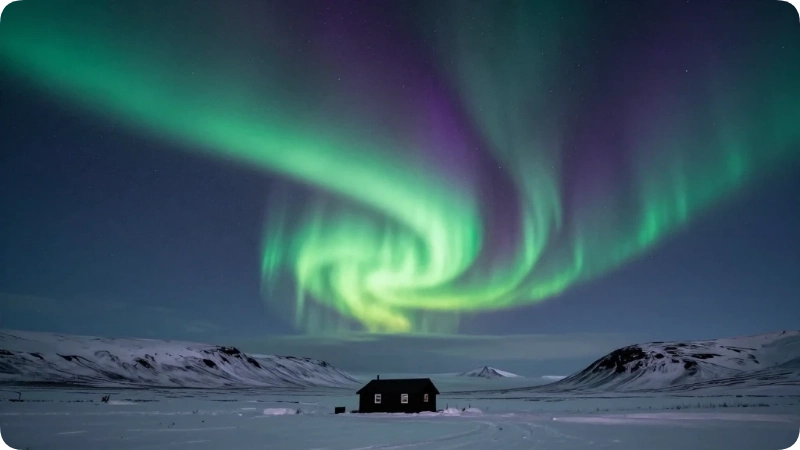
The Northern Lights (Aurora Borealis) are visible in Iceland roughly from late August through mid-April, with the darkest months November through February offering the highest odds. Clear, cold nights away from city lights give the best viewing conditions.
Reykjavik’s surrounding countryside, Thingvellir National Park, and the Snæfellsnes Peninsula are popular aurora-hunting spots within a short drive of the capital. Many tour operators run nightly bus tours with real-time forecasting based on Iceland’s official aurora and cloud-cover forecast.
Honest drawback: Sightings are never guaranteed. Even in peak season, cloud cover or solar activity can mean a no-show, so budget at least two to three nights if this is a trip priority.
What Are the Top 20 Things to Do in Iceland? (What Should You Not Miss)
The top things to do in Iceland blend natural landmarks with cultural stops, and most first-time visitors should not miss the Golden Circle, the Blue Lagoon, and the South Coast waterfalls at minimum. Below is a well-rounded list covering nature, culture, and adventure.
- Golden Circle route Þingvellir National Park, Geysir, and Gullfoss waterfall
- Blue Lagoon or Sky Lagoon geothermal spa soaking
- Reykjavik’s Hallgrímskirkja church city views from the tower
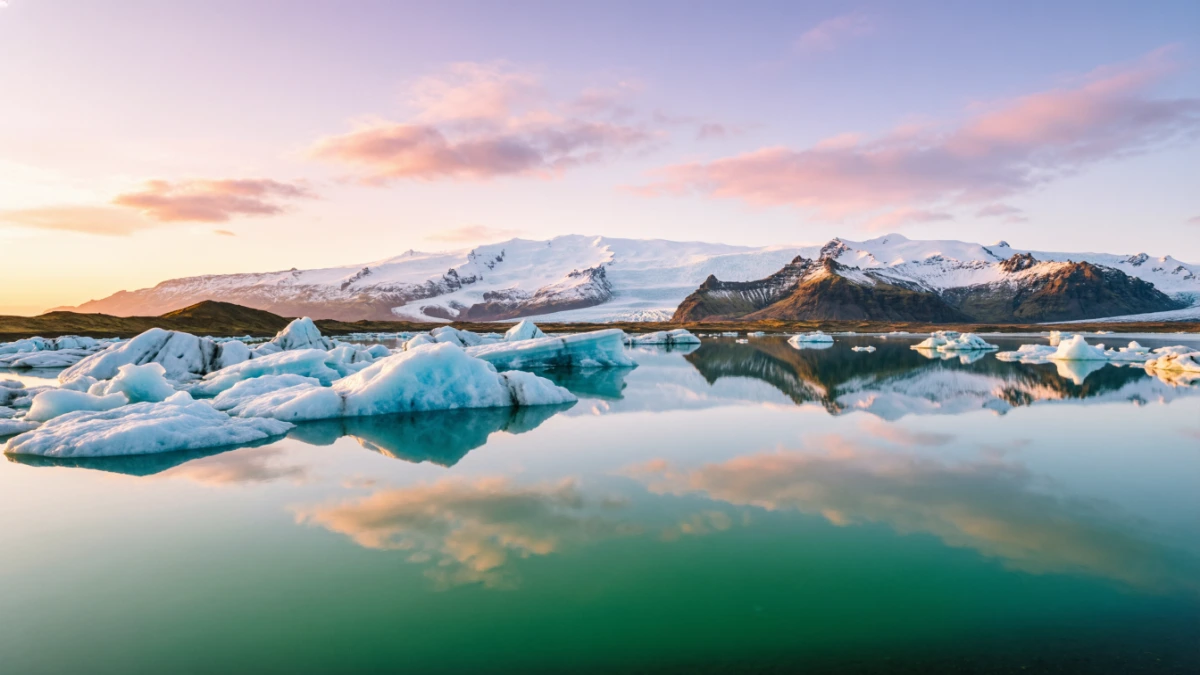
- Jökulsárlón Glacier Lagoon floating icebergs and seals
- Diamond Beach black sand covered in ice chunks
- Skógafoss and Seljalandsfoss waterfalls
- Vatnajökull ice caves (winter only)
- Reynisfjara black sand beach
- Whale watching from Reykjavik or Húsavík
- Landmannalaugar hiking trails (summer)
- Snæfellsnes Peninsula “Iceland in miniature”
- Northern Lights tour
- Puffin watching (May–August)
- Þórsmörk Nature Reserve
- Kerið volcanic crater
- Fjaðrárgljúfur Canyon
- Húsavík geothermal baths
- Fagradalsfjall volcano area
- Reykjavik food walking tour
- Dettifoss, one of Europe’s most powerful waterfalls
Top 10 Things to See in Iceland
For travelers short on time, the top 10 sights in Iceland are Þingvellir National Park, Geysir, Gullfoss, the Blue Lagoon, Jökulsárlón Glacier Lagoon, Diamond Beach, Skógafoss, Reynisfjara black sand beach, Hallgrímskirkja church, and Vatnajökull National Park.
These sights cluster along two main routes: the Golden Circle and the South Coast, meaning most can be seen in a well-paced four- to five-day itinerary without excessive driving.
What Is the Most Famous Attraction in Iceland?
The Blue Lagoon is widely considered Iceland’s single most famous attraction, drawing over a million visitors a year to its milky-blue geothermal waters near Keflavík. Its proximity to the international airport makes it a popular first or last stop on any trip.
Close runners-up include Gullfoss waterfall and the Golden Circle route, both iconic in nearly every Iceland travel photo. Booking Blue Lagoon tickets in advance is essential, since walk-ins are frequently turned away during peak hours.
Top 5 Places to Visit in Iceland
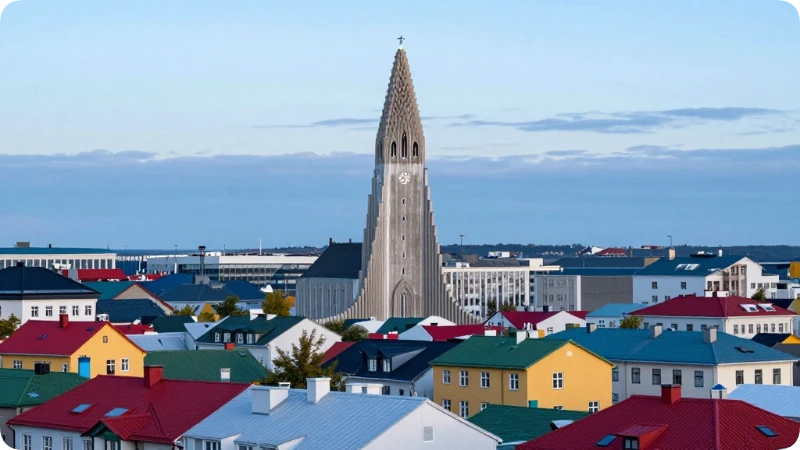
The five places every itinerary should prioritize are Reykjavik, the Golden Circle, the South Coast, the Snæfellsnes Peninsula, and Vatnajökull National Park. Together, they cover Iceland’s cities, waterfalls, glaciers, and volcanic landscapes without requiring a full Ring Road circuit.
- Reykjavik culture, food, and nightlife
- Golden Circle geysers, waterfalls, tectonic plates
- South Coast black sand beaches, glaciers, waterfalls
- Snæfellsnes Peninsula mountains, lava fields, fishing villages
- Vatnajökull National Park Europe’s largest glacier and ice caves
Places to Visit in Reykjavik (Is Reykjavik the Prettiest City in Iceland?)
Reykjavik is Iceland’s capital and by far its largest city, known for colorful rooftops, a compact walkable center, and the striking Hallgrímskirkja church. While “prettiest” is subjective, Reykjavik is consistently rated Iceland’s most photogenic and culturally rich city.
Must-visit spots within the city include the Old Harbour, Laugavegur shopping street, Harpa Concert Hall, and the Sun Voyager sculpture along the waterfront. For a quieter alternative, the fishing town of Akureyri in the north offers similar charm with far fewer crowds.
Things to Do in Iceland with Kids
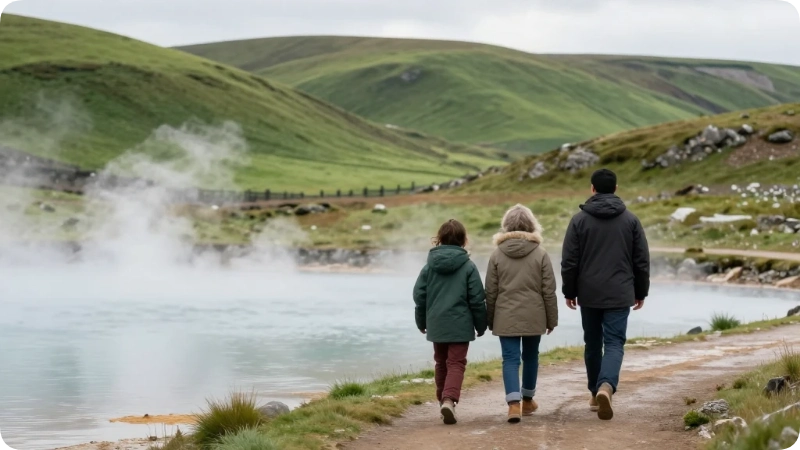
Family-friendly activities in Iceland include the Golden Circle’s geysers, whale watching boat tours, the Family Park and Zoo in Reykjavik, and gentle glacier lagoon boat rides. Many geothermal pools also have shallow, heated sections suitable for young children.
Avoid strenuous glacier hikes or long ice cave tours with very young kids, since these often require a minimum age (usually 8–10) for safety reasons. Renting a car with flexible stops tends to work better for families than fixed-schedule bus tours.
Top Things to Do in Iceland (Tripadvisor Favorites)
Consistently top-rated experiences on traveler review platforms include Golden Circle small-group tours, South Coast waterfall and glacier day trips, Blue Lagoon visits, and Reykjavik food walking tours. Whale watching from Reykjavik’s Old Harbour also ranks among the most-reviewed activities in the capital.
Highly rated tour operators typically combine two or three major sights per day, giving structure without over-scheduling a good model to copy even for a self-driven itinerary.
Hidden Gems in Iceland
Beyond the well-known stops, Iceland holds quieter spots that reward travelers willing to detour off the Ring Road. The Westfjords, Iceland’s least-visited region, offer dramatic fjords and almost no crowds even in peak summer.
Other underrated alternatives include the Secret Lagoon in Flúðir (smaller and less commercial than the Blue Lagoon), the turf houses at Glaumbær, and Rauðasandur, a red-sand beach in the Westfjords rarely mentioned in mainstream guides.
Is 3 Days Enough Time in Iceland? (Sample Itinerary)
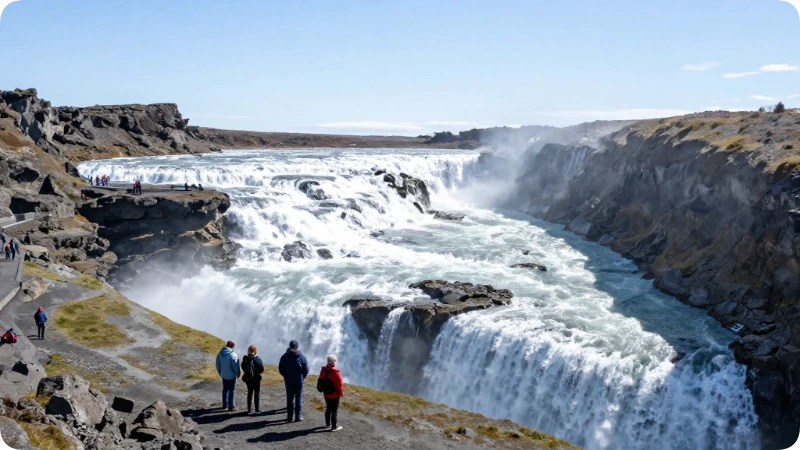
Three days is enough time to cover Reykjavik, the Golden Circle, and a South Coast day trip, making it a solid option for a layover extension or short trip. It won’t allow time for the Ring Road, Westfjords, or multi-day glacier trekking.
Sample 3-Day Itinerary:
- Day 1: Arrive, explore Reykjavik (Hallgrímskirkja, Old Harbour, Laugavegur street)
- Day 2: Golden Circle Þingvellir, Geysir, Gullfoss, finish with a Blue Lagoon soak
- Day 3: South Coast day trip Seljalandsfoss, Skógafoss, Reynisfjara black sand beach
For a fuller experience including glaciers and the Northern Lights, plan for 6–8 days minimum.
Best Area to Stay in Iceland
Reykjavik is the best base for most first-time visitors, offering easy access to the Golden Circle, South Coast, and Blue Lagoon within a two-hour drive. Staying centrally near Laugavegur street also puts restaurants and nightlife within walking distance.
For a Ring Road trip, alternating bases in Reykjavik, Vík, Höfn, and Akureyri cuts down on long driving days. Travelers focused purely on the South Coast may prefer basing in Hella or Vík for closer access to waterfalls and glacier lagoons.
What Is Free in Iceland?
Many of Iceland’s best natural sights charge no entrance fee, including Þingvellir National Park’s main trails, Gullfoss waterfall, Seljalandsfoss, Reynisfjara black sand beach, and most hiking trails. Parking, however, often carries a small fee even where the attraction itself is free.
Public geothermal beaches like Nauthólsvík in Reykjavik are free or low-cost compared to commercial lagoons, and many city walking routes, viewpoints, and street art can be enjoyed without spending a krona.
Shopping in Iceland: Must-Buys, Jewelry & Duty-Free

Popular souvenirs include Icelandic wool sweaters (lopapeysa), volcanic lava jewelry, and locally made skincare products using geothermal and marine ingredients. Reykjavik’s Laugavegur and Skólavörðustígur streets hold most of the city’s boutique shopping.
Iceland is known for jewelry crafted from lava rock, silver, and Arctic-inspired designs, often sold in small workshops rather than chain stores. At Keflavík Airport’s duty-free shop, alcohol is the standout purchase, since Iceland’s domestic alcohol taxes make bottles bought in-country notably pricier.
Something genuinely unique to Iceland is hardfiskur (dried fish) sold as a local snack, along with Brennivín, Iceland’s signature schnapps, which is difficult to find outside the country.
Icelandic Food: Famous Dishes & Typical Breakfast
Iceland’s most famous foods include fresh langoustine, lamb soup, skyr (a thick dairy product similar to yogurt), and Icelandic hot dogs sold at stands across Reykjavik. Seafood, particularly cod and Arctic char, appears on most restaurant menus given the country’s fishing heritage.
A typical Icelandic breakfast includes skyr with berries, rye bread, hard-boiled eggs, and coffee, often served buffet-style at hotels. Adventurous eaters may also encounter fermented shark (hákarl), though it’s more a novelty tasting than an everyday dish.
What to Wear in Iceland (Jeans, Shoes & Jackets)
Jeans are fine for casual daytime wear in cities like Reykjavik, but they’re a poor choice for hiking or waterfall visits since denim stays wet and cold once soaked. Layering with waterproof outerwear over jeans works for short, low-effort sightseeing stops.
The best shoes for Iceland are waterproof hiking boots with solid ankle support and good tread, since trails near waterfalls and lava fields are often wet, rocky, or icy. A waterproof, windproof jacket is essential year-round. Iceland’s weather shifts fast, and wind chill can make even mild temperatures feel much colder.
Packing checklist: waterproof jacket, thermal base layers, hiking boots, wool socks, gloves, and a reusable water bottle (tap water is safe and excellent throughout Iceland).
What to Be Careful Of in Iceland (Safety Tips)
The biggest safety concerns in Iceland involve weather and terrain rather than crime, since the country has one of the world’s lowest crime rates. Sudden wind gusts, icy roads, and unstable cliff edges near waterfalls cause most visitor injuries and rescues.
Always check road. andedur (the Icelandic Met Office) before driving, and never cross barriers at Reynisfjara beach, where sneaker waves have caused fatalities. Renting a 4×4 is strongly recommended for winter travel or any Highland routes.
What Not to Bring Into Iceland
Iceland enforces strict biosecurity rules to protect its isolated ecosystem, meaning travelers should not bring raw meat, unprocessed dairy, or used outdoor gear (like hiking boots or fishing equipment) without prior disinfection. These rules exist to prevent introducing foreign diseases to Iceland’s livestock and land.
Drones also require registration in certain protected areas, and flying is banned entirely near Reykjavik’s airspace and some national parks. Always check current customs rules on Iceland’s official customs authority website (Skatturinn) before packing.
Are Bed Bugs a Problem in Iceland?
Bed bugs are not considered a widespread problem in Iceland, and the country generally maintains high hygiene standards in hotels and guesthouses. Isolated incidents can occur anywhere international travel is common, but Iceland does not rank among destinations with notable bed bug complaints.
As a general precaution anywhere, checking mattress seams and headboards at check-in and keeping luggage off the floor is a reasonable habit rather than an Iceland-specific concern.
Disadvantages of Iceland: Honest Drawbacks
Iceland’s biggest downsides are cost and weather unpredictability; dining out, tours, and car rentals run noticeably higher than in much of the USA. Sudden weather changes can also disrupt even well-planned itineraries, especially in the Highlands or during winter storms.
Other common complaints include limited daylight in winter, few budget dining options outside grocery stores, and long driving distances between attractions outside the Golden Circle and South Coast.
Common mistakes to avoid:
- Underestimating driving times on gravel or F-roads: fix by building buffer time into each day.
- Skipping travel insurance: fix by choosing a policy covering weather-related cancellations.
- Not booking Blue Lagoon or popular tours in advance: fix by reserving at least 2–4 weeks ahead in peak season.
Is Iceland Prettier Than Norway?
Beauty is subjective, but Iceland and Norway offer distinctly different landscapes: Iceland is known for volcanic terrain, geysers, and glaciers packed into a small area, while Norway is known for dramatic fjords, mountains, and a much larger, more varied coastline.
Travelers wanting concentrated, easy-to-reach natural wonders in a short trip often prefer Iceland, while those seeking deep fjords and a longer, more diverse route tend to favor Norway. Both are strong choices, and neither is objectively “better.”
What I Wish I Knew Before Going to Iceland
Frequent Iceland travelers commonly say they underestimated costs, weather variability, and how much driving time separates attractions outside Reykjavik. Many also wish they’d booked accommodations and tours earlier, since summer availability disappears fast.
Other frequently cited lessons: pack layers regardless of season, always fill up on gas before rural drives (stations are sparse), and build at least one buffer day into longer itineraries in case of weather delays.
Responsible Travel in Iceland
Iceland’s landscape is fragile, and moss-covered lava fields can take decades to recover from foot traffic damage. Staying on marked trails, avoiding off-road driving, and following posted signs at geothermal areas protects both visitors and the environment.
Supporting local guesthouses, family-run restaurants, and small tour operators also helps distribute tourism income beyond Reykjavik’s most visited areas.
FAQs
How many days do you need to see the Ring Road?
Driving Iceland’s full Ring Road comfortably takes 7 to 10 days, allowing time for stops at waterfalls, glaciers, and small towns along the way. Rushing it in less time is possible but leaves little room for hikes or weather delays.
Do you need a 4×4 to rent a car in Iceland?
A 4×4 isn’t required for the Ring Road or Golden Circle in summer, but it’s strongly recommended for winter travel, gravel roads, and any F-roads in the Highlands. Standard rental cars are typically restricted from Highland routes entirely.
Is tipping expected in Iceland?
Tipping is not expected in Iceland, since service charges are already included in restaurant and hotel prices. Rounding up or leaving a small tip for exceptional service is appreciated but never required.
Can you drink tap water in Iceland?
Yes, tap water in Iceland is among the cleanest in the world and safe to drink everywhere, including from cold taps in hotels and public restrooms. Bottled water is largely unnecessary and considered wasteful by locals.
What plug adapter do I need for Iceland?
Iceland uses the Type C and Type F electrical outlets, running on 230V, which differs from the USA’s 120V standard. American travelers need both a plug adapter and, in most cases, a voltage converter for non-dual-voltage devices.
Conclusion
Iceland delivers on its reputation, but the best trips come from balancing the big-name sights the Golden Circle, Blue Lagoon, and South Coast waterfalls with slower moments in places like the Westfjords or a quiet geothermal pool away from the crowds. Weather and season shape nearly every part of the trip, so build flexibility into any itinerary.
Start with a realistic number of days, book major tours and lodging early, and pack for fast-changing conditions no matter the season. From there, Iceland’s glaciers, waterfalls, and northern skies do the rest of the work.
Always verify current prices, entry requirements, and road conditions through official sources like Visit Iceland, road. is, and the U.S. Department of State before finalizing travel plans.

Maya Lin inspires travelers to explore the globe with absolute confidence and independence. Armed with a background in digital media and a decade of independent solo travel experience, she knows exactly how to navigate unfamiliar cities smoothly and safely. For Travelmarse, Maya curates the solo travel and hidden-gem verticals. She reviews charming boutique hotels, designs smart neighborhood walking routes, and shares practical language-learning hacks, giving readers the exact tools they need to travel solo without the stress.