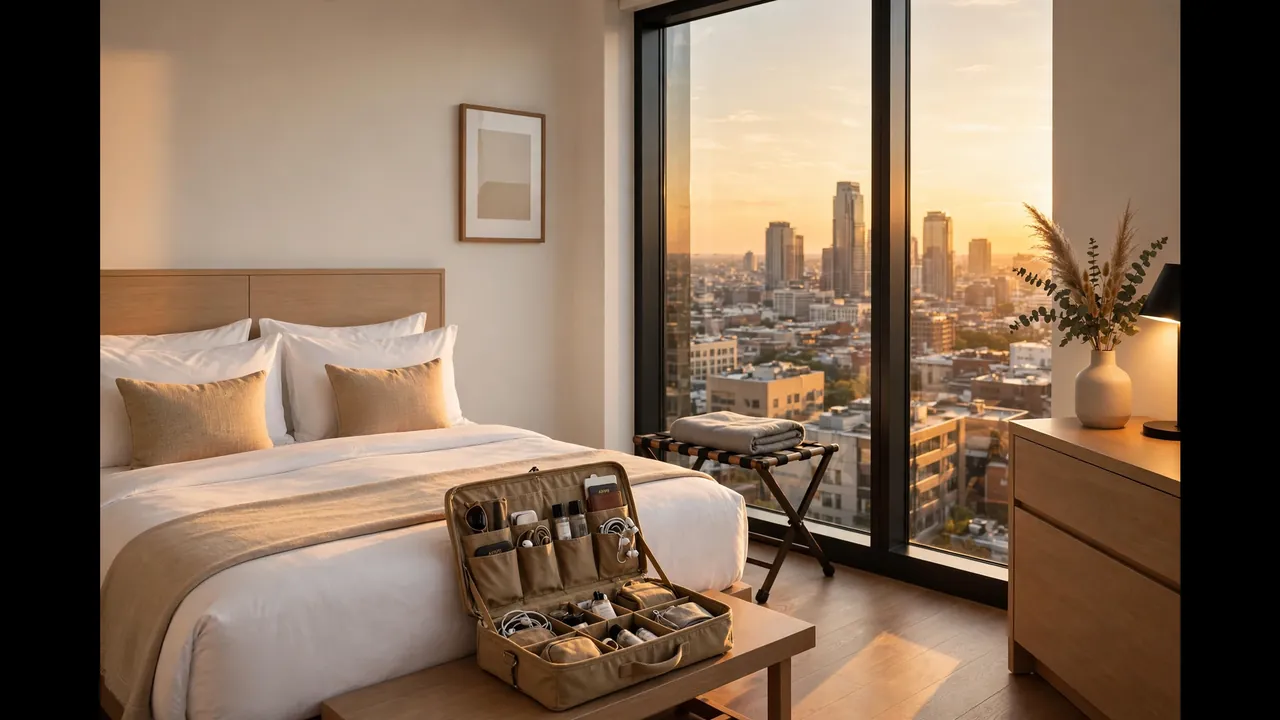
You walk into a hotel room after a long flight. The bed looks fine, but the light leaks under the door, the Wi-Fi drops, and you are not sure who to tip. Sound familiar?
Good news: hotels travel tweaks fix these small problems fast. Most are free, and many take less than a minute. Some are smart habits from frequent travelers. Others are rules used by hotel staff, such as RevPAR and the 10/5 rule.
This guide answers 36 common questions in plain words. You will learn tipping norms, safety checks, booking rules, and hotel jargon. You will also see which viral tricks are useful and which are overrated. Because prices and policies change, always confirm details with your hotel before you travel.
Quick Answer:
Hotels travel tweaks are small changes that make a stay safer, cheaper, and more comfortable. Examples include tipping housekeeping daily, checking cancellation rules, keeping luggage off the bed, using a towel to block light, and asking for upgrades politely. Always verify rules with your hotel, since policies change.
Quick Facts: Hotel Tips at a Glance
Most US hotel questions come down to money, safety, and comfort. This table gives fast answers. Treat the tip amounts as common guidance, not strict rules, and check your hotel’s policy.
| Situation | Common Practice |
|---|---|
| Housekeeping tip | 1–5 per night, left daily |
| Bellhop or baggage handler | 1–2 per bag |
| Typical check-in | 3–4 PM |
| Typical checkout | 11 AM–noon |
| Cancellation window | 24–72 hours (varies) |
| RevPAR formula | Room revenue ÷ rooms available |
What is the 72 hour rule in hotels?
There is no single national 72-hour rule. The phrase usually means a cancellation window. Many hotels let you cancel free until 24, 48, or 72 hours before arrival. After that, you may pay a fee. Some also use it for deposits or group blocks.
Check your confirmation email for the exact deadline. Also look at the time zone, since the cutoff follows the hotel’s local time.
What are some helpful travel hacks for hotels?
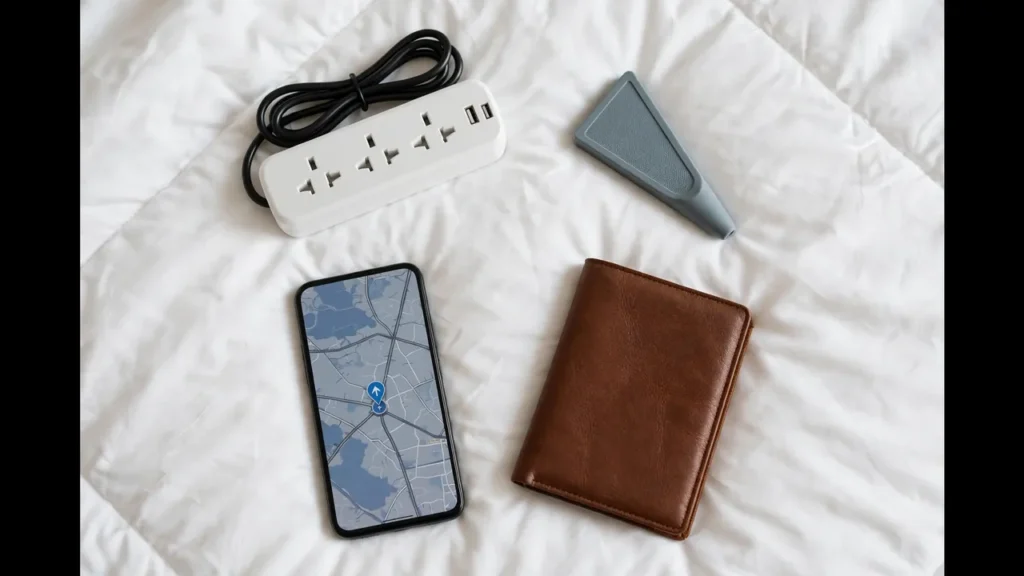
The best hotel hacks are simple. Book direct and call the front desk, ask for a quiet room, and join the free loyalty program. Pack a small power strip and a door wedge. These steps save money, boost comfort, and add safety without much effort.
Also ask politely about upgrades at check-in. Staff often say yes when rooms are open, especially on slower nights.
What is the 10/5 rule in hotels?
The 10/5 rule is a service habit. When a guest is within 10 feet, staff make eye contact and smile. When the guest is within 5 feet, staff say hello. Many hotels, resorts, and stores teach it to build warm first impressions.
As a guest, you can expect this friendly greeting. If you never get one, it may signal weak service.
How can I become a travel reviewer?
Start by writing honest reviews of places you visit. Post them on a blog, Google Maps, or TripAdvisor. Add clear photos, prices, and pros and cons. Over time, a steady voice and real detail help you build trust and a loyal audience.
The Federal Trade Commission (FTC) requires you to disclose free stays and paid deals. Always tell readers when a hotel gave you a perk.
What is the 80/20 rule in hotels?
The 80/20 rule, or Pareto principle, says about 20% of effort or customers create about 80% of results. In hotels, that often means a small group of repeat guests, corporate accounts, or top rooms bring most of the revenue.
This is a rule of thumb, not a law. The real split changes by property.
What are the 7 rules of housekeeping?
There is no official list of seven rules. Still, good housekeeping teams follow common habits: knock and announce, wear gloves, use color-coded cloths, clean top to bottom, change linens fully, restock supplies, and report damage or lost items.
Each hotel sets its own standards, so training manuals may differ.
Why should you toss a water bottle under bed at a hotel?
This is a viral safety trick. Travelers toss a bottle under the bed to see if anything moves or rolls oddly. It may help you spot clutter or a hidden object. However, it is not a proven safety method.
A better plan is to lock the door, use the deadbolt, and check closets. Call the front desk if anything feels wrong.
How to attract people to your hotel?
To attract people, show real value. Use bright photos, a fast website, and clear prices. Claim your Google Business Profile, collect honest reviews, and offer direct-booking perks. Local partnerships with tours, venues, and restaurants also bring steady traffic.
Next, reply to every review. Guests notice when owners listen.
What is a good tip for a hotel?
A good tip is simple. Leave 1–5 per night for housekeeping, and tip daily. Add 1–2 per bag for bellhops and a few dollars for helpful concierge work. Cash works best, and a short thank-you note helps staff know it is for them.
These ranges are common US norms. Luxury hotels may expect more.
What are the 7 main types of hotel guests?
Hotels often group guests into seven types: business travelers, leisure travelers, families, couples or honeymooners, solo travelers, groups, and long-stay guests. Each type wants different things, such as fast Wi-Fi, kid-friendly rooms, privacy, or kitchen space.
Some lists add international and loyalty members. The labels vary by source.
What is the golden rule of hospitality?
The golden rule of hospitality is to treat every guest the way you would want to be treated. That means a warm welcome, honest help, and respect. It is the base for most service training in hotels, restaurants, and resorts.
Guests can use it too. Kind guests often get kinder service.
What are the 7 main departments of a hotel?
Most hotels have seven core departments: front office, housekeeping, food and beverage, sales and marketing, human resources, engineering or maintenance, and finance or accounting. Many also add security. Small hotels may merge some teams.
Knowing this helps you. For example, call housekeeping for towels and engineering for a broken heater.
Can you make money reviewing hotels?
Yes, but it takes time. Most reviewers earn through blogs, affiliate links, sponsored posts, video ads, or freelance writing. Few people earn a full income quickly. Trust is the key asset, so honest reviews matter most.
Be careful with free stays. The FTC says you must disclose them clearly.
Can I become a travel advisor with no experience?
Yes, many people start with no experience. You can join a host agency, take training, and learn booking tools. Some states have seller-of-travel rules, so check your state’s requirements before you sell trips.
Start with friends and family trips. Then build a niche, such as cruises or family travel.
How to become a luxury hotel inspector?
Luxury inspectors usually have hotel or hospitality experience. Rating groups such as Forbes Travel Guide hire trained inspectors who test service, comfort, and detail. Build a background in hotels, fine dining, or travel writing, then watch for job posts.
Openings are rare and competitive. Requirements change, so check each company’s careers page.
What is the RevPAR formula?
RevPAR means revenue per available room. The formula is total room revenue divided by the number of available rooms. You can also multiply average daily rate (ADR) by occupancy rate. Hotels use it to judge performance.
Example: $10,000 in room revenue over 100 available rooms equals a $100 RevPAR.
What are the 7 pillars of hospitality?
There is no one official list. Many trainers use pillars such as welcome, service, cleanliness, comfort, safety, value, and personal care. Together, they describe what makes a guest feel cared for.
Expect different wording from brand to brand. The core idea stays the same.
What is ROI in the hotel industry?
ROI means return on investment. The simple formula is net profit divided by cost, times 100. Hotels use it to judge upgrades, ads, or new rooms. If a $20,000 renovation adds $30,000 in profit, ROI is 50%.
Owners also track RevPAR and occupancy next to ROI.
What is ABCD in housekeeping?
ABCD is not a universal housekeeping standard. Some hotels and training programs use it as a checklist or memory aid, but the meaning changes by company. Always ask your supervisor or training guide for the local definition.
If you saw it in a job document, read the context nearby.
How to clean faster as a housekeeper?
Cleaning faster starts with a plan. Stock your cart before each shift, follow the same route in every room, and clean top to bottom. Use the right tools and strip beds first. Speed should never replace quality or safety.
Wear gloves and use proper lifting. This protects your back and your hands.
What is RA in housekeeping?
RA stands for room attendant. This is the person who cleans guest rooms, changes linens, restocks supplies, and reports damage. Some hotels still say maid or housekeeper, but room attendant is common in the US.
When you tip, you are often thanking an RA.
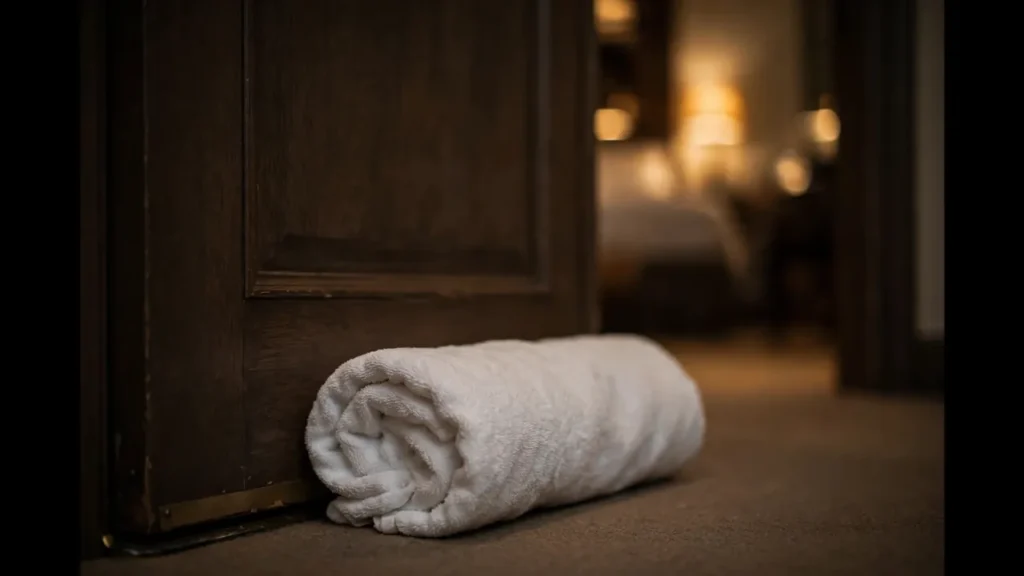
Why put a towel under your hotel room door?
A towel under the door blocks light, sound, and drafts. It can also slow smoke during an emergency, especially when wet. Some guests use it for privacy, too. It is not a lock, though, so do not rely on it for security.
If you hear an alarm, follow hotel fire instructions first.
Why should you touch the bathroom mirror in a hotel room?
This is the fingernail test for two-way mirrors. If your fingertip touches its reflection with no gap, the mirror may be two-way. Most hotel mirrors are normal, so the test is not perfect.
If you feel unsafe, tell the front desk and ask for another room.
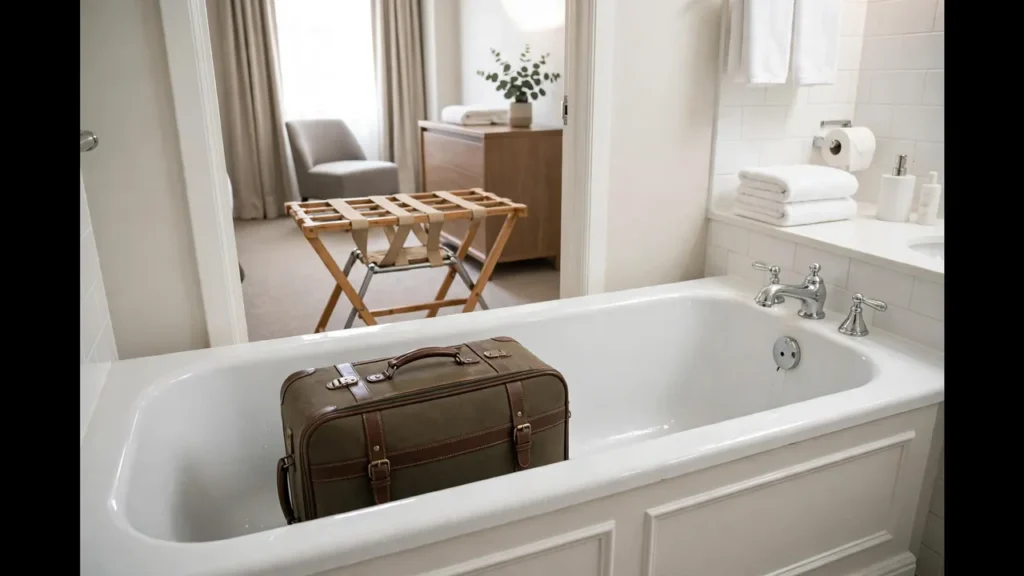
Why do hotel guests keep their luggage in the bathtub?
Guests do this to avoid bed bugs. A smooth tub is hard for bugs to climb. It is a quick precaution, not a full fix. Many experts suggest using a luggage rack away from the wall instead.
Check the mattress seams and headboard first. Report any signs right away.
How to make hotel guests feel special?
To make guests feel special, use their names, greet them warmly, and add a small personal touch. A welcome note, a late checkout, or a room upgrade can turn a normal stay into a memorable one.
Listen to small details. If a guest mentions an anniversary, mark it.
How to make a hotel room more attractive?
Start with clean linens, soft lighting, and a fresh smell. Add simple decor, such as a plant, art, or a throw blanket. Keep surfaces clear and fix small issues, like loose handles or chipped paint.
Guests also love easy charging ports and good Wi-Fi.
How do hotels decide where to put guests?
Hotels assign rooms using the booking type, special requests, loyalty status, room availability, and housekeeping status. They also try to match bed types and keep a balanced use of rooms. Front desk teams often make last-minute changes.
You can improve your odds. Request a floor or quiet area early, and arrive politely.
Is it rude not to tip hotel housekeeping?
In the US, skipping a housekeeping tip is common but not ideal. Staff earn modest wages, and many travelers consider tips polite. It is not required by law, so you will not be in trouble.
If you cannot tip, a kind note and a tidy room still help.
Is 10% tip insulting?
It depends on the service. In US restaurants, 10% is often seen as low, since 15–20% is common. For hotel staff, percentages are not standard. A flat tip, such as $2 per bag, is more normal.
If service was poor, tip less. If it was great, tip more.
How much to tip a baggage handler at a hotel?
A common tip is 1–2 per bag, with a higher amount for heavy luggage or help with many items. Many travelers give $5 or more for a large group. Hand the cash directly to the bellhop.
Luxury hotels may expect slightly higher tips. Check local norms.
What does “1 night” mean in hotels?
One night means one overnight stay, not 24 hours. You usually check in around 3–4 PM and check out around 11 AM or noon. So a one-night booking might only last about 19–21 hours.
Ask about early check-in or late checkout if you need more time.
What are the 7 rules of hospitality?
There is no official list of seven. Common rules include: greet warmly, listen well, stay clean, act fast, solve problems, respect privacy, and follow up. These habits create trust and repeat visits.
Good hosts apply them every day, in small ways.
Can 3 people stay in a 2 person hotel room?
Sometimes, but not always. Hotels set room limits for fire safety and comfort. Many allow extra guests for a fee, while others refuse. Never sneak in guests, since you may be asked to leave or pay more.
Ask before you book. A family room or suite may cost about the same.
How to attract guests to your hotel?
Attract guests with clear value and trust. Show real photos, offer fair rates, and make booking easy on mobile. Respond to reviews, sell local experiences, and share seasonal deals. Happy past guests become your best marketing.
Also track what works. Use data to repeat the best ideas.
Why should you always put a towel under your hotel room door?
You do not always need to. A rolled towel helps when you want darkness, quiet, or privacy. It can also help in a smoky emergency. For safety, rely on the deadbolt and door latch, not the towel.
Use it as a small comfort tweak, not as security.
What are good travel hacks?
Good travel hacks save time, money, and stress. Pack light, use free loyalty programs, and keep copies of key documents. Book flexible rates when plans may change. Save offline maps and carry a charger.
For US trips, check TSA rules and airline pages before you fly.
FAQs
What is the best time to book a hotel?
The best time varies by place and season. For popular US cities, book several weeks ahead. Choose a free-cancellation rate, then check prices again later. If the price drops, rebook. Last-minute deals can work in slow seasons, but they are risky during holidays and big events.
Is it better to book a hotel directly or online?
Booking direct often gives better support and perks, such as loyalty points or room choice. Online travel sites can show lower prices and easy comparisons. Check both. Then call the hotel and ask for its best rate before you pay.
Should I buy travel insurance for a hotel stay?
Travel insurance can help if you pay for non-refundable rooms or a costly trip. It may cover illness, delays, or cancellations, depending on the plan. Read the policy closely for exclusions. If your booking is refundable, you may not need it.
How can I get a hotel room upgrade?
Be polite, arrive early or late when the hotel has open rooms, and join the loyalty program. Mention special events, such as an anniversary. Upgrades are never guaranteed, but a kind request and flexible dates improve your chances.
How do I keep my hotel room safe?
Use the deadbolt and latch, and keep the Do Not Disturb sign on when you are away. Store valuables in the safe, and do not announce your room number. If something feels wrong, call the front desk and ask for a new room.
Conclusion
Smart hotel travel is mostly small habits. Here are the three main takeaways:
- Know the rules: check cancellation windows, room limits, and check-in times.
- Be kind and tip fairly: daily housekeeping tips and polite requests go far.
- Stay safe, not scared: use proven steps such as locks and luggage racks, and skip myths.
These tweaks help you spend less and relax more. Try two or three on your next trip, then add more as you go. Compare room options and rates before you book, and confirm all policies directly with your hotel. A better stay starts with one small change.

Stephen Fry brings an insatiable curiosity for history, language, and global heritage to the Travelmarse team. Having spent decades traveling the globe to study regional storytelling and ancient civilizations, he excels at uncovering the hidden narratives of modern destinations. Stephen anchors the cultural vertical on Travelmarse, where he writes deep-dive guides on architectural history, museum crawl strategies, and local customs. His vivid, engaging writing helps travelers look past the surface and truly understand the heritage of the places they visit.