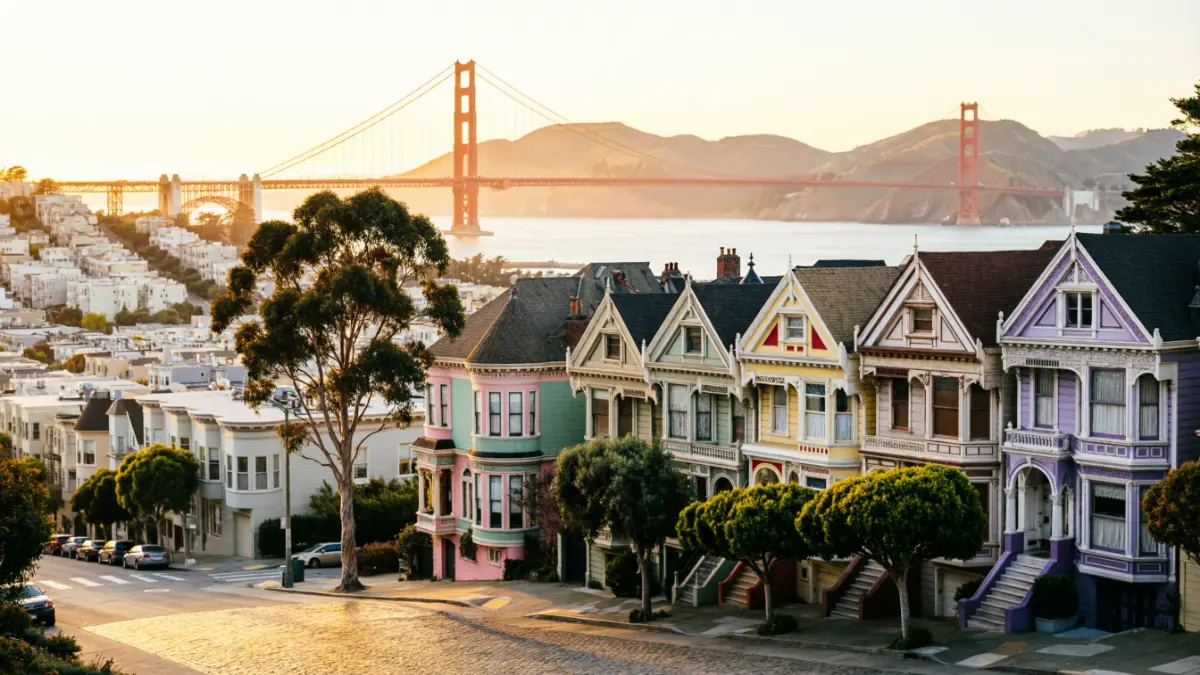
San Francisco packs more personality into 49 square miles than almost any city in the country, and that compact size is exactly why picking the right neighborhood matters so much. Choose the wrong block, and a trip can turn into long transit rides and wasted mornings. Choose the right one, and every attraction, café, and viewpoint feels like it’s just around the corner.
This guide breaks down where you would stay in San Francisco based on budget, travel style, safety concerns, and how many days are available.
Union Square, Fisherman’s Wharf, Nob Hill, Hayes Valley, North Beach, and the Mission District each offer a different rhythm, and understanding those differences before booking makes the whole trip smoother. Below, every major traveler question from safety to walkability to seasonal timing gets a direct, research-based answer.
Featured Snippet:
Most travelers should stay in Union Square for walkability and transit access, Fisherman’s Wharf for families near the waterfront, Nob Hill for quiet luxury, or Hayes Valley for boutique shopping and dining. First-timers without a car generally do best in Union Square or SoMa, close to cable cars, BART, and major attractions.
Quick Facts Table
| Category | Details |
| Best Overall Area | Union Square |
| Best for Families | Fisherman’s Wharf |
| Best for Couples | Nob Hill or Hayes Valley |
| Best for Nightlife | Mission District / North Beach |
| Best for First-Timers | Union Square or SoMa |
| Main Airport | San Francisco International Airport (SFO) |
| Public Transit | BART, MUNI Metro, cable cars, buses |
| Ideal Trip Length | 3–4 days minimum |
| Peak Season | June–August, and September–October |
Prices and transit schedules change; always verify current details through SF Travel and SFO before booking.
What Part of San Francisco Should You Stay In?
Most visitors do best in Union Square, Nob Hill, SoMa, or Fisherman’s Wharf, since these areas sit closest to major sights and transit lines. Union Square works well for shopping and central access, while Nob Hill suits travelers seeking a quieter, upscale base with nearby cable car access.
Families often prefer Fisherman’s Wharf for its proximity to Pier 39 and the aquarium. Younger travelers and foodies frequently choose the Mission District or Hayes Valley for restaurants, bars, and a more local feel. The right pick ultimately depends on trip length, budget, and how much walking versus transit a traveler wants to do each day.
Best Time to Visit San Francisco
Late September through October offers San Francisco’s warmest, sunniest stretch, thanks to a local weather pattern known as Indian summer, making it the best time to visit for clear skies. Summer (June–August) brings famous fog and cooler temperatures, especially near the coast, even though it’s technically peak tourist season.
| Season | Months | Weather | Pros | Cons |
| Peak | Jun–Aug | Cool, foggy mornings | Long daylight, festivals | Crowds, higher prices |
| Shoulder (Best) | Sep–Oct | Warm, clear | Fewer crowds, great views | Some events wind down |
| Shoulder | Mar–May | Mild, breezy | Blooming parks, moderate rates | Rain possible in spring |
| Off-Season | Nov–Feb | Cool, rainy | Lowest hotel rates | Shorter days, wet streets |
Packing layers is essential year-round, since San Francisco’s microclimates mean one neighborhood can be sunny while another sits under fog.
Where to Stay in San Francisco: Top Neighborhoods Compared
Union Square anchors downtown and suits travelers who want walkable access to shopping, theaters, and cable car lines. Fisherman’s Wharf sits on the waterfront and works best for families visiting Pier 39, Alcatraz tours, and the sea lions.
Nob Hill offers a quieter, more residential feel with classic hotels and skyline views, while SoMa (South of Market) provides modern hotels near Moscone Center and the Museum of Modern Art. Hayes Valley has become a favorite for boutique shopping and farm-to-table dining without the tourist crowds.
–$–$–$–$–$
| Neighborhood | Best For | Walkability | Nightlife | Price Range |
| Union Square | First-timers, shopping | High | Moderate | |
| Fisherman’s Wharf | Families | High | Low–Moderate | |
| Nob Hill | Couples, quiet luxury | High | Low | $$$ |
| SoMa | Business, museums | High | Moderate | |
| Hayes Valley | Foodies, boutique stays | Moderate | Moderate | |
| Mission District | Nightlife, budget travel | Moderate | High | –– –$ |
| North Beach | Italian food, cafés | High | Moderate |
Safest Area to Stay in San Francisco
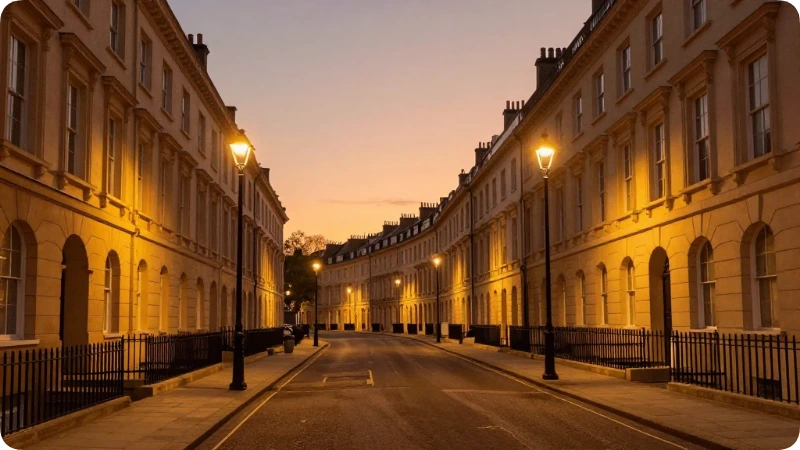
Nob Hill, the Marina District, and West Portal consistently rank among the safest areas for visitors, thanks to well-lit streets, active foot traffic, and residential surroundings. Union Square and Fisherman’s Wharf are also generally safe during the day and early evening, especially along main tourist corridors.
Travelers should stay alert around transit hubs after dark and keep valuables out of sight in parked cars, which are common targets citywide. Checking current safety advisories through the San Francisco Police Department’s public crime map before finalizing a stay adds an extra layer of confidence.
Nicest Area of San Francisco
Pacific Heights is widely considered the most elegant residential area, known for Victorian mansions, tree-lined streets, and panoramic bay views. For visitors who want an upscale atmosphere with easier access to attractions, Nob Hill offers a similar polish, closer to downtown.
Hayes Valley also earns praise for its stylish boutiques, converted freeway-turned-park space, and walkable charm, making it a favorite among design-conscious travelers seeking a “nicest area” feel without Pacific Heights’ higher price points.
Most Walkable Neighborhood in San Francisco (Where to Stay Without a Car)
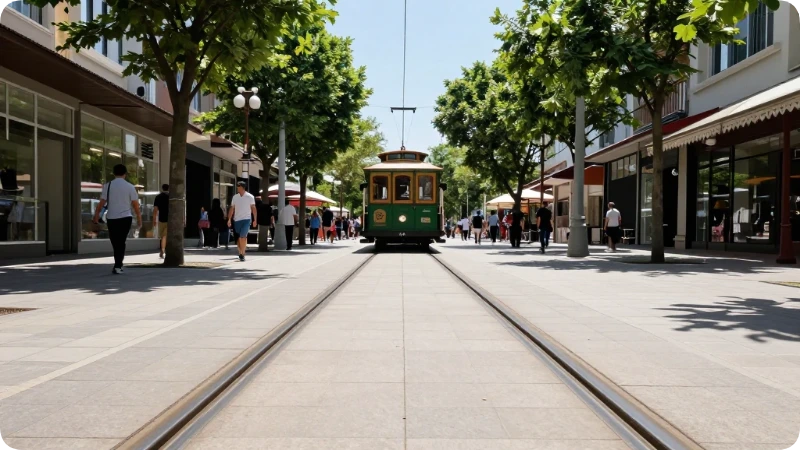
Union Square and SoMa rank as the most walkable base for travelers without a car, sitting within walking distance of BART, MUNI Metro, and cable car lines. From either area, Chinatown, North Beach, and the Financial District are reachable on foot in under 20 minutes.
Renting a car in San Francisco often creates more stress than convenience, given steep hills, limited parking, and expensive garages. Relying on BART for airport transfers and MUNI or rideshare for daily movement is typically simpler and more budget-friendly.
Best Area to Stay in San Francisco for First-Time Visitors
Union Square remains the top recommendation for first-time visitors because it centralizes shopping, transit, and walking access to Chinatown, the Financial District, and cable car routes. It also offers the widest range of hotel options, from budget chains to upscale properties.
SoMa is a strong runner-up for first-timers interested in museums and tech-district energy, sitting close to the Museum of Modern Art and Yerba Buena Gardens. Both areas make orientation easy during a first trip, since major sights sit within a short ride or walk.
Best Area to Stay in San Francisco for Couples
Nob Hill and Hayes Valley suit couples especially well, pairing quiet streets with romantic dining and skyline views. Nob Hill’s historic hotels and rooftop bars create an upscale, low-crowd atmosphere, while Hayes Valley’s wine bars and boutique cafés feel more intimate and local.
North Beach is another strong pick for couples drawn to Italian trattorias, jazz clubs, and evening walks near Washington Square Park. Any of these three areas balances romance with practical access to the rest of the city.
Best Area to Stay in San Francisco with Family
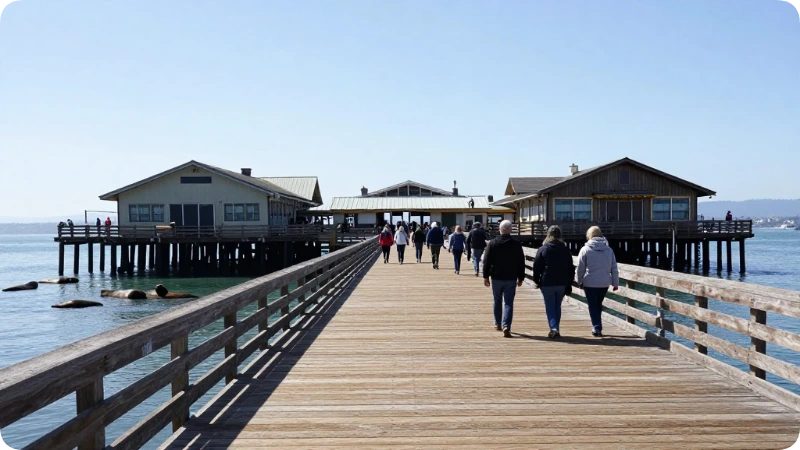
Fisherman’s Wharf is the clear top choice for families, sitting steps from Pier 39, the Aquarium of the Bay, and Alcatraz ferry departures. Hotels here often include family-friendly amenities, and the flat terrain is easier for kids and strollers than the city’s hillier neighborhoods.
Union Square works as a family alternative for those wanting central access to cable cars and shopping, though the Wharf’s concentration of kid-oriented attractions gives it the edge for multi-day family stays.
Where to Stay in San Francisco for 2 Nights
For a tight two-night stay, Union Square makes the most sense, since it minimizes travel time between major landmarks like Chinatown, the Ferry Building, and Fisherman’s Wharf. A short trip leaves little room for long transit rides, so staying centrally is more valuable than chasing a cheaper but farther-out neighborhood.
A practical two-night plan pairs one day for downtown and the waterfront with a second day for Golden Gate Park or the Golden Gate Bridge, both reachable from Union Square by bus or rideshare in 20–30 minutes.
Union Square vs. Fisherman’s Wharf: Which Is Better?
Union Square is the better choice for travelers who want excellent shopping, convenient public transportation, and a central location for exploring San Francisco. Fisherman’s Wharf, on the other hand, is ideal for families and first-time visitors planning to spend time at waterfront attractions like Pier 39 and Alcatraz. While Union Square offers a more authentic downtown experience, Fisherman’s Wharf has a lively, tourist-friendly atmosphere that can become busy, especially around the piers.
Neither is objectively “better”; the right choice depends on trip priorities. Travelers splitting time evenly between shopping and sightseeing often lean toward Union Square, while those traveling with kids usually prefer the Wharf’s flatter streets and concentrated attractions.
Is It Safe to Walk in Downtown San Francisco at Night?
Downtown San Francisco, including Union Square, is generally walkable at night along well-lit main streets, though caution is recommended near the Tenderloin border, just a few blocks away. Sticking to busy corridors like Geary Street, Post Street, and Market Street near Union Square keeps most evening walks straightforward.
Travelers should avoid poorly lit side streets after dark and consider rideshare for longer distances at night. Checking a neighborhood safety map before an evening walk is a simple, useful precaution.
Where to Avoid Staying in San Francisco
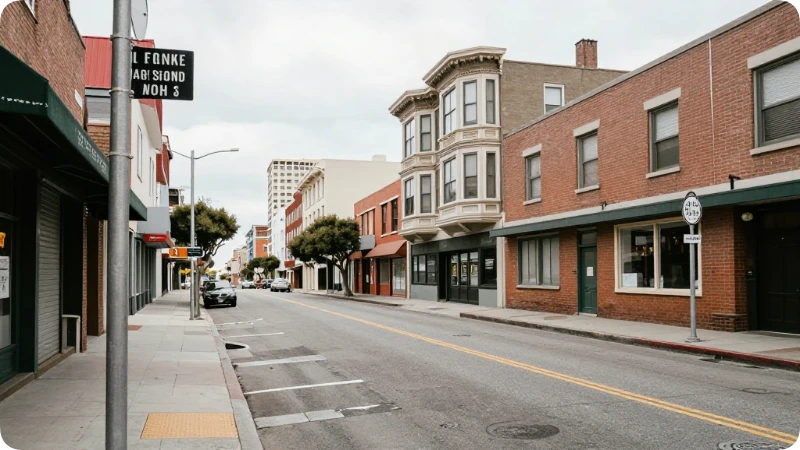
The Tenderloin District is the area most commonly flagged for visitors to avoid overnight stays, due to higher rates of visible homelessness and street-level drug activity. Parts of the Sixth Street corridor in SoMa carry similar advisories, especially after dark.
That said, both areas sit close to Union Square and BART stations, so travelers should simply check a hotel’s exact address on a map before booking rather than avoiding entire districts wholesale. A few blocks can make a significant difference in comfort and safety.
Is San Francisco Still Safe for Tourists?
Yes, San Francisco remains safe for tourists who stick to well-traveled neighborhoods like Union Square, Fisherman’s Wharf, Nob Hill, and the Marina, though visible homelessness in pockets like the Tenderloin has shaped its reputation. Violent crime against tourists in main visitor areas is relatively rare, while opportunistic theft, especially from parked cars, is the more common concern citywide.
Following standard city-travel precautions securing valuables, avoiding isolated streets at night, and staying aware in transit stations covers most safety needs. Checking current advisories through SF Travel or local news before a trip is a reasonable extra step given how quickly conditions in specific blocks can shift.
How Many Days Is Enough to Visit San Francisco?
Three to four days is enough to cover San Francisco’s core highlights, including the Golden Gate Bridge, Fisherman’s Wharf, Alcatraz, and a neighborhood or two like the Mission or Haight-Ashbury. Travelers with five or more days can add day trips to Muir Woods, Sausalito, or Napa Valley.
A rushed one- or two-day visit forces hard choices between neighborhoods and landmarks, so budgeting at least three full days gives a more complete, less exhausting experience.
What Is San Francisco’s Signature Dish?

San Francisco is best known for sourdough bread and Dungeness crab, along with dishes born from its Italian-American North Beach community, like cioppino, a tomato-based seafood stew. The Mission District is also famous for its distinct style of oversized burritos.
Food lovers should plan at least one meal near Fisherman’s Wharf for fresh crab (in season) and one stop at a North Beach bakery for classic sourdough, ideally paired with a walk through the Ferry Building’s farmers market when it’s running.
What to Do for a Weekend in San Francisco (Sample Itinerary)
A well-paced weekend starts downtown and moves outward toward the waterfront and parks, avoiding backtracking across the city.
Day 1: Union Square, cable car ride, Chinatown, and dinner in North Beach. Day 2: Golden Gate Bridge, Golden Gate Park or the Presidio, and sunset at Marina Green.
This route keeps transit time short while covering the city’s most photographed landmarks, and it works well if staying in Union Square or Nob Hill.
Which Hotel to Stay in San Francisco
Rather than a single “best” hotel, the smarter approach is matching hotel type to neighborhood priority: boutique properties cluster in Hayes Valley and Nob Hill, family-friendly chains concentrate around Fisherman’s Wharf, and business-oriented hotels dominate SoMa near Moscone Center. Comparing verified guest reviews and current rates on a booking platform is more reliable than relying on any single “best hotel” claim, since availability and pricing shift constantly.
Common Mistakes When Choosing Where to Stay in San Francisco
- Booking based on price alone: a cheaper rate in an isolated area can cost more in rideshare fares. Fix: weigh total transit cost, not just nightly rate.
- Renting a car without checking parking fees: garage rates can rival hotel costs. Fix: rely on BART, MUNI, and walking instead.
- Ignoring exact hotel addresses near the Tenderloin border, a listing near Union Square can still sit close to a higher-risk block. Fix: cross-check the address on a map before booking.
Underrated alternatives worth considering: Hayes Valley for boutique charm, the Marina District for a residential feel with bay views, and Japantown for a quieter, culturally rich base close to transit.
Budget Breakdown
| Budget Level | Neighborhood Suggestions | Typical Nightly Range* |
| Budget | Mission District, outer neighborhoods | $$ |
| Mid-Range | Union Square, SoMa, Fisherman’s Wharf | $$$ |
| Luxury | Nob Hill, Pacific Heights | $$$$ |
*Rates fluctuate by season and event calendar; verify current pricing directly with hotels or booking platforms before finalizing plans.
FAQs
What part of San Francisco should I stay in?
Union Square is the most practical choice for most visitors, offering central access to shopping, transit, and major landmarks. Families often prefer Fisherman’s Wharf, while couples lean toward Nob Hill or Hayes Valley for a quieter, upscale feel.
What is the safest area to stay in San Francisco?
Nob Hill, the Marina District, and West Portal rank among the safest, thanks to well-lit streets and residential surroundings. Union Square and Fisherman’s Wharf are also safe during daytime and early evening along main tourist routes.
What is the nicest area of San Francisco?
Pacific Heights is widely regarded as the nicest area, known for Victorian architecture and bay views. Nob Hill offers similar elegance closer to downtown attractions.
How many days is enough to visit San Francisco?
Three to four days cover the core highlights, including the Golden Gate Bridge, Fisherman’s Wharf, and at least one distinct neighborhood. Five-plus days allow for day trips to Muir Woods or Napa Valley.
Where should I avoid staying in San Francisco?
The Tenderloin District and parts of the Sixth Street corridor in SoMa are commonly flagged for overnight stays due to visible homelessness and street-level activity. Checking a hotel’s exact address on a map before booking helps avoid these blocks.
Is it better to stay in Union Square or Fisherman’s Wharf?
Union Square suits travelers prioritizing shopping and central transit access, while Fisherman’s Wharf suits families focused on waterfront attractions like Pier 39. The right choice depends on trip priorities rather than one being universally better.
Is it safe to walk in downtown San Francisco at night?
Downtown, including Union Square, is generally walkable at night along well-lit main streets, though caution is advised near the Tenderloin border a few blocks away. Sticking to busy corridors and using rideshare for longer distances after dark is recommended.
Where should I stay to avoid homeless encampments in San Francisco?
Areas like Nob Hill, the Marina District, and Pacific Heights typically see far less visible homelessness than the Tenderloin or Sixth Street corridor. Checking a hotel’s exact block on a map is more reliable than relying on neighborhood names alone.
Is San Francisco still safe for tourists?
Yes, San Francisco remains safe for tourists who stay in well-traveled areas like Union Square, Fisherman’s Wharf, and Nob Hill. Standard city precautions, like securing valuables and avoiding isolated streets at night, cover most safety concerns.
Where should I stay in San Francisco without a car?
Union Square and SoMa are the most walkable, car-free bases, sitting close to BART, MUNI Metro, and cable car lines. Parking in San Francisco is expensive and often impractical given the city’s steep hills.
What is the most walkable neighborhood in San Francisco?
Union Square and SoMa are considered the most walkable, with Chinatown, North Beach, and the Financial District all reachable on foot in under 20 minutes. This makes them ideal bases for travelers without a car.
What is the rough neighborhood in San Francisco?
The Tenderloin is most commonly cited as San Francisco’s roughest neighborhood, known for higher rates of visible homelessness and drug activity. It sits just blocks from Union Square, so checking exact hotel addresses is important.
What’s the best month to go to San Francisco?
September and October typically offer the best weather, with warmer temperatures and clearer skies than the foggy summer months. This period also sees somewhat lighter crowds than peak summer.
What is San Francisco’s signature dish?
Sourdough bread and Dungeness crab are San Francisco’s most iconic foods, alongside cioppino, a seafood stew from the North Beach Italian-American community. The Mission District’s oversized burrito style is another local specialty.
Where would you stay in San Francisco for couples?
Nob Hill and Hayes Valley are top picks for couples, offering quiet streets, romantic dining, and boutique charm. North Beach is another strong option for its Italian restaurants and evening walkability.
What do people on Reddit recommend for where to stay in San Francisco?
Frequent traveler discussions consistently point toward Union Square for first-timers and Nob Hill for a quieter, upscale stay. Many also caution against booking near the Tenderloin, echoing official safety guidance.
What is the best place to stay in San Francisco for first-time visitors?
Union Square is the most recommended area for first-time visitors due to its central location and easy transit access. SoMa is a strong alternative for those focused on museums and tech-district attractions.
What is the best area to stay in San Francisco without a car?
Union Square and SoMa remain the top choices for car-free travelers, given their proximity to BART, MUNI, and cable car lines. Both areas allow most major attractions to be reached on foot or by a short transit ride.
What is the best area to stay in San Francisco with family?
Fisherman’s Wharf is the top family pick, with flat, stroller-friendly streets and proximity to Pier 39 and the Aquarium of the Bay. Union Square works as a central alternative for families who also want shopping access.
Conclusion
Choosing where to stay in San Francisco comes down to three questions: how much walking versus transit is preferred, what budget range fits the trip, and which attractions matter most.
Union Square remains the safest default for first-timers, Fisherman’s Wharf serves families best, and Nob Hill or Hayes Valley suit travelers wanting a quieter, upscale base.
San Francisco rewards travelers who plan their neighborhood as carefully as their itinerary, since the right block can turn a good trip into a genuinely memorable one.
Always verify current hotel rates, safety advisories, and transit schedules through official sources like SF Travel and SFO before finalizing a booking, since these details shift often.
With the right neighborhood as a home base, San Francisco’s hills, bay views, and food scene become far easier to enjoy one walkable block at a time.

Ben Fogle believes that true adventure begins where the pavement ends. After spending years documenting extreme environments, rowing across oceans, and trekking through frozen landscapes, he mastered the art of wilderness travel. For Travelmarse, Ben constructs highly detailed guides on deep-nature packing lists, wildlife safety, and sustainable eco-tourism. He breaks down intimidating, rugged expeditions into clear, step-by-step roadmaps so everyday travelers can safely connect with the natural world.