Standing at the caldera’s edge as the sky turns from gold to pink over the Aegean Sea is the kind of moment that makes people book a flight before they’ve even finished scrolling through photos. But the excitement of planning travel to Santorini, Greece often turns into stress fast: confusing flight routes, wildly different price estimates, and conflicting advice about which town to stay in.
This guide clears that confusion away. It walks through real costs, the best months to go, how to get there, where to stay, what to pack, and the mistakes that trip up first-time visitors. If the trip is a honeymoon, a solo adventure, or a stop on a longer Greek island itinerary, everything needed to plan with confidence is below.
Featured Snippet:
Santorini, Greece, is a volcanic island in the Cyclades, part of Europe, famous for whitewashed cliffside villages, blue-domed churches, and Aegean Sea sunsets. Most travelers need 4–5 days, spend $150–$400 per day, and fly through Athens International Airport before a short connecting flight or ferry to reach the island.
Quick Facts Table
| Category | Details |
| Country | Greece (Europe) |
| Region | Cyclades island group, Aegean Sea |
| Main town | Fira (capital) |
| Closest major airport | Santorini (Thira) National Airport (JTR) |
| Best months | Late April–June, September–October |
| Average daily budget | $150 (budget) to $400+ (luxury) |
| Language | Greek (English widely spoken) |
| Currency | Euro (€) |
| Visa for US citizens | Not required for stays under 90 days |
Prices and entry requirements change often, so always confirm current details with the U.S. State Department and Greek National Tourism Organisation before booking.
Santorini in Which Country? Is Santorini in Europe?
Santorini is a Greek island, making it part of Greece and, by extension, part of Europe. It sits in the southern Aegean Sea within the Cyclades island chain, roughly 120 miles southeast of the Greek mainland.
The island formed from a massive volcanic eruption thousands of years ago, which is why its cliffs and black-sand beaches look so different from other Mediterranean destinations. Because it’s part of the European Union, travelers moving between Santorini and other EU countries generally don’t face additional border checks.
Key takeaway: Santorini is 100% in Greece and Europe, not a separate country, and not part of Turkey, as some first-time searchers mistakenly assume.
What is Santorini Famous For?
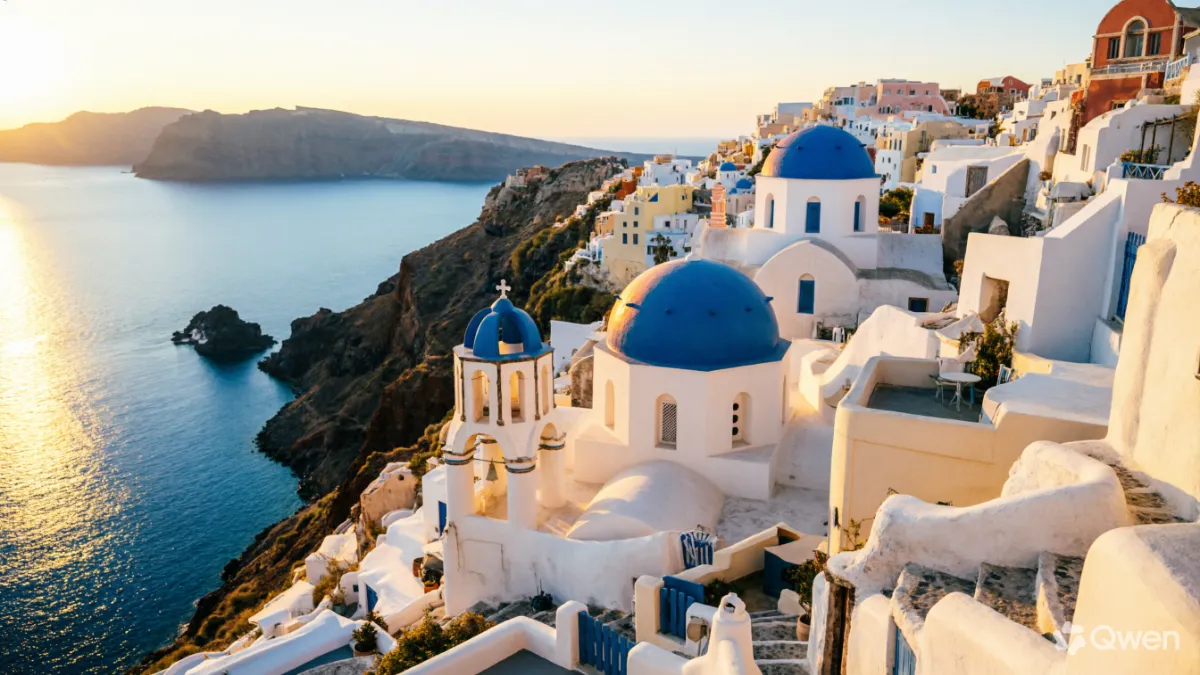
Santorini is famous for its caldera views, whitewashed buildings with blue domes, dramatic sunsets in Oia, and volcanic black and red sand beaches. It’s also known for its wine region, built on centuries-old volcanic soil, and for being one of the most photographed islands in the world.
The village of Oia consistently ranks among the top sunset-viewing spots on earth, drawing crowds who gather along the caldera path each evening. Fira, the capital, is famous for its cliffside cable car and lively harbor views.
Beyond the postcard scenery, the island is known for Santo Wines and other vineyards using the assyrtiko grape, ancient ruins at Akrotiri, and traditional Cycladic architecture carved directly into volcanic rock.
What is the Best Way to Travel to Santorini, Greece?
The best way to travel to Santorini is to fly into Athens International Airport (ATH), then take a short 45-minute domestic flight or a 5–8 hour high-speed ferry to the island. Direct international flights to Santorini are rare, so Athens is almost always the gateway.
For US travelers, this typically means a long-haul flight to Athens on airlines like Delta, United, or partner carriers, followed by a connection on Aegean Airlines or Sky Express. The ferry option costs less and offers scenic island-hopping potential but takes significantly longer.
Time-saving tip: Booking the Athens-to-Santorini flight several weeks ahead keeps costs down, since these short hops sell out fast during peak summer months.
Flights to Santorini, Greece

Flights to Santorini almost always route through Athens International Airport (ATH), with Aegean Airlines and Sky Express operating the most frequent domestic connections. During peak season, some seasonal charter and low-cost carriers add direct routes from other European hubs.
There is no nonstop commercial flight from the United States directly to Santorini. Travelers typically fly into Athens, London, or another major European hub first, then connect onward.
| Route | Typical Flight Time | Common Airlines |
| US to Athens | 9–11 hours (nonstop from East Coast) | Delta, United, Emirates, Turkish Airlines |
| Athens to Santorini | 45 minutes | Aegean Airlines, Sky Express |
| Athens to Santorini (ferry) | 5–8 hours | Blue Star Ferries, SeaJets |
Underrated alternative: Flying into Athens and taking the overnight ferry saves on a hotel night and doubles as a scenic mini-cruise.
Which Airport is Closest to Santorini?
Santorini (Thira) National Airport (JTR) is the closest airport, located about 4 miles from Fira, the island’s capital. It’s a small airport, so expect limited runway capacity and occasional delays during high summer traffic.
Athens International Airport (ATH) is the nearest major international hub and the standard connection point for travelers arriving from the US or elsewhere overseas.
Is It Better to Fly into Athens or Santorini?
Flying into Athens first is generally better because it offers far more international flight options, lower fares, and flexibility to explore the capital before island-hopping. Flying directly to Santorini (when seasonal direct flights exist from parts of Europe) saves time but limits flexibility.
For most US travelers, there is no realistic way to skip Athens entirely, since nonstop international flights to Santorini don’t currently exist. Building in even one night in Athens also helps with jet lag recovery before the island leg.
Is Athens Close to Santorini?
Athens and Santorini are about 120 miles apart by air and sea, which translates to a 45-minute flight or a multi-hour ferry ride. They aren’t within driving distance since Santorini is an island, so a flight or ferry is required either way.
Athens or Santorini: Which is Better?
Athens and Santorini serve different purposes, so “better” depends on the type of trip. Athens offers ancient history, museums, and city energy, while Santorini delivers relaxed island scenery, beaches, and sunset views.
- Choose Athens if: history, archaeology, and city walkability matter most.
- Choose Santorini if: relaxation, romance, and dramatic coastal views are the priority.
- Choose both if: time allows; most itineraries pair 2–3 days in Athens with 4–5 days in Santorini.
Mykonos or Santorini: Which is Better?
Santorini generally wins for scenery, sunsets, and romantic getaways, while Mykonos wins for nightlife, beach clubs, and a younger party atmosphere. Both are Cycladic islands, but their vibe is noticeably different.
| Factor | Santorini | Mykonos |
| Best for | Couples, honeymoons, photography | Nightlife, beach clubs, groups |
| Scenery | Caldera cliffs, volcanic beaches | Sandy beaches, windmills |
| Pace | Relaxed, romantic | Lively, social |
| Average cost | Slightly higher in peak season | Comparable, spikes in August |
Honest take: Neither island is “worse; the right pick depends on whether the traveler wants quiet caldera views or a livelier beach-party scene.
Which Month is Best to Visit Santorini?
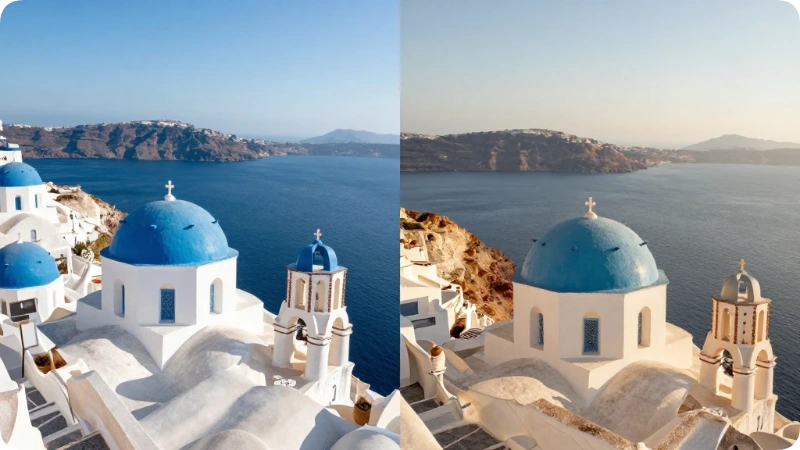
The best months to visit Santorini are May, June, September, and early October, when the weather is warm, crowds are thinner than peak summer, and prices are more reasonable. July and August are the hottest and busiest, while winter months see many hotels and restaurants closed for the season.
Seasonal Comparison Table
| Season | Months | Weather | Crowd Level | Notes |
| Peak | July–August | Hot, 85°F+ | Very high | Highest prices, book months ahead |
| Shoulder | May–June, Sept–Oct | Warm, 70–80°F | Moderate | Best balance of cost and comfort |
| Off-season | Nov–March | Cool, rainy at times | Low | Many businesses closed |
Pro tip: September offers warm sea temperatures with noticeably smaller crowds than July, making it a favorite among repeat visitors.
What is the Cheapest Month to Go to Santorini?
January and February are typically the cheapest months to visit Santorini, since this falls outside tourist season and many hotels lower rates significantly. The tradeoff is that a large share of restaurants, tour operators, and boutique hotels close entirely during these months.
Travelers wanting lower prices without the full off-season shutdown often choose early May or late October instead, when a broader mix of businesses stay open.
Is Santorini Okay to Travel to Now?
Santorini is generally considered safe for travel, though it’s worth checking current advisories before booking since conditions can change. In 2025, the island experienced a series of earthquakes that briefly prompted caution and some visitor concern.
Always check the latest guidance from the US State Department and the Greek National Tourism Organisation closer to the travel date, since seismic activity, strikes, or local advisories can shift with little notice. As of early 2026, tourism on the island has largely returned to normal operations, but official sources should be the final word.
Is There a Warning Against Travel to Greece?
Greece typically carries a standard “Level 1: Exercise Normal Precautions” advisory from the US State Department, similar to most Western European destinations. This can change based on events like natural disasters, strikes, or civil unrest, so checking travel.state.gov shortly before departure is recommended.
What are the Warnings for Tourists in Greece?
Common warnings for tourists in Greece involve petty theft in crowded tourist areas, occasional transportation strikes, and staying alert around cliffside paths and boat excursions. Sun exposure and dehydration are also frequently cited concerns during peak summer heat.
How Much Does a Santorini Trip Cost?
A Santorini trip typically costs between $1,200 and $4,000+ per person for a 5-day stay, depending on travel style, season, and accommodation choice. Budget travelers can manage on the lower end by choosing guesthouses and self-catering, while luxury travelers staying in caldera-view suites spend considerably more.
| Travel Style | Daily Budget (per person) | 5-Day Total Estimate |
| Budget | $100–$150 | $500–$750 |
| Mid-range | $200–$300 | $1,000–$1,500 |
| Luxury | $400+ | $2,000–$4,000+ |
These figures cover lodging, food, local transport, and activities but exclude international flights. Flag: always confirm current hotel and tour prices directly, since seasonal demand shifts rates quickly.
How Much Money Do I Need for Santorini?
A comfortable mid-range budget for Santorini runs about $200–$300 per day per person, covering a nice hotel, meals at tavernas, a rental car or ATV, and a few paid activities like a boat tour or wine tasting. Adding flights from the US typically adds another $800–$1,500 round trip, depending on season and airline.
Is Santorini Very Expensive?
Santorini is more expensive than many other Greek islands, particularly for caldera-view hotels, but it isn’t unaffordable for budget-conscious travelers. Staying slightly inland or in towns like Perissa or Kamari instead of Oia or Fira can cut accommodation costs substantially while still keeping the island’s beaches and views within easy reach.
Which is More Expensive, Santorini or Mykonos?
Santorini and Mykonos are similarly priced overall, though Santorini’s iconic caldera-view suites often carry a premium that pushes its top-end prices higher. Mykonos tends to spike in cost around its beach club and nightlife scene, particularly in August.
What is the Cheapest Greek Island to Visit?
Naxos, Paros, and some of the smaller Cyclades islands like Milos or Syros are typically cheaper than Santorini or Mykonos, offering similar Cycladic charm at a lower cost. These islands see fewer international tourists, which keeps hotel and restaurant prices more moderate.
Santorini Travel Agency
A Santorini travel agency can be useful for travelers who want a fully planned trip, including flights, hotel bookings, private tours, and local transport arranged in advance. This is especially helpful for first-time visitors unfamiliar with island-hopping logistics or those short on time to research independently.
When choosing an agency, look for ones specializing in Greek islands specifically, check recent reviews, and confirm exactly what’s included; some quote “package” prices that exclude airport transfers or activity fees. Comparing at least two or three agency quotes against independent booking costs helps confirm real value.
Santorini Greece Tour Package
A Santorini tour package typically bundles flights or ferry transfers, hotel stays, and a handful of guided activities like a caldera boat cruise, wine tasting, or Oia sunset tour. Packages range from budget multi-island hops to luxury all-inclusive stays at caldera-view resorts.
Package pricing generally runs from around $1,500 to $5,000+ per person depending on length, season, and hotel category. Money-saving tip: booking accommodations and activities separately can sometimes be cheaper than a bundled package, so it’s worth comparing both.
Best Santorini Travel Guide Book
For travelers who prefer a physical reference alongside online research, well-reviewed options include Rick Steves’ Greek Islands guide, Lonely Planet’s Greek Islands guide, and DK Eyewitness Greece. These typically cover practical logistics, historical context, and curated recommendations for restaurants and neighborhoods.
A guidebook works best paired with current online sources, since restaurant and hotel details can change between print editions.
Where to Stay: What is the Nicest Part of Santorini to Stay In?
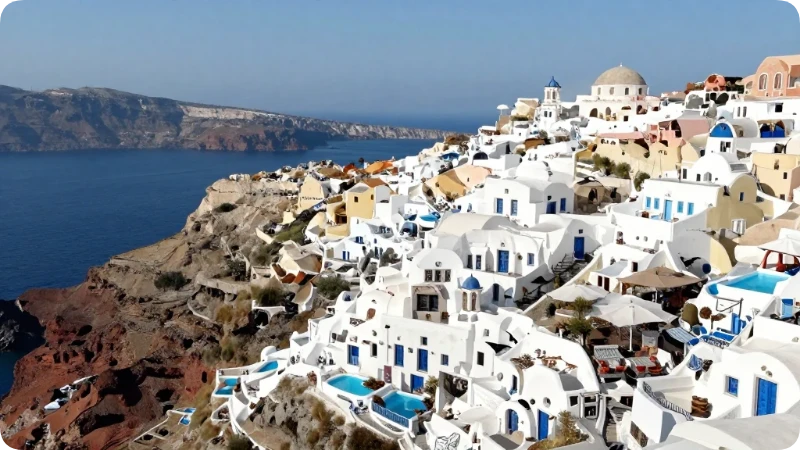
Oia is considered the most scenic part of Santorini to stay in, known for its sunset views and iconic blue-domed churches, though it comes with higher prices and larger crowds. Fira, the capital, offers a livelier base with more restaurants, nightlife, and easy access to the cable car down to the old port.
| Town | Best For | Vibe |
| Oia | Sunsets, romance, photography | Quiet, upscale |
| Fira | Nightlife, central location | Lively, walkable |
| Imerovigli | Caldera views without Oia crowds | Peaceful, luxury |
| Kamari/Perissa | Budget stays, beach access | Relaxed, affordable |
Underrated pick: Imerovigli offers caldera views nearly as dramatic as Oia’s, often at a lower nightly rate.
What is the Main Town in Santorini?
Fira is the main town and capital of Santorini, serving as the island’s commercial and transportation hub. It sits directly on the caldera edge and connects to the old port via cable car or a traditional donkey path.
What to Do in Santorini, Greece
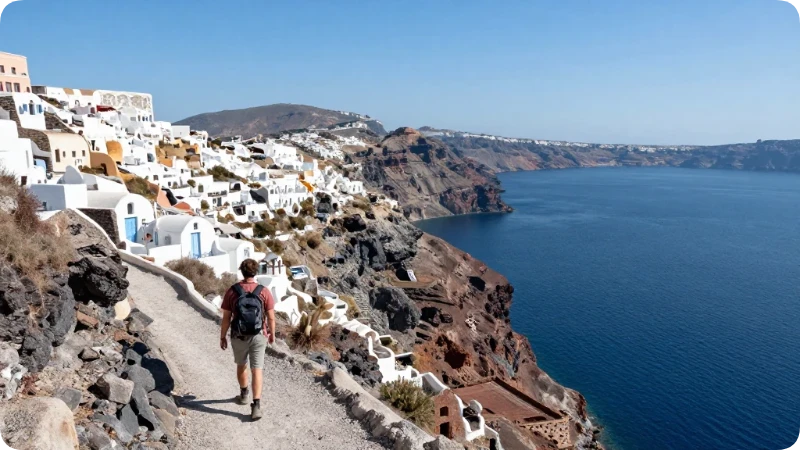
Top things to do in Santorini include watching the sunset in Oia, exploring the ancient ruins at Akrotiri, visiting a volcanic winery, and relaxing on the island’s black or red sand beaches. Boat tours around the caldera, including stops at the volcano and hot springs, are also a highlight for most visitors.
Top Attractions
- Oia Castle sunset viewpoint
- Akrotiri archaeological site (a preserved Bronze Age settlement)
- Fira-to-Oia caldera hiking trail
- Santo Wines and other Assyrtiko vineyards
- Red Beach and Kamari Beach
Hidden Gems
- Pyrgos village, a quieter alternative to Oia with similar architecture
- Ammoudi Bay, a small fishing harbor below Oia
- Emporio village, known for its old windmills and quiet lanes
Photo tip: Arriving in Oia at least an hour before sunset secures a decent viewpoint before the crowds fill the caldera path.
Food & Dining
Santorini’s food scene blends fresh seafood, local produce grown in volcanic soil, and traditional Greek dishes like fava (yellow split pea puree), tomatokeftedes (tomato fritters), and grilled octopus. The island’s wine, particularly assyrtiko, pairs naturally with its seafood-heavy menus.
Eating a bit outside the main tourist strips in Fira and Oia, in villages like Pyrgos or Megalochori, means better prices and equally good food.
Shopping in Santorini Gr,, Greece
Popular items to shop for in Santorini include local wine, handmade jewelry featuring volcanic stones, olive oil, and Cycladic-style ceramics and linens. Fira’s main shopping streets carry the widest selection, while smaller villages offer more artisan, less mass-produced options.
What is a Must Buy in Santorini, Greece?
A bottle of local Assyrtiko wine or Vinsanto dessert wine is one of the most recommended souvenirs, since Santorini’s volcanic terroir produces flavors unique to the island. Handmade jewelry and locally produced olive oil are also popular, meaningful takeaways.
How to Get There, Transport Options & Getting Around
Once on the island, rental cars, ATVs, local buses, and taxis are the main ways to get around, since Santorini has no train system and taxis can be limited during peak hours. Renting a car or ATV gives the most flexibility for exploring villages and beaches at a personal pace.
- Rental car/ATV: Best flexibility, ideal for exploring multiple villages in one day.
- Local bus (KTEL): Budget-friendly, connects major towns and beaches.
- Taxi: Convenient but limited in number, especially during peak season.
- Walking: Practical between Fira and nearby caldera-edge towns like Firostefani.
How Many Days in Santorini is Enough?
Four to five days is generally enough time in Santorini to see the main villages, enjoy a sunset in Oia, visit a winery, relax on the beach, and take a caldera boat tour without feeling rushed. Two to three days works for a quick stop but limits time for day trips or slower exploration.
Worth it? Yes, even a short 3-day visit delivers the island’s signature views, though 5 days allows for a more relaxed pace and day trips to nearby islands.
What Clothes to Wear in Santorini

Lightweight, breathable clothing works best in Santorini, along with comfortable walking shoes for the uneven, cobblestone caldera paths. Evenings can get cool near the water, so packing a light layer for sunset viewing is a smart move.
Packing Advice
- Comfortable sandals or walking shoes (cobblestones are uneven and often slippery)
- A light sweater or shawl for breezy evenings
- Sun protection: hat, sunglasses, reef-safe sunscreen
- A modest cover-up for visiting churches or monasteries
- A reusable water bottle, since summer heat leads to fast dehydration
What Visa Do I Need for Santorini?
US citizens do not need a visa for stays in Greece under 90 days for tourism purposes, since Greece is part of the Schengen Area. A valid passport with at least three months of validity beyond the planned departure date is required.
Starting in 2026, US travelers may also need to register through the EU’s ETIAS entry system before arrival, so checking the latest requirements on the official EU Travel-Info site before departure is essential, since this rule has shifted timelines multiple times.
What to Be Careful of in Santorini
Common issues to watch for in Santorini include uneven cliffside paths, strong sun exposure, crowded viewpoints during sunset hour, and pickpocketing in busy tourist zones. Renting an ATV or moped also carries real risk on the island’s steep, winding roads, so wearing a helmet and driving cautiously matters.
3 Tourist Mistakes (and Fixes)
- Mistake: Booking a hotel without confirming “caldera view” actually means an unobstructed view. Fix: Ask for recent guest photos before booking.
- Mistake: Arriving in Oia right at sunset. Fix: Arrive at least 60–90 minutes early to claim a spot.
- Mistake: Renting an ATV without prior experience on steep terrain. Fix: Start with a car or guided tour if unfamiliar with scooters/ATVs.
What Language Do They Speak in Santorini?
Greek is the official language spoken in Santorini, though English is widely used in hotels, restaurants, and tourist areas due to the island’s heavy reliance on international tourism. Learning a few basic Greek phrases, like “efharisto” (thank you), is appreciated by locals but not required to get by comfortably.
Culture & Etiquette
Modest dress is appreciated when visiting churches or monasteries, and a polite greeting goes a long way in smaller, family-run tavernas. Tipping isn’t mandatory in Greece but rounding up the bill or leaving 5–10% for good service is common practice.
Family Tips, Solo Tips & Accessibility
Family tips: Choose accommodations away from steep cliff-edge stairs if traveling with small children, and pack extra sun protection for young skin in the intense island heat.
Solo tips: Santorini is considered safe for solo travelers, including women, with well-developed tourist infrastructure and helpful locals in most villages.
Accessibility: Santorini’s cobblestone streets, steep caldera stairs, and limited elevators make it genuinely challenging for wheelchair users or those with mobility limitations; travelers should research specific hotel accessibility features directly before booking.
Responsible Travel
Choosing local, family-run tavernas and shops over large chain operations helps keep tourism revenue within the island’s community. Being mindful of water usage is also worth noting, since Santorini relies heavily on desalination and imported water during peak season.
Alternatives & Nearby Attractions
Travelers wanting a similar Cycladic feel with lower costs and fewer crowds might consider Milos, Naxos, or Folegandros as alternatives to Santorini. Nearby day-trip options include a boat excursion to the still-active volcano and the natural hot springs just off the coast.
What is the Prettiest City in Greece?
Nafplio, on the mainland Peloponnese, is frequently cited as one of Greece’s prettiest towns for its Venetian architecture and seaside setting, though this is subjective and depends on personal taste in scenery.
Which is the Prettiest Greek Island to Visit?
Santorini is consistently ranked among the prettiest Greek islands for its caldera views, though Milos and Naxos are strong contenders for travelers who prefer quieter, less crowded scenery.
Sample 5-Day Santorini Itinerary
- Day 1: Arrive, settle into Fira or Imerovigli, evening walk along the caldera path.
- Day 2: Explore Oia, visit Oia Castle, watch the sunset.
- Day 3: Caldera boat tour to the volcano and hot springs, relax at Kamari Beach.
- Day 4: Visit Akrotiri ruins, wine tasting at a local vineyard, dinner in Pyrgos.
- Day 5: Beach morning at Red Beach, shopping in Fira, farewell dinner with a caldera view.
FAQs
How much does a Santorini trip cost?
A typical 5-day trip runs $500–$1,500+ per person depending on travel style, not including international flights. Luxury caldera-view stays can push costs well past $2,000.
What is the best way to travel to Santorini, Greece?
Fly into Athens International Airport first, then connect via a short domestic flight or ferry to Santorini. There are currently no direct international flights to the island.
Which month is best to visit Santorini?
Late April through June and September through October offer warm weather with smaller crowds than peak summer. July and August are hottest and busiest.
Is Santorini okay to travel to now?
Yes, tourism has largely returned to normal, though it’s smart to check current State Department advisories given the island’s history of seismic activity.
How many days in Santorini is enough?
Four to five days is typically enough to see the main highlights without feeling rushed. Two to three days works for a quicker stop.
Which airport is closest to Santorini?
Santorini (Thira) National Airport (JTR) is the closest, located about four miles from Fira. Athens International Airport is the nearest major international hub.
What visa do I need for Santorini?
US citizens don’t need a visa for stays under 90 days, though ETIAS registration may soon be required for Schengen Area entry. Confirm current rules before departure.
Is Santorini or Mykonos better for a honeymoon?
Santorini is generally considered better for honeymoons due to its romantic caldera views and quieter pace. Mykonos suits couples who also want nightlife and a livelier social scene.
Can you see Santorini in one day?
A one-day visit only allows time for Oia’s sunset and a quick walk through Fira, missing most other highlights. It’s possible as a cruise stop but not ideal for a full experience.
Do you need a car in Santorini?
A rental car or ATV is helpful for reaching multiple villages and beaches independently, though buses and taxis can cover the basics. It’s not strictly required but adds flexibility.
Is tap water safe to drink in Santorini?
Tap water in Santorini is not recommended for drinking due to its desalinated source; most visitors and locals use bottled or filtered water instead. Restaurants often provide bottled water automatically.
What currency is used in Santorini?
Santorini uses the Euro (€), like the rest of Greece. Credit cards are widely accepted, though small tavernas and shops may prefer cash.
Conclusion
Travel to Santorini, Greece rewards planning: knowing the best months, realistic costs, and where to stay turns a bucket-list idea into a smooth trip. The island delivers on its reputation for caldera views, volcanic beaches, and sunsets worth the hype while staying manageable on a range of budgets when booked thoughtfully.
Three things to remember: fly through Athens, visit in shoulder season for the best value, and choose a base town that matches the trip’s pace- if that’s lively, Fira; if quiet, et Imerovigli. With those pieces in place, the only thing left to plan is which sunset spot to claim first.

Maya Lin inspires travelers to explore the globe with absolute confidence and independence. Armed with a background in digital media and a decade of independent solo travel experience, she knows exactly how to navigate unfamiliar cities smoothly and safely. For Travelmarse, Maya curates the solo travel and hidden-gem verticals. She reviews charming boutique hotels, designs smart neighborhood walking routes, and shares practical language-learning hacks, giving readers the exact tools they need to travel solo without the stress.