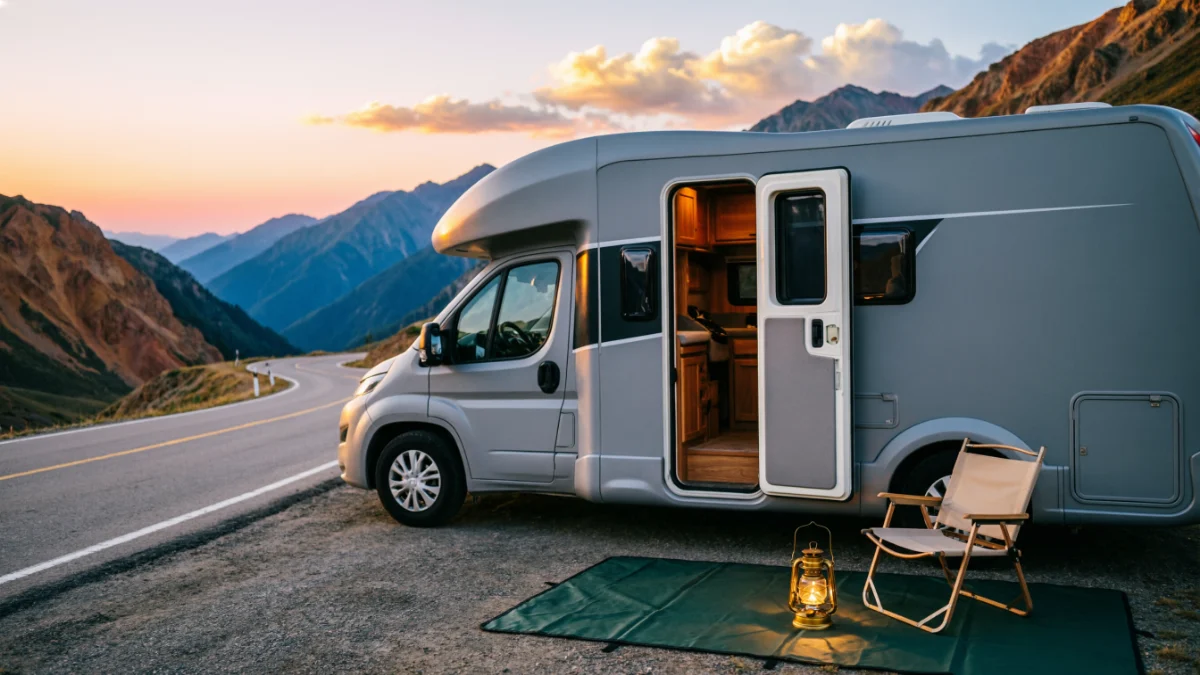
Van travel has turned into one of America’s most popular ways to explore, and it’s easy to see why. A single van can replace flights, hotels, and rental cars, turning a road trip into a home that moves with you.
But van travel also raises real questions: which van to buy, where it’s legal to sleep, how to handle a bathroom on the road, and if the whole lifestyle is even worth the investment.
This guide answers every one of those questions in one place, using practical, research-backed details instead of vague inspiration. If the goal is a weekend trip in a minivan or a full-time build in a Sprinter, the answers below are built for real planning, not just daydreaming.
Featured Snippet:
Van travel means road-tripping or living in a van converted or equipped for sleeping, cooking, and storage. Popular choices include the Mercedes-Benz Sprinter, Ford Transit, and Ram ProMaster for full conversions, or minivans like the Chrysler Pacifica for weekend trips. Costs range from $5,000 for a DIY minivan setup to $150,000+ for a custom-built adventure van.
Quick Facts About Van Travel
| Category | Detail |
| Best starter vans | Ford Transit, Ram ProMaster, Mercedes Sprinter, Chrysler Pacifica |
| DIY build cost | $5,000–$25,000 |
| Professional conversion cost | $40,000–$200,000+ |
| Average lifespan | 200,000–300,000 miles with maintenance |
| Free camping options | BLM land, National Forests, some Walmart lots |
| Legal sleeping rule | Always confirm local ordinances before parking overnight |
Van travel spans a wide budget range, and the “best” van depends heavily on trip length, climate, and whether it’s a weekend hobby or a full-time home. Verify local camping and parking rules before every overnight stop, since ordinances change by city and season.
What Is a Travel Van Called?
A travel van used for road trips or overnight living is most commonly called a campervan, camper van, or conversion van. Enthusiasts and online communities often use the term “van life” to describe the lifestyle itself rather than the vehicle.
Industry classifications matter too. The RV Industry Association (RVIA) labels compact, drivable camper vans as Class B motorhomes, distinct from larger Class A and Class C motorhomes.
Other common names include:
- Adventure van – built for outdoor sports and off-grid trips
- Sprinter van – shorthand for a Mercedes-Benz Sprinter conversion
- Skoolie – a converted school bus, a cousin of the van life movement
What Is an Adventure Van?
An adventure van is a van built or equipped specifically to support active, outdoor-focused travel rather than pure comfort camping. It typically includes gear storage for bikes, skis, or kayaks, all-wheel drive or 4×4 capability, and a simplified interior that prioritizes durability over luxury.
Companies like Outside Van, Sportsmobile, and Storyteller Overland built their reputations around this exact niche. Unlike a standard RV, an adventure van is meant to reach trailheads, backcountry roads, and remote put-in spots, not just campgrounds.
Adventure vans usually trade some living space for rugged suspension upgrades, solar power, and exterior storage boxes, making them popular with skiers, surfers, and mountain bikers who need a basecamp that can also handle rough terrain.
What Are the Different Types of Vans?
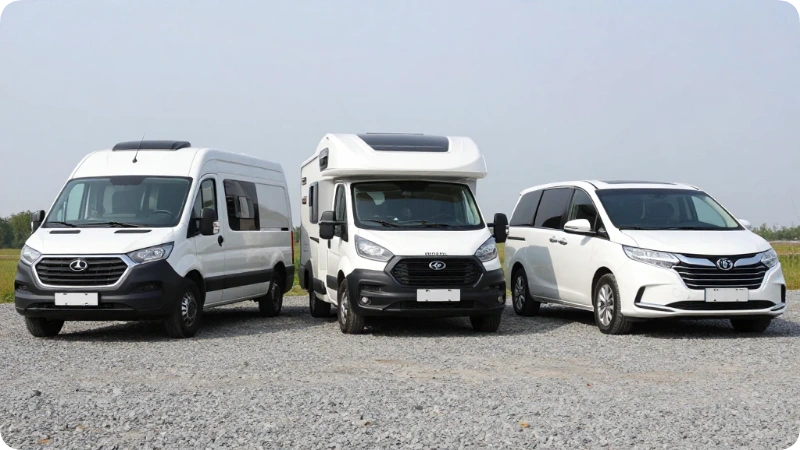
Van travel options fall into a few clear categories, each suited to different budgets and trip styles.
| Type | Example Models | Best For |
| Full-size cargo van conversions | Mercedes Sprinter, Ford Transit, Ram ProMaster | Full-time living, long trips |
| Compact camper vans | Ford Transit Connect, Ram ProMaster City | Solo or couple weekend trips |
| Minivans | Chrysler Pacifica, Honda Odyssey, Toyota Sienna | Budget trips, easier parking |
| Class B motorhomes | Winnebago Solis, Roadtrek, Pleasure-Way | Turnkey comfort, no DIY needed |
| Overland/4×4 vans | Sportsmobile, Outside Van 4×4 builds | Off-road and remote access |
Each type serves a different traveler. Minivans and compact vans work best for occasional trips, while full-size conversions suit those planning extended or full-time travel.
What Is the Smallest Type of Van?
The smallest vans used for travel are typically compact cargo vans and minivans, such as the Ford Transit Connect, Ram ProMaster City, and standard minivans like the Honda Odyssey. These measure roughly 15–17 feet long, compared to 19–23 feet for full-size Sprinters and Transits.
Smaller vans trade interior space for easier city parking, better fuel economy, and lower purchase prices. They suit solo travelers or couples doing shorter trips rather than full-time living, since standing height and permanent bathrooms are usually not possible in this size class.
Which Van Is Best for Traveling?
The best van for traveling depends on trip length and budget, but the Ford Transit, Ram ProMaster, and Mercedes-Benz Sprinter are the three most common choices for serious van travel in the USA. All three offer high-roof options for standing headroom and strong aftermarket conversion support.
- Ford Transit – widely available, easier and cheaper to service
- Ram ProMaster – front-wheel drive, flat floor, boxy interior space
- Mercedes Sprinter – highest resale value, available 4×4
For shorter trips, a minivan or compact camper van is often the more practical and budget-friendly pick.
What Vans Are Good for Traveling?
Beyond the big three conversion vans, several other models see regular use for van travel across the USA. Good options vary by priority; some travelers value fuel economy, others want off-road capability or a lower price point.
- Chevrolet Express / GMC Savana – older but affordable, simple mechanics
- Nissan NV200 – compact, fuel-efficient for city-to-trail trips
- VW California / Multivan – factory camper package, popular for shorter tours
- Toyota Sienna / Chrysler Pacifica – easiest for stealth minivan camping
The right van is the one that matches the traveler’s route, climate, and how long they’ll be living in it, not necessarily the most popular badge.
Which Van Is the Best to Buy?
For most first-time buyers, the Ram ProMaster offers the best value-to-space ratio, thanks to its flat floor, boxy shape, and lower base price compared to the Sprinter. Buyers prioritizing resale value and long-term reliability often choose the Mercedes Sprinter instead, despite the higher upfront cost.
Before buying, compare:
- New vs. used pricing and available warranty
- Availability of local service centers
- 4×4 or AWD needs based on planned terrain
- Roof height needed for standing room
There’s no single “best” van; the right purchase depends on service network access and intended use.
What Type of Van Is Best for Van Life?
For full-time van life, a high-roof, extended-length cargo van such as a Sprinter 170, Transit 148, or ProMaster 159 is generally best, since it allows standing headroom, a permanent bed, and space for a small bathroom or shower.
Full-time travelers typically prioritize:
- Insulation for four-season use
- A reliable solar and battery system
- Enough water storage to reduce refill stops
- Diesel heating for cold climates
Shorter or seasonal van lifers can get by with smaller vans, but full-time living strongly favors the extra length and height of a full-size conversion van.
What Is the Best Small Van for Travelling?
The Ford Transit Connect and Ram ProMaster City rank among the best small vans for travel, offering enough room for a simple bed platform and storage while remaining easy to park and drive daily. The VW California also fits this category with its factory pop-top camper design.
Small vans work well for:
- Solo travelers or couples without kids
- Weekend and week-long trips rather than months on the road
- Travelers who want a daily driver that doubles as a camper
They typically lack standing height and a built-in bathroom, which is the main trade-off for their smaller footprint.
What’s a Good Small Van to Buy?
A good small van purchase balances reliability, fuel economy, and simple conversion potential. The Ram ProMaster City and Ford Transit Connect are strong picks thanks to wide aftermarket support and simple mechanicals that are easy to service nationwide.
Buyers should check:
- Mileage and maintenance history if buying used
- Cargo dimensions against planned bed and storage layout
- Ground clearance if planning any dirt-road travel
A well-maintained used small van is often a smarter first purchase than an expensive new build, especially for travelers testing van life before committing to a bigger rig.
What Is the Best Budget Van for Van Life?
The most budget-friendly path into van life is usually a used Chevrolet Express, GMC Savana, or older Ford Transit, paired with a DIY conversion. These older cargo vans can often be found for $10,000–$20,000 and converted with basic tools for another $5,000–$15,000.
Ways to keep costs down:
- Build the interior in phases instead of all at once
- Use a portable power station instead of a full solar/battery system
- Choose a smaller composting or portable toilet over a built-in bathroom
- Buy used appliances and cabinetry from van life resale groups
A budget build won’t have every luxury, but it can absolutely support real full-time or long-term travel.
Which Brand of Van Is the Best?
Among van chassis manufacturers, Mercedes-Benz holds the strongest reputation for the Sprinter’s build quality, resale value, and diesel efficiency, while Ford and Ram are favored for lower repair costs and wider dealer availability across the USA.
| Brand | Known For |
| Mercedes-Benz | Resale value, diesel efficiency, 4×4 option |
| Ford | Nationwide service, lower repair costs |
| Ram | Flat floor, front-wheel drive, interior width |
| Winnebago | Turnkey Class B motorhomes, factory warranty |
Among upfitters and conversion brands, Outside Van, Sportsmobile, and Winnebago Revel are consistently ranked among the top names for quality and durability.
Who Owns Outside Van?
Outside Van is a Portland, Oregon-based custom camper van builder founded in 2007 by Erik Ekman, who spent years converting vans to support his own outdoor lifestyle before turning it into a business. In 2021, the company was acquired by Fox Factory Holding Corp., a publicly traded performance parts manufacturer.
Outside Van continues to operate under its own brand, building custom and model camper vans on Mercedes Sprinter chassis, with production facilities based in Oregon.
What Van Has the Least Problems?
The Ford Transit and Ram ProMaster are generally reported to have fewer costly repairs than the Mercedes Sprinter, mainly because parts and certified mechanics are more widely available across the USA, keeping both routine maintenance and unexpected repairs simpler to handle.
That said, reliability depends heavily on maintenance history. A well-serviced Sprinter can easily outlast a neglected Transit. Buyers should prioritize:
- Full maintenance records over brand reputation alone
- Independent pre-purchase inspections
- Local access to certified service centers for the specific chassis
What Are Common Problems With Vans?
Vans used for full-time or heavy travel tend to develop a predictable set of issues over time, most tied to mileage, climate exposure, and DIY electrical work.
Frequent problems include:
- Electrical system faults from poorly wired solar or battery setups
- Water damage from roof vents, windows, or solar panel mounts
- Suspension wear from carrying heavy conversion materials
- Turbo or emissions issues on diesel models like the Sprinter
- Condensation and mold in poorly ventilated insulation
Most of these problems are preventable with proper installation and regular inspection, rather than being inevitable parts of van ownership.
What Is the Lifespan of a Campervan?
A well-maintained campervan chassis can reasonably last 200,000 to 300,000 miles, roughly 15–20 years of regular use, before major mechanical overhauls become necessary. The interior conversion cabinetry, appliances, and electrical systems often need updates sooner, typically every 8–12 years.
Lifespan depends heavily on:
- Climate exposure (coastal and desert use adds wear)
- How often it’s driven versus parked as a stationary camper
- Quality of the original conversion work
- Consistency of oil changes and chassis maintenance
Diesel engines, common in Sprinters, often exceed gas engine lifespans when properly maintained.
How Much Is a Travelling Van?
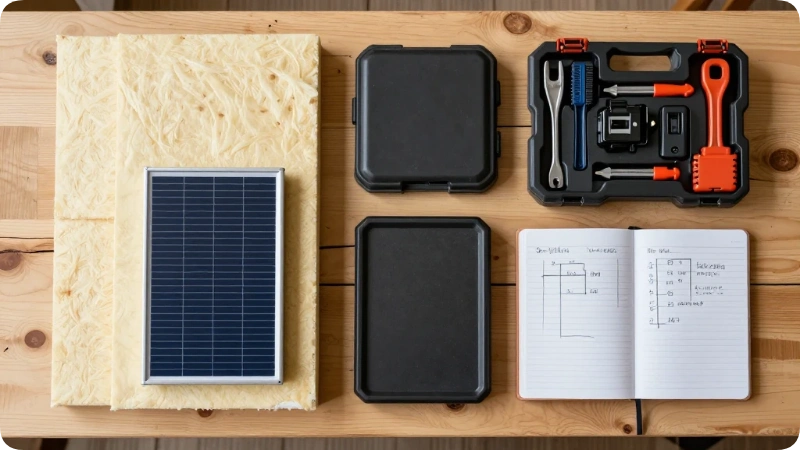
Travel van costs vary enormously based on size and whether it’s DIY or professionally built.
| Build Type | Estimated Cost |
| Used minivan, no conversion | $5,000–$15,000 |
| DIY cargo van build | $15,000–$40,000 |
| Mid-range professional conversion | $60,000–$100,000 |
| High-end custom builds (Outside Van, Sportsmobile) | $120,000–$250,000+ |
Ongoing costs also matter: insurance, fuel, campground or park fees, and maintenance can add $300–$800 per month depending on travel frequency. Always get a written quote and warranty terms in writing before committing to a professional build.
What to Take on a Van Road Trip?
A van road trip runs smoothest with a focused packing list rather than an overloaded interior, since weight and storage space are limited.
Essentials to pack:
- Bedding suited to expected overnight temperatures
- Portable stove or built-in cooktop, plus basic cookware
- Water containers or a built-in tank with a filter
- First-aid kit and basic tool kit
- Offline maps or a GPS device for areas without signal
- Headlamp or flashlight, plus backup batteries
Often forgotten but worth packing: extra fuses, tire repair kit, and a paper map as backup for dead zones.
What Are the Best Accessories for Van Life?
The best van life accessories improve daily comfort without adding unnecessary weight or complexity to the build.
- Solar panels and a portable power station for off-grid electricity
- Window insulation covers for privacy and temperature control
- Portable induction cooktop as a safer alternative to propane
- Compact composting or cassette toilet for off-grid bathroom needs
- Fantastic Fan or roof vent fan for airflow and condensation control
Accessories should be chosen based on climate and trip length; a summer weekend traveler needs far less gear than someone living in a van through winter.
What Van Essentials Are Worth the Money?
Not every gadget pays off, but a few van life essentials consistently prove worth the investment based on traveler experience and durability.
Worth the money:
- A quality mattress or memory foam topper (sleep quality affects everything else)
- A reliable battery/solar setup instead of a cheap generator
- Proper insulation before finishing walls and ceiling
- A durable roof fan for humidity and temperature control
Often skippable at first: built-in showers, elaborate cabinetry, or expensive smart-home van tech, which can be added later once the basics are proven out on the road.
What Are Some Useful Gadgets for Van Life?
Beyond core essentials, several smaller gadgets make daily van life noticeably easier without a big budget impact.
- Portable power station (Jackery, Bluetti, or EcoFlow) for backup electricity
- 12V compressor cooler/fridge for reliable off-grid refrigeration
- Battery-powered water pump for a simple sink setup
- Bluetooth tire pressure monitor for safety on long drives
- Offline navigation apps like Gaia GPS or onX Offroad for remote routes
These gadgets solve specific daily friction points power, food storage, and navigation that matter more on the road than they do at home.
How to Prepare for Living in a Van?
Preparing for van life works best as a phased process rather than a single leap, starting with short trial trips before committing full-time.
Steps to prepare:
- Take a 1–2 week trial trip before selling a permanent home
- Research state-specific vehicle registration and domicile rules
- Set a realistic monthly budget including fuel, food, and camping fees
- Choose and test a mail-forwarding service for a fixed address
- Build or buy insulation suited to the coldest climate planned for
Skipping the trial-trip step is one of the most common mistakes new van lifers make, since real life on the road often differs from the planning phase.
Can You Sleep Anywhere in a Van?
No, sleeping in a van is not legal everywhere, even though the van itself can technically park in many locations. Overnight parking rules vary by city, county, and even specific parking lot, so a legal spot in one town may result in a ticket in the next.
Generally allowed with permission or posted signage:
- National Forest dispersed camping areas
- BLM (Bureau of Land Management) public land
- Some Walmart and truck stop lots (policy varies by store)
Generally restricted:
- Most residential streets overnight
- National Park lots outside designated campgrounds
- Many city downtown areas after certain hours
Is Sleeping in a Van Safe?
Sleeping in a van is generally safe when parked in well-lit, legal, and well-traveled locations, with basic precautions like locked doors and covered windows. Most safety concerns come from parking choice rather than the van itself.
Safety tips:
- Use apps like iOverlander or FreeCampsites.net to find vetted spots
- Avoid isolated dead-end roads at night
- Keep window coverings up for privacy without drawing attention
- Trust instinct: if a spot feels off, move on
Solo travelers, in particular, benefit from checking recent reviews on camping apps before committing to an unfamiliar location.
Can I Sleep in the Back of a Van?
Yes, sleeping in the back of a van is common and legal in most places, provided the van is parked legally and doesn’t violate local ordinances against “living” in a vehicle on public streets. Enforcement typically targets long-term residential parking rather than a single overnight stop.
To sleep comfortably and low-profile:
- Keep window coverings installed for privacy
- Avoid visible camping setups (chairs, grills) outside the van
- Park as if for a quick errand rather than an obvious campsite
Checking local municipal code before an extended stay avoids most legal issues entirely.
Where Can You Sleep in a Campervan for Free?
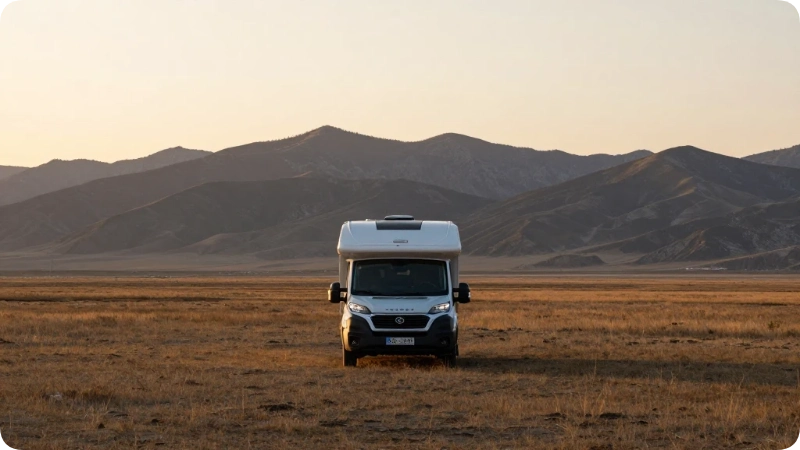
Free overnight parking for campervans is widely available on public lands managed by the Bureau of Land Management (BLM) and the U.S. Forest Service, which allow dispersed camping in many areas for up to 14 days at a stretch.
Other free options:
- Some Walmart, Cabela’s, and Cracker Barrel parking lots (confirm with store management)
- Rest areas in states that permit overnight stays
- Casino parking lots that allow RV/van parking (check signage)
- Boondocking apps like FreeRoam and iOverlander for crowd-verified spots
Always confirm current rules locally, since free camping policies shift by season and specific location.
Where Do People Who Live in Vans Go to the Bathroom?
Van lifers typically use a combination of portable toilets, public restrooms, and campground facilities, since most vans don’t include full plumbing like a house. The choice usually depends on trip length and available budget.
- Cassette or composting toilets built into the van
- Public restrooms at gas stations, parks, and rest stops
- Gym memberships (like Planet Fitness) for regular shower and restroom access
- Campground facilities during paid stays
Most full-time travelers use a mix of these rather than relying on just one option.
Is It Worth Having a Toilet in a Campervan?
A built-in toilet is worth it for full-time travelers or those camping in remote areas without nearby restrooms, but it adds cost, weight, and maintenance that occasional travelers may not need.
Worth it for: full-time van lifers, remote boondockers, families, and anyone prioritizing privacy and convenience over saved space.
Often skippable for: weekend travelers who plan routes near gas stations, campgrounds, or public restrooms, since a portable toilet or public facilities can cover occasional needs without permanent installation.
A simple portable cassette toilet offers a lower-cost middle ground between no toilet and a full built-in bathroom.
How Do People Shower in Camper Vans?
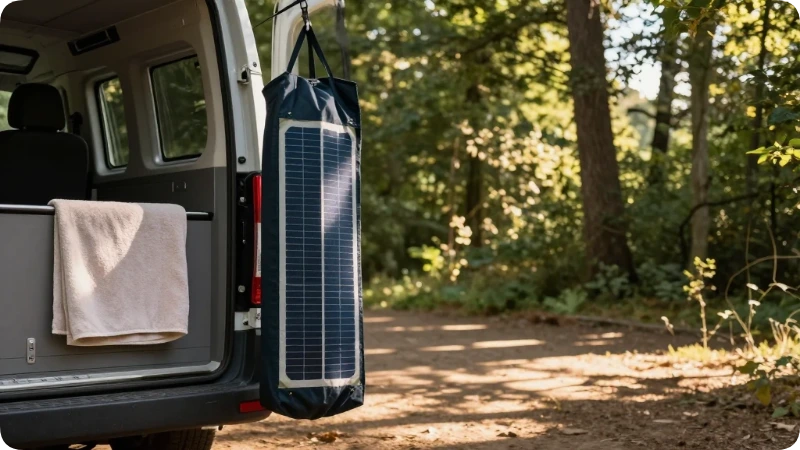
Van travelers shower using a mix of built-in van showers, campground facilities, and gym memberships, since only larger, well-equipped conversions have enough water capacity for a full built-in shower.
Common shower methods:
- Truck stops like Pilot and Flying J (paid showers, often clean and reliable)
- Gym chains such as Planet Fitness for regular access nationwide
- Campground shower houses during paid stays
- Portable solar showers for quick rinses at remote sites
- Built-in wet baths in larger, high-end conversions
Most experienced van lifers rotate between these rather than relying on one method daily.
How Do You Stay Warm in a Van?
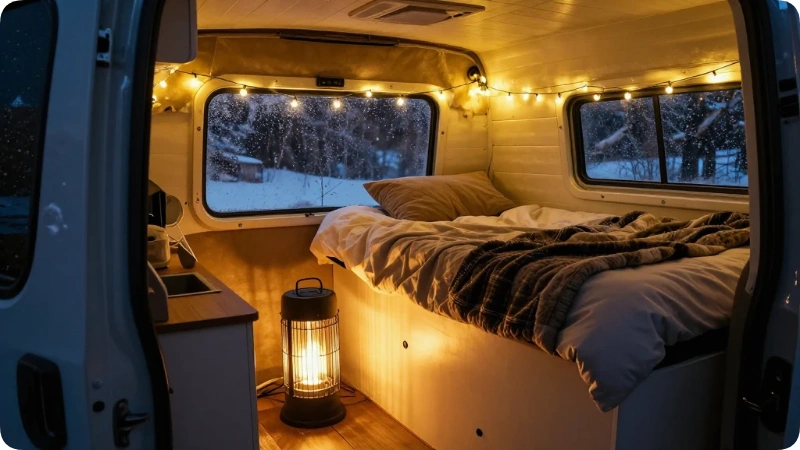
Staying warm in a van during cold weather comes down to insulation quality, a reliable heat source, and minimizing condensation, since a poorly insulated van can lose heat quickly overnight.
Effective methods:
- Closed-cell foam or Thinsulate insulation in walls, floor, and ceiling
- Diesel or propane heaters (like the Espar or Webasto) for efficient off-grid heat
- Insulated window covers to reduce heat loss through glass
- A four-season sleeping bag as backup if the heater fails overnight
Ventilation still matters even in cold weather; cracking a vent slightly prevents dangerous condensation and moisture buildup inside the van.
Common Mistakes First-Time Van Travelers Make
Even well-planned first trips run into avoidable problems. Three mistakes come up repeatedly among new van travelers.
Overbuilding before testing the lifestyle. Fix: take a short trial trip before investing in a full custom build.
Underestimating power needs. Fix: calculate daily electrical use (fridge, fans, laptop) before sizing a solar/battery system.
Ignoring local parking laws Fix: check municipal codes and camping apps before choosing an overnight spot.
Avoiding these three issues prevents most of the frustration new van travelers report in their first few months.
Is Van Travel Worth It?
Van travel is worth it for people who value flexibility, lower long-term travel costs, and closer access to outdoor destinations, but it demands more planning and tolerance for discomfort than hotel-based travel.
Worth it for: remote workers, retirees, outdoor enthusiasts, and anyone prioritizing experiences over fixed comforts.
Better to avoid for: those needing consistent high-speed internet, frequent access to medical care, or very low tolerance for changing weather and limited amenities.
What’s overrated: ultra-luxury custom interiors that rarely get used as advertised. What’s underrated: a solid, simple insulation and power setup, which affects daily comfort far more than aesthetics.
FAQs
How long is needed for a first van trip?
A first van trip works best at 7–14 days, long enough to test daily routines like cooking, parking, and sleeping without committing to a long-term lifestyle change before knowing if it fits.
What’s the best time of year for van travel in the USA?
Late spring through early fall (May–September) offers the widest range of accessible routes, since many mountain and forest roads close or become harder to navigate in winter, especially without a heated, well-insulated van.
Do I need a special license to drive a camper van?
Most camper vans, including Sprinters and Transits, fall under standard passenger vehicle weight limits and require no special license in the USA. Extremely large motorhomes or trailers may require additional endorsements depending on the state.
How much does van insurance typically cost?
Van insurance for a converted camper van typically runs $100–$250 per month, depending on the vehicle’s value, added conversion equipment, and whether it’s insured as a personal vehicle or specialty RV.
Can I live in a van full-time legally in the USA?
Yes, full-time van living is legal, but vehicle registration, mail, and “domicile” state rules still apply. Many full-time travelers choose states like South Dakota or Texas for simpler registration and mail-forwarding options.
What’s the highest ongoing cost of van life?
Fuel and maintenance are typically the highest recurring costs, followed by campground fees when free boondocking isn’t available. Diesel-powered vans often see lower fuel costs per mile than gas-powered equivalents.
Are pets allowed in van life travel?
Yes, many van travelers bring pets, but it requires extra planning for temperature control, secure restraint while driving, and pet-friendly stops, since a parked van can overheat quickly without ventilation or a temperature-monitoring system.
Do van conversions hold their value when reselling?
Well-built conversions on reliable chassis like the Sprinter or Transit tend to hold value better than average vehicles, especially from recognized upfitters, though DIY builds vary widely based on craftsmanship and documentation.
Is boondocking the same as free camping?
Yes, boondocking refers to camping without hookups, usually on public land, and is essentially the same concept as free camping, though boondocking specifically implies no water, electric, or sewer connections at all.
What size solar setup does a typical van need?
Most full-time van travelers use 200–400 watts of solar panels paired with a 100–200Ah battery bank, enough to run lights, a fridge, and small electronics without needing frequent shore power or generator use.
Should I rent a van before buying one?
Yes, renting a camper van for a short trip is a low-risk way to test layout, size, and daily routines before a large purchase, and many rental companies apply part of the rental fee toward a future purchase.
How do van travelers handle trash and waste on the road?
Most van travelers pack out trash to dispose of at gas stations, campgrounds, or designated waste sites, following “leave no trace” principles, especially on public lands like BLM and National Forest areas where dumpsters aren’t provided.
Conclusion
Van travel rewards preparation more than spontaneity. Choosing the right van size, understanding real bathroom and sleeping logistics, and budgeting for both the build and the road ahead all matter more than any single gadget or brand name.
Three takeaways stand out: match the van to the trip length, not the trend; test the lifestyle before committing to a full build; and always verify local parking and camping rules before settling in for the night.
Van travel isn’t about escaping life; it’s about carrying a flexible version of home to wherever the road leads next. For those ready to start, a short trial trip remains the simplest way to find out if van life truly fits.

Maya Lin inspires travelers to explore the globe with absolute confidence and independence. Armed with a background in digital media and a decade of independent solo travel experience, she knows exactly how to navigate unfamiliar cities smoothly and safely. For Travelmarse, Maya curates the solo travel and hidden-gem verticals. She reviews charming boutique hotels, designs smart neighborhood walking routes, and shares practical language-learning hacks, giving readers the exact tools they need to travel solo without the stress.