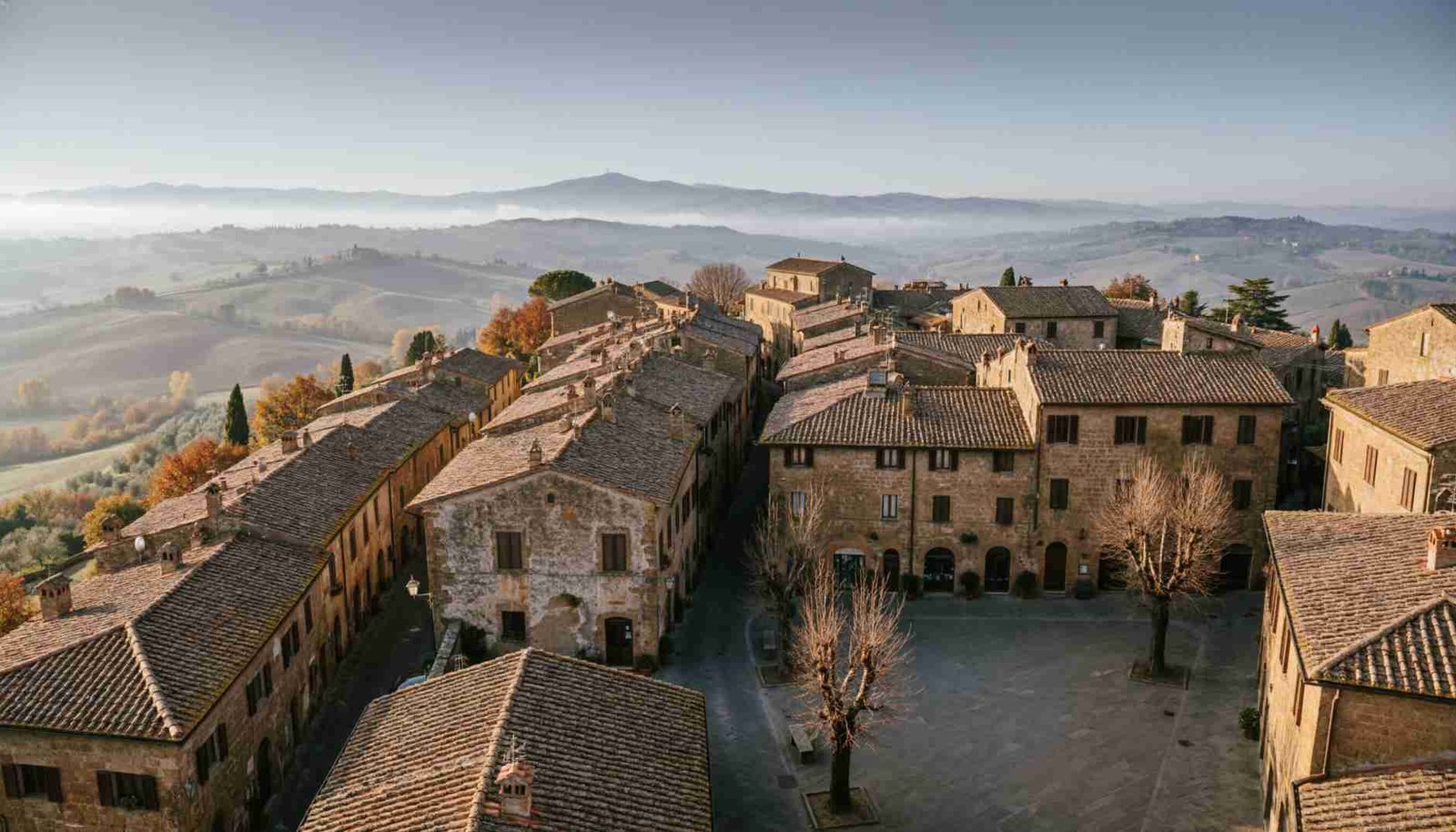
The cheapest time to travel to Italy is November through early December and January through February (excluding the Christmas holiday window).
During these months, flights from the US can drop 40 60% below peak summer prices, hotel rates fall dramatically, and crowds thin out especially in Florence, Rome, and the Amalfi Coast.
March and late October also offer solid value with milder weather.
Why Timing Your Italy Trip Can Save You Thousands
Every year, millions of American travelers overpay for Italy because they plan around the calendar they know summer vacation, spring break, major holidays. The truth is, Italy doesn’t stop being magical when August ends. The food stays extraordinary. The art doesn’t pack up. The wine keeps pouring. What changes is the price and for smart travelers, that change is significant.
A round trip flight from New York to Rome in July can easily cost $1,200 or more per person. That same flight in February? Sometimes under $500. Multiply that by two travelers, add the difference in hotel rates, and you’re looking at $2,000 or more in potential savings money that could fund an extra week abroad or a spectacular splurge dinner at a Michelin starred trattoria in Bologna.
This guide breaks down every season, every key month, and the insider strategies that let budget conscious travelers experience Italy without gutting their savings account.
Quick Facts: Italy Travel Costs at a Glance
| Season | Months | Avg. Round Trip Flight (NYC) | Avg. Hotel/Night | Crowd Level |
| Peak Summer | June August | $1,100 $1,500+ | $180 $350+ | Very High |
| Shoulder Spring | April May | $750 $1,100 | $130 $220 | High |
| Shoulder Fall | September October | $700 $1,000 | $120 $200 | Moderate High |
| Off Season | November March | $480 $750 | $80 $150 | Low |
Prices are estimates based on historical averages and vary by departure city, airline, and booking timing. Always verify current fares on booking platforms and airline websites before planning.
The Cheapest Months to Visit Italy, Ranked

Cheapest Months to Visit Italy
January and February are generally the cheapest months to visit Italy. Flights, hotels, and even some tours are available at their lowest prices of the year. Popular attractions are much less crowded, making sightseeing easier and more enjoyable. While winter weather can be chilly and occasionally rainy, budget-conscious travelers often find the savings well worth it.
Winter (January February)
January: The most affordable month for many travelers. Hotels offer deep discounts after the holiday season, and major cities remain active despite cooler temperatures.
February: Prices stay low except during Venice’s Carnevale festival, when accommodation rates rise and crowds increase.
Spring (March May)
March: One of Italy’s best-value months. Early spring brings improving weather, moderate prices, and manageable crowds.
April: Pleasant temperatures arrive, but Easter Week can cause a significant spike in travel costs. Booking early is recommended during Holy Week.
May: A classic shoulder-season month with warm weather, blooming countryside, and lower prices than summer.
Summer (June August)
June: Prices begin climbing, especially later in the month as peak season approaches.
July and August: Italy’s busiest and most expensive period. Popular destinations such as the Amalfi Coast and Sicily experience large crowds and premium hotel rates.
Fall (September November)
September: One of the best months to visit. Temperatures cool, crowds shrink, and prices drop from summer highs. Wine harvest season also begins across many regions.
October: Excellent weather, beautiful autumn colors, and lower prices make this another top-value month.
November: Tourist numbers decline significantly, creating excellent deals in major cities despite increased rainfall in some regions.
Holiday Season (December)
Early December remains affordable and relatively quiet. However, Christmas markets, holiday events, and New Year’s celebrations drive prices much higher during the second half of the month, especially in major cities.
Best Time to Visit Italy for Value: The Sweet Spots
The absolute best value windows are mid January through mid March and the first three weeks of November. These periods combine the lowest prices with functional, vibrant cities. Yes, you’ll need a jacket. No, you won’t be fighting for a spot at the Trevi Fountain.
A close second are the first two weeks of October and the second half of September. You sacrifice some savings compared to deep winter, but the weather rewards you with warmth, color, and harvest festival energy across the country.
For travelers who need school year compatibility, May is the best bet before summer prices lock in and after the spring break surge subsides.
How to Find the Cheapest Flights to Italy from the USA
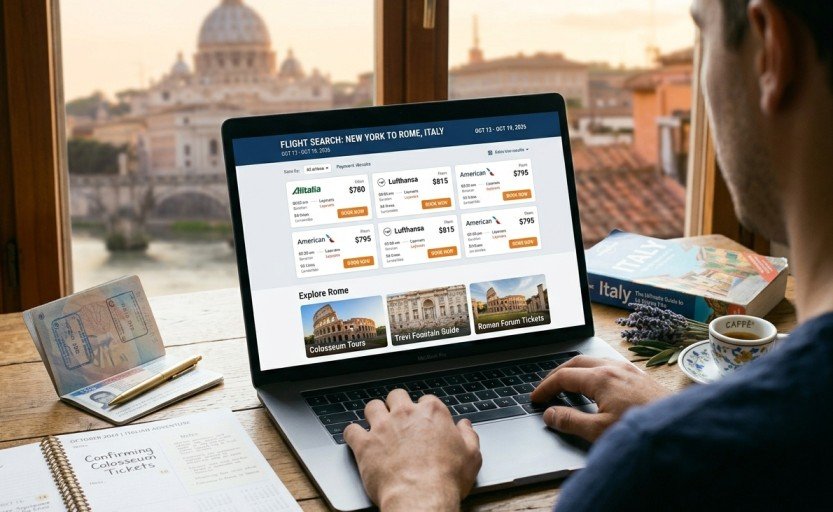
Finding genuinely cheap flights to Italy requires strategy, not just luck. Here are the approaches that consistently deliver results:
Book 2 4 months in advance for off season travel. For peak season (summer), book 4 6 months ahead or longer. Last minute deals to Italy are rare on transatlantic routes.
Be flexible with your gateway city. Flying into Milan (Malpensa Airport, MXP) or Naples (Capodichino Airport, NAP) instead of Rome (Leonardo da Vinci Fiumicino Airport, FCO) sometimes produces meaningfully lower fares depending on your departure city and timing.
Compare departure cities. Travelers in the US Southeast may find better fares from Atlanta (ATL) or Miami (MIA). West Coast travelers should check fares from Los Angeles (LAX) or San Francisco (SFO) sometimes one stop routings through European hubs like Amsterdam or Zurich beat direct options.
Use fare alerts. Google Flights, Kayak, and Scott’s Cheap Flights (now called Going) are reliable tools for tracking Italy fares from your home airport. Set alerts and let the price drops come to you.
Consider positioning flights. Flying from a smaller US city to a major hub like New York (JFK), Chicago (ORD), or Boston (BOS) before catching a transatlantic flight to Italy can save money if done strategically.
Check ITA Airways, Norse Atlantic, and Level alongside the major carriers. Budget transatlantic options have expanded in recent years, though baggage fees and flexibility policies vary read the fine print before booking.
Where to Stay in Italy on a Budget
Italy’s accommodation spectrum runs from pricey luxury hotels on the Grand Canal in Venice to clean, well located budget hotels and guesthouses in every major city. In the off season especially, even mid range hotels offer exceptional value.
Agriturismo (farm stays) are one of Italy’s great secrets for budget travelers. These working farms found in abundance across Tuscany, Umbria, Emilia Romagna, and Sicily offer rooms and often meals at prices far below comparable city hotels. The countryside experience itself is a bonus.
Apartment rentals in cities like Rome, Florence, and Naples make financial sense for stays of four nights or more, especially for couples or small groups. Having a kitchen means you can buy produce and cheese at a local market and eat like a local for a fraction of restaurant costs.
B&Bs and pensioni (small family run guesthouses) remain some of the best value options in smaller cities and hill towns like Orvieto, Assisi, Montepulciano, and Matera.
Budget hotel chains including ibis, NH Hotels, and Bettoja Hotels (a reliable Italian group) have reliable options in major cities. Hostel dorms are available in Rome, Florence, Milan, and other cities for solo travelers comfortable with shared accommodations.
Prices verified at booking should be checked closer to travel dates rates fluctuate considerably with availability and season.
Budget Breakdown: What Does Italy Actually Cost?
Planning a realistic daily budget helps avoid sticker shock. Here’s a rough framework for different travel styles. All figures are approximate and should be verified, as prices shift with exchange rates, inflation, and location:
Budget traveler (hostels, self catering, free attractions): $80 $120/day Mid range traveler (3 star hotels, sit down restaurants, paid attractions): $150 $250/day Comfortable splurge (4 star hotels, nice dinners, guided tours): $300 $500+/day
The biggest cost variables in Italy are accommodation and dining. Food costs can be dramatically reduced by eating at a bar counter for breakfast (espresso and cornetto for under $3), grabbing pizza al taglio (pizza by the slice) for lunch, and treating a full sit down dinner as your one daily splurge.
Museum admission costs are real but manageable. Rome’s Colosseum and Forum require advance booking ($18 $20 for basic admission verify current rates at the official site). Florence’s Uffizi Gallery similarly benefits from advance reservation. Many churches across Italy including some with genuinely extraordinary art are free to enter.
Italy’s Regions: Cost Differences Worth Knowing
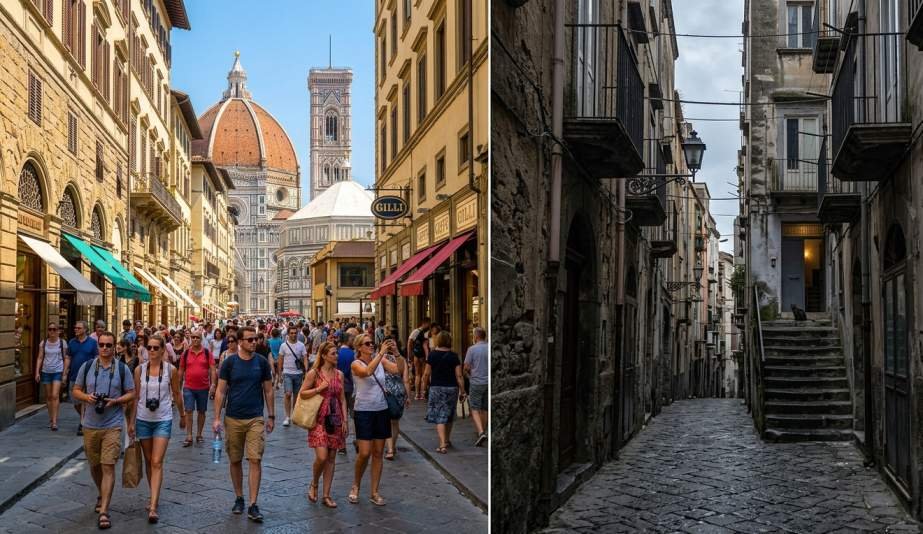
Not all of Italy costs the same, and choosing your destination wisely is as important as timing.
Rome sits at mid to high cost for an Italian city. Accommodation near the historic center is expensive, but good value options exist in Trastevere, Prati, and Testaccio neighborhoods.
Florence is premium priced relative to its size, particularly in peak season. Off season rates drop substantially, making winter the ideal time to finally linger in front of Botticelli’s work at the Uffizi without elbowing through tour groups.
Venice is expensive year round but dramatically cheaper in January and February outside Carnevale. The experience of Venice in winter fog is genuinely haunting and beautiful and far more atmospheric than the summer crowds would allow.
Milan costs more than southern Italy but is a transit hub, and short stays make financial sense given the city’s efficiency and excellent public transportation.
Naples and the South Naples, Lecce, Matera, Palermo offer some of the best value in Italy. Food is cheaper, accommodation is cheaper, and the cultural richness rivals the north. Calabria and Sicily’s smaller cities are among Italy’s most underrated destinations period.
The Dolomites and Lake Como are budget busters. Beautiful, genuinely worth visiting but go in shoulder season and book early to blunt the cost.
Hidden Gems Worth Visiting (and Cheaper Than the Big Names)
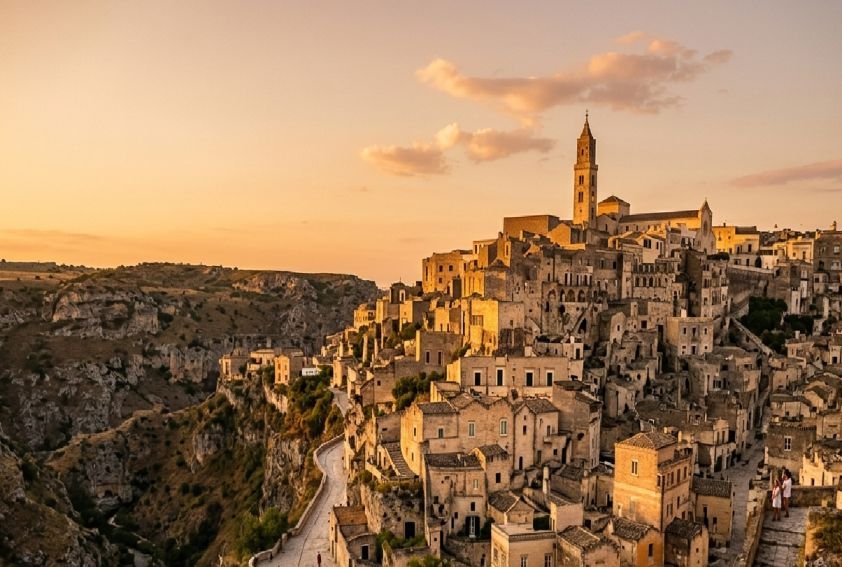
Three destinations that consistently reward travelers who venture off the standard itinerary:
Matera (Basilicata) One of the oldest continuously inhabited cities on earth, with cave dwellings carved into limestone ravines. Matera became a European Capital of Culture in 2019, but remains far less visited than Rome or Florence. Accommodation, food, and the sense of stepping into something genuinely ancient make it exceptional value.
Lecce (Puglia) Called the “Florence of the South” for its spectacular Baroque architecture. Lecce has a lively university town energy, phenomenal street food (pasticciotto pastries, rustico snacks), and hotel prices well below Tuscany equivalents.
Orvieto (Umbria) A hilltop medieval town perched on volcanic rock, Orvieto gets day tripped to death from Rome (it’s 90 minutes by train) but rarely stayed in overnight. Spend a night and the town transforms after the day trippers leave quiet piazzas, excellent local wine from the Orvieto Classico DOC, and a cathedral facade that stops you mid stride.
3 Tourist Mistakes to Avoid (and How to Fix Them)
Booking flights and skipping travel insurance. Transatlantic trips carry real risk flight cancellations, medical issues, lost luggage. Travel insurance typically costs 5 7% of total trip cost and is worth every cent for overseas travel. Check your credit card benefits first, as some travel cards include trip interruption and delay coverage. Verify coverage details directly with your provider.
Trying to see too much in too little time. The Rome Florence Venice triangle is a well worn path for a reason those cities are extraordinary. But cramming all three into five days means you’re spending two of those days on trains and another exhausted in transit. Choose depth over breadth. Three days in Rome alone barely scratches the surface.
Eating directly in tourist zones. A restaurant with laminated photo menus and a host beckoning from the doorway is almost always overpriced and underwhelming. Walk one street back from any major piazza or tourist site and the quality to price ratio improves dramatically. Locals don’t eat on the Piazza Navona they eat in the streets around it.
What to Pack for Off Season Italy Travel
Packing for Italy in the off season (November through March) requires slightly more preparation than summer:
- A good waterproof layer rain is common in northern Italy, Venice especially, in winter
- Comfortable walking shoes with real support Italian cities are cobblestone heavy and unforgiving on poor footwear
- Layers indoor spaces including churches and museums can be chilly; churches especially expect modest dress (covered shoulders and knees)
- Power adapter Italy uses Type F/L outlets (220V), incompatible with standard US plugs
- A compact day bag security conscious and manageable on trains and buses
- Printed or downloaded copies of reservations mobile signal can be unreliable in older buildings and underground
Getting Around Italy: Transport Options and Costs
Italy’s rail network, operated primarily by Trenitalia and Italo, is the backbone of travel between major cities. High speed trains (Frecciarossa, Frecciabianca) connect Rome to Florence in 1.5 hours and Rome to Milan in under 3 hours. Booking in advance especially 2 4 weeks out captures the lowest “Base” fares, which are often non refundable but significantly cheaper than walk up tickets.
For smaller towns and rural areas, regional trains (slower, cheaper) and local buses fill the gaps. The SITA bus network serves much of Tuscany and Umbria efficiently. In the Amalfi Coast, the local SITA Sud buses navigate the cliff roads cheap, spectacular, and frequently packed in season.
Renting a car in Italy makes the most sense for rural exploration the Dolomites, Puglia’s Valle d’Itria with its trulli stone houses, or Sicilian interior villages. Avoid driving in city centers. Limited Traffic Zones (ZTL zones) in Rome, Florence, and other historic cities automatically fine rental cars whose plates aren’t registered for access, and the fines arrive weeks later without warning.
Is Italy Worth Visiting in Winter? An Honest Answer
Yes with conditions. Winter Italy is best for travelers who prioritize art, food, wine, and history over beach days and outdoor hiking. Major cultural experiences Vatican Museums, the Colosseum, the Uffizi, La Scala in Milan operate year round and are genuinely better enjoyed with smaller crowds.
Some coastal destinations (Amalfi, Cinque Terre, Sardinia) are significantly quieter and some businesses close, which reduces their appeal. The Dolomites ski season runs roughly December through March, making those areas actively excellent in winter.
The honest drawback is weather. January and February bring cold, rain, and short days in most of Italy. For travelers sensitive to gray skies, March or October offer similar savings on accommodations with meaningfully better conditions.
Sample 10 Day Italy Itinerary for Budget Travelers (Off Season)
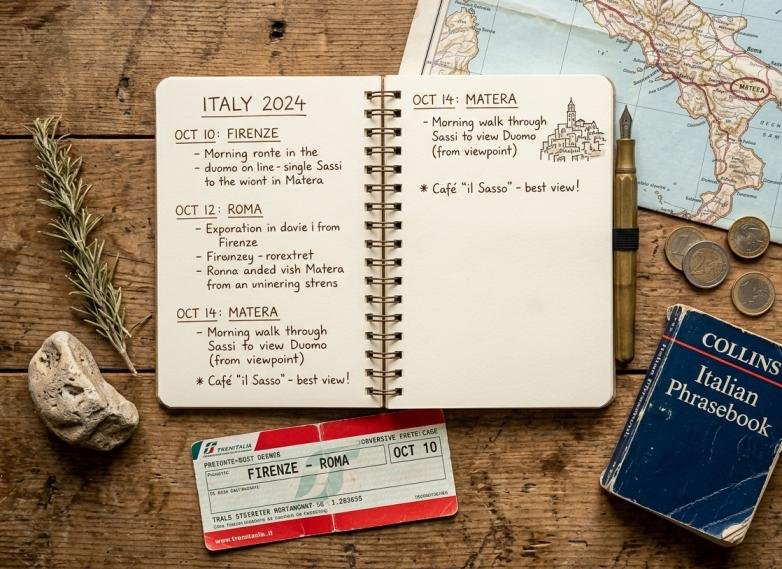
This framework works best for a January, February, March, or November trip:
Days 1 3: Rome Arrive, recover from jet lag, Vatican and Sistine Chapel on Day 2 (book in advance), Colosseum and Roman Forum on Day 3. Eat supplì (fried rice balls) in Testaccio. Take the free walk through Trastevere at dusk.
Day 4: Travel to Naples High speed train (~70 minutes). Afternoon in Spaccanapoli (the long street bisecting the old city). Pizza for dinner this is its birthplace.
Day 5: Pompeii and back to Naples Circumvesuviana train to Pompeii. Full morning and afternoon. Return to Naples for the night.
Days 6 7: Travel north to Florence Frecciarossa from Naples. Two full days: Uffizi (book ahead), Accademia (David by Michelangelo book ahead), Piazzale Michelangelo for the view at sunset, Central Market for lunch.
Day 8: Day trip to Siena or Orvieto Both reachable in under 1.5 hours by train or bus.
Days 9 10: Bologna or Venice Bologna is warmer in personality and price; Venice is winter atmospheric. Both are reachable from Florence by fast train. Bologna’s food scene may be the best in Italy.
FAQ
What is the cheapest month to fly to Italy from the USA?
January is typically the cheapest month for transatlantic flights to Italy. After the post Christmas slump, demand drops sharply and airlines lower fares to fill seats. February follows closely. Booking 2 3 months in advance within these windows captures the best rates. Always compare multiple departure airports and stay flexible on exact travel dates.
Is it worth going to Italy in November?
Yes, November is one of the best value months to visit Italy. Prices for flights and hotels drop significantly, crowds at major sites like the Colosseum and the Uffizi are manageable, and the country’s food culture is in full swing with truffle season and new wine releases. Rain increases, especially in the north, so pack waterproof layers and focus on cities and indoor cultural experiences.
What is shoulder season in Italy?
Italy’s shoulder seasons are April through May and September through October. These months offer a balance between reasonable prices, good weather, and manageable crowds. They’re ideal for travelers who want comfort without peak season pricing. October is generally considered the better shoulder season for value slightly cheaper than May and with harvest festival energy across wine and food regions.
How much money do you need per day in Italy?
A realistic daily budget for a mid range American traveler in Italy runs $150 $250 per person, covering a 3 star hotel, two restaurant meals, one or two paid attractions, and local transport. Budget travelers staying in hostels and self catering can manage on $80 $120/day. Prices are lower in the south (Naples, Sicily, Puglia) than in Rome, Florence, or Venice. Verify current prices before departure, as inflation and exchange rates affect real costs.
Do you need to book Italian museums in advance?
For major sites Rome’s Colosseum, Florence’s Uffizi, the Vatican Museums, and the Accademia Gallery in Florence advance booking is strongly recommended year round and essential in peak season. Off season visits still benefit from reservations, particularly on weekends and Italian public holidays. Book directly through official museum websites where possible to avoid third party markup fees.
What is the weather like in Italy in January and February?
January and February are Italy’s coldest months. Rome averages 45 55°F (7 13°C); Florence is similar or slightly colder. Venice and Milan are colder and often foggy, with temperatures sometimes near freezing. Southern Italy Naples, Sicily is milder, typically 50 60°F (10 15°C). Rain is common across most regions. Snow occasionally falls in Florence and Rome, which is both charming and disruptive to transport.
Is Italy expensive for Americans right now?
Italy’s cost relative to the dollar depends on the USD/EUR exchange rate, which fluctuates. Historically, Italy is moderately priced by Western European standards cheaper than Switzerland, Scandinavia, or London, and comparable to France. The biggest cost variables are accommodation and dining choices. Traveling in the off season, eating like a local (bars, markets, pizza al taglio), and booking transportation in advance substantially reduces costs regardless of exchange rate.
The Bottom Line: When to Book Your Italy Trip
Three key takeaways:
First, January through mid March and the first three weeks of November offer the lowest prices for flights, accommodation, and a less crowded experience at iconic sites.
If your schedule allows, these windows deliver the best Italy for the least money.
Second, September and October give you the best of both worlds comfortable weather, harvest season food culture, and prices meaningfully below summer peaks.
These months fill up faster than deep winter, so book earlier.
Third, where you go in Italy matters as much as when. Southern Italy and smaller cities consistently offer better value than the Rome Florence Venice triangle, and they reward travelers with experiences just as rich and far less mediated by tourist infrastructure.
Italy is one of those rare destinations where the off peak experience is genuinely superior in many ways quieter, more authentic, more affordable. The question isn’t really if to go in the off season.
It’s If you’re ready to discover the Italy that Italians themselves know.

Stephen Fry brings an insatiable curiosity for history, language, and global heritage to the Travelmarse team. Having spent decades traveling the globe to study regional storytelling and ancient civilizations, he excels at uncovering the hidden narratives of modern destinations. Stephen anchors the cultural vertical on Travelmarse, where he writes deep-dive guides on architectural history, museum crawl strategies, and local customs. His vivid, engaging writing helps travelers look past the surface and truly understand the heritage of the places they visit.