Picking the right month to visit Jamaica can make the difference between a dream beach vacation and a trip spent dodging downpours or overpaying for a hotel room. Between hurricane season, holiday crowds, and shifting airfare, timing can trip up even experienced travelers.
This guide breaks down the best time to travel to Jamaica by season, month, budget, and travel style, plus answers the exact questions travelers ask before booking. You’ll find honest pros and cons for every month, a seasonal comparison table, and practical money, safety, and packing advice so you can book with confidence.
If you’re chasing guaranteed sunshine, hunting for the cheapest all-inclusive deal, or wondering whether hurricane season is worth the risk, the answers below help you plan a real trip instead of relying on generic filler.
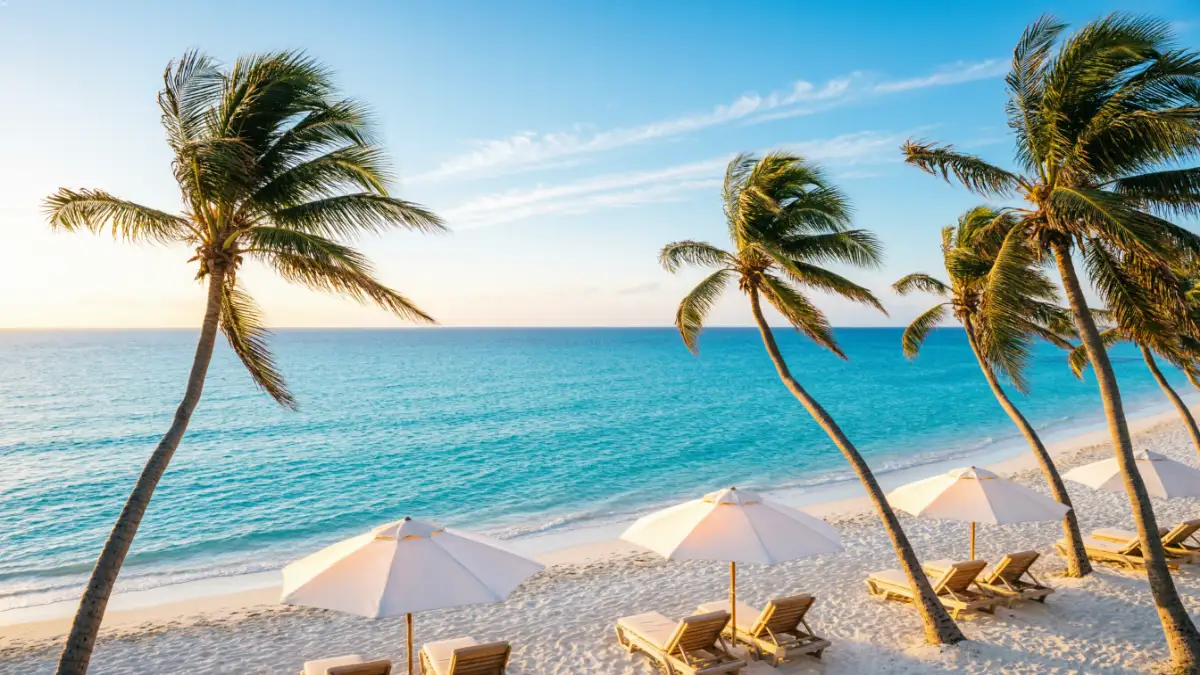
The best time to travel to Jamaica is between November and mid-April, during the island’s dry season. Temperatures stay in the 80s°F, rainfall is low, and skies are clear for beach days in Montego Bay, Negril, and Ocho Rios. This period is also peak season, so prices run highest around Christmas and spring break.
Quick Facts Table
| Category | Details |
| Best overall time | Mid-November to mid-April (dry season) |
| Peak season | Mid-December to April |
| Shoulder season | May–June, November |
| Hurricane/rainy season | June–November (peak risk August–October) |
| Average temperature | 80–88°F (27–31°C) year-round |
| Rainiest months | May and October |
| Driest months | January, February, March |
| Currency | Jamaican Dollar (JMD); USD widely accepted |
| Main airports | Montego Bay (MBJ), Kingston (KIN) |
| Flight time from USA | 1.5–4 hours depending on departure city |
Prices, schedules, and travel requirements change often always confirm current details with your airline and the Jamaica Tourist Board before booking.
Best Time to Visit Jamaica Overall
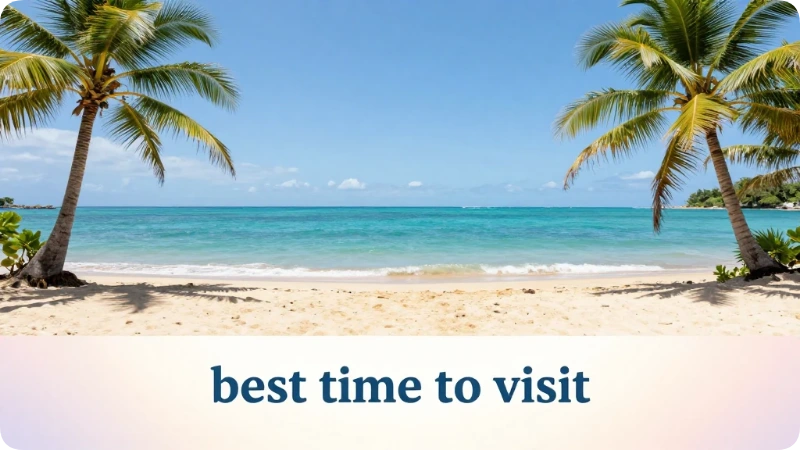
The best overall time to visit Jamaica is December through April, when rainfall is lower, a nd humidity is more comfortable than in the summer months. This is Jamaica’s dry season, offering the most reliable beach weather and calm Caribbean seas for snorkeling, boat tours, and cliff diving in Negril.
The tradeoff is cost. Hotels, flights, and all-inclusive resorts charge premium rates during this window, especially around Christmas, New Year’s, and spring break in March.
Travelers who prioritize guaranteed sunshine over savings should target this stretch, ideally booking 3–4 months ahead.
Best Time to Go to Jamaica for Sun
For the most consistent sunshine, aim for February and March. These months sit in the heart of the dry season with minimal rainfall, low humidity, and average highs near 86°F, making them ideal for beach-focused trips to Seven Mile Beach or Doctor’s Cave Beach.
January is nearly as reliable but can bring occasional cooler evenings. April still offers strong sun odds before the rainy season begins in May.
If sun is your top priority, avoid October, the cloudiest and wettest month on the island.
Best Time to Go to Jamaica for an All-Inclusive Vacation
The best time for an all-inclusive Jamaica trip depends on your budget priority: dry-season months (December–April) offer the best weather but highest resort rates, while late April through June and November provide solid weather with noticeably lower all-inclusive pricing.
Resorts in Montego Bay, Negril, and Ocho Rios often run promotional rates during these shoulder windows since demand dips right after spring break and before hurricane season fully kicks in.
Booking an all-inclusive during June–August also works well for families, since kids’ clubs and pools stay busy despite the higher rain chance, which tends to arrive in short afternoon bursts rather than all-day washouts.
Worst Time to Visit Jamaica
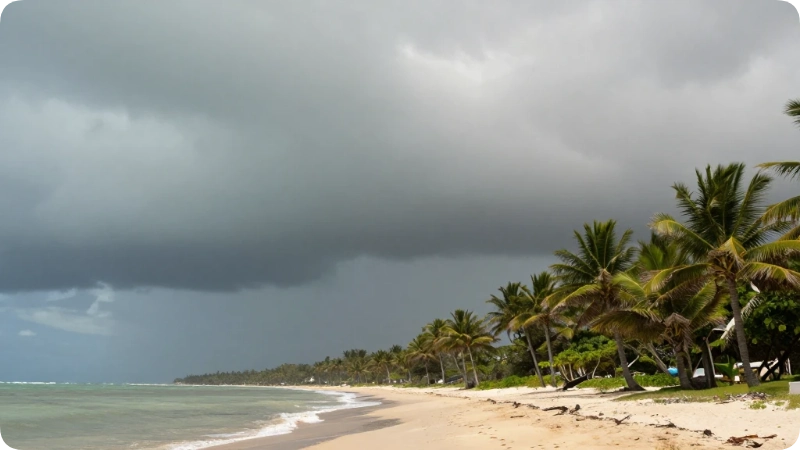
The worst time to visit Jamaica is September and October, the peak of Atlantic hurricane season, combined with the island’s heaviest average rainfall. Storm risk, humidity, and the chance of flight disruptions are all at their highest during this stretch.
Late August also carries elevated hurricane risk and should be approached cautiously by travelers without flexible plans.
If you must travel during this window, purchase travel insurance with hurricane/storm coverage and monitor the National Hurricane Center forecasts in the weeks before departure.
Best Time to Travel to Jamaica from the UK
UK travelers get the best value flying to Jamaica in late April, May, or November, when direct flights from London Gatwick to Montego Bay see lower fares and thinner crowds compared to the December–March peak.
Winter remains the most popular window for UK visitors escaping cold weather, so book flights and resorts 4–6 months ahead if traveling between December and February.
Direct flight time from London to Montego Bay runs roughly 10–11 hours, making shoulder-season trips easier to justify for a one- to two-week stay.
Best Time to Visit Jamaica in November
November is a strong shoulder-season pick, sitting just past the worst of hurricane season while still offering lower rates than the December holiday rush. Early November can carry lingering rain risk, but by mid-to-late November, weather typically stabilizes.
Crowds are noticeably thinner than in winter, making it a good month for travelers who want quieter beaches and easier restaurant reservations.
Watch for Thanksgiving week, when US demand and pricing both spike.
Best Time to Visit Jamaica in 2026
In 2026, the ideal travel window remains mid-December 2025 through April 2026, following Jamaica’s typical dry-season pattern. Major events to plan around include the winter holiday surge (late December–early January) and spring break travel (mid-March).
As with any year, exact hurricane activity and weather patterns can shift, so travelers should check seasonal forecasts closer to their trip and confirm current entry requirements with the Jamaica Immigration and US State Department websites before departure.
Best Time to Visit Jamaica in September
September is generally the least favorable month to visit Jamaica, falling in the peak of hurricane season with the second-highest average rainfall after October. Humidity is also at its yearly high.
The upside: September offers rock-bottom resort pricing and the thinnest crowds of the year, appealing to budget travelers willing to accept storm risk and pack a flexible itinerary.
Travel insurance with cancellation coverage is strongly recommended for September trips.
Is May a Good Time to Visit Jamaica?
Yes, May is a good time to visit Jamaica for budget-conscious travelers, though it marks the start of the rainy season. Expect warm temperatures around 85°F with short, heavy afternoon showers rather than prolonged storms, and rates noticeably lower than winter peak season.
May brings minimal hurricane risk compared with the later summer and fall months, making it one of the safer shoulder-season choices for budget-conscious travelers.
Pack a light rain jacket and plan outdoor excursions for mornings when skies are typically clearest.
Seasonal Comparison Table
| Season | Months | Weather | Crowds | Prices | Best For |
| Peak/Dry | Dec–Apr | Sunny, low rain, humid but comfortable | High | Highest | Sun-seekers, first-timers |
| Shoulder | May, Jun, Nov | Warm, occasional showers | Moderate | Mid-range | Budget travelers, couples |
| Hurricane/Rainy | Jul–Oct | Hot, humid, storm risk | Low | Lowest | Deal hunters (with insurance) |
What Are the Best and Worst Months to Visit Jamaica?
The best months to visit Jamaica are January, February, and March, offering the driest weather and most reliable sunshine. The worst months are September and October, which combine peak hurricane risk with the heaviest rainfall of the year.
December and April serve as strong secondary choices for good weather without the deepest hurricane-season concerns.
June through August sit in between warm and busy with families, but carrying moderate storm risk.
What’s the Cheapest Month to Visit Jamaica?
September is typically the cheapest month to visit Jamaica, with flight and resort prices dropping well below winter peak rates due to hurricane-season demand drops. August and early October also offer notable savings.
Booking a September trip can cut all-inclusive resort costs by 20–40% compared to the same resort in January, based on typical seasonal pricing patterns.
The tradeoff is real weather risk, so pair cheap-season travel with flexible cancellation policies.
Which Month Is Hurricane Season in Jamaica?
Atlantic hurricane season runs officially from June 1 to November 30, with the highest activity concentrated in August, September, and October, according to NOAA’s National Hurricane Center. Jamaica sits within this active storm corridor.
Direct hurricane hits don’t happen every year, but tropical storms, heavy rain bands, and flight delays occur more often during this stretch.
Travelers visiting during hurricane season should monitor forecasts weekly in the lead-up to their trip.
How Many Days in Jamaica Is Enough?
5 to 7 days is enough time to enjoy Jamaica without feeling rushed, allowing time for one resort area plus a day trip or two, such as Dunn’s River Falls or the Blue Mountains. Shorter 3–4 day trips work for a quick beach escape but leave little room for exploring beyond the resort.
Travelers wanting to combine two regions say, Negril and Ocho Rios should budget 8–10 days to account for driving time, since the island’s roads are winding and travel between towns takes longer than the distance suggests.
When to Not Visit Jamaica
Avoid visiting Jamaica in September or October if storm risk or rain is a dealbreaker, and consider skipping late August as well. Budget-limited travelers with rigid, non-refundable plans should be especially cautious during this window.
Families with young children may also want to avoid peak hurricane months, since flight cancellations and itinerary changes are harder to manage with kids.
If your dates are fixed and fall in this range, prioritize travel insurance and choose a resort that offers a strong storm guarantee or rebooking policy.
Is Jamaica Cheap to Visit?
Jamaica can be affordable, especially outside peak season, but costs vary widely by travel style. All-inclusive resorts bundle meals and drinks into one upfront price, while independent travel using local guesthouses, street food (jerk stands, patty shops), and public taxis can stretch a budget significantly further.
Alcohol, resort-branded excursions, and imported goods tend to run pricier than expected, while local food, rum, and craft markets offer good value.
Overall, Jamaica sits in the mid-range for Caribbean destinations pricier than Central America, generally comparable to or slightly below premium islands like Turks and Caicos or St. Barts.
Why Is It So Expensive to Fly to Jamaica?
Flights to Jamaica can be expensive due to limited routes from many US cities, seasonal demand spikes, and fuel/tax surcharges added to international Caribbean routes. Peak-season travel (December–April) further drives fares up as airlines capitalize on high demand.
Booking 2–4 months in advance, flying midweek, and comparing Montego Bay (MBJ) versus Kingston (KIN) as arrival airports can meaningfully reduce airfare.
Budget carriers and flash sales during shoulder months (May, June, November) often offer the lowest fares of the year.
How Much for a Plane Ticket to Jamaica?
Round-trip flights from the US to Jamaica generally range from budget economy fares during shoulder season to premium peak-season pricing, depending on departure city, airline, and how far in advance you book. Flights from Southeast hub cities like Miami or Fort Lauderdale tend to run cheaper than from the West Coast due to shorter flight distance.
Fares fluctuate constantly, so always compare current prices directly on airline sites or fare-tracking tools rather than relying on fixed estimates.
Booking during a shoulder-season sale can meaningfully undercut typical winter peak-season rates.
Which Part of Jamaica Is the Nicest?
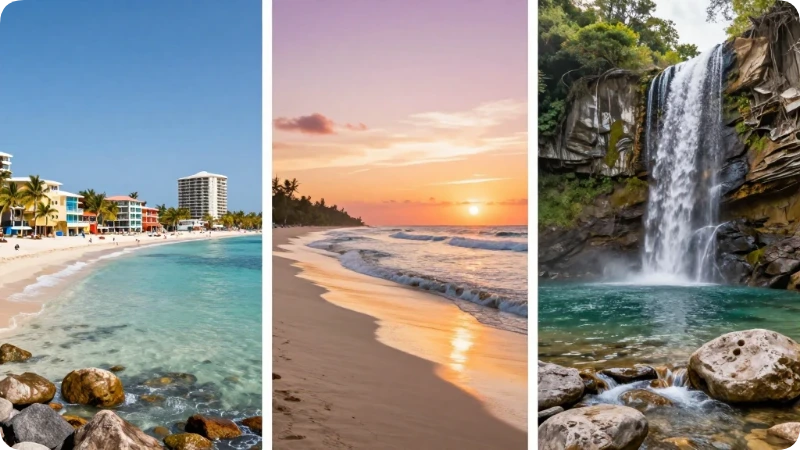
Montego Bay, Negril, and Ocho Rios are considered the nicest and most visited parts of Jamaica, each with a distinct feel. Montego Bay offers resort convenience and an international airport on-site. Negril is known for its laid-back Seven Mile Beach and cliffside sunsets. Ocho Rios blends beaches with adventure attractions like Dunn’s River Falls.
For a quieter, less touristy alternative, the Port Antonio area on the northeast coast offers lush rainforest scenery with far fewer crowds.
Your ideal pick depends on whether you want nightlife (Montego Bay), romance (Negril), or adventure (Ocho Rios).
Can I Wear Orange in Jamaica? (Culture & Etiquette)
Yes, you can wear orange in Jamaica; there’s no cultural taboo against the color for tourists. This question often stems from confusion with political party colors (orange is associated with the People’s National Party), but casual tourist clothing in any color is completely acceptable.
Jamaicans generally dress smart-casual outside of resorts and beaches; swimwear is typically reserved for pool and beach areas rather than town centers or restaurants.
When visiting churches or rural communities, modest, non-beachwear clothing is appreciated as a sign of respect.
What Is Jamaica’s Rainiest Month?
October is typically Jamaica’s rainiest month, followed closely by May. Both months mark transition points in the island’s wet season pattern, with October falling within peak hurricane season and carrying the added risk of tropical storm systems.
Rain in Jamaica often arrives in short, intense bursts rather than continuous all-day rainfall, even during the wettest months.
Travelers visiting in October or May should plan indoor backup activities and pack quick-dry clothing.
What Are the Best Places to Visit in Jamaica?
The best places to visit in Jamaica include Montego Bay, Negril, Ocho Rios, Dunn’s River Falls, and the Blue Mountains. Each offers a different experience, from beach resorts to waterfall hikes and coffee plantation tours.
- Dunn’s River Falls – guided waterfall climbing near Ocho Rios
- Seven Mile Beach, Negril – calm water and sunset views
- Blue Mountains – coffee tours and hiking near Kingston
- YS Falls – quieter waterfall alternative in St. Elizabeth
- Bob Marley Museum, Kingston – cultural and music history
Pairing one beach town with one inland excursion gives a fuller picture of the island beyond the resort strip.
Which Caribbean Island Is Safest From Hurricanes?
Aruba, Curaçao, and Bonaire (the “ABC islands”) sit outside the main Caribbean hurricane belt and are generally considered the safest from hurricanes, due to their southern location near Venezuela. Jamaica, by contrast, sits within the active hurricane corridor and faces real storm risk between June and November.
Travelers seeking a lower hurricane-risk Caribbean trip during summer or fall months might consider these southern islands as an alternative to Jamaica.
For a Jamaica trip specifically, sticking to the December–April dry season is the most reliable way to minimize storm exposure.
How Much Money Should I Take to Jamaica for 2 Weeks?
The amount of spending money needed for two weeks in Jamaica depends heavily on trip style an all-inclusive resort stay requires far less daily cash than independent travel involving meals, taxis, and excursions paid out of pocket. Budget primarily for tips, drinks outside your resort package, souvenirs, and optional tours.
A simple rule: bring more small-denomination USD than you think you’ll need for tipping and local vendors, since change and card access can be limited outside resort areas.
Always check current exchange rates before your trip rather than relying on a fixed conversion figure.
What Are the Safest Areas in Jamaica?
Resort zones in Montego Bay, Negril, and Ocho Rios are widely considered the safest areas for tourists, with dedicated tourism police and high visitor traffic. Kingston’s affluent neighborhoods like New Kingston are safe for daytime business travel but require more street-smart caution at night.
As with many destinations, staying within well-traveled tourist corridors, avoiding isolated areas after dark, and using licensed transportation reduces most common risks.
Check the US State Department Jamaica travel advisory for the latest safety guidance before your trip, since advisories can change.
Do and Don’ts in Jamaica
Do try local jerk chicken, tip resort staff and tour guides, learn a few Patois greetings, and use licensed taxis. Don’t wander onto isolated beaches alone at night, buy or use illegal substances (marijuana remains restricted outside licensed contexts), or flash expensive jewelry and cash in public.
Respecting local customs like modest dress in town centers goes a long way toward a smooth trip.
Always negotiate taxi fares before getting in if a meter isn’t used.
What Are Jamaica’s Biggest Problems?
Jamaica faces ongoing challenges including higher crime rates in certain areas, economic inequality, and infrastructure gaps outside tourist zones, according to general travel advisory guidance. These issues are largely concentrated away from the main resort areas most tourists visit.
Tourist zones maintain a significantly different safety profile than non-tourist areas of Kingston or Spanish Town, thanks to dedicated tourism security.
Staying informed via official advisories and sticking to well-established tourist areas addresses most practical concerns for visitors.
What Is Safer, Mexico or Jamaica?
Both destinations carry region-specific advisories, and safety in each depends heavily on the specific area visited rather than the country as a whole. Mexico’s resort zones (Cancún, Riviera Maya) and Jamaica’s resort zones (Montego Bay, Negril) both maintain strong tourism security infrastructure, while non-tourist areas in both countries carry higher advisory levels.
Rather than comparing countries broadly, check the specific US State Department advisory level for the exact region you’re considering.
Both destinations remain popular, heavily visited options for US travelers when standard resort-area precautions are followed.
What Is the Most Expensive Time to Go to Jamaica?
The most expensive time to visit Jamaica is late December through early January, driven by Christmas and New Year’s holiday demand, followed closely by mid-March spring break week. Resort rates and flights both peak sharply during these two windows.
Valentine’s week in February also sees a smaller price bump due to romantic getaway demand.
Booking outside these specific weeks even within the broader winter dry season can still yield meaningful savings.
Is $100 a Lot of Money in Jamaica?
$100 USD goes further in Jamaica than in most of the continental US, particularly for local food, transportation, and souvenirs outside resort settings, though it won’t stretch far for resort-based dining or bar tabs. In local markets and street-food settings, $100 can cover several meals, transportation, and small purchases.
Exchange rates fluctuate, so check the current JMD/USD rate before your trip to set realistic daily budget expectations.
Resort-based spending (drinks, spa services, excursions) will consume cash far faster than off-resort local spending.
What Is Worth Buying in Jamaica?
Blue Mountain coffee, Jamaican rum, hot sauce, and handmade wood carvings are among the most worthwhile souvenirs, offering authentic local value that’s hard to find elsewhere. Craft markets in Ocho Rios and Montego Bay are good spots to browse, though bargaining is expected and common.
Avoid buying items claiming to be black coral or endangered-species products, as these can violate import laws and conservation protections.
Duty-free shops near cruise ports offer name-brand goods, but local markets typically offer better prices on authentic Jamaican products.
What Is the Nightlife Like in Jamaica?
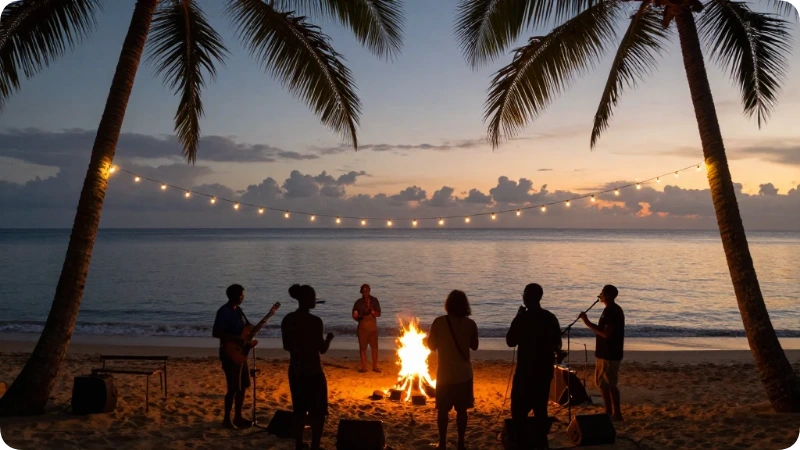
Jamaica’s nightlife ranges from resort entertainment shows to lively reggae and dancehall clubs in Montego Bay and Negril, with beach bonfire parties being especially popular along Negril’s Seven Mile Beach. Many resorts include nightly entertainment as part of an all-inclusive package.
Kingston offers a more authentic, local nightlife scene centered on reggae culture, though it’s less geared toward short-term tourists than the resort towns.
Rick’s Café in Negril is a well-known sunset and cliff-diving spot that transitions into an evening social scene.
How Much Does an Average Trip to Jamaica Cost?
Total trip costs vary widely based on resort tier, season, and travel style, with all-inclusive packages bundling flights, lodging, meals, and drinks into one price point that simplifies budgeting. Independent travel using local guesthouses and restaurants can cost meaningfully less per day but requires more planning.
The biggest cost swing factor is travel season; the same resort can charge dramatically different rates between September (cheapest) and late December (most expensive).
Always get a current quote from your airline and resort of choice rather than relying on outdated estimates, since Caribbean travel pricing shifts frequently.
Where to Stay in Jamaica for First-Timers
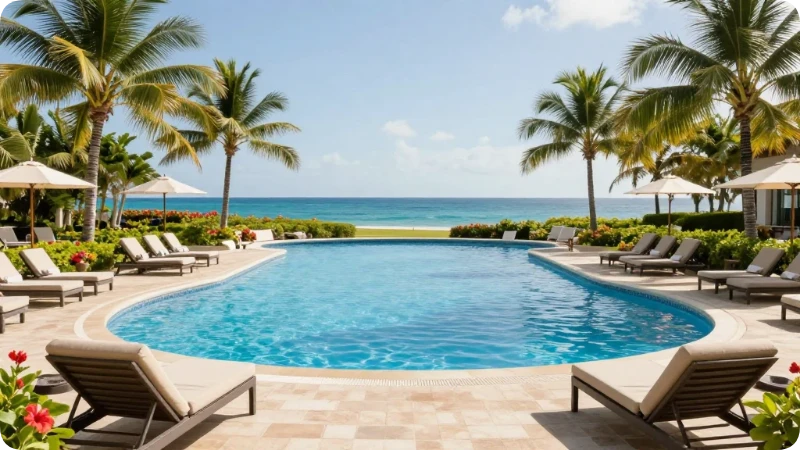
First-time visitors typically do best in Montego Bay or Negril, both offering a strong concentration of all-inclusive resorts, easy airport access, and well-established tourist infrastructure. Montego Bay suits travelers who want the airport minutes away, while Negril suits those prioritizing long beach walks and sunset views.
Ocho Rios is a solid middle-ground choice for first-timers wanting easy access to excursions like Dunn’s River Falls alongside beach time.
Booking a resort with in-house excursion desks makes first-time logistics significantly simpler.
Where Do Most Rich People Live in Jamaica?
Affluent Jamaicans and expats concentrate in areas like Cherry Gardens and Beverly Hills in Kingston, and the Ironshore area near Montego Bay, known for gated communities, private villas, and proximity to golf courses. These neighborhoods are largely residential and separate from the main tourist resort strips.
Round Hill in Montego Bay is another well-known upscale enclave, historically popular with celebrities and luxury travelers.
These areas are generally not tourist attractions themselves but reflect Jamaica’s wealthier residential zones.
What Not to Bring to Jamaica
Avoid bringing large amounts of cash, flashy jewelry, drones without prior research on regulations, or any illegal substances, as customs enforcement and local laws are strictly applied. Marijuana remains illegal to bring across borders even though limited local licensed use exists on the island.
Leave valuables you don’t need at home, and bring photocopies of your passport rather than the physical document for daily outings.
Check current TSA and Jamaican customs guidelines before packing, since restricted-item lists can change.
Is $10 a Good Tip in Jamaica?
A $10 USD tip is generally well-received for a full day of guide or driver service in Jamaica, though appropriate tipping varies by service type smaller amounts suit quick services like bag handling, while larger tips suit full-day tours. Many all-inclusive resorts already include a service charge, so additional tipping there is appreciated but optional.
Carrying small USD bills makes tipping easier throughout your trip, since change isn’t always readily available.
Confirm your resort’s specific tipping policy at check-in to avoid double-tipping on already-included services.
Can You Drink Tap Water in Jamaica?
Tap water in major resort areas and cities is generally treated and considered safe by local standards, but most travel health guidance still recommends bottled or filtered water for visitors to avoid stomach upset from unfamiliar mineral content and bacteria. Resorts typically provide bottled water as a standard courtesy.
In rural areas, bottled water is the safer default choice.
Check current CDC travel health guidance for Jamaica before your trip for the latest recommendations.
Packing Advice
Pack light, breathable fabrics, reef-safe sunscreen, a light rain jacket (especially May–November), comfortable water shoes for waterfall excursions, and modest cover-ups for town visits. A dry bag is useful for boat tours and waterfall hikes.
Bring insect repellent, as mosquito activity increases during and after rainy periods.
Common Mistakes to Avoid
- Booking during peak season without comparing shoulder-month rates fix: check November and May pricing before committing to a winter date.
- Skipping travel insurance during hurricane season fix: buy a policy with named-storm coverage if traveling June–November.
- Assuming all of Jamaica has the same safety profile fix: research the specific neighborhood or resort area, not just the country broadly.
Under ed Alternatives Worth Considering
- Port Antonio: quieter, lush alternative to the busier north-coast resort towns.
- Treasure Beach: a laid-back, community-tourism-focused south-coast area.
- Mid-May travel: low-crowd, lower-cost window before peak rainy season fully sets in.
FAQs
Is it better to visit Jamaica in winter or summer?
Winter (December–April) offers more reliable dry weather, while summer brings warmer, more humid conditions with a higher chance of afternoon rain and rising hurricane risk after June.
Do I need a visa to visit Jamaica from the US?
US citizens generally do not need a visa for short tourist stays, but passport and entry requirements can change, so confirm current rules with Jamaica’s immigration authority before departure.
What should I pack for hurricane season travel?
Pack a compact rain jacket, dry bags for electronics, comfortable quick-dry clothing, and keep digital and physical copies of travel documents in case of flight disruptions.
Is Jamaica good for a honeymoon?
Yes, Jamaica is a popular honeymoon destination, especially Negril’s sunset beaches and adults-only resort options in Montego Bay and Ocho Rios.
How far in advance should I book a Jamaica trip?
Book winter peak-season trips 3–4 months ahead for the best rates and availability; shoulder-season trips can often be booked 6–8 weeks out.
Is Jamaica family-friendly?
Yes, many resorts in Montego Bay and Ocho Rios offer dedicated kids’ clubs, family pools, and shallow-water beach areas suited to younger travelers.
What language is spoken in Jamaica?
English is the official language, and Jamaican Patois is widely spoken informally; most tourist-area staff communicate fluently in English.
Conclusion
Choosing when to visit Jamaica comes down to three trade-offs: dry-season months (December–April) deliver the most reliable weather but the highest prices; shoulder months (May, June, November) balance decent weather with real savings; and hurricane-season months (especially September–October) offer the deepest discounts alongside the greatest storm risk.
Match your travel dates to what matters most for your trip guaranteed sun, a lower price tag, or quieter beaches and always pair off-peak travel with solid travel insurance.
Jamaica rewards careful timing with turquoise water, waterfall adventures, and reggae-soaked evenings in almost any month of the year. Start comparinflightst anresortses for your ideal window today, and double-check current advisories before you book.

Maya Lin inspires travelers to explore the globe with absolute confidence and independence. Armed with a background in digital media and a decade of independent solo travel experience, she knows exactly how to navigate unfamiliar cities smoothly and safely. For Travelmarse, Maya curates the solo travel and hidden-gem verticals. She reviews charming boutique hotels, designs smart neighborhood walking routes, and shares practical language-learning hacks, giving readers the exact tools they need to travel solo without the stress.