The best travel shoes for men are versatile, lightweight, and supportive enough to handle long days of walking, airport sprints, and spontaneous adventures all without sacrificing style.
A great pair covers multiple activities, fits carry on packing requirements, and keeps your feet pain free from departure to arrival.
Every seasoned traveler eventually learns the hard way. You pack your favorite chunky sneakers, spend three days walking cobblestone streets in Rome or hiking switchbacks in Colorado, and by day two, your feet are screaming.
The wrong shoes can wreck a trip faster than a delayed flight.
Choosing the right travel footwear is one of the highest impact packing decisions a man can make.
The wrong pair means blisters, aching arches, and that awkward hobble through the airport on the way home.
The right pair means effortless miles, flexible outfits, and one less thing to worry about when you’re chasing sunsets or catching trains.
This guide breaks down exactly which shoes work best for different travel styles, body types, climates, and budgets from weekend city breaks and international backpacking trips to business travel and national park adventures.
If you’re flying into Denver International Airport or wandering the French Quarter in New Orleans, your feet deserve better planning.
What Actually Makes a Shoe “Travel Ready”?
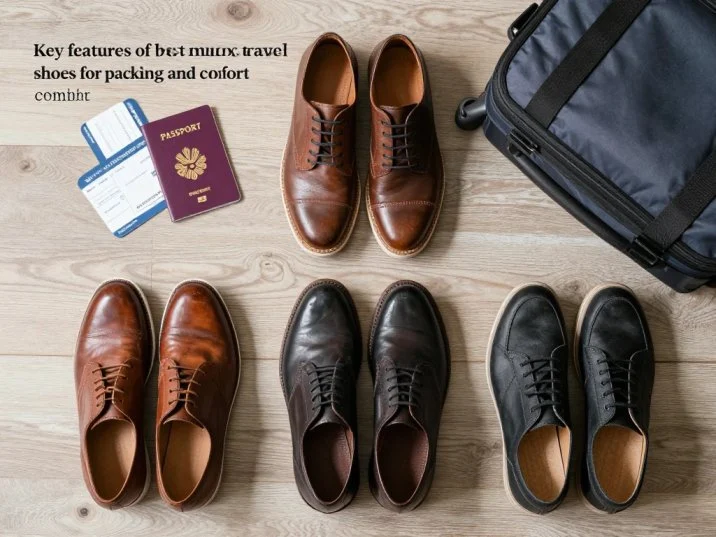
A travel ready shoe does three things well: it handles diverse terrain, it packs efficiently, and it looks appropriate in multiple settings.
The best travel shoes for men weigh under 12 ounces per shoe, offer at least moderate arch support, and transition naturally from a casual lunch to a walking tour without looking out of place.
Key features to look for include a grippy rubber outsole, breathable mesh or leather upper, a removable footbed for custom orthotics, and a flexible midsole that absorbs impact over long days. Waterproofing is a bonus for shoulder season travel or unpredictable climates. Look for shoes that break in quickly ideally, ones you can wear straight out of the box.
Key features checklist:
- Weight under 12–14 oz per shoe
- Neutral or supportive midsole (EVA foam or similar)
- Non marking rubber sole (required for many boat tours and indoor venues)
- Quick lace or slip on design for airport security
- Packable or compressible profile for tight luggage
The 7 Best Types of Travel Shoes for Men (By Travel Style)
Walking Sneakers for City Travel
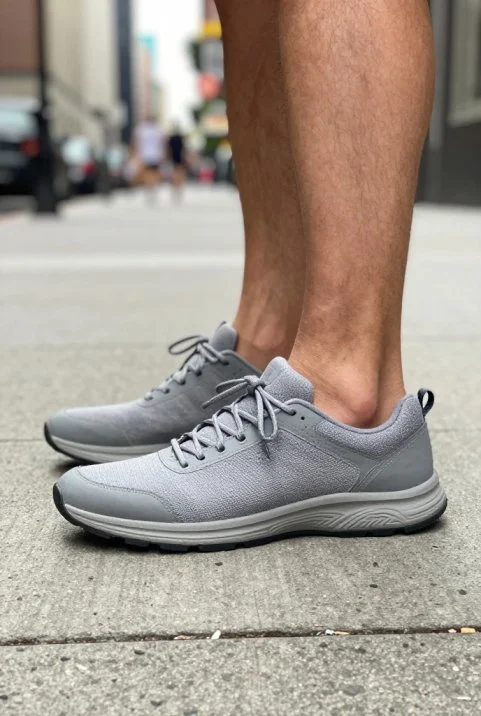
For men who spend most of their trip exploring urban environments New York City, Chicago’s Riverwalk, or the Las Vegas Strip a supportive, cushioned walking sneaker is the gold standard. These shoes handle pavement beautifully, absorb shock over 8–12 miles of daily walking, and look clean enough for restaurants and rooftop bars.
Brands like HOKA, New Balance, and On Running have become especially popular with long distance city walkers because of their oversized midsoles and responsive foam. The HOKA Clifton series, for example, weighs around 8.4 ounces and provides exceptional cushioning important when you’re clocking 15,000+ steps a day in cities like San Francisco or Washington, D.C.
Insider tip: Go for a neutral gray or navy colorway. It matches more outfits, shows less dirt, and doesn’t scream “tourist” the way bright white sneakers tend to.
Trail Running Shoes for Adventure Travel
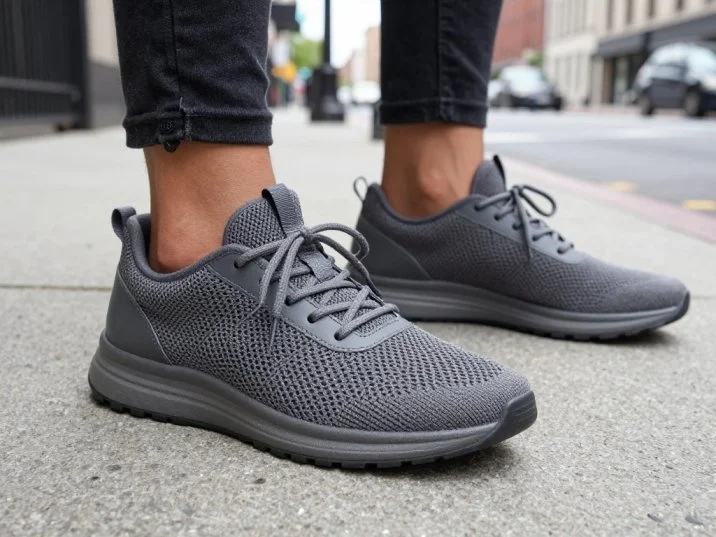
Trail running shoes are the underrated workhorse of adventure travel. They handle everything from light hiking on trails in the Great Smoky Mountains National Park to scrambling over roots along the Appalachian Trail and they weigh 30–40% less than traditional hiking boots.
The key difference from road sneakers is a lugged outsole with multi directional grip, a protective rock plate under the forefoot, and a more structured toe box. Models from Salomon, Brooks, and Altra perform exceptionally well on mixed surfaces. Many travelers use trail runners as their sole shoe on extended trips, pairing them with chinos or jeans for casual evenings.
Who this is best for: Men who plan at least one hiking day or outdoor excursion per trip.
Who should skip it: Travelers sticking exclusively to cities or business settings.
Leather Dress Sneakers for Business or Smart Casual Travel
Business travelers, conference goers, and men attending weddings or upscale dinners need a shoe that works in professional settings. A clean leather sneaker think a white or tan Oxford style sneaker bridges the gap between formal and casual far better than loafers while providing much better comfort for long days.
Look for full grain leather uppers, a cushioned insole, and a clean profile that works under dress trousers. Cole Haan, Johnston & Murphy, and Thursday Boot Co. offer dress sneakers with hidden support technology that makes them legitimately walkable all day.
Money saving tip: One great leather sneaker replaces two shoes (dress shoes + casual sneakers), cutting weight and luggage space significantly.
Waterproof Hiking Shoes for Outdoor Destinations
If your itinerary includes national parks, mountain towns, or Pacific Northwest destinations like Olympic National Park or Crater Lake, waterproof footwear is non negotiable. Waterproof hiking shoes (not boots) offer ankle freedom and lighter weight while still keeping your feet dry in stream crossings or sudden rainstorms.
GORE TEX lining is the industry benchmark for waterproofing in footwear. Brands like Merrell, Keen, and Oboz build their best sellers with GORE TEX membranes and wide toe boxes for extended comfort. The Merrell Moab 3 Waterproof, for instance, weighs about 11.7 ounces and has been a best seller for over a decade for very good reason.
Important: Even the best waterproof shoes lose effectiveness if water enters over the collar. Pair with gaiters in deep water or tall grass.
Slip On Sneakers for Easy Airport Travel
TSA security screening requires removing your shoes, and lace up shoes cost you 45–60 seconds per screening checkpoint. Over a multi connection trip, that adds up. Slip on sneakers with elastic gussets or laceless designs make security lines faster and boarding gates smoother.
Vans, Sperry, and Rothy’s make slip on options that look presentable and slide on and off effortlessly. For men who want extra support in a slip on format, Skechers and ECCO both offer slip ons with orthopedic footbeds.
Hidden gem: Look for shoes with TSA friendly pull tabs at the heel. Small detail, big quality of life improvement.
Sandals for Warm Weather and Beach Destinations
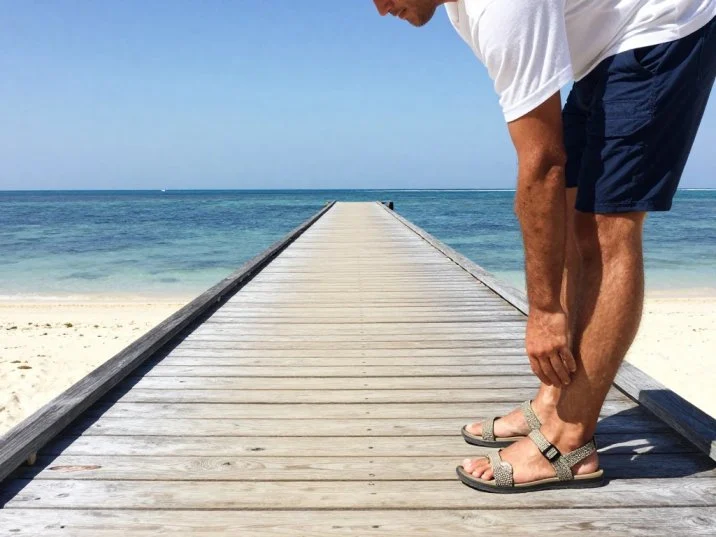
A quality travel sandal is not a flip flop. The best travel sandals for men like those from Birkenstock, Teva, or Chaco feature contoured footbeds with genuine arch support, adjustable straps, and sole materials grippy enough for wet docks or resort pool decks.
For tropical destinations like Hawaii, the Florida Keys, or Caribbean cruises departing from Miami or Fort Lauderdale, a supportive sandal is a packing essential. Choose leather strapped models for city appropriate sandal use; nylon webbing versions for water activities.
Tourist mistake to avoid: Wearing rubber flip flops for more than 30 minutes of walking. They offer zero arch support and cause plantar fasciitis symptoms quickly in men who are not accustomed to them.
Packable Travel Shoes for Minimalist Packers
Minimalist travelers and carry on only packers need shoes that collapse or compress without losing shape. Brands like Allbirds, Vivobarefoot, and Olukai have engineered shoes specifically to pack flat, stuff into corners of a backpack, and bounce back to shape.
The Allbirds Wool Runner folds nearly flat and weighs under 9 ounces exceptional for a shoe that handles casual walking, airport lounges, and light outdoor surfaces. These shoes are also machine washable, which matters more than people realize after a week of heavy use.
Seasonal Guide: Best Travel Shoes by Climate and Time of Year
The right shoe changes depending on where you’re going and when. Here’s a quick breakdown:
| Season/Climate | Best Shoe Type | Key Feature Needed |
| Summer / Hot & Dry | Leather sandal or mesh sneaker | Breathability |
| Summer / Tropical | Water resistant sandal | Quick dry materials |
| Fall / Variable | Waterproof trail runner | GORE TEX lining |
| Winter / Cold cities | Insulated leather boot | Insulation + grip |
| Spring / Shoulder | Versatile trail shoe | Light waterproofing |
| Year round business | Dress sneaker | Clean silhouette |
For travel through the American Southwest destinations like Sedona, Moab, or the Grand Canyon South Rim spring and fall are ideal, and a trail runner handles the variable terrain perfectly. For East Coast cities like Boston or Philadelphia during winter, a waterproof leather Chelsea boot offers both polish and protection.
How Many Pairs of Shoes Should You Pack?
Most experienced travelers agree on two pairs maximum for trips up to two weeks. Pack a primary shoe for your main activity (walking, hiking, or business) and one backup or specialty shoe (sandals, dress shoes, or a lightweight packable). Three pairs almost always means one pair stays in the bag the entire trip.
The “two shoe rule” is especially effective for carry on only travel. Airlines like Southwest, Delta, and United have different carry on size restrictions, but most standard carry on bags (22″ x 14″ x 9″) have room for two pairs if you wear your bulkiest shoes at the airport.
Insider tip: Wear your heaviest shoes on travel days. It saves luggage weight and leaves more room for other gear.
Common Mistakes Men Make When Choosing Travel Shoes
Mistake 1: Breaking in new shoes on a trip Never debut new shoes on travel day. Wear any new pair for at least 3–4 weeks beforehand, including walks of 3+ miles. Even quality shoes need a break in period, and blisters from new footwear are one of the top trip disruptors.
Fix: Buy travel shoes at least a month before departure. Wear them on errands, lunch outings, and weekend walks.
Mistake 2: Prioritizing style over support Fashion sneakers look great but often lack the midsole structure for 10+ miles of daily walking. Thin soled shoes (including many designer brands) cause metatarsal pain quickly on hard surfaces like airports and European cobblestones.
Fix: Choose shoes that score well on cushioning reviews from sources like the American Podiatric Medical Association (APMA), which awards its Seal of Acceptance to footwear meeting specific comfort and support standards.
Mistake 3: Packing the wrong shoes for the climate Mesh sneakers in a rainy destination leave your feet soaked by mid morning. Heavy waterproof boots in a tropical city add unnecessary weight and cause overheating.
Fix: Research the average weather and terrain of your specific destination for your specific travel dates. The National Weather Service (weather.gov) and most state tourism boards provide detailed climate data.
Hidden Gems: Underrated Travel Shoe Brands Worth Knowing
Xero Shoes: Based in Denver, Colorado, Xero makes minimalist travel footwear with a cult following among long distance travelers. Their Mesa Trail II weighs just 8.4 ounces and folds into a carry on corner. Less well known than Merrell or Salomon, but every bit as capable on mixed terrain.
Lems Shoes: Lems out of Boulder, Colorado, engineers wide toe box shoes that fold flat for packing. The Lems Boulder Boot packs like a bag and weighs under 9 ounces extraordinary for something that functions as both a casual shoe and a light hiking boot.
Forsake: A Vermont based brand making waterproof, leather trimmed hiking style shoes that pass for casual dress footwear. Forsake shoes look at home in a Brooklyn bar or on a Vermont hiking trail genuinely rare versatility.
Fit, Sizing, and Foot Health Tips for Travel
Feet swell during flights and long walking days by as much as half a size or more. Always try on travel shoes in the afternoon or evening when your feet are at their largest. Leave roughly a thumb’s width of space between your longest toe and the shoe’s end.
Men with flat feet or high arches benefit significantly from adding custom or semi custom orthotics. Brands like Superfeet and Powerstep make travel friendly insoles that fit most shoes. The American Podiatric Medical Association recommends replacing walking shoes every 300–500 miles, regardless of visible wear.
Pro tip: Bring a pair of quality merino wool or moisture wicking synthetic socks. Brands like Darn Tough (made in Vermont) and Smartwool (based in Steamboat Springs, Colorado) make socks specifically engineered for travel antimicrobial, cushioned, and packable.
Budget Breakdown: Travel Shoes at Every Price Point
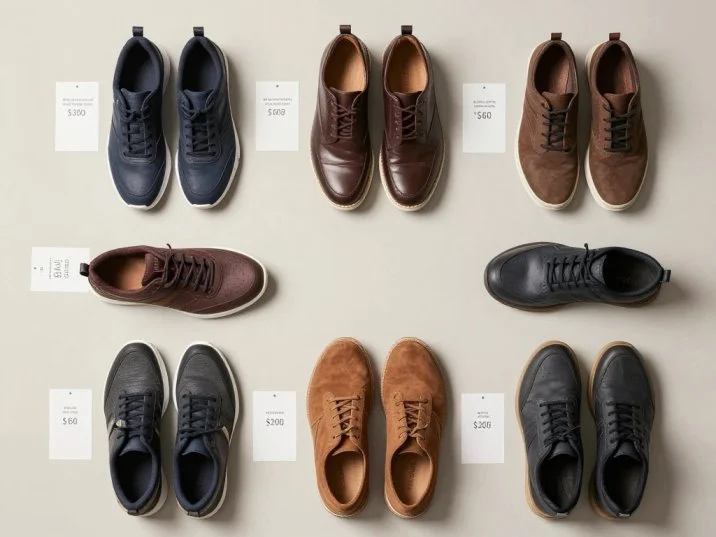
Quality travel footwear exists at every price level. Here’s a realistic range:
| Budget Range | What to Expect | Examples |
| Under $60 | Basic cushioning, limited durability | Skechers GoWalk, basic Vans |
| $60–$120 | Good support, decent materials | New Balance 574, Merrell Jungle Moc |
| $120–$180 | Premium cushioning, GORE TEX options | HOKA Clifton, Salomon Speedcross |
| $180–$250 | Long lasting, versatile performance | Allbirds, On Cloudmonster, Keen |
| $250+ | Luxury leather, specialist performance | ECCO, Cole Haan, Danner |
Most travelers hit the sweet spot in the $100–$160 range. Spending more doesn’t always mean better travel performance it often means brand premium or fashion markup.
Packing Tips for Travel Shoes
Shoes are the heaviest and bulkiest items in most luggage. Smart packing makes a significant difference. Stuff socks or small accessories inside your shoes to preserve their shape and use that dead space. Use shoe bags or reusable produce bags to keep soles away from clothing.
For checked luggage, place shoes at the wheeled end of your bag the heaviest items should sit closest to the wheels for better balance. For carry on bags, pack shoes flat along the bottom.
Time saving tip: Slip on shoes make the security line at major airports like LAX, O’Hare, and Hartsfield Jackson Atlanta significantly faster. TSA recommends removing footwear at all checkpoints unless you hold TSA PreCheck status, in which case shoes stay on.
Is It Worth Investing in Specialty Travel Shoes?
Yes with conditions. Specialty travel shoes are worth the investment if you travel three or more times per year, walk more than 5 miles per travel day, or have specific foot conditions. For occasional travelers taking one trip annually, a quality everyday sneaker with adequate support may be fully sufficient.
The hidden cost of bad footwear is significant. Foot pain leads to shortened activity days, less sightseeing, and sometimes medical attention. A $150 quality travel shoe that lasts three to five years costs less per year than most people spend on a single night’s accommodation.
What’s overrated: Rigid hiking boots for casual national park visits. Many entry level trails in parks like Shenandoah, Rocky Mountain, and Zion are easily handled in trail running shoes.
What’s underrated: Waterproof trail runners as an all in one travel shoe for multi activity trips.
FAQs
What is the single best all around travel shoe for men?
For most men taking mixed activity trips, a waterproof trail running shoe like the Merrell Moab 3 Waterproof or Salomon X Ultra 4 hits the best balance of trail capability, city appropriateness, and packing efficiency. It handles airport walking, light hiking, and casual dinners without requiring a backup pair for most trips under two weeks.
How many pairs of shoes should I pack for a two week trip?
Two pairs is the standard recommendation among experienced travelers. Pack one primary shoe and one specialty or backup option. Bringing three or more pairs typically means one never leaves your bag, and you’ve sacrificed luggage space unnecessarily.
Are slip on shoes worth it for frequent flyers?
Absolutely, especially for travelers without TSA PreCheck. Slip on shoes save time at security checkpoints and reduce the minor stress of lace up removal. Choose a slip on with genuine arch support rather than a basic canvas sneaker for comfort on long days.
Can trail running shoes replace hiking boots for national park visits?
For most maintained trails in U.S. national parks including the Grand Canyon’s South Rim trails, Zion’s Angel’s Landing, and most Shenandoah Valley paths trail running shoes provide adequate support and grip. Heavy technical terrain, extended backpacking trips, or scrambling routes benefit from ankle support that only boots provide. Always check the trail difficulty rating before deciding.
What shoes work best for both business and casual travel?
A clean leather sneaker or hybrid dress shoe handles this dual role better than any other type. Look for a sleek profile, cushioned insole, and neutral color (white, tan, black, or navy). Cole Haan and Johnston & Murphy both make models specifically designed for business casual flexibility.
How do I prevent blisters when breaking in travel shoes?
Wear new shoes for short periods first start with 30 minute walks, extend gradually over several weeks. Apply anti blister balm (like Body Glide or Vaseline) to known hot spots before long walks. Moisture wicking socks reduce friction significantly. Never travel with shoes you’ve owned fewer than two to three weeks.
Are expensive travel shoes actually better?
Not always. Price correlates with material quality and durability more than immediate comfort. Some of the highest rated travel shoes by frequent travelers like Merrell’s mid range trail runners and New Balance’s 574 fall in the $90–$130 range. Research cushioning reviews, outsole durability ratings, and real world user feedback rather than relying on price as a proxy for quality.
Final Takeaways
Three things define great travel footwear for men: versatility, support, and packability. A shoe that handles your specific trip’s terrain, fits your luggage strategy, and keeps your feet pain free across long active days is worth every dollar of investment.
Start with a clear picture of your trip’s main activity city walking, hiking, business events, beach lounging and match your primary shoe to that need.
Add one lightweight backup option and pack both intelligently to save weight and space.
Break in every new shoe for several weeks before departure, research your destination’s terrain and weather with reliable sources like the National Weather Service or your destination’s state tourism board, and always prioritize long term foot health over short term fashion choices.
The best travelers carry less and move better. Start from the ground up.

Stephen Fry brings an insatiable curiosity for history, language, and global heritage to the Travelmarse team. Having spent decades traveling the globe to study regional storytelling and ancient civilizations, he excels at uncovering the hidden narratives of modern destinations. Stephen anchors the cultural vertical on Travelmarse, where he writes deep-dive guides on architectural history, museum crawl strategies, and local customs. His vivid, engaging writing helps travelers look past the surface and truly understand the heritage of the places they visit.