
Vietnam is one of Southeast Asia’s most rewarding destinations a country of 3,260 kilometres of coastline, ancient temples, humming cities, and food that will genuinely change how you think about eating. Whether you’re planning a short getaway or a multi-week adventure, a well-designed Vietnam travel itinerary helps you experience the country’s incredible diversity.
A well-planned Vietnam travel itinerary covers the north-to-south sweep of the country in two to three weeks, hitting Hanoi, Ha Long Bay, Hoi An, and Ho Chi Minh City while leaving room for the unexpected moments that make a trip memorable.
Planning a Vietnam travel itinerary from the United States feels overwhelming at first. You’re looking at a 20-plus-hour flight, a time zone 11 to 12 hours ahead, a country with three distinct regions that each feel like a separate destination, and a language that uses tones most English speakers have never navigated. However, with the right itinerary and preparation, the journey becomes much easier to organize and enjoy.
This guide cuts through that noise and gives you a realistic, experience-tested framework whether you have 10 days, 2 weeks, or a full month.
Quick Facts About Vietnam
Vietnam sits in Southeast Asia, bordering China to the north, Laos and Cambodia to the west, and the South China Sea to the east.
The country stretches roughly 1,650 kilometers from tip to tip, which means the climate in Hanoi and the climate in Ho Chi Minh City can be completely different on the same day.
The population is just over 98 million. The official currency is the Vietnamese dong (VND), and while USD is widely accepted in tourist areas, carrying local currency always gets you a better deal at local restaurants and markets.
The official language is Vietnamese, though English is spoken broadly in hotels, tour companies, and most restaurants in major cities.
Visa requirements as of 2024: US passport holders can enter Vietnam visa-free for up to 45 days.
The Vietnamese government expanded this from 15 days in 2023, which was a significant change for American travelers planning longer itineraries. Always verify current requirements at the official Vietnam Immigration Department website before you book, as visa policies do change.
Voltage is 220V at 50Hz, and outlet types vary bring a universal adapter. Tipping is not a traditional Vietnamese custom but is welcomed at tourist-facing restaurants and for tour guides; 10 to 15 percent is appropriate in upscale settings.
Best Time to Visit Vietnam
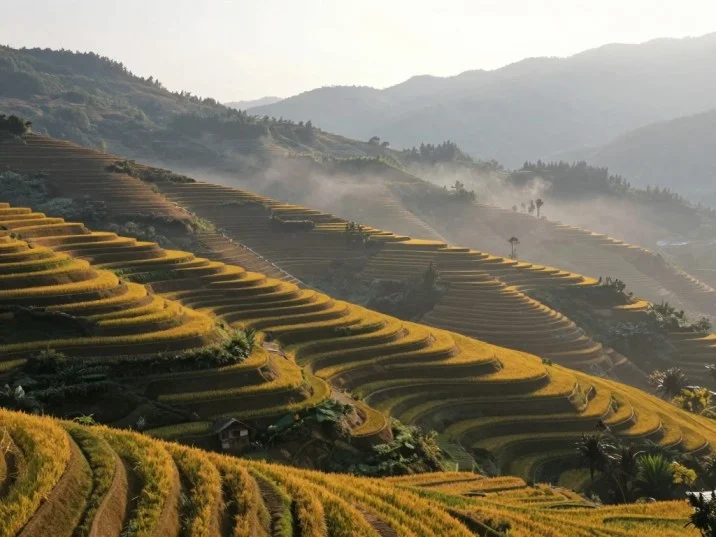
Vietnam doesn’t have one single best season because its three regions operate on different weather patterns. The short answer: October through April is the sweet spot for the south and central coast, while May through September works best for the north.
Northern Vietnam (Hanoi, Ha Long Bay, Sapa) enjoys its best weather from October through April, when skies are clear and temperatures range from 15°C to 25°C (59°F to 77°F).
Summers in the north bring heat, humidity, and occasional typhoons. Ha Long Bay is famously misty from January through March, which creates moody, photogenic mornings but limits visibility on boat tours.
Central Vietnam (Hoi An, Da Nang, Hue) is most pleasant from February through August. The central coast receives its heaviest rain from October through January, and Hoi An floods regularly during this period a fact many travel blogs quietly omit.
If Hoi An is the centerpiece of your itinerary, plan for February through April when temperatures are mild and crowds haven’t hit peak summer numbers.
Southern Vietnam (Ho Chi Minh City, the Mekong Delta, Phu Quoc) operates on a simple dry and wet season split. November through April is dry, sunny, and very manageable. The wet season runs May through October, with daily afternoon rain showers that are dramatic but rarely all-day events.
Shoulder season late September, early October, and late April offers a genuine sweet spot: fewer crowds at major sites, lower hotel rates, and weather that’s imperfect but workable. Tet, the Vietnamese Lunar New Year (usually late January or early February), is the country’s biggest holiday.
Domestic travel surges, businesses close for up to a week, and prices spike. It’s an incredible cultural experience to witness, but it requires booking accommodations months in advance and accepting that some restaurants and shops will be shuttered.
How to Get to Vietnam from the USA
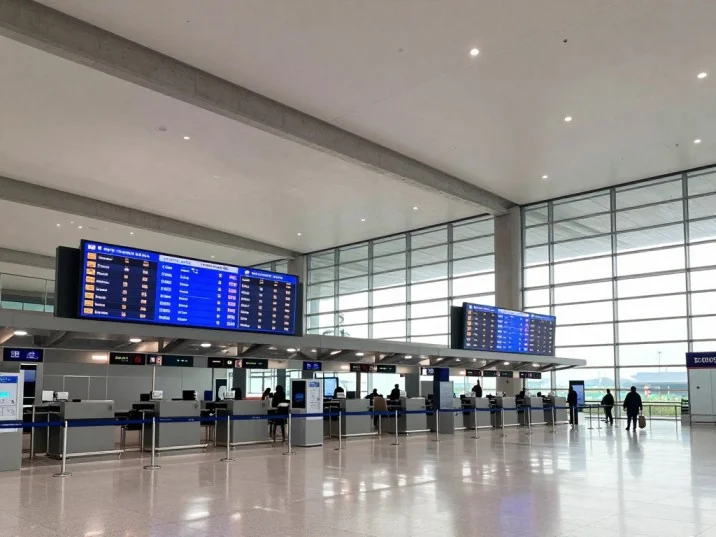
There are no nonstop flights from the United States to Vietnam as of 2024, though Vietnam Airlines has announced plans for a Los Angeles to Hanoi route. Most American travelers connect through Seoul (Incheon), Tokyo (Narita or Haneda), Taipei, Hong Kong, or Singapore. Korean Air, Asiana, EVA Air, and Japan Airlines consistently rank well for this route in terms of service and competitive pricing.
The total travel time from the US West Coast runs roughly 20 to 24 hours including a layover. East Coast travelers should plan for 25 to 30 hours. Book your international flight into either Hanoi’s Noi Bai International Airport (HAN) for a north-to-south itinerary, or Ho Chi Minh City’s Tan Son Nhat International Airport (SGN) if you want to travel south-to-north.
Flying into one city and out of another saves significant backtracking time and is almost always worth the slightly higher open-jaw ticket price.
VietJet Air, Bamboo Airways, and Vietnam Airlines all operate domestic routes connecting major cities, and the flights are inexpensive often under $30 to $60 USD when booked a few weeks in advance. The overnight train between Hanoi and Da Nang or Hue is a scenic and atmospheric option that many experienced Vietnam travelers prefer to flying.
How to Get Around Vietnam
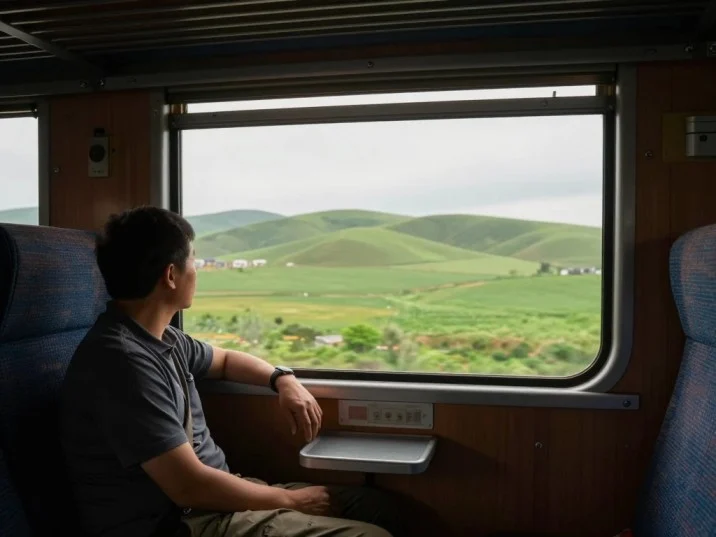
Getting around Vietnam is one of the most enjoyable logistical puzzles in Southeast Asian travel. Each mode of transport has its ideal use case.
Domestic flights make the most sense for the long hauls Hanoi to Da Nang, or Da Nang to Ho Chi Minh City especially when time is tight. Book through the airline websites directly or use a trusted aggregator.
Check baggage allowances carefully, as budget carriers on domestic routes often have strict carry-on limits.
Sleeper trains run by Vietnam Railways connect Hanoi, Hue, Da Nang, and Ho Chi Minh City. The Reunification Express is the main north-south line.
A private soft sleeper cabin on the overnight Hanoi to Hue train is comfortable, affordable (typically $30 to $50 USD), and lets you wake up to mountain scenery along the Hai Van Pass one of the most dramatic coastal rail stretches in Asia.
Book through the Vietnam Railways official site or through 12go.asia, which aggregates options.
Grab, Southeast Asia’s equivalent of Uber, works throughout Vietnam and is the safest and most transparent way to hire a car or motorbike in cities. Always use the app rather than hailing taxis off the street, which can involve negotiation and occasional fare disputes.
In cities like Hanoi and Ho Chi Minh City, renting a motorbike is popular with independent travelers but requires honest self-assessment. Traffic in both cities is dense and follows informal rules that take time to read. If you don’t have significant motorbike experience, hiring a driver through Grab or booking day tours is a smarter choice.
For Ha Long Bay, Mekong Delta, and Ninh Binh, guided boat tours or day excursions are the standard way in. The logistics of these areas genuinely benefit from local expertise.
The Classic 2 Week Vietnam Travel Itinerary
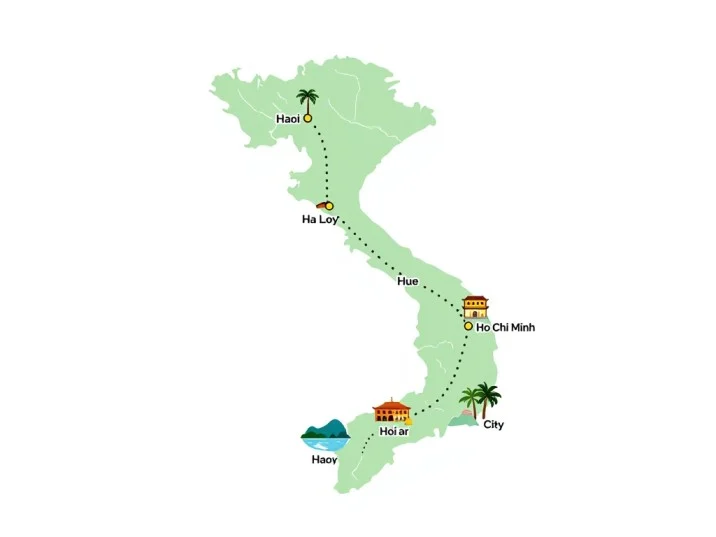
Days 1 2: Explore Hanoi
Two weeks is the minimum to experience Vietnam’s three major regions without feeling rushed. This itinerary assumes you fly into Hanoi and out of Ho Chi Minh City.
Arrive, rest, and orient yourself in the Old Quarter. Hanoi’s 36 ancient streets are compact and walkable. Visit Hoan Kiem Lake and Ngoc Son Temple before 8 a.m. to avoid the crowds.
Spend the afternoon at the Vietnam Museum of Ethnology, one of Southeast Asia’s best cultural museums.
Enjoy bun cha at Bun Cha Huong Lien for lunch. In the evening, explore the lively Hoan Kiem District, where locals, street food vendors, and performers create an unforgettable atmosphere.
Day 3: Ha Long Bay or Ninh Binh
Most travelers choose Ha Long Bay for an overnight cruise. While parts of the main bay can be crowded, cruises to Lan Ha Bay or Bai Tu Long Bay offer similar scenery with fewer boats.
Expect to pay about $120–$200 USD for a quality overnight cruise that includes kayaking, cooking classes, and sunrise views.
If you prefer a quieter experience, visit Ninh Binh instead. Trang An and Tam Coc feature spectacular limestone landscapes and peaceful river cruises. The area is only about two hours from Hanoi and costs much less than Ha Long Bay.
Days 4 5: Cruise or Travel to Hue
Continue your Ha Long Bay cruise or return from Ninh Binh.
Travelers heading south can take the overnight train from Hanoi to Hue. A soft-sleeper cabin offers the most comfortable journey and saves valuable daytime sightseeing hours.
Days 6 7: Discover Hue
Hue served as Vietnam’s imperial capital during the Nguyen Dynasty. Spend a morning exploring the UNESCO-listed Imperial City.
Later, visit Thien Mu Pagoda by bicycle or motorbike taxi along the Perfume River.
Don’t miss Hue’s famous dishes, including bun bo Hue and banh khoai. The city’s slower pace provides a relaxing break from Vietnam’s larger cities.
Days 8 9: Experience Hoi An
Travel from Da Nang to Hoi An via the scenic Hai Van Pass.
Explore the UNESCO-listed Ancient Town, famous for lantern-lit streets, historic architecture, and custom tailoring.
Visit the Japanese Covered Bridge early in the morning before tour groups arrive.
For a quieter stay, choose accommodation near An Bang Beach, about 4 km from the Ancient Town.
Days 10 11: Explore Da Nang
Many visitors overlook Da Nang, but it offers several worthwhile attractions.
Visit Marble Mountain and relax at My Khe Beach. On weekend evenings, watch the Dragon Bridge breathe fire.
Fly to Ho Chi Minh City in about 1 hour and 20 minutes to continue your journey.
Days 12 13: Ho Chi Minh City Highlights
Ho Chi Minh City combines modern energy with important historical sites.
Visit the War Remnants Museum and the Reunification Palace to learn about Vietnam’s recent history.
Browse Ben Thanh Market before enjoying dinner around Dong Khoi or Pasteur Street Brewing Company.
Day 14: Mekong Delta Adventure
End your trip with a guided excursion to the Mekong Delta.
My Tho is the best choice for a one-day visit. Travelers with more time should consider an overnight stay in Can Tho to experience the Cai Rang Floating Market at sunrise.
The 10 Day Vietnam Itinerary (Condensed)
Ten days is tight but workable if you prioritize ruthlessly.
Arrival in Hanoi – Explore the Old Quarter and Hoan Kiem Lake. Your second day includes the Vietnam Museum of Ethnology, followed by a street food evening tour.
Days 3 4 are dedicated to an overnight Ha Long Bay cruise (Lan Ha Bay is recommended). After returning to Hanoi on Day 5, take an afternoon flight to Da Nang.
Spend Day 6 discovering Hoi An Ancient Town in the morning and relaxing at An Bang Beach in the afternoon.
For Day 7, choose between a Hue day trip or visiting Marble Mountain and Da Nang Beach. Next, fly to Ho Chi Minh City on Day 8.While there on Day 9, visit the War Remnants Museum, Reunification Palace, and the Ben Thanh Market area.
Before departure on Day 10, enjoy a half-day Mekong Delta excursion and then head to Tan Son Nhat Airport.
The sacrifice you make with 10 days is depth. You’ll see the highlights, but you won’t have the slow mornings in Hue or the unhurried evenings in Hoi An that experienced Vietnam travelers say are the best parts of the trip.
The One-Month Vietnam Itinerary
Four weeks lets you breathe. The standard two-week north-to-south route remains the spine, but you can add Sapa in the north, Phong Nha-Ke Bang National Park in the center, and Phu Quoc Island in the south each of which is genuinely worth the detour.
Sapa, in the Lao Cai Province near the Chinese border, is a mountainous area of terraced rice fields and ethnic minority villages that looks like nowhere else in Vietnam. The trekking here through Muong Hoa Valley and Black Hmong and Red Dao villages is among the best in Southeast Asia. Go in September or October for green rice terraces, or December through February for dramatic cloud inversions and occasional snow on Fansipan (Vietnam’s highest peak at 3,143 meters). Take the overnight train from Hanoi to Lao Cai, then a bus or taxi to Sapa.
Phong Nha-Ke Bang National Park, in Quang Binh Province, contains the world’s largest cave (Son Doong, at over 5 kilometers long and 200 meters high). Son Doong tours are expensive around $3,000 USD for a multi-day expedition and book up a year or more in advance. But Phong Nha Paradise Cave and Dark Cave are accessible, reasonably priced, and spectacular in their own right. The park is genuinely off the standard tourist trail, which means it still feels like a discovery.
Phu Quoc Island, off the southern coast near Cambodia, is Vietnam’s beach island answer. The northern parts of the island near Ong Lang Beach remain relatively undeveloped, with good snorkeling, clear water, and a quieter atmosphere. The south has developed quickly with resorts and a new amusement park. Go in November through April for calm seas and dry skies.
Where to Stay in Vietnam
Vietnam offers accommodation across every budget. Staying in one category helps frame expectations.
Budget travelers (under $30 USD per night) will find excellent hostels and guesthouses throughout Vietnam, particularly in Hanoi’s Old Quarter, Hoi An, and Ho Chi Minh City’s District 1. Many have private rooms with air conditioning and hot water at prices that feel almost absurd by American standards.
Mid-range travelers ($50 to $150 USD per night) have excellent options in every major destination. Hoi An in particular has some of Southeast Asia’s best value boutique hotels small, family-run properties with pools, beautifully tiled rooms, and breakfast included. In Hanoi, the West Lake area (Tay Ho) has quieter, more upscale options away from the Old Quarter tourist density.
Luxury travelers ($150 USD and up) can access world-class properties. The Amanoi in Ninh Thuan Province, Anantara Hoi An Resort, Sofitel Legend Metropole Hanoi, and Park Hyatt Saigon are all legitimate luxury experiences. Ha Long Bay has several floating hotel cruise ships that operate at a premium Indochine Cruise and Signature Royal Cruise are consistently well-reviewed.
Food and Dining in Vietnam
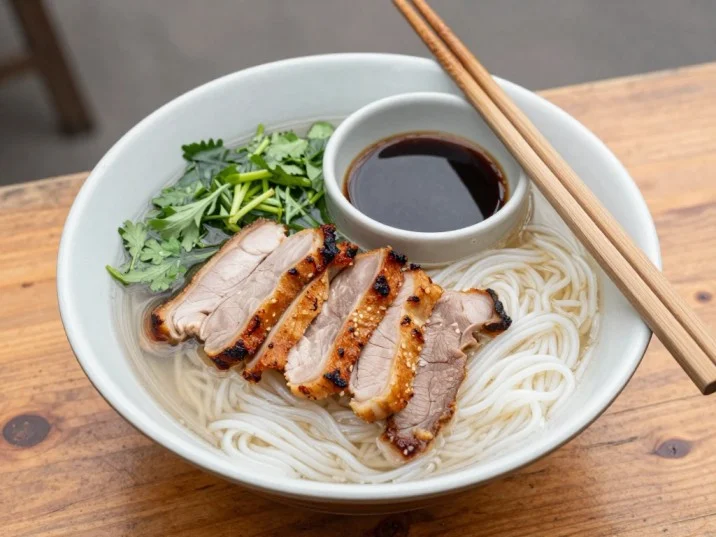
Vietnamese cuisine is regional, seasonal, and deeply specific to place. Eating the right dish in the right city is one of the most important parts of experiencing Vietnam authentically.
In Hanoi, the non-negotiables are pho bo (beef pho, which originated in the north and is lighter and more subtle than southern versions), bun cha, and banh mi. Hanoi’s banh mi tends to be simpler than the elaborate southern versions but uses excellent local baguettes a French colonial legacy and high-quality fillings.
In Hue, bun bo Hue is the bowl you came for. It’s spicier and richer than Hanoi pho, built on a lemongrass and fermented shrimp paste broth, with thick rice noodles and slices of tender beef. Com hen tiny baby clams served over rice with crispy crackers and shrimp paste is a Hue specialty that most travelers miss and shouldn’t.
In Hoi An, cao lau is the dish that can only be made here, traditionally using water from a specific local well (or so the legend goes). The noodles are thick, slightly chewy, and served with char siu pork, croutons, and herbs. White rose dumplings are translucent, delicate, and unlike anything elsewhere in Vietnam.
In Ho Chi Minh City, hu tieu (a southern noodle soup with pork and seafood) and banh xeo (large, crispy rice flour crepes filled with shrimp, pork, and bean sprouts) are the dishes that define the regional cooking.
Street food markets and local pho shops almost always outperform tourist-facing restaurants in quality and price. A bowl of excellent pho at a sidewalk stall costs roughly 40,000 to 60,000 VND (around $1.60 to $2.50 USD). A meal at a mid-range tourist restaurant runs 150,000 to 300,000 VND ($6 to $12 USD). Food safety at reputable street stalls is generally good, but choose busy stalls with high turnover, watch that your food is freshly cooked, and carry anti-diarrheal medication in your travel kit as a precaution.
Safety Tips for Vietnam
Vietnam is one of the safer countries in Southeast Asia for American tourists, but a few issues deserve specific attention.
Traffic is the biggest real risk. Vietnamese cities especially Hanoi and Ho Chi Minh City have dense, fast-moving motorbike traffic that operates by different rules than American drivers expect. Cross streets by moving slowly and steadily, making eye contact with approaching drivers, and letting traffic flow around you. Do not freeze in the middle of the road, and do not run. This sounds counterintuitive but genuinely works once you trust the rhythm.
Petty theft, particularly bag snatching from motorbikes, occurs in tourist-heavy areas of Ho Chi Minh City and Hanoi. Keep bags on the side away from the street. Do not use your phone while walking on busy streets.
Scams targeting tourists are common around major bus and train stations. Unofficial taxi drivers quote fares and then demand more on arrival. The fix is simple: use Grab for every city transport need. Registered tour operators and hotels can recommend legitimate day tour companies; random touts at tourist sites are best avoided.
Food and water safety: drink only bottled or filtered water. Reputable hotels and guesthouses provide filtered water in rooms. Ice at modern hotels and tourist restaurants is generally made from filtered water, but at local street stalls, it’s worth skipping ice if you have a sensitive stomach.
The US Embassy in Hanoi and the US Consulate General in Ho Chi Minh City both have emergency contact lines. Register your trip with the State Department’s Smart Traveler Enrollment Program (STEP) at step.state.gov before departure.
Travel insurance is strongly recommended. Medical evacuation from Vietnam can cost $30,000 to $80,000 USD without coverage. World Nomads and Allianz are popular options among long-haul travelers; always verify that the policy covers adventure activities if you plan to trek, scuba dive, or participate in water sports.
Packing for Vietnam
Vietnam’s climate variation across three regions means packing for contrasts. The single most important item is a lightweight rain jacket or packable poncho rain arrives suddenly in every part of the country, often in the middle of afternoon tours.
Bring reef-safe sunscreen because Vietnam’s beaches and marine areas are protected ecosystems, and local sunscreen is expensive and harder to find in small sizes. Insect repellent with DEET is essential for forested areas, overnight tours, and early morning or evening activities.
Dress modestly for temple visits covered shoulders and knees are required at most religious sites, and some will offer sarongs at the entrance but not always. A light long-sleeve shirt and linen pants pack small and pull double duty for sun protection and temple etiquette.
Vietnam’s pharmacy culture is excellent. Most common medications antihistamines, anti-diarrheals, ibuprofen, antifungal creams are available at urban pharmacies for a fraction of US prices. You don’t need to overpack medication, but bring your prescription drugs in original containers with a copy of the prescription.
A portable power bank, a universal travel adapter, and an unlocked phone (for a local SIM card) are the tech essentials. Vietnam’s 4G coverage is excellent in cities and tourist areas. A Viettel or Vietnamobile SIM card costs around $5 to $10 USD at the airport and gives you data, calls, and texts for the duration of your trip.
Three Common Tourist Mistakes (and How to Avoid Them)
The first mistake is trying to see too much. Vietnam is long, and travel times between cities even by air eat into your days. Many first-time visitors over-schedule and end up exhausted from airports and buses rather than refreshed from experiences. Build one or two “nothing” days into your itinerary. You’ll use them.
The second mistake is skipping Hue. Hoi An gets the attention, and Ha Long Bay gets the photos, but Hue is where Vietnam’s dynastic history actually lives. Travelers who skip it in favor of another beach day consistently say they wish they’d gone.
The third mistake is booking the cheapest Ha Long Bay cruise. Budget operators cut corners on food quality, cabin conditions, and the bay areas they sail to. A few extra dollars per person separates a tired, crowded boat experience from something genuinely memorable. Read recent reviews on TripAdvisor and GetYourGuide and book through a well-reviewed operator at least three to four weeks in advance.
Hidden Gems Worth Adding to Your Vietnam Itinerary
Mu Cang Chai, in Yen Bai Province west of Sapa, has rice terrace scenery that rivals anything in Southeast Asia. It’s a four to five hour drive from Sapa or a combination of overnight train and local transport from Hanoi. September and October, during the rice harvest, are the best months. Very few Western tourists make the effort, which makes it feel entirely different from the standard circuit.
Phong Nha Town, the small village that serves as the base for Phong Nha-Ke Bang National Park, is genuinely charming. The Chay River runs through it, local guesthouses are excellent value, and the boat trip into Phong Nha Cave on the river is one of the most atmospheric experiences in Vietnam. The town feels like what rural Vietnam looked like before mass tourism arrived.
Con Dao Islands, off the southeastern coast, are Vietnam’s most unspoiled archipelago. Once the site of a brutal French colonial prison complex (which is preserved and open to visitors), the islands are now a marine sanctuary with sea turtle nesting beaches, clear water, and almost no crowds. Getting there requires a flight from Ho Chi Minh City or a lengthy ferry. The reward is a version of Vietnam that feels entirely uncrowded.
Vietnam Travel Budget Breakdown
Here’s a realistic daily budget framework for Americans traveling in Vietnam. Prices are approximate and should be verified at time of booking, as costs change.
Budget level (under $60 USD/day): Dorm or basic private guesthouse ($8 to $20), street food and local restaurants ($5 to $10 per day), local transport and Grab ($5 to $10), entrance fees and activities ($5 to $15). This is genuinely achievable and doesn’t require sacrifice.
Mid-range ($100 to $180 USD/day): Boutique hotel with breakfast included ($50 to $100), mix of local and mid-range restaurants ($20 to $30), organized day tours and domestic flights ($30 to $50).
Comfort/upscale ($200 to $400 USD/day): Boutique or luxury hotel ($120 to $250), upscale restaurants and cooking classes ($40 to $60), private transfers and premium tours ($60 to $100).
The biggest single cost variables in a Vietnam trip are Ha Long Bay cruises, Sapa trekking guides, and domestic flights booked at the last minute. Plan these elements early and your overall costs become much more predictable. Travel insurance should be added to any budget calculation plan on $80 to $150 USD for two to three weeks of comprehensive coverage.
Frequently Asked Questions
How many days do you need for a good Vietnam trip?
Two weeks is the practical minimum to cover northern, central, and southern Vietnam without feeling rushed. Three weeks is ideal if you want to include detours to Sapa, Phong Nha, or island destinations. Ten days is possible but requires sacrificing depth for breadth you’ll see the highlights but miss the slower experiences that most travelers say are the most memorable.
Do US citizens need a visa for Vietnam?
As of August 2023, US passport holders can enter Vietnam visa-free for up to 45 days. This is a single entry. For multiple entries or longer stays, an e-visa is available through the Vietnam Immigration Department’s official portal at xuatnhapcanh.gov.vn. Always verify current requirements directly with the Vietnam Embassy or official government sources before booking, as visa policies can change.
Is Vietnam safe for American tourists?
Vietnam is generally considered safe for American travelers. Violent crime against tourists is rare. The main risks are traffic accidents, petty theft in crowded tourist areas, and food-related stomach issues. Using Grab instead of street taxis, keeping bags secured, and drinking only bottled or filtered water address the majority of practical safety concerns. Register with the State Department’s STEP program before departure for added peace of mind.
What is the best order to travel Vietnam?
The north-to-south direction Hanoi, Ha Long Bay, Hue, Hoi An, Ho Chi Minh City is the most logical because it follows Vietnam’s geographic and cultural progression from old imperial capital to French colonial cities to modern economic center. It also lets you fly into Hanoi (which often has better international flight connections from East Asian hubs) and out of Ho Chi Minh City. South-to-north works equally well if your flights are better priced that way.
What’s the best budget for a 2-week Vietnam trip from the USA?
Excluding international flights, a two-week Vietnam trip costs roughly $800 to $1,200 USD for budget travelers, $1,500 to $2,500 for mid-range, and $3,000 to $5,000-plus for comfort or luxury travelers. International flights from the US typically run $700 to $1,200 round-trip depending on origin city, airline, and how far in advance you book. Korean Air and EVA Air are frequently cited as offering good value on US-to-Vietnam routes.
Is Vietnam good for solo travelers?
Vietnam is excellent for solo travelers, particularly independent types who are comfortable with some logistical ambiguity. The hostel scene is strong, organized tours are easy to join on short notice, and the country’s infrastructure has improved significantly. Solo female travelers should exercise the same awareness as in any unfamiliar country keep hotel doors locked, be cautious about accepting rides from unverified drivers, and use Grab for transport. The overall traveler community in Vietnam tends to be helpful and social.
When should Americans avoid visiting Vietnam?
Americans should approach Tet (Vietnamese Lunar New Year, usually late January or February) thoughtfully it’s a fascinating cultural experience but brings price spikes, fully booked accommodations, and widespread business closures. The typhoon season in central Vietnam (October through December) brings flooding risk, particularly in Hoi An, which floods regularly during heavy rain. Summers in Hanoi (June through August) are hot and humid. None of these are reasons to avoid Vietnam entirely, but they require adjusted expectations and advance planning.
Three Things to Know Before You Go
First, Vietnam rewards flexibility. Buses run late, weather shifts, and the best experiences are often the ones you didn’t book the family restaurant down the alley, the sunrise over rice terrace you found on a wrong turn.
Build your itinerary with anchors, not with every hour scheduled.
Second, Vietnamese hospitality is genuine and warm. Learning a handful of Vietnamese phrases xin chào (hello), cảm ơn (thank you), bao nhiêu tiền (how much) earns immediate goodwill and better interactions everywhere you go.
Third, this is a country that deserves a second trip. Vietnam consistently ranks among the destinations that American travelers return to within five years of their first visit.
Once the itinerary is off, the pace becomes your own, and the food is already deeply familiar it becomes a completely different journey.
Start planning your Vietnam trip itinerary now.
Check current visa requirements at the official Vietnam Immigration portal, compare flight routing through Seoul and Tokyo for the best value, and give yourself at least 14 days. You’ll almost certainly wish you had more.

Stephen Fry brings an insatiable curiosity for history, language, and global heritage to the Travelmarse team. Having spent decades traveling the globe to study regional storytelling and ancient civilizations, he excels at uncovering the hidden narratives of modern destinations. Stephen anchors the cultural vertical on Travelmarse, where he writes deep-dive guides on architectural history, museum crawl strategies, and local customs. His vivid, engaging writing helps travelers look past the surface and truly understand the heritage of the places they visit.