Germany travel insurance is mandatory for every Schengen visa applicant and must cover at least €30,000 in medical expenses, including repatriation, for the full length of stay. Prices typically range from $15–$60 for a two-week trip depending on age, trip length, and provider. This guide compares the top options for USA and Pakistani travelers, including Allianz, Adamjee, and UIC.
A rejected visa application due to missing insurance documents can be a heartbreaking and avoidable setback. After weeks of planning, packing, and dreaming about Bavarian castles or Berlin’s museums, travelers can face another problem. An embassy officer may reject the application if the insurance policy does not meet the Schengen minimum requirements.
This guide clears up exactly what Germany travel insurance requires, what it costs, and which providers actually deliver when a claim is filed. If the trip starts in the United States or Pakistan, the rules are the same, but the buying process, pricing, and provider access differ. Every section below answers one specific, common question so the right coverage gets chosen the first time, not the second.
Quick Facts Table
| Detail | Requirement |
| Minimum coverage | €30,000 (~$32,000) |
| Must include | Emergency medical, hospitalization, repatriation |
| Validity | Entire Schengen trip duration |
| Geographic coverage | All Schengen member states |
| Who needs it | All Schengen visa applicants, including transit visitors |
| Accepted providers | Any insurer meeting EU Regulation (EC) No 810/2009 |
| Typical cost (2-week trip) | $15–$60 (age and provider dependent) |
Prices and exact wording of requirements can change, so always confirm current figures directly with the German consulate, VFS Global, or your insurer before applying.
Do I Need Travel Insurance in Germany?
Yes. Anyone applying for a Schengen visa to visit Germany must show proof of travel medical insurance. The requirement applies before the visa can be issued. It is a legal requirement under Schengen rules, not an optional add-on.
Travelers who enter visa-free, such as most US citizens on short stays, are not legally required to buy insurance. However, getting travel insurance is still strongly recommended.
Is It Okay If I Don’t Have Travel Insurance?
For visa-required nationalities, skipping insurance means the application will likely be refused outright. For visa-exempt travelers, such as US passport holders staying under 90 days, travel insurance is not legally required. However, traveling without it can be risky. Any hospital visit or flight cancellation would come entirely out of pocket. German healthcare is excellent, but it is not free for visitors. A single overnight hospital stay can cost thousands of dollars.
What Insurance Is Mandatory in Germany?
Schengen travel medical insurance is the only mandatory type for foreign visitors, and it must cover emergency medical treatment, hospitalization, and repatriation of remains up to at least €30,000. Anyone moving to Germany long-term (students, workers, residents) additionally needs local German health insurance, which is a separate and more comprehensive system.
Germany Travel Insurance Requirements
The policy must:
- Cover a minimum of €30,000 in medical costs
- Be valid across all Schengen countries, not just Germany
- Cover the entire duration of the trip, start to finish
- Include emergency hospitalization and repatriation
- Come from an insurer recognized within the EU or accepted by the German consulate
Which Countries Require Proof of Travel Insurance?
Every one of the 27 Schengen countries requires this same €30,000 minimum insurance for visa applicants, since a Schengen visa grants entry to the entire zone, not just one country. This includes France, Italy, Spain, the Netherlands, and Austria alongside Germany. The rule is uniform, so one policy purchased for a Germany-based itinerary is generally valid for a multi-country Schengen trip.
Germany Travel Insurance for Schengen Visa Applications
A Schengen visa application to Germany will be rejected without a compliant insurance certificate attached, and the German embassy or VFS Global center will check that the policy dates match the requested visa dates exactly, with no gaps. The certificate should be printed and included in the physical application file, not just emailed.
Which Travel Insurance Is Best for a Schengen Visa?
The best option is one explicitly labeled “Schengen visa travel insurance” by the provider, since these policies are pre-formatted to meet embassy requirements and include a downloadable certificate. Allianz Travel, UIC, and several Pakistani insurers including Adamjee and Jubilee all sell Schengen-specific plans built for this exact purpose.
Germany Travel Insurance From Pakistan
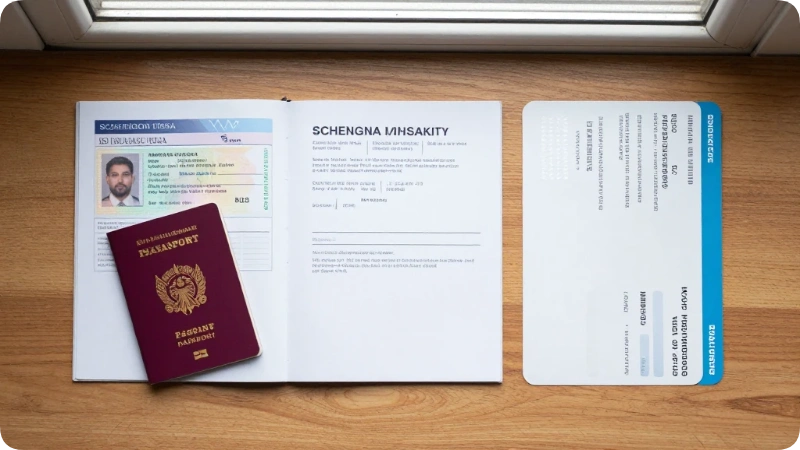
Pakistani applicants can buy Schengen-compliant Germany travel insurance online through local insurers like Adamjee, Jubilee, EFU, or UIC, usually within minutes and for a relatively small premium. The certificate generated at checkout is what gets submitted alongside the visa file at VFS Global in Karachi, Lahore, or Islamabad.
VFS Germany Travel Insurance Requirements
VFS Global, which processes German visa applications on behalf of the consulate in Pakistan, requires the same €30,000 minimum coverage as any other Schengen application center. The insurance certificate must show the applicant’s full name exactly as it appears on the passport, correct travel dates, and Schengen-wide validity. Documents that only cover Germany and exclude the rest of the Schengen area are sometimes flagged during checks, so confirming Schengen-wide wording before submission is worth the extra minute.
Which Schengen Country Visa Is Easy for Pakistanis?
Approval difficulty depends more on the applicant’s documentation and travel history than the specific country, but consulates that process higher volumes from Pakistan, such as Italy, France, and Germany, tend to have more predictable and transparent procedures. This is general guidance, not a guarantee; each embassy sets its own case-by-case criteria.
How Much Does Germany Travel Insurance Cost?
A standard two-week Schengen policy for Germany typically costs between $15 and $60 for a young, healthy adult, with prices rising for older travelers, longer trips, or higher coverage limits. Family and multi-trip annual plans usually offer better per-day value than single-trip purchases for frequent travelers.
Germany Travel Insurance Price Breakdown
| Trip Length | Approx. Price (Age 25–40) | Approx. Price (Age 60+) |
| 1 week | $10–$20 | $25–$45 |
| 2 weeks | $15–$35 | $35–$70 |
| 1 month | $30–$60 | $70–$130 |
| Annual multi-trip | $80–$180 | $150–$300 |
These figures are general market ranges, not quotes from any single insurer, and actual pricing should always be confirmed on the provider’s own site before purchase.
How Expensive Is German Health Insurance?
For long-term residents rather than short-term visitors, statutory German health insurance (Gesetzliche Krankenversicherung) generally costs around 14.6% of gross income split between employee and employer, plus a supplementary contribution that varies by fund. Private health insurance for residents can be cheaper for young, healthy individuals but pricier as they age, so it’s a longer-term financial decision rather than a simple visitor purchase.
Which Travel Insurance Is Best for Germany?
There is no single “best” insurer for everyone; the right choice depends on nationality, budget, and whether the priority is claims speed, price, or brand recognition. Allianz Travel is the most globally recognized name and widely accepted at every consulate. Pakistani travelers often lean toward Adamjee or UIC for lower local pricing with equally valid Schengen certificates.
Best Germany Travel Insurance
For most travelers, a policy that is explicitly Schengen-visa-compliant, includes 24/7 emergency assistance, and covers at least €30,000 checks every necessary box. Beyond the minimum, comparing add-ons like trip cancellation, baggage loss, and COVID-related coverage helps separate a basic policy from a genuinely useful one.
Which Travel Insurance Is Best in Pakistan?
Adamjee Insurance, Jubilee General, EFU General, and UIC are among the most commonly used providers for Schengen visa insurance in Pakistan, largely because of their instant online certificate issuance and consulate-recognized formatting. Comparing quotes across two or three of these before buying takes only a few minutes and can meaningfully change the price.
Top 3 Insurance Companies Compared
–$
| Provider | Best For | Certificate Speed | Typical Price Range |
| Allianz Travel | Global recognition, USA travelers | Instant | |
| Adamjee Insurance | Budget-conscious Pakistani applicants | Instant | $ |
| UIC (United Insurance Company) | Straightforward Schengen certificates | Instant | $ |
Allianz Travel Insurance: Costs, Coverage & Refunds
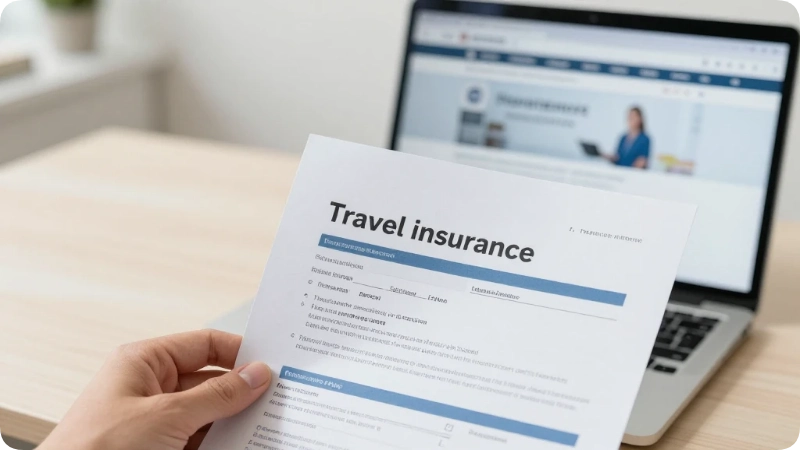
Allianz Travel Insurance for Schengen Visa: Cost, Coverage & Buying Options
For Schengen visa applications, Allianz Travel is one of the most widely recognized insurers worldwide. Eligible plans can meet the required €30,000 minimum medical coverage, while additional options may include trip cancellation and baggage protection.
USA-based travelers may also benefit from choosing a well-known insurer with established international coverage.
What Is the Cost of Allianz Travel Insurance?
Allianz Schengen plans generally fall within the $15–$60 range for a standard two-to-four-week trip. However, the final premium depends on factors such as your age, trip length, destination, and selected coverage level.
Because insurance rates can change, travelers should use Allianz’s official quote tool to check the current price before purchasing a policy.
What Does Allianz Travel Insurance Cover?
Coverage depends on the specific Allianz plan you select. Depending on the policy, benefits may include emergency medical expenses, trip cancellation, trip interruption, baggage loss, and travel assistance.
For Schengen visa purposes, the key requirement is medical coverage that meets the minimum required amount and applies throughout the Schengen Area.
What Is Not Covered by Allianz Travel Insurance?
Like most travel insurance providers, Allianz excludes certain situations from standard coverage. Depending on the policy, exclusions may include:
- Certain pre-existing medical conditions
- Injuries related to excluded extreme sports or activities
- Losses caused by traveling against government advisories
- Events or conditions that existed before the policy was purchased
- Claims involving undisclosed or excluded circumstances
Always review the policy wording and Product Disclosure Statement (PDS) before purchasing. Understanding exclusions can help prevent unexpected problems when filing a claim.
Does Allianz Actually Refund You?
Allianz processes eligible claims according to the terms and conditions of the selected policy. Whether you receive reimbursement depends on the reason for the claim, the coverage included in your plan, and whether you provide the required documentation.
Depending on the claim, Allianz may request receipts, medical reports, police reports, booking confirmations, or other supporting documents.
A claim that does not meet the policy conditions may be denied. Travelers should therefore check their coverage carefully before submitting a claim.
Where Can I Buy Allianz Travel Insurance?
Travelers can purchase Allianz Travel Insurance directly through the Allianz Travel website, through participating travel agents, or through certain airline and travel-booking platforms.
Buying directly from Allianz can be convenient because you can compare available plans, receive policy documents, and obtain proof of coverage for your visa application.
Before submitting your Schengen visa application, make sure the insurance certificate clearly shows the required medical coverage and applicable travel dates.
Which Is Better: Allianz or Travel Guard?
Both Allianz and Travel Guard can be suitable options for US travelers, but the better choice depends on your trip and coverage needs.
Allianz stands out for its international brand recognition and availability of plans designed for international travel. Travel Guard, backed by AIG, is another established US-based option with a range of travel protection plans.
What Should You Check Before Buying?
For a Schengen visa application, the most important factor is not simply the insurer’s name. Your policy should meet the Schengen insurance requirements, including the required minimum medical coverage and valid geographic coverage for the countries you plan to visit.
Before purchasing, check that the policy:
- Provides at least €30,000 in medical coverage
- Covers the entire Schengen Area
- Remains valid for your full trip
- Covers emergency medical treatment and related expenses
- Provides an acceptable insurance certificate for your visa application
Comparing the coverage, exclusions, price, and policy conditions can help you choose the most suitable option for your trip.
UIC Travel Insurance Explained
UIC (United Insurance Company) is a Pakistan-based insurer offering Schengen-compliant travel insurance certificates that meet the €30,000 minimum required by German and other EU consulates. It’s popular among Pakistani applicants for its quick online purchase process and competitive pricing compared to international brands. As with any insurer, confirming the current policy wording matches Schengen requirements before submission is a smart final check.
Adamjee Travel Insurance for Germany
Adamjee Insurance is one of Pakistan’s most established insurers for Schengen visa travel insurance, offering instantly downloadable certificates that satisfy the German consulate’s coverage requirements. It’s frequently compared against UIC and Jubilee for price and turnaround time.
Which Travel Insurance Company in Pakistan Offers the Cheapest Schengen Visa Coverage?
Pricing shifts often between Pakistani insurers, so the cheapest option at any given time is best confirmed by comparing live quotes from Adamjee, UIC, and Jubilee side by side rather than relying on a fixed answer, since premiums are adjusted periodically. All three generally offer basic Schengen-compliant plans at low double-digit dollar equivalents for short trips.
Which Insurance Is Cheapest in Germany?
For visitors, the cheapest compliant option is usually a basic single-trip Schengen plan. Avoid unnecessary add-ons to keep costs low. Buying directly from an insurer can also help avoid travel agent markups.
For residents, statutory German health insurance is often cheaper for lower-income earners. However, this applies to residents rather than short-term visitors.
Best Low-Cost Travel Insurance for a Schengen Visa
A genuinely low-cost Schengen plan should still meet the full €30,000 minimum and Schengen-wide validity; cutting corners on coverage amount to save a few dollars risks outright visa rejection. Basic no-frills plans from Adamjee, UIC, or Allianz’s entry-tier Schengen product usually strike this balance well.
Can I Get Travel Insurance From Within Germany?
Visitors can technically purchase travel insurance after arriving in Germany. However, this does not meet visa requirements. Applicants must submit an insurance certificate before the visa is granted.
For travelers already in Germany without insurance, options may still be available. Visa-exempt visitors can contact local providers or international insurers with EU offices. Some providers may offer coverage that starts immediately.
How to Get Travel Insurance for Germany (Step-by-Step)

- Confirm your travel dates and total trip length before requesting a quote.
- Compare two or three providers (for example, Allianz, Adamjee, and UIC) for price and coverage tier.
- Choose a Schengen-specific plan with at least €30,000 in medical coverage.
- Enter passport details exactly as they appear on the document to avoid certificate mismatches.
- Pay and download the certificate immediately, then print a physical copy for the visa file.
- Double-check dates and coverage amount on the certificate before submission at VFS Global or the consulate.
Health Insurance for Foreigners Living in Germany
Foreigners relocating to Germany long-term must enroll in either statutory (public) or private health insurance, which is a separate system from short-term Schengen travel insurance and legally required for residency, work, and study visas. Statutory insurance covers a broad, standardized set of services, while private insurance offers more flexibility but variable pricing based on age and health.
Which Health Insurance Is Best in Germany for Foreigners?
For most employees and students, statutory health insurance (through providers like TK, AOK, or Barmer) is the standard and often mandatory choice, since it offers predictable, income-based premiums and comprehensive coverage. Private insurance can suit higher earners or self-employed foreigners who want more tailored coverage, but it should be weighed carefully since switching back to statutory insurance later can be restrictive.
What Is the Best Insurance in Germany?
For long-term residents, one of the major statutory health insurance funds is generally the safest default due to predictable costs and near-universal doctor acceptance. For short-term visitors, the “best” insurance is simply whichever Schengen-compliant travel policy offers the coverage and price that fits the trip.
Common Mistakes to Avoid When Buying Germany Travel Insurance

Three mistakes come up again and again during visa applications:
- Buying a policy that only covers Germany, not the whole Schengen area. Fix this by confirming “Schengen-wide” wording on the certificate.
- Mismatched or incomplete travel dates: Fix this by matching the policy exactly to the requested visa dates, with no gaps.
- Choosing coverage below €30,000: Fix this by checking the coverage amount printed clearly on the certificate before paying.
What Travel Insurance to Avoid
Avoid unbranded or unclear “budget” policies that don’t clearly state the coverage amount in euros, don’t mention Schengen-wide validity, or don’t provide an instantly downloadable certificate, since these are the most common causes of visa office rejections.
Disadvantages of Travel Insurance
The main drawbacks are the upfront cost for a trip that may go smoothly anyway, exclusions around pre-existing conditions and extreme activities, and the paperwork required at claim time. For Schengen travel specifically, these downsides are minor compared to the benefit of a compliant, approved visa application and protection against a serious medical bill abroad.
Packing & Document Checklist for Your Visa Application
- Valid passport with at least two blank pages and six months’ validity beyond the trip
- Printed Schengen travel insurance certificate (€30,000 minimum, Schengen-wide)
- Confirmed flight reservation matching insurance dates
- Hotel or accommodation booking confirmation
- Proof of sufficient funds for the trip
- Visa application form, completed and signed
FAQs
How much is Germany travel insurance?
A standard two-week Schengen-compliant policy usually costs between $15 and $60 for a healthy adult traveler, though prices rise with age, trip length, and add-ons like trip cancellation.
What are the top 3 insurance companies for Germany travel insurance?
Allianz Travel, Adamjee Insurance, and UIC are three widely used providers, chosen respectively for global recognition, competitive Pakistani pricing, and fast Schengen certificate issuance.
What travel insurance do I need for Germany?
Any Schengen visa applicant needs a policy covering at least €30,000 in medical expenses, valid across the whole Schengen area, for the full length of the trip, including hospitalization and repatriation.
Can I get travel insurance from Germany itself?
Yes, but it should be purchased before the visa application is submitted whenever possible, since the certificate is a required part of the visa file rather than something added after arrival.
How to get travel insurance for a Schengen visa quickly?
Most Schengen-compliant insurers, including Allianz, Adamjee, and UIC, issue a downloadable certificate within minutes of online payment, making same-day purchase realistic even close to an appointment date.
Is it okay if I don’t have travel insurance in Germany?
For visa-exempt travelers, this is legally permitted but risky given the cost of emergency healthcare abroad; for visa-required applicants, it is not optional, and the application will likely be rejected without it.
Which travel insurance is best for a Schengen visa on a tight budget?
A basic no-frills plan from a Schengen-specialist insurer that still meets the full €30,000 minimum, rather than a bundled or premium-tier product, generally offers the best value for budget-conscious applicants.
Does travel insurance cover a Schengen visa refusal?
Some providers refund the insurance premium if a visa is refused, but this varies by insurer and is not automatic, so checking the specific refund policy before purchase is worth the extra few minutes.
What happens if my trip dates change after buying insurance?
Most insurers allow date amendments on an unused policy, usually free or for a small admin fee, but the updated certificate must be re-downloaded and resubmitted if the visa application hasn’t been filed yet.
Do children need separate Schengen travel insurance?
Yes, every traveler on the visa application, including children, needs their own compliant insurance coverage listed individually or as named dependents on a family policy.
Is annual multi-trip insurance worth it for frequent Schengen travelers?
For travelers visiting the Schengen area more than two or three times a year, an annual multi-trip policy is often cheaper overall than buying single-trip coverage each time, as long as each trip stays within the policy’s maximum trip-length limit.
Conclusion
Getting Germany travel insurance right comes down to three things: meeting the €30,000 Schengen minimum, matching the policy dates exactly to the trip, and choosing a provider, whether Allianz, Adamjee, or UIC, that issues an instant, consulate-ready certificate. Skipping any one of these is the most common reason a visa application stalls.
Once that certificate is sorted, the harder part of the trip is simply deciding which German city to fall in love with first. Compare a couple of quotes, download the certificate, and get back to planning the parts of the trip that are actually fun.

Ben Fogle believes that true adventure begins where the pavement ends. After spending years documenting extreme environments, rowing across oceans, and trekking through frozen landscapes, he mastered the art of wilderness travel. For Travelmarse, Ben constructs highly detailed guides on deep-nature packing lists, wildlife safety, and sustainable eco-tourism. He breaks down intimidating, rugged expeditions into clear, step-by-step roadmaps so everyday travelers can safely connect with the natural world.