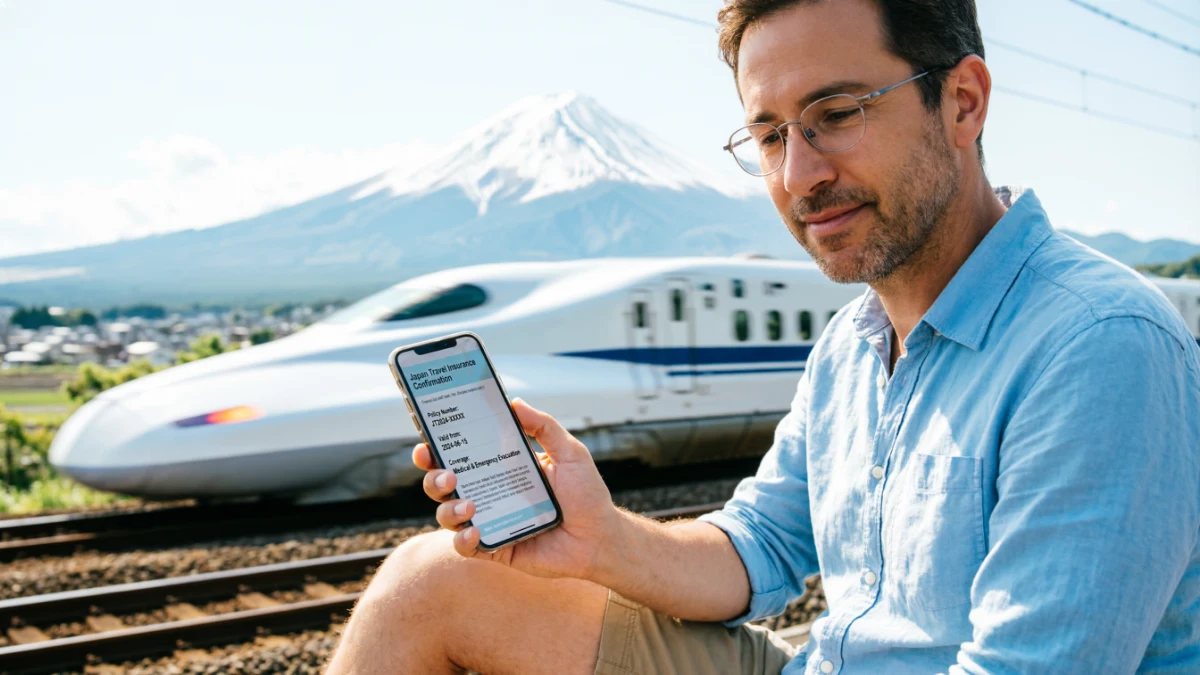
Travel insurance is not legally required to enter Japan, but it is strongly recommended. Japan does not accept US health insurance or Medicare, hospitals often require upfront payment, and a single ER visit can run into the thousands. Most US travelers pay roughly $1–$3 per day for a solid plan.
Japan feels safe, clean, and easy to navigate right up until someone twists an ankle on a temple staircase or catches the flu two days before a flight home. That’s usually the moment travelers realize their US health plan stops working the second they land in Narita or Kansai. A hospital bill delivered in yen, on the spot, before treatment even begins, has a way of changing minds fast.
This guide breaks down everything a US traveler needs to know about insurance travel to Japan: If it’s required, what it costs, how to pick a plan, what it won’t cover, and how to avoid the mistakes that leave travelers exposed. Every figure below is sourced from current 2026 industry data and official guidance, and pricing details are flagged for you to verify directly with providers before purchase.
Do You Need Travel Insurance to Visit Japan?
No, Japan does not currently require proof of travel insurance for tourist entry, and immigration officers will not ask for it at the border. However, most US health insurance plans, including Medicare, provide little to no coverage overseas, so travel medical insurance is considered essential rather than optional by most experienced travelers and insurers.
Japan’s visa-free tourist program lets most US citizens stay up to 90 days without a visa. That ease of entry sometimes creates a false sense that nothing else needs planning. But “not required” and “not needed” are two different things. Japanese hospitals treat foreign tourists as self-pay patients, and payment is frequently expected before treatment, not after.
One change worth watching: starting in April 2026, Japan began screening returning foreign visitors for unpaid medical bills from previous trips, with unpaid balances as low as ¥10,000 potentially flagged at re-entry. That’s not the same as requiring insurance today, but it signals where policy may be heading. Buying overage now protects both your health and your ability to return.
Japan Travel Insurance Requirements for US Citizens
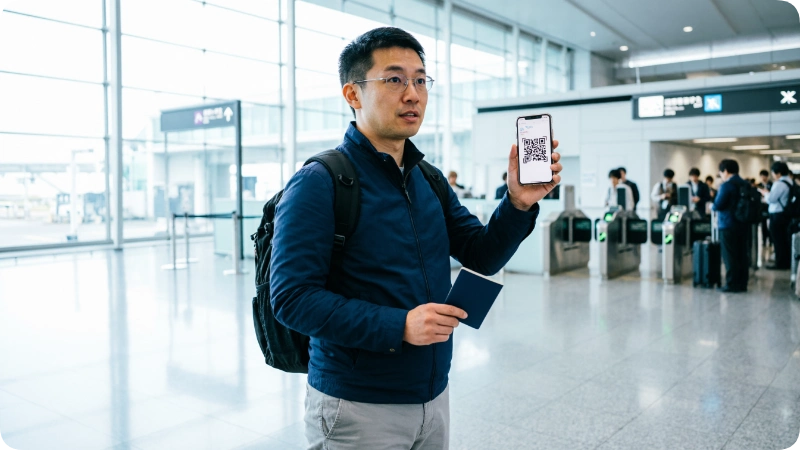
There is no official Japan travel insurance requirement for US passport holders as of 2026. Entry still depends on a valid passport, a completed Visit Japan Web registration for digital immigration and customs QR codes, and a confirmed return or onward ticket, not proof of insurance.
That said, airlines occasionally ask about insurance or emergency contact coverage during check-in, and some tour operators, ski resorts, and cruise lines built for the Japanese market do require it contractually, even though the government doesn’t.
What to have ready before you fly:
| Document | Required? | Notes |
| Valid US passport | Yes | Must be valid for your full stay |
| Visit Japan Web QR codes | Yes | Immigration + customs, free to register online |
| Return/onward ticket | Yes | Airlines check this before boarding |
| Proof of accommodation | Often requested | Have a hotel confirmation ready |
| Travel/medical insurance | Not legally required | Strongly recommended; may matter for re-entry screening |
| Proof of funds | Rarely | Occasionally asked at immigration |
Always confirm current entry rules on the official Japan Visit Japan Web portal or through the nearest Japanese consulate before departure, since immigration policy can shift with little notice.
Quick Facts Table
| Question | Quick Answer |
| Is insurance required for Japan? | No, not for tourist entry |
| Average cost for US travelers | Around $1–$3 per day, roughly $478 for a typical 17-day trip |
| Minimum recommended medical coverage | At least $50,000 |
| Minimum recommended evacuation coverage | At least $100,000 |
| Can you buy after booking flights? | Yes, anytime before departure |
| Can you buy after arrival? | Limited; some providers allow it, most don’t |
| Does US health insurance work in Japan? | Usually not; Medicare never does |
Is It Worth Getting Travel Insurance for Japan?
Yes, for most travelers it’s worth it. Japan is one of the safest countries in the world for crime, but medical costs, trip interruptions, lost luggage, and weather events like typhoons still happen, and Japanese hospitals bill foreign tourists in full, often before treatment.
Who it’s genuinely worth it for:
- Anyone without international coverage through work or a credit card
- Travelers doing skiing, hiking, or Mount Fuji climbs
- Multi-week or multi-city itineraries with nonrefundable bookings
- Older travelers or anyone with a pre-existing condition (with the right rider)
Who might reasonably skip a standalone policy:
- Travelers whose premium credit card already bundles solid emergency medical and evacuation coverage (confirm the dollar limits first)
- Very short layover-style visits with no planned activities
The honest drawbacks: premiums add a real cost to a trip, claims paperwork can be tedious, pre-existing conditions are often excluded unless you buy within a specific window after your first trip deposit, and basic plans usually exclude high-adventure activities like backcountry skiing.
What Happens If a Tourist Gets Sick in Japan?

If you get sick in Japan, go to a hospital or clinic (many list English-language support online), be ready to pay upfront, and keep every receipt and medical report for your insurance claim. Call your insurer’s 24/7 assistance line as early as possible; they can guarantee payment directly with the hospital.
Step by step:
- For emergencies, dial 119 for ambulance/fire, or 110 for police.
- Go to a hospital equipped for foreign patients where possible; larger cities like Tokyo, Osaka, and Kyoto have more English-speaking staff.
- Expect to pay at the counter. A basic clinic visit often costs around $32–$64; anything involving surgery or a hospital stay climbs into the thousands quickly.
- Call your travel insurer’s emergency line before or immediately after treatment.
- Save every document: itemized bills, diagnosis notes, prescriptions, and payment receipts.
- File your claim once home, or while still traveling if the provider allows online submission.
The US Embassy in Japan publishes updated guidance and a list of English-speaking medical facilities, which is worth bookmarking before departure.
How Much Does Travel Insurance Cost for Japan?
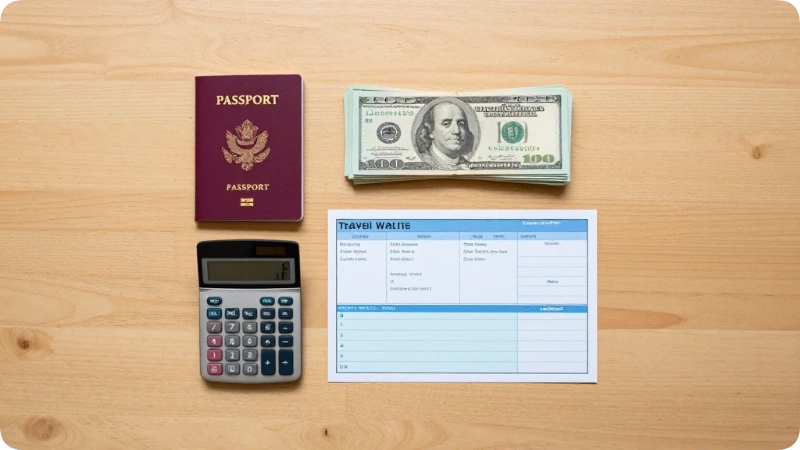
Travel insurance to Japan typically costs US travelers around $1 to $3 per day, or about $478 on average for a 17-day trip, according to recent Squaremouth marketplace data. Prices vary by age, trip length, coverage limits, and whether you add adventure sports or “cancel for any reason” coverage.
What moves the price:
- Age coverage generally gets more expensive after 50–60
- Trip length longer trips cost more in total but less per day
- Coverage limits higher medical and evacuation caps raise the premium
- Add-ons cancel-for-any-reason, adventure sports, and rental car coverage all add cost
- Pre-existing condition waivers usually require buying insurance within 14–21 days of your first trip payment
Budget travelers on a tight itinerary can often find basic medical-only coverage for well under $50 for a one- or two-week trip, while comprehensive plans with trip cancellation protection for an expensive, nonrefundable itinerary can run several hundred dollars. Always confirm current pricing directly with the provider, since rates shift with age brackets, exchange rates, and promotions.
Best Travel Insurance for Japan: How to Compare Plans
The best travel insurance for Japan is the plan that matches your trip type. Budget backpackers, families, and adventure travelers all need different coverage priorities. Focus less on brand name and more on medical limits, evacuation coverage, and whether pre-existing conditions are addressed.
What to compare, plan by plan:
| Factor | Why it matters for Japan |
| Emergency medical minimum | Aim for $50,000+; Japanese hospital care is high-quality but not cheap |
| Emergency evacuation minimum | Aim for $100,000+; evacuation can start around $25,000 |
| Direct hospital payment (“guarantee of payment”) | Avoids paying thousands out of pocket upfront |
| Adventure sports coverage | Needed for skiing, Mt. Fuji climbs, or backcountry hiking |
| Cancel-for-any-reason option | Worth it for expensive, nonrefundable Golden Route itineraries |
| 24/7 English-language assistance line | Genuinely useful navigating a Japanese hospital system |
Well-known options frequently compared by US travelers include Allianz Travel, World Nomads, SafetyWing, IMG, and Seven Corners, among others. Coverage, pricing, and fine print change often, so compare current quotes side by side on an aggregator or directly with providers rather than relying on last year’s numbers.
Allianz Travel Insurance for Japan: What to Know
Allianz is one of the most established travel insurance brands US travelers use for Japan trips, offering both single-trip and annual multi-trip plans with medical, evacuation, trip cancellation, and baggage coverage. Like most traditional insurers, Allianz generally requires purchase before departure rather than after arrival.
Before buying any Allianz plan (or any provider’s), read the certificate of insurance carefully for:
- The exact medical and evacuation coverage caps
- If pre-existing conditions are covered and under what deadline
- Exclusions for adventure activities like skiing or mountain climbing
- The claims process and required documentation
Because pricing, plan names, and terms are updated frequently, get a live quote directly from Allianz or a licensed comparison site rather than relying on older reviews.
How to Buy Travel Insurance for Japan (Step by Step)
Buy Japan travel insurance online directly through an insurer’s website or a comparison marketplace, ideally within a day or two of paying your first trip deposit if you want pre-existing condition coverage. The process usually takes under ten minutes.
- Decide what you need: medical-only, or a comprehensive plan with trip cancellation.
- Compare 3–4 quotes using an aggregator or by checking providers individually.
- Check the fine print for exclusions relevant to your trip (skiing, hiking, pregnancy, pre-existing conditions).
- Buy early if you want cancellation coverage or a pre-existing condition waiverer any purchase within 14–21 days of your first trip payment.
- Save your policy documents and the 24/7 emergency number to your phone before you fly.
Can You Buy Travel Insurance After Booking or After Arrival?
Yes, you can buy travel insurance after booking your flights; some travelers do. Buying after you’ve already arrived in Japan is much more limited: a few providers like SafetyWing and World Nomads allow purchase after departure, but most traditional insurers, including Allianz and similar companies, require the policy to be issued before you leave the US.
If you’re already in Japan and realize you’re uninsured, a small number of providers will still sell a policy, but expect a waiting period of up to 72 hours before certain coverages, especially trip cancellation, kick in. Medical coverage may also exclude anything that was already showing symptoms before purchase. The safest move is always buying before departure.
What’s Not Covered by Travel Insurance? (Disadvantages & Exclusions)
Standard travel insurance for Japan typically excludes pre-existing medical conditions (unless waived), high-risk adventure activities like backcountry skiing or mountaineering, injuries from illegal activity, routine dental or vision care, and cancellations for reasons not listed in the policy, like simply changing your mind.
Common exclusions to check for:
- Pre-existing conditions without a purchased waiver
- Extreme sports (off-piste skiing, mountaineering, scuba below certain depths)
- Alcohol- or drug-related incidents
- Mental health treatment, in some basic plans
- “Cancel for any reason” scenarios, unless that specific upgrade was purchased
- Pregnancy complications after a certain week, without a maternity rider
Genuine disadvantages of travel insurance in general: it’s an added upfront cost, claims can take weeks to process, documentation requirements are strict, and cheaper plans often have coverage gaps travelers don’t discover until they need to file a claim. Reading the policy’s exclusions page before buying, not after a claim gets denied, solves most of this.
Adamjee and EFU Travel Insurance: Are They Right for a Japan Trip?
Adamjee Insurance and EFU are Pakistan-based insurers primarily used by Pakistani travelers, not US-based companies. For travelers flying from the United States, a US or globally licensed provider (Allianz, World Nomads, SafetyWing, IMG, Seven Corners, and similar) will generally offer smoother claims handling, US dollar pricing, and English-language support built around American travelers.
If you’re a Pakistani national planning a Japan trip and comparing Adamjee or EFU, both offer standard travel medical and trip protection products; check current plan details, coverage limits, and Japan-specific eligibility directly on their official sites, since terms vary by policy tier and change periodically.
Japan Travel Insurance on Reddit: What Travelers Say
Reddit threads on r/JapanTravel and r/travel about Japan insurance tend to circle the same recurring themes: confirming that insurance isn’t required for entry, comparing SafetyWing versus World Nomads versus Allianz on price, and swapping stories about surprisingly affordable Japanese hospital visits compared to the US.
A recurring, genuinely useful piece of community advice: check if your credit card already includes travel medical or emergency evacuation coverage before paying for a separate policy; some premium travel cards do, though limits and exclusions vary a lot by card issuer. As with any forum, treat individual experiences as anecdotes rather than guarantees, and confirm anything important directly with an insurer.
Why Is 2026 Being Called a “Last Chance” Year to Visit Japan?
That framing is more marketing hype than reality. Japan isn’t disappearing, but 2026 does bring real cost increases worth knowing about. Japan’s international departure tax tripled from ¥1,000 to ¥3,000 starting July 1, 2026, Kyoto raised its lodging tax to as much as ¥10,000 a night for luxury stays starting March 1, 2026, and the tax-free shopping system switches to a refund-based model starting November 1, 2026.
At the same time, the yen has stayed historically weak against the dollar, which keeps day-to-day costs- such as transit and mid-range hotels comparatively affordable for US travelers even with the new fees layered on. Record visitor numbers in 2025 and early 2026 mean bigger crowds along the Tokyo–Kyoto–Osaka “Golden Route,” so booking popular experiences and trains further ahead matters more than in past years. None of this means travelers need to rush a trip out of fear; it means budgeting for a few new line items and expecting more competition for popular hotels and train reservations.
How Much Cash and Budget Do You Need for Japan?

For a 7-day trip, carrying the equivalent of $200–$400 in cash is a reasonable cushion for smaller vendors, temples, and rural areas that still don’t take cards, on top of whatever you plan to spend on cards. Japan is largely card- and IC-card (Suica/Pasmo)-friendly in big cities, but cash still matters outside major hubs.
Is $5,000 enough for a week in Japan? For one traveler on a mid-range budget covering flights, hotels, food, and activities, $5,000 is generally comfortable and can even leave room for shopping, though flight costs and hotel choice swing this significantly.
Is $10,000 enough for a trip to Japan? Yes, for most itineraries, even a two- to three-week trip with upscale hotels, bullet train travel between cities, and dining out regularly typically fits within $10,000 for one traveler, though luxury travel or peak-season Golden Route hotels can push costs higher.
Is 2 lakh enough for a Japan trip? For South Asian travelers budgeting in lakhs (roughly $2,000–$2,200 USD depending on exchange rates), that generally covers a modest 5–7 day trip if flights are already booked separately, but it’s tight once flights are included. Compare against current exchange rates and flight prices before finalizing a budget.
Is 5,000 yen a lot of money in Japan? No, 5,000 yen (roughly $32–$35) covers a nice mid-range restaurant meal or a short taxi ride, not a major expense category. It’s a useful daily food or transit budget line, not a “big” amount by trip standards.
What Documents Do You Need Before Entering Japan?
US travelers need a valid passport, a completed Visit Japan Web registration for immigration and customs QR codes, and proof of a return or onward flight. Airlines and immigration officers may also ask about your accommodation for the trip, so keep confirmations accessible on your phone.
Japan lifted all COVID-era entry rules, including vaccine proof and pre-departure testing, back in 2023; some of that documentation is still needed to enter in 2026.
What Not to Bring to Japan
Skip bringing certain over-the-counter medications with pseudoephedrine or codeine, which are restricted or banned without special permits, along with large amounts of foreign currency over the declaration threshold, and prescription medication without its original packaging and a doctor’s note for larger quantities. Duty-free purchases made tax-free in Japan also shouldn’t be opened until after departure, or the tax exemption can be voided at the airport.
When in doubt about a specific medication or item, checking Japan’s Ministry of Health guidance or the nearest Japanese consulate before packing avoids an awkward conversation at customs.
3 Common Mistakes US Travelers Make With Japan Insurance (and How to Fix Them)
- Assuming US health insurance or Medicare works abroad. It usually doesn’t. Fix: buy a standalone travel medical policy or confirm your credit card’s coverage limits in writing before you fly.
- Buying the cheapest plan without checking evacuation coverage. Basic plans sometimes cap evacuation coverage far below the $25,000+ real cost. Fix: check the evacuation limit specifically, not just the headline medical number.
- Waiting until the week before departure to buy a pre-existing condition waiver. Most insurers require purchase within 14–21 days of the first trip deposit. Fix: buy insurance the same week you book flights or hotels if a pre-existing condition applies to you or a travel companion.
Underrated move: pairing a basic medical policy with confirming your premium credit card’s built-in coverage, rather than paying twice for overlapping protection.
FAQs
Do I need proof of travel insurance for Japan?
No. Japan does not currently require travelers to show proof of insurance at immigration. It’s recommended for financial protection, not enforced as an entry rule, though this could change given new 2026 medical-debt screening measures.
What is the best Japan travel insurance?
There’s no single “best” plan; depends on your trip. Compare medical and evacuation limits, pre-existing condition terms, and adventure-activity coverage across a few providers like Allianz, World Nomads, or SafetyWing before choosing.
Who gives the cheapest travel insurance?
Budget-focused providers like SafetyWing tend to offer some of the lowest baseline prices for simple medical coverage, but “cheapest” often means lower coverage caps. Compare the coverage limits, not just the sticker price, before deciding.
How much to pay monthly for insurance?
Most Japan travel insurance is priced per trip, not monthly, typically around $1–$3 per day of travel. Frequent travelers can consider an annual multi-trip policy instead, which spreads cost differently and may work out cheaper for several trips a year.
What if I forgot to buy travel insurance?
If you haven’t left yet, buy a policy immediately; e; a same-day purchase is far better than none. If you’re already in Japan, a few providers allow post-departure purchase, though expect waiting periods before coverage activates.
How many days before can you buy travel insurance?
There’s no minimum; you can buy travel insurance the same day you book your trip or up until departure. The real deadline that matters is for pre-existing condition waivers, usually 14–21 days after your first trip payment.
Can I buy travel insurance after booking my flight?
Yes, absolutely. Most travelers buy insurance after flights and hotels are booked. Just buy it as soon as possible afterward if you want cancellation coverage or a pre-existing condition waiver, since those often have purchase deadlines.
How much should travel insurance cost for 3 months?
A 3-month trip to Japan typically costs several hundred dollars for comprehensive coverage, since pricing scales with trip length. Get a live quote for your exact dates and age bracket, as per-day rates drop somewhat on longer trips.
Does travel insurance cover earthquakes or typhoons in Japan?
Many comprehensive policies cover trip interruption or delay caused by natural disasters like typhoons, but coverage details vary by provider and plan tier. Confirm “natural disaster” or “severe weather” is explicitly listed before assuming it’s covered.
Do I need a separate policy for skiing or hiking in Japan?
Often yes. Standard plans frequently exclude backcountry skiing, mountaineering, and some high-altitude hiking unless you add an adventure sports rider. Check the activity exclusions list closely if your trip includes Niseko, Hakuba, or Mount Fuji.
Will travel insurance cover flight delays or cancellations to Japan?
Comprehensive plans typically include trip delay and cancellation coverage for covered reasons like illness, severe weather, or airline-caused disruptions. Basic medical-only plans usually don’t.t Check which category your policy falls into.
Can I get a refund if I cancel my Japan trip after buying insurance?
Trip cancellation coverage can reimburse prepaid, nonrefundable costs if you cancel for a reason listed in your policy, like illness or a covered emergency. A “cancel for any reason” upgrade is the only way to get partial reimbursement for cancelling without a covered reason.
Does my credit card already include travel insurance for Japan?
Some premium travel credit cards include emergency medical, evacuation, or trip cancellation benefits automatically. Call the number on the back of your card and ask for the exact coverage limits in writing before deciding if you still need a standalone policy.
Final Takeaways
Travel insurance for Japan isn’t a legal requirement, but it’s one of the cheapest forms of protection against one of the most expensive “what ifs” of international travel: a foreign hospital bill with no US coverage behind it.
A solid plan costs roughly the price of a coffee a day and can be the difference between a manageable inconvenience and a five-figure financial hit.
Before booking, take three concrete steps: confirm what your credit card already covers, compare at least three insurance quotes with medical limits of $50,000+ and evacuation limits of $100,000+, and buy early enough to lock in pre-existing condition coverage if it applies.
Japan will still be full of cherry blossoms, bullet trains, and incredible food if insurance is bought the week before or the day before, but only one of those timelines protects the trip if something goes wrong.
Always verify current pricing, entry requirements, and policy terms directly with the official sources: the Visit Japan Web portal, the US Embassy in Japan, and your insurance since travel rules and coverage details change throughout the year.

Maya Lin inspires travelers to explore the globe with absolute confidence and independence. Armed with a background in digital media and a decade of independent solo travel experience, she knows exactly how to navigate unfamiliar cities smoothly and safely. For Travelmarse, Maya curates the solo travel and hidden-gem verticals. She reviews charming boutique hotels, designs smart neighborhood walking routes, and shares practical language-learning hacks, giving readers the exact tools they need to travel solo without the stress.