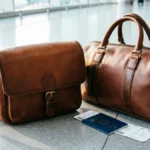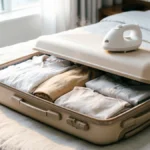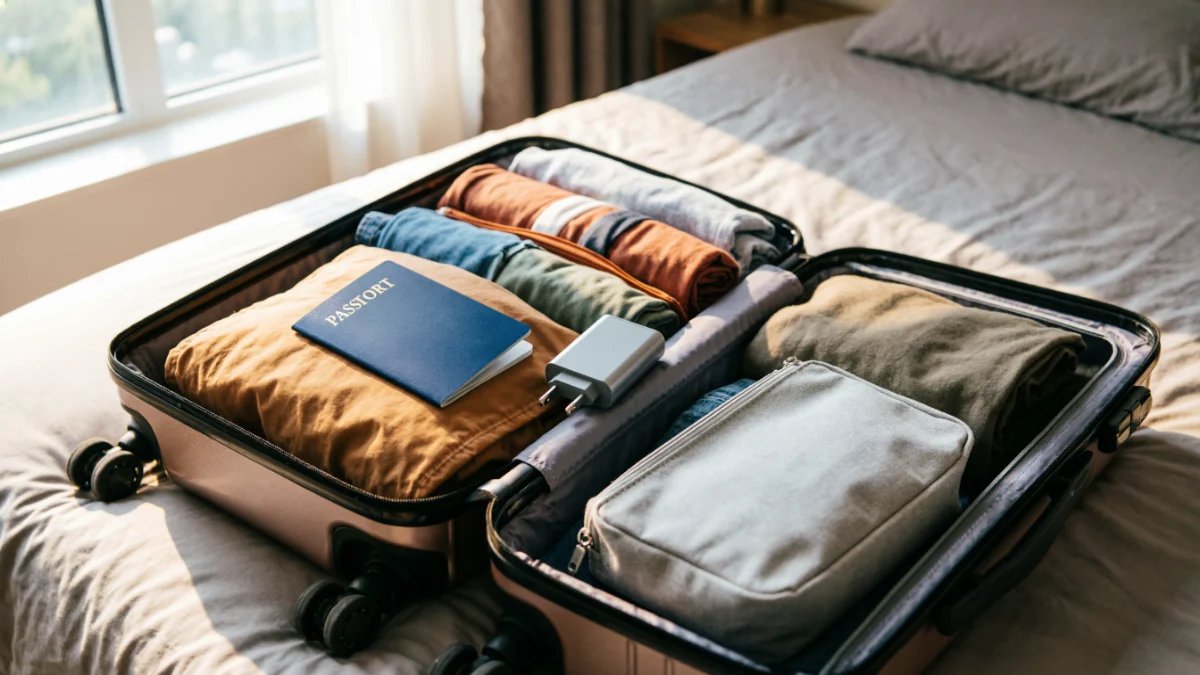
Featured Snippet: The best packing tips for international travel include choosing a carry on friendly bag, packing versatile layers, using packing cubes, carrying photocopies of your passport, following TSA’s 3 1 1 liquids rule, and leaving 20% extra space for souvenirs and layovers.
Standing in front of an open suitcase at midnight, wondering If to bring one more pair of shoes or an extra adapter, is a stress every international traveler knows too well. Packing tips for international travel matter because one missed document, one overweight bag, or one forgotten converter can turn an exciting trip into a frustrating scramble at the airport.
This guide walks through exactly what to pack, how to pack it, and which mistakes to avoid before flying abroad. It draws on practical, field tested strategies used by frequent flyers, along with guidance from the Transportation Security Administration (TSA) and the U.S. Department of State, so travelers can board with confidence and skip the last minute panic.
If it’s a first trip to Europe, a multi country backpacking route through Southeast Asia, or a business trip to Tokyo, the packing fundamentals stay the same. Get them right once, and every future trip becomes easier.
Quick Facts Table
A fast reference for what matters most before departure.
| Category | Key Guideline |
| Carry on liquids | Containers 3.4 oz (100ml) or less, one quart size bag per TSA |
| Passport validity | Many countries require 6 months’ validity beyond travel dates |
| Checked bag weight | Typically 50 lbs (23 kg) per airline standard, varies by carrier |
| Electrical adapters | Needed for most countries outside North America |
| Travel insurance | Recommended for medical coverage and trip interruption |
| Packing method | Rolling or cubes save 20 30% more space than folding |
Always verify current airline and country specific rules before departure, as policies change.
How to Choose the Right Luggage
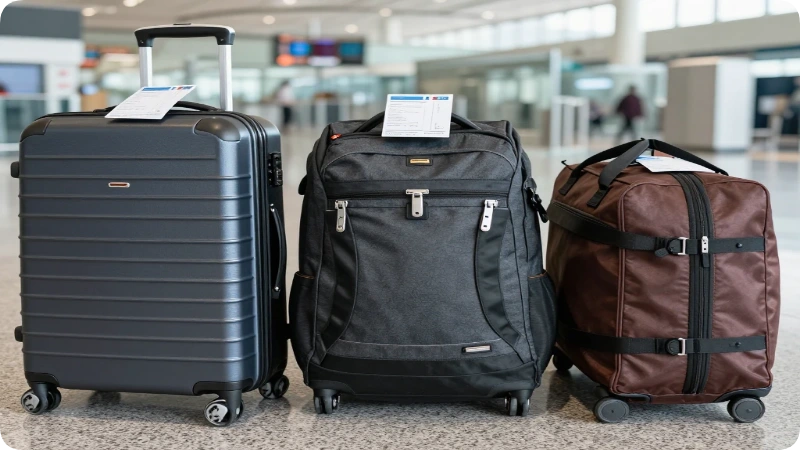
The right bag depends on trip length, destination terrain, and personal mobility needs. A hard shell carry on suits short city trips and protects fragile items, while a soft sided backpack works better for multi stop or rural itineraries.
Airlines vary in carry on size limits, so it’s worth checking the specific carrier’s dimensions before buying new luggage. A bag that fits U.S. domestic carriers may still be rejected by budget international airlines with stricter limits.
Key takeaway: Choose one main bag plus one personal item, and avoid checking bags when possible to reduce lost luggage risk and save time at arrival.
The Smart Packing List for International Trips
A reliable international packing list covers documents, clothing, electronics, toiletries, and health items, organized by priority so nothing essential gets left behind.
Documents and Money
- Passport (plus a photocopy stored separately)
- Visa or entry documents, if required
- Printed and digital copies of hotel and flight confirmations
- Two payment methods (a card plus backup cash in local currency)
- Driver’s license or International Driving Permit if renting a car
Clothing
- Versatile layers that mix and match across 5 7 outfits
- One dressier outfit for nice dinners or cultural sites requiring modest dress
- Comfortable walking shoes, broken in before the trip
- Weather specific items based on destination and season
Electronics
- Universal power adapter and a portable charger
- Phone with offline maps downloaded in advance
- Chargers consolidated in one pouch to avoid losing cables
Health and Toiletries
- Prescription medications in original labeled containers
- Travel size toiletries meeting the TSA’s 3 1 1 rule
- A basic first aid kit with pain relievers and motion sickness remedies
Key takeaway: Pack by category, not by outfit, to avoid overpacking and make customs or security checks faster.
TSA and Airport Security Rules for International Flights
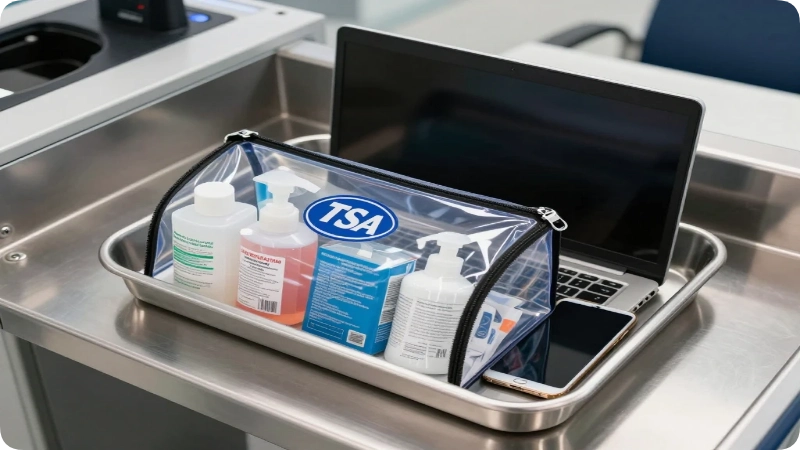
TSA rules for international departures from U.S. airports follow the same core liquid and carry on restrictions as domestic flights, with some additional screening for certain countries. Liquids, gels, and aerosols must be 3.4 ounces or less and fit in a single quart size bag.
Electronics larger than a cell phone, like laptops and tablets, typically need to be removed from carry on bags and placed in a separate bin during screening. Some international routes also require passengers to power on electronics to prove they function.
For the most current requirements by airport or destination, check the official TSA website before flying, since rules can shift based on security alerts.
Key takeaway: Arrive at least 3 hours early for international flights, since customs and secondary screening take longer than domestic security lines.
Passport, Visa, and Entry Document Checklist
Passport and visa requirements are the most commonly overlooked part of international trip prep, and errors here can prevent boarding entirely. Most countries require a passport valid for at least six months beyond the travel dates, a rule known as the six month validity rule.
Visa requirements vary widely: some countries offer visa free entry for U.S. citizens, others require an e visa applied for online, and some require an in person visa at a consulate weeks in advance. The U.S. Department of State’s travel website lists current requirements by country.
Key takeaway: Check passport expiration and visa needs at least 8 12 weeks before departure to allow time for renewals or approvals.
Packing Cubes vs. Rolling Clothes: Which Saves More Space
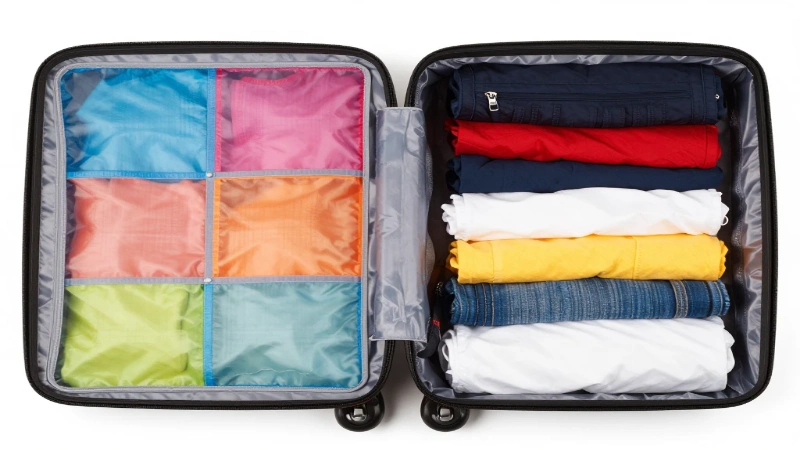
Packing cubes organize clothing into compressed, labeled sections, while rolling clothes reduces wrinkles and saves space without added gear. Both methods beat traditional folding for international trips where luggage space is limited.
Packing cubes work best for longer trips with multiple clothing categories, since they keep items separated and make unpacking at each hotel faster. Rolling suits shorter trips or minimalist packers who want to skip extra accessories.
Key takeaway: Combine both roll clothes, then place them inside packing cubes for maximum space savings on two week plus itineraries.
Electronics, Adapters, and Voltage: What Travelers Get Wrong
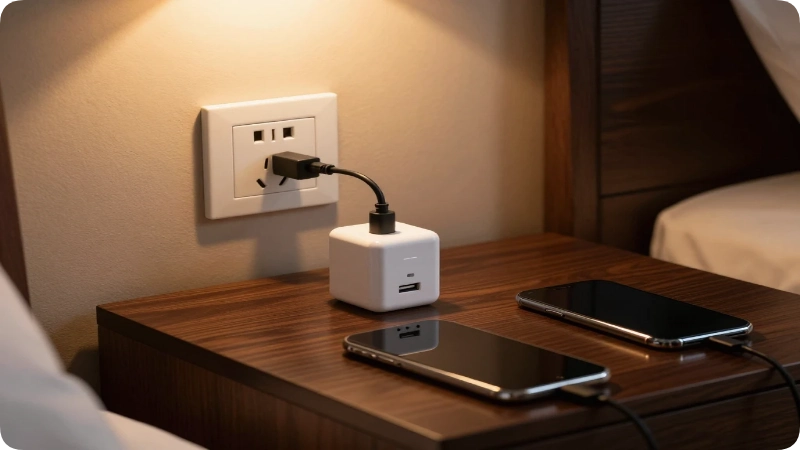
Most countries outside North America use different plug shapes and voltage levels, so a universal adapter alone isn’t always enough. Devices like hair dryers or straighteners may need a voltage converter, not just a plug adapter, or they can be damaged.
Laptops, phones, and most modern chargers are dual voltage and only need a plug shape adapter. Checking the label on each device for “Input: 100 240V” confirms If it’s safe to use abroad without a converter.
Key takeaway: Pack one universal adapter with USB ports to charge multiple devices at once and reduce the number of items needed.
Money and Payment Strategy Abroad
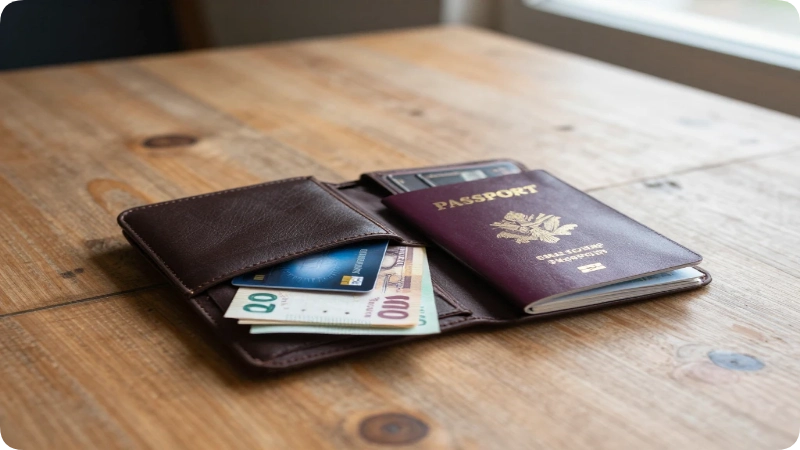
Carrying a mix of payment methods protects against card outages, ATM fees, and places that only accept cash. Notifying banks of travel dates in advance helps prevent cards from being frozen for suspicious activity.
Many international ATMs charge withdrawal fees, so researching fee free options, like certain travel focused checking accounts, can save money over a trip. Carrying a small amount of local currency for the first day covers taxis and tips before finding an ATM.
Key takeaway: Bring two different card networks (like Visa and Mastercard) since acceptance varies by country and merchant.
Health, Medication, and Travel Insurance Prep
Packing prescription medications in their original, labeled containers avoids problems at customs, since many countries restrict certain medications without documentation. A copy of the prescription or a doctor’s note helps if questioned.
Travel insurance covering medical emergencies is worth considering for international trips, since standard U.S. health insurance often doesn’t cover care abroad. The CDC also recommends checking destination specific vaccine or health advisories before departure.
Key takeaway: Research destination health requirements at least a month ahead, since some vaccines need time to take effect.
Common Packing Mistakes (and How to Fix Them)
Mistake 1: Overpacking “just in case” items. Fix: Plan outfits by day and stick to versatile pieces that mix and match, leaving room for souvenirs.
Mistake 2: Forgetting to check passport expiration. Fix: Set a calendar reminder to check passport validity three months before any international trip.
Mistake 3: Packing electronics without checking voltage. Fix: Check the voltage label on each device before assuming an adapter alone will work.
Underrated Packing Items Frequent Travelers Swear By
A few small items consistently make a bigger difference than expected. A portable luggage scale prevents surprise overweight fees at check in, since many international carriers enforce limits strictly.
A lightweight packable daypack works for day trips without checking a bag, and a doorstop or portable door lock adds peace of mind in unfamiliar accommodations. Reusable packing pouches for dirty laundry keep clean clothes separate throughout the trip.
Key takeaway: Small, low cost items like these often solve problems bigger gear can’t.
Packing Tips by Traveler Type
Solo Travelers
Solo travelers benefit from a single carry on bag for mobility and quick transitions between transport. Keeping a printed copy of the itinerary and emergency contacts separate from a phone protects against a dead battery in unfamiliar cities.
Family Travelers
Packing for kids means bringing entertainment, snacks, and a change of clothes in carry ons for flight delays. Distributing medications and essentials across multiple family bags prevents total loss if one bag goes missing.
Business Travelers
Business travelers should pack a wrinkle resistant blazer, a compact steamer, and a dedicated cable organizer to stay presentable and connected between meetings.
Sample International Packing Checklist (Printable Format)
- Passport + photocopy
- Visa documents (if required)
- Flight and hotel confirmations
- 2 payment cards + local currency
- 5 7 versatile clothing items
- Comfortable walking shoes
- Universal adapter + portable charger
- Toiletries (3 1 1 compliant)
- Medications in original containers
- Travel insurance documents
- Packing cubes or compression bags
- Luggage scale
FAQs
How many days before a trip should I start packing?
Start packing three to five days before departure. This allows time to check the weather forecast, do laundry if needed, and track down any missing items like adapters or medication refills without last minute stress.
What should I never pack in checked luggage?
Never pack medications, passports, valuables, or irreplaceable items in checked luggage. Keep these in a carry on, since checked bags can be delayed, lost, or misrouted, especially on international connections with tight layovers.
Do I need a visa for every international trip?
Not always. Many countries allow visa free entry for U.S. citizens for short stays, while others require an e visa or in person application. Check the U.S. Department of State website for country specific requirements before booking.
How much luggage weight is allowed for international flights?
Most airlines allow around 50 lbs (23 kg) per checked bag in economy class, though this varies by carrier and route. Overweight bags typically incur fees ranging from $50 to $200, so weighing luggage beforehand helps avoid surprises.
What’s the best way to pack liquids for international flights?
Pack liquids in containers of 3.4 ounces (100ml) or less inside one clear, quart size resealable bag per the TSA’s 3 1 1 rule. Larger liquids should go in checked luggage if allowed by the destination country’s regulations.
Should I bring a universal adapter or a voltage converter?
Bring a universal adapter for most modern electronics like phones and laptops, since they’re typically dual voltage. Only bring a voltage converter for high wattage items like hair tools, and check the device label to confirm before packing.
Is travel insurance necessary for international trips?
Travel insurance isn’t legally required but is strongly recommended, since most U.S. health insurance plans don’t cover care abroad. Policies covering medical emergencies, trip cancellation, and lost luggage offer valuable protection for a relatively low cost.
Conclusion
Smart international packing comes down to three things: the right documents secured early, a versatile and lightweight wardrobe, and a clear system for organising everything from adaptors to medications. Getting these right removes the guesswork that causes most pre trip stress.
A well packed bag means more time enjoying the destination and less time worrying about what got left behind. Before the next international trip, run through the checklist above, double check passport validity, and pack with intention rather than habit.
Every seasoned traveller was once over packing a suitcase at midnight the difference is a system that gets better with every trip taken.

Maya Lin inspires travelers to explore the globe with absolute confidence and independence. Armed with a background in digital media and a decade of independent solo travel experience, she knows exactly how to navigate unfamiliar cities smoothly and safely. For Travelmarse, Maya curates the solo travel and hidden-gem verticals. She reviews charming boutique hotels, designs smart neighborhood walking routes, and shares practical language-learning hacks, giving readers the exact tools they need to travel solo without the stress.