Last checked: October 2026. Border rules change often, so confirm details at CBP.gov, USCIS.gov, and travel.gc.ca before you go. This guide shares general information. It is not legal advice.
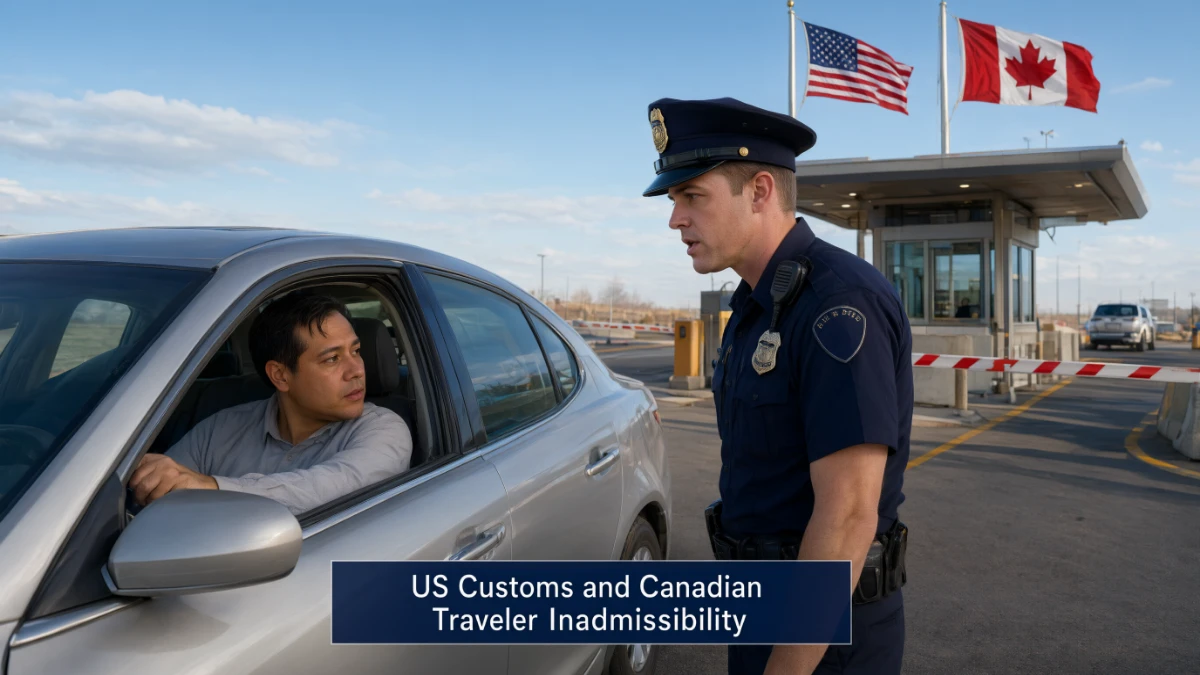
You packed the car. The playlist is ready. Then a border officer asks one hard question, and the trip stops. For some Canadians, that is exactly what happens. US customs and Canadian traveler inadmissibility are a real issue, even though most people cross without a problem.
Rules also shifted in 2025 and 2026. Photo checks, device searches, and a new registration rule changed how the border feels. Meanwhile, rumors spread fast online, so it is hard to know what is true.
This guide cuts through the noise. You will learn who can be turned away and why. You will see which documents to carry and what to declare. You will also learn how a waiver works if a record blocks your way. Finally, you will get clear answers to the questions Canadians ask most. Read it before your next trip, and you will cross with more confidence.
Featured Snippet:
Canadian travelers can be found inadmissible at US customs when a CBP officer decides they do not meet entry rules. Common reasons include a criminal record, past immigration problems, drug-related admissions, unclear travel plans, or missing documents. Most Canadians cross with no trouble, and many can fix inadmissibility with a Form I-192 waiver.
What Is Canadian Traveler Inadmissibility at US Customs?
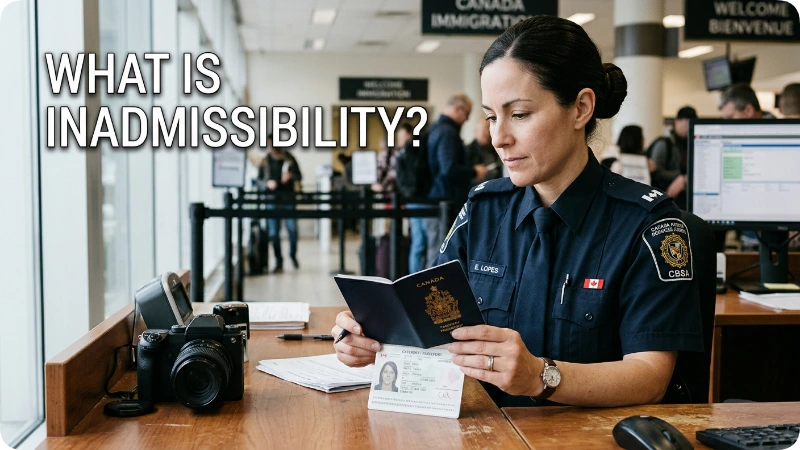
Inadmissibility means a U.S. Customs and Border Protection (CBP) officer finds that you do not meet the legal rules to enter the United States. Canadians do not need a visa, but they still must prove they qualify at the border. Each entry counts as a new request, and the officer makes the call.
So what blocks people? Law firms that handle these cases point to a few common causes:
- Criminal convictions, especially crimes of moral turpitude and drug offences
- Admitting to cannabis use, even where it is legal in Canada
- Past immigration violations, such as overstaying
- Misrepresentation, which includes forgetting to mention a record
- Certain health concerns
A single DUI does not always make someone inadmissible. However, every case differs, so ask an immigration lawyer if you have any record.
Quick Facts: Canadians Entering the U.S. in 2026
Most Canadian citizens enter the United States without a visa, but several rules still apply. This table shows the key points in one place. Use it as a fast checklist, then read the sections below for details. Remember to verify every item on official government sites.
| Topic | Quick Answer |
| Visa for Canadian citizens | Usually not needed |
| ESTA | Not needed for Canadian citizens |
| Typical visitor stay | Up to 6 months, at the officer’s choice |
| Registration | Needed for 30+ days if you enter by land |
| Cash declaration | Over US$10,000 total |
| Waiver form | Form I-192 |
| Photos | Possible at entry and exit |
| $250 visa fee | Not for visa-exempt citizens |
New Rules for Entering U.S. From Canada
Five changes matter most right now. They are the 30-day registration rule, face photos at entry and exit, device searches, stricter checks on records, and a $250 visa fee that mostly does not apply to Canadian citizens. Most took effect in 2025, so they now feel normal at the border.
Here is the short version:
- Register if you stay 30 days or more and enter by land.
- Expect a photo. DHS expanded face photo collection for non-citizens on December 26, 2025.
- Expect device checks. CBP may inspect phones and laptops.
- Be honest about your record. Misrepresenting it can cause bigger problems.
- Skip the fee worry. The $250 fee targets visa applicants.
Are You Entering the U.S. From Canada? Start Here
If you plan to enter the United States from Canada, start with three checks. First, confirm your ID is valid. Second, think about your trip length. Third, review your personal history for anything that could raise questions. Doing these three things takes ten minutes and prevents most border surprises.
Next, pack smart. Keep documents within easy reach, not buried in a suitcase. Know your hotel, your plans, and how long you will stay. Also remember that officers ask simple questions. Short, true answers work best.
What Are the New Rules for Canadians Entering the USA?
The new rules depend on who you are. Canadian citizens face the 30-day registration rule, photo checks, and device screening. Canadian permanent residents and workers who need visas may also pay the $250 visa fee. Rules differ again for fiancés and investors, so check your own category.
Canadian citizens enter as visitors in most cases. In contrast, people from other countries who live in Canada often need a visa. They should not assume that Canadian rules apply to them. When in doubt, check travel.state.gov for your exact status.
What Are the New Rules for Canadians Entering the U.S. in 2026?
Most of the so-called 2026 rules began in 2025. The registration rule started on April 11, 2025. The face photo rule took effect on December 26, 2025. In 2026, officers apply these steps more often, so travelers notice them more. Watch official sites for fresh changes.
Some websites call these changes brand new. That is not quite right. Instead, think of 2026 as the year the rules became routine. Also, a law firm note from January 2026 says CBP no longer stamps most passports with an admission date. Therefore, download your I-94 record after each entry.
Entering U.S. From Canada by Car: Documents You Need
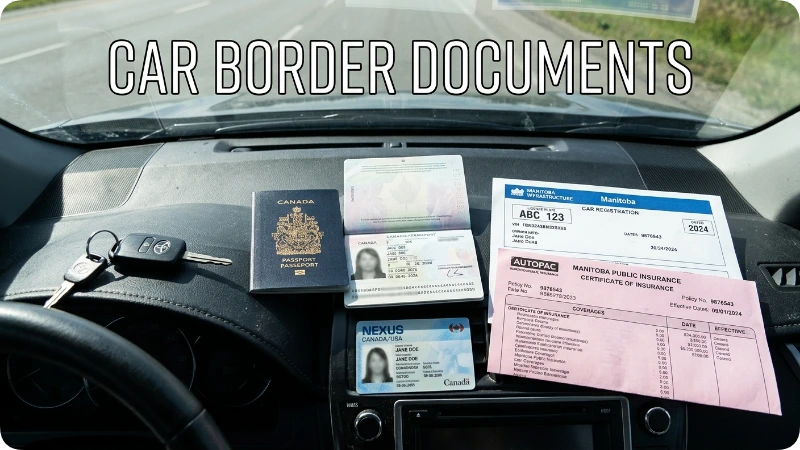
For a car trip, bring a valid passport. A passport card, NEXUS card, or enhanced driver’s licence can also work at land crossings. Keep your vehicle registration and insurance handy too. Officers may ask for them, along with questions about your trip.
Use this quick list:
- Passport or approved land-border ID
- Vehicle registration and proof of insurance
- Proof of status if you are a permanent resident of Canada
- A signed note from the other parent if you travel with a child alone
- Pet vaccination papers if your pet comes along
The child note is a smart habit, not a firm rule for every crossing. Still, it can save a long delay.
Entering U.S. From Canada by Land
At a land crossing, you stop at the port of entry and speak with a CBP officer. You show your ID, answer questions, and declare your items. Land travelers who plan to stay 30 days or more must also handle registration, which air travelers usually get through their I-94.
Border wait times vary a lot. Weekday mornings and midday often move faster than Friday afternoons or holiday weekends. Also, a NEXUS card can speed things up if you cross often. Check CBP’s border wait time page before you leave.
Can a Canadian Citizen Enter the USA Without a Visa?
Yes. Most Canadian citizens can enter the USA without a visa for short visits like tourism, family trips, or business meetings. You still need proper ID, and you still must pass inspection. A visa is required for some purposes, such as work, study, or treaty investor status.
Canadians do not need ESTA either. That form is for travelers from visa waiver countries, not Canada. If you plan to work or study in the United States, apply for the right visa first. Never try to work while entering as a visitor.
How Long Can Canadians Stay in the USA?
Canadian visitors are commonly admitted for up to six months. However, the CBP officer decides the exact time and can give less. Your stay should match the plans you describe at the border. Never assume you will get the full six months.
Staying 30 days or more adds a registration step if you enter by land. Snowbirds should plan for this. Also, CBP generally does not admit people past their passport’s expiry date. As a result, check your passport dates before a long winter trip.
Do You Have to Go Through Customs When Going From Canada to the US?
Yes. Every traveler must stop at a U.S. port of entry, show ID, and answer an officer’s questions. This is true by car, bus, train, or plane. Some Canadian airports offer U.S. preclearance, which lets you finish customs before your flight.
Preclearance is a real time-saver. You clear U.S. customs in Canada, then land in the U.S. like a domestic passenger. Check your airline or airport page to see if your departure airport offers it.
What Needs to Be Declared at US Customs From Canada?
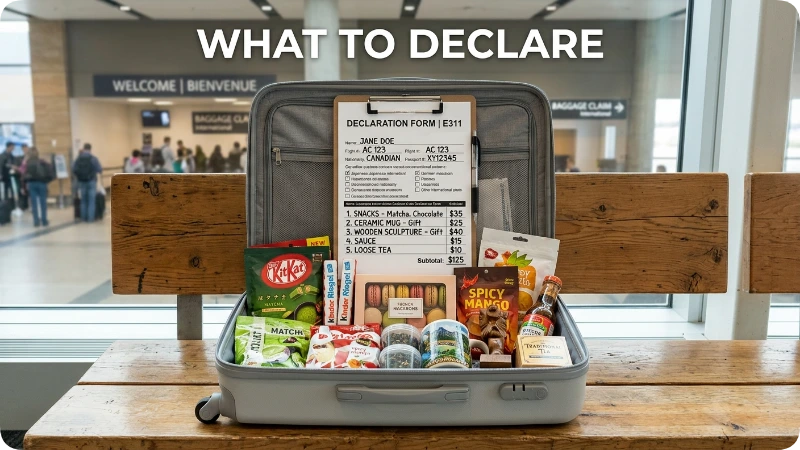
Declare everything you bring from abroad. That includes gifts, food, plants, alcohol, and anything you bought on your trip. You must also declare cash or monetary instruments worth more than US$10,000. When you feel unsure, declare the item and let the officer decide.
CBP uses a customs form, called CBP Form 6059B. It also explains that failing to declare can lead to penalties and seizure. Food and farm items cause many problems. CBP says agricultural items must be declared, and fines for non-commercial amounts can reach $1,000 for a first offence.
What Can You Not Take Into the US From Canada?
Some items are banned, and others need permits. CBP generally bans illegal drugs, obscene items, and toxic substances. Many fruits, meats, plants, and animal products are restricted. Cannabis stays illegal under U.S. federal law, even if you bought it legally in Canada.
Leave these at home:
- Cannabis and most cannabis products, including CBD with THC
- Fresh fruit, meat, and plants unless allowed
- Unlicensed firearms and ammunition
- Counterfeit goods
Carrying cannabis can lead to seizure, fines, arrest, and a finding of inadmissibility. It is simply not worth the risk.
Is It Illegal to Have Over $10,000 in Cash in Canada?
No. Owning or carrying more than $10,000 in cash is legal. However, you must report it when you cross a border. Leaving Canada with more than CAD 10,000requiresadeclarationtoCBSA.Entering the U.S. with more than US$ 10,000 requires a declaration to CBP.
The limit counts all money together, including family members traveling as a group. Cash, traveler’s cheques, and similar items all count. For the U.S., you may need FinCEN Form 105. Failing to report can lead to seizure of the money or even criminal charges.
Can Canadians Be Denied Entry Into the US?

Yes. U.S. officers can refuse entry to any non-citizen who does not meet the rules, including Canadians. Each entry is a new inspection. Typical reasons include a criminal record, immigration violations, false answers, missing documents, or plans that do not match the type of entry.
If an officer refuses you, stay calm and polite. Ask what the issue is. In some cases, CBP may allow you to withdraw your application and return to Canada. That option can protect you from a formal removal record. Talk to an immigration lawyer before you try again.
Are Canadians Being Detained at the US Borders?
A small number of reports of detention and long questioning have drawn headlines since 2025. Still, most Canadians cross without trouble. In June 2025, the U.S. ambassador said device searches and detentions of Canadians were not a pattern. Public opinion in Canada has stayed cautious, though.
To lower your risk, follow the rules. Carry proper ID. Answer questions honestly. Do not bring items you cannot explain. Also, know that CBP may inspect phones and laptops. If you worry, consider what is stored on your devices before you travel.
US Waiver Application From Canada
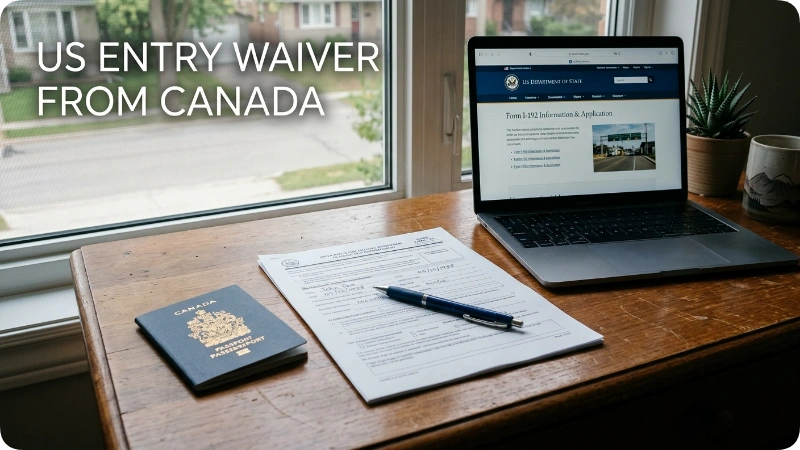
If you are inadmissible, a Form I-192 waiver may let you visit the U.S. for a set time. Canadians file it with CBP, often online through the e-SAFE system. The waiver is discretionary, so approval is not guaranteed. Apply early, because processing can take months.
You will usually need an RCMP fingerprint record and court documents. Officers weigh how serious your past offence was, how long ago it happened, and why you want to enter. One law firm lists waiver validity from six months to five years. Fees have changed over the years, so check the current amount on the official site.
Do Canadians Have to Pay $250 to Enter the US?
No, not Canadian citizens who travel as visitors without a visa. The $250 Visa Integrity Fee applies when a non-immigrant visa is issued. Because most Canadian citizens do not need a visa, they do not pay it. Some Canadian residents who are not citizens may pay.
The fee can affect permanent residents of Canada who need a visa, treaty investors, and fiancés of U.S. citizens. Its start date and rules have changed during rollout. So check travel.state.gov for current details.
Do I Have to Pay $250 to Enter the USA?
You pay the $250 fee only if the U.S. issues you a non-immigrant visa. Visitors from visa-exempt countries and visa waiver countries generally do not pay it. It is charged at visa issuance, not at the border crossing itself. You may get it back later if you follow visa rules.
The law also says the amount can rise with inflation. If you hold a visa issued before the fee began, you likely do not pay again. Always confirm your situation with the U.S. State Department.
Travel Advisory to USA From Canada
The Government of Canada posts travel advice for the United States on travel.gc.ca. It covers entry rules, safety, health, and local laws. Reports in 2025 said Canada updated its advice to remind travelers that U.S. officers can search electronic devices. Read the page before each trip.
Canada’s advice often tells travelers to carry proof of status and to follow all entry rules. It also reminds people that foreign laws apply on foreign soil. For extra safety, buy travel insurance with medical cover, since U.S. health care costs can be very high.
US to Canada Travel Requirements
U.S. citizens generally need a valid passport or another approved travel document to enter Canada. They usually do not need a visa for short visits. Canadian officers can still ask about your plans. Check Canada.ca or the CBSA site for the latest rules before travel.
Also declare goods when you enter Canada, and report cash over CAD $10,000. Some items, like firearms, face strict rules. If you have a record such as a DUI, Canada may treat it more strictly than the U.S. does, so look into that before you drive north.
Canada Travel Restrictions Update
Canada does not currently use broad travel bans for most visitors, but entry rules still apply. Officers check ID, purpose of visit, and criminal history. Because policies change, check Canada.ca or CBSA before you travel. Do not rely on old news or social media posts for details.
Travel pandemic rules like ArriveCAN checks are no longer the main focus. Still, officers can ask health questions. Plan for normal border steps, and keep your documents ready.
What Is the Lonely Canadian Rule?
There is no official border law called the “lonely Canadian rule.” We found no CBP, USCIS, or Canadian government source using that name. It may be online slang or a joke. Do not make travel choices based on it. Rely on official rules instead.
If someone told you about it, ask where they heard it. Then check CBP.gov and travel.gc.ca. Real rules appear on government pages with clear dates and forms. If a rule has no official source, treat it as a rumor.
Is There a Decline in Canadian Tourists Visiting US Border States?
Yes, Canadian travel to the U.S. has dropped sharply. Statistics Canada says return trips from the U.S. fell for 15 straight months through March 2026. Many Canadians cited tariffs and political tension. Border states that rely on same-day shoppers and weekend visitors likely feel the pinch most.
In January 2026, Canadian return trips from the U.S. were down 22 percent from a year earlier. Car trips fell 26.3 percent. Meanwhile, Canadian trips overseas rose 10.6 percent. Many U.S. hotels, shops, and attractions near the border have noticed fewer Canadian guests.
How Much Will Canadian Travel to the US Decline in 2026?
No official forecast exists that we could verify. The data so far shows double-digit drops for many months. January fell 22 percent, February fell 12.5 percent, and March marked a 15th monthly decline. March 2026 trips were 28 percent below March 2024.
The latest figures we found run through March 2026. Check Statistics Canada for newer months. Also note that the decline may shrink over time, as the February drop was smaller than January’s. Watch for updates rather than trusting one number.
Can You Freely Cross the US-Canada Border?
No. You cannot cross freely, even though the border is long and friendly. Every traveler must use an official port of entry, show ID, and pass inspection. Crossing anywhere else is illegal. Officers can refuse entry, search bags, and check devices.
The border is about 5,525 miles long, one of the longest in the world. Still, it is not open like a state line. If you live near the border, use the right crossing, carry the right ID, and expect questions.
What Canadian City Is Closest to the US Border?
Windsor, Ontario, is among the closest big cities. It sits just across the Detroit River from Detroit, Michigan, and the two are linked by the Ambassador Bridge and the Detroit-Windsor Tunnel. Other close cities include Niagara Falls, Sarnia, and Sault Ste. Marie.
Many other Canadian cities sit within an hour or two of the line, including Vancouver and Buffalo-area crossings. Border towns on both sides share jobs, shopping, and family ties, which is why border rules matter so much to daily life.
Where Do 90% of Canadians Live?
About 90 percent of Canadians are commonly said to live within roughly 100 miles (160 km) of the U.S. border. That is a widely cited figure, not one we verified here. Most big cities, like Toronto, Vancouver, and Montreal, sit in the south.
This helps explain why so many people cross the border for daily shopping, work, and weekend trips. It also shows why even small border rule changes touch millions of lives.
Common Mistakes Canadians Make at the Border
Three mistakes cause most delays. Travelers forget to declare food or cash, they hide an old record, or they show up without the right ID. Each one is easy to avoid with a little planning.
- Mistake 1: Skipping a declaration. Fix: Declare food, gifts, and cash over US$10,000.
- Mistake 2: Hiding or forgetting a record. Fix: Check your record first, and get a waiver if needed.
- Mistake 3: Vague answers. Fix: Know your plans, address, and return date.
Smart Alternatives and Time-Saving Tips
Three underrated options can make crossing easier. A NEXUS card speeds up regular trips. U.S. preclearance at some Canadian airports saves time on arrival. A waiver, filed early, can remove years of worry. Each has trade-offs, so pick what suits your travel habits.
- Cross at off-peak times. Weekday mornings are often calmer.
- Buy travel insurance. It covers U.S. medical costs that could ruin a budget.
- Book flexible hotels. If you are refused entry, you avoid paying for unused nights.
- Be honest about drawbacks. Waivers cost money and take time, and a NEXUS card needs an application.
FAQs
Can I be denied entry for something I did years ago?
Yes. An old conviction can still make you inadmissible if it falls under U.S. rules. Time passing does not always erase it. Check your record, ask a lawyer, and consider a Form I-192 waiver before you travel.
Does a DUI stop me from entering the U.S.?
Not always. A single DUI often does not make someone inadmissible by itself. However, extra charges, multiple offences, or related issues can change that. Because outcomes depend on details, get legal advice before you cross.
Can I enter the U.S. if I admitted smoking cannabis?
It can be risky. A cannabis admission to a CBP officer can lead to inadmissibility, even where cannabis is legal in Canada. Never bring cannabis across the border. If you are already flagged, ask an immigration lawyer about a waiver.
Do I need travel insurance for the U.S.?
It is not required for entry, but it is wise. U.S. medical bills can be very high, and provincial plans may cover little. Compare policies for emergency care, trip delays, and cancellation, and read the fine print.
What should I do if CBP asks to search my phone?
Stay calm and polite. CBP can inspect devices at the border, and refusing may lead to delays, device holds, or denied entry for non-citizens. Before travel, remove what you do not need, back up your data, and consider legal advice.
Conclusion
Three points matter most. First, most Canadian citizens need no visa but must still prove they qualify at the border. Second, honesty, proper documents, and clear plans prevent most trouble. Third, if a record blocks you, a Form I-192 waiver may open the door.
Plan, check official sources, and pack calm confidence along with your passport. Ready to go? Review your documents, check your record, and look at CBP and Canada’s travel pages one more time. Then hit the road with peace of mind.

Stephen Fry brings an insatiable curiosity for history, language, and global heritage to the Travelmarse team. Having spent decades traveling the globe to study regional storytelling and ancient civilizations, he excels at uncovering the hidden narratives of modern destinations. Stephen anchors the cultural vertical on Travelmarse, where he writes deep-dive guides on architectural history, museum crawl strategies, and local customs. His vivid, engaging writing helps travelers look past the surface and truly understand the heritage of the places they visit.