Your feet hurt, your shoulders burn, and your bag still lacks the one thing you need. A bad day pack can ruin a good trip fast. The right one disappears on your back and keeps your phone, water, and passport close.
This guide explains day packs for travel in plain words. You will learn sizes, brands, packing lists, and common mistakes. You will also find tips for buyers in Pakistan. Prices and airline rules change often, so always verify them on official sites before you buy or fly.
Quick Answer:
The best day pack for travel holds 18 to 28 liters, weighs under two pounds, and has padded straps, a hip or chest strap, a water bottle pocket, and a zipper you can lock. Choose it for comfort first. Then check airline size rules before you fly.
Travel Backpack Pakistan
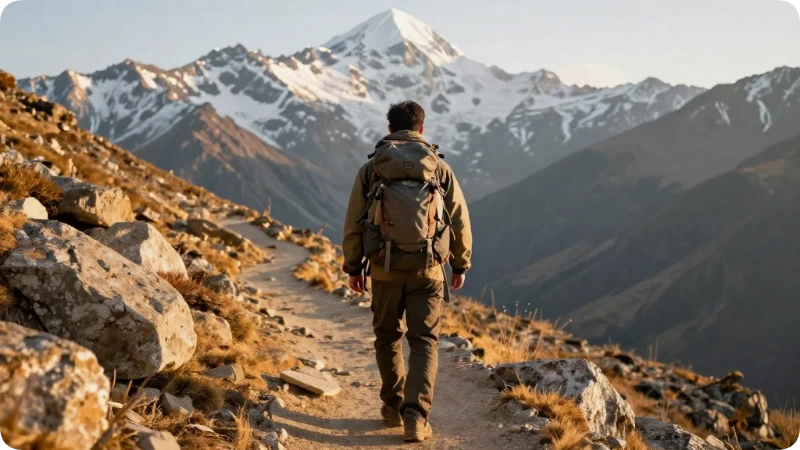
A travel backpack in Pakistan should handle dust, heat, rain, and crowds. Look for water-resistant fabric, strong zippers, and padded straps. Many travelers heading to Hunza, Skardu, or Murree choose 20 to 30 liters. Shop at local markets or online stores, and compare reviews first.
Traveling Shoulder Bags in Pakistan with Price
Shoulder bags are easy to grab, but they strain one side of your body. Prices in Pakistan range widely by brand, material, and city. Exact numbers change often, so check current listings on stores like Daraz or at local bazaars. Compare at least three sellers before you pay.
Hand Carry Bags for Travel
A hand carry bag is the small bag you keep with you on a plane, train, or bus. Many U.S. airlines allow one carry-on plus one personal item, such as a small backpack. Sizes differ by airline, so check your carrier’s page before packing.
Travel Bags for Men’s in Pakistan
Men’s travel bags in Pakistan come as backpacks, duffels, and crossbody bags. For trips with walking, a backpack spreads weight best. For short city trips, a crossbody works well. Pick neutral colors, sturdy stitching, and a bag that closes tightly.
Tourist Bag
A tourist bag is a small, secure bag for sightseeing days. It should carry water, a phone, a wallet, and a light layer. Anti-theft zippers and a front-facing design help in crowded places like Times Square or a busy bazaar.
What Is the Best Travel Day Pack?
The best travel day pack fits your trip style. Popular picks include the Osprey Daylite, Osprey Talon 22, and Patagonia Black Hole. City travelers may like a sleek, lockable pack. Hikers need a hip belt and mesh back panel for airflow.
What Do I Need to Pack for a Day Trip?
For a day trip, pack water, snacks, a phone and charger, ID, cash, and a card. Add sunscreen, a rain layer, and a small first aid kit. Check the weather the night before. Then adjust your layers.
What Is a Good Day Backpack for Travel?
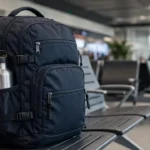
A good day backpack is light, padded, and organized. It should have a front pocket for quick items and a hidden pocket for valuables. Look for a bag that fits under an airplane seat. Test it with weight in the store.
What Is a Day Pack for Travel?
A day pack is a small backpack for short outings. It usually holds 15 to 30 liters. Travelers use it for sightseeing, hikes, and flights as a personal item. It carries daily gear while your larger bag stays at your hotel.
What Are the Top 5 Travel Backpacks?
Five well-known day packs are the Osprey Daylite Plus, Osprey Talon 22, Patagonia Black Hole 25L, Deuter Speed Lite, and Peak Design Everyday Backpack. Each suits different needs, so read current reviews. Models and prices change often.
What Is the Difference Between a Backpack and a Daypack?
A daypack is a type of backpack, but smaller. Regular backpacks can hold 40 liters or more and suit multi-day trips. Daypacks stay under about 30 liters. They have fewer frames and lighter padding, which makes them easier to wear all day.
What Are 10 Items I Need for a Trip?
Ten core items are your ID or passport, phone and charger, wallet, medications, water bottle, snacks, a light jacket, sunscreen, a power bank, and a small first aid kit. Add trip-specific gear after that.
What Is the 5-4-3-2-1 Rule for Packing?
The 5-4-3-2-1 rule is a simple packing formula. One common version says to pack five tops, four bottoms, three pairs of shoes, two accessories, and one special outfit. Versions vary, so adjust it to your trip length and weather.
What Is the Most Forgotten Item When Packing for Vacation?
Phone chargers top most lists of forgotten items. Toothbrushes, medications, and adapters follow close behind. Keep a checklist on your phone. Then pack your charger last, right next to your phone.
Where Can I Find Cheap Daypacks?
You can find affordable daypacks at outdoor retailers, big-box stores, thrift shops, and end-of-season sales. Online, compare sellers and read reviews. Outlet stores and last year’s models often cost less. Prices change, so verify before buying.
What Should I Carry in a Day Pack?

Carry what you need for about eight hours. Water, snacks, ID, phone, a power bank, a light layer, and sunscreen cover most days. Keep heavy items close to your back. Place quick-grab items in outer pockets.
Which Backpack Brand Is Best for Travel?
No single brand wins for everyone. Osprey is known for fit and warranty, Patagonia for durable fabrics, and Deuter for comfort. Peak Design suits camera users. Try packs on in person when possible, since fit matters more than logos.
What Is the Most Comfortable Daypack?
The most comfortable daypack fits your torso length and carries weight on your hips and shoulders. Look for padded straps, a breathable back panel, and a sternum strap. Fill it with about ten pounds in the store and walk around.
What to Pack for a 1 Day Trip?
For a one-day trip, pack light. Bring a phone, charger, wallet, water, a snack, and a weather layer. Add comfortable shoes and a small bag for trash. You do not need extra clothes unless you plan to swim or hike.
How to Best Pack for Travel?
Start with a list, then lay everything out. Cut one third of it. Pack heavy items near your back, use pouches to group small items, and keep documents on top. Leave about ten percent of space free for souvenirs.
Which Bag Brand Is Best for Traveling?
Brands that travelers often trust include Osprey, Patagonia, Deuter, Eagle Creek, and Tortuga. Choose by warranty, comfort, and weight. Read recent reviews because quality can change from year to year.
What Brand of Backpack Is Best?
The best backpack brand depends on how you use it. For hiking, Osprey and Deuter lead many lists. For school and city use, Herschel or Nike work well. Compare warranties, weight, and fit before you decide.
What Is the Most Popular Travel Bag?
Carry-on backpacks and rolling suitcases are the most popular travel bags in the U.S. For day use, small backpacks in the 20-liter range sell best. Popularity shifts yearly, so check current retailer rankings.
What Is the Ideal Size for a Daypack?
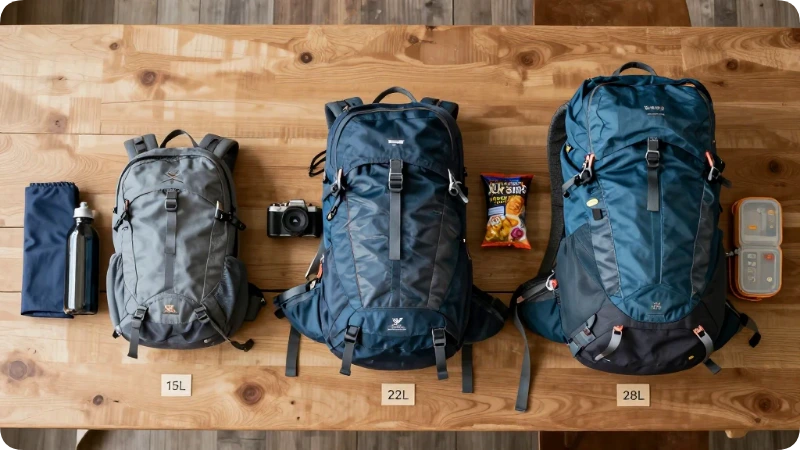
Most people do best with a 20 to 25 liter pack. That size holds water, layers, and a camera. The table below shows how size matches use. Remember to check your airline’s personal item limits.
| Size | Best for | Fits |
| 10–15 L | City walks | Phone, wallet, water |
| 18–25 L | Sightseeing, flights | Layers, snacks, tablet |
| 25–30 L | Hikes, full-day trips | Rain gear, lunch, extras |
Is a Backpack Better Than a Suitcase?
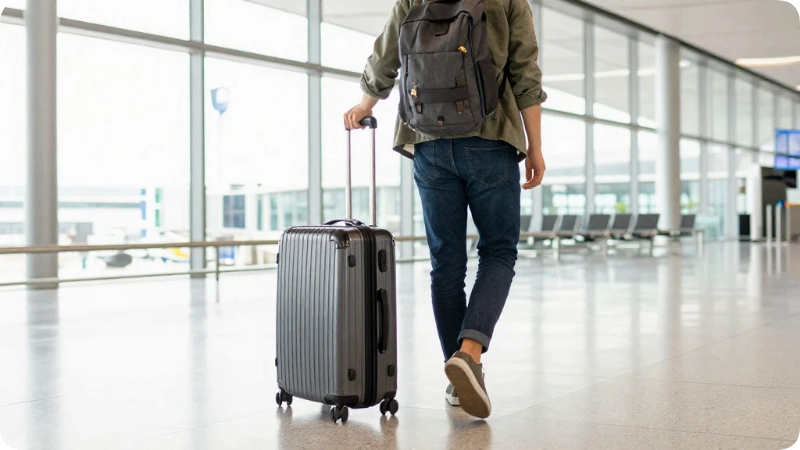
A backpack is better for stairs, cobblestones, and buses. A suitcase is better for smooth airports and bulky items. Many travelers bring both. They check a suitcase and carry a day pack for essentials.
What Is the Best Small Day Backpack for Travel?
For small loads, a 15 to 20 liter pack works best. The Osprey Daylite, Sea to Summit Ultra-Sil, and Osprey Ultralight Stuff Pack are common choices. Pick one that fits under the airplane seat in front of you.
What Are 10 Must-Have Travel Essentials?
Must-haves include your passport or ID, phone, charger, wallet, medicine, water bottle, travel insurance details, a power bank, a small first aid kit, and a lock. Keep copies of key documents in your email.
What to Pack for a 7 Day Trip?
For seven days, plan on five tops, three bottoms, seven sets of underwear, and two pairs of shoes. Add sleepwear, toiletries, and a rain layer. Plan one laundry stop. Your day pack carries documents, tech, and valuables.
What Should I Pack in My Overnight Bag?
Pack one outfit, sleepwear, underwear, a toothbrush, toiletries, a phone charger, and medications. Keep liquids in 3.4-ounce containers if you fly, per TSA rules. Add a light layer and comfortable shoes.
What Are the 5 Biggest Packing Mistakes to Avoid?
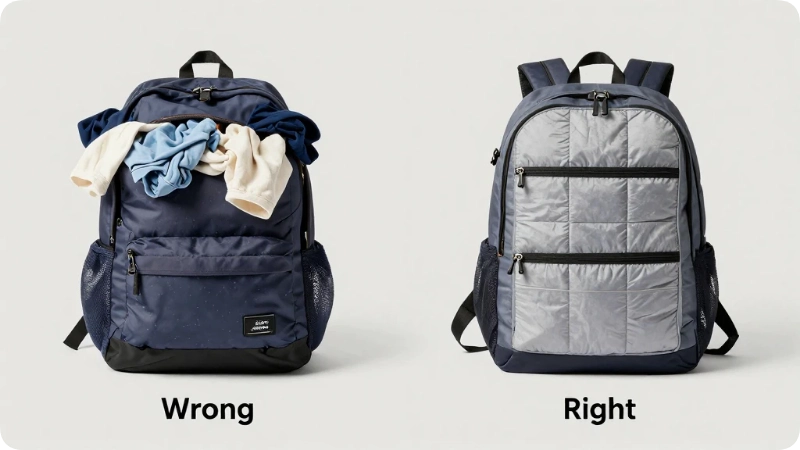
The biggest mistakes are overpacking, packing heavy shoes on top, forgetting chargers, ignoring weather, and skipping airline size rules. Fix them with a list, a scale, and a weather check. Weigh your bag before leaving home.
How to Plan Outfits for a Trip?
Pick one color palette so everything matches. Choose pieces that layer, such as a light jacket and two tops. Plan one outfit per day, then cut extras. Wear your bulkiest shoes and jacket on travel days.
Is It Better to Roll or Fold Clothes for Travel?
Rolling saves space for soft clothes like T-shirts and leggings. Folding keeps shirts and pants smoother. Many travelers use both. Packing cubes keep either method neat and make it easy to find items in a day pack.
What Are 6 Common Mistakes to Avoid When Traveling?
Common mistakes include booking too late, skipping insurance, carrying too much cash, overscheduling days, wearing new shoes, and ignoring entry rules. Fix them by planning early, reading policies, and leaving room for rest.
What Not to Bring When Traveling Internationally?
Skip expensive jewelry, large amounts of cash, and items that break local laws. Check the TSA and your destination’s customs rules for restricted goods. Avoid bringing fresh produce or unlabeled medicine. Verify details on official government pages.
What Are the 5 Most Important Things You Should Do Before Traveling?
- Check that your passport is valid.
- Review entry rules and health advice from the CDC and State Department.
- Buy travel insurance if it fits your trip.
- Notify your bank.
- Share your plans with someone you trust.
What Is the Best Packable Daypack for a Trip?
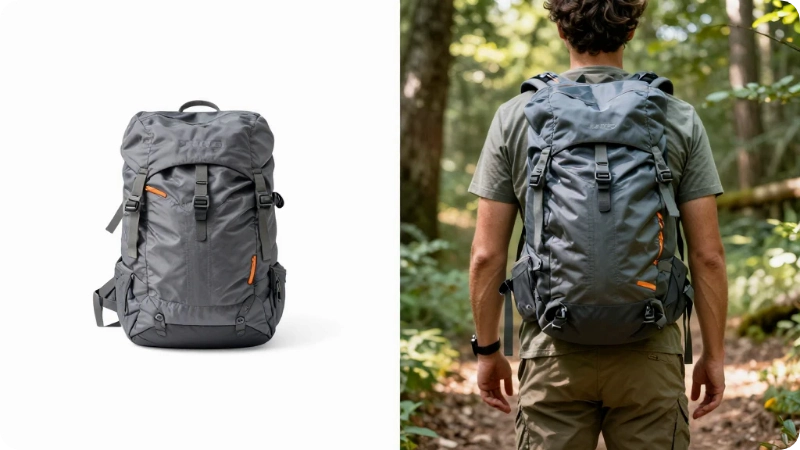
A packable daypack folds into its own pocket and weighs a few ounces. Sea to Summit Ultra-Sil and Osprey Ultralight Stuff Pack are well-known options. They work as backups for shopping or hikes, but offer less padding than regular packs.
What Is a Good Day Bag for Travelling?
A good day bag is light, secure, and easy to reach. Backpacks suit long walks. Crossbody bags suit short outings. Choose a bag with a hidden pocket for your passport and a front-facing zipper that a thief cannot easily open.
How Many Liters Is a Good Daypack?
A good daypack holds 20 to 25 liters for most trips. Go smaller for city strolls and larger for hikes. If you often overpack, choose a smaller bag. A limit helps you carry only what matters.
FAQs
Should a day pack have a hip belt?
A hip belt helps when you carry more than about ten pounds. It moves weight from your shoulders to your hips. For light city use, a chest strap is enough. Choose a belt if you plan long walks or hikes.
Can a day pack count as a personal item on a plane?
Often yes, if it fits under the seat. Each airline sets its own size limits, and budget carriers can be strict. Measure your bag and check your airline’s website before you fly.
How do I keep my day pack safe from pickpockets?
Wear it on your front in crowds. Use small locks on zippers and keep valuables in inner pockets. Choose a pack with slash-resistant fabric if you visit busy cities. Stay alert at train stations.
How should I clean a travel day pack?
Empty all pockets, then hand wash with mild soap and lukewarm water. Skip the washing machine, which can damage coatings. Air dry the pack in the shade. Check the care tag first.
How heavy should a day pack be when full?
Keep a full day pack under about 10 to 15 percent of your body weight. For most adults, that means ten to twenty pounds. A lighter load saves your back and keeps you moving all day.
Conclusion
Three ideas matter most. Pick a size between 18 and 28 liters. Choose comfort and security over style. Pack only what you need for one day.
The right day pack makes every trip easier, from a city weekend to a mountain road. Measure your bag, build a checklist, and test the fit before you go. Then start planning your next adventure, one light step at a time.

Ben Fogle believes that true adventure begins where the pavement ends. After spending years documenting extreme environments, rowing across oceans, and trekking through frozen landscapes, he mastered the art of wilderness travel. For Travelmarse, Ben constructs highly detailed guides on deep-nature packing lists, wildlife safety, and sustainable eco-tourism. He breaks down intimidating, rugged expeditions into clear, step-by-step roadmaps so everyday travelers can safely connect with the natural world.