Packing travel toiletries the right way saves time, money, and a whole lot of airport stress. This Travel Toiletry Guide: TSA Rules and Packing Tips starts with the basics: TSA-compliant liquids must be in containers of 3.4 ounces (100ml) or less and fit inside a single clear quart-sized bag.
The goal of any good Travel Toiletry Guide: TSA Rules and Packing Tips is simple: pack only what you actually use every day, avoid unnecessary extras, and move through airport security without delays.
Every traveler has experienced a packing mistake. Maybe a full-size shampoo was confiscated at a checkpoint, or you arrived at your destination only to discover you forgot deodorant. Following a reliable Travel Toiletry Guide: TSA Rules and Packing Tips helps prevent these common travel headaches before they happen.
A well-organized toiletry kit can make a surprising difference in your travel experience. One of the key lessons in this Travel Toiletry Guide: TSA Rules and Packing Tips is that proper planning helps you avoid expensive purchases at airport shops and hotel convenience stores.
Another important takeaway from this Travel Toiletry Guide: TSA Rules and Packing Tips is choosing leak-proof containers and packing them correctly. A single spill can ruin clothing, electronics, or important documents inside your luggage.
If you’re flying with only a carry-on, taking a weekend getaway, or preparing for an extended vacation, this Travel Toiletry Guide: TSA Rules and Packing Tips will help you stay organized, comply with airport regulations, and keep your essentials accessible throughout your journey.
By following the advice in this Travel Toiletry Guide: TSA Rules and Packing Tips, you’ll spend less time dealing with travel hassles and more time enjoying your trip.
What Are Travel Toiletries and Why Do They Matter?
Travel toiletries are the personal care and hygiene products you bring on a trip think shampoo, toothpaste, sunscreen, moisturizer, and deodorant. The right travel toiletry setup keeps you feeling clean and comfortable no matter where you go.
They matter more than most people think. The wrong setup too many bottles, wrong sizes, no leak protection leads to confiscated items at security, exploded products in your bag, and wasted money buying duplicates at your destination. Getting this right is a foundational part of smart travel packing.
Frequent travelers know that a well-organized toiletry system becomes automatic. You refill your kit after every trip, and packing takes ten minutes instead of an hour.
TSA Liquid Rules: What You Actually Need to Know
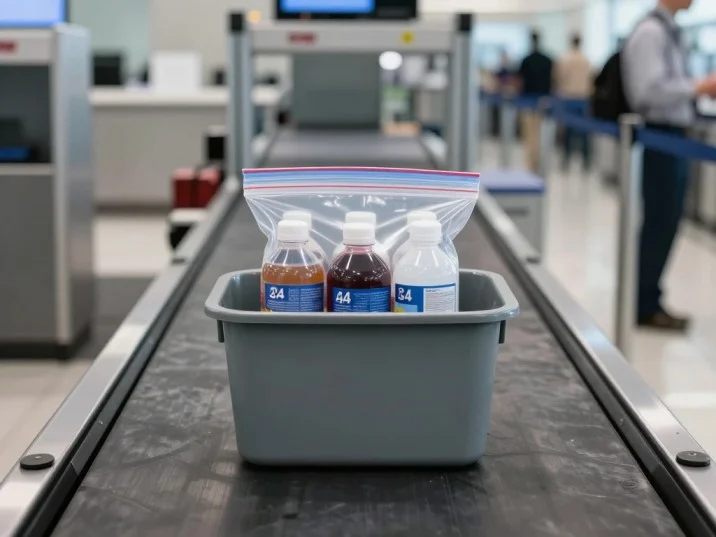
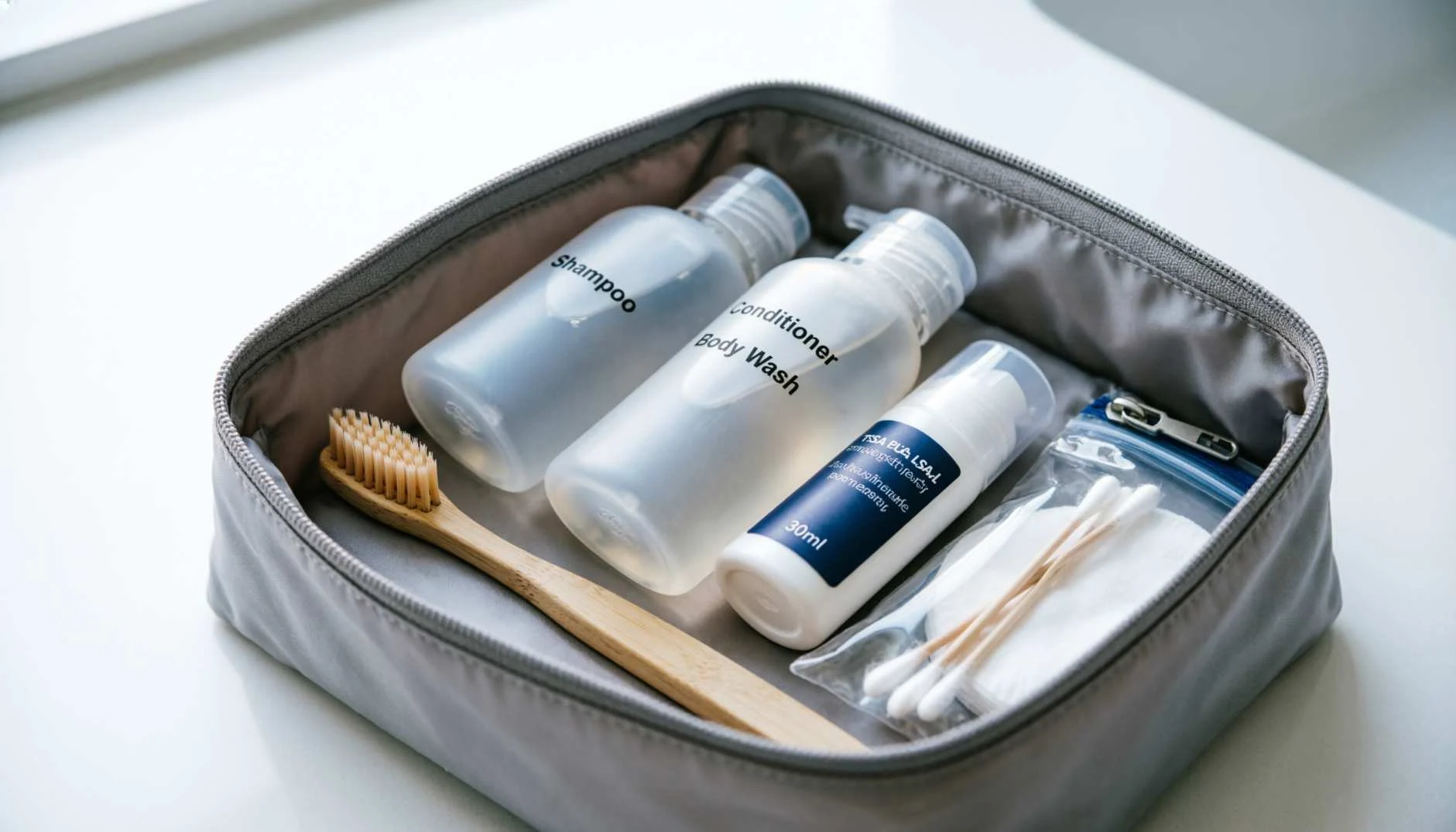
The TSA’s 3-1-1 rule is the single most important rule for carry-on toiletries. Each liquid, gel, cream, or paste must be in a container of 3.4 ounces (100ml) or smaller. All containers must fit in one clear, quart-sized zip-top bag. Each passenger gets one bag.
This rule applies to carry-on luggage only. Checked bags have no liquid size restrictions, though airlines may have weight limits. According to the TSA, the most commonly confiscated items at checkpoints include oversized shampoo, conditioner, and lotion bottles all preventable mistakes.
A few important clarifications that many travelers miss:
- The 3.4-ounce rule applies to the container size, not the amount of liquid inside. A 6-ounce bottle that’s half full still gets confiscated.
- Medications, including liquid prescriptions, are exempt but keep them in their original packaging and declare them separately.
- Baby formula, breast milk, and juice for infants are also exempt and can exceed 3.4 ounces.
- Duty-free liquids purchased after the security checkpoint are allowed, provided they stay sealed in the original tamper-evident bag.
Always verify current TSA rules at tsa.gov before you fly, since policies can change.
Building Your Travel Toiletry Bag: The Essential Checklist
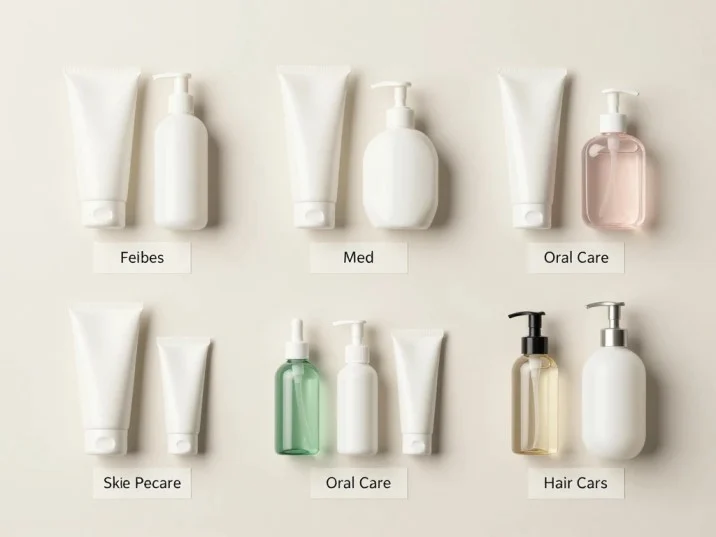
A solid travel toiletry kit covers five basic categories: skin care, hair care, oral care, hygiene, and health. Most travelers need far fewer products than they think.
Here’s a practical breakdown of what to include:
Skin Care
- Moisturizer (dual as face and hand cream saves space)
- Sunscreen SPF 30 or higher
- Lip balm with SPF
- Face wash or cleansing wipes
Hair Care
- Shampoo (or a 2-in-1 for shorter trips)
- Conditioner
- Styling product if needed (one small container)
Oral Care
- Toothbrush (travel-size or with a cover)
- Toothpaste (travel-size)
- Floss
- Mouthwash (optional for longer trips)
Hygiene
- Deodorant
- Razor (disposable or safety razor no blade covers required for most cartridge razors)
- Feminine hygiene products if applicable
- Cotton swabs in a small case
Health and First Aid
- Pain reliever (ibuprofen or acetaminophen)
- Antacid tablets
- Band-aids
- Any prescription medications
Experienced travelers often cut this list further for short trips. A three-day weekend trip doesn’t need a full hair care routine. Pack for your actual destination and duration, not for every scenario.
The Best Travel Toiletry Containers and Bags
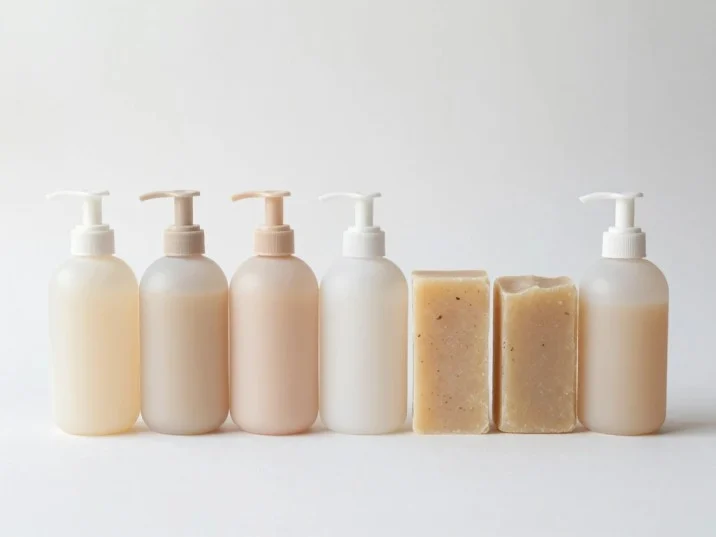
The right containers make the difference between a bag that works and one that leaks, spills, or fails at the worst moment. Not all travel bottles are created equal.
Silicone squeeze bottles are the gold standard for most liquids. They’re flexible, easy to fill, and don’t crack under pressure changes in a plane. Look for bottles with wide openings so you can actually fill them without a funnel.
Disc-cap containers are excellent for thicker products like conditioner or lotion. The disc-top design dispenses product slowly and reliably seals between uses.
Solid product alternatives are a game-changer for carry-on-only travelers. Solid shampoo bars, conditioner bars, solid sunscreen, and solid deodorant eliminate the liquid problem entirely. They last longer than bottled equivalents and take up a fraction of the space.
The toiletry bag itself matters too. Look for these features:
| Feature | Why It Matters |
| Hanging hook | Keeps bag off dirty counters in hotel bathrooms |
| Clear or mesh pockets | Easy to find products quickly |
| Waterproof interior | Protects contents if something leaks |
| Multiple compartments | Separates liquids from dry items |
| Compact size | Fits in your carry-on without bulk |
Popular choices include hanging toiletry bags from brands like Bagsmart, ZOMAKE, and Eagle Creek. Prices typically range from $15 to $45. Always confirm current prices and availability before purchasing, as these change frequently.
How to Pack Your Toiletry Bag to Avoid Leaks and Spills
Pressure changes during flights are the main culprit behind leaking bottles. Air expands as the plane climbs, which pushes liquid out of containers that aren’t fully sealed. A few simple steps prevent this.
First, don’t fill containers all the way. Leave a small air gap at the top. This gives the air inside room to expand without pushing product out.
Second, seal containers tightly, then place them in a zip-lock bag even inside your toiletry bag. This double-bag method catches any leaks before they reach your clothes.
Third, store your toiletry bag upright in your luggage whenever possible. Bottles packed sideways are more likely to leak around caps.
Fourth, check caps and lids before every trip. Caps that feel slightly loose at home will definitely leak at altitude.
Fifth, consider packing toiletries near the top of your carry-on or in an exterior pocket. This makes them easy to pull out at security without unpacking everything else.
Carry-On vs. Checked Bag: How to Decide What Goes Where
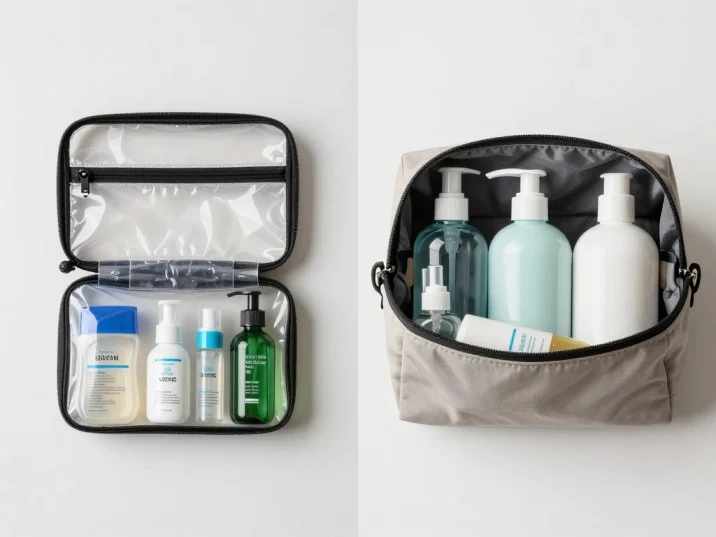
This decision shapes your entire packing strategy. Carry-on-only travel is faster, cheaper (no checked bag fees), and eliminates the risk of lost luggage. But it requires strict toiletry discipline.
Pack in your carry-on if:
- You’re traveling for three days or fewer
- You’re comfortable with solid product alternatives
- You only need a small number of liquid products
- Your destination has limited shopping options
Pack in a checked bag if:
- You’re traveling for more than a week
- You need full-size specialized products (prescription shampoos, specific medications, etc.)
- You have connecting flights and want simplicity at security
- You’re traveling with young children who need more gear
Many seasoned travelers use a hybrid approach: a small TSA-compliant toiletry bag in their carry-on for essentials, plus a larger bag in checked luggage for longer trips. This way, if your checked bag is delayed, you still have the basics.
Travel Toiletries for International Trips
International travel adds a few extra considerations beyond the standard TSA rules. Other countries have their own security regulations, and some differ from U.S. rules.
Most countries follow similar liquid restrictions to the TSA’s 3-1-1 rule, but specific requirements vary. The European Union, Canada, Australia, and the UK all have comparable liquid restrictions for carry-on bags. Always check the aviation authority rules for your destination before you fly.
Voltage and electrical considerations matter for grooming tools. The U.S. runs on 110-120V, while most of Europe, Asia, and elsewhere uses 220-240V. Hair dryers, electric shavers, and curling irons not labeled “dual voltage” will be damaged or destroyed by the wrong voltage. Most hotels provide hair dryers, which makes leaving yours at home a smart call.
Product availability varies widely by destination. Most personal care basics shampoo, toothpaste, deodorant, razors are available almost everywhere. However, specific brands, sunscreen SPF levels, or specialty products may be harder to find. If you rely on a particular product, bring enough for your trip.
Climate and destination type should shape your kit. A beach trip in Florida means more sunscreen and after-sun lotion. A winter ski trip means heavy moisturizer and lip balm. A city trip has different needs than a camping expedition.
Smart Money-Saving Tips for Travel Toiletries
Travel toiletries can get expensive fast if you’re not thoughtful about it. There are several ways to save without sacrificing the products you actually need.
Hotel toiletries are free and often quite good. Major hotel chains like Marriott, Hilton, and Hyatt stock name-brand or boutique products. For short trips, relying on hotel shampoo, conditioner, and body wash eliminates three liquid containers from your bag entirely.
Buying travel-size products at dollar stores or discount retailers like Target or Walmart costs a fraction of what airport shops charge. Stock up before you leave, not at the terminal.
Refillable silicone bottles pay for themselves after two or three trips compared to buying single-use travel sizes every time. A set of good silicone bottles costs around $10 to $20 and lasts for years.
Generic or store-brand versions of most toiletries work just as well as name brands for travel purposes. The difference between name-brand and store-brand shampoo matters a lot less when you’re only using it for five days.
Loyalty programs at major hotel chains often include complimentary toiletries upgrades. Marriott Bonvoy members, Hilton Honors members, and similar program participants sometimes receive better amenity kits. It’s worth knowing what your hotel provides before you over-pack.
The Most Commonly Forgotten Travel Toiletries
Even experienced travelers have a short list of things they consistently forget. Knowing what’s commonly missed helps you avoid the same mistakes.
Deodorant tops almost every “what I forgot” list. It’s used every day at home, which somehow makes it easy to overlook when packing. Put it in your toiletry bag first, not last.
Sunscreen gets forgotten more than you’d expect, especially on trips that aren’t primarily beach vacations. Sun exposure in high-altitude destinations like Colorado or Utah can surprise travelers who didn’t budget for it. Sunscreen purchased at tourist destinations can cost two to three times the normal price.
Nail clippers are allowed in carry-on bags, according to the TSA. Many travelers forget them entirely or leave them at home thinking they aren’t allowed. A small pair fits easily in any toiletry bag.
A small sewing kit sounds old-fashioned but prevents a real problem. A lost button or minor tear is a quick fix with a needle and thread. Many hotels provide these worth asking at check-in.
Antacid tablets are easy to skip until you’ve eaten something that doesn’t agree with you at 11pm in a city where nothing is open. They take up almost no space.
Contact lens solution is a pain to buy internationally and is almost always on travelers’ forget lists. If you wear contacts, this one goes on the list early.
Eco-Friendly Travel Toiletries: Better for the Planet, Better for Packing
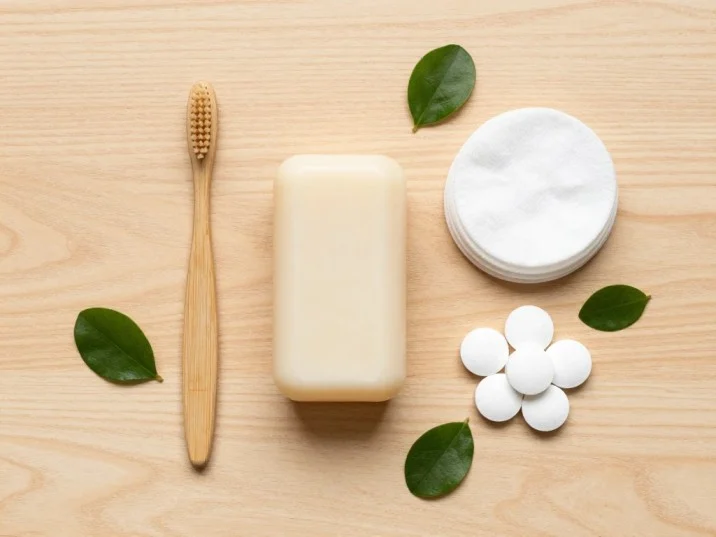
Sustainable travel toiletries have grown significantly better in recent years. They’re no longer a compromise many eco-friendly options actually outperform their conventional equivalents.
Solid shampoo and conditioner bars produce no plastic waste and last longer than liquid bottles. Brands like Ethique and Lush make bars that hold up well through multiple trips. A single shampoo bar often equals two to three bottles of liquid shampoo.
Bamboo toothbrushes are lightweight, biodegradable, and widely available. They work identically to plastic versions. Many sustainable travel brands now sell them in travel-size cases.
Reef-safe sunscreen matters more than ever for travelers heading to coastal destinations. Hawaii, Palau, and several other destinations have banned certain sunscreen chemicals (oxybenzone and octinoxate) that damage coral reefs. Checking the ingredient list before you travel protects both the environment and your ability to use your sunscreen where you’re going.
Concentrated toiletry tablets including shampoo, conditioner, and even toothpaste tablets dissolve in water and eliminate liquid restrictions entirely. They’re compact, lightweight, and produce minimal waste. The quality has improved dramatically in recent years.
Reusable cotton rounds replace disposable ones for makeup removal and skin care. They’re washable, last for years, and eliminate a consistent source of plastic waste.
Travel Toiletry Mistakes to Avoid
These are the mistakes that experienced travelers have learned from so you don’t have to.
Mistake 1: Packing full-size bottles for a carry-on. This is the number one confiscation cause at TSA checkpoints. The fix is straightforward: buy travel sizes or transfer products into 3.4-ounce containers before you pack.
Mistake 2: Waiting until the night before to check your kit. Toiletry bags run out of products, containers crack, and caps go missing. Checking your kit a week before travel gives you time to restock or replace anything.
Mistake 3: Packing too many “just in case” products. Most destinations have pharmacies and grocery stores. If you forget something non-critical, you can buy it there. Overpacking toiletries is one of the most common causes of an overweight carry-on.
A Quick Guide to TSA-Approved Items That Confuse Travelers
The TSA’s rules on specific toiletry items aren’t always intuitive. Here’s clarity on the commonly confusing ones.
| Item | Carry-On Allowed? | Notes |
| Razors (cartridge) | Yes | No restrictions |
| Razors (straight/safety) | Blade only, no | Razor handle allowed; blade must go in checked bag |
| Nail clippers | Yes | No size restriction |
| Tweezers | Yes | Allowed |
| Scissors | Yes (under 4″) | Blade must be under 4 inches |
| Electric razor | Yes | No restrictions |
| Perfume/cologne | Yes | Must follow 3-1-1 rule |
| Dry shampoo | Yes (aerosol) | Must follow 3.4oz rule |
| Hairspray | Yes (aerosol) | Must follow 3.4oz rule |
| Gel deodorant | Yes | Must follow 3.4oz rule |
| Stick deodorant | Yes | No size restriction |
Verify all TSA rules at tsa.gov, as policies are updated regularly.
How to Organize Your Toiletry Bag Like a Frequent Flyer
Organization is what separates the traveler who digs through their bag for five minutes at the hotel sink from the one who finds everything immediately.
Group items by category and keep them consistent. Skin care always goes in one pocket. Oral care always goes in another. This muscle memory means you never have to think about where something is.
Use small pouches within your toiletry bag to separate categories. A small mesh zipper bag keeps your TSA liquids together and makes security screening a one-handed operation.
Label your refillable bottles. Shampoo and conditioner look identical in clear silicone bottles at 6am. A small piece of medical tape with a handwritten label prevents the wrong product at the wrong moment.
Keep a running “toiletry list” note on your phone that lists everything in your standard kit. Before any trip, check it. After any trip, note what you used, what you didn’t, and what you wished you’d had. Over time, this list becomes the perfect personalized kit.
Sample Toiletry Packing Lists by Trip Type
Different trips call for different kits. Here’s how to adapt your packing.
Weekend Getaway (2–3 nights, carry-on only) Travel toothbrush and toothpaste, deodorant, face wash wipes, moisturizer, sunscreen, lip balm, razor, and any prescriptions. Skip shampoo and conditioner if the hotel provides them.
One-Week Beach Vacation Full toiletry kit plus extra sunscreen (SPF 50 minimum), after-sun lotion, insect repellent, reef-safe sunscreen, and waterproof mascara or makeup if applicable. Consider solid product alternatives to maximize liquid space.
International Trip (10+ days) Full kit with full-size products in checked luggage, plus a carry-on-compliant mini kit for essentials. Include any specialty products specific to your destination’s climate, as well as voltage-compatible grooming tools.
Camping or Outdoor Adventure Biodegradable soap (required near water sources in most U.S. National Parks), insect repellent, sunscreen, foot care products (blister prevention, moleskin), and a basic first aid kit. Minimize packaging solid bars are especially practical here.
FAQs
What is the TSA 3-1-1 rule for toiletries?
The TSA 3-1-1 rule requires all carry-on liquids, gels, creams, and pastes to be in containers of 3.4 ounces (100ml) or less. All containers must fit inside one clear, quart-sized zip-top bag, and each passenger is limited to one bag. This rule does not apply to checked luggage. Confirm the latest rules at tsa.gov before traveling.
Can I bring full-size toiletries in a checked bag?
Yes. TSA places no liquid size restrictions on checked luggage. However, airlines enforce weight limits on checked bags, typically 50 pounds for domestic U.S. flights. Pack full-size products in checked bags inside zip-lock bags to contain any leaks. Aerosol products in checked bags must have caps secured.
What toiletries can I buy at my destination to save space?
Shampoo, conditioner, body wash, toothpaste, disposable razors, and deodorant are available at pharmacies, grocery stores, and supermarkets in virtually every destination worldwide. Buying these basics at your destination rather than packing them saves significant space and weight in your carry-on.
Are solid toiletries better than liquids for travel?
For carry-on-only travelers, solid toiletries (shampoo bars, conditioner bars, solid sunscreen, toothpaste tablets) eliminate the 3-1-1 restriction entirely. They’re also more compact, last longer, and produce less waste. The quality of solid alternatives has improved significantly in recent years and rivals conventional liquid products for most travelers.
How do I prevent toiletry bottles from leaking on a plane?
Don’t fill containers completely leave a small air gap. Tighten all caps firmly, then place containers in a zip-lock bag as a secondary seal. Store your toiletry bag upright in your luggage when possible. Pressure changes during flights cause expansion inside bottles, so the air gap prevents product from being forced out.
What toiletries are most commonly forgotten when traveling?
Deodorant, sunscreen, nail clippers, contact lens solution, and antacid tablets are among the most frequently forgotten travel toiletries. Building a standing checklist on your phone and running through it before every trip eliminates these oversights. Keeping your toiletry bag partially pre-packed with non-expiring items (razor, nail clippers, cotton swabs) also helps.
Do international destinations have different liquid rules than the U.S.?
Most major international destinations follow similar liquid restrictions to the TSA’s 3-1-1 rule for carry-on luggage. The European Union, Canada, Australia, and the UK all apply comparable requirements. However, specific rules vary by country and airline. Always check the rules for your specific destination’s aviation authority before flying internationally.
Conclusion
Building a smart travel toiletry kit comes down to three things: knowing the rules, packing only what you actually use, and organizing it so everything is easy to find.
The TSA’s 3-1-1 rule is non-negotiable for carry-on bags, so getting your containers right before you leave home saves real time and headaches at the checkpoint.
Beyond that, the biggest upgrade most travelers can make is cutting back fewer products, better organized, in a bag that’s designed for the purpose.
If you’re a carry-on-only minimalist or a checked-bag packer who just wants more order, the right toiletry system pays off on every trip.
Start with the essentials, add what your specific destination requires, and leave the “just in case” items behind.

Maya Lin inspires travelers to explore the globe with absolute confidence and independence. Armed with a background in digital media and a decade of independent solo travel experience, she knows exactly how to navigate unfamiliar cities smoothly and safely. For Travelmarse, Maya curates the solo travel and hidden-gem verticals. She reviews charming boutique hotels, designs smart neighborhood walking routes, and shares practical language-learning hacks, giving readers the exact tools they need to travel solo without the stress.