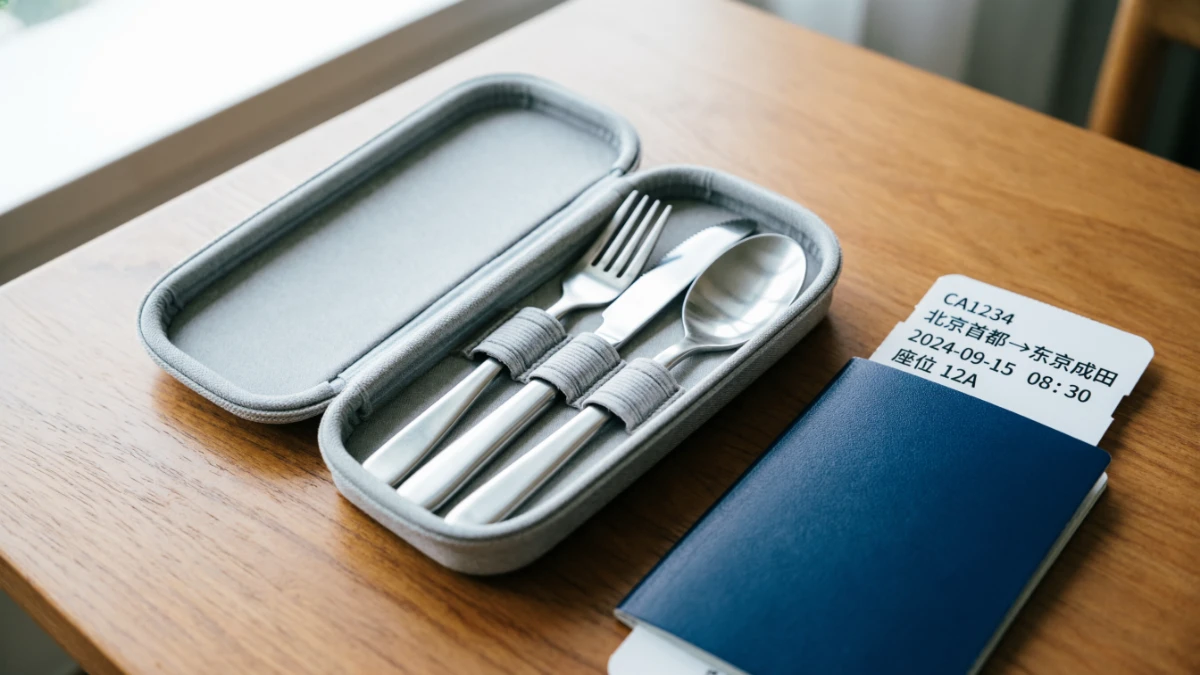
A half-eaten airport sandwich and a flimsy plastic fork are a familiar frustration for frequent travelers. A travel cutlery set solves that problem in one small pouch, giving flyers, campers, and commuters a reusable fork, knife, and spoon that survives security checks and years of daily use.
This guide walks through the best travel cutlery sets, real pricing ranges (including Pakistan), airport and TSA rules, top brands, and the materials worth paying for. Every section is written to answer one specific question, so travelers can jump straight to what they need.
Featured Snippet:
A good travel cutlery set is a compact, reusable fork-knife-spoon kit made from stainless steel, titanium, or bamboo, stored in a slim carrying case. The best sets weigh under 4 ounces, fit in a carry-on, meet TSA rules, and cost between $8 and $35 depending on material and brand.
What Is the Best Cutlery Set for Travel?
The best travel cutlery set is lightweight, food-safe, and built to survive a backpack for years. Stainless steel sets from brands like To-Go Ware, Snow Peak, and Humangear consistently rank highest for durability, easy cleaning, and compact folding designs that slide into a daypack or lunch bag.
Look for these features before buying:
- Rounded edges that are gentle on plates and teeth
- A hinge or magnet system that folds flat
- A washable fabric or silicone case
- Dishwasher-safe construction
What Is the Best Travel Utensil Set?
A travel utensil set typically bundles a fork, spoon, knife, and sometimes chopsticks or a straw into one rolled or folded case. The best-reviewed options combine all four pieces in under 3 ounces total weight, making them light enough for daily commuting and long hikes alike.
Sets with a detachable knife are useful for campers, while minimalist two-piece spoon-fork combos suit light packers who mainly eat soups, rice, and salads on the go.
Can You Take a Cutlery Set on a Plane?
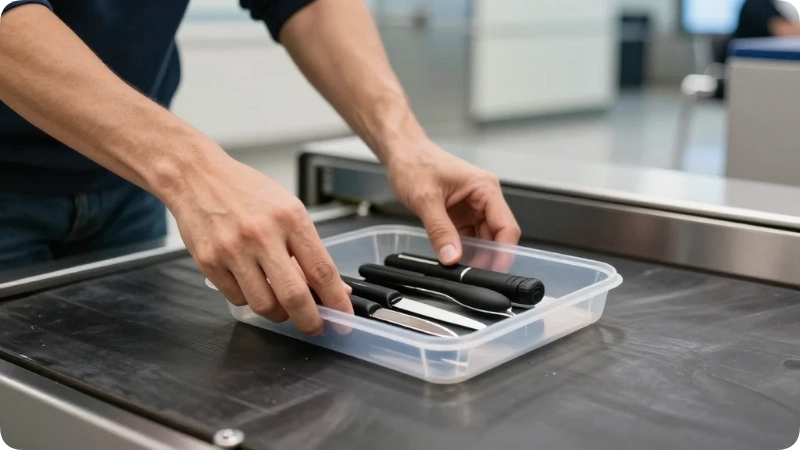
Yes, a standard travel cutlery set with a blunt, rounded butter-style knife is allowed in both carry-on and checked luggage under current TSA guidelines. The knife blade must be non-serrated and shorter than about 2.36 inches to pass through security screening without issue.
Since screening rules can vary by officer and airport, it’s worth checking the TSA’s official “What Can I Bring” tool before a flight, especially internationally.
Can You Bring Travel Cutlery on a Plane?
Travel cutlery is generally welcome on planes as long as the knife component is a rounded, butter-knife style blade rather than a sharp or serrated one. Sharp pocket knives, box cutters, and anything with a locking blade are not permitted in carry-on bags under TSA rules.
Quick tip: Pack the knife piece separately in checked luggage if it looks even slightly sharp, to avoid a second screening delay.
Which Brand Is Best for Cutlery Sets?
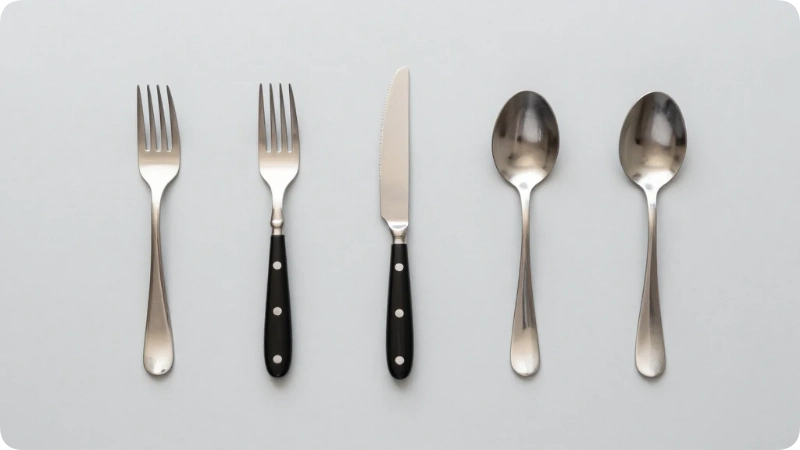
For travel-specific cutlery, To-Go Ware, Humangear GoBites, Snow Peak, and Light My Fire are widely regarded as the top brands for durability and compact design. For full home cutlery sets, Cuisinart, Oneida, and WMF are consistently ranked among the most trusted names.
| Brand | Best For | Typical Material |
| To-Go Ware | Bamboo travel sets | Bamboo |
| Humangear GoBites | Ultralight backpacking | BPA-free plastic/nylon |
| Snow Peak | Durable titanium sets | Titanium |
| Light My Fire | Budget campers | Recycled plastic |
| Cuisinart | Full home sets | Stainless steel |
What Are the Top 5 Cutlery Brands in the World?
Globally, the most recognized cutlery brands are WMF (Germany), Zwilling J.A. Henckels (Germany), Wüsthof (Germany), Oneida (USA), and Robert Welch (UK). These brands are known for precision forging, long warranties, and consistent use in both home kitchens and hospitality settings worldwide.
Travel-specific brands rarely overlap with these luxury names, since portability, not craftsmanship, is the main design priority.
Where Is the Cheapest Place to Buy Cutlery?
Budget-friendly cutlery, including travel sets, is usually cheapest at large retailers like Walmart, IKEA, and Amazon Basics in the USA, and at wholesale markets or online platforms like Daraz in Pakistan. Discount department stores and dollar stores also carry basic plastic or steel travel sets for a few dollars.
Because prices shift constantly with sales and shipping costs, always compare at least two or three retailers before buying.
What Are the Best Quality Cutlery Brands?
For long-term quality, Wüsthof, Zwilling, WMF, and All-Clad are the most trusted names, thanks to high-grade stainless steel and rust resistance. For travel sets specifically, Snow Peak titanium and To-Go Ware bamboo are considered top-tier for durability without added weight.
What Items Should I Never Pack in Hand Luggage?
Sharp knives, scissors longer than 4 inches, full-size aerosols, and liquids over 3.4 oz (100ml) should never go in hand luggage under standard airport rules. Travel cutlery is fine as long as the knife is rounded and non-serrated, but a sharp paring knife or multitool should always go in checked baggage instead.
Which Material Is Not Allowed in Flight?
Blades made of hardened steel with sharp or serrated edges, and anything resembling a weapon, are restricted from carry-on bags regardless of size. Round-tipped butter knives in stainless steel, titanium, or plastic are accepted, since they carry essentially no safety risk during screening.
Is Cutlery Allowed in Hand Luggage?
Cutlery is allowed in hand luggage as long as the knife piece is blunt and rounded, similar to a standard butter knife used in restaurants. Forks and spoons made of metal, bamboo, or plastic face no restrictions in carry-on bags at any major US or international airport.
What Are the Items Not Allowed in Cabin Baggage?
Cabin baggage restrictions typically ban sharp-bladed knives, box cutters, razor blades outside of cartridges, sporting bats, and liquids over the allowed limit. A rounded travel cutlery set does not fall into any of these restricted categories and can be carried in a daypack or backpack without issue.
Can I Put Cutlery in Checked Luggage?
Yes, cutlery of any kind, including sharp knives, is allowed in checked luggage since it is not accessible during the flight. This makes checked baggage the safer option for campers packing a full knife set or a travel cutlery kit with a sharper-than-usual blade.
Why Not Wear Jeans on a Plane?
This is a common travel myth rather than an official rule; there is no airline or TSA regulation against wearing jeans on a flight. Some travelers avoid them simply because dense denim is less breathable and less comfortable than stretch fabrics on long-haul flights, not because of any safety policy.
Where Can I Buy the Best Cutlery?
The best travel cutlery sets are available through outdoor retailers like REI and Backcountry, general retailers like Amazon, Target, and Walmart, and specialty kitchen stores like Williams Sonoma for premium stainless sets. Reading verified buyer reviews before purchase helps confirm real-world durability claims.
What Is the Best Cutlery Set in 2026?
The best-performing travel cutlery sets in 2026 combine titanium or food-grade stainless steel with a folding or magnetic locking design under 3 ounces. Shoppers should always check the retailer’s current listing, since exact top-rated models and prices change with new releases and seasonal sales.
Where Can I Buy High-Quality Cutlery?
High-quality cutlery, both for home and travel, is most reliably purchased directly from brand websites (Wüsthof, Zwilling, Snow Peak) or verified retailer pages on Amazon and REI. Buying directly from the manufacturer also usually guarantees valid warranty coverage if a piece breaks or rusts.
What Are the Best Cutlery Brands in Pakistan?
In Pakistan, popular cutlery brands include Homestyle, Chef’s World, National, and imported WMF or Tramontina lines sold through department stores and online marketplaces like Daraz. Travel-specific cutlery sets are less common locally, so many Pakistani travelers order compact stainless or bamboo sets through international sellers or local import shops.
Travel Cutlery Set Price in Pakistan
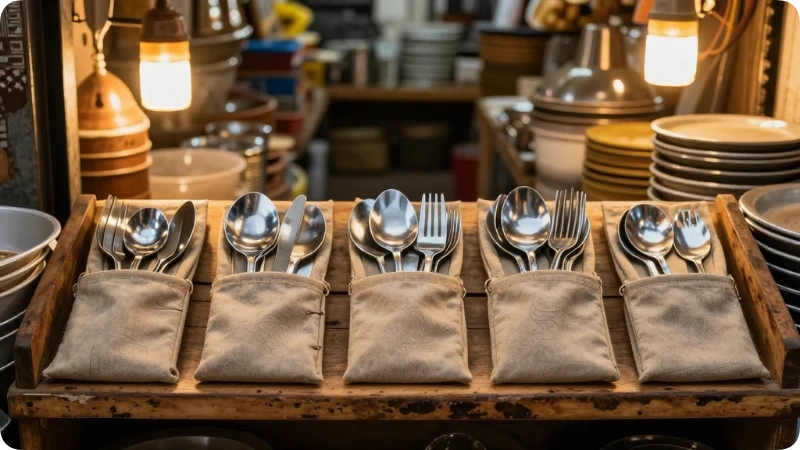
Travel cutlery set prices in Pakistan generally range from roughly PKR 500 to PKR 3,500, depending on material and whether it’s a local or imported brand. Basic plastic or steel three-piece sets sit at the lower end, while imported titanium or branded bamboo sets sit near the top of that range.
Note: Prices change frequently with import duties and currency shifts, so always confirm current pricing on Daraz, local hypermarkets, or the seller’s page before purchasing.
Travel Cutlery Set Pakistan: Where to Shop
Shoppers in Pakistan can find travel cutlery sets on Daraz, Telemart, and at hypermarkets like Imtiaz and Metro, as well as through smaller kitchenware shops in major markets. Karachi’s Bahadurabad, Tariq Road, and Saddar markets are known for budget-friendly kitchen and travel accessory shopping.
Travel Cutlery Set Price: General Range
Across most markets, a travel cutlery set costs between $8 and $35 USD (or the local equivalent), with bamboo and basic plastic sets at the low end and titanium or branded stainless steel sets at the top. Multi-piece sets with a case, chopsticks, and a straw typically cost more than simple three-piece forks-spoon-knife kits.
Travel Cutlery Set Karachi: Local Buying Guide
In Karachi specifically, travel cutlery sets are available at large retailers like Imtiaz, Al-Fatah, and Metro Cash & Carry, as well as through Daraz for home delivery. Local souvenir and travel-gear shops near Tariq Road also occasionally stock compact folding cutlery aimed at commuters and campers.
How Much Does a Cutlery Set Cost?
A full home cutlery set typically costs between $20 and $150 depending on piece count and material, while compact travel sets cost far less, usually $8 to $35. Premium forged stainless steel home sets from brands like Wüsthof or Zwilling can exceed $200 for a complete block set.
What Is the Most Expensive Cutlery?
The most expensive cutlery sets are hand-forged, limited-edition pieces from luxury brands, sometimes made with Damascus steel or featuring gold-plated handles, and can cost several hundred to a few thousand dollars. Travel cutlery, by contrast, rarely exceeds $40–50 even at the premium titanium end, since portability is prioritized over ornamentation.
What’s the Difference Between Cutlery and Silverware?
“Cutlery” is the broader British-English term covering all eating utensils, including knives, forks, and spoons of any material. “Silverware” is the American term historically referring to utensils made of or plated with silver, though it’s now used loosely to describe any table utensils, including stainless steel sets.
What Cutlery Material Is Best?
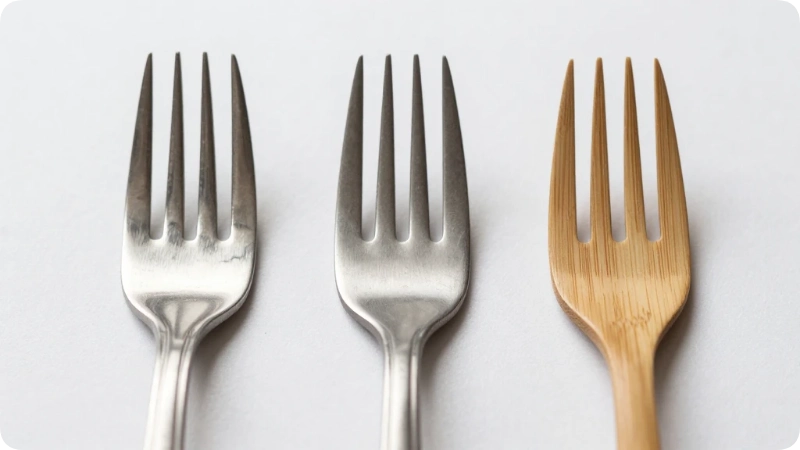
Stainless steel is the best all-around material for durability, rust resistance, and dishwasher safety, making it the top choice for both home and travel cutlery. Titanium is lighter and equally durable but pricier, while bamboo is a budget-friendly, eco-conscious option that needs hand-washing to last.
Which Steel Is Best for Cutlery?
18/10 stainless steel (18% chromium, 10% nickel) is widely considered the best steel for cutlery, offering strong corrosion resistance and a polished finish that holds up over years of use. Budget sets often use 13/0 or 18/0 steel, which is more prone to spotting and light rust over time.
How to Choose Good Cutlery?
Choosing good cutlery, whether for home or travel, comes down to matching material, weight, and design to actual use. Follow these quick steps:
- Decide between stainless steel, titanium, or bamboo based on budget and durability needs.
- Check the weight if it’s for travel; under 4 oz is ideal for carry-on bags.
- Confirm it’s dishwasher-safe if it will be used daily.
- Read verified buyer reviews for rust or breakage complaints.
- Buy from a retailer with an easy return policy.
What Is a Good Brand of Cutlery Set?
For everyday home use, Oneida, Cuisinart, and Farberware offer reliable, affordable stainless steel sets. For travel, To-Go Ware, Snow Peak, and Humangear remain the most recommended names for combining low weight with long-term durability.
What Is the Best Stainless Steel Cutlery Set?
The best stainless steel cutlery sets use 18/10 steel with a mirror or matte finish and rounded, comfortable handles. For travel purposes, a folding stainless steel set from Snow Peak or To-Go Ware is frequently recommended for balancing weight, strength, and easy cleaning after outdoor meals.
Popular Travel Cutlery Brands
Beyond the names already mentioned, Bear KompleX, ChicoBag, and Bentgo also make well-reviewed travel cutlery and utensil kits, often bundled with reusable lunch containers. Choosing a brand that also sells the matching lunch box or bag can simplify packing for daily commuters.
Common Mistakes When Buying Travel Cutlery
Three mistakes come up again and again with first-time buyers:
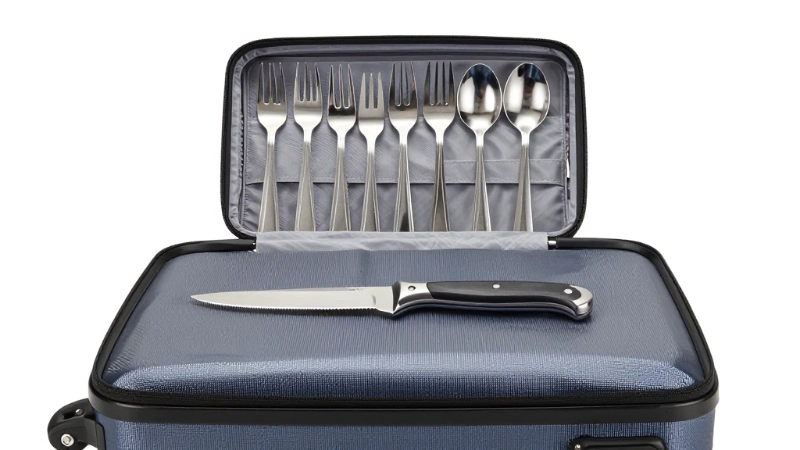
- Buying a set with a sharp knife and having it confiscated at security: fix by choosing a rounded, butter-knife-style blade.
- Ignoring the case material and ending up with a soggy fabric pouch: fix by picking silicone or hard-shell cases.
- Overlooking weight, especially for backpackers: fix by checking the listed weight before adding to cart.
Underrated Alternatives Worth Considering
Sporks, chopstick-spoon combos, and collapsible silicone utensils are underrated alternatives to a full three-piece set for light packers. These options save space and weight for travelers who mostly eat one-bowl meals like rice, noodles, or oatmeal on the road.
Is a Travel Cutlery Set Worth It?
Yes, for frequent flyers, commuters, and campers, a travel cutlery set pays for itself within a few uses by cutting down on single-use plastic waste and awkward airport meals. Occasional travelers who eat out at restaurants most of the trip may find it less essential, though it’s still a cheap, lightweight addition to any packing list.
FAQs
Can you bring a fork and spoon on a plane?
Yes, forks and spoons of any material are allowed in both carry-on and checked luggage, since they pose no security risk under current airport screening rules.
Is bamboo cutlery good for travel?
Bamboo cutlery is a lightweight, eco-friendly option for travel, though it requires hand-washing and doesn’t last quite as long as stainless steel or titanium under heavy daily use.
Do travel cutlery sets come with a case?
Most travel cutlery sets include a fabric, silicone, or hard-shell case to keep utensils clean and prevent rattling inside a bag, though basic budget sets sometimes sell utensils without one.
How do I clean a travel cutlery set?
Stainless steel and titanium sets are usually dishwasher-safe, while bamboo sets should be hand-washed and air-dried to prevent warping or cracking over repeated use.
Are titanium travel cutlery sets worth the extra cost?
Titanium sets are worth it for frequent backpackers who want the lightest possible weight and strong rust resistance, though casual travelers may find stainless steel a better value.
Can kids use travel cutlery sets?
Many brands make smaller, rounded travel cutlery sets designed for kids, which are useful for family road trips, school lunches, and flights with young children.
Does airport security check cutlery separately?
Security officers may pull a bag aside for a closer look at any utensil that resembles a knife, even a rounded one, so it’s helpful to keep the cutlery set easily accessible in a bag for quick inspection.
Conclusion
A travel cutlery set is a small purchase with an outsized payoff: less plastic waste, more comfortable airport and campsite meals, and one less thing to worry about at security. Stainless steel and titanium sets from brands like To-Go Ware, Snow Peak, and Humangear consistently offer the best mix of durability and portability. At the same time,get-friendly bamboo and plastic options work well for occasional travelers.
Before buying, always double-check current prices, TSA rules, and retailer return policies, since these details shift over time. If shopping in the USA or Pakistan, matching the material and weight to actual travel habits is the simplest way to pick a set that lasts for years.

Maya Lin inspires travelers to explore the globe with absolute confidence and independence. Armed with a background in digital media and a decade of independent solo travel experience, she knows exactly how to navigate unfamiliar cities smoothly and safely. For Travelmarse, Maya curates the solo travel and hidden-gem verticals. She reviews charming boutique hotels, designs smart neighborhood walking routes, and shares practical language-learning hacks, giving readers the exact tools they need to travel solo without the stress.