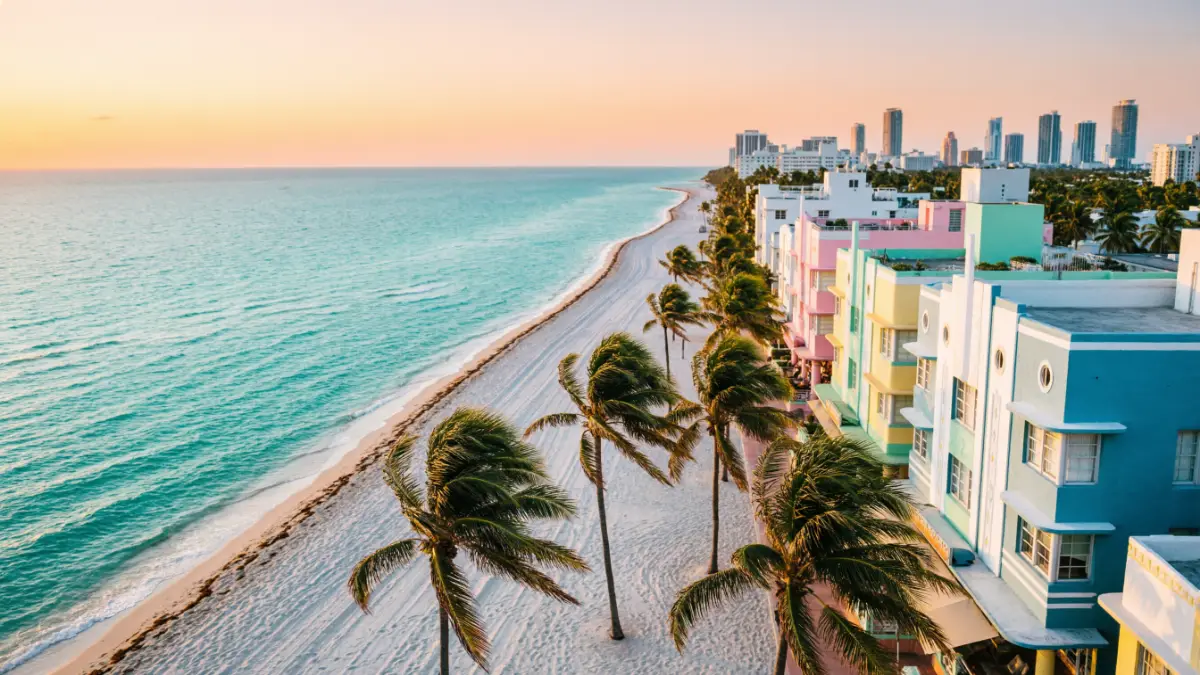
Picking where to stay in Miami can make or break the whole trip. Choose wrong, and a family vacation ends up next to a nightclub, or a romantic weekend lands miles from the beach with no easy way back.
Miami isn’t one destination, it’s a collection of neighbourhoods, each with its own personality, price point, and pace. South Beach feels like a movie set. Brick ell feels like a mini Manhattan. Coral Gables feels like a quiet Mediterranean escape just twenty minutes away.
This guide breaks down exactly where to stay in Miami based on who’s traveling, what the trip is for, and how much walking (or driving) feels comfortable. Real neighborhood comparisons, safety notes, and budget guidance are included so the decision takes minutes, not hours.
Featured Snippet:
Where is the best area to stay in Miami? The best area depends on your travel style. South Beach is ideal for first time visitors and nightlife, Brick ell for luxury and walk ability, Coconut Grove and Coral Gables for families, Wynwood for art and food, and Mid Beach for a quieter beachfront stay with easy access to top attractions.
Quick answer:
Stay in South Beach or Mid Beach for nightlife and postcard views, Downtown/Brickell for skyline luxury and no car convenience, Coconut Grove or Coral Gables for families and safety, and Wynwood for art, food, and a young crowd. Each area suits a different trip style, budget, and pace.
Quick Facts: Miami Neighborhoods at a Glance
| Neighborhood | Best For | Vibe | Walkable? | Typical Price Range* |
| South Beach | Nightlife, first timers, couples | Glamorous, energetic | Yes | $$$ |
| Mid Beach / North Beach | Quieter beach time, couples | Relaxed, boutique | Partial | $$ |
| Downtown / Brickell | No car trips, business travel | Urban, high rise | Yes | $$$ |
| Coconut Grove | Families, nature lovers | Leafy, laid back | Partial | $$ |
| Coral Gables | Families, safety focused travelers | Elegant, historic | Partial | $$$ |
| Wynwood | Young adults, art and food fans | Creative, trendy | Partial | $$ |
| Key Biscayne | Families, quiet beach days | Island calm | No (car needed) | $$$ |
*Price ranges are relative comparisons only; always check current rates directly with hotels or booking platforms before planning a budget, since seasonal pricing shifts often.
Which Area of Miami Is Best to Stay In?
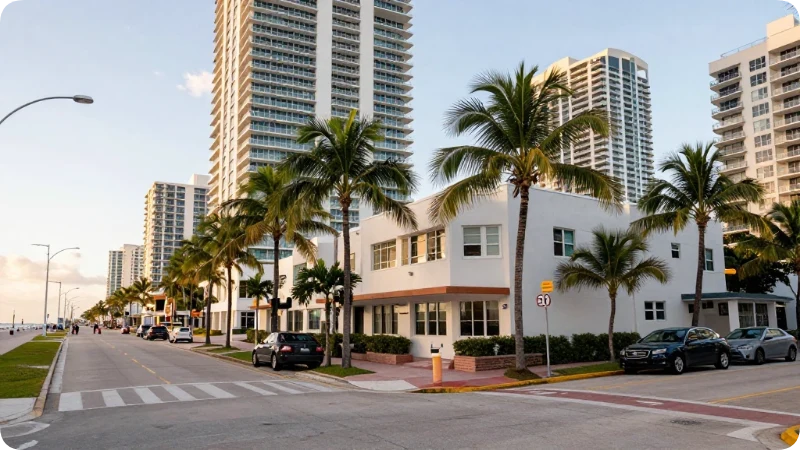
The single best area depends on trip priorities, but South Beach and Brickell consistently rank as the top overall picks. South Beach wins for beach access, people watching, and nightlife within walking distance of the sand.
Brickell wins for travelers who want a walkable, no car needed base with river views, rooftop bars, and easy access to downtown attractions. Neither area is “wrong” they simply serve different kinds of trips.
For a broader, more balanced stay, Coconut Grove offers a middle ground: close enough to the action, quiet enough to sleep well, and lush enough to feel like a break from the city.
Is It Better to Stay in Miami Beach or Downtown?
Miami Beach is better for beach first trips, while downtown is better for city first trips with easy transit access. Miami Beach delivers oceanfront hotels, Art Deco architecture, and walkable nightlife along Ocean Drive and Lincoln Road.
Downtown Miami and neighboring Brickell offer a skyline and river setting, proximity to the Kaseya Center, Bayside Marketplace, and the free Metromover people mover train. Getting between the two areas by car or rideshare typically takes 20 30 minutes depending on traffic, so it’s worth picking a “home base” rather than splitting nights between them.
Choose Miami Beach if: the beach is the main point of the trip. Choose Downtown/Brickell if: nightlife on land, business meetings, or a car free stay matter more than ocean access.
Safest Area to Stay in Miami
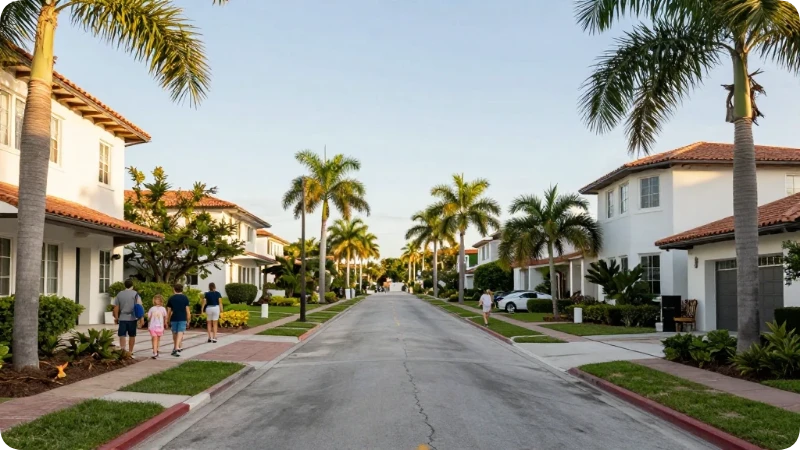
Coral Gables, Coconut Grove, Brickell, and Key Biscayne are generally regarded as the safest, most polished areas for visitors, with well lit streets, active foot traffic, and a strong hotel and dining presence. These neighborhoods tend to draw families, business travelers, and older couples.
Like any major U.S. city, Miami has areas with higher crime rates that are worth avoiding for tourism, particularly certain blocks outside the main tourist corridors. Standard city travel precautions apply everywhere: stay aware at night, keep valuables secured, and use licensed rideshares after dark.
For official, up to date safety information, travelers can check current advisories through the Miami Police Department or the Greater Miami Convention & Visitors Bureau.
Where to Go in Miami for the First Time?
First time visitors do best in South Beach or Brickell, since both put major attractions, restaurants, and nightlife within a short walk or quick rideshare. South Beach offers the classic Miami postcard experience Ocean Drive, Lincoln Road, and the beach itself.
Brickell suits first timers who prefer a slightly calmer, more modern base while still being close to downtown sights like Bayfront Park and Bayside Marketplace. Either choice removes the guesswork of navigating Miami’s spread out geography on a first trip.
Tip: Book 3 4 nights minimum to see beyond the beach Miami rewards travelers who venture into Wynwood, Little Havana, and Coconut Grove too.
Where to Avoid Staying in Miami
A few pockets are worth skipping for a typical vacation stay, even though they may show up as budget friendly options. Areas directly bordering the Miami River industrial zone, parts of Overtown, and stretches of the Miami Beach entertainment district right on Ocean Drive after midnight can feel unpolished or overly rowdy for some travelers.
Overly cheap hotels far from the tourist corridors sometimes save money upfront but add long rideshare times and reduce walkability, which often erases the savings. Fix: compare a listing’s distance to the beach or downtown core, not just the nightly rate, before booking.
What Is the Prettiest Part of Miami?
Coral Gables and Coconut Grove are widely considered the most visually charming parts of Miami, with tree lined streets, Mediterranean Revival architecture, and waterfront parks like Vizcaya Museum and Gardens nearby. South Beach’s Art Deco Historic District is the prettiest for architecture lovers who want pastel buildings and ocean views in the same frame.
For sunrise and sunset photography, Key Biscayne’s Bill Baggs Cape Florida State Park and South Pointe Park in South Beach are frequently cited as standout, less crowded photo spots.
Where to Stay in Miami for Couples
Couples generally do best in South Beach, Mid Beach, or Coconut Grove, depending on the mood of the trip. South Beach suits couples wanting energy, beach clubs, and nightlife within walking distance.
Mid Beach offers a quieter, more boutique hotel version of the same coastline, ideal for a romantic weekend without the loudest crowds. Coconut Grove suits couples who want waterfront dinners, marina walks, and a slower pace over high energy nightlife.
Underrated pick: boutique hotels along Lincoln Road often deliver a romantic, walkable stay for less than beachfront rates, since the ocean view premium doesn’t apply.
Where to Stay in Miami with Family
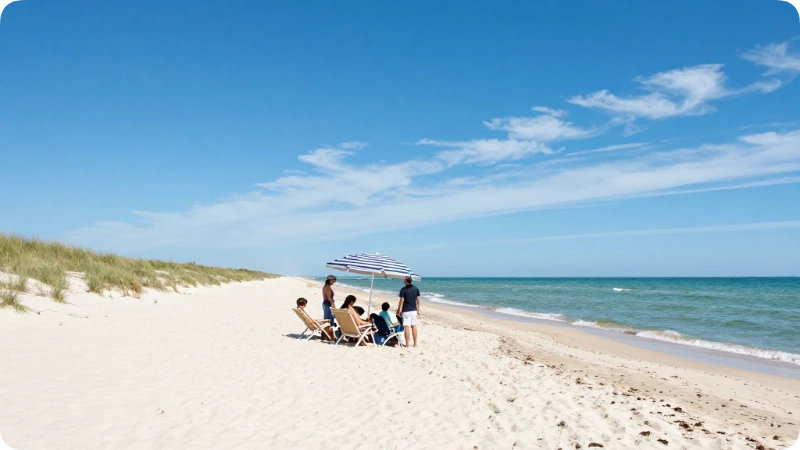
Families tend to be happiest in Coconut Grove, Key Biscayne, or Coral Gables, since all three offer calmer streets, green space, and family friendly dining outside the nightlife zones. Key Biscayne in particular offers wide, gentle beaches well suited to younger kids.
Mid Beach hotels with kid’s clubs and calmer stretches of sand are a solid alternative for families who still want beach access without the South Beach party scene. Many family oriented hotels in these areas offer connecting rooms or suites, which is worth confirming directly when booking.
Money saving tip: condo style rentals in Coconut Grove or Key Biscayne often include kitchens, cutting down on restaurant costs for a family of four or more.
Where to Stay in South Beach
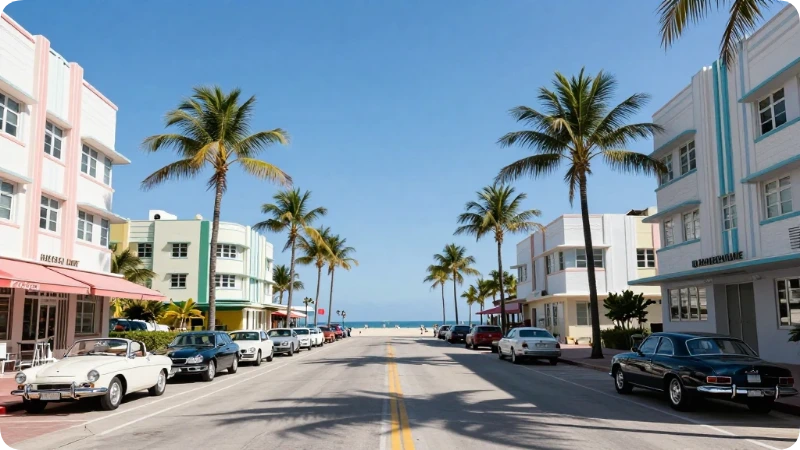
South Beach itself breaks into smaller zones worth knowing before booking. South of Fifth (SoFi) is the quietest, most upscale pocket, ideal for travelers wanting South Beach’s location without the loudest nightlife.
The stretch near Ocean Drive delivers the classic Art Deco strip experience but comes with more late night noise. Lincoln Road, just a few blocks inland, offers a pedestrian shopping and dining corridor that’s calmer at night while still being a short walk from the sand.
Best for: travelers who want beach, dining, and nightlife within a 10 minute walk of each other.
Where to Stay in Miami for the Weekend
For a short 2 3 day trip, staying centrally matters more than usual, since there’s little time to lose in transit. South Beach or Brickell are the strongest weekend bases, as both cut down on travel time between the hotel and major sights.
A weekend itinerary built around one neighborhood rather than hopping across the city tends to feel far less rushed. Time saving tip: book a hotel within walking distance of at least one major attraction so the itinerary doesn’t hinge entirely on rideshare wait times.
Where to Stay in Miami: Traveler Recommendations (Reddit & Forums)
Across Reddit travel threads and online forums, the most consistently recommended areas mirror expert advice: Brickell for a car free, modern stay; South Beach for the classic experience; and Coconut Grove for a quieter, local feeling trip.
Common traveler advice includes avoiding hotels directly on Ocean Drive if noise sensitivity is a concern, and instead booking a block or two inland. Forum users also frequently note that renting a car isn’t necessary if staying in Brickell, Downtown, or South Beach, since rideshares and the free Metromover cover most trip needs.
Community opinions vary and reflect individual experiences, not official guidance treat forum advice as a starting point, not a final decision.
Where to Stay in Miami for Young Adults
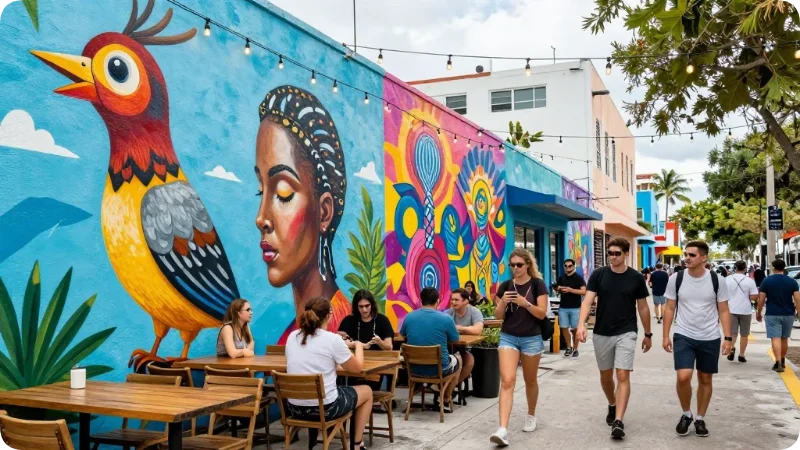
Young adults and groups traveling for nightlife tend to prefer Wynwood, South Beach, or Downtown Miami’s Brickell/Mary Brickell Village strip. Wynwood offers street art, breweries, and a food hall scene that skews younger and more casual than South Beach.
South Beach remains the top pick for club culture and beach day into late night plans. Downtown’s Brickell area adds rooftop bars and a slightly more upscale, less beach focused nightlife scene.
Underrated alternative: Wynwood often costs less per night than beachfront South Beach hotels while still being a short rideshare from the ocean.
Best Area to Stay in Miami Without a Car
Brickell and Downtown Miami are the best choices for a car free trip, thanks to the free Metromover train and a dense, walkable grid of restaurants, shops, and attractions. South Beach is the second best car free option, since most of its major sights sit within a compact, walkable footprint.
Coconut Grove and Coral Gables, while charming, are more spread out and generally work better with a car or frequent rideshare use. Miami International Airport (MIA) sits roughly 20 30 minutes by car from both Brickell and South Beach, making airport transfers straightforward from either base.
Budget Breakdown by Neighborhood
Nightly hotel rates in Miami shift significantly by season and neighborhood, so treat the categories below as relative comparisons rather than fixed numbers. Beachfront South Beach and oceanfront Mid Beach properties typically sit at the higher end of the market.
Brickell and Downtown hotels often price slightly below oceanfront South Beach for a comparable room class, since the premium is tied to ocean views rather than walkability. Wynwood, Coconut Grove, and inland South Beach blocks tend to offer the most value for travelers prioritizing budget over beachfront location.
Always confirm current nightly rates and any resort fees directly with the hotel or booking platform, since Miami pricing fluctuates heavily by season and event calendar (Art Basel, Miami Music Week, and Formula 1 weekend all drive rates sharply higher).
How to Get There and Getting Around
Most visitors fly into Miami International Airport (MIA), with Fort Lauderdale Hollywood International Airport (FLL) as a common secondary option roughly 30 40 minutes north. Both airports connect to rideshares, taxis, and rental car counters.
Within the city, the free Metromover covers Downtown and Brickell, while Miami Dade Transit buses and the Metrorail extend service further out. South Beach is best explored on foot or by rideshare, since parking is limited and often expensive.
For current transit maps, fares, and schedules, check the Miami Dade Transit official site before the trip.
Common Mistakes When Choosing Where to Stay
- Booking directly on Ocean Drive expecting a quiet night nearby nightlife noise runs late; fix by booking a block or two inland or on a higher floor.
- Skipping a car in Coconut Grove or Coral Gables these areas are more spread out; fix by budgeting for rideshares or a rental car.
- Choosing the cheapest listing without checking distance to the beach or downtown savings often disappear in rideshare costs; fix by comparing location alongside price.
FAQs
What is the best area to stay in Miami for tourists?
South Beach and Brickell are the top choices for most tourists, offering the best mix of walkability, attractions, and dining. South Beach suits beach first trips, while Brickell suits car free, city style stays.
Is South Beach or Brickell better for nightlife?
South Beach has the larger, more famous club scene, especially along Ocean Drive and Washington Avenue. Brickell offers a more upscale, rooftop bar driven nightlife scene with less beach party energy.
How many days should I spend in Miami?
Most travelers should plan for at least 3 4 days to see the beach, downtown, and one or two neighborhood day trips like Wynwood or Little Havana. A week allows time to add Key Biscayne or the Everglades.
Is Miami expensive to visit?
Miami ranks among the pricier U.S. destinations, particularly for beachfront hotels during peak season. Booking inland neighborhoods like Wynwood or Coconut Grove and traveling in shoulder season can noticeably lower costs.
Do I need a car in Miami?
A car isn’t necessary if staying in South Beach, Brickell, or Downtown, thanks to walkability and the free Metromover. A car becomes more useful for exploring Coral Gables, Coconut Grove, Key Biscayne, or the Everglades.
What is the best time of year to visit Miami?
Late fall through spring (November April) offers the most comfortable weather, with lower humidity and less rain. Summer brings hotter, more humid conditions and a higher chance of afternoon storms, though hotel rates often drop.
Is Wynwood a good place to stay in Miami?
Wynwood works well for younger travelers and art or food enthusiasts wanting a trendy, less touristy base. It sits a short rideshare from the beach, making it a good value alternative to oceanfront hotels.
Final Takeaways
Choosing where to stay in Miami comes down to three questions: What’s the trip’s main focus, beach, nightlife, or a quieter pace? How much walking or ride share use feels comfortable? And which budget range fits the trip best?
South Beach delivers the classic postcard Miami trip. Brick ell and Downtown suit car free, city paced stays. Coconut Grove, Coral Gables, and Key Biscayne reward families and travellers wanting a calmer, greener base.
Whichever neighborhood wins out, booking a location that matches the trip’s actual daily plans, not just the prettiest hotel photos, makes the difference between a smooth Miami trip and a frustrating one. Compare a few neighborhoods side by side, check current rates directly with hotels, and lock in a stay that fits how the days will actually be spent.

Maya Lin inspires travelers to explore the globe with absolute confidence and independence. Armed with a background in digital media and a decade of independent solo travel experience, she knows exactly how to navigate unfamiliar cities smoothly and safely. For Travelmarse, Maya curates the solo travel and hidden-gem verticals. She reviews charming boutique hotels, designs smart neighborhood walking routes, and shares practical language-learning hacks, giving readers the exact tools they need to travel solo without the stress.