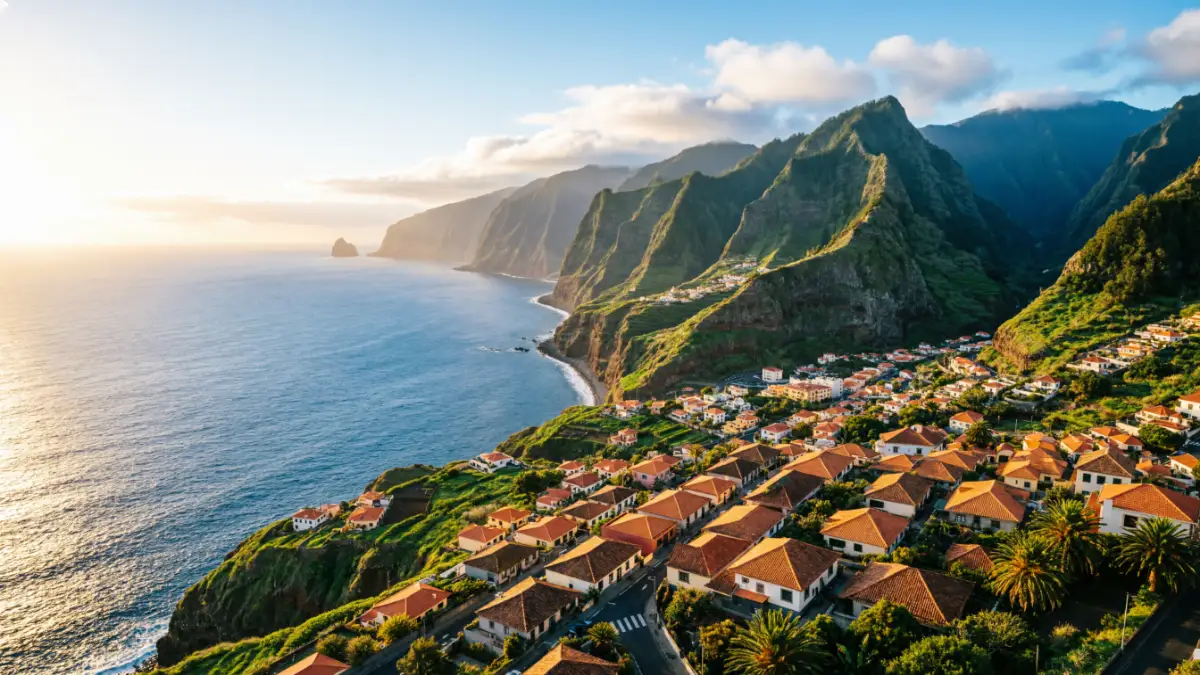
Picture waking up to the Atlantic, a cup of coffee in hand, and green mountains rising behind you. That is a normal morning in Madeira. Many Americans have heard of this Portuguese island but feel unsure about it.
Is the destination far away, or can you reach it easily? What should you expect to spend? And do you need to be an experienced hiker to enjoy it?
This guide clears up those doubts. It answers the most common questions in plain words. You will learn when to go, what to pay, where to stay, and what to skip. Madeira travel is easier than it looks, and this guide covers the details that save you time and money.
All prices, hours, and entry rules can change. Check official sources before you book.
Quick Answer:
Madeira travel works best from April to October for warm weather and from March to June for flowers. Plan 5 to 7 nights. Fly into Funchal (FNC) via Lisbon, rent a small car, base yourself in or near Funchal, and hike at least one levada trail. Expect mild weather, big cliffs, and good value for Europe.
Madeira Travel Guide
Madeira is a Portuguese island in the Atlantic Ocean, about 400 miles off Morocco’s coast. It has steep green mountains, flower gardens, wine, and ocean cliffs. The capital, Funchal, is the main base for most visitors.
Madeira is an autonomous region of Portugal. It uses the euro. The island is about 35 miles long, so most sights are within a 90-minute drive of Funchal.
| Quick Fact | Details |
| Country | Portugal (autonomous region) |
| Main airport | Madeira Airport (FNC), Cristiano Ronaldo |
| Currency | Euro (€) |
| Language | Portuguese (English common in tourist areas) |
| Time zone | Western European Time, about 5 hours ahead of New York |
| Best for | Hiking, views, gardens, wine, mild weather |
| Power plugs | Type C and F, 230V |
Madeira Travel Guide 2026
For 2026, expect the same classic Madeira with a few changes to check. Hiking trails sometimes close after storms, rockfalls, or wildfires. Some popular trails also use online reservations or small fees. Entry rules for Americans visiting Europe are also changing.
Before you go, check these items:
- Trail status on the official Visit Madeira website
- Entry rules on the US State Department and EU travel pages
- Flight schedules, since seasonal routes change every year
- Festival dates, which move each year slightly
Money-saving tip: Book flights and rental cars early for spring and summer.
Madeira Travel Guide PDF
There is no single official Madeira travel guide PDF that covers everything. Visit Madeira, the island’s tourism board, offers maps and brochures on its website. Check there first for current, trusted material.
You can also save this page as a PDF on your phone. Downloading your maps for offline use also helps. Mobile signal can drop in deep valleys and levada tunnels.
Madeira Travel Blog
A good Madeira travel blog gives honest, current advice. Look for posts that list dates, trail names, and prices. Skip any that read like ads. The best advice often comes from recent trip reports.
This guide is based on research from official tourism information and common traveler reports, not on personal claims. Read several recent blogs and compare them. Trail conditions change, so a 2019 post may be out of date.
Madeira Travel Itinerary
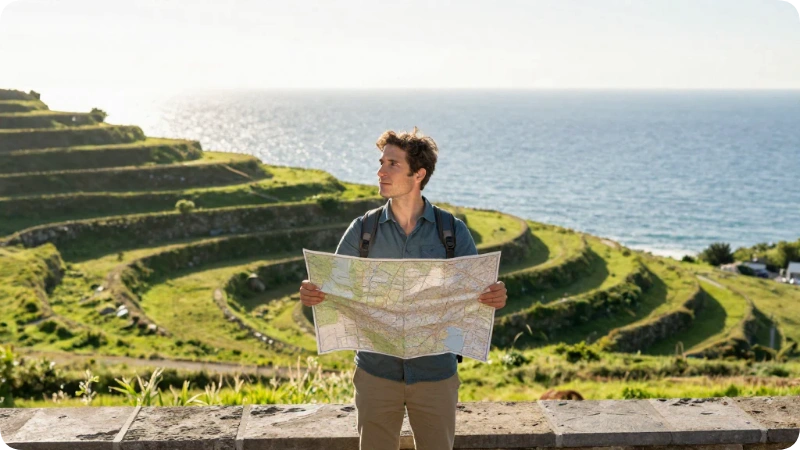
A strong first itinerary is 5 to 7 days. Split your time between Funchal, the east, the west, and the mountains. Group sights by region to cut driving time.
Sample 6-day plan:
- Day 1: Funchal Old Town, Mercado dos Lavradores, and sunset at the harbor.
- Day 2: Monte, the Monte Palace gardens, and the Botanical Garden.
- Day 3: East coast. Hike Ponta de São Lourenço, then visit Machico.
- Day 4: Pico do Arieiro viewpoint and a nearby trail (if open).
- Day 5: West coast. Cabo Girão, Porto Moniz pools, Fanal forest.
- Day 6: Easy levada walk, wine tasting, and a farewell dinner.
Tip: Do mountain trips early. Clouds often move in by midday.
Madeira Travel Packages
Packages can save money and stress, especially for first-timers. Most bundle flights, hotels, and sometimes a rental car or tours. Compare the total price against booking each part on your own.
Look at these points before you buy:
- Is airfare included, and is it nonstop or via Lisbon?
- Is the hotel in Funchal or far from town?
- Are airport transfers and cancellation terms clear?
- Does the package include travel insurance?
Packages suit people who want fewer decisions. Independent travel suits people who want more flexibility, such as hikers who need a car.
Madeira Wine
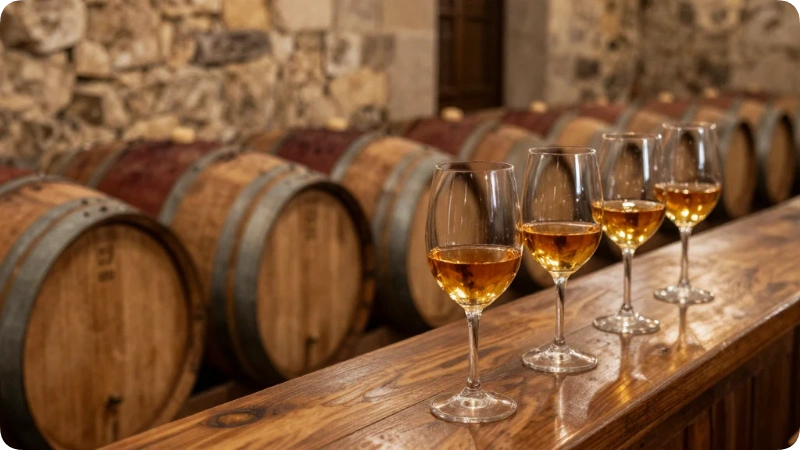
Madeira wine is a fortified wine made on the island. Makers heat and age it, which gives it a rich, nutty taste. It can last for decades after opening, which is rare for wine.
The four main styles run from dry to sweet:
- Sercial: driest
- Verdelho: medium dry
- Boal (Bual): medium sweet
- Malmsey (Malvasia): sweetest
Visit a wine lodge in Funchal, such as Blandy’s Wine Lodge, for a tour and tasting. Book ahead in busy months. Wine also makes a light, easy souvenir, but check airline and customs rules for carrying liquids home.
Flights to Madeira
Most US travelers reach Madeira with one connection, usually through Lisbon. TAP Air Portugal is the main link from the US to Portugal. Some seasonal nonstop flights from the US have been offered in some years, so check current schedules.
Total travel time from the East Coast is often 10 to 14 hours with a connection. From the West Coast, expect longer.
Booking tips:
- Compare TAP with other European connections.
- Use a flexible-date search to find cheaper days.
- Allow a long layover buffer, since Funchal weather can delay landings.
Madeira’s airport has a famous runway built partly over the ocean. Strong winds sometimes cause diversions. Keep your first and last day loose.
Which Airlines Offer Direct Flights to Madeira?
Direct flights to Madeira come mostly from Europe. Airlines that have served Funchal include TAP Air Portugal, easyJet, Ryanair, Jet2, Condor, and Eurowings. Routes change by season.
For US travelers, the practical route is a connection in Lisbon or another European city. Seasonal US nonstops have appeared in some years, but do not count on them. Check airline websites and Madeira Airport’s flight page for current options.
What Is the Best Month to Visit Madeira?
May through September gives the best mix of warm weather and low rain risk. Spring (April to June) is best for flowers and hiking. September is great for warm weather with fewer crowds than August.
Madeira has a mild climate year-round. Funchal’s typical temperatures run from the mid-60s to the high-70s °F. The north coast and mountains are cooler and wetter.
| Season | Weather | Crowds | Prices | Best For |
| Spring (Mar–May) | Mild, some rain | Medium | Medium | Flowers, hiking |
| Summer (Jun–Aug) | Warm, drier | High | High | Beaches, festivals |
| Fall (Sep–Nov) | Warm to mild | Medium to low | Medium to low | Calm trips, wine |
| Winter (Dec–Feb) | Cool, wetter | Low (except New Year) | Low (except New Year) | Budget, New Year fireworks |
What Is the Cheapest Month to Visit Madeira?
November and the weeks in January and February are usually cheapest. Hotels and flights drop outside holidays. The one big exception is New Year’s week, when prices spike.
The trade-off is weather. You may see more rain, cooler air, and some closed trails. Pack layers and a rain jacket. Always have a backup plan, such as museums, wine tastings, and Funchal’s markets.
When to Avoid Madeira
Avoid New Year’s week and mid-August if you dislike crowds and high prices. Also avoid hiking in heavy rain or high winds. Mountain trails can become slippery and dangerous.
Skip January and February if you want swimming weather. Skip late summer if wildfire risk worries you, since dry heat can raise it. Check local news and official alerts before outdoor plans.
Still, there is no truly “bad” month for Madeira travel. It all depends on what you want.
What Is the Hottest Month in Madeira?
August is typically the hottest month, with September close behind. Funchal usually sees highs in the upper 70s °F. Inland and southern spots can feel hotter.
Madeira never gets extreme heat like southern Spain. The ocean keeps temperatures steady. Still, hiking in strong sun needs a hat, sunscreen, and plenty of water.
Is Madeira Warmer Than Portugal?
Madeira is milder than mainland Portugal, but not always warmer. In winter, Madeira is warmer than Lisbon and Porto. In summer, mainland Portugal, especially the Algarve and Alentejo, can be much hotter.
Think of Madeira as “spring-like all year.” It has fewer extremes. If you want hot beach days, mainland Portugal or the Canaries may suit you better.
How Many Days Do You Need in Madeira?
Five to seven days is ideal for most travelers. That gives you time for Funchal, the mountains, and both coasts without rushing. Hikers and slow travelers may enjoy 8 to 10 days.
Three days is possible for a quick taste. Expect to see only Funchal and a few highlights. A one-week trip also leaves room for rain delays or a day at the beach.
How Many Nights to Spend in Madeira?
Plan for 5 to 7 nights. This is the sweet spot for first-time visitors. Add one extra night if you plan a day trip to Porto Santo or several long hikes.
Many travelers also add 1 to 2 nights in Lisbon on the way. That helps with jet lag and lets you see more of Portugal.
Is Madeira Worth Visiting for Tourists?
Yes, Madeira is worth visiting if you love nature, views, and relaxed travel. This small destination combines hiking trails, beautiful gardens, local food, and wine experiences. It feels safe and is easy to explore.
However, travelers looking for wide sandy beaches, lively nightlife, or plenty of world-famous landmarks may prefer somewhere else. The island is about scenery and slow days.
Honest drawbacks: steep roads, unpredictable clouds, and long flights.
What Is Madeira Famous For?
Madeira is famous for its wine, flower festivals, levada walks, and dramatic cliffs. It is also known for its tropical gardens and for being Cristiano Ronaldo’s birthplace. Its New Year’s fireworks over Funchal are among the best known in Europe.
Locals also take pride in Madeira embroidery, bolo de mel (honey cake), and poncha, a local drink made with sugarcane spirit. Wicker toboggan rides in Monte are a classic tourist tradition.
What Are the Top 5 Things to Do in Madeira?
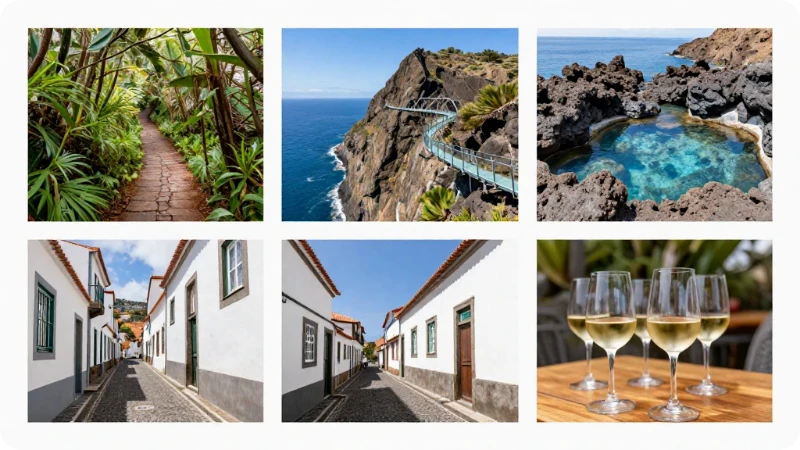
The top five are a levada walk, a Funchal Old Town visit, Cabo Girão, Porto Moniz, and a wine tasting. Together they show Madeira’s nature, culture, and food in just a few days.
- Levada walk: Try an easy route first, such as Levada do Caldeirão Verde or Levada das 25 Fontes (check status).
- Funchal Old Town: Painted doors, markets, and cafés.
- Cabo Girão Skywalk: One of Europe’s highest sea cliffs, over 1,900 feet.
- Porto Moniz natural pools: Volcanic rock pools by the sea. Check wave conditions.
- Wine tasting: At a lodge in Funchal.
What Is the Prettiest Part of Madeira?
Many travelers say the north and northwest coasts are the prettiest. Seixal, Porto Moniz, Santana, and the Fanal laurel forest all rank high. The Pico do Arieiro viewpoint is another favorite.
For a quieter option, try the São Lourenço peninsula in the east. It looks dry and rugged, almost like another planet. Photo tip: go at sunrise or late afternoon for soft light.
Where to Stay in Madeira: Best Places to Stay
Funchal is the best base for most first-time visitors. It has the widest range of hotels, restaurants, and bus links. The Lido area suits beach-hotel fans, while the Old Town suits food and culture lovers.
Other good options:
- Calheta: calm, sunny, near the west coast
- Câmara de Lobos: fishing-village charm
- Machico or Caniço: quieter, near the airport
- Porto Moniz or Santana: nature and quiet, but more remote
Book early for summer, Easter, and New Year’s.
Where Not to Stay in Madeira
Avoid remote hillside lodging if you do not have a car. Steep roads, few buses, and limited food nearby can make a pretty view feel isolating. Also check noise levels in the busiest Old Town streets.
Madeira has no dangerous areas to avoid. The main issue is convenience. Read recent reviews about road access, noise, and distance to restaurants. Check the walk from your hotel to the center on a map. A hill that looks short can be very steep.
Do I Need a Car in Madeira?
A car is helpful but not required. If you plan to hike, explore the north, or visit several regions, rent one. If you stay in Funchal and use tours, buses and taxis may be enough.
Roads are narrow, steep, and full of tunnels. Rent a small car with good brakes and an automatic if you are not used to hills. Book early, and check whether your insurance covers the island. Guided tours also remove driving stress.
Is Madeira Very Expensive?
No. Madeira is usually cheaper than much of Western Europe. It tends to cost less than Paris, London, or Switzerland. It can cost more than mainland Portugal in peak months, since most goods arrive by ship or air.
Restaurants outside tourist spots are very good value. Rental cars and hotels get pricey in summer and at New Year. Eating local lunches and using free walks keeps costs low.
How Much Does a Trip to Madeira Cost?
A one-week trip often costs about $1,800 to $3,500 per person, including flights. This is a rough estimate, and prices change by season and airline. Budget travelers may spend less. Luxury travelers will spend more.
| Daily Style (per person, excluding flights) | Rough Range |
| Budget | 90–150 |
| Mid-range | 150–250 |
| Luxury | $300+ |
Check current prices on airline, hotel, and car-rental sites before you plan. Savings tip: book flights early, travel in shoulder season, and eat where locals eat.
Is Food Expensive in Madeira?
Food is generally affordable, especially outside the busiest tourist areas. A local lunch of the day often costs much less than a similar meal in the US. Seafood and wine are good value.
Restaurants by the harbor in Funchal and Porto Moniz cost more. Supermarkets, bakeries, and small “tasca” restaurants save money. Tipping is smaller than in the US. A few euros or about 5 to 10 percent for good service is common (verify local norms).
What Food Is Madeira Famous For?

Madeira is famous for espetada, black scabbardfish, bolo do caco, and honey cake. Espetada is beef cooked on a skewer over a fire. Bolo do caco is a round, soft bread served with garlic butter.
Also try:
- Espada com banana: scabbardfish with fried banana
- Lapas: grilled limpets
- Milho frito: fried corn cubes
- Bolo de mel: dense honey and spice cake
- Poncha: a sweet-sour local drink
Vegetarians can find soups, salads, and sweet potatoes, but ask in advance.
Do They Speak English in Madeira?
Yes, English is widely spoken in hotels, restaurants, and tourist sites. Portuguese is the official language. In small villages, older locals may speak little English.
Learn a few words. “Olá” means hello. “Obrigado” (men) or “obrigada” (women) means thank you. A friendly try goes a long way. Translation apps help in rural spots.
What Currency Is Used in Madeira?
Madeira uses the euro (€). The same currency is used across Portugal. US dollars are not accepted in shops, so use euros.
Use a card with no foreign transaction fees if you can. Withdraw cash from bank ATMs (Multibanco) instead of airport exchange counters. If asked, pay in euros rather than dollars at the terminal to avoid poor exchange rates.
Is Madeira Cash Only?
No. Cards are widely accepted in hotels, restaurants, and shops. Still, carry some euros for small cafés, rural kiosks, markets, and parking.
Visa and Mastercard work best. American Express is less common. Tell your bank before you travel. Keep a small cash reserve for mountain areas, where signals and card machines can fail.
What to Be Careful of in Madeira?
Watch for cliffs, sudden weather changes, and tricky mountain roads. Madeira is very safe in terms of crime, but nature is the main risk. Rain and fog can arrive fast.
Common mistakes and fixes:
- Skipping the weather check. Look at trail and weather alerts each morning.
- Wearing sneakers on wet trails. Use shoes with grip.
- Entering levada tunnels without a light. Bring a headlamp.
Also respect ocean warnings. Porto Moniz pools can close in rough seas. Keep valuables out of sight in your car.
Is Madeira Safe? A Quick Note on Muslims and Diversity
Madeira is a very safe, welcoming place for visitors of all backgrounds. Official sources do not publish a clear, reliable count for how many Muslims live on Madeira Island. The community is small, as in most of Portugal.
Madeira is mainly Roman Catholic, and religious festivals are important. Visitors of all faiths are welcome. Halal food is limited, so search ahead or choose seafood and vegetarian dishes. Respect church customs, such as dressing modestly when entering.
Which Is Better, Canary Islands or Madeira?
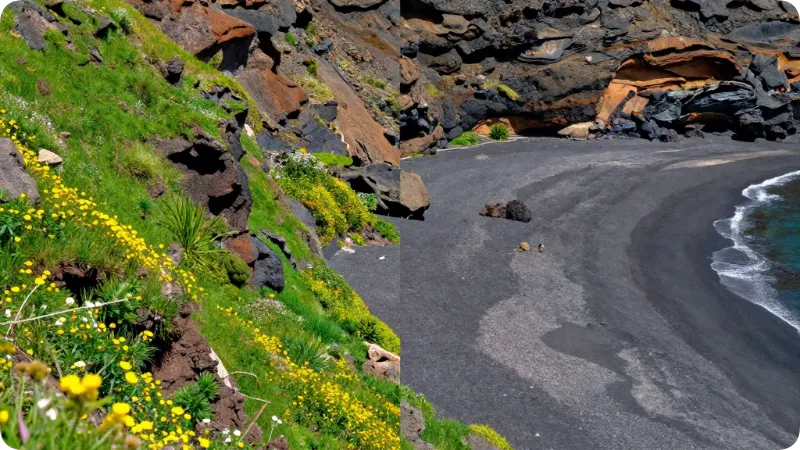
Choose Madeira for hiking, gardens, and cooler weather. Choose the Canary Islands for beaches and warm sun. Madeira is greener and more mountainous. The Canaries have more sand, resorts, and nightlife.
| Feature | Madeira | Canary Islands |
| Landscape | Green, steep, flowery | Varied, volcanic, beaches |
| Beaches | Mostly rocky | Many sandy |
| Hiking | Excellent | Excellent |
| Vibe | Calm, scenic | Resort and lively |
| Winter swimming | Cool | Warmer |
Which Is Better, Azores or Madeira?
Madeira is easier and more developed. The Azores feel wilder and more spread out. The Azores have nine islands, crater lakes, whale watching, and hot springs. They can be rainier and cooler.
Madeira offers more hotels, better roads, and easier trip planning for first-timers. If you want remote nature and island hopping, pick the Azores. If you want comfort with big views, pick Madeira. Many Americans can reach the Azores with fewer flight hours, so compare routes.
What Is a Good Itinerary for Madeira?
A good itinerary mixes one coast, one mountain day, and one culture day. Do not cram too much. Madeira’s roads are slow, and views make you stop often.
Try this simple pattern:
- Day 1: Arrive and explore Funchal.
- Day 2: Gardens and Monte.
- Day 3: East coast hike.
- Day 4: Mountain peaks.
- Day 5: West coast.
- Day 6: Relax or take a boat trip.
Time-saving tip: Start early and keep one flexible “weather day” in your plan.
Hidden Gems and Underrated Alternatives
Skip the crowds with a few lesser-known spots. These three alternatives often get less attention than the famous ones:
- Ponta do Pargo lighthouse: a quiet west-end cliff view.
- Porto Santo island: a nearby island with a 5-mile golden beach (check ferry times).
- Ribeira da Janela and Seixal tide pools: calmer than Porto Moniz.
Overrated? Some visitors find crowded viewpoints at midday disappointing. Underrated: early mornings in Funchal’s markets.
Travel Insurance and Booking Tips
Travel insurance is smart for Madeira. Weather can delay flights, and hiking has risks. Look for medical coverage, trip cancellation, and baggage protection. Check if it covers outdoor activities.
Book flights and cars early for peak months. Choose refundable hotels when possible. Check official sources for US entry rules, including EU entry systems that may change in 2026. Keep your passport valid and verify requirements with the US State Department.
FAQs
Do US citizens need a visa for Madeira?
Usually no, for short tourist stays. US citizens can generally visit Portugal for up to 90 days in 180 days without a visa. New EU entry systems, such as ETIAS, may apply. Check the US State Department and official EU pages before you fly.
Is tap water safe to drink in Madeira?
Tap water is generally considered safe in Madeira. Many locals drink it. Some visitors prefer bottled water because of taste or a sensitive stomach. Ask your hotel if you are unsure, and carry a refillable bottle for hikes.
What is the time difference between Madeira and the US?
Madeira is on Western European Time, about 5 hours ahead of New York. That is 8 hours ahead of Los Angeles. Daylight saving time changes happen on different dates in the US and Europe, so the gap can briefly shift by an hour.
Is Madeira good for beginner hikers and families?
Yes, many easy walks suit beginners and kids. Choose short, flat levada paths with railings and good reviews. Avoid steep, narrow routes with drop-offs. Check trail status and weather first, and bring water, snacks, and good shoes.
Does Madeira have good beaches?
Madeira has few sandy beaches, but it has great swimming spots. Most beaches are rocky or have black pebbles. Calheta has a golden-sand beach, and Porto Santo has a long natural one. Seaside pools like Porto Moniz are also popular.
Conclusion
Madeira rewards travelers who like scenery, slow days, and good food. You do not need a huge budget or a perfect plan.
Three key takeaways:
- Go between April and October for the best weather, and choose spring for flowers.
- Stay 5 to 7 nights and base yourself in Funchal.
- Rent a car if you want freedom, and check trail and weather conditions every day.
Start by checking flight prices and trail status on official sites. Then pick your dates and build your own itinerary. The cliffs, flowers, and ocean light are waiting.

Ben Fogle believes that true adventure begins where the pavement ends. After spending years documenting extreme environments, rowing across oceans, and trekking through frozen landscapes, he mastered the art of wilderness travel. For Travelmarse, Ben constructs highly detailed guides on deep-nature packing lists, wildlife safety, and sustainable eco-tourism. He breaks down intimidating, rugged expeditions into clear, step-by-step roadmaps so everyday travelers can safely connect with the natural world.