Featured Snippet: A light year measures distance (about 5.88 trillion miles), not time. Using today’s fastest spacecraft (roughly 36,000 mph), crossing one light year would take about 17,500 years. At the speed of light itself, the trip takes exactly one year. No human made vehicle travels anywhere close to that speed today.
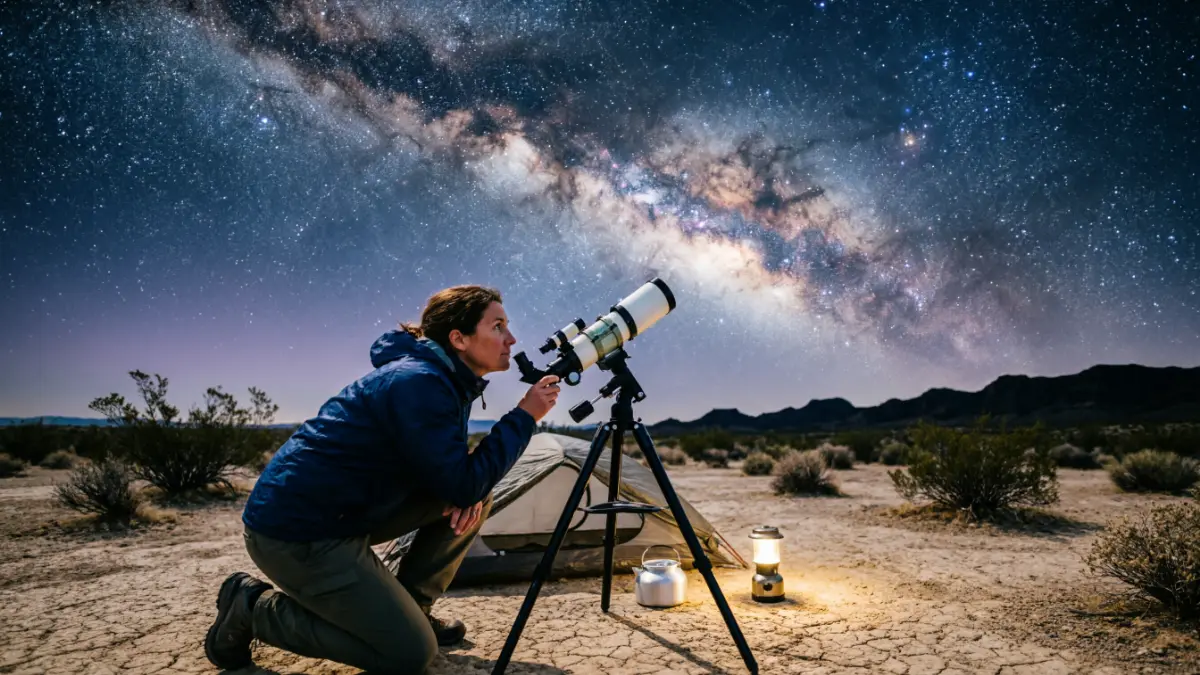
For most of us, a “trip of a lifetime” means a long weekend in the Grand Canyon or a road trip down the Pacific Coast Highway. But some travelers, dreamers, stargazers, and curious minds staring up from a dark sky campsite in Big Bend National Park want to know what it would really take to travel one light year.
The answer humbles even the most seasoned road tripper: our fastest machines would need tens of thousands of years to do what light does in twelve months.
This guide breaks down the science in plain language, compares real spacecraft speeds, and connects the concept to something every American traveler can actually experience in the night sky itself, from national parks to backyard telescopes.
What Is a Light Year, Exactly?
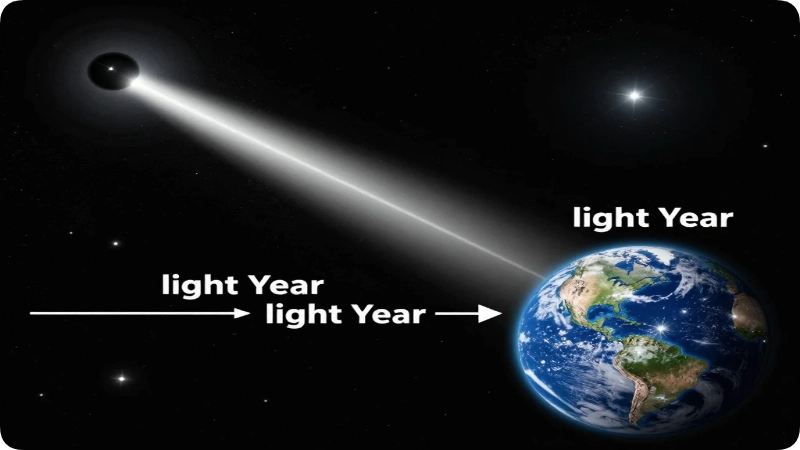
A light year is a unit of distance, not time, equal to how far light travels in one year, about 5.88 trillion miles (9.46 trillion kilometers). Light moves at roughly 186,282 miles per second, the fastest speed anything can travel in the universe. When astronomers say a star is “4 light years away,” they mean its light took 4 years to reach Earth, not that a trip there would take 4 years.
How Long Would It Take Humans to Travel 1 Light Year?
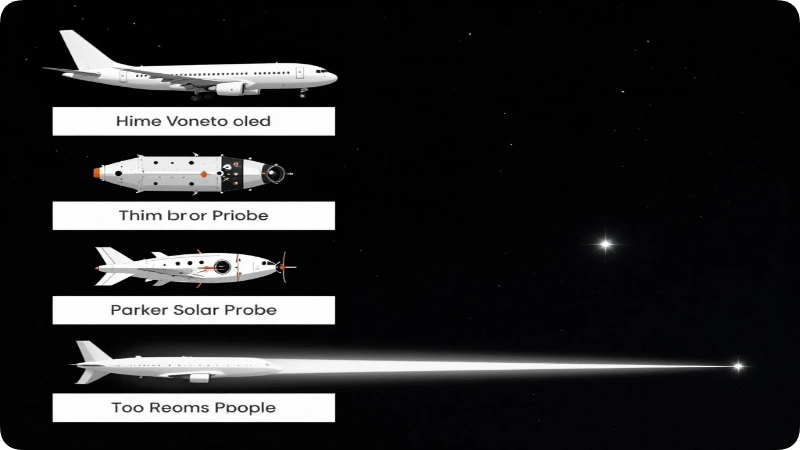
Using current spacecraft speeds, traveling 1 light year would take roughly 17,000 to 18,000 years, depending on the vehicle. The Parker Solar Probe, humanity’s fastest object, moves at about 430,000 mph at closest approach to the sun even at that speed, the trip would still take around 1,500 years. Ordinary rockets and probes are far slower, pushing the estimate closer to 17,500 years.
Speed Comparison Table
| Vehicle / Method | Approx. Speed | Time to Travel 1 Light Year |
| Commercial jet (550 mph) | 550 mph | ~1.2 million years |
| Apollo spacecraft (25,000 mph) | 25,000 mph | ~26,000 years |
| Voyager 1 (38,000 mph) | 38,000 mph | ~17,500 years |
| Parker Solar Probe (430,000 mph) | 430,000 mph | ~1,500 years |
| Speed of light (186,282 mps) | 670 million mph | 1 year |
Why Nothing (That We Know Of) Can Travel at Light Speed
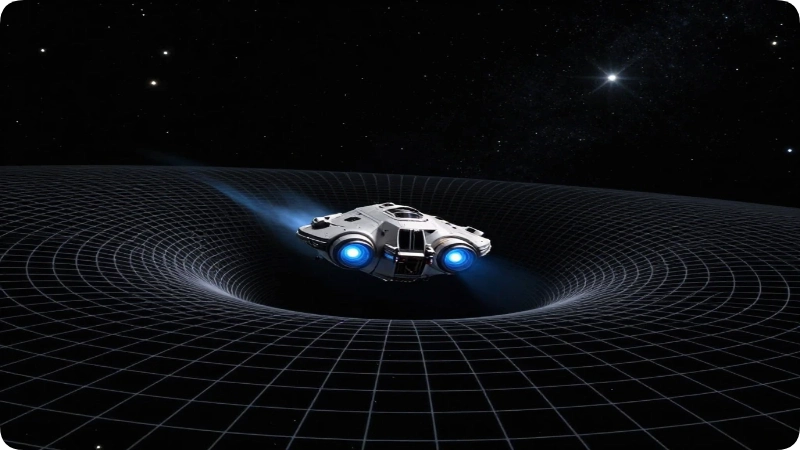
Physics, specifically Einstein’s theory of relativity, states that only massless particles like photons can reach light speed. Anything with mass requires infinite energy to accelerate to that velocity, making it physically impossible with known technology. This is why even our most advanced propulsion concepts ion engines, solar sails, and theoretical nuclear propulsion fall drastically short.
Voyager 1: Humanity’s Farthest Traveler
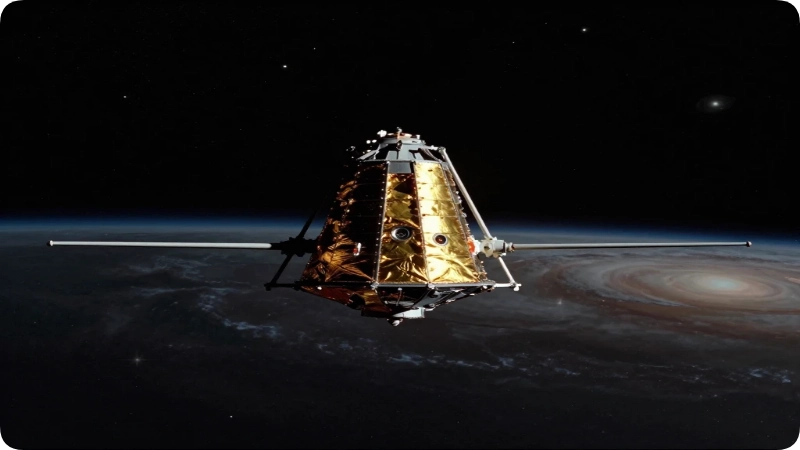
Voyager 1, launched in 1977, is the farthest human made object from Earth, currently more than 15 billion miles away. At its current speed, Voyager 1 would need about 17,565 years to cover a single light year, and it isn’t even heading toward a specific star. NASA’s Jet Propulsion Laboratory continues to track Voyager 1’s position and status, and readers can check current mission data through official NASA sources for the latest figures.
What About Theoretical Future Spacecraft?
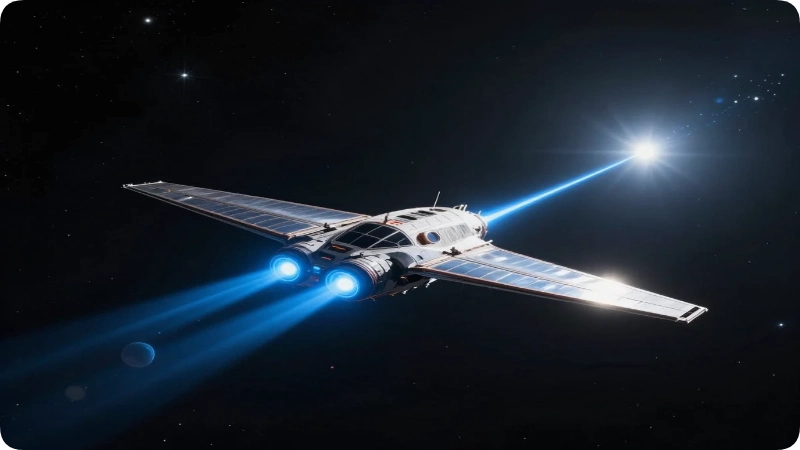
Concepts like nuclear pulse propulsion or solar sails pushed by lasers could theoretically reach 10 20% of light speed, cutting a one light year trip down to 5 10 years. These technologies remain experimental and are not yet built or tested for deep space travel. Projects like Breakthrough Starshot have proposed laser sail spacecraft aimed at nearby star systems, but they exist only as research concepts today.
Putting a Light Year Into Everyday Perspective
To put the scale into perspective: a commercial jet flying nonstop at 550 mph would need over a million years to cover one light year. Even traveling at the speed of a bullet (1,700 mph) nonstop, the journey would take nearly 400,000 years. These comparisons help explain why interstellar travel remains firmly in the realm of science fiction for now.
Best Places in the USA to Experience the Night Sky and Ponder the Scale of Space
Certified Dark Sky Parks across the country offer the clearest views of stars whose light has traveled for years or centuries to reach your eyes. Big Bend National Park in Texas, Death Valley National Park in California, and Cherry Springs State Park in Pennsylvania are among the best rated dark sky destinations recognized by DarkSky International. Visiting one of these parks is the closest most travelers will get to feeling the true scale of a light year firsthand.
Top Stargazing Destinations
Big Bend National Park, Texas one of the darkest skies in the Lower 48
Death Valley National Park, California vast, open horizons ideal for meteor showers
Cherry Springs State Park, Pennsylvania a Gold Tier Dark Sky Park in the East
Great Basin National Park, Nevada hosts annual astronomy festivals
Natural Bridges National Monument, Utah the first International Dark Sky Park
Best Time to Visit Dark Sky Parks
The best months for stargazing in most U.S. national parks are May through October, when skies are typically clearer and nights are warmer. Winter can offer crisper air and less humidity in desert parks like Death Valley, but colder temperatures require better preparation. Always check seasonal weather and park alerts through the National Park Service before planning a nighttime visit.
Planning a Stargazing Trip: What to Pack
Dress in layers, since desert and high elevation parks can swing from warm afternoons to near freezing nights. Bring a red light flashlight to preserve night vision, a star chart or astronomy app, warm blankets, and a reclining chair for comfortable viewing. Binoculars or a portable telescope enhance the experience but aren’t required to enjoy the Milky Way in a truly dark location.
Insider Tips for Stargazers
- Arrive at least an hour before full darkness to let your eyes adjust.
- Check the moon phase. A new moon offers the darkest, clearest skies.
- Download offline star maps, since cell service is often unreliable in remote parks.
- Bring extra batteries; cold desert nights drain phone and camera batteries fast.
- Reserve a campsite early during meteor shower peaks, as dark sky parks get crowded.
Common Mistakes Travelers Make When Stargazing
Many first time visitors bring white flashlights, which ruin night vision for everyone nearby, including themselves. Others arrive too late, missing the twilight transition that helps eyes adjust gradually to darkness. A third common mistake is skipping a weather check high winds or incoming clouds can cancel a clear sky forecast within hours.
Hidden Gems for Space and Astronomy Lovers
Beyond the famous dark sky parks, smaller sites offer surprisingly rich astronomy experiences. The McDonald Observatory in Fort Davis, Texas, hosts public star parties with research grade telescopes. Chaco Culture National Historical Park in New Mexico combines ancient astronomical architecture with modern dark sky certification. Cosmic Campground in New Mexico’s Gila National Forest is one of the few International Dark Sky Sanctuaries in the country, offering exceptionally low light pollution.
Safety Tips for Nighttime Sky Viewing
Always tell someone your planned location and return time before heading into a remote park after dark. Carry a physical map, as GPS signal can be unreliable in canyon or desert terrain. Wildlife activity often increases at night, so store food properly and stay aware of your surroundings, especially in bear country.
Is a Space Themed Trip Worth It?
For travelers fascinated by astronomy, a dedicated stargazing trip is absolutely worth it, offering a rare, humbling perspective on scale and distance. It’s best suited for road trippers, photography enthusiasts, and families wanting an educational, low cost outdoor experience. It may be less appealing for travelers who dislike cold nights, remote locations, or long drives with limited amenities.
Alternatives for Space Enthusiasts Who Can’t Travel Far
Not every space lover can reach a remote dark sky park, and there are strong alternatives closer to home. Planetariums such as the Adler Planetarium in Chicago or the Griffith Observatory in Los Angeles offer immersive simulations of interstellar distances without leaving the city. NASA visitor centers, including Kennedy Space Center in Florida, provide hands on exhibits about real spacecraft speeds and mission timelines.
Sample 3 Day Itinerary: A Stargazing and Space Science Weekend
Day 1: Arrive at a dark sky park such as Big Bend National Park. Set up camp and attend a ranger-led astronomy talk.
On the second day, explore nearby hiking trails during daylight hours. Return after sunset for a full night of stargazing with a star chart.
Before heading home on Day 3, visit a nearby observatory or science center, such as McDonald Observatory, to complete your space-themed adventure.
FAQs
How long would it take to travel 1 light year at the speed of light?
Traveling at light speed itself takes exactly one year to cover one light year, by definition. However, no spacecraft or object with mass can currently reach or sustain that speed, making the journey purely theoretical for now.
How fast is Voyager 1 traveling?
Voyager 1 travels at approximately 38,000 miles per hour relative to the sun. At that speed, it would take roughly 17,500 years to cover the distance of one light year.
Could future technology travel a light year faster?
Theoretical concepts like laser driven solar sails could potentially reach 10 20% of light speed, cutting travel time to 5 10 years. These remain research proposals and have not been built or tested for interstellar missions.
What is the closest star to Earth in light years?
Proxima Centauri, the nearest star system beyond our sun, is about 4.24 light years away. At current spacecraft speeds, reaching it would take tens of thousands of years.
Where can I see the Milky Way clearly in the USA?
Certified Dark Sky Parks like Big Bend, Death Valley, and Cherry Springs offer some of the clearest Milky Way views in the country. Visiting during a new moon and away from city lights improves visibility significantly.
Is a light year the same as a year?
No, a light year measures distance, while a year measures time. The confusion is common, but a light year specifically refers to how far light travels in 365.25 days.
What’s the best time of year to visit a dark sky park?
Late spring through early fall generally offers the clearest, warmest conditions for stargazing across most U.S. parks. Always check current park weather and any seasonal closures before your trip.
Final Thoughts
A light year humbles our sense of distance: even our fastest spacecraft would need over 17,000 years to cross one, while light does it in a single year.
Dark sky parks across the U.S. offer the closest most travelers will ever get to feeling that scale firsthand. If it’s a weekend at Big Bend or an evening at a local planetarium, connecting with the night sky turns an abstract number into a genuinely unforgettable experience.
Pack a red light flashlight, check the moon phase, and let the stars do the rest.
Note: Spacecraft speeds, mission statuses, and park hours can change. Verify current details through NASA, the National Park Service, and official park websites before planning your trip.

Stephen Fry brings an insatiable curiosity for history, language, and global heritage to the Travelmarse team. Having spent decades traveling the globe to study regional storytelling and ancient civilizations, he excels at uncovering the hidden narratives of modern destinations. Stephen anchors the cultural vertical on Travelmarse, where he writes deep-dive guides on architectural history, museum crawl strategies, and local customs. His vivid, engaging writing helps travelers look past the surface and truly understand the heritage of the places they visit.