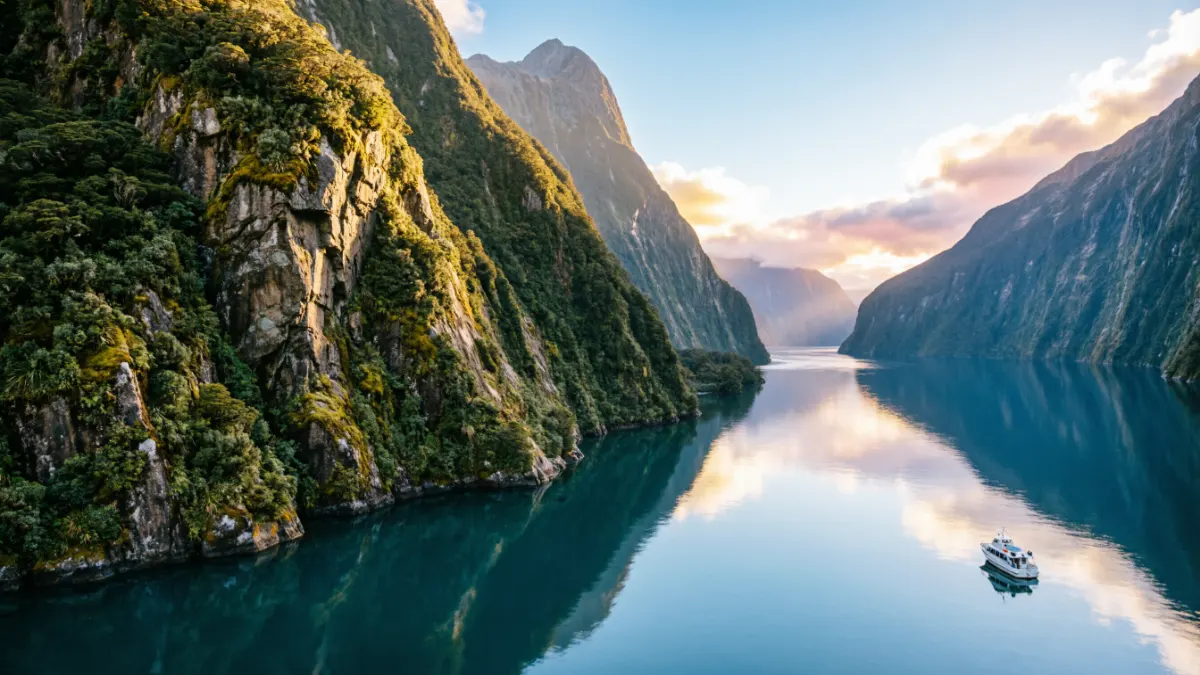
A trip from the USA to New Zealand means crossing an entire ocean, spending a full day on the calendar, and seeing some of the most dramatic landscapes on Earth. Between glaciers, geysers, Hobbit sets, and beaches that barely see a footprint, it’s no wonder so many Americans put this country at the top of their bucket list.
Still, the distance raises real questions. Travel to New Zealand from the USA involves long-haul flights, an online travel authorization, and a budget that surprises many first-timers. This guide answers the practical questions travelers actually search for, from paperwork to pricing to safety, so you can plan with confidence instead of guesswork.
Below, you’ll find everything organized by topic, with plain answers up front in every section. Skip to what you need, or read start to finish for the full picture.
Featured Snippet:
US citizens need a New Zealand Electronic Travel Authority (NZeTA), not a full visa, to visit for up to 90 days. Apply online or via the NZeTA app, pay the NZ$17–23 fee plus the NZ$100 International Visitor Levy (IVL), and allow up to 72 hours for approval before you fly.
Quick Facts Table
| Category | Details |
| Entry document | NZeTA (Electronic Travel Authority) for most US tourists |
| NZeTA cost | NZ$17 (app) or NZ$23 (website) |
| Mandatory levy | NZ$100 International Visitor Levy (IVL) |
| Processing time | Usually instant to 72 hours |
| Max stay | 90 days per visit |
| NZeTA validity | 2 years, multiple entries |
| Flight time (LAX–Auckland) | About 12.5–13.5 hours nonstop |
| Currency | New Zealand Dollar (NZD) |
| Best months to visit | December–February (summer) or shoulder seasons March–May, September–November |
| Time difference | New Zealand is roughly 19–21 hours ahead of the US West Coast |
Always confirm current fees and rules at immigration. govt. nz govt.nz before booking, since government fees and policies can change.
NZeTA
The NZeTA is New Zealand’s Electronic Travel Authority, a digital entry permit that most American travelers must obtain before boarding a flight or cruise to New Zealand. It’s not a traditional visa; there’s no stamp, no interview, and no paperwork to carry, but it is legally required and linked electronically to your passport.
Think of it as similar to the US ESTA or the Australian ETA. Once approved, it’s valid for two years and allows multiple visits of up to 90 days each. Apply at least 72 hours before departure to avoid any last-minute stress at check-in.
What Do I Need to Travel to New Zealand from the USA
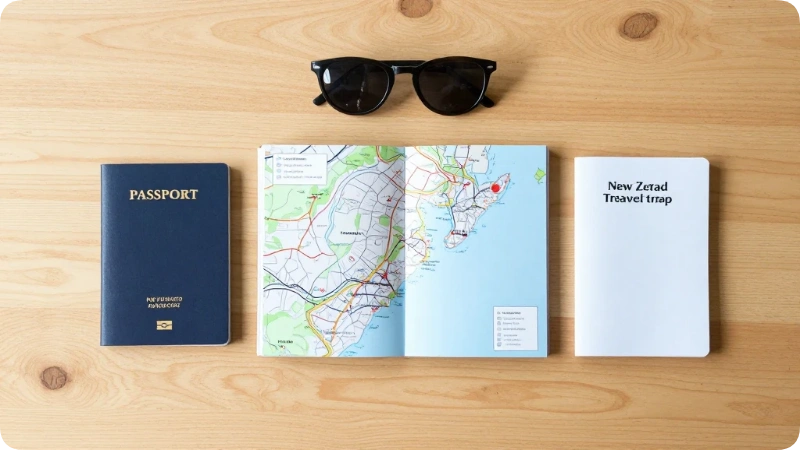
You need a US passport valid for at least three months beyond your planned departure from New Zealand, an approved NZeTA, proof of onward or return travel, and enough funds to support your stay. Most travelers also want proof of accommodation ready, since border officials can ask for it.
Beyond documents, pack for variable weather, since New Zealand’s climate shifts quickly between regions. A valid credit or debit card is essential too, as the NZeTA and IVL are both paid online.
Quick checklist:
- Valid US passport (3+ months validity beyond your stay)
- Approved NZeTA
- IVL payment confirmation (usually bundled with the NZeTA application)
- Return or onward flight ticket
- Evidence of sufficient funds
- Travel insurance (strongly recommended, not legally required)
What Documents Do I Need to Travel to New Zealand
The core documents are your passport, your NZeTA approval, and your flight itinerary. Immigration officers may also request proof of accommodation, a rough travel plan, or evidence that you can financially support your trip, especially if you’re staying close to the 90-day limit.
Digital copies work in most cases since the NZeTA is passport-linked electronically, but it’s smart to keep a screenshot or printed confirmation email as backup in case of app or system outages.
NZeTA App
The official NZeTA mobile app, available for iOS and Android through Immigration New Zealand, is the cheapest and fastest way to apply. It costs NZ$17, six dollars less than applying through the website, and the process typically takes about 10 minutes.
The app walks you through a passport scan, a selfie-style photo, and payment for both the NZeTA fee and the IVL. Only use the official government app; third-party sites often charge extra for the exact same product and offer no faster processing.
New Zealand Tourist Visa Requirements
US passport holders traveling as tourists do not need a traditional visitor visa; the NZeTA covers tourism stays of up to 90 days. If you plan to stay longer, work, study for an extended period, or you’re not eligible for the visa-waiver NZeTA pathway, you’ll need to apply for a full visitor visa through Immigration New Zealand instead.
Standard tourist requirements at a glance:
- Valid NZeTA (not a full visa) for stays under 90 days
- Passport valid at least 3 months past your NZ departure date
- Proof of onward travel
- Sufficient funds for your stay
New Zealand Visitor Visa Processing Time
NZeTA approvals are usually issued within minutes, though Immigration New Zealand advises allowing up to 72 hours to be safe. A full visitor visa, needed only if you don’t qualify for the NZeTA pathway or plan a longer stay, typically takes several weeks to process, so apply well ahead of your trip.
Processing can slow during peak travel seasons, so build in buffer time regardless of which pathway applies to you.
New Zealand Travel Visa
“Visa” is often used loosely to describe both the NZeTA and the full visitor visa, but they’re different products. The NZeTA is a lightweight, digital travel authorization for visa-waiver countries like the US; the visitor visa is a more detailed application with supporting documents, used by travelers who don’t qualify for the waiver or who need longer stays.
For a standard American vacation of a few weeks, the NZeTA is almost always the correct and only option needed.
New Zealand Electronic Travel Authority (NZeTA or Visa Is Required)
Every visitor to New Zealand needs either an NZeTA or a visitor visa; here’s no way around one of these two. Which one applies depends on your passport’s country and your travel purpose. As a US citizen visiting for tourism or business under 90 days, you’ll almost certainly use the NZeTA.
Airlines are required to check for a valid NZeTA before boarding, so travelers without one risk being denied check-in entirely, not just denied entry on arrival.
Can I Travel from the USA to New Zealand?
Yes. US citizens can travel freely to New Zealand for tourism, business, or short-term visits once they hold an approved NZeTA and meet standard entry requirements. There are no special restrictions specifically targeting American travelers.
Direct and connecting flights run regularly from major US hubs, and New Zealand’s tourism industry is well set up for American visitors, from familiar credit card systems to widespread English-language signage.
How to Get There
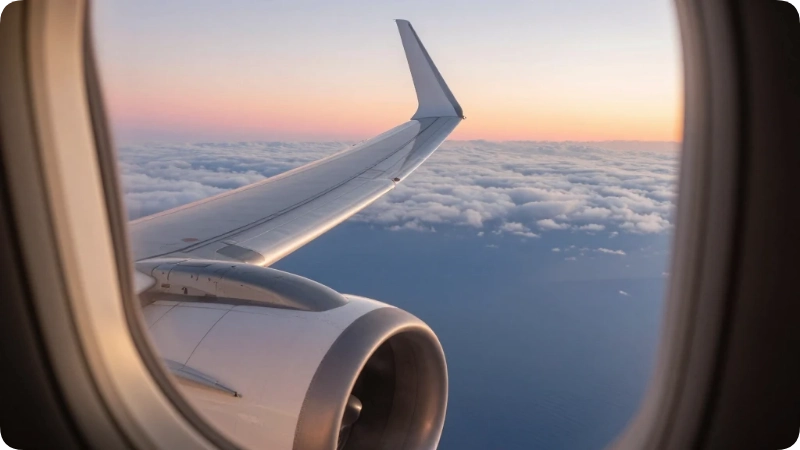
Nonstop flights connect the US to Auckland (AKL), New Zealand’s main international gateway, from several major cities. Air New Zealand, American Airlines, and Delta all operate the Los Angeles–Auckland route, generally the fastest option for most American travelers.
Approximate nonstop flight times from the US:
- Los Angeles (LAX) to Auckland: about 12.5–13.5 hours
- San Francisco (SFO) to Auckland: about 13 hours
- Honolulu (HNL) to Auckland: about 9 hours
- Houston (IAH) to Auckland: about 14.5–15 hours
- New York (JFK) to Auckland: about 17.5–18 hours
Because you cross the International Date Line heading west, you’ll typically land two calendar days after departure, even though you’ve only flown around 13 hours. On the return trip, you gain that day back. Booking an evening departure from the West Coast tends to align well with New Zealand’s early-morning arrival window, which can ease jet lag.
Is New Zealand Expensive for Americans to Visit?
Yes, New Zealand is a mid-to-high cost destination by global standards, generally pricier than Southeast Asia but comparable to a mid-tier US city or slightly below Australia in some categories. Accommodation, rental cars, and dining out are the biggest budget drivers.
That said, New Zealand is far more affordable if you self-cater, camp, or travel in the shoulder season. Free attractions like the Tongariro Alpine Crossing and countless coastal walks help balance out pricier splurges like Milford Sound cruises or adventure sports.
How Much Will a New Zealand Trip Cost?
Approximate daily spending per person, in USD, not including international flights:
| Travel Style | Daily Budget | 2-Week Trip Total |
| Backpacker/Budget | $60–$130 | $1,000–$2,800 |
| Mid-range | $150–$300 | $3,500–$7,000 |
| Luxury | $400–$900+ | $8,000–$15,000+ |
These figures cover accommodation, food, local transport, and typical activities. Rental cars, domestic flights, and popular tours like Milford Sound or Hobbiton add extra cost on top. Prices spike over the New Zealand summer (December–February) and ease off in shoulder months.
How Much Is a NZ Visa for US Citizens?
The NZeTA itself costs NZ$17 through the mobile app or NZ$23 through the website. On top of that, nearly all visitors pay the mandatory NZ$100 International Visitor Levy (IVL), bringing your total to roughly NZ$117–123 (about US$70–75, though exchange rates shift). This is a one-time cost covering the full two-year validity period.
Full visitor visas, needed only in specific non-tourist situations, carry separate and higher fees. Always check the official Immigration New Zealand fee tool for the exact current amount before you pay, since levy amounts have changed in recent years.
Is New Zealand Friendly to Americans?
Generally, yes. New Zealanders (often called Kiwis) have a reputation for being warm, direct, and welcoming to international visitors, including Americans. English is the primary language, which removes a major barrier many travelers worry about elsewhere.
Like anywhere, a little cultural awareness goes a long way. Iwi tend to value modesty over boasting and appreciate visitors who show genuine interest in Māori culture and the outdoors rather than treating the country as just a photo backdrop.
Which Job Is High Demand in New Zealand?
Healthcare, construction, engineering, IT, and skilled trades regularly appear on New Zealand’s shortage lists, reflecting national labor gaps rather than tourist-relevant information, but it’s a common search alongside travel queries. Registered nurses, aged care workers, electricians, and software developers are frequently cited as in-demand roles.
New Zealand’s official Green List identifies occupations with a clearer, faster pathway to residence, and it’s updated periodically by Immigration New Zealand, so anyone considering work (rather than tourism) should check the current list directly on the government site.
How Much Money Will I Need for 2 Weeks in New Zealand?
For a mid-range two-week trip, budget roughly $3,500–$7,000 USD per person, excluding international airfare. Budget travelers can manage a fortnight for around $1,000–$2,800, while luxury travelers often spend $8,000 or more.
What drives your total the most:
- Rental car or campervan vs. public transport
- Hotel/motel vs. hostel or campsite
- Number of paid attractions (Milford Sound, Hobbiton, glacier tours, bungy jumping)
- Eating out frequently vs. self-catering
What to Beware of in New Zealand
The biggest risks for visitors are usually self-inflicted: driving fatigue on unfamiliar winding roads, underestimating alpine weather changes, and swimming in unpatrolled or rip-affected waters. New Zealand’s roads are narrower and slower than many US highways, and rental cars drive on the left.
Sun exposure is another underrated hazard. New Zealand’s UV levels run higher than much of the US due to a thinner ozone layer over the region, so sunburn happens fast even on mild-feeling days. Petty crime is low by global standards, but car break-ins at trailheads and scenic viewpoints do happen, so avoid leaving valuables visible.
Is New Zealand a Rich or Poor Country?
New Zealand is a high-income, developed nation with a strong standard of living, ranking consistently well on global indices for education, healthcare, and quality of life. It’s not among the world’s wealthiest countries by GDP per capita, but it’s firmly a rich, developed economy, not a poor one.
Its economy leans heavily on agriculture, tourism, and exports like dairy and wine, which is part of why prices for imported goods can run higher than Americans expect.
Which Is Cheaper, NZ or Australia?
New Zealand and Australia are similarly priced overall, though New Zealand often edges out slightly cheaper on accommodation and car rentals, while Australia can be marginally cheaper for groceries and domestic flights in some regions. Neither country is a budget destination compared to Southeast Asia or parts of Latin America.
Exact costs shift with exchange rates and season, so the real difference for most travelers comes down to itinerary choices (self-driving vs. flights, hostels vs. hotels) rather than which country you pick.
Where Do 70% of the People of New Zealand Live?
More precisely, about 76–77% of New Zealand’s population lives on the North Island, home to Auckland, Wellington, and Hamilton. Auckland alone holds roughly a third of the country’s entire population, making it by far the largest city and the most likely first stop for American visitors.
The South Island, despite being larger in land area, is far less densely populated and known more for dramatic scenery think Queenstown, Fiordland, and the Southern Alps than for big cities.
What Is the Prettiest Place in NZ?
There’s no single official answer, but Milford Sound in Fiordland National Park, the Bay of Islands, Lake Tekapo, and Queenstown’s surrounding mountains are consistently ranked among the most photographed and beloved spots in the country. Each offers a completely different kind of beauty, from fjords to starry skies to alpine lakes.
A few standout picks worth building an itinerary around:
- Milford Sound dramatic fjords, waterfalls, and wildlife
- Lake Tekapo turquoise water and Dark Sky Reserve stargazing
- Bay of Islands subtropical coastline and sailing
- Wanaka that famously lone lakeside tree, plus hiking
- Abel Tasman National Park golden beaches and coastal trails
How Much Bank Balance Is Required for a New Zealand Visa?
There’s no single fixed dollar figure published for tourist NZeTA applicants, but immigration officers can ask you to demonstrate you can financially support your stay if questioned at the border. A reasonable rule of thumb many travelers use is having funds that comfortably cover accommodation, food, and activities for your full trip length.
For longer stays or full visitor visa applications (not the NZeTA), Immigration New Zealand does sometimes specify minimum amounts, so check the official visa category page relevant to your situation for the current figure.
What Documents Do I Need to Enter New Zealand?
At the border, expect to present your passport and have your NZeTA linked electronically to it. Customs may ask about your accommodation, return flight, and purpose of visit. New Zealand also enforces strict biosecurity rules, so declare any food, plant material, hiking boots, or camping gear on your arrival card.
Failing to declare risky items (even old hiking boots with dirt on them) can result in on-the-spot fines, since New Zealand’s biosecurity system protects its unique ecosystems from invasive species.
What Is the Visit Visa Fee for Someone from Pakistan to New Zealand?
Pakistani citizens are not on New Zealand’s NZeTA visa-waiver list, so they must apply for a standard visitor visa rather than the NZeTA used by Americans. Visitor visa fees vary by application band and location, generally running higher than the NZeTA’s cost, plus the mandatory IVL.
Since this differs from the US pathway, Pakistani travelers should check current fees directly on Immigration New Zealand’s official fee tool rather than relying on NZeTA-specific figures, which don’t apply to their nationality.
Which Is Safer, New Zealand or Australia?
Both countries rank highly on global safety and peace indices, and violent crime is low in each. New Zealand often edges slightly ahead in global peace rankings, partly due to its smaller population and lower firearm-related incidents, though both remain very safe by international standards for tourists.
Natural hazards differ more than crime does: Australia has more dangerous wildlife exposure in certain regions, while New Zealand’s risks lean toward earthquakes, alpine weather, and road conditions.
Is It Better to Live in the USA or New Zealand?
This depends entirely on personal priorities, and it’s a lifestyle question rather than a factual one with a single right answer. New Zealand often scores well for work-life balance, healthcare access, and natural beauty, while the US typically offers a larger job market, higher average salaries in many fields, and more consumer choice.
Cost of living, career field, and what you personally value (outdoor access vs. career opportunities, for example) matter more than any general ranking.
What Is the Easiest Job to Get in New Zealand?
Entry-level hospitality, retail, seasonal fruit picking, and tourism roles are generally the most accessible for newcomers, especially in regions dependent on the visitor season. These roles often don’t require local experience or advanced qualifications, making them common starting points for working holiday visa holders.
Keep in mind this is a different visa pathway than tourism. Working legally in New Zealand requires a valid work visa or working holiday visa, not an NZeTA.
Can I Immigrate to NZ Without a Job Offer?
It’s possible, but harder. Some visa categories, like certain skilled migrant or points-based pathways, don’t strictly require a job offer in hand, though having one significantly strengthens most applications and speeds up processing. Working holiday visas, available to citizens of specific countries, also don’t require a job offer beforehand.
Immigration policy changes fairly often, so anyone seriously considering this route should consult Immigration New Zealand’s current criteria or a licensed immigration adviser rather than older online guides.
What Jobs Are in Shortage in New Zealand?
Nursing, aged care, construction trades, engineering, teaching (in certain subjects and regions), and IT roles frequently appear on New Zealand’s shortage and Green Lists. These shortages shift with the economy, so the list is reviewed and updated periodically by the government.
What Are the Biggest Safety Concerns in NZ?
Road safety is the top practical concern for visitors, given narrow, winding roads and unfamiliar left-side driving. Sudden weather shifts in alpine and coastal areas, strong ocean currents at unpatrolled beaches, and earthquake risk (New Zealand sits on the Pacific Ring of Fire) round out the main hazards.
Violent crime against tourists is rare. Most safety incidents involving visitors are weather- or activity-related rather than crime-related, so respecting trail closures, tide warnings, and driving conditions matters more than worrying about personal safety in cities.
Do and Don’ts in New Zealand

Do:
- Drive on the left and expect narrow, winding rural roads
- Remove your shoes when entering a Māori marae or someone’s home if invited
- Tip only for exceptional service; it’s not expected like in the US
- Respect Great Walk bookings and track closures
- Declare food, plants, and outdoor gear at customs
Don’t:
- Touch or remove items from sacred Māori sites without permission
- Assume all beaches are patrolled or safe for swimming
- Underestimate how quickly mountain weather can change
- Leave valuables visible in a parked rental car
- Rush the South Island’s scenic drives; distances take longer than they look on a map
What Is Unique to Buy in New Zealand?
Pounamu (New Zealand greenstone/jade) carvings hold deep cultural significance and make meaningful, lasting souvenirs when purchased from reputable, eethically sourcedsellers. Mānuka honey, merino wool clothing, and locally made wines (particularly Marlborough Sauvignon Blanc and Central Otago Pinot Noir) are also popular, distinctly Kiwi picks.
Avoid buying pounamu from mass-market tourist shops without provenance information; supporting Māori-owned carvers keeps both the craft and the cultural meaning intact.
What Are the Biggest Issues in New Zealand?
Like most developed nations, New Zealand faces housing affordability pressure, particularly in Auckland, along with infrastructure strain from tourism growth in popular hotspots like Queenstown. Regional healthcare access and cost-of-living increases are also frequently discussed domestic issues.
These are largely background context for travelers rather than day-to-day concerns during a visit, but they do explain why accommodation prices in major cities can feel steep.
Who Is Richer, Australia or New Zealand?
Australia has a larger overall economy and generally higher GDP per capita than New Zealand, partly due to its larger population, mining sector, and broader resource exports. Both are high-income, developed nations by global standards, so the gap matters more for macroeconomic comparisons than for a traveler’s day-to-day cost of living.
What Is the Downside of Living in New Zealand?
Common downsides cited by expats and residents include a smaller job market in specialized fields, higher housing costs relative to local wages (especially in Auckland), geographic isolation from friends and family overseas, and grey, wet winters in parts of the country. Import costs also push up prices for electronics, cars, and some groceries.
For travelers, none of this affects a short visit much; it’s more relevant if you’re weighing a longer-term move.
What Is the Biggest City in New Zealand?
Auckland is New Zealand’s largest city, home to roughly a third of the country’s total population and its main international airport. Wellington, the capital, ranks third by population behind Christchurch, and is known for its arts scene, waterfront, and film industry ties.
Sample Itinerary (10 Days)
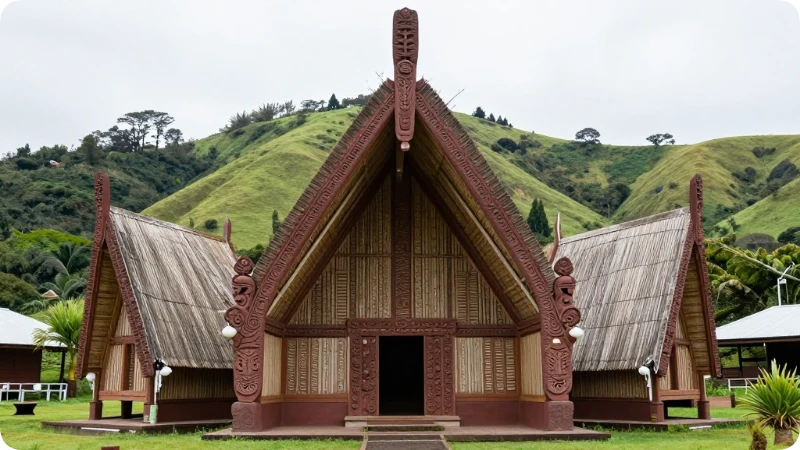
A first-time trip typically balances North Island culture and cities with South Island scenery. Here’s a realistic structure many Americans follow.
| Days | Region | Highlights |
| 1–3 | Auckland & Bay of Islands | City sights, Waiheke Island wine, sailing |
| 4–5 | Rotorua | Geothermal parks, Māori cultural experiences |
| 6 | Wellington | Te Papa Museum, waterfront, film locations |
| 7–8 | Queenstown | Adventure sports, lake views, Milford Sound day trip |
| 9–10 | Christchurch or Wanaka | Gardens, gateway to alpine scenery |
Common Mistakes First-Time Visitors Make
- Underestimating driving times. Distances on the map look short, but winding roads and single-lane bridges slow things down significantly. Build extra buffer time into every driving day.
- Skipping the NZeTA until the last minute. Approval is usually fast, but airline check-in staff won’t let you board without it, so apply well before departure.
- Packing for one climate. New Zealand’s weather can shift from sun to sleet within hours, especially near mountains, so layers matter more than a single “summer” or “winter” wardrobe.
Three underrated alternatives to crowded hotspots:
- Swap Milford Sound’s crowds for nearby Doubtful Sound, quieter and just as dramatic.
- Skip peak-season Queenstown lines for Wanaka, a short drive away with similar scenery.
- Trade the packed Tongariro Crossing for the Pouakai Crossing near Mount Taranaki.
FAQs
Do US citizens need a visa for New Zealand?
No traditional visa is required for short tourist trips. US citizens need an NZeTA, a simpler electronic travel authorization, valid for stays up to 90 days within a two-year window.
How far in advance should I apply for the NZeTA?
Apply at least 72 hours before your flight, though most approvals arrive within minutes. Applying a week or two ahead removes any risk of delays affecting your travel plans.
Is New Zealand worth the long flight from the USA?
Most travelers say yes, given the concentration of unique landscapes, from fjords to geothermal fields, packed into a relatively small country. The 13-hour flight is long, but direct routes from the West Coast make it manageable in one overnight leg.
How many days do I need in New Zealand?
Ten to fourteen days lets you see highlights on both islands without constant rushing. A week is workable if you focus on just one island, while three weeks or more suits travelers wanting a slower pace.
What’s overrated in New Zealand?
Extremely tight, back-to-back itineraries that try to “do” both islands in under a week often lead to more driving than sightseeing. Slowing down usually produces a better trip than cramming in every famous stop.
What’s underrated in New Zealand?
The Catlins, Abel Tasman National Park, and the Coromandel Peninsula see far fewer crowds than Queenstown or Milford Sound but offer comparably stunning scenery and a more relaxed pace.
Do I need travel insurance for New Zealand?
It’s not a legal entry requirement, but it’s strongly recommended given New Zealand’s adventure-heavy activities and the high cost of medical care or emergency evacuation without coverage.
Can I use my US credit card in New Zealand?
Yes, major US credit and debit cards are widely accepted in cities and towns, though it’s smart to carry some cash for smaller rural shops, markets, and DOC campsites that may not take cards.
Will my US phone plan work in New Zealand?
Most US carriers offer international roaming plans, but a local NZ SIM or eSIM is often cheaper and more reliable for a multi-week trip, especially in remote areas with weaker coverage.
Is tap water safe to drink in New Zealand?
Yes, tap water is safe to drink throughout most of New Zealand’s cities and towns. In remote backcountry areas, it’s still wise to treat stream water before drinking.
Do I need an international driver’s license to rent a car?
US citizens can typically drive in New Zealand using a valid US driver’s license for stays up to 12 months, though an International Driving Permit is a good backup, especially since rental companies sometimes prefer to see one.
What’s the best way to get around without a car?
InterCity buses connect most major towns and tourist stops affordably, and domestic flights or the TranzAlpine scenic train cover longer distances quickly if you’d rather skip self-driving.
Conclusion
Travel to New Zealand from the USA comes down to three essentials: get your NZeTA sorted early, budget realistically for a mid-to-high cost destination, and build breathing room into your itinerary for the long drives between jaw-dropping views. None of it is complicated once you know what to expect.
The payoff is a country that packs fjords, geothermal valleys, wine country, and world-class hiking into a landmass smaller than California. Start your NZeTA application early, book flights during shoulder-season sweet spots for better pricing, and let the 13-hour flight be the only slow part of your trip.
Always confirm current visa fees, IVL amounts, and entry rules on immigration. govt.nz before booking, since government policies can change without much notice.

Maya Lin inspires travelers to explore the globe with absolute confidence and independence. Armed with a background in digital media and a decade of independent solo travel experience, she knows exactly how to navigate unfamiliar cities smoothly and safely. For Travelmarse, Maya curates the solo travel and hidden-gem verticals. She reviews charming boutique hotels, designs smart neighborhood walking routes, and shares practical language-learning hacks, giving readers the exact tools they need to travel solo without the stress.