Iceland packs volcanoes, glaciers, hot springs, and the Northern Lights into a country roughly the size of Kentucky, which is exactly why so many US travelers get overwhelmed trying to plan a trip.
Between shifting weather, a currency that isn’t the euro, and a dizzying list of “must-see” waterfalls, it’s easy to either overpack the itinerary or miss the highlights entirely.
This guide breaks down the top things to do in Iceland by season, budget, and travel style, plus the practical details costs, packing, food, safety, and shopping that most articles skip.
Whether the plan is three days around Reykjavik or a full week circling the Ring Road, everything needed to book with confidence starts here.
Featured Snippet:
The best things to do in Iceland include the Blue Lagoon, Golden Circle (Þingvellir, Geysir, Gullfoss), South Coast waterfalls, glacier hiking on Vatnajökull, whale watching from Reykjavik, the Northern Lights (Sept–March), Reynisfjara black sand beach, the Blue Ice Cave, Diamond Beach, and soaking in the Sky Lagoon.
Quick Facts Table
Iceland sits just below the Arctic Circle in the North Atlantic, with Reykjavik as its capital and Keflavík International Airport (KEF) as the main gateway for US flights. It uses the Icelandic króna (ISK), drives on the right, and runs almost entirely on renewable geothermal and hydro power.
| Category | Details |
| Capital | Reykjavik |
| Main Airport | Keflavík International Airport (KEF), ~45 min from Reykjavik |
| Currency | Icelandic króna (ISK); cards accepted almost everywhere |
| Language | Icelandic (English widely spoken) |
| Best For | Nature lovers, road trippers, photographers, Northern Lights chasers |
| Visa (US citizens) | Not required for stays up to 90 days; ETIAS authorization begins late 2026 |
| Time Zone | GMT+0 year-round (no daylight saving) |
| Peak Season | June–August |
| Currency Exchange | Verify current ISK/USD rates before departure |
Top 10 Things to Do in Iceland
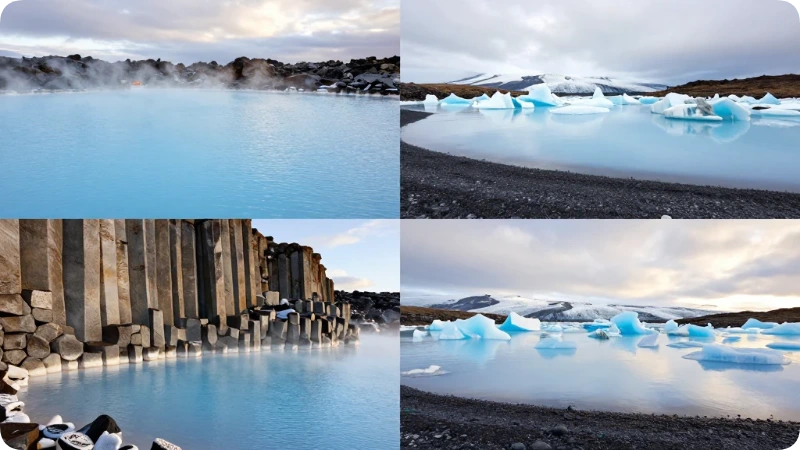
The top 10 things to do in Iceland are the Blue Lagoon, the Golden Circle, South Coast waterfalls (Seljalandsfoss and Skógafoss), Reynisfjara black sand beach, a glacier hike on Vatnajökull, whale watching from Reykjavik’s Old Harbour, the Northern Lights, Jökulsárlón Glacier Lagoon, Diamond Beach, and the Sky Lagoon.
- Blue Lagoon – A geothermal spa near Keflavík, ideal right after landing or before flying home.
- Golden Circle – A day-trip loop covering Þingvellir National Park, the Geysir geothermal area, and Gullfoss waterfall.
- Seljalandsfoss & Skógafoss – Two of Iceland’s most photographed waterfalls on the South Coast.
- Reynisfjara – A dramatic black sand beach with basalt columns near Vík.
- Vatnajökull Glacier Hike – Guided ice hikes onto Europe’s largest glacier.
- Whale Watching – Boat tours depart daily from Reykjavik’s Old Harbour, best April–October.
- Northern Lights – Visible on clear nights roughly September through March.
- Jökulsárlón Glacier Lagoon – Floating icebergs drift toward the sea in this iconic lagoon.
- Diamond Beach – Ice chunks wash ashore just across the road from Jökulsárlón.
- Sky Lagoon – A newer, less crowded geothermal spa closer to downtown Reykjavik.
Top 20 Things to Do in Iceland (Expanded List)
Beyond the top 10, Iceland rewards travelers who venture further with ice caves, volcanic craters, remote fjords, and lesser-known hot springs that see a fraction of the crowds.
- Kerið volcanic crater lake
- Fjaðrárgljúfur canyon
- Vík í Mýrdal village and Reykjanes Peninsula sea stacks
- Skaftafell Nature Reserve hiking trails
- Blue Ice Cave tours (winter only)
- Reykjadalur hot spring river hike
- Snæfellsnes Peninsula (“Iceland in Miniature”)
- Húsavík whale watching in North Iceland
- Dettifoss, Europe’s most powerful waterfall
- Landmannalaugar highland trails (summer only)
Insider tip: Many of these sites are free to visit; the cost comes from guided tours (ice caves, glacier hikes) that require certified guides for safety.
Things to Do in Iceland in Winter
Winter in Iceland (November–March) is built around the Northern Lights, ice caves, and cozy geothermal pools, with short daylight hours (as little as 4–5 hours in December) balanced by dramatically fewer crowds.
- Chase the Northern Lights on a guided tour away from Reykjavik’s light pollution.
- Explore a crystal blue ice cave inside Vatnajökull glacier (only accessible November–March).
- Soak in geothermal spas like the Blue Lagoon, Sky Lagoon, or Secret Lagoon.
- Drive the South Coast to see frozen waterfalls and Diamond Beach.
- Try snowmobiling on a glacier or a super jeep tour into the highlands.
Winter driving conditions can be severe; check road. and safetravel.is before any self-drive trip.
Things to Do in Iceland: Northern Lights
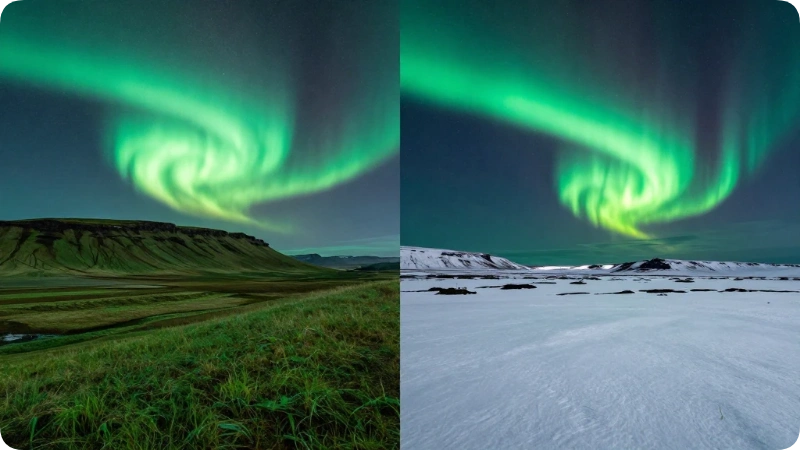
The Northern Lights (Aurora Borealis) are typically visible in Iceland from late August through mid-April, with September, October, February, and March offering the best mix of dark skies and milder weather. Success depends on solar activity, cloud cover, and minimal moonlight.
Best viewing spots include Þingvellir National Park, Kirkjufell mountain on Snæfellsnes, and anywhere along the South Coast away from Reykjavik’s city lights. Guided aurora tours drive to clear-sky pockets in real time, which raises the odds compared to self-driving. The Icelandic Meteorological Office publishes a nightly aurora forecast that’s worth checking before heading out.
Things to Do in Iceland in December
December combines Christmas markets, the shortest days of the year, and strong Northern Lights odds, making it a magical but weather-dependent time to visit.
- Wander Reykjavik’s Christmas lights and Laugavegur shopping street.
- Try to spot the Northern Lights on clear nights (roughly 4–5 hours of daylight).
- Warm up in the Blue Lagoon or Sky Lagoon under falling snow.
- Visit the Yule Lads folklore displays around the capital.
- Book flexible tours, since South Coast excursions can be weather-dependent this time of year.
Free Things to Do in Iceland
Iceland’s natural attractions are largely free to visit; travelers mostly pay for transportation, guided tours, and paid spas rather than entry fees.
- Walk along Reynisfjara black sand beach.
- Hike to Seljalandsfoss and walk behind the falls.
- Explore downtown Reykjavik, including Hallgrímskirkja church exterior and Sun Voyager sculpture
- Watch the Northern Lights from any dark-sky location
- Hike the Reykjadalur hot spring valley (bring a towel for the free natural hot river)
- Visit Þingvellir National Park, a free UNESCO World Heritage Site
Money-saving tip: Pack a swimsuit for Reykjadalur’s free hot river instead of paying for a spa every day.
Places to Visit in Iceland: Reykjavik
Reykjavik, the world’s northernmost capital, works well as a home base for day trips and offers enough on its own for one to two full days of exploring.
- Hallgrímskirkja – Iceland’s tallest church, with a viewing tower over the city.
- Old Harbour – The launch point for whale watching and puffin tours.
- Laugavegur Street – The main shopping and dining strip.
- Perlan Museum – Interactive exhibits on Icelandic nature, including a real ice cave.
- Harpa Concert Hall – A striking glass building on the waterfront, free to walk through.
- Sun Voyager – A steel Viking ship sculpture along the harbor walk.
Things to Do in Iceland Near Reykjavik
Several highlights sit within a 30–90 minute drive of the capital, making them ideal for travelers without much time.
- Sky Lagoon – About 20 minutes from downtown.
- Reykjanes Peninsula – Lava fields, geothermal areas, and the Blue Lagoon, near the airport.
- Golden Circle – Þingvellir, Geysir, and Gullfoss, all within a single day trip.
- Reykjadalur hot spring hike – About 45 minutes away, near Hveragerði.
- Mount Esja – A popular day hike just outside the city for skyline views.
What Is the Number One Attraction in Iceland?
The Blue Lagoon is generally considered Iceland’s single most-visited attraction, drawing hundreds of thousands of travelers each year for its milky-blue geothermal water, silica mud masks, and proximity to Keflavík Airport. For natural landmarks specifically, the Golden Circle and Jökulsárlón Glacier Lagoon are the most consistently recommended must-sees among returning travelers.
Book Blue Lagoon tickets in advance, since walk-up entry is frequently unavailable, especially in summer.
What Is the Prettiest City in Iceland?
Reykjavik is widely regarded as Iceland’s most scenic city, thanks to colorful rooftops, Hallgrímskirkja’s dramatic silhouette, and its harborfront setting against distant mountains. For a smaller, postcard-worthy alternative, Ísafjörður in the Westfjords offers dramatic fjord scenery with a fraction of the tourists, and Akureyri in North Iceland is often called the “Capital of the North” for its charming, walkable downtown.
Best Time to Visit Iceland (Seasonal Comparison Table)
Iceland rewards visits year-round, but the “best” season depends on the goal: long daylight for road-tripping, or dark skies for the Northern Lights.
| Season | Months | Highlights | Trade-offs |
| Summer (Peak) | June–Aug | Midnight sun, highland roads open, whale watching | Highest prices, biggest crowds |
| Shoulder | Apr–May, Sep–Oct | Fewer crowds, lower prices, decent daylight | Weather is less predictable |
| Winter (Off) | Nov–Mar | Northern Lights, ice caves, lowest prices on some hotels | Short daylight, possible road closures |
What’s the Cheapest Month to Go to Iceland?
April, May, September, and October are the shoulder seasons and tend to offer the cheapest month to go to Iceland, since flight and hotel prices drop from summer peaks while daylight and road access are still reasonable. Late autumn (November) can also bring lower hotel rates, though shorter days and unpredictable weather are trade-offs to weigh.
When’s the Worst Time to Go to Iceland?
There isn’t a single “worst” month, but late December through February can be the most challenging for first-time visitors due to only 4–6 hours of daylight, frequent storms, and possible road closures on the Ring Road. Travelers who prioritize long daylight hours and easy driving should avoid deep winter unless the Northern Lights are the main goal.
What Is the Hottest Month in Iceland?
July is Iceland’s hottest month, with average highs around 55–57°F (13–14°C) in Reykjavik. Even in summer, Iceland rarely feels “hot” by US standards, so layering is still recommended regardless of the month.
Is 3 Days Enough for Iceland?
Yes, three days is enough time to cover Reykjavik, the Golden Circle, and a stretch of the South Coast, making it a popular option for a stopover en route to Europe. It won’t allow time for the full Ring Road or the Westfjords, but it comfortably covers Iceland’s most iconic highlights.
Sample 3-Day Iceland Itinerary:
- Day 1: Arrive, Blue Lagoon or Sky Lagoon, explore Reykjavik
- Day 2: Golden Circle (Þingvellir, Geysir, Gullfoss)
- Day 3: South Coast day trip (Seljalandsfoss, Skógafoss, Reynisfjara)
Is 7 Days Enough Time to Visit Iceland?
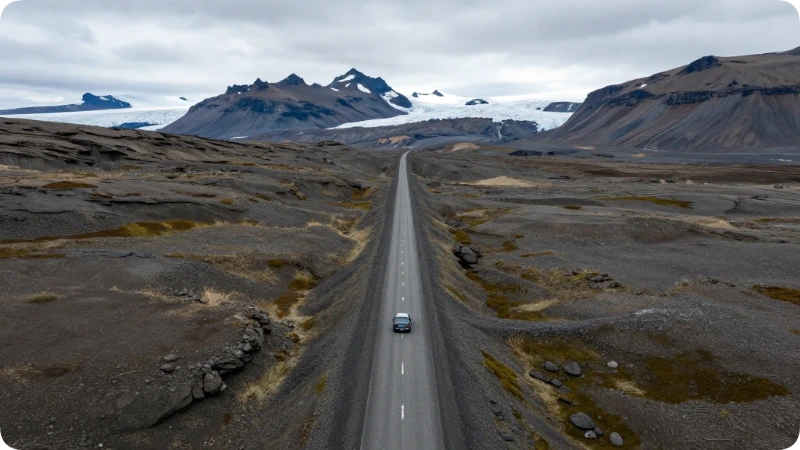
Yes, seven days is enough time to drive a significant portion of the Ring Road, including the South Coast, the Jökulsárlón Glacier Lagoon, and either East Iceland or a return loop through the highlands in summer. A full week is generally considered the sweet spot for balancing pace with coverage.
Sample 7-Day Iceland Itinerary:
- Days 1–2: Reykjavik, Golden Circle, Sky Lagoon
- Days 3–4: South Coast to Vík, glacier hike, Reynisfjara
- Day 5: Jökulsárlón Glacier Lagoon and Diamond Beach
- Day 6: Skaftafell hiking or Blue Ice Cave (winter)
- Day 7: Return drive to Reykjavik, Blue Lagoon before departure
Do You Need a Car in Iceland?
A car isn’t required for a Reykjavik-and-Golden-Circle trip, since guided day tours cover most highlights, but a rental car is strongly recommended for anyone planning to see the South Coast, Ring Road, or off-the-beaten-path sites at their own pace. Iceland drives on the right, and a standard US driver’s license is valid for car rentals.
Public buses (Strætó) and long-distance coaches connect major towns, but service is limited outside Reykjavik, especially in winter. F-roads (highland routes) require a 4WD vehicle and are only open in summer.
Is Iceland Expensive to Visit?
Yes, Iceland is one of the more expensive destinations in Europe, with restaurant meals running 1.5–1.8 times higher than average US prices and hotel rooms often costing $200–400+ per night in summer. Costs can be managed by self-catering from supermarkets, traveling in shoulder season, and mixing free natural attractions with a few paid tours.
How Expensive Is a 7-Day Trip to Iceland?
A realistic 7-day trip to Iceland ranges from roughly $1,500–$2,000 per person on a budget-conscious plan (hostels, self-catering, occasional tours) up to $3,500+ per person for a mid-range trip with hotels, rental car, and multiple guided excursions. Flights from the US typically add another $400–$900 round-trip depending on season and origin city. Always verify current flight and tour prices directly, since they shift seasonally.
How Much Money Will I Need for 4 Days in Iceland?
For a 4-day trip, budget travelers should plan for roughly $700–$1,000 per person (excluding flights), covering hostel or guesthouse stays, groceries plus a few meals out, and one or two paid attractions like the Blue Lagoon. Mid-range travelers should budget closer to $1,200–$1,800 per person for hotels, a rental car, and guided tours.
How Much Is a Cup of Coffee in Iceland?
A cup of coffee in Iceland typically costs $3–5.50 USD (roughly 450–680 ISK), with filter coffee on the lower end and a cappuccino or latte on the higher end. Gas station cafés and supermarket cafés tend to be cheaper than downtown Reykjavik coffee shops.
Is It Cheaper to Travel to Iceland or Norway?
Iceland and Norway are both expensive, but Norway is often slightly pricier overall for accommodations and dining, while Iceland can edge higher on guided tours and car rentals due to its smaller tourism infrastructure. In practice, day-to-day costs (restaurant meals, coffee, groceries) land in a similar range in both countries, so the deciding factor is usually which specific attractions fjords versus glaciers and volcanoes matter more for the trip.
Where to Stay in Iceland
Reykjavik works best as a base for shorter trips, while a Ring Road itinerary calls for a new town each night or two.
- Budget: Hostels and guesthouses ($50–120/night)
- Mid-Range: 3-star hotels and boutique guesthouses ($150–280/night)
- Luxury: 4-star-plus hotels and design hotels in central Reykjavik ($300–500+/night)
Book accommodations well ahead for summer travel, since small towns along the Ring Road have limited room inventory.
Budget Breakdown
A rough daily budget outside of flights: Budget ~$120–160/day, Mid-range ~$250–350/day, Luxury $450+/day, covering lodging, food, transport, and one activity. Alcohol, guided tours, and car rental insurance are the easiest places for costs to climb; verify current tour and rental prices before booking, since they shift with season and fuel costs.
What Food Is a Must in Iceland?

Icelandic cuisine leans on fresh seafood, lamb, and dairy, with a few dishes travelers should try at least once.
- Icelandic hot dog (pylsur) – A cheap, iconic street food, often from Bæjarins Beztu Pylsur in Reykjavik.
- Fresh fish and chips – Widely available along the harbor and South Coast.
- Lamb soup (kjötsúpa) – A hearty, traditional comfort dish.
- Skyr – A thick, protein-rich Icelandic dairy product, sold in every supermarket.
- Langoustine (Icelandic lobster) – A South Coast specialty, especially in Höfn.
What Do They Eat for Breakfast in Iceland?
A typical Icelandic breakfast includes skyr with fruit or granola, rye bread with butter and cheese, and hard-boiled eggs, often paired with strong coffee. Hotels commonly serve a Nordic-style buffet with smoked fish, cold cuts, and porridge alongside these staples.
What Are Must Buys in Iceland?
Popular souvenirs and local products include Icelandic wool sweaters (lopapeysa), volcanic lava jewelry, Icelandic skincare products made with geothermal ingredients, local licorice and chocolate, and handmade ceramics. Buying directly from small design shops in Reykjavik supports local artisans over mass-produced imports.
What Jewelry Is Iceland Known For?
Iceland is best known for jewelry made from lava rock, volcanic ash, and silver inspired by Nordic and Viking design, often sold by local designers in Reykjavik’s design district. Brands blending raw Icelandic materials with minimalist Scandinavian styling are the most sought-after souvenir jewelry pieces.
What to Buy in Iceland Duty-Free
Keflavík Airport’s duty-free shop is one of the few places to legally buy alcohol at lower prices, alongside Icelandic chocolate, skincare products, and souvenirs, and is worth visiting on arrival since prices are often similar to departure. Alcohol bought duty-free on arrival can be brought straight into Iceland, which is a common way travelers save on Iceland’s heavily taxed alcohol.
What Are Some Famous Brands from Iceland?
Notable Icelandic brands include 66°North (outdoor apparel), Icewear, Kría and other wool knitwear labels, Omnom Chocolate, Sóley Organics and Bioeffect skincare, and musicians like Björk and Sigur Rós, who put Icelandic culture on the global map.
Can I Wear Jeans in Iceland?
Yes, jeans are fine for everyday sightseeing in Iceland, especially in towns and cities, but they’re a poor choice for glacier hikes, waterfall trails, or any rainy day since denim stays wet and cold. Layering with moisture-wicking base layers, a fleece, and a waterproof outer shell is the more practical choice for outdoor excursions.
Should I Bring Toilet Paper to Iceland?
No, it isn’t necessary to bring toilet paper to Iceland. Restrooms are widely available at gas stations, restaurants, and paid rest stops along popular routes, though some remote sites charge a small fee (typically under $2) to use facilities. Carrying a small amount of cash or a card for these pay toilets is a smarter packing move.
What Not to Bring into Iceland?
Iceland has strict biosecurity rules to protect its isolated ecosystem, so travelers should not bring used outdoor gear, hiking boots, or camping equipment that hasn’t been cleaned and disinfected, along with raw meat, unpasteurized dairy, or soil-covered items. Fishing gear and horse-riding equipment face especially strict disinfection requirements; check Iceland’s customs authority (Skatturinn) for current rules before packing.
What to Be Careful of in Iceland?
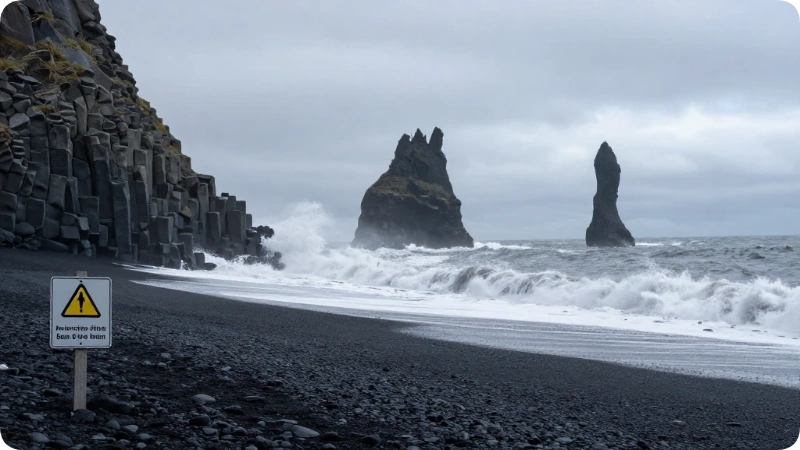
The biggest safety concerns in Iceland involve weather, road conditions, and getting too close to natural hazards rather than very low crime. Sudden windstorms can make car doors dangerous to open, black ice forms quickly in winter, and unstable cliffs or waves at spots like Reynisfjara have caused serious accidents.
Always check road.is and safetravel.is before driving, follow posted warning signs, and never turn your back to the ocean at black sand beaches.
Are Bed Bugs a Problem in Iceland?
No, bed bugs are not a widespread problem in Iceland. Isolated cases can happen anywhere international travelers pass through, as with any country, but Iceland’s hotels and guesthouses maintain high cleanliness standards overall. Checking reviews before booking and inspecting the mattress seams on arrival remains a smart general precaution.
Do’s and Don’ts in Iceland
Do:
- Respect trail markers and closed areas, especially near geothermal features
- Tip only for exceptional service (tipping isn’t expected)
- Book popular attractions and rental cars well in advance for summer
Don’t:
- Walk on moss-covered lava fields (it takes decades to regrow)
- Drive off marked roads, even on seemingly firm terrain
- Assume warm weather; pack layers regardless of season
What Not to Do on a Trip to Iceland?
The most common mistakes travelers make are underestimating driving distances, skipping travel insurance, ignoring weather alerts, and packing like it’s a mild European city trip. Iceland’s weather can change in minutes, so flexible plans and proper gear matter more here than in most European destinations.
3 common mistakes and fixes:
- Mistake: Renting a 2WD car for a winter Ring Road trip. Fix: Book a 4WD, especially outside summer.
- Mistake: Skipping travel insurance. Fix: Purchase coverage that includes weather-related cancellations and medical evacuation.
- Mistake: Trying to see the entire Ring Road in under a week. Fix: Focus on one region (South Coast, Golden Circle) rather than rushing the whole island.
Hidden Gems (3 Underrated Alternatives)
- Westfjords – Dramatic, uncrowded fjords with a fraction of South Coast’s tourist traffic.
- Secret Lagoon (Gamla Laugin) – A quieter, more affordable alternative to the Blue Lagoon near the Golden Circle.
- Stokksnes / Vestrahorn – A striking mountain-and-black-sand-beach photo spot in East Iceland, far less crowded than Reynisfjara.
FAQs
Is the Blue Lagoon worth it?
Yes, most first-time visitors find the Blue Lagoon worth it for the milky-blue water, silica masks, and swim-up bar, though it’s also crowded and pricier than smaller alternatives like the Secret Lagoon or Sky Lagoon. Booking a time slot well in advance is essential, especially in summer.
How many days does Iceland really need?
A minimum of 4–5 days allows time for Reykjavik, the Golden Circle, and a South Coast day trip without rushing. Travelers wanting the full Ring Road experience should plan 7–10 days.
What’s overrated in Iceland?
Some travelers find the Blue Lagoon overrated given its high price and crowds compared to quieter geothermal pools nearby, though it remains a memorable experience for first-timers. Booking early and setting expectations helps avoid disappointment.
What’s underrated in Iceland?
The Westfjords and East Iceland are consistently underrated, offering dramatic scenery with a fraction of the crowds found on the South Coast and Golden Circle.
Can you see the Northern Lights without a tour?
Yes, self-driving to a dark, clear-sky location works well for spotting the Northern Lights, provided the aurora forecast is favorable. Guided tours simply add the advantage of chasing clear skies in real time and local expertise on timing.
Conclusion
Iceland rewards travelers who plan around its seasons, respect its weather, and prioritize a handful of highlights over trying to see everything at once. Three takeaways stand out: book major attractions and rental cars early, pack in layers regardless of the season, and match the trip length to the goal a short stopover for the Golden Circle and Blue Lagoon, or a full week for the Ring Road and glacier lagoons.
Iceland’s mix of volcanoes, waterfalls, and Northern Lights delivers an unforgettable trip, whether the plan is three days or ten. Start mapping out flights, lodging, and a rough itinerary now, and always confirm current prices, road conditions, and entry requirements directly with official Icelandic tourism and transport authorities before departure.