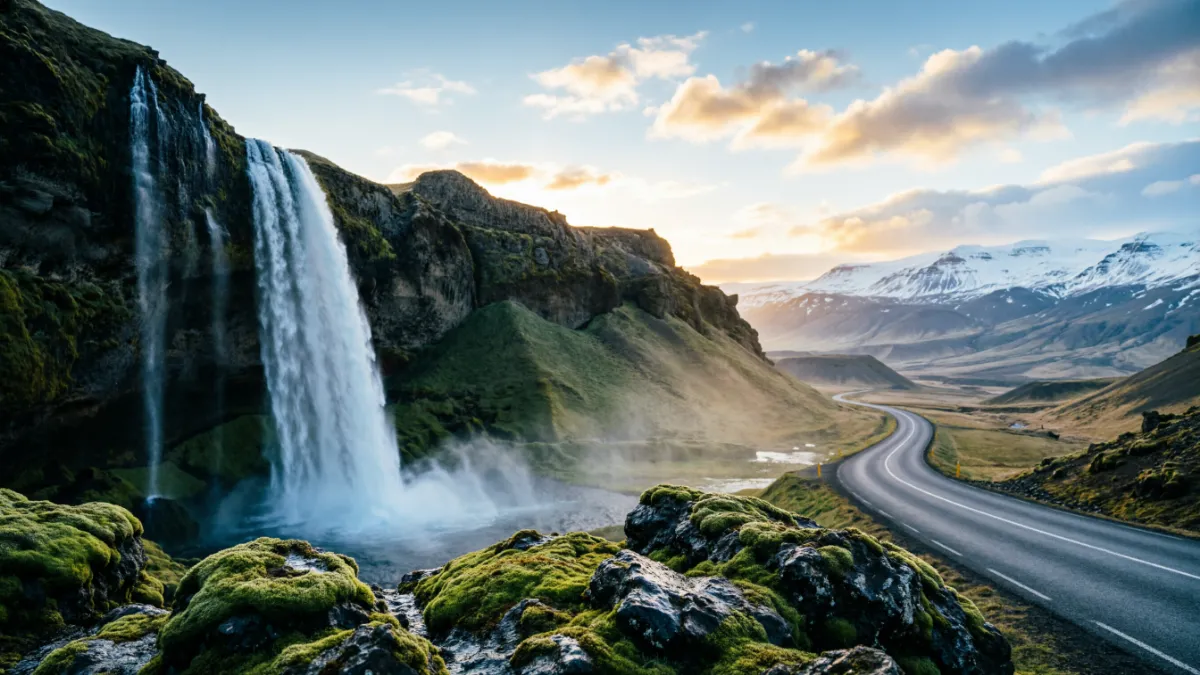
Iceland has a way of making you feel small in the best possible sense. One minute you’re standing beside a waterfall loud enough to drown out your own thoughts; the next you’re watching green light ripple across a sky so dark it feels borrowed from another planet. Planning around that scale of scenery is the hard part: where to go first, how many days you actually need, and what’s worth the drive versus what’s an overhyped photo stop.
This guide breaks down the top things to see in Iceland for first-time USA travelers, month by month and region by region, with honest notes on cost, crowds, and what locals wish visitors knew before landing at Keflavík. If you have three days or two weeks, you’ll leave with a realistic, ready-to-book plan.
Featured Snippet:
The best things to see in Iceland include the Golden Circle (Þingvellir, Geysir, Gullfoss), the South Coast waterfalls and black sand beaches, the Blue Lagoon, Jökulsárlón Glacier Lagoon, the Northern Lights (Sept–April), Reykjavik’s old town, and the Snæfellsnes Peninsula, often called “Iceland in miniature.”
Quick Facts Table
| Category | Details |
| Capital | Reykjavik |
| Currency | Icelandic Króna (ISK); cards accepted almost everywhere |
| Language | Icelandic; English widely spoken |
| Best for | Nature, road trips, Northern Lights, hot springs |
| Peak season | June–August |
| Shoulder season | April–May, September–October |
| Time zone | GMT (no daylight saving) |
| Flight time from US East Coast | ~5–6 hours |
| Entry requirement | Valid passport; ESTA-style visa waiver for eligible US travelers |
Entry requirements can change; always confirm current rules on the official Directorate of Immigration (Útlendingastofnun) site before booking.
Best Time to Visit Iceland
There’s no single best month; it depends on whether you want the Midnight Sun, the Northern Lights, or the lowest prices. <cite index=”3-1″>Summer (June–August) brings 20+ hours of daylight, mild temperatures, all highland roads open, and peak wildlife viewing, but flights and hotels cost significantly more and popular sites get crowded.</cite> <cite index=”3-1″>Winter (November–February) offers long nights for aurora hunting and glacier ice caves at noticeably lower prices, though daylight shrinks to just a few hours and roads can turn icy.</cite>
Shoulder season sweet spot: <cite index=”3-1″>September delivers Northern Lights, reasonable daylight, and autumn colors with fewer crowds, while May offers rapidly lengthening days, blooming lupins, and lower rates than summer.</cite>
Seasonal Comparison Table:
| Season | Months | Highlights | Watch Out For |
| Summer | Jun–Aug | Midnight sun, hiking, puffins, all roads open | Highest prices, biggest crowds |
| Autumn | Sep–Oct | Aurora returns, fall colors, fewer tourists | Weather turns unpredictable |
| Winter | Nov–Feb | Northern Lights, ice caves, lowest prices | Short daylight, icy roads, some closures |
| Spring | Apr–May | Lower prices, waking landscape, lambing season | Highland roads still closed |
Cheapest months to visit tend to be November and early December (before the holidays) plus late January through March, when flight and hotel rates drop well below summer peaks. Worst time to visit for most travelers is the deep dark stretch from mid-December through early January if you dislike short daylight and cold, though it’s actually prime time for aurora chasers.
How to Get There
Most US travelers fly directly into Keflavík International Airport (KEF), about 45 minutes from Reykjavik. Icelandair and Play both run nonstop routes from several major US hubs, including New York (JFK), Boston, Washington D.C., Denver, and Seattle, with flight times around five to six hours from the East Coast.
Icelandair’s stopover program lets US travelers add a free layover of up to seven nights on the way to Europe- a smart, budget-friendly way to see Iceland without booking it as a standalone trip.
Transport Options: Getting Around Iceland
A rental car is the best way to see Iceland for most independent travelers, since public transit outside Reykjavik is limited. Route 1 (the Ring Road) circles the entire island and connects nearly every major sight. A standard sedan handles the paved Ring Road fine in summer, but 4×4 vehicles are strongly recommended for winter driving and required for F-roads (highland mountain tracks) in summer.
If self-driving isn’t your style, guided multi-day coach tours and small-group minibus tours cover the Golden Circle, South Coast, and Ring Road highlights without the driving stress. Reykjavik itself is very walkable, with city buses (Strætó) covering the rest.
Where to Stay
Reykjavik is the obvious base for city sights, day trips, and easy airport access, with everything from budget guesthouses to design hotels. For road-trippers, spreading nights along the route Vík on the South Coast, Höfn near Jökulsárlón, and Akureyri in the north cuts down long driving days and puts you closer to sunrise/sunset light for photography.
Countryside farm stays and guesthouses near the Golden Circle or Snæfellsnes Peninsula are worth booking for travelers who want quiet, star-filled nights and a more local feel than a chain hotel.
Is Iceland Expensive? Budget Breakdown
Yes, Iceland is consistently ranked among Europe’s priciest destinations, largely because most goods are imported to a remote island with high wages. <cite index=”8-1″>A mid-range traveler in 2026 typically spends 35,000–55,000 ISK ($285–$450) per person per day, excluding flights.</cite> Budget travelers using hostels, grocery-store meals, and self-driving can bring that down considerably; luxury travelers with private tours and fine dining will spend more.
Rough 4-day budget for one traveler:
| Expense | Estimated Cost (USD) |
| Mid-range hotel (4 nights) | $600–$900 |
| Rental car + fuel | $250–$400 |
| Food (mix of restaurants + groceries) | $200–$300 |
| Activities (glacier hike, lagoon, tours) | $200–$350 |
| Total (excluding flights) | ~$1,250–$1,950 |
A cup of coffee at a Reykjavik café typically runs about $5–$7, a small but telling gauge of overall prices. To stretch your budget, travel in shoulder season, cook breakfast in your accommodation’s kitchen, and book big-ticket attractions like the Blue Lagoon well in advance, since prices rise closer to your date.
Top 10 Things to See in Iceland
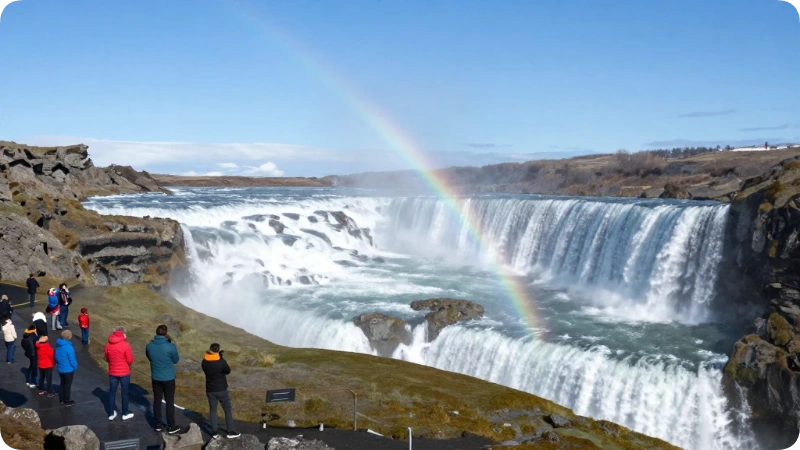
These are the sights that consistently top every seasoned traveler’s list and for good reason.
- Þingvellir National Park – UNESCO site where the North American and Eurasian tectonic plates meet
- Gullfoss Waterfall – a thundering two-tier cascade on the Golden Circle
- Geysir Geothermal Area – home to the original geyser and the reliably erupting Strokkur
- Blue Lagoon – Iceland’s famous milky-blue geothermal spa
- Jökulsárlón Glacier Lagoon – icebergs drifting toward the sea, with seals often nearby
- Diamond Beach – black sand scattered with washed-up ice chunks across the road from Jökulsárlón
- Seljalandsfoss & Skógafoss – two of the South Coast’s most photogenic waterfalls
- Reynisfjara Black Sand Beach – dramatic basalt columns near Vík (stay well back from the surf)
- Vatnajökull National Park – Europe’s largest glacier, with ice cave tours in winter
- Reykjavik’s Hallgrímskirkja Church – the city’s striking landmark and best skyline view
Unique Things to See in Iceland: Hidden Gems
Beyond the headline stops, Iceland rewards travelers who venture a little further off the main route.
Kerlingarfjöll highlands: teaming rhyolite mountains and hot rivers deep in the interior, reachable only in summer and largely bypassed by bus tours. Stuðlagil Canyon in the east reveals dramatic basalt column walls around a turquoise river, a spot that barely appeared on maps a decade ago. Djúpalónssandur on Snæfellsnes mixes shipwreck relics with black pebble beaches and lifting stones once used to test fishermen’s strength.
For a quieter alternative to the Blue Lagoon, locals favor the Secret Lagoon (Gamla Laugin) in Flúðir or geothermal river soaking spots like Reykjadalur, a scenic hike-in hot river near Hveragerði.
Top 20 Things to Do in Iceland
Beyond sightseeing, Iceland is built for hands-on adventure. Consider mixing in:
- Snorkeling or diving in Silfra fissure’s crystal-clear glacial water
- Glacier hiking with crampons on Sólheimajökull or Vatnajökull
- Ice cave exploring inside Vatnajökull (Nov–March)
- Whale watching from Reykjavik’s Old Harbour or Húsavík
- Puffin watching in the Westman Islands (May–August)
- Horseback riding on Icelandic horses
- Soaking in the Blue Lagoon or Sky Lagoon
- Chasing the Northern Lights on a guided night tour
- Driving the Golden Circle self-guided
- Exploring lava caves like Raufarhólshellir
- Hiking the Laugavegur Trail (multi-day, summer only)
- Kayaking among icebergs at Jökulsárlón
- Snowmobiling on a glacier
- Visiting a geothermal bakery where rye bread bakes underground
- Whale and puffin combo boat tours from Húsavík
- ATV tours across lava fields
- Northern Lights photography workshops
- Museum-hopping in Reykjavik (Perlan, National Museum, Saga Museum)
- Soaking at the Secret Lagoon
- Road-tripping the full Ring Road
Places to Visit in Iceland: Reykjavik
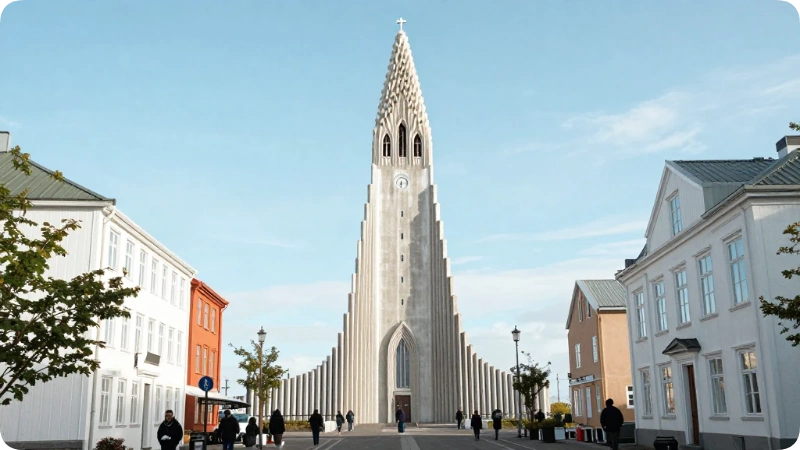
Reykjavik is compact, walkable, and easy to cover in a day or two. Start at Hallgrímskirkja for the panoramic city view, then wander down Skólavörðustígur and Laugavegur for shops, cafés, and street art. The Old Harbour area is home to whale-watching boats, seafood restaurants, and the striking Harpa Concert Hall, whose glass façade mirrors the water and sky.
Don’t miss Perlan, a museum built into old hot-water tanks with an indoor ice cave exhibit and rooftop observation deck, and the geothermal seawater pools at Sky Lagoon, a quieter, closer-to-downtown alternative to the Blue Lagoon. Reykjavik’s compact size means most of these sights are within a 20–30 minute walk of each other.
Things to Do in Iceland: Northern Lights
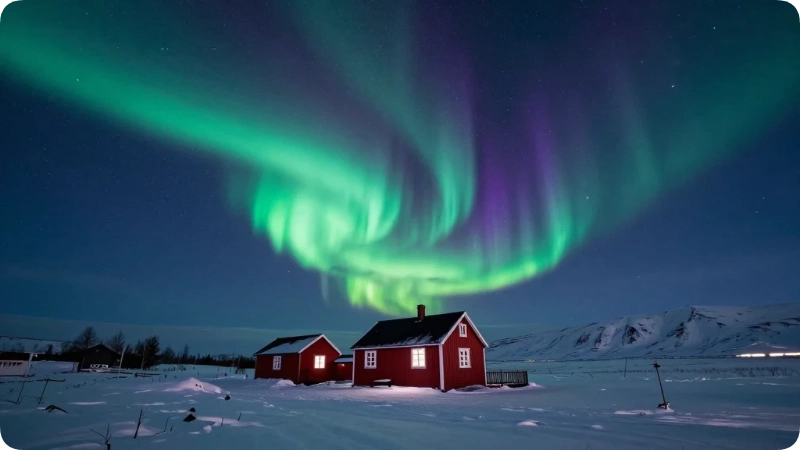
Yes <cite index=”5-1″>the Northern Lights are visible from mid-August to mid-April, when nights are dark enough, with peak viewing months including September, October, February, and March.</cite> You’ll need clear skies, low light pollution, and ideally a solar activity forecast (the Icelandic Met Office publishes a nightly aurora forecast).
Best ways to see them: Drive 20–30 minutes outside Reykjavik to escape city glow, join a guided aurora bus tour that chases clear patches of sky, or base yourself somewhere rural like Vík or the Snæfellsnes Peninsula for dark-sky access right outside your door. Guided tours add value mainly through flexibility; operators reroute in real time based on cloud cover, which solo drivers often can’t do as easily.
Top 5 Places to Visit in Iceland (Best for First-Timers)
If this is your first trip and time is tight, prioritize these five:
- Golden Circle (Þingvellir, Geysir, Gullfoss) the essential day trip from Reykjavik
- South Coast (Seljalandsfoss, Skógafoss, Reynisfjara, Vík) waterfalls and black sand in one drive
- Jökulsárlón & Diamond Beach glacial lagoon, worth the longer drive
- Reykjavik city sights, food, and a home base
- Blue Lagoon or Sky Lagoon a relaxing bookend near the airport
First-time visitors with only a few days should anchor their trip around Reykjavik and the South Coast rather than attempting the full Ring Road; trying to rush all of Iceland in under a week is one of the most common planning mistakes.
Things to See in Iceland in July
July is peak summer: near-endless daylight, mild temperatures around 50–59°F, and every highland F-road open for the season. It’s prime time for the full Ring Road, glacier hiking, and the Laugavegur multi-day trail. Puffins are still nesting through early August, making the Westman Islands and Látrabjarg cliffs good bets. Expect the biggest crowds of the year at marquee stops like Gullfoss and the Blue Lagoon, so early morning or evening visits (thanks to the midnight sun, “evening” still means plenty of light) help you beat the tour buses.
Things to Do in Iceland in December
December trades daylight for atmosphere: roughly four to six hours of light, Christmas markets and lights in Reykjavik, and strong Northern Lights odds on clear nights. Ice caves inside Vatnajökull glacier are typically open and at their most stable this time of year. Roads require winter driving caution and a 4×4 is strongly advised outside the capital. It’s also one of the more affordable months to fly, apart from the last week around Christmas and New Year’s, when demand and prices spike.
Food & Dining: What to Eat in Iceland

Icelandic cuisine leans heavily on seafood, lamb, and dairy, with a few dishes every visitor should try at least once. Plokkfiskur (fish stew with potatoes and béchamel) and fresh langoustine (lobster) are safe, delicious starting points. Icelandic hot dogs, sold at stands across Reykjavik, are a genuinely beloved local staple, not just a tourist gimmick. Skyr, a thick, protein-rich dairy product similar to yogurt, is a common breakfast item alongside rye bread, eggs, and coffee.
Adventurous eaters sometimes seek out fermented shark (hákarl), a strong-smelling delicacy traditionally paired with a shot of Brennivín schnapps worth trying once for the story, not necessarily for the flavor. Reykjavik’s food halls, like Hlemmur Mathöll, are a good way to sample several dishes affordably in one stop.
Culture & Etiquette
Icelanders are generally reserved but friendly, and English is spoken fluently almost everywhere, so language rarely poses a barrier. A simple “Halló” (hello) or “Takk” (thanks) is appreciated even though it’s not required.
Tipping isn’t customary; service charges are typically built into restaurant prices. Shoes come off at the door in most homes, and swimming pool etiquette is taken seriously: a thorough, soap-and-water shower before entering any pool or hot spring is expected and often enforced.
What to Buy in Iceland: Souvenirs & Duty-Free
Shopping in Iceland isn’t a bargain hunt, but it does offer distinctive souvenirs you won’t find elsewhere. Popular picks include lopapeysa (traditional hand-knit Icelandic wool sweaters), locally made skincare using lava or geothermal ingredients, Icelandic chocolate and licorice, and volcanic-stone jewelry.
<cite index=”30-1″>Travellers can bring up to 3kg of food not exceeding roughly 25,000 ISK in value duty-free, along with limited alcohol and tobacco allowances for travelers over the legal age.</cite> Keflavík Airport’s duty-free shop is one of the largest in Europe and is a genuinely convenient last stop for Icelandic spirits, chocolate, and skyr-based snacks at prices lower than in-town shops. Keep receipts if you plan to claim a VAT refund on qualifying purchases before departure.
Safety Tips for Iceland
Iceland consistently ranks as one of the world’s safest countries, and violent crime against tourists is rare. Solo female travelers generally report feeling comfortable exploring Reykjavik and popular routes independently, though standard precautions sharing your itinerary, avoiding isolated hikes alone in bad weather, and trusting your instincts at night still apply anywhere.
The real safety risks in Iceland are environmental, not criminal: sudden weather changes, dangerous “sneaker waves” at black sand beaches like Reynisfjara, and unmarked ice on roads and trails. Always check road.is and safetravel.is before driving, and never turn your back on the ocean at black sand beaches; the waves there have caused fatalities.
Packing Advice: What to Wear in Iceland
Layers matter more than any single item. A waterproof, windproof outer shell over a fleece or wool mid-layer handles Iceland’s fast-changing weather far better than a heavy single coat. Jeans are fine for city days in Reykjavik but become uncomfortable once wet on a hike or waterfall visit; quick-dry hiking pants are the better all-around choice.
Sneakers work for casual walking and city sightseeing, but waterproof hiking boots with good tread are strongly recommended for glacier edges, lava fields, and waterfall trails, where surfaces are often wet or uneven. Pack a swimsuit for hot springs, a warm hat and gloves outside summer, and a reusable water bottle. Icelandic tap water is famously clean and safe to drink straight from the source.
Toilet paper isn’t something you need to pack; restrooms are widely available at gas stations, attractions, and restaurants, though some remote rural stops may charge a small fee, so keep some coins or a card handy.
Common Mistakes to Avoid in Iceland
Three mistakes trip up more first-time visitors than anything else:
- Underestimating driving times. Distances on a map look short, but weather, gravel sections, and photo stops slow things down; always build in buffer time.
- Ignoring weather and road alerts. Conditions can shift within hours; checking road.is and vedur.is before heading out isn’t optional in Iceland.
- Getting too close to waterfalls, cliff edges, or the Reynisfjara surf. Marked barriers exist for a reason, and rescue teams respond to preventable incidents every year.
Other frequent slip-ups: trying to see the entire Ring Road in under five days, not booking the Blue Lagoon or popular tours far enough in advance, and packing only a single heavy coat instead of layers.
Sample Itineraries: How Many Days Do You Need?
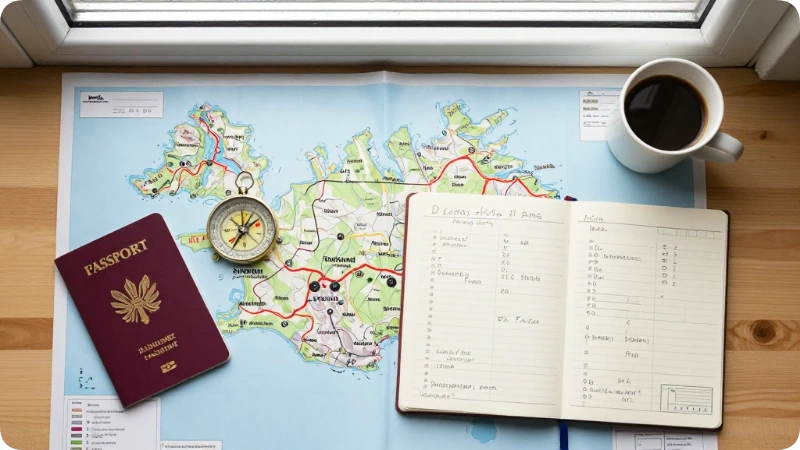
Is 3 Days Enough for Iceland?
Three days is enough to see Reykjavik, the Golden Circle, and a South Coast day trip to Seljalandsfoss, Skógafoss, and Reynisfjara a solid, well-rounded introduction. It’s tight for the full Ring Road or Jökulsárlón, both of which require more driving time than a short trip allows.
Is 7 Days Enough for Iceland?
Seven days is enough for a relaxed South Coast loop from Reykjavik to Jökulsárlón and back, or a fast-paced but doable full Ring Road circuit if you’re comfortable with several long driving days. It’s the sweet spot for combining Golden Circle, South Coast, glacier lagoon, and at least one Northern Lights night without feeling rushed.
4-Day Budget-Friendly Route
Reykjavik (Day 1) → Golden Circle (Day 2) → South Coast to Vík (Day 3) → Blue Lagoon on the way back to the airport (Day 4). This route covers most of the “Top 5” list above with minimal backtracking.
Responsible Travel
Iceland’s landscapes are stunning but fragile;moss-covered lava fields can take decades to recover from a single set of footprints. Stick to marked trails, never drive off-road (it’s illegal and heavily fined), and pack out any trash from remote stops. Choosing tour operators with sustainability certifications and supporting local, family-run guesthouses over large chains also helps keep tourism dollars in Icelandic communities.
FAQs
What should you not miss in Iceland?
Don’t skip the Golden Circle, at least one South Coast waterfall, and the Northern Lights if you’re visiting between September and April. These three deliver the classic Icelandic scenery most first-time visitors picture before they arrive.
What is the best month to go to Iceland?
June through August offers the best weather and longest days, while September and February are strong picks for combining decent weather with Northern Lights odds. The “best” month ultimately depends on whether you’re chasing daylight, aurora, or lower prices.
Is Iceland expensive to visit?
Yes, Iceland is one of Europe’s pricier destinations, with mid-range travelers spending roughly $285–$450 per person per day excluding flights. Costs drop meaningfully in shoulder and winter months, and self-driving with grocery-store meals cuts expenses further.
Can I see the Northern Lights in Iceland?
Yes, the Northern Lights are visible roughly from late August through mid-April on clear nights, with September, October, February, and March offering the best combined odds. There are no guarantees; clear skies and solar activity both need to align.
Is the Blue Lagoon worth visiting?
Most visitors find it worth the cost for the unique mineral-rich water, lava field setting, and convenient location near Keflavík Airport. Budget-conscious travelers who want a similar experience for less often choose the Secret Lagoon or Sky Lagoon instead.
What is the best way to travel around Iceland?
A rental car is the most flexible way to see Iceland independently, especially for the Ring Road and South Coast. Guided tours are a strong alternative for travelers who’d rather not drive in winter conditions or navigate unfamiliar roads.
What are must-try foods in Iceland?
Fresh langoustine, plokkfiskur fish stew, skyr, and Icelandic hot dogs are approachable, widely loved local dishes. Adventurous eaters sometimes try fermented shark (hákarl), though it’s more a cultural experience than a favorite flavor for most visitors.
Do they accept US dollars in Iceland?
No, the Icelandic króna (ISK) is the official currency, and shops, restaurants, and tours generally don’t accept US dollars directly. <cite index=”8-1″>International debit and credit cards work seamlessly almost everywhere, so most travelers never need to carry much cash.</cite>
Is it safe to walk around Iceland at night?
Yes, Reykjavik and other Icelandic towns are considered very safe after dark, with violent crime against visitors rare. The bigger nighttime risk is icy sidewalks in winter and low visibility on rural roads rather than personal safety.
What are the disadvantages of visiting Iceland?
High costs, unpredictable weather that can disrupt plans on short notice, and long winter darkness are the most common drawbacks travelers mention. Some also find popular sites like the Golden Circle and Blue Lagoon crowded during peak summer months.
How much money do you need in Iceland for 4 days?
A mid-range traveler should budget roughly $1,250–$1,950 for four days, covering hotels, a rental car, meals, and a few paid activities, excluding international flights. Budget travelers using hostels and grocery-store meals can trim that considerably.
Conclusion
Iceland rewards travelers who plan around what they actually want to see: chase the Northern Lights in the dark winter months, hit the highlands and midnight sun in summer, or split the difference in the shoulder seasons for fewer crowds and lower prices.
If you have three days for the Golden Circle and South Coast or a full week for the Ring Road, the country’s waterfalls, glaciers, and geothermal pools deliver on the hype without much filler.
Book big-ticket stops like the Blue Lagoon early, layer your packing list, and check road and weather conditions daily once you’re on the ground. Iceland’s landscapes have a way of staying with people long after the trip ends. Start mapping out which of these sights makes your must-see list first.
Prices, exchange rates, and entry requirements change frequently; always verify current details on official sources like Iceland.is, Visit Iceland, road. is, and safetravel.is before you travel.

Maya Lin inspires travelers to explore the globe with absolute confidence and independence. Armed with a background in digital media and a decade of independent solo travel experience, she knows exactly how to navigate unfamiliar cities smoothly and safely. For Travelmarse, Maya curates the solo travel and hidden-gem verticals. She reviews charming boutique hotels, designs smart neighborhood walking routes, and shares practical language-learning hacks, giving readers the exact tools they need to travel solo without the stress.