A land of fire and ice rewards travelers who plan. Glaciers sit beside volcanoes, and waterfalls thunder within an hour of the capital. For USA travelers weighing where to spend limited vacation days, sorting real must-sees from overhyped stops matters.
This guide covers the Iceland things to see that consistently top traveler lists, plus honest advice on timing, budget, packing, and mistakes to avoid. If the trip is 3 days or a full week, the sections below map out a realistic, satisfying itinerary built around Iceland’s most photographed landmarks and its quieter hidden gems.
Featured Snippet:
The top things to see in Iceland include the Golden Circle (Thingvellir, Geysir, Gullfoss), the Blue Lagoon, the Skógafoss and Seljalandsfoss waterfalls, the South Coast’s black sand beaches, Jökulsárlón Glacier Lagoon, and the Northern Lights (September–March). Most first-time visitors combine Reykjavík with a South Coast road trip for 5–7 days.
Quick Facts Table
| Category | Details |
| Capital | Reykjavík |
| Language | Icelandic (English widely spoken) |
| Currency | Icelandic Króna (ISK) |
| Best for | Nature, road trips, Northern Lights, hot springs |
| Peak season | June–August |
| Northern Lights season | September–March |
| Entry requirement | Valid passport; Schengen visa rules apply for longer stays |
| Time zone | GMT (no daylight saving) |
Verify current entry requirements with the U.S. State Department before booking.
Best Time to Visit Iceland (Seasonal Comparison Table)
Iceland rewards visitors year-round, but each season offers a different experience. Summer brings long daylight and easier road access, while winter unlocks the Northern Lights and ice caves.
| Season | Months | Pros | Cons |
| Summer (Peak) | Jun–Aug | Midnight sun, full road access, festivals | Higher prices, crowds |
| Shoulder | Apr–May, Sep | Fewer crowds, decent weather | Some roads/tours limited |
| Winter (Off-peak) | Oct–Mar | Northern Lights, ice caves, lower hotel rates | Short daylight, weather delays |
Bottom line: Summer suits first-timers wanting easy logistics; winter suits travelers chasing the aurora and don’t mind shorter days.
How to Get There & Transport Options
Most U.S. travelers fly directly into Keflavík International Airport (KEF), roughly 45 minutes from Reykjavík, with nonstop routes from cities like New York, Boston, and Denver on carriers such as Icelandair and Delta.
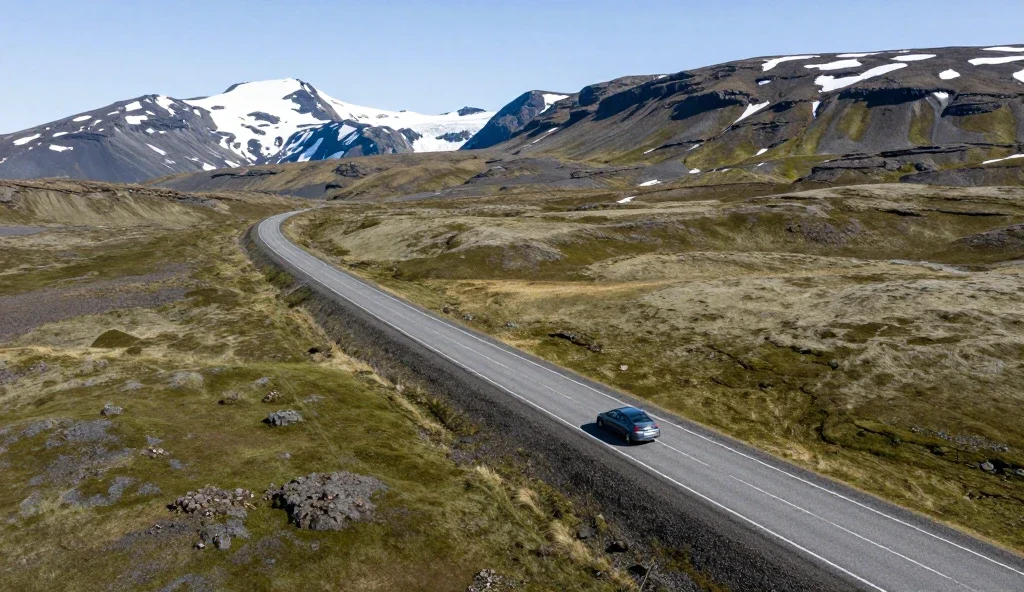
Once on the ground, a rental car is the most flexible way to see Iceland’s countryside, especially along Route 1 (the Ring Road). Travelers who prefer not to drive can join guided day tours or use long-distance buses connecting major towns.
Where to Stay & Best Area to Stay in Iceland
101 Reykjavík works best for first-timers who want walkable restaurants, museums, and nightlife near the harbor. For a South Coast road trip, overnighting in Vík or Hella cuts driving time to waterfalls and glacier sites. Travelers chasing the Northern Lights should base in the Snæfellsnes Peninsula or countryside guesthouses away from city light pollution.
Budget Breakdown: Is Iceland Expensive to Visit?
Iceland is one of Europe’s pricier destinations, largely due to imported goods and a small domestic market. A mid-range traveler should budget for accommodation, a rental car, groceries or casual dining, and paid attractions like the Blue Lagoon.
How Much Would a 1-Week Trip to Iceland Cost?
A realistic mid-range 7-day trip for one person, including flights, car rental, mid-tier lodging, and food, commonly falls in a broad moderate-to-high range compared to typical U.S. domestic trips. Budget travelers can lower costs by cooking with grocery-store food, staying in guesthouses, and skipping paid geothermal spas in favor of free public pools. Prices shift often, so cross-check current rates on Iceland’s official tourism site before finalizing a budget.
Top Attractions in Iceland
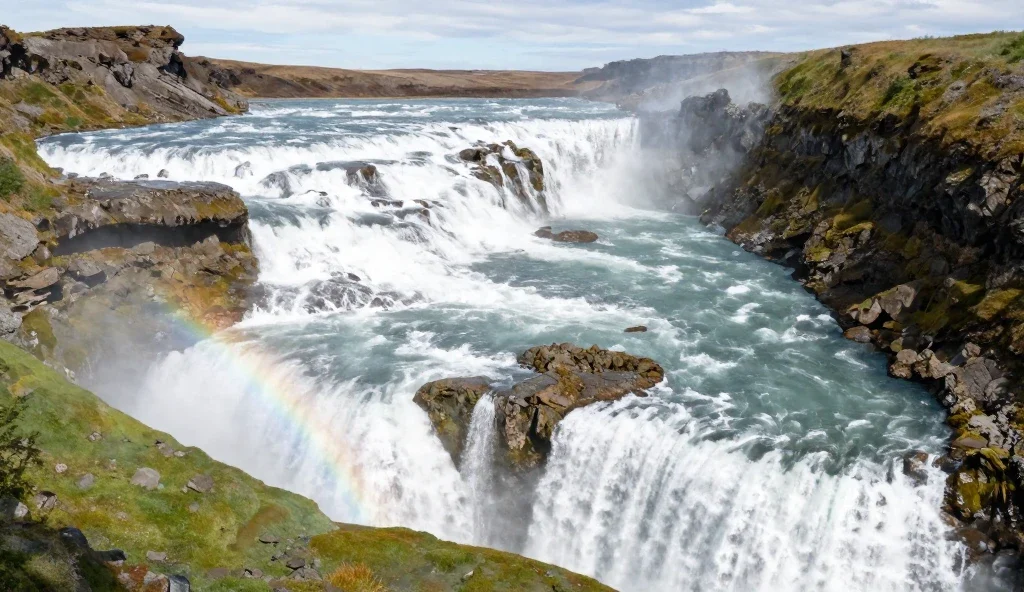
Iceland’s biggest draws cluster around accessible driving routes, making it possible to see several major landmarks in a single day trip from Reykjavík.
The Golden Circle
Thingvellir National Park, the Geysir geothermal area, and Gullfoss waterfall form the country’s most popular day-trip loop and sit within roughly 2 hours of the capital.
The Blue Lagoon
A geothermal spa near Keflavík known for milky-blue mineral water; booking ahead is essential since walk-ins are rarely available.
Seljalandsfoss & Skógafoss
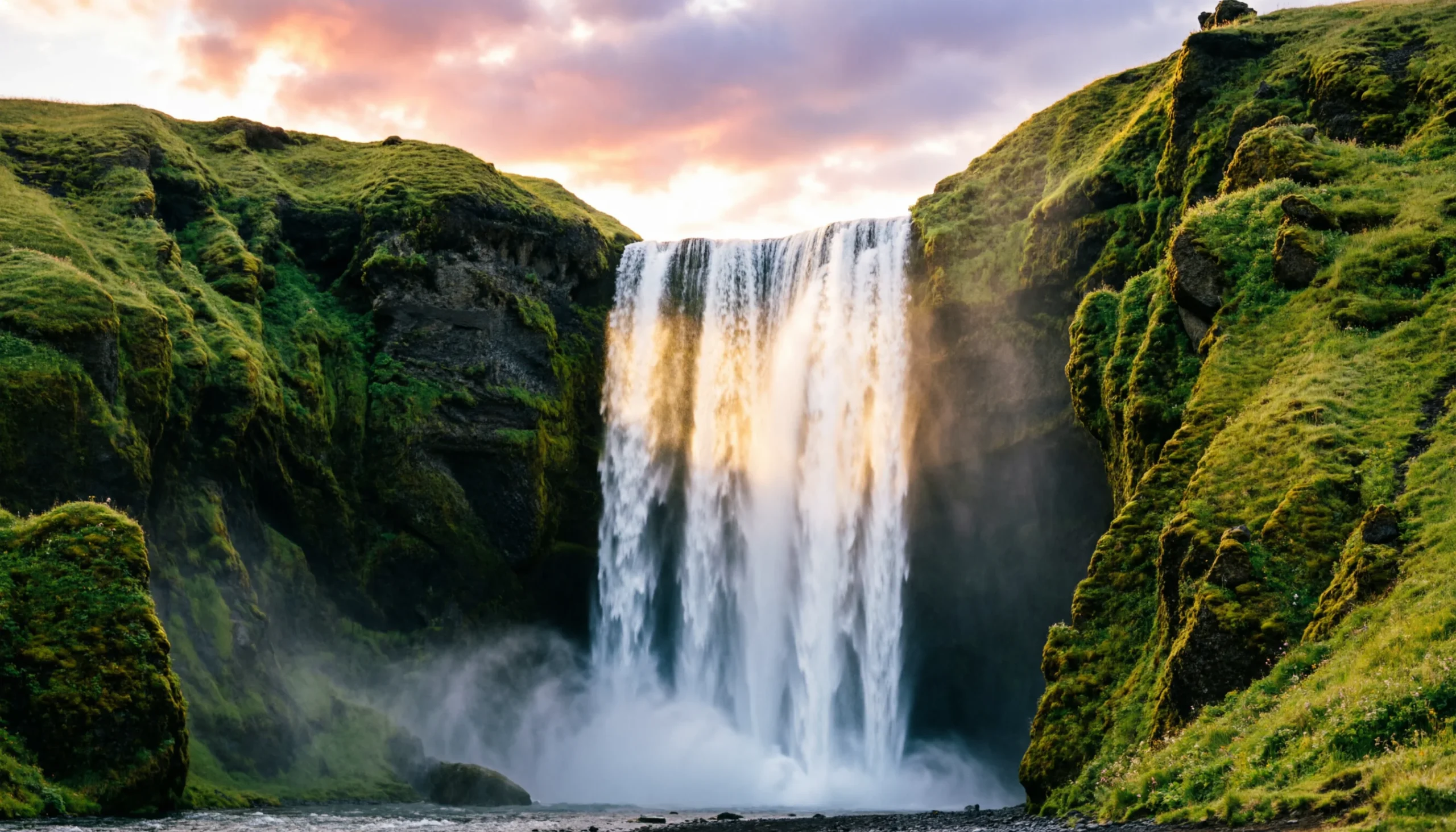
Two of Iceland’s most photographed waterfalls, both along the South Coast, with Seljalandsfoss famous for its walk-behind viewpoint.
Jökulsárlón Glacier Lagoon
A lagoon filled with drifting icebergs, paired with nearby Diamond Beach, where ice chunks wash onto black sand.
What Is the Most Famous Attraction in Iceland?
The Blue Lagoon is widely considered Iceland’s single most famous attraction, drawing visitors for its geothermal spa setting near Keflavík Airport. The Golden Circle route runs a close second as the most-visited multi-stop itinerary in the country.
What Is the Number One Attraction in Iceland?
For most travelers, the Golden Circle edges out as the number one attraction because it packs three major natural landmarks a national park, geysers, and a powerful waterfall into one accessible day trip from Reykjavík.
Hidden Gems in Iceland
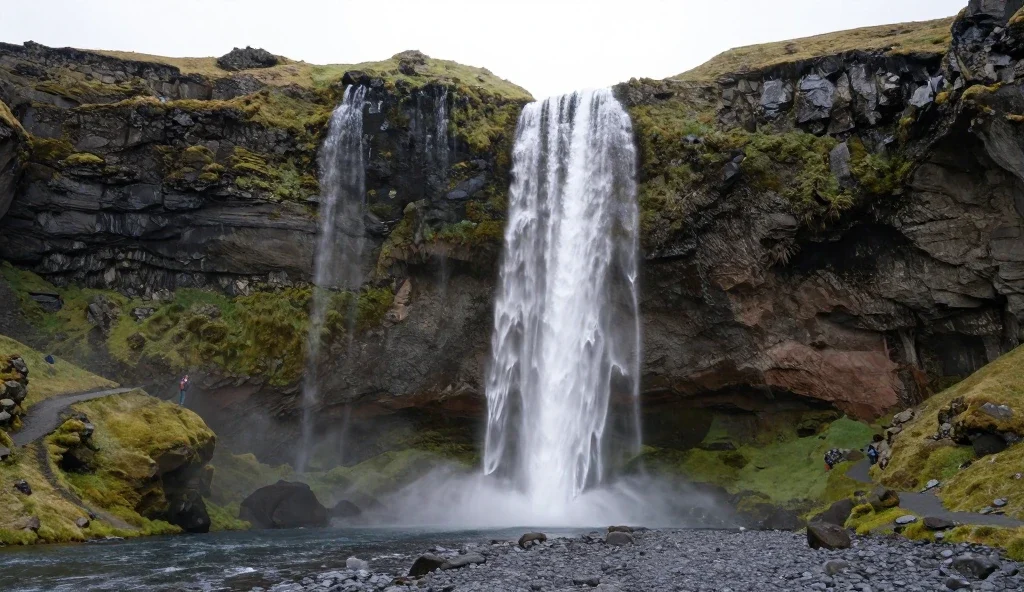
Beyond the crowded stops, quieter spots offer similar scenery with far fewer visitors.
- Kvernufoss: A lesser-known waterfall near Skógafoss with a similar walk-behind path but a fraction of the crowd.
- Reynisfjara’s quieter neighbor, Sólheimasandur The DC-3 plane wreck beach requires a longer walk, filtering out casual visitors.
- Snæfellsnes Peninsula Sometimes called “Iceland in miniature” for combining glaciers, cliffs, and black-sand coves in one region.
Top 10 Things to See in Iceland
- Golden Circle (Thingvellir, Geysir, Gullfoss)
- Blue Lagoon
- Seljalandsfoss Waterfall
- Skógafoss Waterfall
- Jökulsárlón Glacier Lagoon
- Diamond Beach
- Reynisfjara Black Sand Beach
- Vatnajökull National Park
- Snæfellsnes Peninsula
- Northern Lights (seasonal)
Top 20 Things to Do in Iceland
Beyond sightseeing, Iceland offers active and cultural experiences worth building into any itinerary: glacier hiking, snorkeling the Silfra fissure, whale watching from Húsavík or Reykjavík, exploring an ice cave, soaking in the Sky Lagoon, driving the Ring Road, visiting Vík’s black beaches, touring Vatnajökull National Park, kayaking near glacier lagoons, horseback riding with Icelandic horses, exploring Reykjavík’s Hallgrímskirkja church, museum-hopping in the capital, chasing waterfalls along the South Coast, soaking in the Secret Lagoon, road-tripping the Westfjords, visiting geothermal bakeries, catching a puffin colony (summer), touring lava caves, hunting the Northern Lights, and relaxing in a countryside guesthouse hot tub.
Things to Do in Iceland: Seasonal Breakdown
Things to Do in Iceland in Summer
Summer’s near-endless daylight opens up late-night sightseeing, puffin watching along coastal cliffs, and full access to Highland roads that stay closed the rest of the year.
Things to Do in Iceland in July
July is peak hiking season, ideal for exploring Landmannalaugar’s colorful mountains, joining a glacier hike, and catching summer festivals in Reykjavík.
Things to Do in Iceland in Winter
Winter unlocks ice cave tours inside Vatnajökull glacier, Northern Lights hunting, and quieter access to South Coast landmarks without summer crowds.
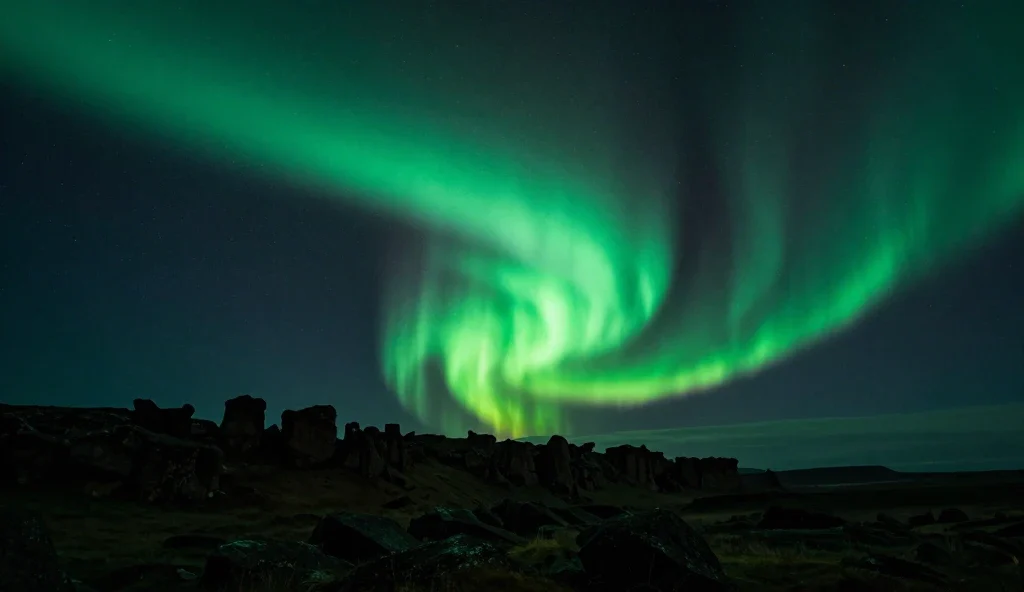
Things to Do in Iceland for the Northern Lights
Late September through March offers the best aurora viewing, with dark countryside spots like Þingvellir and the Snæfellsnes Peninsula giving clearer views than Reykjavík’s city lights.
Free Things to Do in Iceland
Reynisfjara black sand beach, hiking in Þingvellir National Park, viewing Gullfoss and Seljalandsfoss, walking Reykjavík’s harbor and street art districts, and visiting the Sun Voyager sculpture all cost nothing beyond transport.
Places to Visit in Iceland: Reykjavík
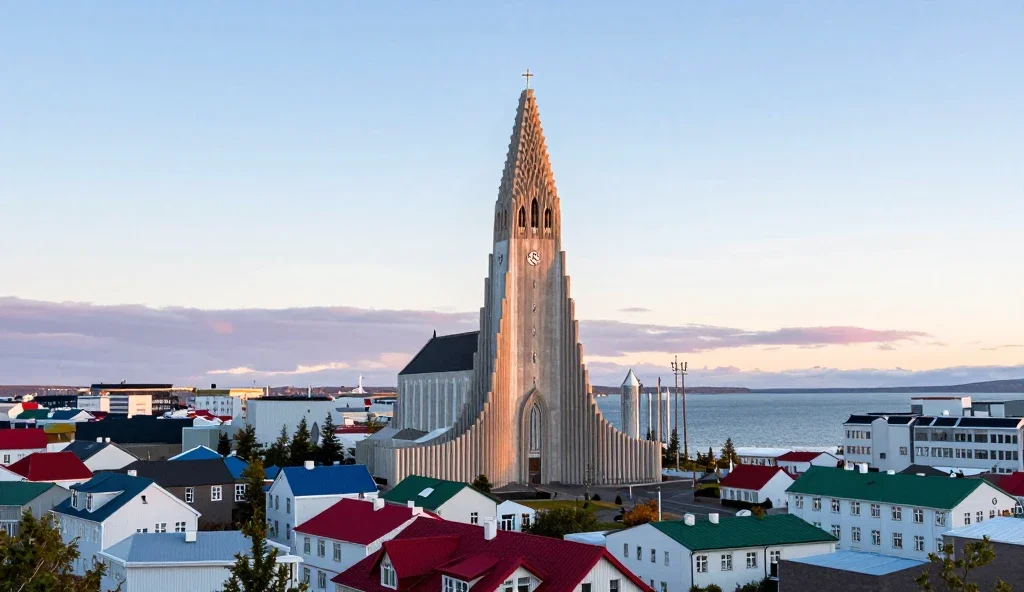
Reykjavík itself rewards a full day or two, with Hallgrímskirkja church, the Harpa Concert Hall, the Sun Voyager sculpture, and the colorful Laugavegur shopping street all walkable from the city center. The Perlan Museum offers an indoor ice cave exhibit for rainy days.
Food & Dining in Iceland
Which Food Is Famous in Iceland?
Icelandic lamb, fresh seafood (especially langoustine and Arctic char), and skyr (a thick yogurt-like dairy product) rank among the country’s signature foods. Adventurous eaters sometimes try fermented shark (hákarl), though it’s more novelty than daily fare.
What’s a Typical Icelandic Breakfast?
A typical Icelandic breakfast includes skyr with berries, rye bread, hard-boiled eggs, and coffee, with many guesthouses also serving smoked salmon or cold cuts.
Culture & Etiquette
Icelanders generally value quiet politeness, punctuality, and respect for nature; tipping isn’t expected since service charges are built into prices. Removing shoes before entering homes and following posted rules at geothermal pools (mandatory showering beforehand) are common etiquette points visitors should know.
Safety Tips & Biggest Problems in Iceland
What Are the Biggest Problems in Iceland?
Unpredictable weather, sudden road closures, and volcanic or seismic activity are the most common real concerns, alongside overtourism at a handful of hotspots like the Blue Lagoon and Reynisfjara. Checking road. i s and safetravel.is before any drive is strongly recommended.
What to Avoid in Iceland
Avoid walking too close to the waves at Reynisfjara (sneaker waves have caused fatalities), driving off marked roads onto fragile moss, and underestimating weather changes even in summer.
Packing Advice
Can I Wear Jeans in Iceland?
Jeans are fine for casual sightseeing and city days, but they aren’t ideal for hiking or wet conditions since denim dries slowly; quick-dry hiking pants are better for waterfall visits or glacier walks.
Should I Bring Toilet Paper to Iceland?
Toilet paper is generally not necessary since hotels, guesthouses, and most public restrooms are well-stocked; it’s worth carrying a small travel pack only for remote hiking trails or rural gas-station stops.
What Not to Bring to Iceland
Skip bulky cotton clothing, drones without checking flight restrictions near protected areas, and non-adapted electronics. Iceland uses the Type F plug and 230V standard.
Must-Buy Souvenirs
What Are Must-Buys in Iceland?
Icelandic wool sweaters (lopapeysa), volcanic lava jewelry, and locally made skincare using geothermal minerals are among the most popular souvenirs.
What Jewelry Is Iceland Known For?
Iceland is best known for jewelry crafted from lava stone and silver, often inspired by Nordic and Viking motifs, sold widely in Reykjavík’s design shops.
What Is Something You Can Only Buy in Iceland?
Bottled Icelandic glacier water and Reyka vodka, distilled using geothermal energy and glacier-filtered water, are among the few genuinely Iceland-specific products.
Common Mistakes & Fixes
- Skipping the Blue Lagoon booking Walk-ins are frequently turned away; book online days or weeks ahead.
- Underpacking for weather swings Layers and a waterproof shell matter even in July.
- Overpacking the itinerary Iceland’s roads are scenic but slow; leave buffer time between stops.
Sample Itineraries
Is 3 Days Enough for Iceland?
Three days is enough to cover Reykjavík, the Golden Circle, and part of the South Coast (Seljalandsfoss and Skógafoss), but it won’t leave time for the Westfjords or a full glacier lagoon day trip.
Is 7 Days Enough for Iceland?
Seven days comfortably covers the Golden Circle, the full South Coast to Jökulsárlón, a Northern Lights night (in season), and a relaxed day or two in Reykjavík enough for a well-rounded first trip.
Comparisons & Alternatives
Is Iceland Prettier Than Norway?
Both countries offer dramatic scenery, but Iceland’s landscape leans toward volcanic, geothermal, and glacial features in a compact area, while Norway’s fjords stretch across a much larger coastline; the “prettier” choice comes down to whether a traveler prefers Iceland’s otherworldly terrain or Norway’s classic fjord views.
What Is the Prettiest City in Iceland?
Reykjavík is generally considered the prettiest and most visited city, though smaller towns like Akureyri in the north offer a quieter, equally scenic alternative.
Best Way to See Iceland
A self-drive Ring Road trip is widely considered the best way to see Iceland for travelers comfortable driving, since it allows flexible stops; guided multi-day tours suit those who’d rather skip navigating winter roads.
FAQs
What should you not miss in Iceland?
The Golden Circle, Seljalandsfoss and Skógafoss waterfalls, and Jökulsárlón Glacier Lagoon are the landmarks most travelers regret skipping.
What should I not miss in Iceland?
Beyond the major waterfalls, Reynisfjara’s black sand beach and a Northern Lights night (if visiting September–March) are widely considered unmissable.
What is the best area to stay in Iceland?
Reykjavík suits first-timers for convenience, while Vík or Hella work better as a base for South Coast exploring.
What is free in Iceland?
Reynisfjara beach, Þingvellir National Park trails, and viewing Gullfoss and Seljalandsfoss waterfalls are all free to visit.
Is Iceland expensive to visit?
Yes, Iceland ranks among Europe’s more expensive destinations, mainly due to imported food and high labor costs, though self-catering and off-peak travel help reduce costs.
How long is needed for Iceland?
Most first-time travelers need 5–7 days to comfortably see the Golden Circle, South Coast, and a Northern Lights night without rushing.
What’s overrated in Iceland, and what’s underrated?
The Blue Lagoon is sometimes called overrated for its price and crowds, while the Snæfellsnes Peninsula is widely considered underrated for offering similar scenery with far fewer visitors.
Conclusion
Iceland rewards travelers who balance the big-name landmarks of the Golden Circle, Jökulsárlón, and the Blue Lagoon with quieter alternatives like Snæfellsnes and Kvernufoss waterfall. A realistic pace, seasonal planning around weather or the Northern Lights, and a flexible rental-car route make the difference between a rushed trip and a memorable one.
If it’s 3 days centered on the South Coast or a full week circling toward the glacier lagoons, Iceland’s landscapes deliver on the hype without needing an overpacked schedule. Start with the essentials above, verify current prices and road conditions closer to departure, and let the itinerary breathe. Iceland’sbest moments tend to happen between the planned stops.

Stephen Fry brings an insatiable curiosity for history, language, and global heritage to the Travelmarse team. Having spent decades traveling the globe to study regional storytelling and ancient civilizations, he excels at uncovering the hidden narratives of modern destinations. Stephen anchors the cultural vertical on Travelmarse, where he writes deep-dive guides on architectural history, museum crawl strategies, and local customs. His vivid, engaging writing helps travelers look past the surface and truly understand the heritage of the places they visit.