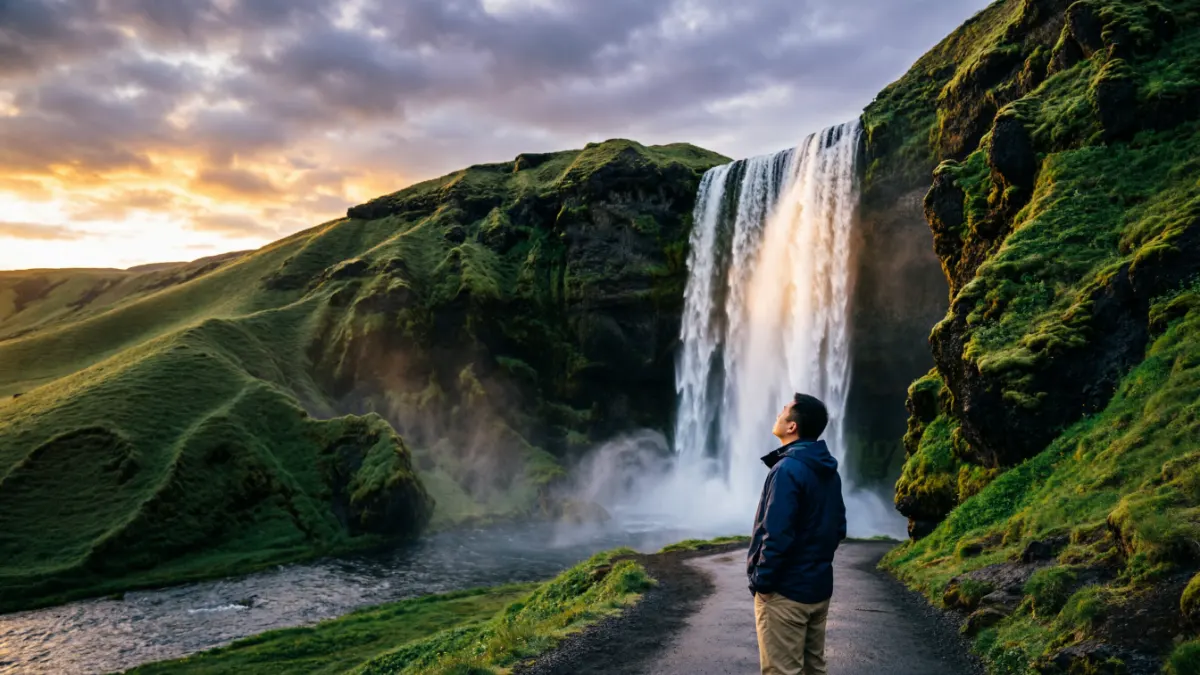
Standing beside a thundering waterfall while steam rises from a nearby lava field, most first-time visitors realize a single map can’t capture how strange and beautiful Iceland really is. Choosing where to go can feel overwhelming with so many glaciers, black beaches, and hot springs competing for attention.
This guide breaks down the best places to visit in Iceland, region by region, season by season, so travelers from the USA can build a trip that matches their time, budget, and interests. It draws on official sources like Visit Iceland, the Icelandic Tourist Board, and the Icelandic Meteorological Office to keep the practical details accurate.
If the plan is a quick Reykjavík layover or a full two-week ring road adventure, the sections below cover top attractions, hidden gems, seasonal advice, budgeting, food, safety, and a ready-to-use itinerary.
Featured Snippet:
The best places to visit in Iceland are the Golden Circle, the Blue Lagoon, the South Coast (Reynisfjara and Skógafoss), Jökulsárlón Glacier Lagoon, Vatnajökull National Park, the Westfjords, Akureyri in the north, and the Snæfellsnes Peninsula, often called “Iceland in Miniature.” Each region offers waterfalls, glaciers, volcanoes, and Northern Lights viewing within a few hours of Reykjavík.
Quick Facts About Iceland
| Category | Details |
| Capital | Reykjavík |
| Currency | Icelandic Króna (ISK) |
| Language | Icelandic (English widely spoken) |
| Best time to visit | June–August (summer) or Sept–March (Northern Lights) |
| Average trip length | 7–10 days |
| Time zone | GMT (no daylight saving) |
| Main airport | Keflavík International Airport (KEF) |
| Entry requirement | ESTA-style Schengen rules apply for US travelers; check current visa policy |
Prices, visa rules, and opening hours change often; always verify current details on Visit Iceland or official government sites before booking.
Which Part of Iceland Is Most Beautiful?
The South Coast is widely considered Iceland’s most beautiful region, packed with waterfalls like Skógafoss and Seljalandsfoss, black sand beaches, and glacier lagoons within a compact drive. The Westfjords and Snæfellsnes Peninsula are close runners-up for dramatic, less-crowded scenery.
Travelers who want maximum scenery in minimum time usually pick the South Coast. Those chasing solitude and untouched fjords lean toward the Westfjords instead.
Top 10 Best Places to Visit in Iceland
- Golden Circle – geysers, waterfalls, and a rift valley near Reykjavík
- Blue Lagoon – geothermal spa near Keflavík Airport
- Reynisfjara Black Sand Beach – basalt columns and sea stacks
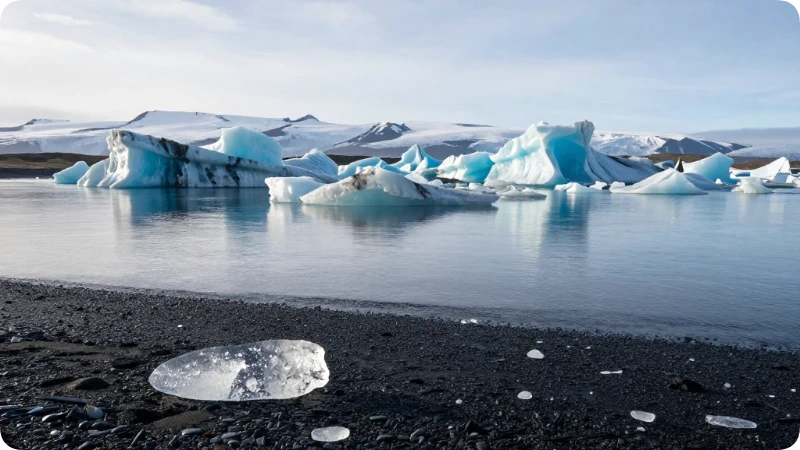
- Jökulsárlón Glacier Lagoon – floating icebergs and Diamond Beach
- Skógafoss & Seljalandsfoss – two of Iceland’s most photographed waterfalls
- Vatnajökull National Park – Europe’s largest glacier and ice caves
- Snæfellsnes Peninsula – often called “Iceland in Miniature”
- Akureyri & Lake Mývatn – geothermal fields and whale watching in the north
- Westfjords – dramatic fjords, birdlife, and remote hot springs
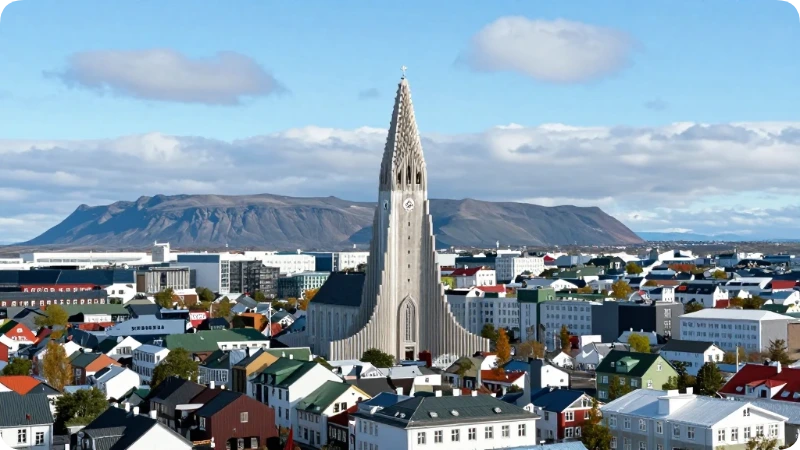
- Reykjavík – museums, Hallgrímskirkja church, and geothermal pools
Each destination pairs well with the ones near it, making it easy to combine several into one road trip along Route 1 (the Ring Road).
Top 5 Places to Visit in Iceland (Quick Picks)
For travelers short on time, these five deliver the highest scenic payoff per hour of driving: Golden Circle, South Coast waterfalls, Jökulsárlón, Blue Lagoon, and Reykjavík. All five can realistically fit into a 5–7 day trip without excessive driving fatigue.
Places to Visit in Iceland Near Reykjavík
Reykjavík makes an ideal base for day trips. Within 1–2 hours are the Golden Circle, the Reykjanes Peninsula’s geothermal areas, and whale-watching tours from the Old Harbour.
Within the city itself, Hallgrímskirkja church, the Sun Voyager sculpture, and the Harpa Concert Hall are all walkable. This makes Reykjavík a smart first or last stop on any Iceland itinerary.
The Golden Circle, Iceland
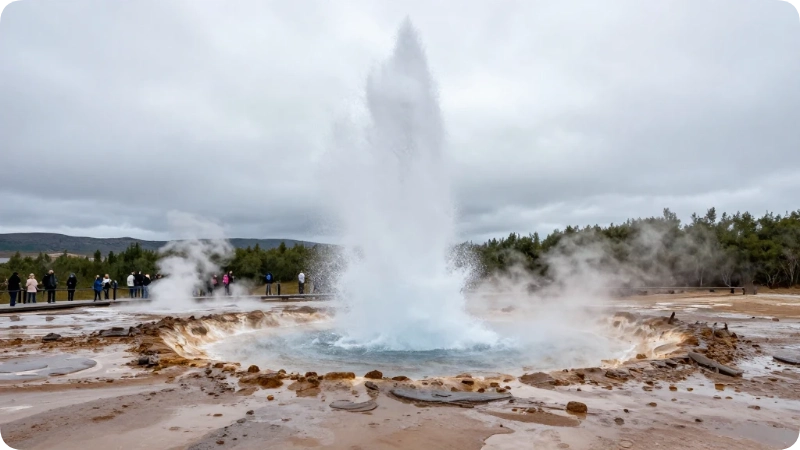
The Golden Circle is a 190-mile loop from Reykjavík covering three highlights: Þingvellir National Park (a UNESCO site where tectonic plates meet), Geysir geothermal area (home to the Strokkur geyser), and Gullfoss waterfall. It’s doable as a single-day trip.
Insider tip: Visit Strokkur early morning or late afternoon to avoid tour bus crowds, since it erupts every 5–10 minutes regardless of time of day.
Top 20 Things to Do in Iceland
- Soak in the Blue Lagoon or Sky Lagoon
- Watch Strokkur geyser erupt
- Walk behind Seljalandsfoss waterfall
- Photograph Reynisfjara’s basalt columns
- Kayak among icebergs at Jökulsárlón
- Explore an ice cave in Vatnajökull
- Hunt the Northern Lights
- Whale watch from Húsavík or Reykjavík
- Snorkel Silfra fissure in Þingvellir
- Drive the Snæfellsnes Peninsula
- Visit Dettifoss, Europe’s most powerful waterfall
- Explore Reykjavík’s museums and street art
- Soak in the Mývatu Nature Baths
- Hike in Landmannalaugar’s colorful mountains
- Puffin watch (May–August) in the Westfjords
- Ride an Icelandic horse
- Visit a lava tube cave
- Try local seafood in Reykjavík’s old harbor
- Road trip the full Ring Road
- Relax at a small-town geothermal pool away from crowds
Where Should I Go to Iceland for the First Time?
First-time visitors should focus on Reykjavík, the Golden Circle, and the South Coast up to Jökulsárlón. This route covers Iceland’s signature landscapes: waterfalls, geysers, glaciers, and black sand beaches without requiring a full Ring Road commitment.
This “greatest hits” route typically takes 5–7 days and can be extended toward the north or Westfjords if more time is available.
Is 7 Days in Iceland Enough? How Many Days Are Enough for Iceland?
Seven days is enough to comfortably cover Reykjavík, the Golden Circle, and the entire South Coast to Jökulsárlón, with time for the Blue Lagoon. For a full Ring Road circuit including the north and Westfjords, 10–14 days is recommended.
Shorter 3–5 day trips work well for a Reykjavík-and-Golden-Circle focused visit, especially for layover travelers using Icelandair’s stopover program.
What Is the Best Itinerary for a Trip to Iceland? (Sample 7-Day Route)
| Day | Route | Highlights |
| 1 | Arrive KEF → Reykjavík | Settle in, explore downtown |
| 2 | Golden Circle | Þingvellir, Geysir, Gullfoss |
| 3 | South Coast | Seljalandsfoss, Skógafoss, Reynisfjara |
| 4 | Vatnajökull area | Jökulsárlón, Diamond Beach, ice cave (winter) |
| 5 | Return west, Blue Lagoon | Relax before heading back |
| 6 | Snæfellsnes Peninsula | Coastal villages, Kirkjufell mountain |
| 7 | Reykjavík → Depart | Last-minute shopping, flight home |
This loop minimizes backtracking and balances driving time with sightseeing, making it manageable even for jet-lagged travelers.
Best Places to Visit in Iceland in Summer
Summer (June–August) is Iceland’s peak season, with nearly 24-hour daylight, accessible Highland roads, and puffin colonies active. Best picks include the Westfjords, Landmannalaugar, and the full Ring Road, since remote mountain roads (F-roads) only open in summer.
Pros: mild weather, long daylight, all roads open. Cons: higher prices, larger crowds at major sites like Gullfoss and Jökulsárlón.
Best Places to Visit in Iceland in December / Most Beautiful Places in Iceland in Winter
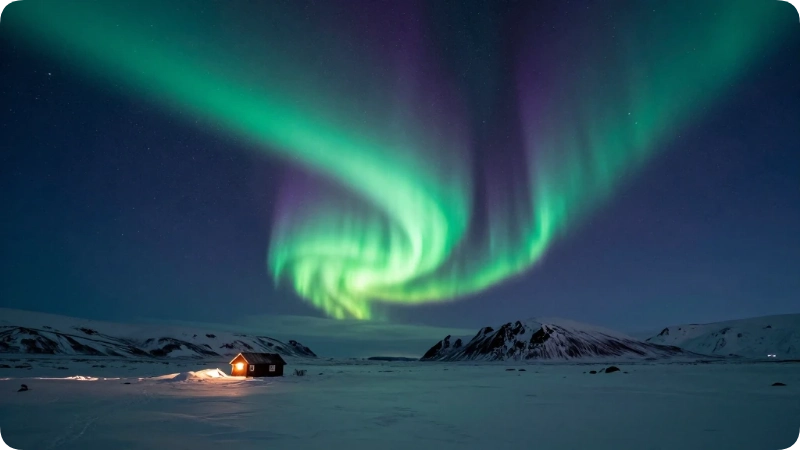
December is ideal for Northern Lights hunting and ice cave tours, with top winter spots being Jökulsárlón, Vatnajökull ice caves, Reykjavík’s geothermal pools, and the South Coast waterfalls, which turn partly frozen and dramatic.
Pros: Northern Lights, fewer crowds, magical snow-covered scenery. Cons: short daylight (4–5 hours), icy roads, some Highland routes fully closed.
Seasonal Comparison Table
| Season | Daylight | Weather | Best For | Watch Out For |
| Summer (Jun–Aug) | ~20+ hrs | Mild, 50–60°F | Road trips, hiking, puffins | Crowds, higher prices |
| Fall (Sept–Oct) | Decreasing | Cool, changeable | Fewer crowds, early Northern Lights | Unpredictable weather |
| Winter (Nov–Mar) | 4–7 hrs | Cold, icy | Northern Lights, ice caves | Short days, road closures |
| Spring (Apr–May) | Increasing | Mild, breezy | Budget travel, waterfalls at peak flow | Some attractions still closed |
Which Month Is the Best for Iceland?
June is generally considered the best month, offering nearly endless daylight, mild temperatures, and full access to Highland roads before peak crowds hit in July. For Northern Lights specifically, late September through March offers the darkest, clearest skies.
What’s the Cheapest Month to Go to Iceland? What Is the Hottest Month in Iceland?
November is typically the cheapest month for flights and hotels, falling in Iceland’s shoulder season before the winter holiday surge. July, with average highs around 57–61°F (14–16°C), is the hottest month, though Iceland rarely gets warm by US standards even in summer.
How Expensive Is a Trip to Iceland? (7-Day Budget Breakdown)
Iceland is one of Europe’s pricier destinations. A realistic mid-range 7-day trip for one traveler typically runs:
| Expense | Estimated Cost (USD) |
| Flights (round trip from US) | $400–$900 |
| Accommodation (7 nights) | $700–$1,400 |
| Rental car (7 days) | $350–$600 |
| Food | $350–$600 |
| Activities/tours | $300–$700 |
| Total estimate | $2,100–$4,200 |
Budget travelers can lower costs by cooking some meals, camping, and booking flights during shoulder season. Prices fluctuate; always check current rates before budgeting.
Is It Cheaper to Go to Norway or Iceland?
Iceland and Norway are both expensive, but Iceland is often slightly cheaper for flights from the US East Coast, while Norway can offer more affordable rail and city-based travel. Overall costs are comparable, so the choice usually comes down to itinerary style rather than price alone.
Is Iceland Prettier Than Norway? Which Is More Beautiful, Greenland or Iceland?
Beauty is subjective, but Iceland is known for volcanic, otherworldly landscapes, geysers, black beaches, and glaciers, while Norway offers dramatic fjords and mountain scenery. Greenland leans toward raw, remote Arctic wilderness with far less tourism infrastructure than Iceland.
Travelers wanting easy access to varied landscapes in a short trip usually prefer Iceland; those craving deep fjords choose Norway; those seeking true Arctic isolation choose Greenland.
What Food Is a Must in Iceland? What Is Iceland’s Most Famous Dish?

Iceland’s most famous dish is plokkfiskur, a creamy fish-and-potato stew, alongside lamb soup (kjötsúpa) and fresh Icelandic langoustine. Reykjavík’s hot dog stands (pylsur) are also a local institution worth trying.
Adventurous eaters sometimes try fermented shark (hákarl), though it’s more a novelty than an everyday dish. Icelandic skyr, a thick yogurt-like dairy product, is a must for breakfast.
What Are Must Buys in Iceland?
Popular souvenirs include Icelandic wool lopapeysa sweaters, volcanic lava jewelry, locally made skincare from Blue Lagoon products, and Icelandic licorice or chocolate. Reykjavík’s Laugavegur street is the main shopping strip for these items.
What Is the Most Popular Tourist Attraction in Iceland? Is It Worth Visiting the Blue Lagoon?
The Blue Lagoon is Iceland’s single most visited paid attraction, and most travelers find it worth the cost for its milky-blue geothermal water and convenient location near Keflavík Airport. Budget-conscious visitors sometimes prefer the newer Sky Lagoon or free public pools as more affordable alternatives.
Underrated alternative: Local neighborhood pools like Reykjavík’s Vesturbæjarlaug offer a similar geothermal soak at a fraction of the price.
Can You Stay in Reykjavík and See All of Iceland? What Is the Best Way to See Iceland?
Reykjavík makes a good base for day trips to the Golden Circle and South Coast, but it isn’t enough to “see all of Iceland,” since major highlights like the Westfjords and north are 4+ hours away. The best way to see Iceland overall is a self-drive Ring Road trip, which gives full flexibility without relying on tour bus schedules.
Those without a car can still cover major highlights through guided day tours departing from Reykjavík.
Packing Advice: Can I Wear Jeans in Iceland? What Not to Bring
Jeans are fine for casual daytime wear in towns, but they’re a poor choice for hikes or waterfalls since they trap moisture and dry slowly; waterproof, layered clothing works better outdoors. Skip bringing bulky umbrellas (wind makes them useless) and avoid packing only cotton layers, since Iceland’s weather shifts quickly.
Packing essentials: waterproof jacket, moisture-wicking base layers, sturdy waterproof shoes, and a reusable water bottle (tap water is safe and excellent).
What to Be Careful of in Iceland? Biggest Safety Concerns
The biggest safety concerns in Iceland involve unpredictable weather, dangerous ocean sneaker waves at beaches like Reynisfjara, and driving on icy or gravel roads. Always check road conditions at road.is and weather at the Icelandic Meteorological Office before heading out.
3 common tourist mistakes and fixes:
Standing too close to the shoreline at Reynisfjara → stay well back from the water; sneaker waves have caused fatalities.
Underestimating winter driving conditions → rent a 4×4, check roads daily, and avoid driving after dark in storms.
Skipping travel insurance → look into coverage that includes search-and-rescue costs, since Iceland’s terrain can be remote.
What Is the Downside of Iceland? What Should You Not Miss?
The main downsides of Iceland are its high cost of food and lodging, changeable weather, and long winter darkness that limits sightseeing hours. What travelers should not miss, despite these downsides, is the South Coast waterfall route and at least one Northern Lights attempt if visiting between September and March.
Currency and Practical Info
Iceland uses the Icelandic Króna (ISK), though most businesses accept card payments and cash is rarely needed. US travelers should notify their bank of travel plans and carry a card with no foreign transaction fees.
Is Food Expensive in Iceland?
Yes, dining out in Iceland is expensive by US standards, with a casual restaurant meal often costing $25–$40 per person. Grocery shopping and self-catering, especially at discount chains like Bónus, can meaningfully cut food costs on longer trips.
Hidden Gems Beyond the Main Route
For travelers who’ve done the Golden Circle before, underrated spots include Stykkishólmur on Snæfellsnes, the remote Hornstrandir Nature Reserve in the Westfjords, and Ásbyrgi Canyon in the north, all offering dramatic scenery with a fraction of the crowds.
FAQs
Which part of Iceland is most beautiful?
The South Coast is widely regarded as Iceland’s most beautiful region, thanks to its concentration of waterfalls, black sand beaches, and glacier views within a short drive of each other.
Where should I go to Iceland for the first time?
First-timers should prioritize Reykjavík, the Golden Circle, and the South Coast to Jökulsárlón, since this route covers Iceland’s most iconic landscapes in about a week.
What are the must-see places in Iceland?
Must-see places include the Golden Circle, Blue Lagoon, Reynisfjara Beach, Jökulsárlón Glacier Lagoon, and the Snæfellsnes Peninsula, all reachable within a standard week-long trip.
Is 7 days in Iceland enough?
Seven days is enough for Reykjavík, the Golden Circle, and the full South Coast, though a complete Ring Road trip requires closer to 10–14 days.
Is Iceland prettier than Norway?
This comes down to preference. Iceland offers volcanic and geothermal scenery, while Norway is known for deep fjords, so many travelers consider both equally stunning in different ways.
How expensive is a 7-day trip to Iceland?
A mid-range 7-day trip typically costs between $2,100 and $4,200 per person, covering flights, lodging, a rental car, food, and activities, though prices vary by season.
Which month is the best for Iceland?
June is often considered the best overall month due to nearly 24-hour daylight and full access to Highland roads, while September–March is better specifically for Northern Lights.
What is the cheapest month to go to Iceland?
November tends to be the cheapest month for flights and hotels, sitting in the shoulder season before the winter holiday price surge begins.
What should you not miss in Iceland?
Travelers shouldn’t miss the South Coast waterfall route (Seljalandsfoss and Skógafoss and at least one Northern Lights attempt if traveling in the darker months.
Is it okay to wear jeans in Iceland?
Jeans are fine for casual sightseeing in towns but aren’t ideal for hikes or waterfall visits, since they hold moisture; waterproof layers are the better choice outdoors.
Do you need a car to see Iceland’s best places?
A rental car offers the most flexibility for reaching waterfalls, glacier lagoons, and remote viewpoints, though guided day tours from Reykjavík can cover major highlights without driving.
Is Iceland safe for solo travelers?
Iceland is consistently ranked among the world’s safest countries for solo travel, though weather and road conditions, not crime, are the main risks to plan around.
How far in advance should you book a trip to Iceland?
Booking 3–6 months ahead is recommended for summer travel, since accommodations and popular tours near the Golden Circle and South Coast fill up quickly in peak season.
Conclusion
Iceland rewards travelers who plan around its seasons, distances, and weather rather than trying to see everything at once. The Golden Circle and South Coast deliver the highest-impact scenery for first-timers, while the Westfjords and north reward those with more time to spare.
Three takeaways stand out: start with Reykjavík and the South Coast if time is limited, budget realistically since costs add up fast, and always check road and weather conditions before driving. With a little planning, Iceland’s glaciers, waterfalls, and Northern Lights are well within reach for any US traveler ready to book that flight.
Always verify current prices, visa requirements, and road conditions on official sources like Visit Iceland, road. is, and the Icelandic Tourist Board before finalizing travel plans.

Stephen Fry brings an insatiable curiosity for history, language, and global heritage to the Travelmarse team. Having spent decades traveling the globe to study regional storytelling and ancient civilizations, he excels at uncovering the hidden narratives of modern destinations. Stephen anchors the cultural vertical on Travelmarse, where he writes deep-dive guides on architectural history, museum crawl strategies, and local customs. His vivid, engaging writing helps travelers look past the surface and truly understand the heritage of the places they visit.