A trip to Japan can feel overwhelming before it even begins. Between bullet trains, temple etiquette, and hundreds of “must-do” lists online, it’s easy to land in Tokyo with no real plan. This guide fixes that.
If you’re chasing neon skylines, quiet shrines, or the best bowl of ramen of your life, knowing exactly what to do in Japan and when, and for how much, makes the difference between a stressful trip and an unforgettable one.
Below, USA travelers will find a complete breakdown of top attractions, city-by-city ideas, budget guidance, cultural etiquette, and answers to the real questions people search before booking a flight to Japan.
Featured Snippet:
The best things to do in Japan include exploring Tokyo’s neon districts, visiting Kyoto’s temples, soaking in a hot spring (onsen), riding the Shinkansen bullet train, eating fresh sushi in Osaka, and hiking Mt. Fuji. Japan blends ancient tradition with futuristic culture, offering something for every traveler.
Quick Facts Table
| Category | Details |
| Best time to visit | March–May (spring) and September–November (fall) |
| Currency | Japanese Yen (¥) |
| Main international airports | Narita (NRT), Haneda (HND), Kansai (KIX) |
| Average trip length | 7–10 days |
| Getting around | JR Rail Pass, subway, Shinkansen |
| Visa for US citizens | Not required for stays up to 90 days (tourism). Verify current rules with the US Department of State before booking. |
| Language | Japanese (English signage common in major cities) |
Travel requirements can change. Always confirm current entry rules on the official MOFA Japan website or with the US State Department before you fly.
What Is the Best Time to Visit Japan?
The best time to visit Japan is March to May for cherry blossoms or September to November for fall foliage and mild weather. Summer (June–August) is hot, humid, and rainy, while winter (December–February) is cold but great for skiing and fewer crowds.
Spring and fall are peak season, so book flights and hotels early. Shoulder months like early March or late November offer a good mix of pleasant weather and thinner crowds.
What Is the Cheapest Month to Go to Japan?
January and February (excluding New Year’s week) are typically the cheapest months to visit Japan. Flights and hotels drop in price after the holiday rush, and winter crowds are thinner outside ski resorts.
June is another budget-friendly window since it falls in the rainy season, which discourages many travelers but doesn’t ruin a trip; just pack a compact umbrella.
When to Not Visit Japan in 2026?
Avoid Golden Week (late April–early May) and Obon (mid-August) in 2026, when domestic travel surges and prices spike nationwide. New Year’s week (Dec 29–Jan 3) also sees many shops and restaurants closed.
Typhoon season (August–October) can also disrupt travel, especially in southern Japan. Check the Japan Meteorological Agency for updated storm tracking before finalizing dates.
Top 10 Things to Do in Japan
Here are the top 10 experiences most first-time visitors shouldn’t skip:
- Explore Shibuya and Shinjuku in Tokyo for neon nightlife and city energy
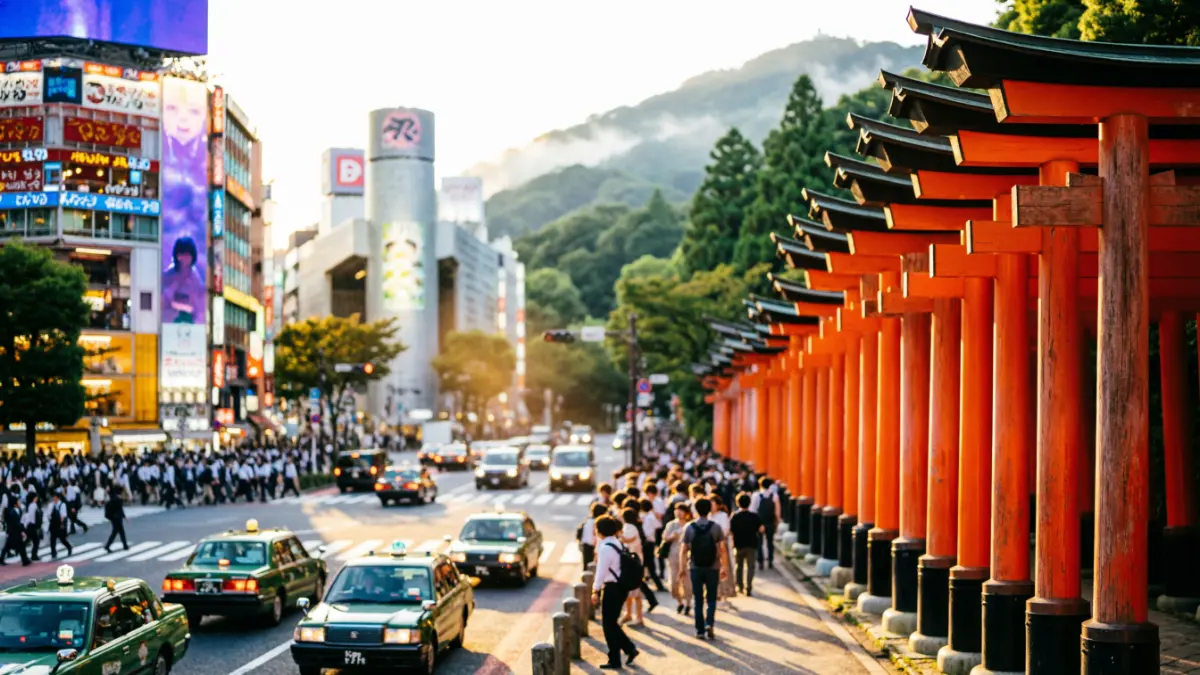
- Visit Fushimi Inari Shrine in Kyoto and its thousands of red torii gates
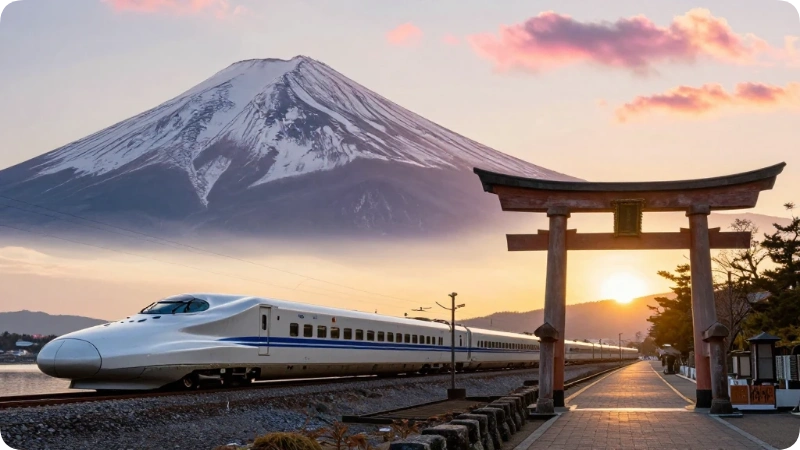
- Ride the Shinkansen bullet train between major cities
- Soak in an onsen (hot spring) in Hakone or Beppu
- See Mt. Fuji from Lake Kawaguchiko or hike it in the summer season
- Eat sushi at Tsukiji Outer Market or Osaka’s Dotonbori food streets
- Tour Hiroshima Peace Memorial Park for a moving history lesson
- Wander Nara Park and greet the free-roaming deer
- Experience a traditional tea ceremony in Kyoto
- Stay in a ryokan (traditional inn) with a kaiseki dinner
What Are the Top 5 Things to Do in Japan?
If time is short, prioritize: (1) Tokyo’s Shibuya Crossing and Senso-ji Temple, (2) Kyoto’s Fushimi Inari Shrine, (3) a Shinkansen ride, (4) an onsen soak, and (5) Osaka’s street food scene in Dotonbori. These five capture Japan’s mix of modern energy, tradition, nature, and food in the least amount of time.
Things to Do in Japan, Tokyo
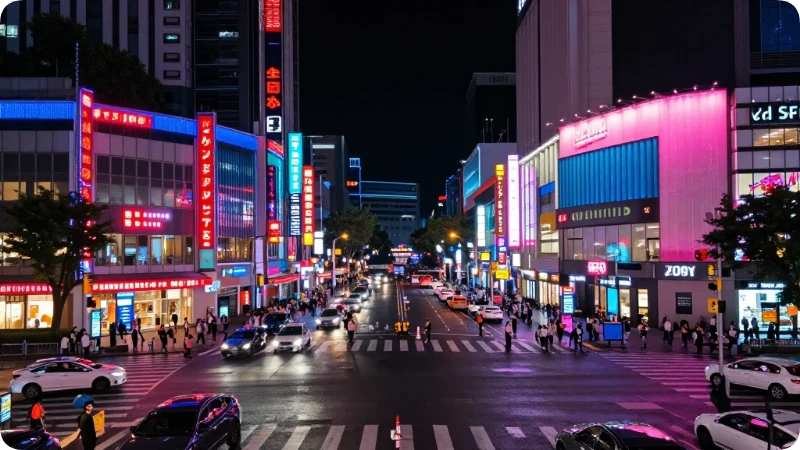
Tokyo alone can fill an entire trip. Highlights include Senso-ji Temple in Asakusa, teamLab Planets digital art museum, Shibuya Sky observation deck, and Akihabara for anime and electronics culture.
Don’t miss Meiji Shrine, tucked inside a forest near bustling Harajuku, or a sunset view from Tokyo Tower or Tokyo Skytree.
Top 10 Things to Do in Japan, Tokyo
Tokyo’s top 10 draws: Senso-ji Temple, Shibuya Crossing, Shinjuku Golden Gai, Meiji Shrine, teamLab Planets, Tsukiji Outer Market, Akihabara, Harajuku’s Takeshita Street, Tokyo Skytree, and a day trip to Hakone for Mt. Fuji views. Each offers a different side of the city, from ancient shrines to futuristic districts.
Unique Things to Do in Japan, Tokyo
For something beyond the typical checklist, try a retro Showa-era izakaya crawl in Shinjuku’s Golden Gai, a robot-themed dinner show, or sumo stable morning practice viewing. A Yanaka neighborhood walk shows old Tokyo untouched by high-rises.
Renting a kimono for a day in Asakusa or catching a Kabuki theater performance also offers cultural depth most tourists skip.
What to Do at Night in Tokyo?
At night, Tokyo comes alive in Shinjuku’s Golden Gai (tiny themed bars), Shibuya’s nightlife strip, and Roppongi for a more international crowd. Karaoke boxes, izakayas, and rooftop bars stay open late across the city.
For something calmer, a night walk through illuminated Shibuya Crossing or a river cruise along the Sumida River offers skyline views without the crowds.
Top 15 Places to Visit in Japan
Beyond Tokyo and Kyoto, add these to a longer itinerary: Osaka, Nara, Hiroshima, Miyajima Island, Hakone, Nikko, Kanazawa, Sapporo, Okinawa, Nagasaki, Takayama, Yokohama, Kobe, the Japanese Alps, and Fukuoka. Each region offers distinct food, scenery, and cultural experiences worth building into a multi-city trip.
Things to Do in Japan With Kids
Family-friendly stops include Tokyo Disneyland and DisneySea, Legoland Discovery Center Tokyo, Nara Park’s friendly deer, and teamLab Planets‘ interactive exhibits. Kids also enjoy capsule toy (gacha) shops found nearly everywhere.
Bullet trains themselves are a highlight for many children, and most museums offer hands-on exhibits designed for younger visitors.
Things to Do in Japan for Young Adults
Young travelers often gravitate toward Shibuya and Shinjuku nightlife, themed cafes (cat cafes, Alice in Wonderland cafes), arcade gaming in Akihabara, and festival-hopping during summer matsuri season.
Hostel-based city hopping between Tokyo, Osaka, and Kyoto is popular for budget-conscious younger travelers who want a mix of culture and nightlife in one trip.
What Are Some Fun Activities in Japan?
Fun, less-typical activities include theme park visits (Universal Studios Japan, Fuji-Q Highland), karaoke nights, sumo tournament viewing, cherry blossom picnics (hanami), and snow monkey watching in Nagano’s hot springs.
Seasonal festivals like Gion Matsuri in Kyoto or summer fireworks festivals also rank among the most memorable experiences travelers report.
What Not to Miss in Japan?
Don’t skip Fushimi Inari Shrine’s torii gate trail, a Shinkansen ride through the countryside, and at least one onsen experience. These three represent Japan’s spiritual, technological, and wellness traditions in one trip.
First-timers should also not miss trying conveyor-belt sushi (kaiten-zushi) and a 7-Eleven or convenience store meal, genuinely a beloved part of Japanese food culture.
Japan Things to Do What Reddit Travelers Recommend
On travel forums like r/JapanTravel, frequent recommendations include booking a JR Rail Pass only if it fits your itinerary’s math, visiting lesser-known neighborhoods like Yanaka or Shimokitazawa, and avoiding overpacking Tokyo and Kyoto into the same days without rest.
Reddit travelers also consistently suggest booking popular restaurants and teamLab tickets in advance, since same-day availability is limited in peak season.
Why Is Gen Z Obsessed With Japan?
Gen Z’s fascination with Japan largely stems from anime, gaming, and social media, where Tokyo’s aesthetic from Harajuku fashion to neon streets spreads widely on TikTok and Instagram. Japan is also seen as clean, safe, and walkable, appealing to younger solo travelers.
The rise of affordable convenience-store culture, themed cafes, and viral food trends has also made Japan a top bucket-list destination for younger US travelers.
Food & Dining
Japan’s food scene ranges from Michelin-starred sushi counters to ¥100 convenience store snacks. Regional specialties matter: try okonomiyaki in Osaka, ramen in Fukuoka, and kaiseki in Kyoto.
Tipping is not customary in Japan and can even confuse restaurants. Cash is still preferred at smaller, family-run eateries, so carry yen for street food and izakayas.
Culture & Etiquette
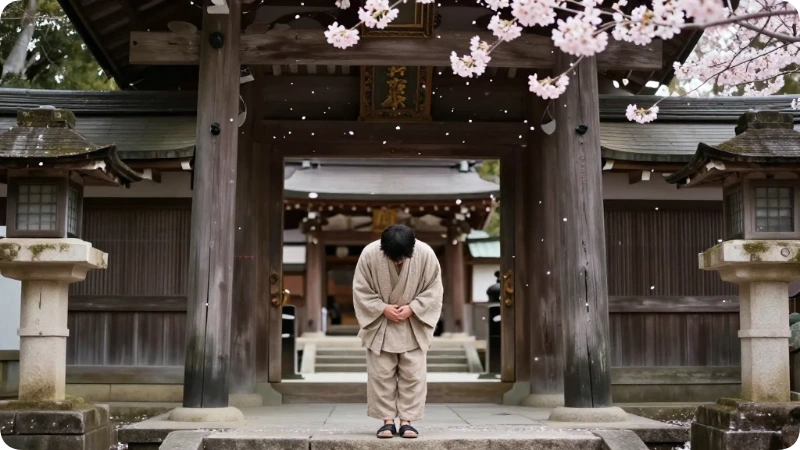
Japan places high value on quietness, cleanliness, and consideration for others in public spaces. Removing shoes indoors, bowing as a greeting, and not eating while walking are common customs worth learning before arrival.
Understanding these norms in advance helps travelers avoid unintentionally awkward situations.
Can I Kiss My Girlfriend in Public in Japan?
Public displays of affection like a quick kiss are legal and generally tolerated, especially in big cities, but overt affection is culturally uncommon and may draw stares. Holding hands is widely accepted; extended kissing in crowded public spaces is best saved for private settings.
What Is Japanese Style Kissing?
“Japanese style kissing” isn’t a formal cultural term; it commonly refers to the fact that public affection is more reserved in Japan compared to Western norms, with couples favoring subtle gestures over overt displays, particularly around elders or in traditional settings.
Can I Show Cleavage in Japan?
Yes, showing cleavage is legal and not unusual in fashion-forward areas like Shibuya or Ginza. However, shoulders and cleavage draw more attention than exposed legs in Japanese fashion norms, so dressing slightly more modest on top is common at temples and shrines specifically.
Can Females Wear Shorts in Japan?
Yes, shorts are completely acceptable for women throughout Japan, especially in summer heat. The main exception is temples and shrines, where modest, non-revealing clothing is appreciated as a sign of respect, though not strictly enforced everywhere.
Are Clothes Expensive in Japan?
Clothing prices in Japan are comparable to or cheaper than the US, especially at chains like Uniqlo, GU, and Shimamura. Designer and luxury brands can be pricier or similar due to import factors, though some travelers find select luxury items cheaper; see the Louis Vuitton section below.
Is Louis Vuitton Cheaper in Japan?
Louis Vuitton and other luxury brands are sometimes modestly cheaper in Japan due to exchange rates and tax-free shopping for tourists, though pricing shifts with the yen’s value. Always check current prices in-store, since exchange-rate swings can erase any savings; confirm before assuming a discount.
What Are Japan’s Strict Rules?
Japan strictly enforces no smoking on the street outside designated areas, no eating while walking in many places, and quiet train etiquette (no phone calls, low voices). Littering is also frowned upon despite few public trash cans.
Drug laws are extremely strict; even some over-the-counter US medications are banned, so check the Japan Customs website before packing.
What Is Not Polite in Japan?
Impolite behaviors include pointing with fingers, blowing your nose in public, tipping (seen as awkward, not generous), and speaking loudly on public transport. Sticking chopsticks upright in rice is also considered a funeral-related gesture and should be avoided.
What Happens at 5 PM in Japan?
Many Japanese towns and cities play a daily 5 PM chime or melody over public loudspeakers, originally meant to test emergency broadcast systems and signal children to head home. It’s a nostalgic, everyday part of local life rather than anything alarming for visitors.
What Is the 5 Minute Rule in Japan?
The “5 minute rule” isn’t an official law; it commonly refers to Japan’s strong punctuality culture, where trains, meetings, and reservations are expected to run within minutes of scheduled times. Arriving even 5 minutes late is considered notably late by Japanese standards.
What Is the 80% Rule in Japan?
The 80% rule, or hara hachi bu, is a traditional Okinawan eating philosophy meaning “eat until 80% full.” It’s associated with the region’s longevity and is often cited in discussions of Japanese food culture and healthy eating habits.
Why Do Japanese Say “Oi Oi Oi”?
“Oi” is a casual way to get someone’s attention, similar to “hey” in English. Repeating it as “oi oi oi” typically expresses surprise, disbelief, or playful protest, often heard in anime, sports commentary, or casual conversation among friends.
What Does 42 Mean in Japanese?
The number 42 is considered unlucky in Japan because it can be pronounced “shi-ni,” which sounds like the word for “death.” Hospitals and hotels sometimes skip room or floor numbers containing 4 or 42 for this reason.
How Do I Say “Fun” in Japanese?
“Fun” in Japanese is たのしい (tanoshii), commonly used to describe an enjoyable experience, like “Kyoto wa tanoshii desu” (Kyoto is fun). It’s one of the most useful adjectives for travelers describing their trip.
What’s the Prettiest City in Japan?
Kyoto is widely considered Japan’s most beautiful city, thanks to its preserved temples, traditional wooden machiya houses, and seasonal scenery from cherry blossoms to fall foliage. Kanazawa and Nara are also frequently mentioned for their scenic, historic charm.
Which Country Is Japan’s Best Friend?
Japan’s closest formal ally is the United States, tied through a decades-long security and economic partnership. Japan also maintains close diplomatic and trade relationships with countries like Australia and the UK. Confirm current geopolitical framing with recent news, as alliances can shift.
Budget Breakdown
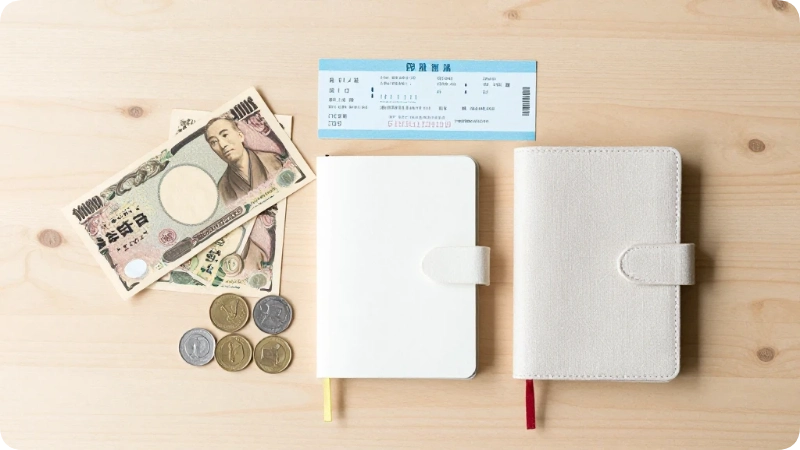
A realistic daily budget for USA travelers in Japan:
| Budget Level | Daily Cost (USD) | Includes |
| Budget | $70–$100 | Hostels, convenience store meals, local trains |
| Mid-range | $150–$250 | 3-star hotels, casual dining, some attractions |
| Luxury | $350+ | Ryokan stays, fine dining, private tours |
Prices fluctuate with the exchange rate; check current USD-to-yen rates before budgeting.
Is $1000 Enough for 1 Week in Japan?
$1000 can cover a budget-focused 1-week trip, particularly if flights are booked separately, and accommodation stays in the hostel or budget hotel range. Expect tight spending on dining and activities, roughly $100–$140 per day including transit and food.
Is 1.5 Lakh Enough for a Japan Trip?
₹1.5 lakh (roughly $1,700–$1,800 USD depending on exchange rate) can fund a modest 7–8 day trip for budget travelers, covering domestic transport, hostels, and simple meals, but likely excludes international flights, which should be budgeted separately.
How Many Rupees Do I Need to Go to Japan?
For Indian travelers, a realistic 7-day Japan trip excluding international flights typically requires ₹1.2–₹2.5 lakh, depending on travel style. Budget travelers can stay near the lower end; mid-range comfort pushes toward the higher figure.
How Much Cash to Bring to Japan for 7 Days?
Carrying ¥30,000–¥50,000 (roughly $200–$330 USD) in cash for a 7-day trip is a reasonable starting point, since many smaller restaurants, shrines, and rural areas remain cash-only. ATMs at 7-Eleven stores reliably accept foreign cards for withdrawals.
Is It Better to Use Cash or Card in Japan?
Both cards work well in major cities at hotels, department stores, and chain restaurants, but cash remains essential for small eateries, temples, and rural areas. Carrying a mix avoids getting stuck without a payment option.
What Is the Cheapest Way to Travel in Japan?
The cheapest way to travel around Japan is using local trains and buses instead of the Shinkansen, along with budget airlines like Peach or Jetstar for longer distances. Overnight buses between major cities also save significantly on both transport and one night’s accommodation.
How to Get There / Transport Options
USA travelers typically fly into Narita (NRT) or Haneda (HND) in Tokyo, or Kansai (KIX) for Osaka access, with direct flights from major US hubs like LAX, SFO, JFK, and ORD. Within Japan, the Shinkansen bullet train connects major cities in hours, while subways and local trains cover urban areas efficiently.
Where to Stay
Tokyo, Kyoto, and Osaka each work well as home bases. Tokyo suits first-timers wanting nightlife and convenience; Kyoto suits travelers prioritizing temples and quiet streets; Osaka offers a central location for day trips to Nara and Kobe.
Ryokan stays are worth at least one night for the cultural experience, even on a tighter budget.
Common Mistakes
- Overpacking the itinerary: trying to see Tokyo, Kyoto, and Osaka in under 5 days leaves no time to actually enjoy any of them.
- Not booking a JR Pass strategically: it only pays off if your itinerary includes multiple long-distance train rides; calculate the cost before buying.
- Ignoring cash needs, assuming cards work everywhere,e leads to awkward moments at small restaurants and rural shrines.
Sample 7-Day Itinerary
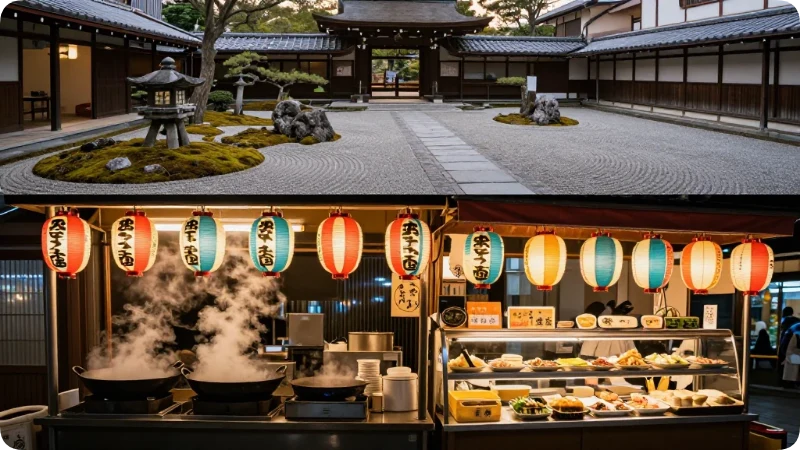
| Day | Focus |
| 1–3 | Tokyo: Shibuya, Asakusa, Akihabara, teamLab |
| 4 | Day trip to Hakone or Nikko |
| 5–6 | Kyoto: Fushimi Inari, Arashiyama, Gion |
| 7 | Osaka: Dotonbori, Osaka Castle, food tour |
FAQs
How many days do I need in Japan?
Most first-time visitors need 7–10 days to comfortably cover Tokyo, Kyoto, and Osaka without rushing. Shorter trips of 5 days should focus on just one or two cities to avoid overpacking the schedule.
Is Japan expensive for US tourists?
Japan is moderately priced, often cheaper than Western Europe for food and transit, though accommodation and Shinkansen travel can add up. A mid-range budget of $150–$250 per day typically covers a comfortable trip.
Do I need to speak Japanese to travel in Japan?
No English signage is common in major cities, and translation apps handle most gaps. Learning a few basic phrases still goes a long way with locals, especially outside tourist areas.
Is Japan safe for solo female travelers?
Yes, Japan is widely regarded as one of the safest countries for solo travel, with low crime rates and reliable public transport even late at night. Standard travel precautions still apply, as anywhere.
What should I avoid doing in Japan?
Avoid eating while walking, talking loudly on trains, tipping, and sticking chopsticks upright in rice. These small missteps are common tourist mistakes that locals notice.
What’s the best app for getting around Japan?
Google Maps and Japan Travel by NAVITIME are the most reliable apps for train schedules, platform numbers, and walking directions across Japanese cities.
Can I use my US phone plan in Japan?
Most major US carriers offer international roaming in Japan, but a local eSIM or pocket Wi-Fi rental is usually cheaper and more reliable for longer stays.
Conclusion
Japan rewards travelers wplan with intention, pairing iconic stops like Fushimi Inari and Shibuya Crossing with quieter moments in a ryokan or local izakaya. Budgeting realistically, respecting cultural etiquette, and pacing the itinerary are what separate a rushed trip from a memorable one.
Start with a rough city-by-city plan, book key experiences like teamLab or popular restaurants in advance, and leave room to wander. However you shape the trip, Japan tends to leave visitors already planning their return.

Stephen Fry brings an insatiable curiosity for history, language, and global heritage to the Travelmarse team. Having spent decades traveling the globe to study regional storytelling and ancient civilizations, he excels at uncovering the hidden narratives of modern destinations. Stephen anchors the cultural vertical on Travelmarse, where he writes deep-dive guides on architectural history, museum crawl strategies, and local customs. His vivid, engaging writing helps travelers look past the surface and truly understand the heritage of the places they visit.