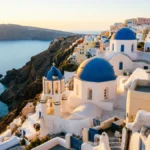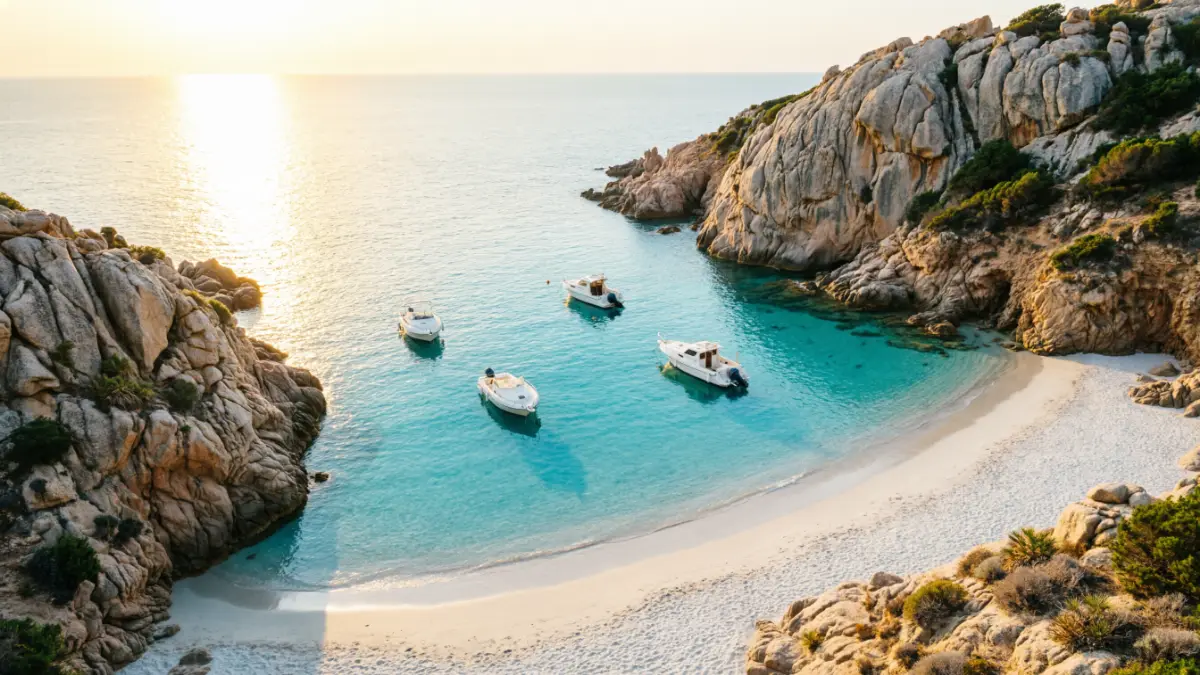
Picture water so clear it looks photoshopped, granite cliffs dropping into hidden coves, and villages where grandmothers still bake flatbread by hand. That is Sardinia, and it rarely makes the same must-see lists as Rome or the Amalfi Coast, which is exactly its appeal.
Many U.S. travelers arrive unsure how many days to spend, which coast to pick, or if Sardinia beats Sicily or Greece for their trip. Conflicting blog advice makes planning harder, not easier.
This guide answers every practical question: timing, itineraries, safety, and comparisons to nearby islands so you can build a Sardinia trip that actually fits your travel style and budget.
Featured Snippet:
Sardinia, Italy’s second-largest island, is worth visiting for turquoise beaches, ancient Nuragic ruins, and mountain villages far from typical tourist crowds. Best visited May–June or September–October, it suits travelers seeking nature, food, and slower-paced Mediterranean culture over nightlife-heavy destinations.
Quick Facts Table
| Category | Details |
| Region | Autonomous region of Italy |
| Best for | Beaches, hiking, ancient ruins, food, slower travel |
| Closest airports | Cagliari (CAG), Olbia (OLB), Alghero (AHO) |
| Currency | Euro (€) |
| Language | Italian, Sardinian dialect; English common in tourist areas |
| Peak season | June–August |
| Best value season | May, June, September, October |
| Typical trip length | 5–10 days |
Prices, flight schedules, and entry requirements change; always confirm current details with official airline and government sources before booking.
Is Sardinia Worth Visiting for Tourists?
Yes, Sardinia is worth visiting for travelers who want dramatic coastline, prehistoric archaeology, and authentic regional food without the crowds of mainland Italian hotspots. It rewards travelers who enjoy nature and slower itineraries over packed sightseeing schedules.
The island holds over 7,000 Bronze Age nuraghi stone towers, UNESCO-recognized sites, and some of Europe’s cleanest beaches according to EU bathing water reports. It is less suited to travelers wanting nonstop nightlife or major museums.
What Is Sardinia Known For?
Sardinia is known for its Blue Zone longevity (one of only five in the world), pristine beaches like Cala Goloritzé, ancient nuraghi towers, pecorino cheese, and mirto liqueur. It’s also famous for the glamorous Costa Smeralda coastline favored by European celebrities.
Best Time to Visit Sardinia & Which Month Is Best
The best time to visit Sardinia is May, June, or September, when temperatures stay in the 70s–80s°F, beaches are less crowded, and prices drop below peak-summer rates. July and August bring the warmest weather but also the highest costs and crowds.
Seasonal Comparison Table
| Season | Months | Weather | Crowds | Best For |
| Shoulder (best value) | May, June, Sept | 70–82°F, mild sea | Low–moderate | Beaches, hiking, budget travel |
| Peak | July–Aug | 85–95°F, hot | Very high | Swimming, nightlife, families on school break |
| Off-season | Oct–Apr | 50–68°F, rainier | Very low | Culture, hiking, budget trips (some coastal spots close) |
How to Get There: Flights to Sardinia
Most U.S. travelers fly into a major Italian or European hub (Rome, Milan, or Paris) and connect to Sardinia’s three airports: Cagliari (south), Olbia (northeast, near Costa Smeralda), or Alghero (northwest). Direct U.S.-to-Sardinia flights are rare, so you’ll typically need a connection.
Airlines such as ITA Airways, easyJet, and Ryanair operate the European connecting legs. Check the U.S. Department of Transportation and airline websites for current routes, since seasonal schedules shift year to year.
Sardinia Map: Understanding the Island’s Regions
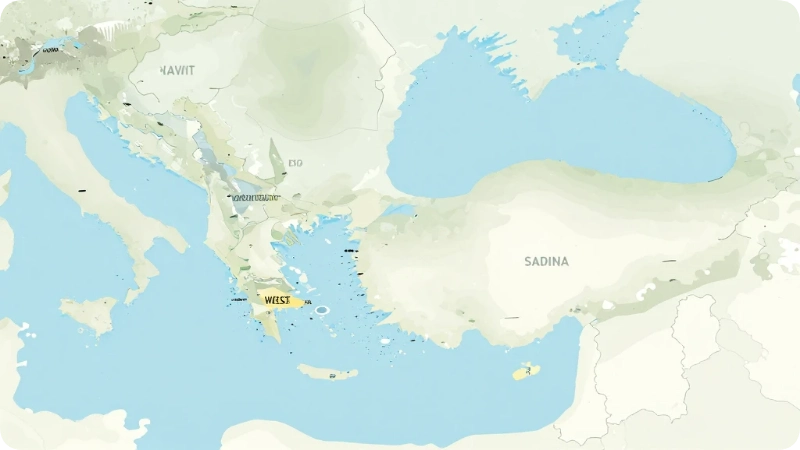
Sardinia splits roughly into four travel zones: the glamorous northeast (Costa Smeralda, Olbia), the wild north-central mountains (Barbagia), the beach-heavy south (Cagliari, Chia), and the quieter west coast (Alghero, Bosa). Picking one or two regions per trip works better than trying to circle the whole island.
Is It Worth Renting a Car in Sardinia?
Yes, renting a car is worth it for most itineraries, since Sardinia’s best beaches and villages sit outside major towns with limited public transit. Buses connect cities but run infrequently in rural areas, making a rental car the most practical way to reach hidden coves and mountain villages.
Tip: Book manual-transmission cars early if you need automatic, as availability is limited and fills fast in summer.
Which Side of Sardinia Is Better?
The northeast (Costa Smeralda) suits travelers who want polished resorts and upscale beach clubs, while the south and west (Cagliari, Chia, Alghero) suit travelers who want authentic towns, lower prices, and fewer crowds. Neither side is objectively “better”; it depends on budget and travel style.
Where to Go in Sardinia for First-Timers
First-time visitors generally do best focusing on Cagliari, the Chia beaches, and one mountain town like Orgosolo, or basing in Alghero for coastal Gothic architecture and nearby Neptune’s Grotto caves. Trying to cover the entire island in one trip usually means too much driving and too little beach time.
Sardinia Travel Itinerary: 7-Day Sample Plan
- Days 1–2: Cagliari old town, Poetto Beach, archaeological museum
- Day 3: Drive to Chia beach day at Su Giudeu
- Day 4: Barbagia mountains Orgosolo village, hiking
- Day 5: Travel north to Alghero, coastal town, seafood dinner
- Day 6: Neptune’s Grotto and Bosa’s colorful riverside houses
- Day 7: Return south or fly out from Alghero/Cagliari
Is 7 Days Too Long in Sardinia? How Many Days Is Enough?
Seven days is not too long; it is close to ideal for seeing two regions without rushing. Three to four days suits a single-region beach trip, while 7–10 days allows first-timers to combine beaches, mountains, and historic towns comfortably.
Top Attractions & the Prettiest Town in Sardinia
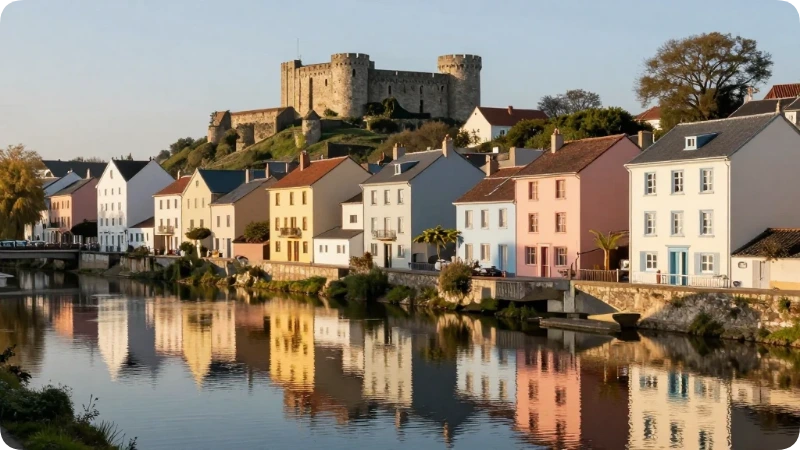
Su Nuraxi di Barumini (UNESCO nuraghe complex), Neptune’s Grotto sea caves, and La Pelosa Beach rank among Sardinia’s top attractions. Many travelers and locals consider Bosa, with its pastel riverside houses and hilltop castle, the prettiest town on the island. Castelsardo is a close second.
Hidden Gems in Sardinia
- Cala Goloritzé a UNESCO-recognized cove reachable only by boat or hike
- Tiscali a hidden nuraghic village inside a mountain sinkhole
- San Pietro Island a lesser-visited island off the southwest coast reachable by ferry
Things to Do in Sardinia
Beyond beaches, Sardinia offers hiking in the Gennargentu mountains, boat tours to secluded coves, cheese and wine tastings in Barbagia villages, and diving around marine protected areas like Tavolara. History lovers can tour Roman ruins in Nora alongside prehistoric nuraghi sites.
Food & Dining: What to Eat and What a Meal Costs
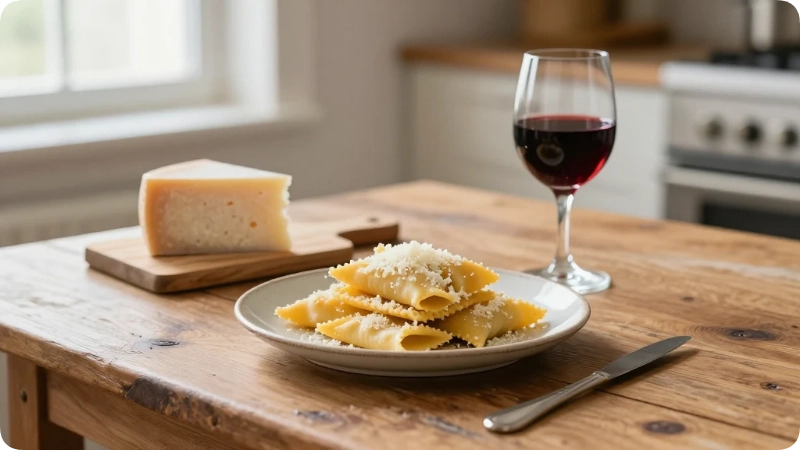
Sardinian cuisine centers on culurgiones (stuffed pasta), roast suckling pig (porceddu), pecorino sardo cheese, and seadas (fried pastry with honey). A casual trattoria meal typically runs modestly priced by Western European standards, while seaside resort restaurants charge noticeably more. Always check current menu prices locally, as they fluctuate.
Is Sardinia Cheap or Expensive? How Much Does a Trip Cost?
Sardinia is generally cheaper than France’s Riviera or Amalfi Coast but pricier than mainland Sardinia’s rural regions. Costs vary sharply by area, with Costa Smeralda among the most expensive parts of the Mediterranean and the south/west far more affordable. Total trip cost depends heavily on season, region, and accommodation style, so build a budget around your chosen coast rather than an island-wide average.
Sardinia Travel Packages
Package tours combining flights, hotels, and rental cars are available through major U.S. travel agencies and European operators specializing in Italy. Comparing an independent trip (flights + hotels + car booked separately) against a bundled package is worth doing, since packages sometimes cost more once optional excursions are stripped out. Verify inclusions carefully before booking.
Sardinia vs. Sicily: Which Is Nicer, and Which Is More Expensive?
Sicily offers more historical sites (Greek temples, Baroque towns) and slightly lower average prices, while Sardinia offers cleaner beaches, more nature, and a quieter pace. Neither island is definitively “nicer.” Sicily suits history-focused trips; Sardinia suits beach-and-nature-focused ones. Sicily is generally the more budget-friendly of the two.
Is Sardinia Warmer Than Sicily?
Sicily is typically slightly warmer than Sardinia, particularly in winter, due to its more southern position and proximity to North Africa. Summer temperatures on both islands run close, though Sicily often edges out Sardinia by a few degrees.
Is Greece or Sardinia Cheaper?
Greece is generally cheaper than Sardinia, particularly for accommodation and dining outside Athens and the most famous islands like Santorini. Sardinia’s northeast coast (Costa Smeralda) is notably pricier than most of mainland Greece or the Greek islands.
Sardinia vs. Crete: Which Is Better?
Crete offers more archaeological depth (Minoan ruins) and generally lower prices, while Sardinia offers more dramatic coastal scenery and a quieter, less touristy atmosphere. Choose Crete for history and value, Sardinia for beaches and nature.
Sardinia vs. Corfu: Which Is Better for a Trip?
Corfu suits travelers wanting a compact island with Venetian architecture and easy island-hopping access, while Sardinia suits travelers wanting a larger island with more varied landscapes, from mountains to coastline. Sardinia requires more driving to see its highlights.
What Is the Prettiest Italian Island?
Sardinia and Sicily are widely considered Italy’s two prettiest islands, with Sardinia praised for beach scenery and Sicily for historical architecture; smaller islands like Capri and the Aeolian Islands also rank highly for dramatic coastal views.
Culture & Etiquette
Sardinians take pride in a distinct regional identity separate from mainland Italy, including their own language (Sardu). Greeting shopkeepers, dressing modestly in churches, and avoiding loud behavior in small villages are appreciated forms of respect.
Do They Speak English in Sardinia?
English is spoken in most tourist areas, hotels, and restaurants, especially along the coast, but it is less common in rural mountain villages. Learning a few basic Italian phrases improves interactions significantly outside major towns.
Safety Tips: Crime and Where to Avoid
Sardinia is considered one of Italy’s safer regions, with violent crime against tourists rare. Petty theft can occur in crowded beach parking areas and tourist ports, so avoid leaving valuables visible in parked cars a common tourist mistake island-wide.
What Is Crime Like in Sardinia?
Crime rates in Sardinia are low compared to mainland Italian cities, with most incidents involving opportunistic theft rather than violent crime. Standard travel precautions securing valuables and staying aware in crowded tourist zones are generally sufficient.
Do I Need a Visa for Sardinia?
As part of Italy, Sardinia follows EU/Schengen entry rules; U.S. citizens can typically visit for up to 90 days within 180 days without a visa for tourism. Requirements can change, so confirm current rules through the U.S. Department of State and Italy’s official consulate website before traveling.
Packing Advice
Pack breathable layers, a reusable water bottle, sturdy sandals for rocky coves, and a light rain jacket for shoulder-season trips. A universal EU plug adapter and reef-safe sunscreen are easy-to-forget essentials for coastal itineraries.
Common Tourist Mistakes (and How to Fix Them)
- Trying to see the whole island in one trip Fix: pick 1–2 regions and go deeper instead.
- Skipping a rental car Fix: book one early, since rural buses run infrequently.
- Visiting only Costa Smeralda Fix: balance splurge days with more affordable southern or western towns.
Underrated & Overrated: Honest Take
Underrated: The Barbagia mountain villages and San Pietro Island, both light on crowds and rich in authentic culture. Overrated (situationally): Peak-August Costa Smeralda, where prices spike sharply for beach access comparable to quieter nearby coves.
How to Plan a Trip to Sardinia
- Pick your season (shoulder season for value, summer for warmth and crowds).
- Choose 1–2 regions rather than the whole island.
- Book flights into Cagliari, Olbia, or Alghero based on your region.
- Reserve a rental car early.
- Book accommodations 2–3 months ahead for summer travel.
Where to Stay: Best Places to Stay in Sardinia
- Cagliari best for city energy, museums, and easy airport access
- Costa Smeralda / Porto Cervo best for upscale resorts and beach clubs
- Alghero best for a walkable historic base with nearby caves and beaches
- Chia best for a quieter, beach-focused stay in the south
Family Tips
Shallow, calm beaches like Poetto (Cagliari) and Chia suit families with young children, and many resort towns offer kids’ menus and gentle water activities. Renting a car makes managing nap schedules and gear far easier than relying on buses.
Solo Travel Tips
Sardinia is generally comfortable for solo travelers, particularly in coastal towns with active tourism infrastructure. Joining a small-group boat tour or cooking class is an easy way to meet other travelers.
Accessibility Notes
Larger towns like Cagliari and Olbia have more accessible infrastructure than rural villages, where cobblestone streets and hilltop layouts can pose challenges. Contact accommodations directly in advance to confirm accessibility features, as availability varies widely by property.
Nearby Attractions & Alternatives
Corsica (France) sits just north of Sardinia and is reachable by ferry, making it easy to combine both islands in one trip. Travelers wanting a similar but less-developed alternative to Sardinia’s coast often consider Corsica or southern Sicily.
Responsible Travel in Sardinia
Stick to marked trails in protected areas like the Gennargentu National Park, and note that some beaches (like Cala Goloritzé) require free permits during peak season to limit overcrowding. Supporting family-run trattorias over chain restaurants helps sustain local Barbagia and coastal communities.
Sardinia Travel Blog & Guidebook Resources
For deeper research, Italy-focused guidebook series (such as Rick Steves or Lonely Planet) publish dedicated Sardinia chapters or editions with updated practical listings. Independent travel blogs can offer useful firsthand itinerary ideas, though always cross-check prices and hours against official current sources.
FAQs
Is Sardinia worth visiting for tourists?
Yes. Sardinia offers some of Europe’s cleanest beaches, ancient nuraghi ruins, and a slower pace than mainland Italian hotspots, making it well worth a visit for nature- and food-focused travelers.
Which month is best to visit Sardinia?
May, June, and September offer the best balance of warm weather, lower prices, and smaller crowds. July and August are hottest but also busiest and priciest.
How many days in Sardinia is enough?
Three to four days works for a single-region beach trip, while 7–10 days allows a fuller mix of beaches, mountains, and historic towns.
Is Sardinia cheap or expensive?
It varies sharply by region; the south and west are relatively affordable, while Costa Smeralda in the northeast ranks among the pricier Mediterranean destinations.
Do they speak English in Sardinia?
Yes, in most coastal tourist areas and hotels, though English is less common in rural inland villages.
What is the prettiest town in Sardinia?
Bosa, known for its colorful riverside houses and hilltop castle, is widely considered one of Sardinia’s prettiest towns, alongside Castelsardo.
Do I need a visa for Sardinia?
U.S. citizens typically don’t need a visa for stays up to 90 days within 180 days under Schengen rules, but travelers should confirm current requirements with official government sources before departure.
What should I pack for a Sardinia beach trip?
Pack breathable layers, sturdy sandals for rocky coves, reef-safe sunscreen, a universal EU adapter, and a light rain layer if visiting during shoulder season.
Is Sardinia good for a honeymoon or romantic trip?
Yes, quiet coves, boutique coastal hotels, and scenic drives along the west coast make Sardinia a popular choice for couples seeking a relaxed, less crowded alternative to the Amalfi Coast.
Can you drink tap water in Sardinia?
Tap water is generally safe to drink in most Sardinian towns, though some travelers prefer bottled water in rural areas; check with your accommodation if unsure.
What is the ferry situation like between Sardinia and mainland Italy?
Ferries connect Sardinia to mainland ports like Civitavecchia, Genoa, and Livorno, and to Corsica from the north; schedules and prices shift seasonally, so check operator websites like Tirrenia or Moby before planning around one.
Is Sardinia good for hiking?
Yes, the Gennargentu National Park and the Barbagia region offer trails ranging from easy coastal walks to challenging mountain routes, including the popular Selvaggio Blu coastal trek for experienced hikers.
Conclusion
Sardinia rewards travelers willing to slow down: think fewer bucket-list landmarks, more empty coves, mountain trattorias, and beaches that rival the Caribbean. Picking one or two regions, timing your trip for shoulder season, and renting a car will shape a far smoother experience than trying to see it all at once.
If it’s the glamour of Costa Smeralda or the quiet stone villages of Barbagia calling you, Sardinia delivers a version of Italy that feels far less scripted. Start mapping your regions, and let the island set its own pace.

Maya Lin inspires travelers to explore the globe with absolute confidence and independence. Armed with a background in digital media and a decade of independent solo travel experience, she knows exactly how to navigate unfamiliar cities smoothly and safely. For Travelmarse, Maya curates the solo travel and hidden-gem verticals. She reviews charming boutique hotels, designs smart neighborhood walking routes, and shares practical language-learning hacks, giving readers the exact tools they need to travel solo without the stress.