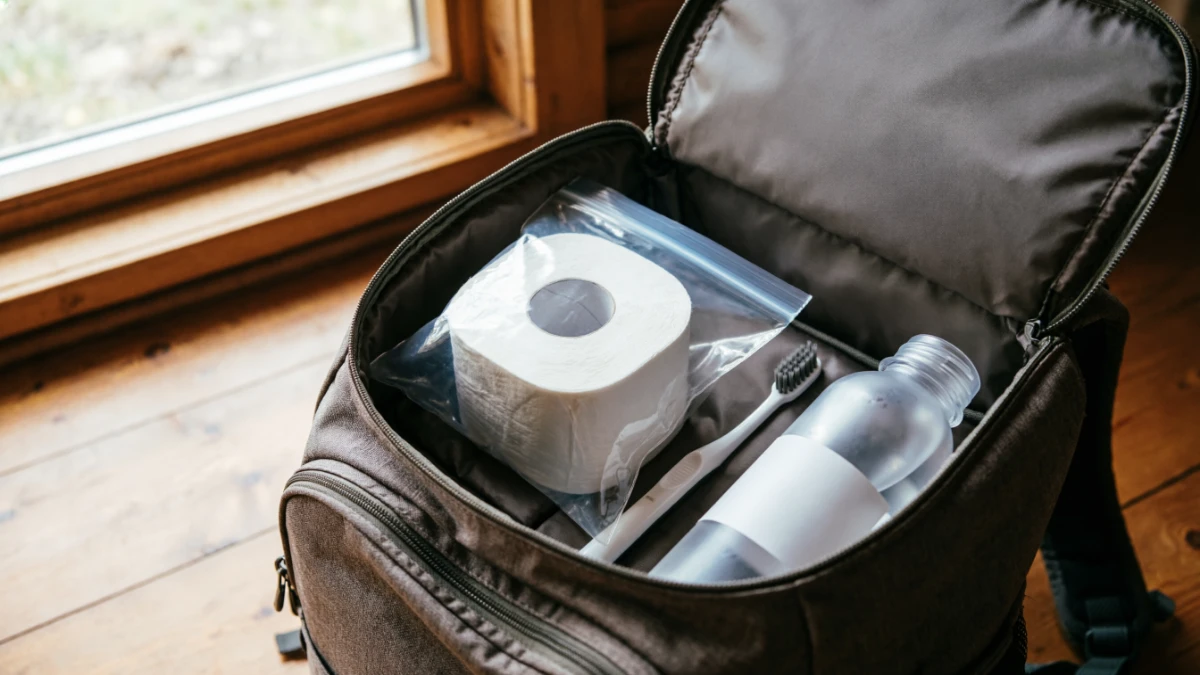
Nothing derails a trip faster than a bathroom emergency with no toilet paper in sight. From long-haul flights to rural trailheads, travel toilet paper solves a problem every traveler eventually faces. Many destinations, especially outside the USA, don’t stock paper the way American travelers expect.
This guide covers everything: what travel toilet paper actually is, the best options and prices, how to pack it, airplane bathroom rules, and an honest look at how different cultures around the world handle bathroom hygiene. If you’re headed to a national park, a hostel in Southeast Asia, or a 14-hour flight, you’ll leave knowing exactly what to pack and why.
Featured Snippet:
Travel toilet paper is a compact, lightweight, biodegradable tissue made for backpacks, carry-ons, and camping kits. Most travel packs cost $4–$15 for a 4-pack and come in coreless rolls, compressed tablets, or flat pocket sheets, making them easy to fit into any bag without adding bulk.
What Is Travel Toilet Paper?
Travel toilet paper is a compact, portable version of standard bathroom tissue, designed to be carried in a daypack, purse, or glovebox. It typically comes coreless (no cardboard tube), individually wrapped, or compressed into small tablets that expand when wet.
It’s built for situations where regular toilet paper isn’t available: hiking trails, budget hostels, international bus stations, and airplane lavatories that run out mid-flight. Most brands use 2-ply or 3-ply biodegradable paper so it breaks down safely if used in pit toilets or packed out in the backcountry.
Best Travel Toilet Paper: Top Options
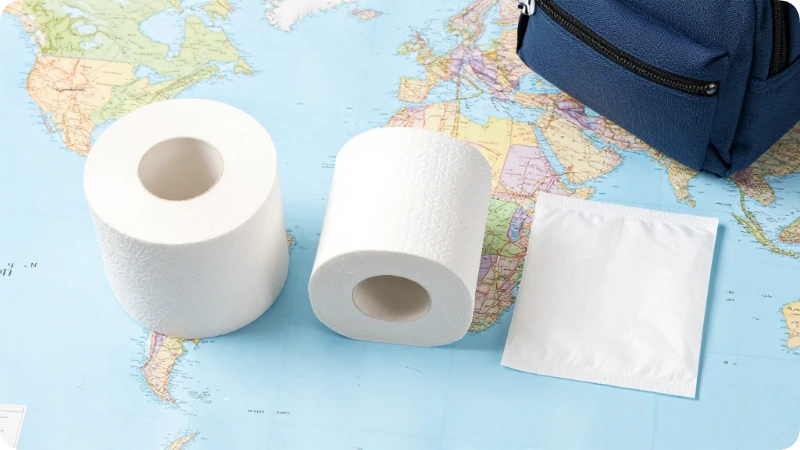
The best travel toilet paper for most people is a coreless, individually wrapped roll under 4 ounces, since it fits easily into a daypack side pocket without crushing. Camping-specific brands add biodegradable fibers for backcountry use, while flat-pack tissues suit minimalist carry-on packing.
- Coreless compact rolls – Best for general travel; no bulky cardboard tube, fits in a Ziploc bag.
- Compressed tablets – Small discs that expand with water; ideal for ultralight backpackers.
- Flat pocket packs – Individual folded sheets, good for quick day trips or purses.
- Biodegradable camping rolls – Break down faster, recommended by the National Park Service (NPS) for backcountry disposal in approved areas.
Coreless compact rolls are best for airplanes and hostels. For hiking and camping, choose biodegradable rolls designed to break down safely outdoors. Compressed tablets are a smart choice for minimalist packers who want to save space.
Travel Toilet Paper Price: What to Expect
A 4-pack of travel toilet paper typically costs $4 to $15, depending on the brand, ply count, and If it’s biodegradable. Budget grocery-store packs sit at the low end, while outdoor-brand or bamboo options cost more.
How Much Does a 4-Pack of Toilet Paper Cost?
A standard 4-pack of travel-sized toilet paper runs $4–$8 at most drugstores and outdoor retailers, while premium biodegradable or bamboo camping rolls can reach $10–$15. Prices vary by retailer, so it’s worth comparing in-store and online before a trip. Always check current pricing directly with the retailer, since costs shift with supply and season.
Where Can I Find a Travel Pack of Toilet Paper?
Travel packs are sold at outdoor retailers, pharmacies, supermarkets, and airport convenience stores. Camping-specific stores carry biodegradable versions, while pharmacies stock basic compact rolls near travel-size toiletries. Online marketplaces offer the widest selection, including bulk multi-packs for longer trips.
How to Carry Toilet Paper While Traveling
Carry toilet paper by flattening the roll slightly and sealing it in a zip-top bag to keep it dry and compact. Removing the cardboard core before the trip saves additional space in a backpack or personal item.
A few practical packing tips:
- Store it in a waterproof pouch separate from snacks or electronics.
- Keep one roll in your daypack and a backup in checked luggage.
- For flights, pack a small amount in your carry-on personal item for easy access.
- Compress rolls by removing the cardboard tube and flattening gently.
Can Toilet Paper Go in an Airplane Toilet?
Yes, standard toilet paper is safe to flush in an airplane toilet, since aircraft lavatories use a vacuum flush system designed for paper waste. However, wet wipes, paper towels, and non-flushable items should never go in an airplane toilet, as they can clog the vacuum system.
How to Use a Toilet on an International Flight?
Lock the door fully before use, since aircraft lavatory doors sometimes need a firm push to latch. After use, press the flush button and wait for the vacuum suction to clear the bowl completely before opening the door. Always wash hands using the sink, and note that international carriers may stock different paper brands than U.S. flights.
Why Not Wear Jeans on a Plane?
This is more comfort advice than a rule: jeans are stiff and don’t stretch, which can be uncomfortable during long flights and in tight lavatory spaces. Frequent flyers often recommend breathable, stretchy fabric instead for easier movement in the aisle and restroom.
Why Avoid Seat 11A on a Plane?
Seat 11A has become an internet talking point tied to a specific incident involving a plane door, not a general safety rule for all aircraft. On most planes, 11A is a normal window seat; travelers should check the seat map for their specific aircraft rather than avoid a seat number universally.
Toilet Paper Use Around the World
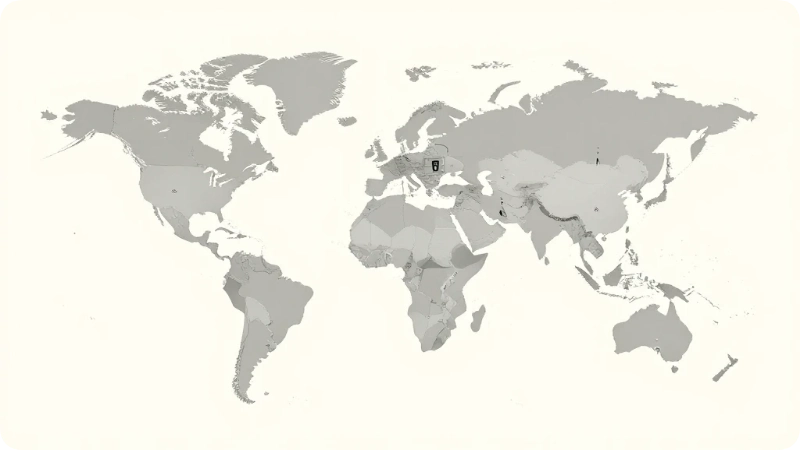
Toilet paper usage varies widely by region: it’s the dominant method in North America and much of Europe, while many parts of Asia, the Middle East, and Africa primarily use water. Understanding this before a trip helps travelers pack appropriately and avoid awkward surprises.
What Does 70% of the World Use Instead of Toilet Paper?
A commonly cited estimate is that roughly 70% of the world’s population relies primarily on water via bidets, hoses, or hand-washing rather than dry paper for bathroom hygiene. This is most common across Asia, the Middle East, Africa, and parts of South America.
Which Country Uses Toilet Paper Most?
The United States is frequently cited as the largest per-capita consumer of toilet paper, followed by other Western nations like Germany and the UK. High consumption in the U.S. is linked to fewer bidets and a cultural reliance on paper alone.
Which Country Doesn’t Use Toilet Paper?
No country uses zero toilet paper, but nations such as Japan, India, Indonesia, and many across the Middle East rely mainly on bidets, water hoses (often called “bum guns”), or a mix of both alongside limited paper use.
What Is the New Alternative to Toilet Paper?
Modern alternatives include electric bidet attachments, portable travel bidets, and flushable biodegradable wipes. These are gaining popularity in the U.S. for hygiene and environmental reasons, reducing paper waste while offering a water-based clean.
What Is Used Instead of Toilet Paper?
Common alternatives include bidets, handheld water sprayers, reusable cloth (in some rural or off-grid settings), and biodegradable wipes. The right choice depends on regional custom, water access, and personal preference.
Cultural Hygiene Practices: What Travelers Should Know
Bathroom customs differ by region and are shaped by religion, water access, and tradition rather than one universal standard. Respecting local norms and packing your own supplies when unsure helps avoid discomfort on the road.
Do Some Cultures Not Wipe After Using the Bathroom?
Most cultures do clean themselves after using the bathroom, but the method differs: many rely primarily on water instead of dry paper. This isn’t an absence of hygiene practice, just a different tool water rather than tissue.
Do Muslims Use Water Instead of Toilet Paper?
In many Muslim-majority regions, washing with water (often called istinja) is the preferred method for bathroom hygiene, based on religious guidance around cleanliness. Toilet paper may be used alongside water or as a secondary option, and practices vary by individual, household, and country.
Do Indians Wipe With Their Hands?
In parts of India, especially in traditional or rural households, water is used for cleaning (typically with the left hand), followed by handwashing with soap a widespread regional practice rather than a lack of tools. Urban areas and hotels increasingly offer both toilet paper and water options.
Why Do Foreigners Use Toilet Paper Instead of Water?
In regions without built-in bidets or accessible running water near toilets, dry paper became the practical default over generations, particularly across North America and parts of Europe. It’s a matter of infrastructure and habit rather than one method being universally “better.”
How to Avoid Public Washrooms While Traveling
Reduce reliance on public washrooms by using rest stops strategically, carrying your own toilet paper and hand sanitizer, and researching clean facility locations (like museums, cafes, or gas stations) in advance. Apps that map public restrooms can help on long road trips or city walks.
Where Do People Go to the Toilet When Camping?
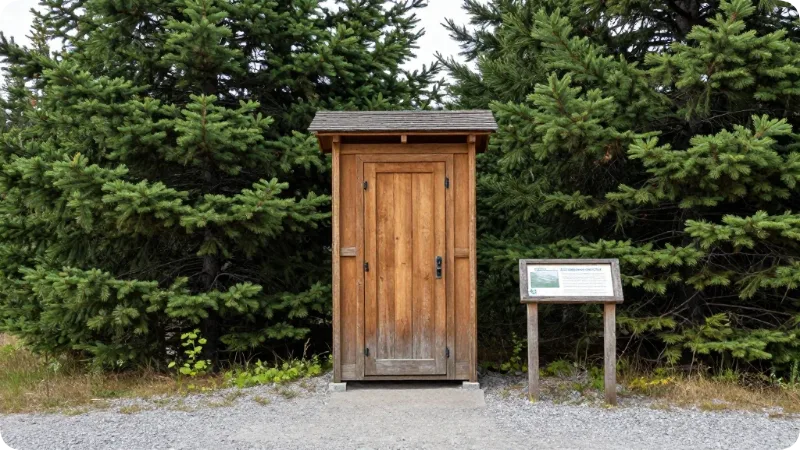
Campers typically use a designated pit toilet, vault toilet, or a portable trowel-and-cathole method at least 200 feet from water sources and trails, following Leave No Trace guidelines. Many U.S. national and state parks provide vault toilets at trailheads, while backcountry campers pack out solid waste in designated bags where required.
How to Wipe Without Toilet Paper
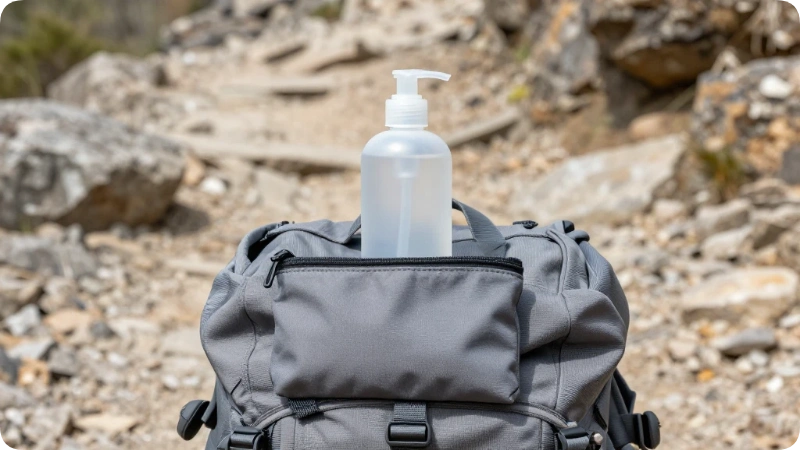
In a pinch, travelers can use a portable bidet bottle, wet wipes (packed out, never flushed in the backcountry), or natural materials like smooth leaves in genuine survival situations. A small squeeze bottle of water is the most reliable backup for hikers who prefer not to carry paper.
How Should a Woman Wipe After Urinating?
General hygiene guidance recommends wiping from front to back to reduce the risk of bacterial transfer. This is a basic hygiene habit recommended broadly, not specific to travel, and any personal health concerns are best directed to a healthcare provider.
What Toilet Paper Do Gynecologists Recommend?
Health professionals commonly suggest plain, unscented, dye-free toilet paper to reduce irritation, since fragrances and dyes can trigger sensitivity for some people. This applies to travel toilet paper too choosing a simple, undyed option is the safer pick for sensitive skin.
How to Clean Yourself Without a Bidet?
Without a bidet, a portable travel bidet bottle or a damp cloth are the closest substitutes, offering a water-based clean similar to a built-in fixture. These fold flat and are increasingly popular among frequent international travelers.
Fun Facts: Toilet Paper Trivia
When Did Humans Start Wiping After Pooping?
Historical records show cleaning after using the bathroom dates back thousands of years, with ancient civilizations using materials like water, leaves, moss, and later, communal sponges on sticks (ancient Rome). Modern commercial toilet paper as we know it emerged in the late 1800s.
What Toilet Paper Does the Royal Family Use?
British media reports have linked the royal household to a specific luxury quilted toilet paper brand, though official confirmation is limited, and preferences are not publicly documented in detail. Treat royal toilet paper claims as popular trivia rather than confirmed fact.
How to Wrap Toilet Paper for Guests
A simple guest-bathroom touch is folding the top sheet into a triangle or accordion fold, hotel-style, for a tidy presentation. Some hosts add a small ribbon or place a fresh roll in a decorative basket alongside spare rolls for visiting travelers.
Quick Facts Table
| Category | Details |
| Average 4-pack price | $4–$15 |
| Best for flights/hostels | Coreless compact rolls |
| Best for camping | Biodegradable rolls |
| Airplane toilets | Paper is flushable; wipes are not |
| Global usage | ~70% rely mainly on water-based methods |
| Backcountry rule | Pack out or bury 200+ ft from water (Leave No Trace) |
Note: Prices, airline policies, and park rules change always verify current details with the airline, retailer, or park authority (e.g., NPS.gov) before your trip.
Common Mistakes Travelers Make
- Packing only one roll carry a backup in checked luggage or a second bag.
- Assuming all destinations stock paper many budget hostels and rural stops don’t.
- Flushing wipes in flight or backcountry toilets this causes clogs; always pack wipes out.
FAQs
What is the best toilet paper for travel?
The best option is a coreless, individually wrapped compact roll, since it’s lightweight, mess-free, and fits easily into a daypack or carry-on without adding bulk.
Can toilet paper go in an airplane toilet?
Yes, standard toilet paper is safe for airplane lavatories, which use a vacuum flush built to handle paper. Wipes and paper towels should never be flushed on a plane.
What does 70% of the world use instead of toilet paper?
An estimated 70% of the global population relies primarily on water-based cleaning methods, such as bidets or handheld sprayers, rather than dry paper alone.
How do I carry toilet paper while traveling?
Remove the cardboard core, flatten the roll, and store it in a sealed zip-top bag to keep it dry, compact, and protected from the rest of your pack.
Is a travel bidet worth packing?
For international trips or backcountry travel, a portable bidet bottle is a lightweight, reusable option that reduces paper use and works well as a backup when supplies run out.
Do hostels usually provide toilet paper?
Not always many budget hostels, especially outside North America and Western Europe, expect guests to bring their own, making a compact travel roll a smart addition to any packing list.
Is travel toilet paper biodegradable?
Many camping-specific brands are biodegradable and safe for approved backcountry disposal, but standard travel rolls may not break down as quickly check the packaging before use in sensitive natural areas.
Do all countries sell travel-size toilet paper?
Most countries with tourist infrastructure sell compact rolls at pharmacies or convenience stores, though selection and biodegradable options are more limited outside North America and Western Europe.
Should I bring toilet paper to a national park?
Yes many vault and pit toilets at trailheads don’t restock daily, so packing a small roll or a biodegradable option is a smart backup for hikers.
Can I bring toilet paper through airport security?
Yes, toilet paper is permitted in both carry-on and checked luggage with no TSA restrictions, since it’s a solid, non-liquid item.
What’s the lightest toilet paper option for backpacking?
Compressed toilet paper tablets are the lightest choice, expanding only when wetted, which saves significant pack space and weight compared to a full roll.
Conclusion
Travel toilet paper is a small item that solves a surprisingly common travel problem, If you’re on a 14-hour flight, a remote hiking trail, or a budget hostel with bare shelves. Understanding pricing, packing methods, and the global mix of water-based and paper-based hygiene customs helps any traveler stay prepared and respectful abroad.
Three takeaways: pack a compact, biodegradable roll as a backup; understand that many destinations rely on water rather than paper; and always verify airline, park, or venue rules before your trip. A few extra ounces in your bag can save an entire day from going sideways pack smart, and travel comfortably.

Ben Fogle believes that true adventure begins where the pavement ends. After spending years documenting extreme environments, rowing across oceans, and trekking through frozen landscapes, he mastered the art of wilderness travel. For Travelmarse, Ben constructs highly detailed guides on deep-nature packing lists, wildlife safety, and sustainable eco-tourism. He breaks down intimidating, rugged expeditions into clear, step-by-step roadmaps so everyday travelers can safely connect with the natural world.