Iceland pulls travelers in with a promise most places can’t keep: glaciers, volcanoes, waterfalls, and hot springs packed into one small island. The hardest part of planning an Iceland trip isn’t finding things to do it’s narrowing down which iceland things to see and do actually deserve your limited days. Between the Ring Road, Reykjavík’s compact streets, and dozens of half-day tours, it’s easy to overbook and burn out.
This guide breaks down exactly what to prioritize, what’s genuinely worth skipping, and how to build a realistic itinerary If you have three days or three weeks. It covers seasons, budgets, food, packing, common mistakes, and the honest answers to the questions most visitors ask before they go.
Featured Snippet:
Iceland’s must-see experiences include the Blue Lagoon, Golden Circle (Þingvellir, Geysir, Gullfoss), South Coast waterfalls, black sand beaches, glacier lagoons, and the Northern Lights. Most trips combine Reykjavík city time with a Ring Road drive, mixing natural wonders with local food, hot springs, and small fishing villages.
Quick Facts Table
| Category | Details |
|---|---|
| Best time to visit | June–August (summer) or Feb–March (Northern Lights) |
| Currency | Icelandic Króna (ISK) |
| Language | Icelandic (English widely spoken) |
| Capital | Reykjavík |
| Minimum trip length | 4–5 days |
| Ideal trip length | 7–10 days |
| Getting around | Rental car (Ring Road) or guided tours |
| Entry requirement | Passport; Schengen visa rules apply for many nationalities verify current requirements with the U.S. Department of State before booking. |
Prices, hours, and entry rules change often always confirm current details on official sites before your trip.
Best Time to Visit Iceland
The best time to visit depends on what you want to see. Summer (June–August) brings near-endless daylight, open highland roads, and the easiest driving conditions. Winter (November–March) trades daylight for a real shot at the Northern Lights, plus ice caves and fewer crowds.
| Season | Weather | Highlights | Downsides |
|---|---|---|---|
| Summer (Jun–Aug) | Mild, 50–60°F | Midnight sun, highland access, hiking | Higher prices, more tourists |
| Shoulder (Apr–May, Sep) | Cool, variable | Fewer crowds, decent light | Some roads/tours closed |
| Winter (Nov–Mar) | Cold, icy, 30s°F | Northern Lights, ice caves, hot springs | Short daylight, road closures possible |
Top 10 Things to See in Iceland
Iceland’s biggest draws combine geology, water, and light in ways few other countries can match. This list covers the sights that consistently earn their reputation.
- Blue Lagoon – geothermal spa near Keflavík airport
- Golden Circle – Þingvellir National Park, Geysir, Gullfoss waterfall
- Seljalandsfoss & Skógafoss – South Coast waterfalls you can walk behind or beside
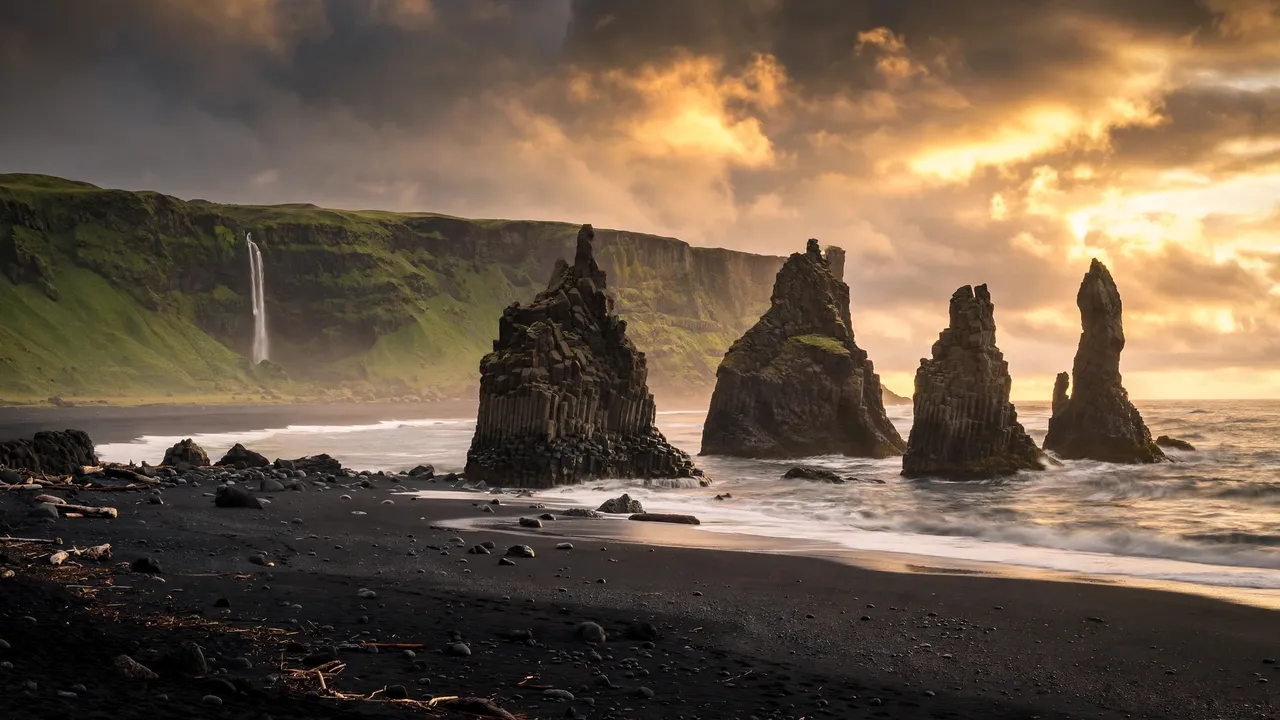
- Reynisfjara – black sand beach with basalt columns near Vík
- Jökulsárlón Glacier Lagoon – floating icebergs and Diamond Beach
- Skaftafell Nature Reserve – glacier hiking and Svartifoss waterfall
- Landmannalaugar – multicolored rhyolite mountains (summer only)
- Vatnajökull Ice Caves – blue-ice caves accessible in winter
- Snæfellsnes Peninsula – “Iceland in miniature,” including Kirkjufell mountain
- Reykjavík’s Hallgrímskirkja & Harpa – city landmarks worth an afternoon

What Not to Miss in Iceland
If time is tight, prioritize the South Coast waterfalls, the Golden Circle, and one glacier or ice cave experience. These three deliver Iceland’s core landscape variety volcanic, geothermal, and glacial in the smallest geographic footprint.
Don’t skip a soak in geothermal water, If that’s the Blue Lagoon or a quieter alternative like the Secret Lagoon. It’s one experience nearly every visitor rates as a highlight.
Must-Do Trips in Iceland
Beyond single attractions, a few multi-stop trips are worth building a day around:
- Golden Circle day trip from Reykjavík (half to full day)
- South Coast tour to waterfalls, Reynisfjara, and Jökulsárlón (1–2 days)
- Snæfellsnes Peninsula loop (full day from Reykjavík)
- Westfjords detour for remote fjords and fewer tourists (2–3 days, summer only)
- Highland trip to Landmannalaugar (summer, requires a 4×4 or guided super jeep tour)
Unique Things to See and Do in Iceland
Beyond the postcard shots, Iceland has a handful of experiences most visitors overlook. Snorkeling or diving in Silfra, a fissure between two tectonic plates, lets you swim between continents in glacier-clear water.
Whale watching from Húsavík or Reykjavík, soaking in a river-fed hot spring like Reykjadalur (a hike-in thermal river), and visiting a real turf-house village such as Laufás add texture beyond the standard checklist.
Iceland Things to See and Do in Summer
Summer’s midnight sun means daylight stretches past midnight in June and July, opening up long driving days and highland routes that are closed the rest of the year. This is peak season for hiking Landmannalaugar, driving the full Ring Road, and puffin watching along coastal cliffs (Látrabjarg, Dyrhólaey).
Expect higher accommodation prices and busier trailheads. Booking rental cars and popular tours 2–3 months ahead is worth it in July and August.
Iceland Things to See and Do in Winter
Winter shifts the appeal toward darkness rather than daylight. The Northern Lights are the headline draw, best seen away from city lights on clear nights between September and April. Ice cave tours inside Vatnajökull glacier only run in winter, when the ice is stable enough for access.
Roads can close with storms, so build flexibility into any winter Ring Road plan and check road.is before driving.

Things to Do in Iceland: Northern Lights
Aurora viewing works best from late September through March, away from Reykjavík’s light pollution. Popular viewing spots include Þingvellir National Park, Grótta lighthouse, and the countryside along the South Coast.
Clear, dark skies matter more than location check the Icelandic Met Office’s aurora forecast and cloud cover map before heading out, and give yourself several nights in case one is cloudy.
Places to Visit in Iceland: Reykjavik
Reykjavík is compact enough to explore on foot in a day or two. Hallgrímskirkja church offers city views from its tower, Harpa Concert Hall is a striking glass building on the waterfront, and the Old Harbour area has whale-watching boats and casual seafood spots.
The Sun Voyager sculpture, Laugavegur shopping street, and Perlan museum (with an indoor ice cave exhibit) round out a solid city itinerary.

Free Things to Do in Iceland
Iceland isn’t a cheap destination, but several standout experiences cost nothing. Walking behind Seljalandsfoss waterfall, hiking to many trailheads, viewing the Northern Lights, wandering Reykjavík’s harbor and street art, and visiting Þingvellir National Park (parking fee aside) are all free.
What is free in Iceland: most hiking trails, waterfall viewpoints, Þingvellir National Park grounds, city walking tours you self-guide, and Northern Lights viewing are all free of charge, aside from optional parking fees at some sites.
How Many Days Is Enough for Iceland?
Four to five days covers the Golden Circle and South Coast comfortably. Seven to ten days allows a fuller Ring Road loop with time for the Snæfellsnes Peninsula or Westfjords. Anything under three days should stay focused on Reykjavík and the Golden Circle rather than attempting long drives.
What to See in Iceland in 5 Days
Five days is enough for a South Coast-focused loop without rushing. A workable structure: Day 1 Reykjavík and Blue Lagoon, Day 2 Golden Circle, Days 3–4 South Coast to Jökulsárlón and back, Day 5 flexible buffer or return to Reykjavík for shopping and food.
Sample 5-Day Iceland Itinerary
- Day 1: Arrive, Blue Lagoon, settle into Reykjavík
- Day 2: Golden Circle Þingvellir, Geysir, Gullfoss
- Day 3: South Coast Seljalandsfoss, Skógafoss, Reynisfjara, overnight near Vík
- Day 4: Jökulsárlón Glacier Lagoon, Diamond Beach, drive back toward Reykjavík
- Day 5: Reykjavík city sights, shopping, departure
How to Get There, Transport, and Where to Stay
Most international flights land at Keflavík International Airport (KEF), about 45 minutes from Reykjavík. Icelandair and Play both run regular routes from major U.S. cities.
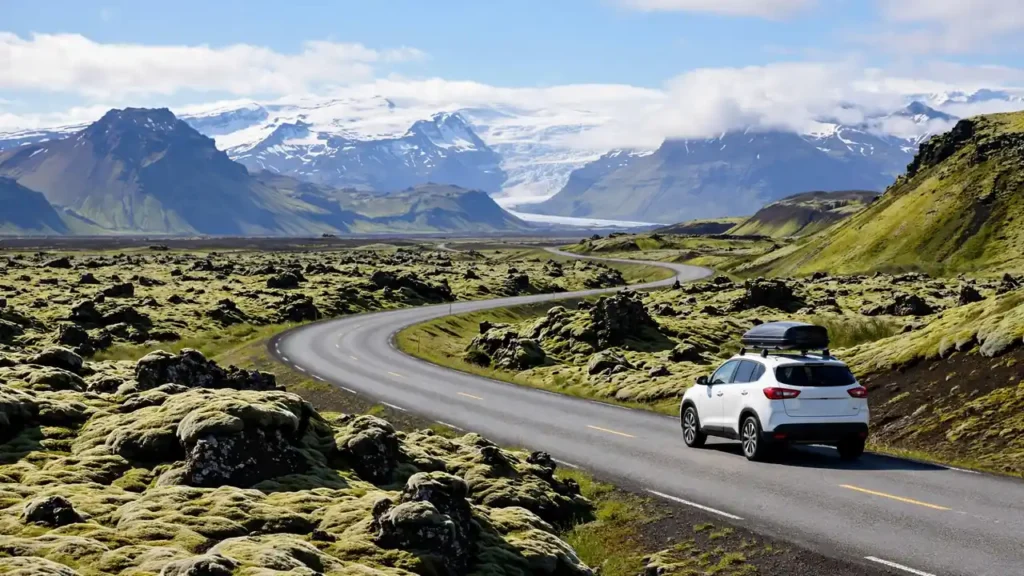
A rental car is the most flexible way to see Iceland; Route 1 (the Ring Road) circles the entire island. For those skipping self-driving, guided day tours and multi-day bus packages cover the major regions. Accommodation ranges from Reykjavík hotels to countryside guesthouses and farm stays book South Coast lodging early in summer, since options are limited outside Vík.
Budget Breakdown
Iceland is one of the more expensive destinations for U.S. travelers. Meals out, gas, and guided tours add up quickly, so many visitors mix self-catering with occasional restaurant meals.
| Expense | Approx. Daily Cost (USD) |
|---|---|
| Budget travel | $120–160 |
| Mid-range | $200–300 |
| Rental car (per day) | $60–120 |
| Casual meal | $20–30 |
| Guided day tour | $100–200 |
Costs shift with season and currency exchange confirm current pricing before booking.
What Is a Must-Eat in Iceland?
Icelandic lamb, fresh seafood (especially langoustine in Höfn), and skyr, a thick, yogurt-like dairy product are the dishes most worth trying. Bakeries selling kleinur (fried dough) and rye bread baked underground with geothermal heat are also worth a stop.
Adventurous eaters sometimes try fermented shark (hákarl), though it’s more of a novelty than a daily food.
What’s a Typical Icelandic Breakfast?
A typical Icelandic breakfast centers on skyr with berries or granola, rye bread with butter and cheese, and coffee. Hotels commonly serve a Nordic-style spread with cold cuts, eggs, and pastries alongside these staples.
What Drink Is Iceland Known For?
Iceland is best known for Brennivín, a caraway-flavored schnapps sometimes called “Black Death.” Icelandic tap water is also famously clean, sourced from glacial springs, and locally roasted coffee culture is strong in Reykjavík cafés.
Must-Buys in Iceland
Popular souvenirs include Icelandic wool lopapeysa sweaters, skincare products made with geothermal or glacial ingredients, and locally made ceramics. Volcanic stone jewelry and silver pieces inspired by Nordic design are also common finds in Reykjavík boutiques.
What jewelry is Iceland known for: Icelandic jewelry often features lava stone, silver Viking-inspired designs, and pieces incorporating local minerals sold widely in Reykjavík’s design shops and craft markets.
What to Avoid When Visiting Iceland
A few habits cause the most trouble for visitors: walking on moss-covered lava fields (it takes decades to regrow), getting too close to glacier edges or ocean waves at Reynisfjara (sneaker waves are dangerous), and ignoring road closure warnings during storms.
Common Mistakes and Fixes
- Underestimating driving times Iceland’s roads are scenic but slow; add buffer time.
- Skipping travel insurance weather-related cancellations are common; a policy covering trip interruption is worth it.
- Packing like it’s a mild climate layers and waterproofs matter even in summer.
Common Mistakes to Avoid When Visiting Iceland
Beyond driving and packing, visitors often overpack their itinerary, trying to see the whole Ring Road in four days. This leads to rushed stops and missed weather windows. A shorter, well-paced route almost always makes for a better trip than a longer, rushed one.
What to Pack: Gear and Clothing Advice
Layering is the golden rule. A waterproof, windproof outer shell, a warm mid-layer, sturdy waterproof hiking shoes, and swimwear (for hot springs) cover most of the year. Even summer evenings can be cold and windy.
Can I wear jeans in Iceland? Jeans are fine for city days in Reykjavík but aren’t ideal for hiking or wet weather they hold moisture and dry slowly. Pack at least one pair of waterproof or quick-dry pants for outdoor days.
What not to bring to Iceland: Heavy formal wear, cotton-only clothing (it stays wet), and an umbrella Iceland’s wind usually destroys them. A packable rain shell works far better.

Culture and Etiquette
Icelanders are generally reserved but friendly, and English is spoken fluently almost everywhere. Tipping isn’t expected, since service charges are typically included. Removing shoes indoors, especially in geothermal pool changing rooms, is standard and required showering without a swimsuit before entering pools is a strict local rule.
Safety Tips
Iceland is very safe from a crime standpoint, but its main risks are natural: sudden weather changes, strong ocean currents, and unstable ground near geothermal areas. Always check road.is and the Icelandic Meteorological Office before long drives, and follow marked paths at natural sites.
Which Part of Iceland Is Most Beautiful?
The South Coast is often considered the most visually rewarding stretch for first-time visitors, thanks to its concentration of waterfalls, black sand beaches, and glacier views within a short drive. The Westfjords and Snæfellsnes Peninsula offer quieter, arguably more dramatic scenery for repeat visitors.
What Is the Prettiest City in Iceland?
Reykjavík is the country’s largest and most visited city, known for colorful rooftops and waterfront architecture. Akureyri, in the north, is smaller and often described as charming for its harbor setting and mountain backdrop.
What Is the Number One Attraction in Iceland?
The Blue Lagoon and the Golden Circle are consistently ranked as Iceland’s top attractions by visitor volume, thanks to their proximity to Reykjavík and Keflavík airport. For natural scenery specifically, Jökulsárlón Glacier Lagoon is frequently cited as the single most photographed spot in the country.
What I Wish I Knew Before Going to Iceland
Many repeat visitors say they wish they’d budgeted more time for weather delays, packed better rain gear, and booked popular tours (ice caves, Blue Lagoon) further in advance. Underestimating fuel and food costs is another common regret worth planning around.
Cheapest Month to Visit Iceland
November and January, just after the winter holiday rush, tend to have the lowest flight and hotel prices, since daylight is short and tourist volume drops. Shoulder months like April and September offer a middle ground of lower prices with more daylight than deep winter.
Best Way to Travel Around Iceland
Self-driving the Ring Road offers the most flexibility for travelers comfortable with variable weather and long stretches between towns. Guided multi-day tours suit those who prefer not to drive in winter conditions. Domestic flights (to Akureyri or Ísafjörður) can save time on longer itineraries.
Responsible Travel in Iceland
Stick to marked trails to protect fragile moss and vegetation, avoid flying drones near wildlife or protected areas without permission, and pack out any trash from remote sites. Choosing tour operators registered with the Icelandic Tourist Board supports regulated, safety-compliant operations.
FAQs
What are 10 things I must see in Iceland?
The Blue Lagoon, Golden Circle, South Coast waterfalls, Reynisfjara black sand beach, Jökulsárlón Glacier Lagoon, Skaftafell, Landmannalaugar, Vatnajökull ice caves, Snæfellsnes Peninsula, and Reykjavík’s Hallgrímskirkja cover Iceland’s core landscapes and landmarks in one trip.
How many days is enough for Iceland?
Four to five days is enough to cover the Golden Circle and South Coast without rushing. Seven to ten days allows a fuller Ring Road experience, including the Snæfellsnes Peninsula or Westfjords.
What is the best way to travel around Iceland?
Renting a car and driving the Ring Road offers the most flexibility for most travelers. Guided tours are a solid alternative for winter driving or those who prefer not to navigate icy roads themselves.
What should I avoid when visiting Iceland?
Avoid walking on protected moss, standing too close to Reynisfjara’s waves, skipping travel insurance, and underestimating driving times between stops Iceland’s roads are scenic but slower than they look on a map.
Is the Blue Lagoon worth it?
Most visitors find the Blue Lagoon worth at least one visit for its convenience near the airport and relaxing geothermal water, though it’s pricier and more crowded than smaller alternatives like the Secret Lagoon.
What is overrated in Iceland?
Some travelers find the Blue Lagoon overpriced compared to quieter geothermal pools with similar water quality. Booking it purely out of obligation rather than genuine interest is a common source of disappointment.
What is underrated in Iceland?
Less-visited spots such as the Westfjords, Snæfellsnes Peninsula, and local hot springs like the Secret Lagoon often surprise travelers with fewer crowds and a quieter, more authentic feel.
Do I need a visa to visit Iceland from the USA?
U.S. citizens typically don’t need a visa for short tourist stays under Iceland’s Schengen Area rules, but requirements can change. Confirm current entry rules with the U.S. Department of State or Icelandic immigration authorities before booking.
Is it safe to drive in Iceland in winter?
Winter driving is manageable with preparation but carries real risk from ice, wind, and sudden storms. Check road.is daily, avoid driving after dark on unfamiliar routes, and consider a 4×4 rental for winter trips.
How much does a week in Iceland cost?
A week in Iceland for a mid-range traveler typically runs $1,400–$2,100 per person before flights, covering accommodation, a rental car, food, and a few paid tours. Costs vary significantly with season and travel style.
Can I see the Northern Lights every night in winter?
No Northern Lights viewing depends on solar activity and clear skies, so it’s never guaranteed on any single night. Staying multiple nights and checking the aurora forecast improves your odds significantly.
Final Takeaways
Iceland rewards travelers who pace themselves: pick a handful of regions rather than the whole Ring Road, build in weather buffer days, and mix free natural sights with one or two paid experiences like a glacier tour or the Blue Lagoon.
The South Coast and Golden Circle deliver the highest concentration of highlights for shorter trips, while the Westfjords and Snæfellsnes reward those with more time.
Whatever the season, checking road and weather conditions daily keeps the trip both safer and smoother. Start mapping your route, book key stops early in summer, and let Iceland’s landscapes do the rest.

Maya Lin inspires travelers to explore the globe with absolute confidence and independence. Armed with a background in digital media and a decade of independent solo travel experience, she knows exactly how to navigate unfamiliar cities smoothly and safely. For Travelmarse, Maya curates the solo travel and hidden-gem verticals. She reviews charming boutique hotels, designs smart neighborhood walking routes, and shares practical language-learning hacks, giving readers the exact tools they need to travel solo without the stress.