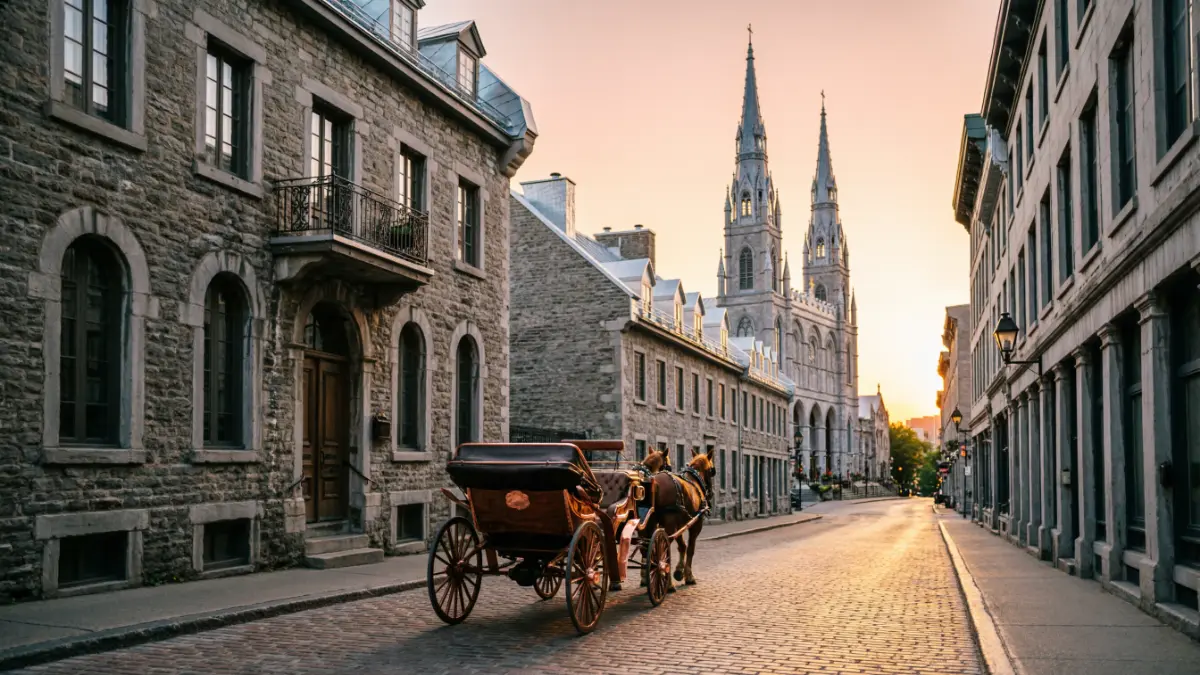
Montreal travel means cobblestone streets that feel like Europe, a skyline crowned by a green mountain, and a food scene that turns bagels and smoked meat into an art form. For USA travelers craving a passport-optional escape that still feels foreign, this Canadian city delivers big.
But Montreal is also a city of contrasts: bone-cold winters, sweltering summers, French-first culture, and neighborhoods that range from postcard-pretty to places locals suggest skipping after dark. Knowing when to go, what it costs, and what’s actually worth your time changes the whole trip.
This guide answers the real questions travelers ask before booking: the best month to visit, how many days you need, if it’s safe, how it stacks up against Toronto and Quebec City, and where to find the best free things to do. Everything here is built around what USA travelers actually search for and need to plan confidently.
Featured Snippet:
The best time for Montreal travel is June through September, when warm weather, festivals, and outdoor patios are in full swing. Winters (December–March) are very cold but offer skiing and Igloofest. Budget 3–5 days to see Old Montreal, Mount Royal, and the food scene. Fly into YUL Trudeau Airport.
Quick Facts Table
| Category | Details |
| Country/Province | Canada, Quebec |
| Main Airport | Montréal–Trudeau International (YUL) |
| Currency | Canadian Dollar (CAD) |
| Primary Language | French (English widely spoken downtown) |
| Best Time to Visit | June–September |
| Ideal Trip Length | 3–5 days |
| Time Zone | Eastern Time (ET) |
| Entry Requirement | Valid US passport (passport card not accepted for air travel) |
| Nearest US Border Cities | Burlington VT (~1.5 hrs), Plattsburgh NY (~1 hr) |
Entry requirements and border rules can change; always confirm current policy with the U.S. Department of State and Canada Border Services Agency before you travel.
Is Montreal, Canada Worth Visiting?
Yes, Montreal is worth visiting for its blend of European charm, walkable historic districts, and a food and festival culture that rivals much bigger cities. It’s an easy add-on for East Coast US travelers who want an international feel without a long-haul flight.
The trade-offs are real, too: winters are brutal, French is the dominant language in daily life, and some outer neighborhoods have higher crime than the tourist core. For most visitors sticking to central areas, though, it’s a rewarding and easy-to-navigate destination.
What Is Montreal Famous For?
Montreal is famous for its French-Canadian culture, Old Montreal’s cobblestone streets, Mount Royal Park, bagels, smoked meat sandwiches, jazz and comedy festivals, and being home to the Montreal Canadiens hockey team. It’s often called North America’s most European city.
The Notre-Dame Basilica, the Underground City, and the Jean-Talon Market round out its best-known draws. Add in a bilingual identity French by law, bilingual in daily life and you get a destination that feels distinct from any other North American city.
What’s the Best Month to Visit Montreal?
The best month to visit Montreal is June or September. Both offer comfortable temperatures (18–25°C / 65–77°F), fewer crowds than peak July-August, and lower hotel rates than summer’s high season, while still allowing festival access and patio weather.
July and August are the warmest and busiest, packed with Just for Laughs and Jazz Fest crowds. If you don’t mind cooler air, late September into early October brings fall foliage around Mount Royal without winter’s bite.
Which Month Is the Coldest in Montreal?
January is Montreal’s coldest month, with an average temperature around -9°C (16°F), and overnight lows regularly dropping toward -13°C to -25°C (9°F to -13°F). Wind chill can make it feel even colder, so winter visitors need serious layering.
Which Month Is the Hottest in Montreal?
July is Montreal’s hottest month, with average highs near 26°C (78°F) and humid, muggy stretches common. Some summer days push into the low 30s°C (high 80s°F), so pack breathable clothing if you’re visiting mid-summer.
Which Month Is the Cheapest to Visit Montreal?
The cheapest months to visit Montreal are typically January, February, and March (excluding holiday weeks), when hotel rates drop and flights are less in demand. November is another budget-friendly shoulder month before winter events ramp up prices again.
Seasonal Comparison Table
| Season | Months | Weather | Best For | Downside |
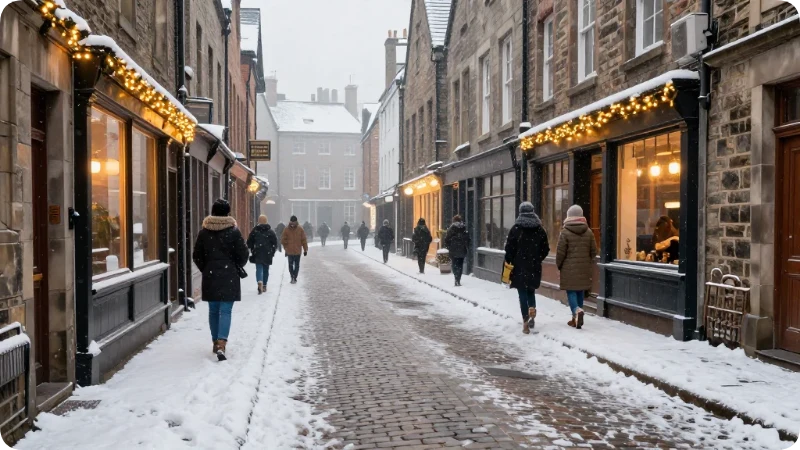
| Winter | Dec–Mar | Very cold, snowy | Skiing, Igloofest, holiday lights | Extreme cold, short daylight |
| Spring | Apr–May | Mild, some rain | Fewer crowds, blooming parks | Unpredictable weather |
| Summer | Jun–Aug | Warm to hot, humid | Festivals, patios, outdoor markets | Peak prices, biggest crowds |
| Fall | Sep–Oct | Cool, crisp | Foliage, food events, lower rates | Shorter days, cooler nights |
How Many Days Is Enough for Montreal?
Three to five days is enough for Montreal for most first-time visitors. Three days covers Old Montreal, Mount Royal, and the food scene; five days lets you add day trips, museums, and neighborhoods like Mile End or the Plateau at a relaxed pace.
If you’re combining it with Quebec City (about 2.5–3 hours away), plan a full week so you’re not rushing either stop.
Montreal Travel Itinerary
A simple 3-day framework hits the highlights without overpacking each day:
| Day | Morning | Afternoon | Evening |
| 1 | Old Montreal & Notre-Dame Basilica | Old Port waterfront, boutiques | Dinner in Old Montreal |
| 2 | Mount Royal Park lookout | Plateau/Mile End neighborhoods | Live music or comedy show |
| 3 | Jean-Talon Market | Museum (Fine Arts or Pointe-à-Callière) | Smoked meat dinner + rooftop bar |
Add a fourth day for the Biodome, Botanical Garden, or a Bell Centre hockey game if timing lines up, or a fifth day for a day trip toward the Laurentians.
What Is the Best First Thing to Do in Montreal?
The best first thing to do in Montreal is walk Old Montreal and the Old Port to get oriented; it’scompact, walkable, and puts you near the Notre-Dame Basilica, waterfront, and a dense cluster of cafés for your first meal.
Starting here also helps with jet lag and travel fatigue since it’s low-effort sightseeing with plenty of places to sit down.
Best Places to Visit in Montreal, Canada
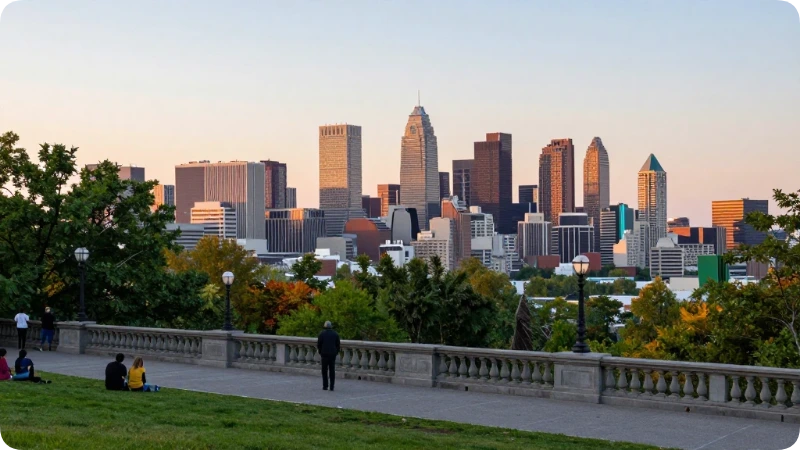
Top picks that balance iconic sights with local flavor:
- Old Montreal cobblestone streets, historic architecture, the Old Port
- Mount Royal Park designed by the creator of NYC’s Central Park, with the city’s best skyline view
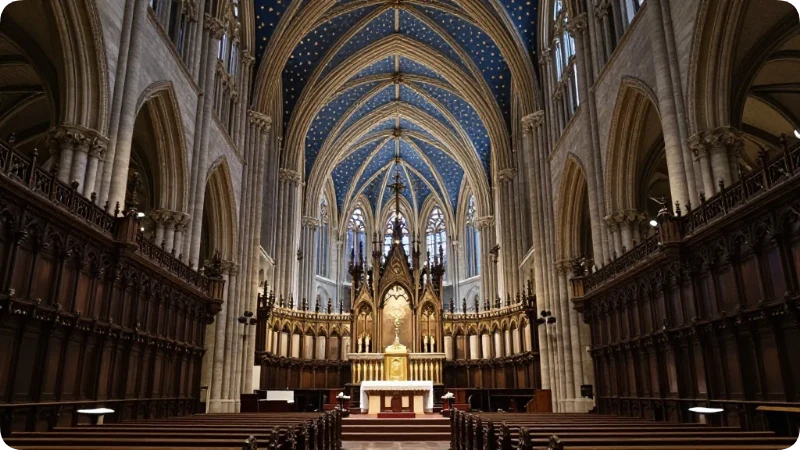
- Notre-Dame Basilica a striking Gothic Revival interior worth the ticket
- Mile End & Plateau colorful row houses, indie shops, bagel bakeries
- Jean-Talon Market one of North America’s largest open-air markets
Main Tourist Attraction in Montreal
The main tourist attraction in Montreal is the Notre-Dame Basilica, known for its vividly colored, star-studded ceiling and detailed woodwork. Mount Royal Park is a close second for its panoramic lookout and year-round outdoor activities.
Montreal Tourist Places
Beyond the basilica and the mountain, popular tourist spots include the Underground City (a network of tunnels connecting shops, metro stations, and buildings, andy in winter), the Old Port boardwalk, Habitat 67‘s unusual modular architecture, and the Montreal Botanical Garden with its Chinese and Japanese gardens.
Places to Visit in Montreal for Free
Montreal has a strong lineup of free attractions:
- Mount Royal Park free to enter, with paths, a lake, and the Kondiaronk Belvedere lookout
- Notre-Dame Basilica exterior and the Old Port waterfront no charge to stroll
- Jean-Talon and Atwater Markets free to browse (you’ll want to buy something, though)
- Many museums offer free admission on the first Sunday of the month always verify current dates on official museum sites before visiting
- Street art in the Plateau and Mile End: self-guided mural walks cost nothing.
Montreal Hockey
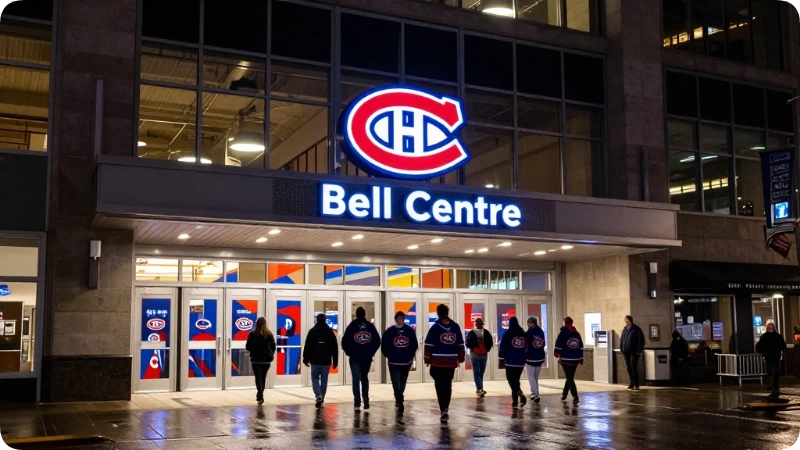
Hockey is core to Montreal’s identity through the Montreal Canadiens, one of the NHL’s original six franchises, who play at the Bell Centre downtown. Catching a game is a genuinely local experience, especially in a city this passionate about the sport.
Tickets and the season schedule change year to year, so check the official Canadiens and Bell Centre sites directly before planning a visit around a game date.
Is Montreal an Expensive City?
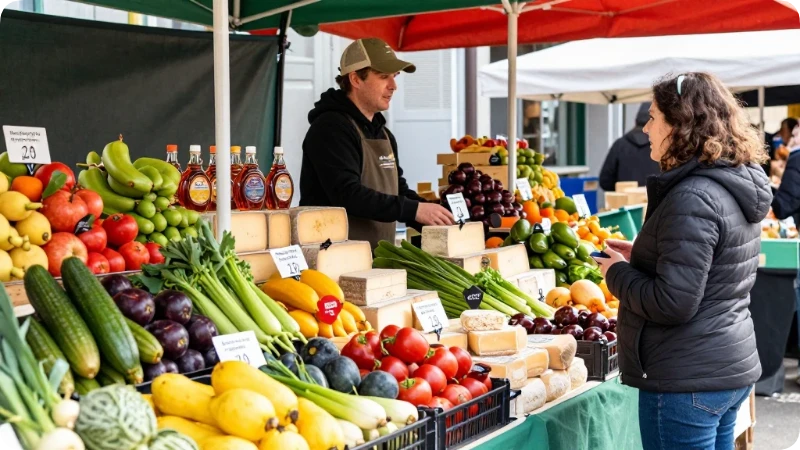
Montreal is generally more affordable than Toronto or Vancouver, and often cheaper than major US cities like New York or Boston for food and mid-range hotels. Budget travelers can manage on $100–150 USD/day; comfortable mid-range trips run $200–300 USD/day per person, including hotel.
Meals at casual spots typically run $15–25 CAD, while public transit passes are inexpensive compared to many US transit systems. Exchange rates fluctuate, so check the current CAD-to-USD rate before budgeting.
Budget Breakdown (Per Person, Per Day, Approximate)
| Style | Lodging | Food | Transit/Activities | Daily Total (USD est.) |
| Budget | Hostel/shared | Street food, markets | Metro + free sights | $70–100 |
| Mid-range | 3-star hotel | Casual restaurants | Metro + a few paid attractions | $150–220 |
| Luxury | Boutique/4-5 star | Fine dining | Taxis + guided tours | $300+ |
Prices fluctuate with season, exchange rates, and event dates; verify current rates before booking.
Good Travel Deals for Montreal
Look for deals in the shoulder seasons (April–May and late September–November), when flights and hotels drop noticeably compared to summer festival season. Many hotels also offer package rates during winter (excluding major event weekends).
Booking flights into YUL a few weeks out rather than last-minute, and comparing fares from nearby US border cities, can also stretch a travel budget further. Always check airline and hotel sites directly for current promotions, since prices shift frequently.
Most Affordable Place in Canada
Among major Canadian cities, Montreal stands out for relatively affordable housing alongside its world-class arts scene compared to Toronto and Vancouver. For visitors specifically, smaller cities and shoulder-season travel generally offer the best value nationwide, but among big-city options, Montreal is consistently one of the most budget-friendly for both living and visiting.
Is Montreal Mostly English or French?
Montreal is officially French-speaking. French is Quebec’s sole official language; it’s the most bilingual city in the province, and English is widely spoken in tourist areas, downtown, and hospitality settings. Learning a few basic French phrases (bonjour, merci, s’il vous plaît) goes a long way with locals.
Outside the tourist core, especially in some neighborhoods and with older residents, French dominates daily life more heavily, so don’t assume English will always be the default.
Why Is Montreal Known as Sin City?
Montreal earned a “Sin City” nickname historically from its Prohibition-era reputation in the 1920s–1940s, when Americans crossed the border for legal alcohol, nightlife, gambling, and a freer nightlife scene than much of the US at the time. That reputation has faded, but the city’s strong nightlife and festival culture are a modern echo of it.
Today the label is more nostalgic than accurate. Montreal is a mainstream, family-friendly destination with a vibrant but ordinary nightlife scene, not an edgy or seedy one.
What Is the Prettiest City in Canada?
“Prettiest” is subjective, but Quebec City is frequently cited as Canada’s most picturesque city for its walled Old Town and European architecture, while Montreal and Victoria, BC also rank highly for their mix of historic charm and natural surroundings. If cobblestone streets and fortress walls are your priority, Quebec City often wins; if you want that charm plus big-city energy, Montreal is the better pick.
Is It Better to Stay in Montreal or Quebec City?
Stay in Montreal if you want nightlife, diverse food, festivals, and a bigger-city pace. Stay in Quebec City if you want a smaller, more concentrated historic experience with fortress walls and a distinctly old-world feel. Many travelers do both, splitting a week roughly 60/40 in favor of Montreal since it has more to fill multiple days.
They’re close enough (about 2.5–3 hours by car or train) that combining both in one trip is common and worthwhile.
What Is the Nicest City in Canada to Visit?
For most USA travelers, Vancouver, Quebec City, and Montreal top the list of “nicest” Canadian cities to visit, each for different reasons: Vancouver for mountains-meet-ocean scenery, Quebec City for old-world charm, and Montreal for culture and food. Montreal tends to edge ahead for travelers who want festivals, nightlife, and a lower cost of living than Vancouver.
Is Toronto or Montreal Better?
It depends on what you want. Toronto is Canada’s largest city with more corporate polish, a bigger skyline, and English as the dominant language. Montreal offers more historic charm, a European feel, chlowerosts, and a French-influenced culture and food scene.
Food and nightlife travelers usually prefer Montreal; travelers wanting a more “typical big city” experience with easier English-language navigation often prefer Toronto.
Is Montreal Colder Than Toronto?
Yes, Montreal is generally colder than Toronto in winter, with lower average January temperatures and more consistent snowfall due to its more continental, inland climate. Summers are comparably warm in both cities.
Which Month Is the Coldest in Montreal? (Recap)
As covered above, January is the coldest month, with average temperatures around -9°C (16°F) and regular cold snaps well below that.
Is Chicago or Montreal Colder?
Montreal and Chicago have broadly similar winter severity, but Montreal typically records slightly colder average January temperatures and more consistent snow cover, while Chicago’s wind off Lake Michigan can make it feel comparably harsh. Both cities require serious winter gear from December through February.
Which Is Better, Vancouver or Montreal?
Vancouver wins for natural scenery; mountains, ocean, and outdoor access are unmatched. Montreal wins for historic architecture, festival culture, affordability, and food diversity. Vancouver is also notably more expensive for both living and visiting than Montreal.
Which US City Is Most Like Montreal?
Boston and New Orleans are the US cities most often compared to Montreal: Boston for its walkable historic core and college-town energy, New Orleans for its distinct cultural identity, food obsession, and festival calendar. Neither is a perfect match, but both share Montreal’s blend of old-world streets and lively local culture.
What Is the #1 Safest City in Canada?
Rankings vary by source and methodology, but Quebec City consistently scores as one of Canada’s safest major cities, and several 2026 crime-index rankings place smaller cities like Barrie or Burlington, Ontario at the very top nationally. Montreal generally ranks in the safer-to-middle tier among big Canadian cities, after Toronto and notably safer than Vancouver on most metrics.
Crime rankings shift year to year, so check current Statistics Canada Crime Severity Index data if safety comparisons matter to your decision.
What Is the Safest Place to Visit in Canada?
For tourists specifically, Quebec City is often cited as the safest major destination in Canada, thanks to its compact, well-patrolled historic core. Ottawa and smaller cities like Burlington and Oakville also rank consistently high on national safety indexes.
Is It Safe to Walk Montreal at Night?
Central, tourist-heavy areas of Montreal Old Montreal, downtown, and the Plateau are generally safe to walk at night with normal city precautions: stay aware, avoid poorly lit side streets, and keep valuables secure. Like any major city, petty theft (pickpocketing, bike theft) is the more common concern than violent crime.
Are There Areas to Avoid in Montreal?
Most visitors won’t encounter serious issues, but some neighborhoods, including parts of Hochelaga-Maisonneuve and pockets of Saint-Michel, have higher reported crime than the tourist core and are generally lower priority for sightseeing anyway. As with any city, research your specific accommodation’s neighborhood before booking.
Why Are People Moving Out of Montreal?
Some residents cite rising housing costs, high provincial and municipal taxes, and language-related policy debates as reasons for leaving Montreal or Quebec more broadly, alongside a search for job markets in Toronto, Calgary, or the US. This is a local economic and political conversation, not something that typically affects short-term visitors.
Important Things to Know Before Traveling to Montreal
A few practical notes that save first-timers trouble:
- Bring a valid passport; a passport card alone won’t work for flights back into the US
- Tipping is expected, generally 15–20% at restaurants, similar to US norms
- Metric system is standard: temperatures in Celsius, distances in kilometers
- Sales tax is added at checkout, not included in listed prices
- Sunday and Monday hours can be shorter for shops and some markets; check ahead
Montreal Travel Guide Book & PDF Resources
If you want offline references beyond this guide, official sources are the most reliable:
- Tourisme Montréal (the city’s official tourism board) publishes free downloadable neighborhood maps and seasonal guides
- Printed guidebooks from major travel publishers are updated annually and useful for offline itinerary planning
- For a 2026 trip, always cross-check festival dates, museum hours, and border requirements on official sites, since printed guides can lag behind current-year changes.
Culture & Etiquette
Greet people with a polite “Bonjour” before switching to English if needed; it’s a small gesture that’s well received. Dress is generally casual but neat; Montrealers lean stylish without being overly formal. Public displays of frustration or loud behavior in service settings are less common and can come across poorly.
Common Mistakes Travelers Make
- Assuming English works everywhere: It mostly does downtown, but a few French phrases help outside the core. Fix: learn 5–10 basic phrases before you go.
- Underestimating winter cold: layering matters more than a single heavy coat. Fix: pack thermal base layers plus a windproof outer shell.
- Skipping neighborhoods beyond downtown: ingoing toile End or the Plateau means missing the best food and local color. Fix: budget at least half a day outside the main tourist zone.
Underrated Alternatives Worth Considering
- Verdun a laid-back riverside neighborhood with a growing food scene, quieter than the Plateau
- Griffintown a revitalized industrial area with breweries and modern condos-meets-canal views
- Marché Atwater often overshadowed by Jean-Talon Market but equally worth a visit, especially for riverside picnicking after
FAQs
What’s the best month to visit Montreal?
June or September offer the best balance of warm weather, manageable crowds, and lower costs than peak summer. Both months still allow outdoor dining and festival access without July-August’s heaviest tourist traffic.
Is Montreal, Canada worth visiting?
Yes. Its blend of European-style architecture, strong food culture, and festival calendar makes a standout, easy-to-reach international trip for US travelers, especially those on the East Coast.
How many days is enough for Montreal?
Three to five days is generally enough to see the main sights, eat well, and explore a couple of neighborhoods without rushing. Add extra days if pairing the trip with Quebec City.
Is Montreal an expensive city?
Montreal is moderately priced, cheaper than Toronto, Vancouver, or most major US cities, but not a rock-bottom budget destination. Mid-range travelers can expect $150–220 USD per day including lodging.
Is Montreal friendly to tourists?
Yes, Montreal is considered a welcoming, tourist-friendly city with strong hospitality infrastructure, bilingual service in tourist zones, and a genuinely social culture. A little French courtesy goes a long way with locals.
Is Toronto or Montreal better for a first-time Canada trip?
Montreal suits travelers wanting historic charm, food, and festivals; Toronto suits those wanting a bigger, more corporate city with easier English-only navigation. Neither is objectively “better”; it depends on your travel style.
What is the main tourist attraction in Montreal?
The Notre-Dame Basilica is Montreal’s single most-visited attraction, prized for its ornate, colorful Gothic Revival interior, with Mount Royal Park close behind for its panoramic city views.
Do I need a passport to visit Montreal from the US?
Yes, US citizens need a valid passport book to fly into Canada; a passport card is not accepted for air travel, though it can work for land border crossings. Always confirm current entry requirements before departure.
What currency should I use in Montreal?
Canadian Dollars (CAD) are the local currency, though some tourist-area businesses may informally accept USD at unfavorable rates. Credit cards are widely accepted, and using them typically gets a better exchange rate than cash conversion.
Is it easy to get around Montreal without a car?
Yes, Montreal has an extensive metro and bus system, plus a walkable downtown and Old Montreal core, making a car unnecessary for most visitors. The Underground City also connects many downtown areas in winter without going outside.
Can I use my phone plan in Montreal without extra charges?
Check with your carrier before traveling, since international roaming to Canada varies by plan; some US carriers include Canada in domestic coverage, while others charge daily international fees. A local SIM or eSIM is a reliable backup if unsure.
What should I pack for a Montreal winter trip?
Pack thermal base layers, a windproof and insulated winter coat, waterproof boots, and warm accessories like gloves and a hat, since temperatures regularly drop below -10°C (14°F). Layering is more effective than one heavy coat for adjusting between indoor and outdoor conditions.
Conclusion
Montreal rewards travelers who plan around its seasons, respect its French-first culture, and venture beyond the most obvious postcard shots. Three takeaways stand out: visit in June or September for the best weather-to-crowd ratio, budget 3–5 days minimum, and don’t skip neighborhoods like Mile End or the Plateau just because they’re not downtown.
If you’re drawn by the food, the festivals, or simply a European-style city trip that doesn’t require a transatlantic flight, Montreal delivers a distinct, memorable experience for USA travelers. Start mapping your dates, check current entry requirements, and let this city’s mix of old-world streets and modern energy do the rest.

Stephen Fry brings an insatiable curiosity for history, language, and global heritage to the Travelmarse team. Having spent decades traveling the globe to study regional storytelling and ancient civilizations, he excels at uncovering the hidden narratives of modern destinations. Stephen anchors the cultural vertical on Travelmarse, where he writes deep-dive guides on architectural history, museum crawl strategies, and local customs. His vivid, engaging writing helps travelers look past the surface and truly understand the heritage of the places they visit.