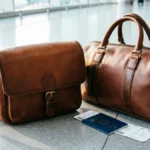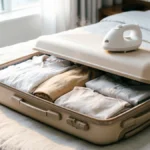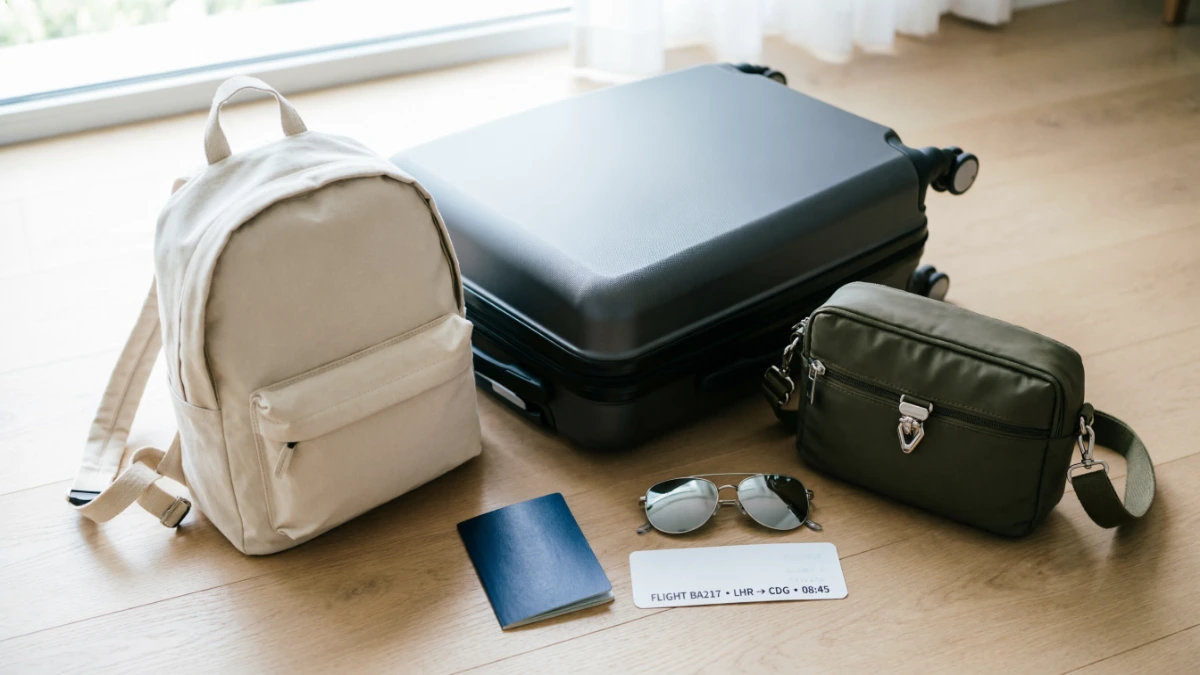
Standing at the airport with a bag that won’t fit in the overhead bin, a zipper that gives out mid-trip, or a purse that pickpockets can open in seconds, every traveler has lived through at least one bag disaster. Choosing the best travel bags shouldn’t feel like a gamble, but with hundreds of styles, brands, and price points, most people end up guessing.
This guide cuts through the noise. It breaks down the right bag for every kind of trip planes, international travel, city walking, and everyday errands along with the brands worth trusting, the mistakes to avoid, and the features that actually matter in 2026. If the goal is a rugged carry-on for a two-week Europe trip or a compact crossbody for a weekend getaway, this article maps out the smartest option for every traveler type.
Featured Snippet:
The best bag for travel depends on trip length and style. For flights, choose a carry-on spinner suitcase (20–22 inches) or a 30–45L travel backpack. For daily use, an anti-theft crossbody or sling bag protects valuables. Most travelers benefit from pairing one checked or carry-on bag with one personal item.
Quick Facts Table
| Bag Type | Best For | Typical Capacity | Ideal Traveler |
| Carry-on spinner | Short flights, business trips | 35–45L | Solo & business travelers |
| Travel backpack | Backpacking, multi-city trips | 30–50L | Budget & adventure travelers |
| Checked hardside suitcase | Long international trips | 60–100L | Families, long stays |
| Anti-theft crossbody | Sightseeing, city days | 3–8L | Everyone, especially solo travelers |
| Packable duffel | Weekend trips, gym-to-flight | 20–40L | Casual, short-haul travelers |
| Travel tote/handbag | Flights + errands combined | 10–20L | Women, frequent flyers |
Prices, airline policies, and product availability change often; always confirm current details on the retailer’s or airline’s official site before booking or buying.
What Is the Best Type of Bag to Travel With?
The best type of travel bag matches the trip’s length and activity level. A hardside carry-on suits short flights, a soft-sided backpack suits multi-stop trips, and a checked suitcase suits longer stays with more packing needs.
For most US travelers, a hybrid approach works well. Pack a wheeled carry-on for main items and a lightweight crossbody or daypack as a personal item. This combination balances comfort, security, and airline compliance without overpacking.
Consider how much walking the trip involves. Cobblestone streets in Europe favor backpacks over spinners, while flat airport terminals favor wheeled luggage.
Best Bags for Travel: Men
Men’s travel bags typically favor durable, low-maintenance materials like ballistic nylon or canvas, along with structured backpacks or duffels that double as work bags. A 40–45L convertible backpack is a popular pick because it works for both weekend trips and week-long travel.
Look for reinforced handles, a dedicated laptop sleeve, and a water-resistant coating. Many men prefer bags with a minimal, single-color design that transitions easily from airport to office.
Underrated alternative: A weekender duffel with a detachable shoulder strap offers more packing flexibility than a rigid backpack for short trips.
Best Bags for Travel: Women
For women, the best travel bags balance organization, style, and security. Popular choices include structured totes with laptop compartments, convertible backpack-purses, and lightweight spinners with built-in garment sections.
Bags with RFID-blocking pockets and lockable zippers add peace of mind in crowded airports or unfamiliar cities. A crossbody with an adjustable strap works well as a secure personal item that keeps hands free.
Common mistake: Choosing a bag purely for looks without checking strap durability or interior pockets; other factors matter more than color once the trip actually starts.
Best Bags for Travel: Anti-Theft
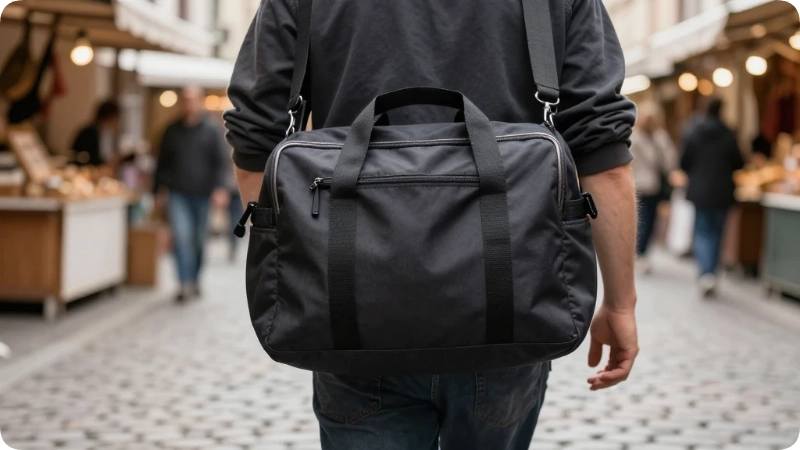
Anti-theft travel bags reduce pickpocketing risk through slash-resistant fabric, hidden zippers, and lockable compartments. These features matter most in crowded tourist areas, public transit, and busy markets.
Look for a bag with a strap that can loop around a chair leg, a back-panel pocket that stays against the body, and zippers with small locks or clasps. Brands specializing in security-focused travel gear, such as Pacsafe, are widely recommended by travel safety experts.
Safety tip: Wear anti-theft bags in front of the body, not on the back, in high-density crowds like subways or markets.
Best Travel Bags for Planes
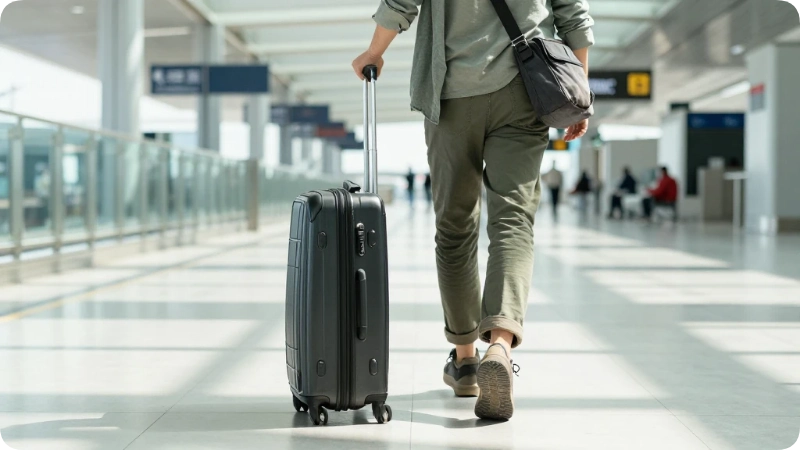
For flights, the ideal bag fits airline carry-on size limits, typically around 22 x 14 x 9 inches for U.S. domestic carriers, though this varies by airline. A soft-sided spinner or a structured backpack with a flat base both work well under the seat or in the overhead bin.
Always check the exact carry-on dimensions and weight limits on the airline’s official website before flying, since policies differ between carriers and even between fare classes on the same airline.
Time-saving tip: A bag with a luggage-handle sleeve slides onto a rolling suitcase, saving space and effort during layovers.
Best Travel Bags for International Travel
International trips call for durability, security, and versatility over multiple climates and terrains. A mid-size hardside checked bag paired with a daypack covers most two-to-three-week itineraries across several countries.
TSA-approved locks are useful for U.S. departures, and a bag with reinforced corners holds up better on rougher baggage handling common on international connections. Always check destination-specific customs and baggage rules through the U.S. Department of State or the relevant country’s tourism authority before departure.
Best Bag for Travel Crossbody
A crossbody bag is one of the most practical travel accessories because it keeps hands free while staying secure across the body. The best travel crossbody bags feature adjustable, non-slip straps, water-resistant fabric, and enough room for a phone, passport, and wallet.
These bags work especially well for day trips, museum visits, and public transit, where quick access to essentials matters more than large storage capacity.
Small Travel Bags for Ladies
Compact travel bags for women typically hold essentials only: passport, phone, cards, and a small pouch. Popular styles include mini backpacks, belt bags, and structured mini totes that fit inside a larger suitcase for use once at the destination.
These bags are ideal as a “town bag” something separate from the main luggage that’s used for daily outings after checking into a hotel.
Best Bags for Travel in Pakistan
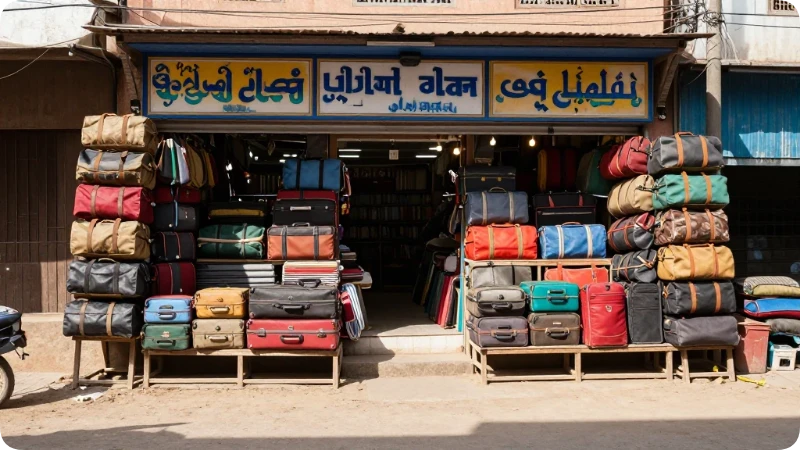
In Pakistan, travelers commonly look for durable, budget-friendly luggage suited to both domestic flights and international departures from cities like Karachi, Lahore, and Islamabad. Hardside spinners and mid-range duffel bags are especially popular due to affordability and availability in local markets.
Locally available international brands, along with well-known Pakistani-market names, are typically sold through department stores and dedicated luggage shops in major shopping areas. Always verify baggage weight allowances with the specific airline, since domestic and international limits can differ.
How Much Does a Travel Bag Cost in Pakistan?
Travel bag prices in Pakistan vary widely by brand, material, and size, ranging from budget local-brand bags to premium international suitcases. Exact pricing changes frequently due to import costs and currency fluctuations, so current prices should always be confirmed directly with retailers or official brand outlets.
As a general guide, entry-level suitcases tend to be the most affordable option, mid-range branded luggage sits in the middle tier, and premium international brands command the highest prices. Checking multiple retailers before buying helps ensure a fair price.
What Are the Best Bag Brands for Travel?
The most recommended travel bag brands combine durability testing, warranty support, and consistent availability. Frequently cited names include Samsonite, Travelpro, Away, Osprey, Patagonia, Pacsafe, Briggs & Riley, and Tumi, each known for a different niche, from ultra-durable checked luggage to lightweight adventure backpacks.
| Brand | Known For |
| Samsonite | All-around durable checked & carry-on luggage |
| Travelpro | Pilot-designed rolling bags, business travel |
| Away | Sleek carry-ons with built-in organization |
| Osprey | Travel & hiking backpacks |
| Pacsafe | Anti-theft security bags |
| Briggs & Riley | Lifetime warranty hardside luggage |
| Tumi | Premium/luxury business travel bags |
What Is the Best Handbag for Travel?
The best travel handbag is structured, lightweight, and hands-free friendly, often in a convertible crossbody-tote style. It should fit under an airline seat, hold a passport and phone securely, and include an anti-theft strap or hidden zipper for crowded areas.
Neutral colors and scratch-resistant vegan leather or nylon are popular because they hide travel wear better than light-colored leather.
Which Type of Bag Is Best for International Travel?
For international trips, a convertible backpack or mid-size hardside spinner is generally best because it balances durability, security, and ease of movement across airports, trains, and uneven city streets. Soft-sided bags flex better in overpacked overhead bins, while hardside bags protect fragile items during rough handling.
The right choice ultimately depends on destination terrain: cobblestone European cities favor backpacks, while smooth-floored destinations favor wheeled luggage.
What Are the 7 Types of Bags?
Common travel bag categories include: 1) Carry-on suitcases, 2) Checked suitcases, 3) Travel backpacks, 4) Duffel bags, 5) Crossbody/sling bags, 6) Totes, and 7) Garment bags. Each serves a different travel need, from short flights to formal-event packing.
Understanding these categories helps travelers avoid buying a bag that duplicates one they already own, and instead fill a genuine gap in their travel kit.
Which Luggage Bag Is Best?
The best overall luggage bag is typically a hardside spinner suitcase with 360-degree wheels, since it offers strong protection, easy maneuverability, and good packing structure for most trip types. Softside bags remain a strong alternative for travelers who value flexibility and extra exterior pockets.
Choosing between the two often comes down to personal priorities: protection and polish (hardside) versus flexibility and storage (softside).
What Is a Popular Travel Bag?
Currently popular travel bags include convertible backpack-duffels, compact hardside carry-ons with front pockets, and minimalist sling bags. These styles trend well because they solve multiple problems packing, organization, and airport mobility in a single product.
Trends shift each year, so checking current bestseller lists on major retailer sites offers the most up-to-date picture.
What Is the Viral Travel Bag?
Viral travel bags tend to be ones with a standout functional feature, such as a built-in USB charging port, expandable compartments, or a compression system that fits more in less space. Social media platforms like TikTok and Instagram often drive rapid popularity spikes for specific models.
Because viral trends move quickly, it’s worth checking current reviews rather than assuming a viral bag from a past season is still the top-rated option.
What Is the Hottest Handbag Right Now?
Currently trending handbags for travel favor structured, minimalist totes and convertible crossbody-backpacks in neutral tones. These styles are popular because they photograph well while still functioning as practical travel gear.
Trend-driven handbags change seasonally, so travelers focused on longevity may prefer a timeless, durable style over a strictly trend-based pick.
What Are the Top 5 Luggage Brands?
Widely respected luggage brands include Samsonite, Travelpro, Briggs & Riley, Away, and Rimowa, each recognized for durability, warranty support, or design innovation. Selection ultimately depends on budget and travel frequency; frequent flyers often justify a higher upfront cost for longer-lasting hardware.
What Are the Top 5 Bag Brands?
For bags more broadly, including backpacks, totes, and crossbody styles, commonly recommended names include Osprey, Patagonia, Pacsafe, Herschel, and Fjällräven. These brands are known for combining everyday usability with travel-ready durability.
What Type of Bag Should I Bring to Europe?
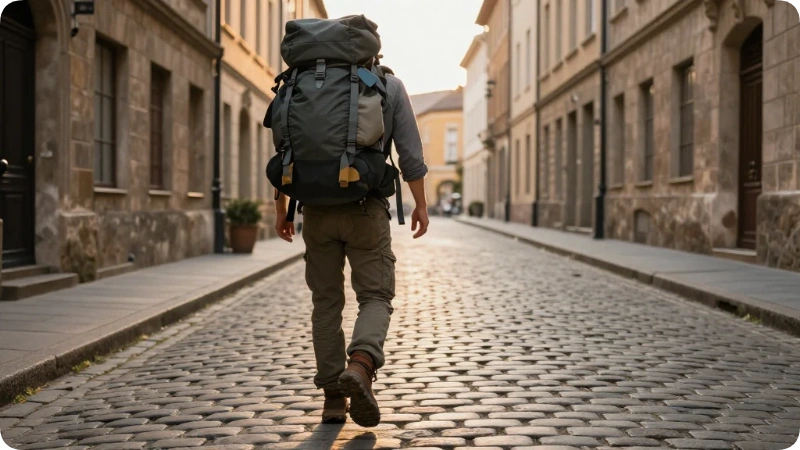
For Europe, a backpack or soft-sided carry-on is usually more practical than a large hardside suitcase, since many European cities have cobblestone streets, narrow train aisles, and limited elevator access in older buildings. A 30–40L backpack covers most one-to-two-week itineraries.
Pack a separate anti-theft crossbody for daily sightseeing, since pickpocketing is a known risk in busy European tourist hubs, a concern noted by several U.S. State Department travel advisories.
Do Airlines Prefer Hard or Soft Luggage?
Airlines don’t officially prefer one type over the other, but soft-sided bags tend to flex into tight overhead space more easily, while hard-sided bags better protect fragile contents during baggage handling. The right choice depends on what’s being packed rather than airline preference.
Always check the specific airline’s carry-on and checked baggage policy, since size and weight limits vary by carrier and fare type.
What to Avoid When Buying Luggage?
Avoid bags with flimsy zippers, no warranty, non-replaceable wheels, or vague size labeling that doesn’t match actual airline carry-on limits. These issues cause the most common travel bag failures.
- Mistake: Buying based on looks alone → Fix: Test zipper and wheel quality in person or check verified reviews first.
- Mistake: Ignoring weight of the empty bag → Fix: Choose lightweight materials, since heavier empty bags eat into checked baggage weight limits.
- Mistake: Skipping the warranty check → Fix: Favor brands offering multi-year or lifetime warranties on wheels and zippers.
What Bags Are Gen Z Wearing?
Gen Z travelers commonly favor mini backpacks, belt bags, and utility-style crossbody bags, often chosen for their compact size and hands-free convenience. Functional design with a streetwear aesthetic tends to outperform purely formal or traditional luggage styles in this age group.
What Are the Top 10 Handbags?
Frequently recommended travel handbags include structured totes, convertible backpack-purses, crossbody sling bags, mini totes, belt bags, packable totes, laptop totes, weekender totes, anti-theft crossbodies, and RFID-blocking wallets-on-a-strap. Rankings shift by season and retailer, so checking current bestseller lists offers the most accurate snapshot.
What Bag to Choose?
Choosing the right bag comes down to three questions: How long is the trip? What’s the destination terrain? How much needs to be carried daily? Short trips favor a duffel or small backpack; long international trips favor a checked suitcase plus a daypack; city-heavy trips favor a crossbody for security.
Which Luggage Color Is Best?
Bright or patterned luggage is easier to spot on a baggage carousel, reducing the chance of accidentally grabbing the wrong bag. Neutral colors like black or gray hide scuffs better but blend in with other luggage, making bright accents or luggage tags a useful compromise.
What Is the No. 1 Suitcase Brand?
There’s no single universally ranked “No. 1” suitcase brand, since rankings vary by category, durability, price, or design. Samsonite is among the most widely recognized names globally, while brands like Briggs & Riley are often rated highest specifically for warranty and long-term durability.
How to Choose a Good Luggage Bag?
Choosing good luggage means checking wheel quality, zipper strength, weight, warranty, and size compliance with airline carry-on rules. Testing the bag empty and packed, if possible, reveals how it handles real travel conditions better than specs alone.
Reading verified customer reviews from multiple retailers, not just the brand’s own website, gives a more balanced picture of long-term durability.
Which Brand Is Good for Travel Bags?
Brands with strong reputations for travel bags include Osprey and Patagonia for backpacks, Samsonite and Travelpro for suitcases, and Pacsafe for anti-theft designs. Matching the brand’s specialty to the specific travel need matters more than picking a single “best” name across all categories.
What Is the Best Luggage in 2026?
Current top-performing luggage in 2026 tends to favor lightweight polycarbonate hardside spinners with USB charging ports and compression systems. Because rankings and models update yearly, checking recent, dated reviews from established travel publications gives the most reliable current picture.
What Is the Best Luxury Travel Bag?
Luxury travel bags prioritize premium materials, brand heritage, and refined design, with names like Tumi, Rimowa, and select designer luggage lines frequently cited in this category. These bags often carry a higher price point justified by lifetime warranties and recognizable craftsmanship.
What Are the Best Luggage Brands in Pakistan?
In Pakistan’s luggage market, both international names and established regional brands are widely available, with VIP and American Tourister commonly found in local retail stores alongside other international suitcase brands. Checking authorized dealers helps avoid counterfeit products, which are a known issue in some local markets.
What Are the Top 5 Suitcase Brands?
Commonly cited top suitcase brands include Samsonite, American Tourister, Travelpro, Briggs & Riley, and Delsey, spanning a range of price points from budget-friendly to premium. Matching brand choice to travel frequency helps avoid overspending on features that won’t be used.
What Are the Latest Trends in Luggage?
Current luggage trends include built-in charging ports, compression packing systems, smart tracking tags, and lightweight recycled materials. Sustainability-focused packaging and materials are also becoming more common as travelers prioritize eco-conscious choices.
Which Kind of Luggage Is Best?
The best kind of luggage depends on the trip type: hardside spinners for protection and polish, softside bags for flexibility, and backpacks for mobility over rough terrain. There’s no single best type for every situation; matching the bag to the itinerary matters most.
Which Is Better, VIP or American Tourister?
Both VIP and American Tourister are popular budget-to-midrange luggage brands, particularly in South Asian markets. American Tourister generally has wider global availability and brand recognition, while VIP is well established regionally with a strong presence in local retail. Choice often comes down to specific model features, warranty terms, and price at the time of purchase rather than brand alone.
What Is the Best Brand for Travel Luggage?
There isn’t one universal “best” brand, since travel needs differ by trip type and budget. Samsonite and Travelpro are frequently recommended for balanced durability and value, while premium travelers often lean toward Briggs & Riley or Tumi for long-term warranty support.
Sample Packing & Bag Pairing Guide
| Trip Type | Main Bag | Personal Item |
| Weekend trip | Duffel or mini backpack | Crossbody |
| Business trip | Carry-on spinner | Laptop tote |
| 2-week international | Checked hardside suitcase | Daypack |
| Backpacking Europe | 40–50L travel backpack | Anti-theft sling bag |
| Family vacation | Large checked suitcase + kids’ bag | Diaper bag or tote |
Common Mistakes When Buying Travel Bags
Three mistakes come up repeatedly among travelers:
- Buying oversized carry-ons that get gate-checked → Measure against the specific airline’s published dimensions first.
- Choosing style over structure → A bag that looks great but lacks organization slows down packing and airport security checks.
- Skipping a security-focused bag for high-traffic destinations → An anti-theft crossbody is a low-cost way to prevent a ruined trip.
Underrated Alternatives Worth Considering
- Packable tote bags fold flat in a suitcase, useful as an extra bag for souvenirs.
- Convertible backpack-duffels switch carrying styles depending on the day’s activity.
- Compression packing cubes paired with a mid-size bag are often more space-efficient than buying a larger suitcase.
Is It Worth It? Honest Take
A higher-quality travel bag is generally worth the investment for anyone flying more than a few times a year, since better wheels, zippers, and warranties reduce long-term replacement costs. For occasional travelers, a mid-range bag with solid reviews is usually sufficient rather than a premium brand.
Overrated: Ultra-designer luggage purely for logo recognition. Underrated: Mid-range brands with strong warranties that rarely get social media attention.
FAQs
How many bags can I check on a flight?
Most U.S. airlines allow one to two checked bags on international flights, often with the first bag free or discounted depending on fare class. Baggage allowances vary by airline and route, so checking the airline’s official policy before booking is essential.
What size carry-on is allowed by TSA?
TSA itself does not set carry-on size limits; that’s determined by individual airlines, typically around 22 x 14 x 9 inches for U.S. carriers. TSA instead regulates what can go inside the bag, including liquid limits and prohibited items, detailed on the official TSA website.
Are wheeled bags or backpacks better for backpacking Europe?
Backpacks are generally better for backpacking Europe due to cobblestone streets, train travel, and limited elevator access in older buildings. Wheeled bags work fine for city-only trips but become impractical on multi-stop rail itineraries.
How do I prevent luggage from getting lost?
Attach a physical luggage tag with contact details, add a digital tracker like an AirTag, and take a photo of the bag before checking it in. Airlines also recommend removing old baggage tags from previous trips to avoid routing confusion.
Is travel insurance worth it for lost or delayed luggage?
Travel insurance covering baggage loss or delay can be worthwhile for expensive electronics or long international trips, since reimbursement policies through airlines alone are often limited and slow. Comparing a few insurance providers’ baggage coverage terms helps determine if it’s cost-effective for a specific trip.
What’s the biggest packing mistake first-time flyers make?
The most common mistake is packing valuables, medication, or a full change of clothes only in checked luggage, leaving nothing usable if the bag is delayed. Keeping essentials in a carry-on avoids this risk entirely.
Do I need a different bag for domestic versus international flights?
A well-chosen carry-on and personal item combination usually works for both, though international trips may call for a larger checked bag due to longer stays. Checking baggage rules for each specific airline and route is the safest approach since international allowances sometimes differ from domestic ones.
Conclusion
The right travel bag isn’t about chasing the flashiest brand; about matching capacity, security, and durability to the actual trip ahead. A carry-on and personal item combination covers most short trips, a checked suitcase suits longer stays, and an anti-theft crossbody protects valuables in busy cities.
Before the next trip, take stock of upcoming travel plans for the year and invest in one or two versatile bags rather than a different one for every occasion; durability and organization matter far more than trend-driven design. A well-chosen bag, paired with a quick check of the airline’s current baggage policy, sets the stage for a smoother trip from the very first step through security.

Maya Lin inspires travelers to explore the globe with absolute confidence and independence. Armed with a background in digital media and a decade of independent solo travel experience, she knows exactly how to navigate unfamiliar cities smoothly and safely. For Travelmarse, Maya curates the solo travel and hidden-gem verticals. She reviews charming boutique hotels, designs smart neighborhood walking routes, and shares practical language-learning hacks, giving readers the exact tools they need to travel solo without the stress.