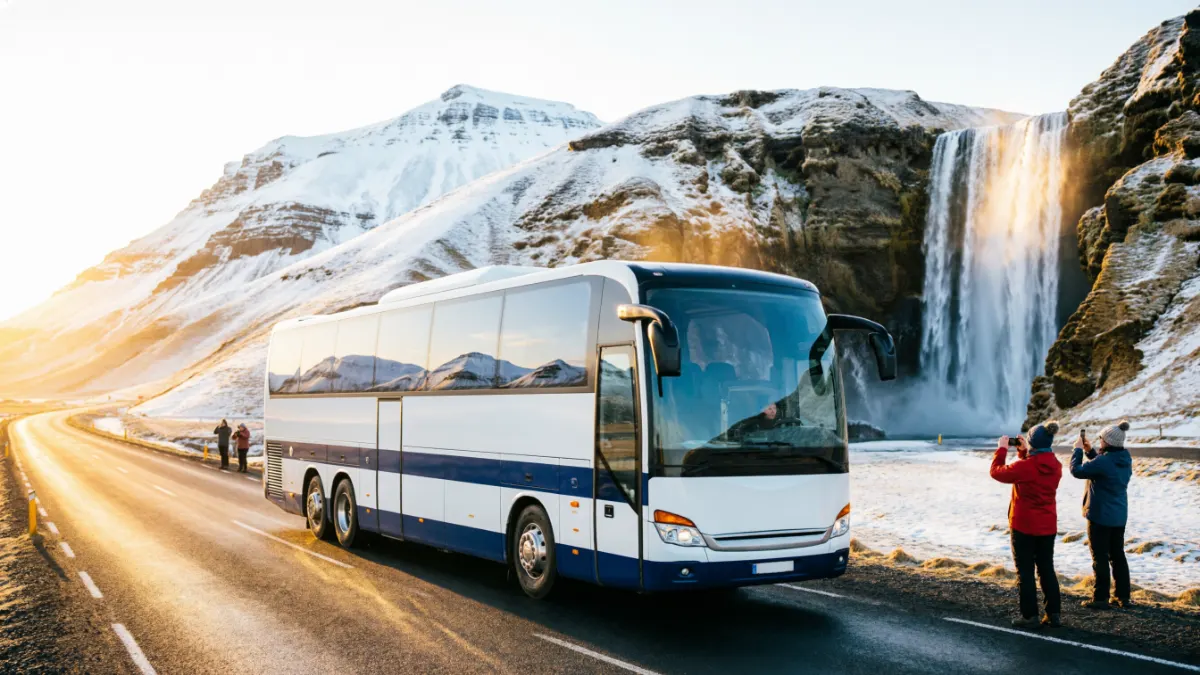
You land in Keflavík at dawn. The air smells like cold rock and sea. Then the big question hits: how do you get around without a rental car? Icelandic roads can freeze, flood, or close fast, and car prices sting.
Good news: bus travel in Iceland is easier than most Americans think. This guide shows what buses cost, which routes matter, and when a tour beats a ticket. It also answers the most common questions travelers ask before they book.
Prices, schedules, and rules change often. Always confirm details on official sites such as Strætó, Visit Iceland, and the Icelandic Road and Coastal Administration before you pay.
Quick Answer:
Bus travel in Iceland works well for Reykjavík, the airport, and the main Ring Road towns. City buses and airport shuttles are cheap and simple. Day tours reach the Golden Circle, South Coast, and Northern Lights spots. Buses thin out in winter and in remote areas, so plan ahead and check schedules.
Is Bus Travel Iceland a Good Company?
Bus Travel Iceland is a tour-focused brand that sells sightseeing trips and transfers. It is hard to judge any company from one source. Read recent reviews on Google and Tripadvisor, check cancellation rules, and compare itineraries. Look for clear pricing, small-group options, and weather refund policies before you book.
Treat any single score with care. Reviews change by season and by guide. A company with strong winter ratings may differ in summer. Save a screenshot of your booking terms.
Bus Travel Iceland Reviews
Reviews for Icelandic bus tour companies usually praise knowledgeable guides and comfortable coaches. Common complaints include rushed stops, crowds, and weather changes. Read reviews from the last six months, and look for details about pickup, group size, and refund rules rather than star ratings alone.
Bus Travel Iceland Promo Code
No promo code is guaranteed to work, so verify every offer. Check the company’s official website, its email newsletter, and your booking platform. Never pay for a “code” from an unknown site. Shoulder-season dates and early booking often save more than a coupon does.
Nice Travel Iceland: What to Know Before You Book
Searches for “nice travel Iceland” often point to travel companies with similar names. Confirm the exact company, its business registration, and its reviews before paying. Book through a clear website with visible terms. When a name feels unfamiliar, compare it with well-known operators first.
Bus Iceland: How the System Works
Iceland has no passenger trains. Buses fill that gap. Strætó runs city and regional routes, Flybus and Airport Direct handle airport transfers, and private companies run tours. Together they link Reykjavík, Keflavík Airport, and most towns along the Ring Road (Route 1).
| Bus Type | Best For | Season |
| City bus (Strætó) | Reykjavík sightseeing | Year-round |
| Airport shuttle | Keflavík to the city | Year-round |
| Intercity bus | Ring Road towns | Mostly summer-heavy |
| Tour bus | Golden Circle, South Coast | Year-round |
How Can I Travel Around Iceland by Bus?
Travel around Iceland by combining Strætó intercity routes, summer highland buses, and guided day tours. Use the Strætó app to plan trips. Start in Reykjavík, then add one regional base, such as Akureyri or Vík, to keep transfers simple and affordable.
- Download the Strætó app and check winter schedules.
- Book airport and tour seats ahead in summer.
- Use Reykjavík as your hub for day trips.
- Add a two-night stay in Akureyri or Vík if you want more.
What Is the Best Way to Travel in Iceland?
The best way depends on your style. Drivers get freedom and flexibility. Bus riders get lower stress and no winter driving risk. For short trips with a Reykjavík base, buses and tours work great. For remote waterfalls and long Ring Road trips, a car is easier.
What Is the Cheapest Way to Get Around Iceland?
The cheapest way is public transport: Strætó city buses and regional routes. Walking in Reykjavík costs nothing. Shared airport shuttles cost less than taxis. Hitchhiking exists but carries risk and is not a plan. Compare each option on cost, time, and comfort.
Can I Visit Iceland Without a Car?
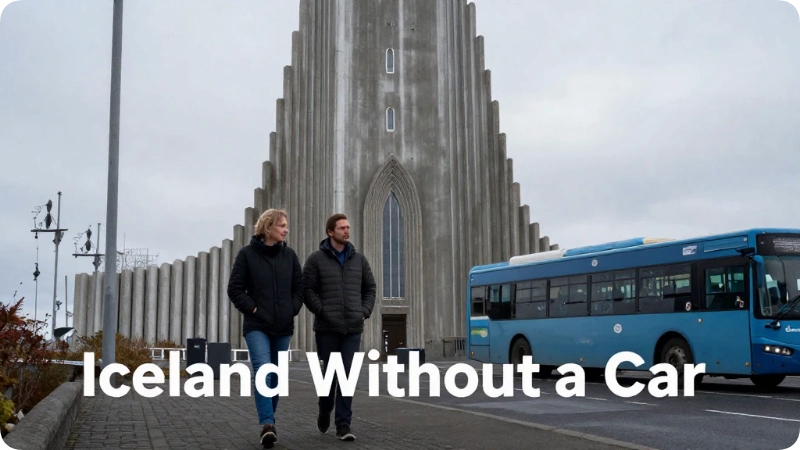
Yes, you can visit Iceland without a car. Reykjavík is walkable, and buses reach the airport, the Blue Lagoon area, and many towns. Day tours cover major sights. You will miss some remote spots, but you will also skip fuel, parking, and winter road stress.
How Much Does a Bus Ticket Cost in Iceland?
City bus fares are low compared with taxis, while airport shuttles and intercity trips cost more. Fares change yearly, so check Strætó and Flybus for current prices. Expect single city rides to be a modest fee, and long routes to cost noticeably more.
| Ride | Cost Level | Notes |
| Reykjavík city bus | Low | Single fare, app available |
| Airport shuttle | Medium | Often cheaper booked online |
| Intercity (e.g., to Akureyri) | Higher | Check seasonal schedule |
| Day tour | Highest | Includes guide and stops |
How Much Is a Bus from Reykjavík to the Airport?
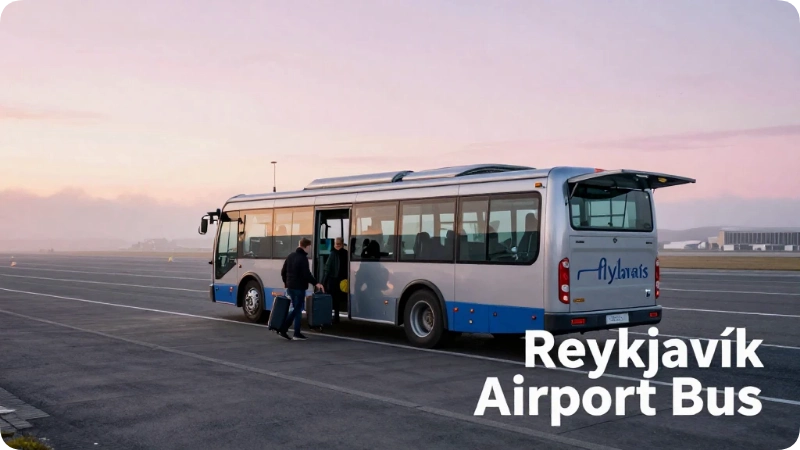
Airport buses cost less than taxis, but exact prices vary by company and date. Flybus and Airport Direct are the main options, and Strætó route 55 is the budget choice with slower travel. The ride takes about 45 to 60 minutes. Verify current fares on official sites.
How to Pay for the Bus?

Pay with the Strætó app, a contactless card where supported, or online tickets for airport and tour buses. Drivers may not give change for cash. Cards work almost everywhere in Iceland. Download your ticket before boarding, because mobile signal can be spotty.
Is It Better to Use Cash or Card in Iceland?
A card is better. Iceland is nearly cashless, and even small shops accept chip-and-PIN or contactless cards. Bring a card with no foreign transaction fee, and tell your bank you are traveling. A small amount of cash is optional for rare exceptions.
Is Uber Expensive in Iceland?
Uber does not operate in Iceland. Taxis and local ride apps do, and they cost a lot compared with U.S. rides. Short trips can add up fast. For airport trips, a shared shuttle or Flybus saves money, especially for solo travelers.
Bus Travel Iceland Golden Circle

The Golden Circle is Iceland’s most popular day trip. It loops through Þingvellir National Park, Geysir geothermal area, and Gullfoss waterfall. Most bus tours run six to eight hours from Reykjavík. Pick a tour with extra stops, such as Kerid crater or a farm lunch, if you want more value.
Iceland Bus Tours from Reykjavik
Bus tours from Reykjavík cover the Golden Circle, South Coast waterfalls, glacier lagoons, and Northern Lights hunts. Operators include Reykjavik Excursions, Gray Line Iceland, and Arctic Adventures. Compare group size, stops, pickup, and cancellation rules rather than price alone.
| Tour | Typical Length | Highlights |
| Golden Circle | 6–8 hours | Þingvellir, Geysir, Gullfoss |
| South Coast | 10–12 hours | Seljalandsfoss, Skógafoss, Reynisfjara |
| Northern Lights | 3–4 hours | Dark-sky viewing sites |
Bus Travel Iceland Northern Lights
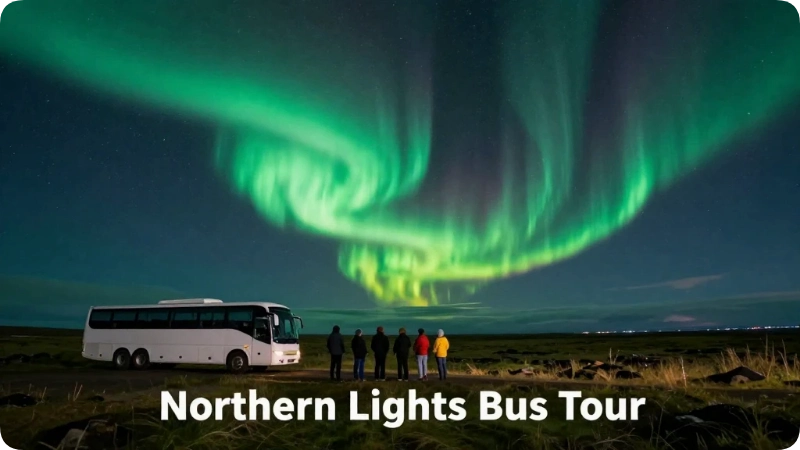
Bus tours are the easiest way to see the Northern Lights without driving at night. The season runs roughly September to mid-April. Guides watch aurora forecasts and cloud cover, then pick the best spot. Lights are never guaranteed, so ask about free rebooking.
What Is the Best Bus Tour in Iceland?
For first-timers, the best bus tour is usually the South Coast day trip or a Golden Circle combo. Both show big sights with little planning. The right pick depends on your time, season, and budget, so compare itineraries and recent reviews first.
Which Iceland Tour Is Best?
The best Iceland tour matches your goals. Choose a Golden Circle tour for classic sights, a South Coast tour for waterfalls and black sand, a glacier trip for ice, or a multi-day Ring Road package for a full overview. Small groups feel more personal but cost more.
Bus Travel Iceland Packages
Packages bundle buses, hotels, and tours in one price. They save planning time, especially in summer. Read what is included, such as meals, entry fees, and airport transfers. Check cancellation rules and travel insurance coverage before you pay a deposit.
What Are Some Good Travel Packages for Iceland?
Good packages include flights plus a Reykjavík stay and two- or three-day tours. Self-drive packages suit confident drivers. Multi-day bus tours suit those who want guides. Compare several providers and check that taxes, fees, and baggage are clear.
What Is the Best Travel Agency in Iceland?
No single agency is best for everyone. Look for licensed Icelandic operators with strong recent reviews, safety plans, and clear refund terms. Visit Iceland, the national tourism board, lists reliable resources. Ask about weather cancellations before you book.
How Many Days in Iceland Is Enough?
Four to five days covers Reykjavík, the Golden Circle, and the South Coast. Seven days adds a Northern Lights night and a glacier trip. Ten days or more lets you drive or ride the full Ring Road at a relaxed pace.
How Many Days in Reykjavik Is Enough?
Two to three days is enough for Reykjavík itself. See Hallgrímskirkja, Harpa, the old harbor, and a geothermal pool. Add day trips from the city if you have more time, since most famous natural sights sit outside town.
How Much Will an Iceland Trip Cost?
Iceland is pricey. Flights, lodging, food, and tours add up. A budget trip costs far less than a guided luxury one. Expect hotels and restaurants to cost more than in most U.S. cities, and plan a cushion for tours and weather changes.
How Much Money Do I Need for 4 Days in Iceland?
For four days, plan on lodging, meals, one or two tours, and local transport. Mid-range travelers often budget around several hundred dollars per day per person, excluding flights. Verify current prices and exchange rates, then add a 10 to 15 percent buffer.
| Expense | Budget Tip |
| Lodging | Hostels and guesthouses save the most |
| Food | Grocery stores and hot dogs cut costs |
| Transport | Use Strætó and shuttles |
| Tours | Pick one or two highlights |
Which Month Is the Best Month to Go to Iceland?
June through August brings long daylight, open roads, and full bus schedules. September offers fewer crowds and early Northern Lights. For the aurora, pick September to March. Each season has trade-offs, so match the month to your priorities.
What Is the Cheapest Month to Go to Iceland?
January through March, outside holidays, and often November, tend to have lower flight and hotel prices. Daylight is short, and weather can disrupt tours. Shoulder months like April and October can balance cost and conditions.
When’s the Worst Time to Go to Iceland?
The worst time depends on your goals. Midwinter brings storms, ice, and short days. Late spring thaw can make some highland roads muddy or closed. Peak July crowds and prices bother others. Pick a season that fits your comfort level.
What Is the Cheapest Airline to Fly to Iceland?
The cheapest airline changes by date and route. Icelandair is the main Icelandic carrier with U.S. routes, and several U.S. airlines also fly to Keflavík in season. Low-cost carrier options have shifted recently, so compare prices on Google Flights and check baggage fees.
What to Be Careful of in Iceland?
Be careful of fast weather changes, sneaker waves at black sand beaches, icy roads, and slippery rocks near waterfalls. Follow SafeTravel.is alerts, respect closed-area signs, and never walk on unmarked lava or glaciers without a guide.
Should I Bring Toilet Paper to Iceland?
No, you do not need to bring toilet paper. Public restrooms, gas stations, and attractions usually stock it. Carry a small pack of tissues for remote stops. Bring hand sanitizer and a reusable bottle, since tap water is safe to drink.
What Not to Bring to Iceland?
Skip heavy cotton jeans, umbrellas that flip in the wind, and too much cash. Do not pack bottled water, since tap water is fine. Check customs rules before bringing raw meat, eggs, or dairy, because Iceland restricts certain food imports.
What Are 10 Things I Must See in Iceland?
Top sights include these ten places, all reachable by tour or bus-plus-walking:
- Þingvellir National Park
- Geysir geothermal area
- Gullfoss waterfall
- Seljalandsfoss and Skógafoss
- Reynisfjara black sand beach
- Jökulsárlón glacier lagoon
- Hallgrímskirkja church
- Blue Lagoon or Sky Lagoon
- Akureyri and Goðafoss
- Northern Lights, in season
What Should You Not Miss in Iceland?
Do not miss a geothermal pool, a waterfall, and a glacier or black sand beach. Add a night under the aurora if it is the right season. Many people say a local swimming pool soak beats crowded spa lines.
What Is the Prettiest City in Iceland?
Many travelers pick Akureyri, with its fjord views and colorful streets. Reykjavík charms with painted rooftops and sea air. Smaller towns like Seyðisfjörður win hearts too. Beauty is personal, so choose by mood: city energy or quiet fjord calm.
What Is a Must Buy in Iceland?
Popular buys include a lopapeysa wool sweater, skyr, local chocolate and licorice, and geothermal skincare. Buy sweaters from reputable shops that label wool origin. Souvenir prices run high, so compare stores and set a small budget.
What Is Iceland’s Biggest Issue?
Iceland faces cost-of-living pressure, housing costs, and the strain of heavy tourism on fragile nature. Volcanic activity on the Reykjanes Peninsula also affects some areas. Travelers can help by staying on marked paths, booking responsibly, and supporting local businesses.
Best Bus Travel Tips for First-Timers
Book airport and tour seats early in summer. Pack layers, snacks, and a battery pack. Keep your phone charged for tickets. Arrive at pickup spots ten minutes early, and check weather alerts the night before.
- Common mistake: relying on one bus a day without a backup plan. Fix: check the last return time.
- Common mistake: skipping winter weather checks. Fix: use road.is and vedur. is.
- Common mistake: overpacking for day tours. Fix: carry a small daypack.
FAQs
Do buses run in Iceland during winter?
Yes, but fewer routes run. Reykjavík city buses and airport shuttles operate year-round. Some intercity and highland routes reduce service or stop. Check Strætó and road. for current schedules and conditions before you travel.
Is it safe to use buses in Iceland?
Yes, buses are generally safe. Drivers are experienced with local weather, and tour operators follow safety rules. Check SafeTravel.is alerts, keep your valuables close, and avoid travel when officials advise staying off roads.
Can I take a bus to the Blue Lagoon?
Yes. Direct buses run from Reykjavík and from Keflavík Airport. Many travelers visit on arrival or before departure. Book your lagoon entry in advance, because tickets can sell out, and confirm bus times online.
Are Iceland bus tours worth the money?
Often yes, if you do not drive. Tours include transport, guides, and safe routes. They cost more than public buses but save planning time and avoid parking, fuel, and winter driving stress.
Can kids and older adults ride Iceland buses comfortably?
Yes. Most coaches are modern and comfortable, and many tours welcome families. Ask about child seats, accessibility, and walking distances at stops. Choose shorter tours with frequent breaks for young kids and older travelers.
Conclusion:
Three takeaways: first, buses cover Reykjavík, the airport, and many main routes. Second, tours reach the big sights safely, even in winter. Third, always verify prices, schedules, and conditions on official sites.
You do not need a car to feel the wonder of Iceland. A good plan, a warm jacket, and a flexible mindset are enough. When you are ready, compare routes, read recent reviews, and book your seats. The glaciers, waterfalls, and glowing skies are waiting.

Stephen Fry brings an insatiable curiosity for history, language, and global heritage to the Travelmarse team. Having spent decades traveling the globe to study regional storytelling and ancient civilizations, he excels at uncovering the hidden narratives of modern destinations. Stephen anchors the cultural vertical on Travelmarse, where he writes deep-dive guides on architectural history, museum crawl strategies, and local customs. His vivid, engaging writing helps travelers look past the surface and truly understand the heritage of the places they visit.