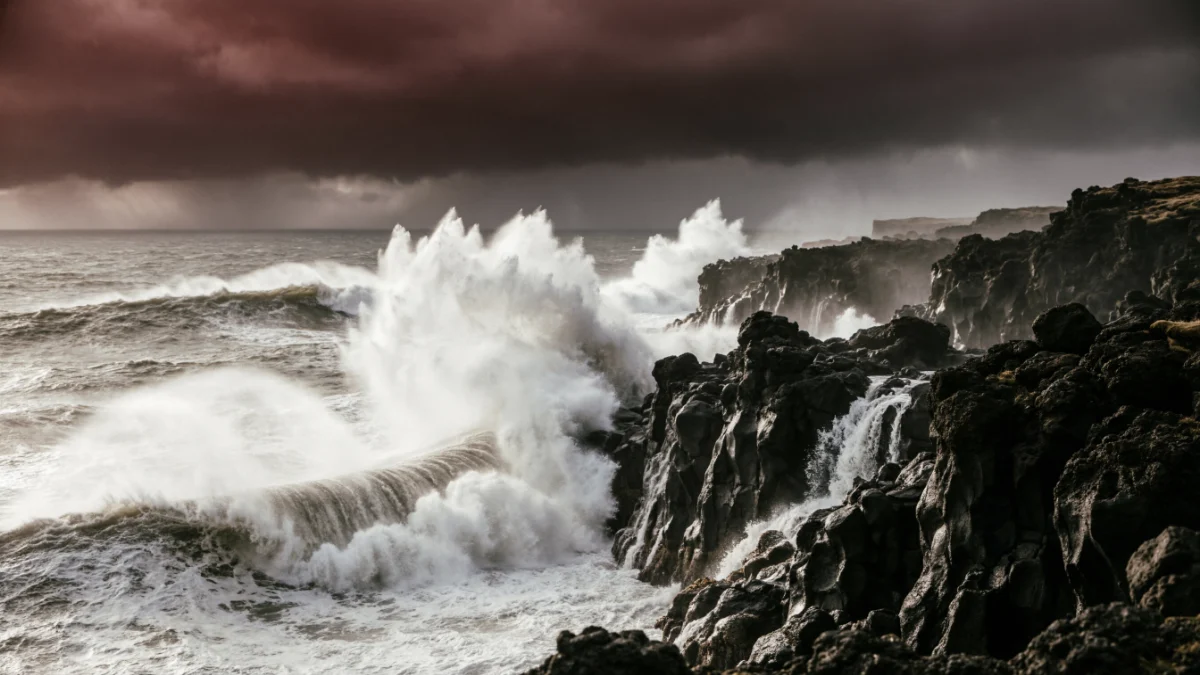
Waking up to headlines about red warnings issued for most of Iceland can rattle even a seasoned traveler. One minute, the forecast shows a calm Reykjavík morning; the next, the Icelandic Meteorological Office paints the entire map red.
This isn’t unusual for Iceland; it’s one of the most weather-volatile countries on Earth. But knowing the difference between a routine storm and a genuine emergency is what separates a memorable trip from a dangerous one.
This guide breaks down exactly what a nationwide red warning means, why it happens, and how to adjust your plans, budget, packing list, and itinerary so you stay safe without wasting the trip you saved for.
Quick Answer:
A red weather warning in Iceland is the highest alert issued by the Icelandic Meteorological Office (IMO), signaling extreme, life-threatening conditions like hurricane-force winds, blizzards, or flooding. When issued nationwide, authorities urge residents and tourists to stay indoors, avoid all travel, and monitor safetravel.is and vedur.is until it’s lifted.
What Does a Red Warning Mean in Iceland?
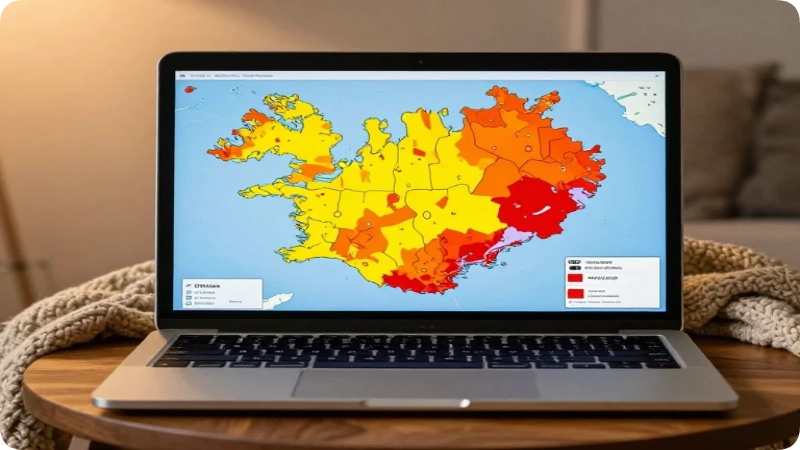
A red warning is the IMO’s most severe alert level, issued when forecasters expect conditions that pose direct danger to life and property, typically sustained winds above 30 m/s (67 mph), blinding snow, or major flooding.
Iceland uses a simple three-tier, color-coded system:
| Warning Level | What It Means | Traveler Action |
| 🟡 Yellow | Conditions may become hazardous, especially for high-profile vehicles | Drive cautiously, check road.is |
| 🟠 Orange | Dangerous weather likely to disrupt travel | Postpone non-essential trips |
| 🔴 Red | Extreme, rare, high-risk to life | Stay indoors, cancel travel entirely |
When red warnings cover most of the country rather than one region, it usually means a deep low-pressure system, often an Atlantic storm, is sweeping across Iceland from coast to coast, affecting the Highlands, the Westfjords, the South Coast, and the capital region simultaneously.
What Is Happening in Iceland Right Now?
Conditions change fast, so the honest answer is: check it live. The IMO’s homepage (vedur.is) shows a real-time color-coded regional map, and Safe Travel Iceland (safetravel.is) issues road and safety alerts specifically for tourists.
As a general pattern, widespread red warnings most often strike between October and March, when Atlantic storm systems collide with Iceland’s exposed coastline. Iceland Review, RÚV, and Vísir are the fastest local news sources for real-time storm updates during an active event.
Always verify official sources before altering plans; conditions can shift within hours, and warnings are frequently downgraded as storms pass.
Why Are Red Warnings Issued for Most of Iceland?
Iceland sits directly in the path of the North Atlantic storm track, where warm and cold air masses collide. This produces:
- Hurricane-force wind gusts that can flip campervans and rental cars
- Whiteout blizzard conditions on mountain and highland roads
- Sudden flash flooding from rapid snowmelt or heavy rain
- Volcanic ash or sandstorms during dry, windy spells in the south
Because Iceland is a relatively small, exposed island with few natural windbreaks, a single storm system can realistically blanket the entire country in warnings within a matter of hours.
Are There Any Travel Warnings for Iceland? Yes
YYes, weather warnings are common and are a normal part of visiting Iceland, not a sign the country is unsafe overall. The U.S. State Department currently rates Iceland at its lowest risk tier for general travel, but it does note that severe winter weather and remote-area travel carry real risk.
The distinction matters: this is a weather advisory system, not a political or security travel advisory. Iceland remains one of the safest countries in the world to visit; the warnings exist because the terrain and climate are unforgiving, not because of crime or unrest.
What Are the Biggest Problems in Iceland (For Travelers)?
Iceland’s “problems” for visitors are almost entirely environmental rather than social:
- Unpredictable weather: sunshine can turn to sleet in under an hour.
- Remote roads with no cell signal, especially in the Highlands and Westfjords.
- Overtourism at a handful of hotspots like the Blue Lagoon and Skógafoss during peak summer.
- High cost of living, which catches budget travelers off guard.
Crime, unrest, and infrastructure failures are not meaningful concerns here. Iceland consistently ranks as the world’s most peaceful country.
What to Avoid When Visiting Iceland
Avoid driving during any active orange or red warning, especially in a high-profile vehicle like a campervan or SUV. Also avoid:
- Walking near glacier edges, ocean cliffs, or “sneaker waves” on black sand beaches like Reynisfjara
- Venturing off marked trails near geothermal areas (thin crust, boiling water beneath)
- Ignoring road closures on Route 1 (the Ring Road) or F-roads in the Highlands
- Skipping travel insurance that covers weather-related cancellations
What to Be Careful of in Iceland
Beyond storms, be mindful of sneaker waves at Reynisfjara Beach (a leading cause of tourist injury), glacier crevasses on unguided ice hikes, and geothermal ground that can collapse without warning. Renting a 4×4 in winter and booking guided tours for glaciers and ice caves significantly reduces risk.
Is Crime a Problem in Iceland?
No. Iceland routinely tops the Global Peace Index as the world’s most peaceful nation, with extremely low violent crime rates. Petty theft can occur in busy tourist areas of Reykjavík, but violent crime against travelers is rare. The greater safety concern by far is weather and terrain, not other people.
What Is the Number One Cause of Death in Iceland (For Tourists)?
Among visitors, traffic accidents and weather-related incidents such as driving into flooded roads, sneaker waves, and falls near cliffs or glaciers are the leading causes of tourist fatalities, not crime or illness. This is precisely why heeding official red and orange warnings is not optional advice; it’s a genuine safety measure.
How Many Tourists Die in Iceland Every Year?
Iceland doesn’t publish a single standardized annual tourist fatality figure, and numbers fluctuate year to year, but Icelandic search-and-rescue teams (ICE-SAR) respond to hundreds of tourist incidents annually, a meaningful share tied directly to weather, unmarked trails, and beach conditions. Always check official rescue.is and safetravel.is advisories before outdoor activities.
Best Time to Visit Iceland (Seasonal Comparison)
| Season | Months | Pros | Cons |
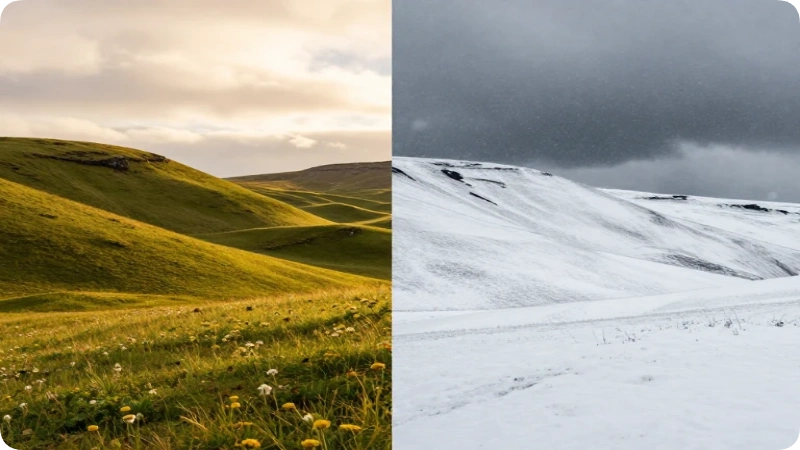
| Peak Summer | Jun–Aug | Midnight sun, mildest weather, full road access | Highest prices, biggest crowds |
| Shoulder | Apr–May, Sep | Fewer crowds, lower prices, decent weather | Some attractions/roads still closed |
| Winter (Off-Season) | Oct–Mar | Northern Lights, cheapest flights/hotels | Most red-warning storms, short daylight |
The worst month to visit is generally January or February, when Atlantic storms peak and red warnings are most frequent and widespread. The hottest month is July, with average highs around 57–60°F (14–15°C). Iceland never gets truly hot.
The cheapest month to go to Iceland is typically November or January (excluding Christmas/New Year), when flights and hotel rates drop sharply outside peak demand.
How Many Days Is Enough for Iceland?
5 to 7 days is the sweet spot for first-time visitors, covering the Golden Circle, South Coast, and a Blue Lagoon or Reykjavík city stop without over-scheduling around weather delays. If you’re chasing the Ring Road in full, budget 10–14 days and build in flexible buffer days for storm disruptions.
Budget Breakdown: How Expensive Is a 7-Day Trip to Iceland?

Iceland is one of the more expensive European destinations, largely due to import costs and a small domestic market.
| Expense | Rough Daily Cost (USD) |
| Budget hotel/guesthouse | $120–$200/night |
| Mid-range hotel | $220–$350/night |
| Rental car (compact) | $60–$120/day |
| Meals (casual) | $50–$90/day |
| Attractions/tours | $50–$150/day |
A realistic 7-day trip for two in mid-range hotels, a rental car, meals out, and a couple of tours often lands between $2,500 and $4,500 total, excluding flights. Budget travelers using guesthouses, groceries, and free nature sites can bring this down considerably.
Prices change often; always verify current rates directly with hotels, tour operators, and rental agencies before booking.
What to Eat: Food & Dining in Iceland
Must-try dishes include fresh Icelandic lamb, langoustine soup, and skyr (a thick, protein-rich dairy product similar to yogurt). Reykjavík’s hot dog stands (pylsur) are a genuinely beloved local staple, not just a tourist gimmick.
A typical Icelandic breakfast leans simple: skyr with berries, rye bread, eggs, and strong coffee early enough to fuel a day of hiking between storm systems.
Why Are Icelandic People So Healthy?
Iceland consistently ranks near the top of global health and longevity indexes, commonly attributed to a diet rich in fish and dairy, universal healthcare access, low pollution, and an active, outdoor-oriented lifestyle,e though this is a broad population trend, not a guarantee for any individual visitor.
Culture & Etiquette Quick Answers
Are toilets free in Iceland? Not always; many public restrooms, especially at popular natural attractions, charge a small fee (often under $2), so keep a card handy.
What is “I love you” in Icelandic? It’s written as “Ég elska þig.”
What is the guy-to-girl ratio in Iceland? Iceland’s population is close to gender-balanced, with only a marginal difference between male and female residents n,,ot a notable travel factor either way.
What Cannot Be Brought Into Iceland?
Customs restricts or bans raw/unprocessed meat and dairy, uncertified soil, and certain plants to protect Iceland’s isolated ecosystem and livestock from disease. Fishing and camping gear may require disinfection certificates. Always check Icelandic Customs (tollur.is) before packing food or outdoor gear from home.
Should I Bring Toilet Paper to Iceland?
It’s not essential; hotels, guesthouses, and most gas stations are well-stocked, but seasoned road-trippers often keep a small roll in the car for remote stops along the Ring Road or Highlands routes where facilities can be sparse.
Top Attractions & What Not to Miss
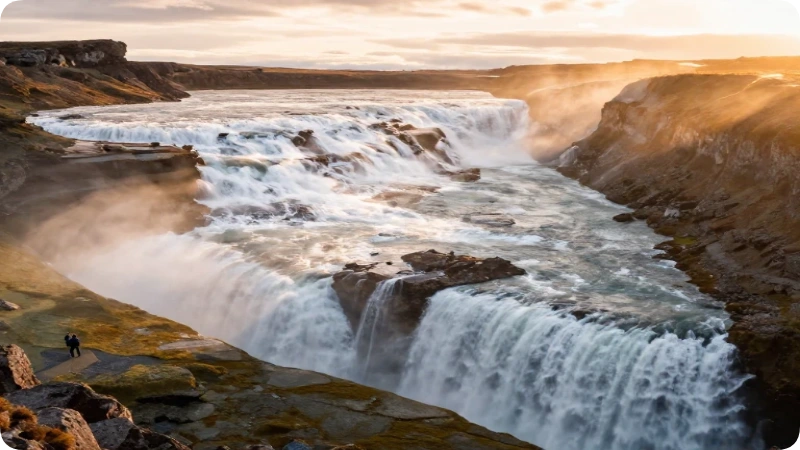
- The Golden Circle Þingvellir National Park, Geysir, and Gullfoss waterfall
- South Coast Seljalandsfoss and Skógafoss waterfalls, Reynisfjara black sand beach
- Jökulsárlón Glacier Lagoon floating icebergs and, in season, seal spotting
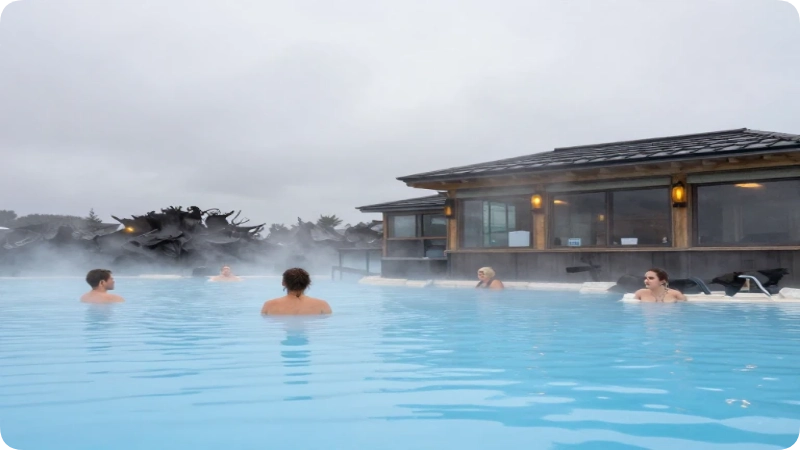
- Blue Lagoon Iceland’s most famous geothermal spa (book ahead; it sells out)
- Reykjavík Hallgrímskirkja church, the Sun Voyager sculpture, and the harbor district
Hidden gems worth the detour include the Westfjords’ Dynjandi waterfall and the lesser-visited Snæfellsnes Peninsula, often called “Iceland in miniature.
What Is the Number One Attraction in Iceland?
The Golden Circle route draws the most visitors of any single itinerary in the country, thanks to its accessibility from Reykjavík and its combination of geysers, waterfalls, and the historic Þingvellir rift valley.
Common Mistakes Tourists Make in Iceland
- Underestimating the weather: packing summer clothes for a “summer” trip that still needs a windproof jacket. Fix: layer with wind- and waterproof outer shells year-round.
- Ignoring road and weatherwarnings whens driving through closed F-roads or during red alerts. Fix: check road.is and Vedur.is every morning of a road trip.
- Overpacking the itinerary, cramming too many stops into one day, leaving no buffer for storm delays. Fix: build at least one flexible, unscheduled day into any 7+ day trip.
Sample Itinerary Adjustments During a Red Warning
If a nationwide red warning hits mid-trip, don’t panic pivot instead:
- Swap outdoor days for indoor ones: the Blue Lagoon (often still open in controlled conditions), Perlan Museum, or Reykjavík’s geothermal pools
- Delay glacier, Highland, or coastal hikes until the warning lifts
- Reroute driving days away from the worst-hit region using road.is real-time closures
- Extend your Reykjavík stay rather than pushing into remote areas with no cell coverage
FAQs
What is the worst month to visit Iceland?
January and February see the most frequent widespread red and orange warnings, along with the shortest daylight hours, making them the most weather-disruptive months for travel, though they’re also prime for Northern Lights viewing.
What’s the cheapest month to visit Iceland?
November and January (outside the Christmas–New Year peak) typically offer the lowest flight and hotel prices, since fewer tourists travel during Iceland’s stormiest stretch.
How expensive is a 7-day trip to Iceland?
A mid-range 7-day trip for two people, including lodging, a rental car, meals, and a few tours, commonly runs $2,500–$4,500, not including international flights.
Is Iceland safe to visit despite the warnings?
Yes. Iceland ranks among the world’s safest and most peaceful countries. Red warnings reflect extreme weather risk, not crime or civil unrest, and are simply part of responsible travel planning here.
What should I pack for unpredictable Icelandic weather?
Pack in waterproof, windproof layers: a base thermal layer, a fleece mid-layer, a waterproof shell jacket, sturdy waterproof hiking boots, and a warm hat and gloves in summer.
Do red warnings cancel flights to Iceland?
Severe storms can delay or cancel flights, particularly at Keflavík International Airport, so check with your airline directly and consider travel insurance that covers weather disruptions.
Can I still drive the Ring Road during a red warning?
No. Authorities strongly advise against all non-essential travel during a red warning, and high-profile vehicles like campervans are specifically warned against road travel until conditions improve.
How do I check Iceland’s weather warnings before my trip?
Check vedur.is for the official IMO color-coded map and safetravel.is for tourist-specific road and safety alerts; both update in real time and are the most reliable sources available.
What’s overrated in Iceland, and what’s underrated?
The Blue Lagoon is beautiful but often overrated relative to its cost and crowds; the Westfjords and Snæfellsnes Peninsula are comparatively underrated, offering similar dramatic scenery with a fraction of the visitors.
What Currency Is Used in Iceland?
Iceland uses the Icelandic króna (ISK). Cards are accepted almost everywhere, including small shops and public transport, so carrying large amounts of cash isn’t necessary.
How Much Cash to Take to Iceland?
Very little: 0–$100 in local currency is usually plenty for emergencies or rural spots that occasionally prefer cash. Iceland is largely a cashless society; even parking meters and public restrooms often take cards.
How Much Is $100 USD in Iceland?
Exchange rates fluctuate daily, so check a live converter before you travel. As a rough guide, $100 USD has generally converted to somewhere in the range of 13,000–14,500 ISK in recent periods, but always confirm the current rate, since it shifts regularly.
How Much Is a Cup of Coffee in Iceland?
Expect to pay roughly $5–$7 USD for a standard coffee in a Reykjavík café; prices that surprise many first-time American visitors used to lower everyday costs.
Is It Cheaper to Travel to Iceland or Norway?
The two are broadly comparable, and both rank among Europe’s priciest destinations, though Iceland’s accommodation and rental car costs frequently edge slightly higher than Norway’s outside of Norway’s most expensive cities like Oslo and Bergen.
Is Iceland a Poor or Rich Country?
Iceland is a wealthy, high-income nation with one of the highest GDP-per-capita figures in the world and a strong social welfare system; a key reason everyday goods and services feel expensive to visitors from lower-cost countries.
Final Takeaways
Red warnings covering most of Iceland are dramatic-sounding but manageable: they’re a weather safety signal, not a reason to cancel your trip outright. Check official sources daily, build flexibility into your itinerary, and prioritize indoor alternatives on the worst-hit days.
Iceland remains one of the safest, most awe-inspiring destinations in the world, even in storms and all. Plan for the weather, not against it, and the Land of Fire and Ice will deliver the trip you came for.
Always verify current weather warnings, road closures, prices, and entry requirements through official sosourcesis, road. is, and tollur.is before and during your trip, as conditions change frequently.

Ben Fogle believes that true adventure begins where the pavement ends. After spending years documenting extreme environments, rowing across oceans, and trekking through frozen landscapes, he mastered the art of wilderness travel. For Travelmarse, Ben constructs highly detailed guides on deep-nature packing lists, wildlife safety, and sustainable eco-tourism. He breaks down intimidating, rugged expeditions into clear, step-by-step roadmaps so everyday travelers can safely connect with the natural world.