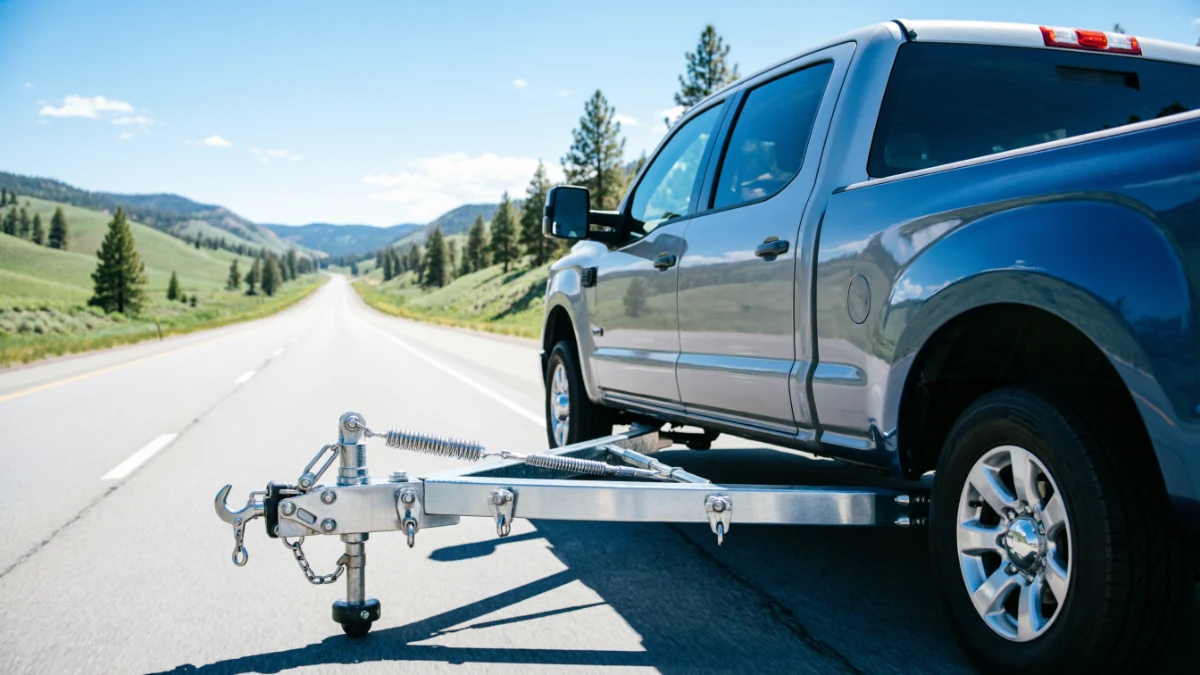
A sway bar for a travel trailer is a towing safety device that helps reduce trailer sway caused by wind, passing trucks, uneven roads, or improper weight distribution. It improves stability, steering control, and driver confidence while towing.
How to Use a Sway Bar:
- Install the sway control system correctly.
- Adjust trailer tongue weight properly.
- Connect the sway bar before towing.
- Check tension settings as recommended.
- Inspect components before every trip.
| Feature | Sway Bar | No Sway Bar |
| Stability | Higher | Lower |
| Crosswind Control | Better | Poorer |
| Driver Confidence | Improved | Reduced |
Most travel trailer owners benefit from a sway bar during highway travel, especially on long road trips across windy regions of the United States.
Why a Sway Bar for Travel Trailer Towing Matters
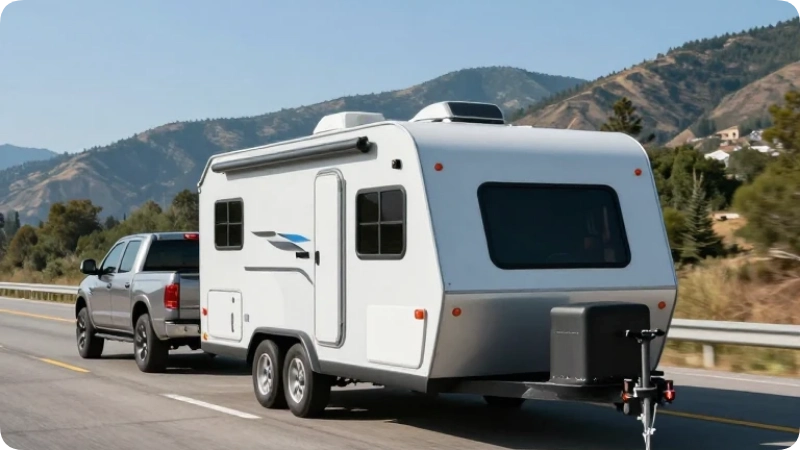
A sway bar for travel trailer towing helps reduce side to side movement that can occur when wind gusts, passing semi trucks, sudden steering corrections, or improper loading affect your trailer. Trailer sway can quickly become dangerous, especially at highway speeds above 55 mph.
Many travelers focus on engine power and towing capacity but overlook stability. Even a properly rated tow vehicle can experience sway if the trailer is not balanced correctly. A quality sway control system provides an extra layer of safety and comfort during long distance travel.
For families exploring national parks, RV resorts, and scenic highways across the United States, sway control often becomes one of the most valuable towing upgrades.
Quick Facts About Travel Trailer Sway Bars
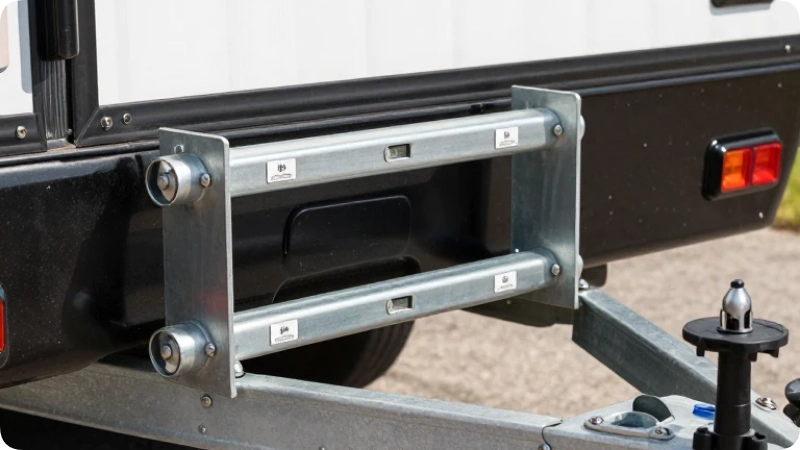
A sway bar is one of the most common towing accessories used by RV owners. While designs vary, most systems work by creating resistance that limits excessive trailer movement.
| Quick Fact | Details |
| Primary Purpose | Reduce trailer sway |
| Best For | Travel trailers, campers, RVs |
| Works With | Weight distribution hitches and standard hitches |
| Helps During | Wind, passing trucks, uneven roads |
| Improves | Stability and driver confidence |
| Maintenance | Regular inspection and lubrication as recommended |
What Causes Travel Trailer Sway?

Travel trailer sway occurs when forces push the trailer away from its intended path. Once the movement starts, it can become progressively worse if not controlled.
Common causes include:
- Improper tongue weight
- High crosswinds
- Excessive speed
- Passing commercial trucks
- Poor trailer loading
- Sudden steering movements
- Uneven road surfaces
- Incorrect tire pressure
Many experienced RV travelers recommend maintaining a tongue weight of approximately 10% to 15% of total trailer weight because this helps improve towing stability.
How Does a Sway Bar Work?
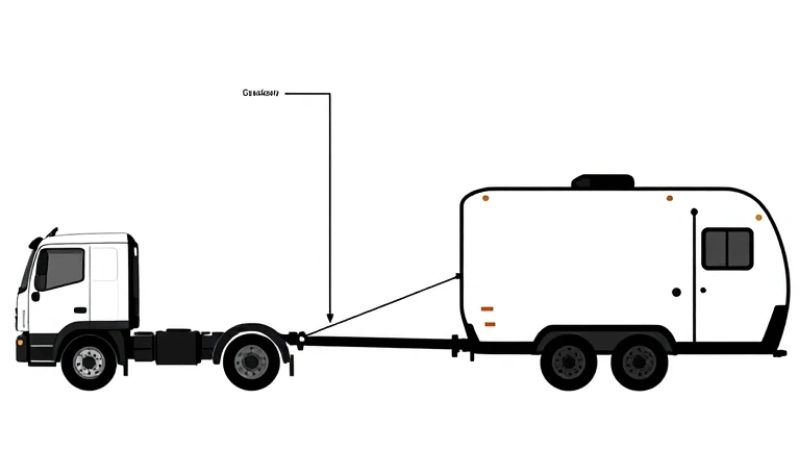
A sway bar works by creating friction or active resistance between the tow vehicle and trailer. This resistance limits side to side movement before it becomes severe.
Think of it as a stabilizer that encourages the trailer to follow the tow vehicle in a straight line. When wind or road conditions attempt to push the trailer sideways, the sway control system resists that motion.
Modern systems range from simple friction bars to advanced integrated weight distribution and sway control hitches.
Types of Sway Bars for Travel Trailers
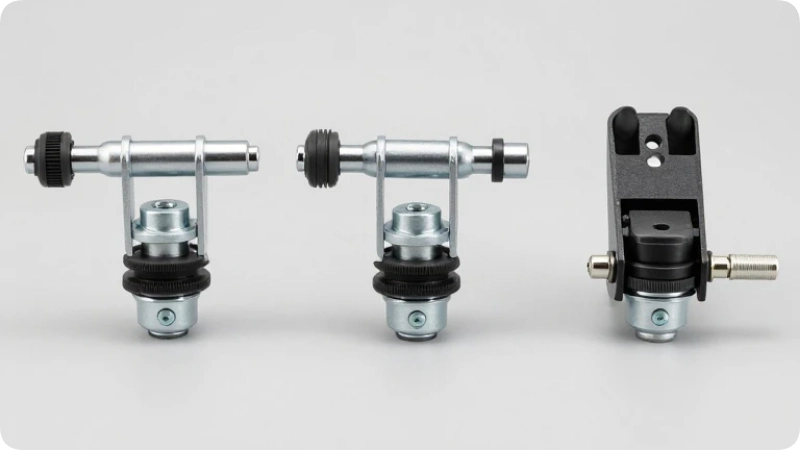
Not all sway control systems are the same. Choosing the right type depends on trailer size, towing frequency, and travel conditions.
Friction Sway Control Bars
These are among the most affordable options available.
Benefits include:
- Simple design
- Easy installation
- Cost effective
- Suitable for smaller trailers
However, they may require adjustment and are generally less effective in extreme towing conditions.
Dual Cam Sway Control Systems
Dual cam systems actively help keep the trailer centered behind the tow vehicle.
Advantages include:
- Better highway performance
- Improved stability
- Reduced maintenance adjustments
Many frequent RV travelers prefer these systems for longer trips.
Integrated Weight Distribution Hitch Systems
These systems combine weight distribution and sway control into one package.
Benefits include:
- Enhanced towing stability
- Better weight balance
- Excellent highway performance
- Ideal for larger travel trailers
This option is often considered the gold standard for frequent travelers.
Do You Need a Sway Bar for Your Travel Trailer?
Most travel trailers benefit from sway control, especially when traveling long distances or on interstate highways.
You should strongly consider a sway bar if:
- Your trailer exceeds 2,000 pounds
- You frequently drive on highways
- You travel through windy areas
- Your trailer feels unstable
- You tow long distances regularly
Smaller utility trailers may not require sway control, but many travel trailers gain significant stability improvements.
Signs Your Travel Trailer Needs Sway Control
Several warning signs indicate your towing setup could benefit from a sway bar.
Watch for:
- Frequent steering corrections
- Trailer movement when trucks pass
- Nervous towing experience
- Excessive trailer wandering
- Wind sensitivity
- Uneven vehicle handling
If you experience any of these symptoms, evaluate your loading practices and consider upgrading your sway control system.
Best Travel Scenarios for Using a Sway Bar
Sway bars provide the greatest benefit in challenging towing environments.
Mountain Highways
Mountain roads often feature steep grades, sharp turns, and strong winds. Additional sway control improves handling confidence.
Open Desert Routes
Road trips through areas like Arizona, Nevada, and parts of New Mexico can expose trailers to strong crosswinds.
Interstate Travel
Busy highways with large commercial trucks create air pressure changes that frequently trigger trailer movement.
Coastal Routes
Ocean winds can significantly affect lightweight travel trailers.
Best Time of Year for Travel Trailer Towing
While travel trailers can be used year round, towing conditions vary by season.
| Season | Advantages | Challenges |
| Spring | Mild weather, fewer crowds | Rain and wind |
| Summer | Long daylight hours | Heavy traffic |
| Fall | Comfortable temperatures | Variable weather |
| Winter | Quiet campgrounds | Snow and ice |
Spring and fall often provide the best combination of weather, road conditions, and campground availability.
Sway Bar vs Weight Distribution Hitch
Many new RV owners confuse these two towing accessories.
| Feature | Sway Bar | Weight Distribution Hitch |
| Controls Sway | Yes | Sometimes |
| Redistributes Weight | No | Yes |
| Improves Stability | Yes | Yes |
| Required for Larger Trailers | Often | Frequently |
| Can Work Together | Yes | Yes |
The best towing setups often combine both technologies.
Common Travel Trailer Loading Mistakes
Poor loading remains one of the leading causes of trailer sway.
Avoid these mistakes:
Too Much Weight in the Rear
Heavy items behind the trailer axle encourage instability.
Uneven Side to Side Weight
Uneven cargo can affect handling and braking performance.
Ignoring Tongue Weight
Insufficient tongue weight is one of the most common causes of dangerous sway.
Overloading the Trailer
Exceeding weight ratings reduces safety and towing performance.
Packing Tips for Stable Towing
Smart packing improves towing safety before a sway bar even enters the equation.
Follow these guidelines:
- Place heavy items low and near the axle
- Secure loose cargo
- Check weight distribution
- Verify tongue weight
- Avoid rear heavy loading
- Recheck cargo after long drives
Proper loading and sway control work together for the safest towing experience.
Insider Tips From Experienced RV Travelers
Seasoned RV owners often rely on several practical techniques to improve towing stability.
Tip #1: Keep Speed Moderate
Higher speeds increase sway risk dramatically.
Tip #2: Check Tire Pressure Frequently
Proper inflation improves handling and trailer control.
Tip #3: Use a Weight Scale
Truck stops and public scales help verify trailer weight distribution.
Tip #4: Practice Before Long Trips
Test your setup on local roads before embarking on a cross country adventure.
Tip #5: Adjust for Conditions
Strong winds may require slower speeds and additional caution.
Three Hidden Stability Upgrades Most Travelers Overlook
Many RV owners focus solely on sway control while ignoring other important improvements.
Upgrade 1: Quality Trailer Tires
Premium tires often provide better stability and tracking.
Upgrade 2: Suspension Enhancements
Improved suspension components can reduce trailer bounce and movement.
Upgrade 3: Proper Hitch Height
A level trailer generally tows more predictably than a nose up or nose down setup.
Common Sway Bar Installation Mistakes
Incorrect installation can reduce effectiveness or create towing problems.
Avoid:
- Improper torque settings
- Incorrect hitch setup
- Skipping manufacturer instructions
- Failing to inspect connections
- Using incompatible equipment
When in doubt, have the system professionally installed and inspected.
Safety Tips for Long Distance RV Travel
Safe towing involves much more than installing a sway bar.
Before every trip:
- Inspect tires
- Check hitch connections
- Verify brake operation
- Confirm trailer lights work
- Secure cargo
- Review weather forecasts
Strong winds, storms, and poor road conditions can affect even the best towing setups.
Alternatives to Traditional Sway Bars
Not every traveler needs the same solution.
Weight Distribution Systems
Ideal for medium and large travel trailers.
Premium Integrated Hitch Systems
Offer advanced sway prevention and towing comfort.
Electronic Trailer Stability Systems
Some modern tow vehicles include electronic sway mitigation technology.
These alternatives can supplement or replace traditional friction sway bars depending on the setup.
Is a Sway Bar Worth It?
For most travel trailer owners, the answer is yes. A sway bar improves towing confidence, increases highway stability, and helps reduce trailer movement caused by wind and traffic.
The biggest benefits appear during:
- Long road trips
- Interstate travel
- Mountain driving
- Windy conditions
- Heavy traffic corridors
While no system eliminates poor loading or unsafe driving practices, sway control provides valuable assistance when towing conditions become challenging.
Common Tourist and RV Traveler Mistakes
Many first time RV travelers make similar towing errors.
| Mistake | Better Approach |
| Driving too fast | Maintain safe towing speeds |
| Ignoring tongue weight | Measure and adjust properly |
| Overloading rear storage | Keep weight near trailer axle |
These simple corrections often improve towing performance immediately.
FAQs
Does every travel trailer need a sway bar?
Not every travel trailer requires a sway bar, but most benefit from one. Larger trailers, highway travelers, and RV owners who encounter wind or heavy traffic typically experience better stability and control with sway management systems.
Can a sway bar prevent all trailer sway?
No. A sway bar helps reduce sway but cannot overcome severe loading problems, excessive speed, or unsafe towing practices. Proper weight distribution remains essential.
Is a sway bar better than a weight distribution hitch?
They serve different purposes. A sway bar controls side to side movement, while a weight distribution hitch redistributes load weight. Many towing setups use both together.
How long does a sway bar last?
A well maintained sway control system can last many years. Regular inspections, proper adjustment, and replacement of worn components help maximize lifespan.
Can strong wind still affect my trailer with a sway bar installed?
Yes. Sway control reduces the effects of wind but cannot eliminate them completely. Drivers should slow down during strong crosswinds and severe weather.
What speed is safest when towing a travel trailer?
The safest towing speed depends on vehicle, trailer, weather, and road conditions. Many experienced RV travelers choose moderate highway speeds to improve control and reduce sway risk.
What is the biggest cause of trailer sway?
Improper tongue weight is one of the most common causes. Rear heavy loading often creates instability that can worsen at higher speeds.
Conclusion
A sway bar for travel trailer towing is one of the most effective upgrades for improving safety, stability, and driving confidence. Proper sway control helps reduce trailer movement caused by wind, passing trucks, and road conditions.
The three most important takeaways are simple:
- Load your trailer correctly.
- Use appropriate sway control equipment.
- Drive at safe towing speeds.
Whether you’re planning weekend camping trips or cross country RV adventures, a properly configured sway control system can make every mile smoother, safer, and more enjoyable.

Stephen Fry brings an insatiable curiosity for history, language, and global heritage to the Travelmarse team. Having spent decades traveling the globe to study regional storytelling and ancient civilizations, he excels at uncovering the hidden narratives of modern destinations. Stephen anchors the cultural vertical on Travelmarse, where he writes deep-dive guides on architectural history, museum crawl strategies, and local customs. His vivid, engaging writing helps travelers look past the surface and truly understand the heritage of the places they visit.