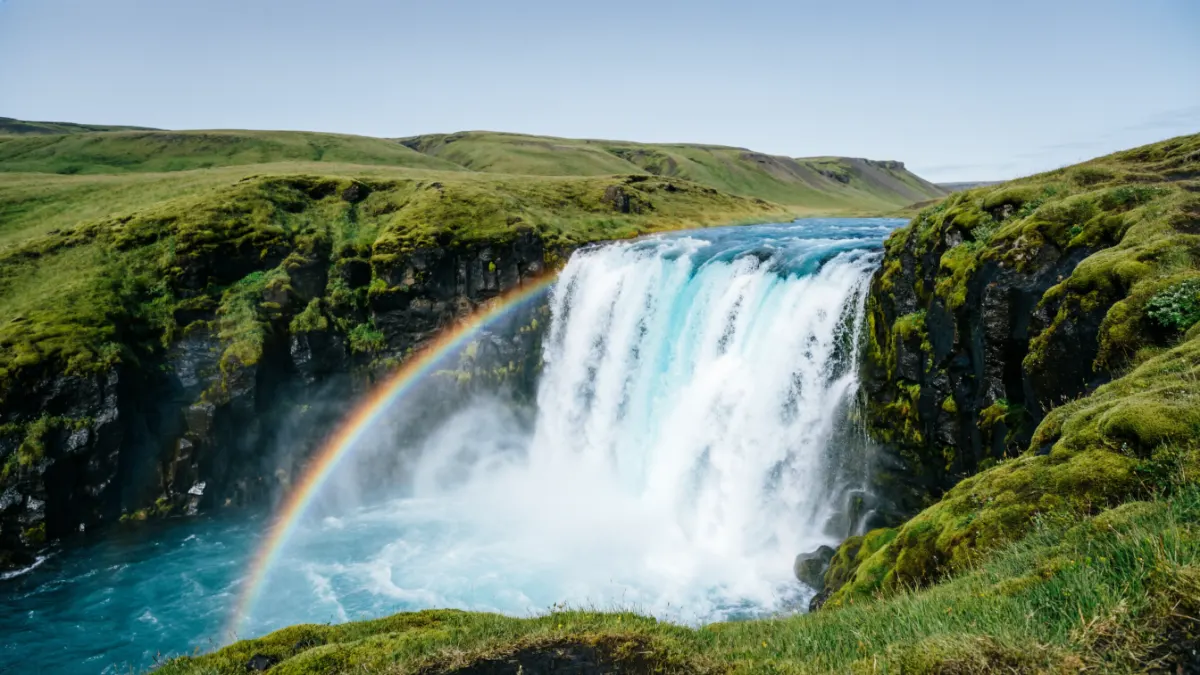
Standing beside a thundering waterfall while steam rises from a nearby lava field feels unlike anywhere else on Earth. Many travelers hesitate before booking, worried the trip will be too expensive, too cold, or too short to be worthwhile. What is there to do in Iceland that justifies the flight? The answer is far more than most guidebooks capture.
This guide breaks down attractions, seasonal highlights, budgeting, packing, etiquette, and itineraries for first-time visitors from the United States. Every section answers a real question that travelers search for before landing in Reykjavik, so planning feels simple rather than overwhelming.
Featured Snippet:
Iceland offers glaciers, volcanoes, the Blue Lagoon, whale watching, Northern Lights hunting, waterfalls, black sand beaches, hot springs, and the Golden Circle route. Top activities include exploring Reykjavik, driving the Ring Road, ice caving, glacier hiking, soaking in geothermal pools, and spotting puffins along the coast.
Quick Facts Table
| Category | Details |
| Capital | Reykjavik |
| Currency | Icelandic Krona (ISK) |
| Language | Icelandic (English widely spoken) |
| Visa (US citizens) | Not required for stays under 90 days (Schengen Area) |
| Best for | Nature lovers, photographers, road trippers, couples, families |
| Flight time from US East Coast | Roughly 5–6 hours |
| Time zone | GMT, no daylight saving changes |
Always confirm current entry requirements on the official U.S. Department of State and Icelandic immigration websites before departure, since travel policies can change.
Is There Anything Fun to Do in Iceland?
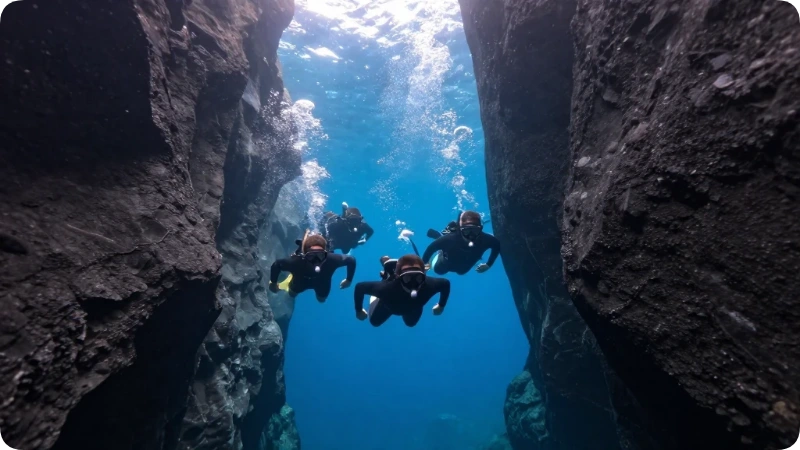
Yes, Iceland is packed with fun, active, and relaxing experiences for nearly every type of traveler. From soaking in geothermal lagoons to snowmobiling on glaciers, the country blends adventure with laid-back charm.
Popular fun activities include:
- Snorkeling between tectonic plates at Silfra
- Riding Icelandic horses across lava fields
- Chasing waterfalls along the South Coast
- Searching for the Northern Lights on a clear winter night
- Exploring ice caves inside a glacier
Families, solo travelers, and adventure seekers all find something worth building a trip around.
Top 10 Things to See in Iceland
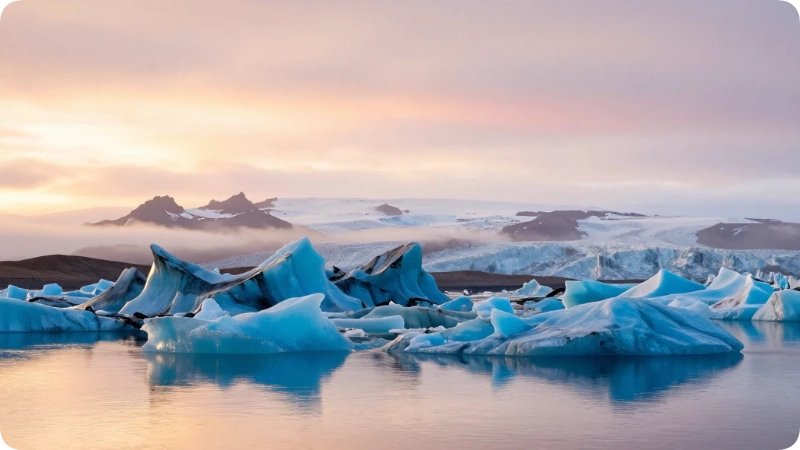
These ten sights consistently top traveler itineraries and represent the country’s most photographed landmarks.
- Blue Lagoon – geothermal spa near Keflavik
- Golden Circle – Þingvellir National Park, Geysir, Gullfoss waterfall
- Jökulsárlón Glacier Lagoon – floating icebergs and seals
- Diamond Beach – black sand scattered with ice chunks
- Skógafoss & Seljalandsfoss – two iconic South Coast waterfalls
- Reynisfjara – black sand beach with basalt columns
- Vatnajökull National Park – Europe’s largest glacier
- Reykjavik’s Hallgrímskirkja Church – city skyline landmark
- Snæfellsnes Peninsula – “Iceland in Miniature”
- Húsavík – whale watching capital of Iceland
Top 20 Things to Do in Iceland
Beyond sightseeing, Iceland rewards travelers who build in hands-on experiences.
- Soak in the Blue Lagoon or Sky Lagoon
- Drive the Golden Circle
- Hike on a glacier with a certified guide
- Explore a natural ice cave
- Snorkel or dive Silfra Fissure
- Whale watch from Reykjavik or Húsavík
- Chase the Northern Lights (September–April)
- Visit Jökulsárlón and Diamond Beach
- Walk behind Seljalandsfoss waterfall
- See puffins on the Westman Islands
- Ride an Icelandic horse
- Relax in a local geothermal pool
- Road-trip the Ring Road (Route 1)
- Explore Reykjavik’s museums and street art
- Try Icelandic hot dogs and skyr
- Visit Vík and Reynisfjara black beach
- Tour Þingvellir, site of the world’s oldest parliament
- Kayak among glacier lagoons
- Stargaze in the Westfjords for fewer crowds
- Shop for wool sweaters and local design in Reykjavik
What Is There to Do in Iceland with Kids?
Iceland is very family-friendly, offering short scenic drives, gentle nature walks, and interactive geothermal experiences that appeal to children.
Kid-friendly picks include:
- The Sky Lagoon or Laugardalslaug pool complex in Reykjavik
- Húsdýragarðurinn petting zoo and family park
- Whale watching tours (many operators welcome children)
- Easy waterfall walks like Seljalandsfoss and Skógafoss
- The Perlan Museum’s indoor ice cave and planetarium, ideal for rainy days
Shorter driving days and warm indoor breaks help keep younger travelers comfortable.
What Is There to Do in Iceland in Summer?
Summer (June–August) brings the Midnight Sun, near-endless daylight, and the widest range of open roads and hiking trails.
Top summer activities:
- Hiking the Laugavegur Trail in the Highlands
- Puffin watching (peak season is May–August)
- Whale watching with calmer seas
- Driving remote F-roads only open in summer
- Camping under near-24-hour daylight
Summer is peak season, so book accommodations and popular tours early.
What Is There to Do in Iceland in December?
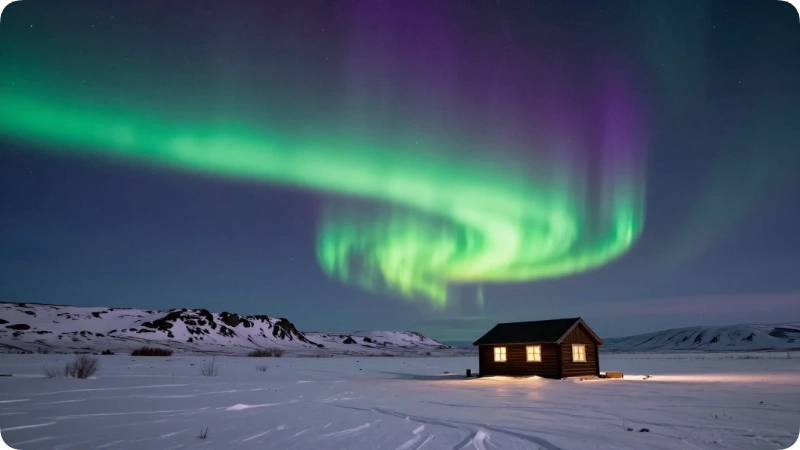
December offers long nights ideal for the Northern Lights, along with festive Christmas markets and cozy geothermal soaks.
Top December activities:
- Northern Lights hunting tours
- Christmas markets and holiday lights in Reykjavik
- Ice cave tours inside Vatnajökull glacier
- Soaking in outdoor hot springs under starry skies
- New Year’s Eve fireworks in Reykjavik, among the largest in the world
Daylight is short (around 4–5 hours), so plan sightseeing around midday.
What Is There to Do in Iceland in July?
July is the warmest month, with mild temperatures and the Highlands fully accessible for the first time each year.
Top July activities:
- Hiking Landmannalaugar’s colorful rhyolite mountains
- Attending Reykjavik’s summer festivals
- Boat tours to see puffins up close
- Golden Circle and South Coast road trips in comfortable weather
- Midnight Sun photography sessions
July is the busiest tourist month, so reserving tours and rental cars well ahead is essential.
What Is There to Do in Iceland in June?
June marks the start of the Midnight Sun season, with nearly 24 hours of daylight and blooming Highland landscapes.
Top June activities:
- Road-tripping the full Ring Road with maximum daylight
- Visiting the Westfjords before peak crowds
- Glacier hiking on Sólheimajökull
- Late-night photography of waterfalls in golden light
- Exploring Akureyri, the “Capital of North Iceland”
June offers a good balance of open trails and slightly thinner crowds than July or August.
Places to Visit in Iceland: Reykjavik
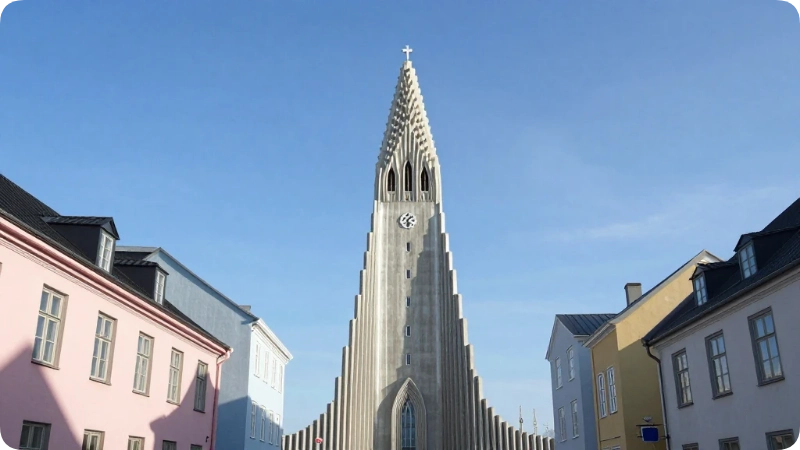
Reykjavik, the world’s northernmost capital, blends colorful architecture, geothermal pools, and a compact, walkable downtown.
Must-visit spots in Reykjavik include Hallgrímskirkja church, the Harpa Concert Hall, the Old Harbour for whale-watching departures, and Laugavegur street for shopping and dining. The city also serves as the launch point for Golden Circle and South Coast day tours.
Most travelers base at least one or two nights here before heading out to the countryside.
Is 3 Days Enough in Iceland?
Three days is enough to see the highlights near Reykjavik, though it will not cover the full Ring Road. It works well for a first taste of the country or a stopover en route to Europe.
Sample 3-Day Itinerary:
| Day | Focus |
| Day 1 | Reykjavik city walk + Blue Lagoon |
| Day 2 | Golden Circle (Þingvellir, Geysir, Gullfoss) |
| Day 3 | South Coast (Seljalandsfoss, Skógafoss, Reynisfjara) |
Travelers wanting the full Ring Road, Highlands, or Westfjords should plan for 7–10 days instead.
How Much Will 5 Days in Iceland Cost?
A moderate 5-day trip for one traveler typically ranges from $1,200–$2,200, covering flights, a rental car, mid-range lodging, food, and a few paid tours or a visit to the Blue Lagoon.
| Expense | Estimated Range (5 Days) |
| Flights (round trip, US) | $400–$800 |
| Rental car | $200–$350 |
| Lodging | $400–$800 |
| Food | $200–$400 |
| Tours/activities | $150–$400 |
Prices fluctuate with season and booking timing, so always check current rates through official tourism and airline sites before budgeting.
What Is Iceland Famous For?
Iceland is famous for dramatic natural landscapes shaped by fire and ice: active volcanoes, glaciers, geysers, waterfalls, and the Northern Lights.
It is also known for the Blue Lagoon, Icelandic horses, puffin colonies, geothermal energy, and a low-crime, high-safety reputation. Culturally, the country is recognized for sagas, Viking heritage, and a strong connection between locals and the environment.
Is Iceland Really Worth Visiting?
Yes, for most travelers Iceland is worth the cost and effort because few destinations pack this much dramatic scenery into such a compact, easily navigable country.
Worth it for: photographers, hikers, road-trippers, couples seeking a unique honeymoon, and anyone drawn to glaciers, waterfalls, and the Northern Lights.
May not suit: travelers on a tight budget, those wanting guaranteed warm beach weather, or families needing constant entertainment options beyond nature.
Is Iceland Expensive to Visit?
Yes, Iceland is one of the more expensive European destinations, largely due to imported goods and a small domestic market. Restaurant meals, alcohol, and guided tours carry premium prices compared to much of Europe.
Money-saving tips:
- Cook some meals using grocery store staples like skyr, bread, and soup
- Book rental cars and flights months in advance
- Visit geothermal pools instead of pricier spa lagoons
- Travel in shoulder season (May or September) for lower rates
How Much Money Will I Need for 4 Days in Iceland?
A 4-day budget-to-moderate trip generally runs $900–$1,700 per person, excluding international flights, depending on lodging style and how many paid tours are booked.
Solo budget travelers using hostels and self-driving can often reduce costs closer to the lower end, while those booking guided glacier or ice cave tours should budget toward the higher end.
What Currency Is Used in Iceland?
The Icelandic Krona (ISK) is the official currency. Cards are accepted almost everywhere, including small shops and public restrooms, so carrying large amounts of cash is rarely necessary.
Most US debit and credit cards work smoothly, though notifying the bank of travel dates and checking foreign transaction fees beforehand is recommended.
Do I Need a Visa for Iceland?
US citizens do not need a visa for tourist stays under 90 days, since Iceland is part of the Schengen Area. A valid passport with at least six months’ validity is required.
Entry rules can change, so confirming current requirements on the official Iceland Directorate of Immigration or U.S. State Department websites before booking flights is strongly advised.
What Clothes Do I Need for a Trip to Iceland?
Layering is essential year-round because weather can shift within hours, even in summer. A waterproof, windproof outer shell is more important than a heavy coat alone.
Packing checklist:
- Waterproof jacket and pants
- Warm base and mid layers (fleece or wool)
- Waterproof hiking boots
- Wool socks and a warm hat/gloves
- Swimsuit for hot springs and lagoons
Can I Wear Jeans in Iceland?
Jeans are fine for casual city days in Reykjavik but are not ideal for hiking, waterfalls, or glacier tours since denim stays wet and cold once soaked.
For outdoor excursions, quick-dry hiking pants layered over thermal leggings perform far better than jeans in Iceland’s damp, windy climate.
What Not to Bring to Iceland?
Skip heavy cotton clothing, which stays wet and offers little insulation once damp. Bulky umbrellas are also impractical, since Iceland’s strong winds tend to destroy them within minutes.
Other items to leave home: excessive cash, non-adapter electronics without a plug converter, and non-waterproof footwear, which struggles on lava fields and near waterfalls.
Should I Bring Toilet Paper to Iceland?
It is not necessary. Public restrooms, gas stations, and rest areas across Iceland are generally clean and well-stocked, including in rural areas along the Ring Road.
Carrying a small travel pack of tissues is still a reasonable backup for remote hiking trails or during peak summer traffic at popular stops.
What Food Is a Must in Iceland?

Signature foods worth trying include langoustine soup, fresh Arctic char and cod, lamb dishes, and skyr, a thick Icelandic dairy product similar to yogurt.
The famous Icelandic hot dog (pylsur), often topped with crispy onions and remoulade, is a beloved, budget-friendly classic found at stands across Reykjavik.
What Do They Eat for Breakfast in Iceland?
A typical Icelandic breakfast includes skyr with berries, rye bread, oats, eggs, and coffee. Hotels commonly serve a Nordic-style buffet with cold cuts, cheese, and pastries.
Travelers with lighter appetites often find grocery-store breakfasts (skyr, bread, fruit) both affordable and satisfying compared to restaurant options.
What Are Must-Buy Items in Iceland?
Popular souvenirs include the traditional lopapeysa wool sweater, Icelandic volcanic salt, locally made skincare with geothermal ingredients, and handmade ceramics or design pieces from Reykjavik boutiques.
Duty-free shopping at Keflavik Airport is also popular for alcohol, since prices are notably lower there than in city stores.
What Is Free in Iceland?
Many of Iceland’s best experiences cost nothing beyond transportation. Free activities include:
- Viewing most waterfalls (Seljalandsfoss, Skógafoss, Gullfoss)
- Walking Reynisfjara black sand beach
- Northern Lights viewing away from city lights
- Hiking many public trails and coastal paths
- Exploring Þingvellir National Park’s walking areas
Paid entry mainly applies to museums, lagoons, and guided tours rather than natural landmarks.
Do’s and Don’ts in Iceland
Do:
- Respect roped-off areas near cliffs and glaciers
- Remove shoes before entering geothermal pool changing areas
- Shower before entering public pools (strictly enforced)
- Check road and weather conditions daily via road.is and vedur.is
Don’t:
- Drive off-road, which is illegal and damages fragile moss
- Get too close to ocean waves at Reynisfjara (sneaker waves are dangerous)
- Walk directly onto glaciers without a certified guide
- Waste drinking water, since tap water is naturally pure but limited in some regions
What to Be Careful Of in Iceland?
The biggest safety concerns involve unpredictable weather, sneaker waves at black sand beaches, and unstable terrain near glaciers and geothermal areas.
Always check official conditions through Safetravel.is and Vedur.is before road trips or hikes, and never cross barriers at geysers, cliffs, or glacier edges.
What Is the Prettiest City or Town in Iceland?
Beyond Reykjavik, Akureyri is frequently named Iceland’s prettiest town, with a scenic fjord setting, botanical gardens, and colorful streets in North Iceland.
Other contenders include Ísafjörður in the dramatic Westfjords and Vík, framed by black sand beaches and basalt sea stacks.
Is Iceland Prettier Than Norway?
Both countries offer stunning but different scenery: Iceland is known for volcanic, otherworldly landscapes, while Norway is famous for deep, dramatic fjords and mountainous coastlines.
Neither is objectively “prettier”; the choice often comes down to preference for Iceland’s raw, geothermal terrain versus Norway’s greener fjord scenery. Many travelers visit both on separate trips rather than choosing one over the other.
Is Iceland a Rich or Poor Country?
Iceland is a wealthy nation with one of the highest GDP-per-capita rates in the world, driven by fishing, tourism, and renewable geothermal and hydroelectric energy.
Its strong economy also contributes to higher day-to-day travel costs compared to many other European destinations.
Where to Go in Iceland for First-Timers?
First-time visitors typically focus on the Golden Circle, South Coast, and Reykjavik, since these regions offer the highest concentration of iconic sights within a short driving distance.
Travelers with more time often extend north to Akureyri or west to the Snæfellsnes Peninsula for a quieter, less crowded experience.
Common Mistakes First-Time Visitors Make
- Underestimating driving times Fix: build in buffer time between stops, especially in winter.
- Skipping travel insurance Fix: purchase coverage that includes weather-related cancellations.
- Packing only city clothes Fix: bring proper waterproof layers even for summer trips.
Underrated alternatives worth considering: the Westfjords instead of an overcrowded South Coast, Akureyri instead of only Reykjavik, and geothermal pools instead of only the pricier Blue Lagoon.
Sample First-Timer Itinerary (7 Days)
| Day | Region | Highlights |
| 1 | Reykjavik | City walk, dinner, Blue Lagoon |
| 2 | Golden Circle | Þingvellir, Geysir, Gullfoss |
| 3–4 | South Coast | Waterfalls, Reynisfjara, glacier lagoon |
| 5 | Jökulsárlón | Diamond Beach, ice caving (winter) |
| 6 | Snæfellsnes | Coastal drive, small fishing villages |
| 7 | Reykjavik | Shopping, museums, departure |
FAQs
Is Iceland safe to visit?
Yes, Iceland consistently ranks among the safest countries in the world for crime. The main risks come from natural weather, waves, and terrain rather than personal safety concerns.
How many days should I spend in Iceland?
Most travelers recommend 5–7 days to see the Golden Circle, South Coast, and a few extra highlights without feeling rushed, though 3 days works for a shorter stopover trip.
When is the best time to see the Northern Lights?
The best viewing window runs from September through April, during darker, longer nights. Clear skies and low light pollution away from Reykjavik greatly improve visibility.
Do I need to rent a car in Iceland?
A rental car offers the most flexibility for reaching waterfalls, beaches, and remote viewpoints. Public buses and guided tours are alternatives for travelers who prefer not to self-drive.
Is tipping expected in Iceland?
Tipping is not expected or required, since service charges are typically included in restaurant and hotel prices. Rounding up or leaving a small tip for exceptional service is appreciated but optional.
What language is spoken in Iceland?
Icelandic is the official language, but English is spoken fluently by most residents, especially in tourism, hospitality, and Reykjavik. Travelers rarely encounter a language barrier.
Is Iceland good for a honeymoon?
Yes, Iceland is a popular honeymoon destination thanks to dramatic scenery, private hot springs, and cozy countryside lodges. Its mix of adventure and relaxation suits many couples’ travel styles.
What is the coldest month in Iceland?
January and February are typically the coldest months, with average temperatures hovering near freezing in Reykjavik. Coastal areas stay milder than the Highlands, which see harsher winter conditions.
Can beginners drive in Iceland in winter?
Winter driving requires caution due to ice, snow, and strong winds, and is manageable for confident drivers who check the road conditions daily and choose a vehicle with good winter tires. Less experienced drivers may prefer guided tours during winter months.
Is the Blue Lagoon worth the price?
The Blue Lagoon is a memorable, scenic experience but comes at a premium compared to local pools. Budget-conscious travelers often prefer the newer Sky Lagoon or municipal geothermal pools for a similar soak at a lower cost.
What size is Iceland compared to US states?
Iceland covers about 40,000 square miles, making it roughly comparable in size to the state of Kentucky. Despite its size, driving the full Ring Road typically takes 7–10 days to do comfortably.
Are credit cards accepted everywhere in Iceland?
Yes, cards are accepted almost universally, including at gas stations, small cafes, and public restrooms. Carrying a small amount of cash as backup is still wise for very rural stops.
Conclusion
Iceland delivers glaciers, waterfalls, hot springs, and the Northern Lights within a compact, drivable landscape that suits short weekend trips and two-week road adventures alike. If the goal is a relaxing Blue Lagoon soak, a glacier hike, or a full Ring Road journey, the country rewards planning with genuinely unforgettable scenery.
Start with a realistic budget, pack proper layers, and choose an itinerary length that matches available time. From first-timers to repeat visitors, Iceland continues to prove why it belongs on nearly every serious traveler’s list.

Ben Fogle believes that true adventure begins where the pavement ends. After spending years documenting extreme environments, rowing across oceans, and trekking through frozen landscapes, he mastered the art of wilderness travel. For Travelmarse, Ben constructs highly detailed guides on deep-nature packing lists, wildlife safety, and sustainable eco-tourism. He breaks down intimidating, rugged expeditions into clear, step-by-step roadmaps so everyday travelers can safely connect with the natural world.