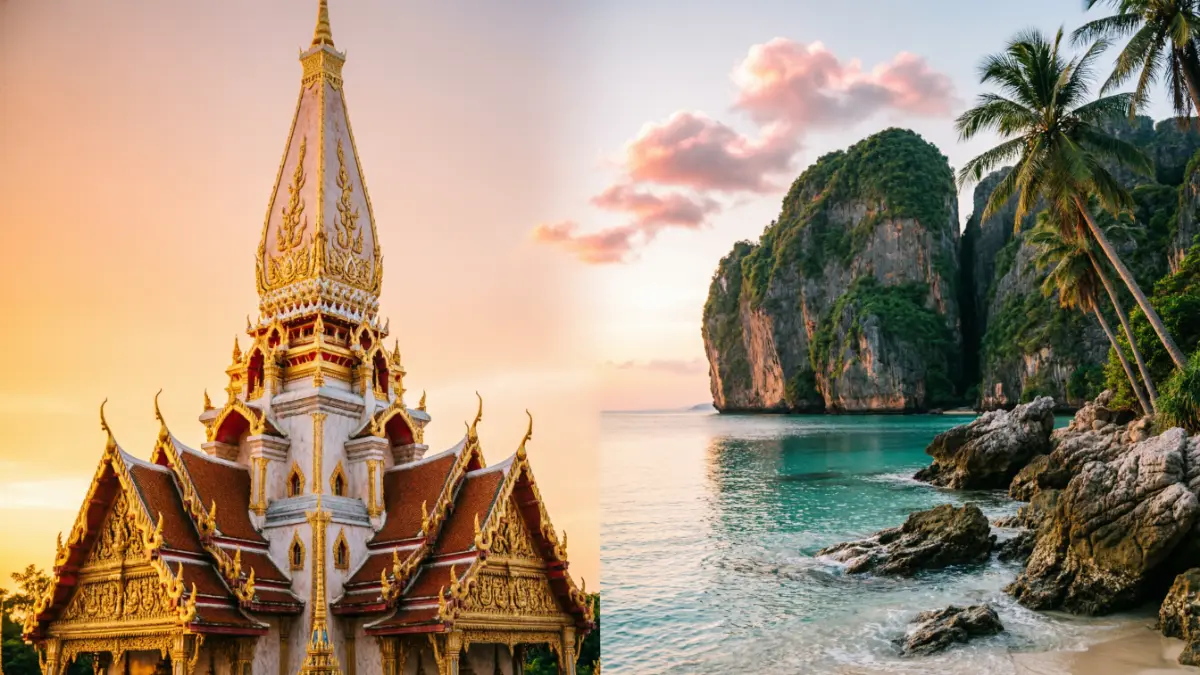
Staring at a map of Thailand with 76 provinces and a two-week vacation budget is overwhelming. Pick wrong, and you spend half your trip in transit instead of on a beach or in a temple courtyard. Pick right, and Thailand delivers golden coastlines, street food worth flying across the world for, and cities that feel both ancient and electric.
This guide breaks down where to go in Thailand by traveler type, season, and budget, using verified 2026 entry and safety information so American travelers can plan with confidence instead of guesswork.
If it’s a honeymoon in Krabi, a solo backpacking loop through the north, or a week split between Bangkok and Phuket, the right itinerary starts with knowing what each region actually offers and what it doesn’t.
Below, every major decision point is covered: top destinations, best travel months, city-versus-city comparisons, budgets, safety, and a ready-to-use one-week itinerary.
Quick Answer:
The best places to go in Thailand are Bangkok for culture and food, Phuket and Krabi for beaches, Chiang Mai for mountains and temples, Koh Samui for laid-back luxury, and Pattaya for nightlife. First-timers should combine one city (Bangkok or Chiang Mai) with one island (Phuket or Koh Samui) for 7–10 days.
Quick Facts Table
| Category | Details |
| Best overall first-timer combo | Bangkok + Phuket or Bangkok + Chiang Mai |
| Best time to visit | November–February (cool, dry season) |
| Main international gateway | Suvarnabhumi Airport (BKK), Bangkok |
| Flight time from US West Coast | 17–20 hours with one stop |
| Currency | Thai Baht (THB) |
| Minimum days recommended | 7 days; 10–14 ideal |
| Entry requirement (2026) | Passport + TDAC (Thailand Digital Arrival Card) |
| US State Dept advisory (2026) | Level 1: Exercise Normal Precautions (most regions) |
Prices, visa rules, and advisory levels change; always confirm current details on travel.state.gov and tdac.immigration.go.th before booking.
Top 10 Places to Visit in Thailand
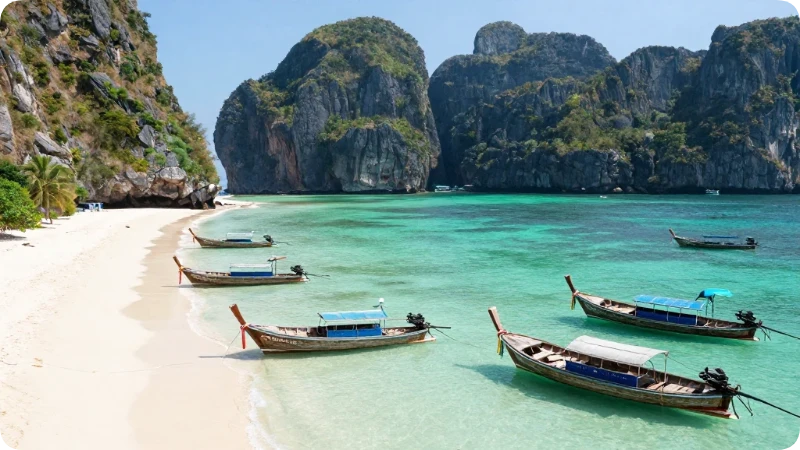
The best regions balance culture, nature, and ease of access. Here’s the shortlist experienced travelers return to again and again.
- Bangkok – temples, markets, rooftop bars, world-class street food
- Phuket – Thailand’s largest island, beaches plus resort infrastructure
- Chiang Mai – mountain temples, night markets, elephant sanctuaries
- Krabi – limestone cliffs, Railay Beach, quieter than Phuket
- Koh Samui – upscale resorts, calmer pace, good for couples
- Koh Phi Phi – iconic viewpoints, boat-trip base, lively but small
- Pattaya – closest beach town to Bangkok, nightlife-heavy
- Ayutthaya – ancient temple ruins, easy day trip from Bangkok
- Chiang Rai – White Temple, Golden Triangle, fewer crowds than Chiang Mai
- Koh Lanta – slower island pace, family-friendly beaches
Each of these appears in nearly every serious Thailand itinerary, but they serve different trip styles matched below by traveler type.
Top 10 Places to Visit in Thailand for First-Timers
First-time visitors do best sticking to two or three well-connected regions rather than island-hopping across the whole country. A realistic first-timer list: Bangkok, Chiang Mai, Phuket, Krabi, Ayutthaya, Koh Phi Phi, Koh Samui, Pattaya, Chiang Rai, and Koh Lanta the same top-10 above, but prioritized for direct flights, English signage, and tourist infrastructure.
A simple first-timer rule: one city + one island, connected by a 90-minute domestic flight, rather than long overland transfers. Bangkok–Phuket and Bangkok–Chiang Mai are the two most popular combinations because both routes have frequent, affordable flights (roughly $30–$70 one-way when booked early).
Where to Go in Thailand for Beaches
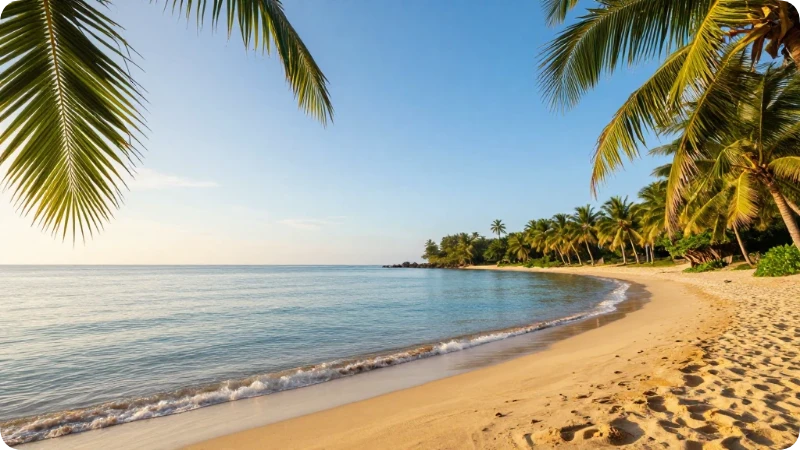
Thailand’s best beaches are split between the Andaman Coast (west) and the Gulf of Thailand (east). Krabi’s Railay Beach and Phi Phi’s Maya Bay offer the limestone-cliff scenery seen in travel photos, while Koh Samui and Koh Phangan on the Gulf side have calmer, warmer water most of the year.
- Best for dramatic scenery: Railay Beach, Krabi
- Best for resort comfort: Phuket’s Kata and Karon beaches
- Best for a quieter island: Koh Lanta
- Best for snorkeling: Koh Phi Phi and the Similan Islands
- Best for parties: Koh Phangan (Full Moon Party) and Patong Beach, Phuket
Andaman Coast beaches close some boat routes during the May–October monsoon; Gulf Coast beaches stay calmer into November.
Where to Go in Thailand for Couples
Couples generally do best avoiding the loudest party zones. Koh Samui, Krabi, and Koh Yao Noi (a quiet island between Phuket and Krabi) offer boutique resorts, private beaches, and sunset dinners without the noise of Patong Beach.
For a city-plus-beach honeymoon combo, pair Chiang Mai (spa retreats, lantern-lit temples) with Koh Samui (private pool villas). Both have direct flights from Bangkok, keeping transit time low and romance-per-day high.
Where to Go in Thailand, Bangkok
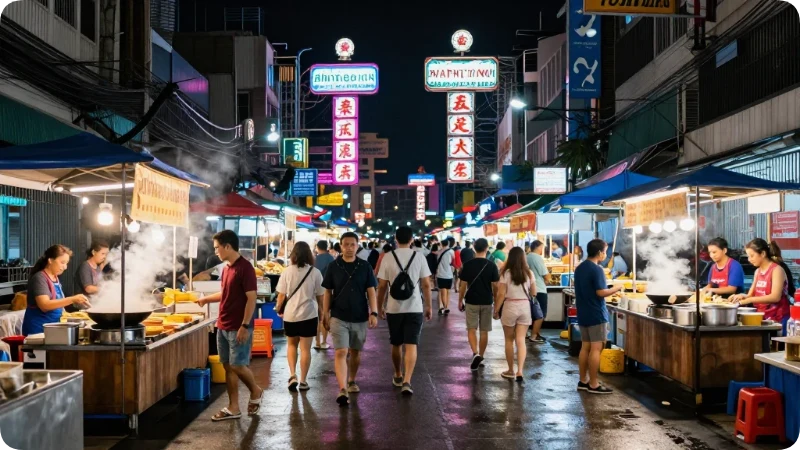
Bangkok isn’t one destination; it’s several neighborhoods with very different personalities, and picking the right base area matters as much as picking the right city.
- Sukhumvit: modern hotels, malls, nightlife, best for first-timers wanting convenience
- Old City (Rattanakosin): Grand Palace, Wat Pho, Wat Arun Bangkok’s temple core
- Chinatown (Yaowarat): legendary street food, especially at night
- Riverside: luxury hotels along the Chao Phraya River, sunset boat cruises
- Ari: trendy cafés and local life, fewer tourists
Most visitors base themselves in Sukhumvit or Riverside and day-trip into the Old City and Chinatown using the BTS Skytrain, MRT subway, or river ferries. Bangkok’s traffic makes taxis the slowest option for cross-city trips.
Is Phuket or Bangkok Better?
They’re not really competitors; they’re complements. Bangkok wins for culture, food diversity, nightlife variety, and shopping; Phuket wins for beaches, water sports, and resort relaxation. Most well-planned Thailand trips include both rather than choosing one.
| Factor | Bangkok | Phuket |
| Best for | City culture, food, temples | Beaches, resorts, island-hopping |
| Pace | Fast, energetic | Slower, resort-paced |
| Nightlife | Diverse (rooftop bars to clubs) | Beach-club and Patong-focused |
| Ideal stay length | 3–4 days | 4–5 days |
| Getting around | BTS/MRT, taxis, boats | Rental scooter, taxi, songthaew |
If forced to choose only one for a short trip, Bangkok offers more variety per day; Phuket offers more relaxation per day.
Is Phuket or Pattaya Better?
Phuket has better beaches, clearer water, and a wider range of hotels, from backpacker hostels to five-star resorts. Pattaya is closer to Bangkok (about two hours by road versus a flight to Phuket) and has a more concentrated, adult-oriented nightlife scene.
Families and beach-focused travelers generally prefer Phuket; travelers on a tight schedule who want a quick beach escape from Bangkok, or who prioritize nightlife over scenery, lean toward Pattaya.
What Is Cheaper, Pattaya or Phuket?
Pattaya is typically 15–25% cheaper than Phuket for hotels, food, and drinks, largely because it isn’t a flight destination and competes harder for domestic and short-haul visitors. Phuket’s prices rise further during high season (December–February) when island demand peaks.
Budget travelers doing Thailand on a shoestring often base in Pattaya for a beach stop, saving the splurge budget for Phuket or Krabi later in the trip.
Which Is Cheaper, Phuket or Bangkok?
Bangkok is cheaper overall. City street food, public transit, and budget guesthouses in Bangkok can run $25–$40 per day, while Phuket’s resort-driven pricing, beach-adjacent hotels, and higher-cost imported goods typically push daily budgets to $50–$90, especially in peak season.
Bangkok’s affordability comes from scale and competition; with thousands of restaurants and hotel options, prices stay competitive even for mid-range travelers.
Is Chiang Mai or Bangkok Better?
Bangkok delivers energy, iconic landmarks, and food variety; Chiang Mai delivers a slower pace, mountain scenery, and a strong arts-and-wellness culture. Chiang Mai is also noticeably cheaper and less crowded, making it popular with digital nomads and repeat visitors.
First-time travelers with limited time often pick Bangkok for its unmatched name recognition and connectivity; travelers who’ve already “done” Bangkok, or who prefer nature and slower mornings, tend to prefer Chiang Mai.
Places to Visit in Thailand: Nightlife
Thailand’s nightlife ranges from rooftop cocktail bars to backpacker beach parties to adult-entertainment districts, and it’s worth knowing the difference before booking a hotel nearby.
- Bangkok: Sky Bar and Above Eleven for rooftop views; Khao San Road for backpacker energy; Sukhumvit Soi for late-night clubs
- Pattaya: Walking Street is the city’s main nightlife strip, known for its dense concentration of bars and adult entertainment venues, often nicknamed the “dark side” by travelers for its more intense, less family-friendly atmosphere compared to Pattaya’s daytime beach scene
- Phuket: Bangla Road in Patong is Phuket’s equivalent nightlife strip, with bars, street performers, and clubs concentrated in a few blocks
- Koh Phangan: the Full Moon Party, held monthly on Haad Rin beach
Travelers who prefer a quieter evening should book hotels away from these specific streets rather than avoiding the cities entirely; each destination has calmer areas within a short taxi ride.
Is 7 Days Enough in Thailand?
Yes, 7 days is enough for a focused trip, but not enough to see the whole country. A week works well for one city plus one beach destination; for example, 3 days in Bangkok and 4 days in Phuket or Krabi. Trying to fit in three or more regions in 7 days usually means more time in transit than at the destinations themselves.
For a fuller experience covering both north and south, 10–14 days is the sweet spot most travel agents and repeat visitors recommend.
Is 7 Days in Phuket Too Much?
Not for most travelers, especially first-timers or those combining relaxation with day trips. Seven days in Phuket allows time for the main beaches (Patong, Kata, Karon), a Phi Phi Islands boat tour, a Phang Nga Bay excursion, and rest days without feeling rushed.
Travelers who prefer variety over relaxation may find 4–5 days sufficient in Phuket, using the extra days to add Krabi or Koh Samui instead.
How Many Days in Thailand Is Enough?
| Trip Length | Realistic Coverage |
| 5–6 days | One region only (Bangkok or Phuket) |
| 7–9 days | One city + one beach destination |
| 10–14 days | City + beach + one additional region (e.g., Chiang Mai) |
| 3+ weeks | Full north-to-south loop |
As a rule, budget at least 3 full days per region to account for arrival, rest, and one “wildcard” day for weather or spontaneous plans.
Sample Itinerary: Where to Go in Thailand for a Week
Days 1–3: Bangkok
- Day 1: Arrive, rest, evening at Chinatown for street food
- Day 2: Grand Palace, Wat Pho, Wat Arun sunset boat ride
- Day 3: Chatuchak Market (weekends) or Jim Thompson House, then fly to Phuket
Days 4–7: Phuket
- Day 4: Settle in, relax at Kata or Karon Beach
- Day 5: Phi Phi Islands day trip (Maya Bay, snorkeling)
- Day 6: Phang Nga Bay tour or Big Buddha and Old Phuket Town
- Day 7: Free morning, departure
This route covers Thailand’s two most requested experiences: city culture and island beaches, without excessive travel days.
Where to Go in Thailand for Beaches vs. Cities: How to Decide
If forced to choose one type of trip, ask three questions: Is this a relaxation trip or an exploration trip? Is the budget tighter for hotels or for activities? Is a direct flight into a beach airport (Phuket, Krabi, Koh Samui) available from the arrival city? Answering these usually points clearly toward a beach-first or city-first itinerary.
Best Time to Visit Thailand: Seasonal Comparison Table
| Season | Months | Weather | Pros | Cons |
| Cool/Dry (Peak) | Nov–Feb | Mild, low humidity | Best weather, all activities open | Highest prices, biggest crowds |
| Hot | Mar–Jun | Very hot, humid | Fewer crowds, lower prices | Uncomfortable midday heat |
| Rainy/Monsoon | Jul–Oct | Frequent showers, humid | Lowest prices, lush scenery | Some boat trips canceled, flooding risk |
Which Month Is Better for Thailand?
December and January are generally considered the best months: cool temperatures, minimal rain, and calm seas on both coasts. These are also the most expensive and crowded months, so travelers who can shift to November or February get nearly identical weather at lower prices.
Which Month Not to Visit Phuket?
September and October are the months to avoid in Phuket. This is peak monsoon season on the Andaman Coast, bringing the heaviest rainfall, rougher seas, and the highest likelihood of canceled boat tours to Phi Phi or Phang Nga Bay.
What Is the Hottest Month in Thailand?
April is Thailand’s hottest month nationwide, with Bangkok regularly exceeding 95°F (35°C) and high humidity making it feel hotter. It’s also when Songkran (Thai New Year, the water festival) takes place, which many travelers use to cool off during the heat.
What Is the Hottest Month in Phuket?
April is also Phuket’s hottest month, though ocean breezes make coastal heat slightly more bearable than inland Bangkok. Water temperatures stay warm year-round, so swimming remains comfortable even in the hottest weeks.
What Is the Cheapest Month to Fly to Thailand?
May and September tend to have the lowest US-to-Thailand airfares, as they fall in the shoulder/low season between peak winter demand and major holidays. Booking 2–3 months ahead for these months typically yields the best fares from major US gateways like Los Angeles, San Francisco, and New York.
When’s the Worst Time to Go to Thailand?
Late September into October is widely considered the least favorable window; it combines peak monsoon rainfall with rough Andaman Sea conditions, making it a poor choice for beach-focused trips to Phuket, Krabi, or Phi Phi. Bangkok and Chiang Mai are less affected and remain reasonable options even during this period.
Which Month Is Less Crowded in Thailand?
May, June, and September see the fewest tourists nationwide, since they fall outside both the cool-season peak and major holiday periods. Shoulder months like November and February offer a middle ground: good weather with noticeably smaller crowds than December–January.
Is Thailand Affected by the Iran War?
No Thailand has not been directly affected by conflicts involving Iran. Thailand is more than 3,700 miles from Iran, has no shared border or direct military involvement, and Middle East tensions have not disrupted flights, safety conditions, or tourism operations within the country. The U.S. Embassy’s general “Worldwide Caution” notices reference heightened alertness for Americans traveling in or near the Middle East specifically, not Southeast Asia.
Is Thailand Close to Iran?
No. Thailand and Iran are roughly 3,700–4,000 miles apart, separated by the Indian subcontinent and the Arabian Sea. They’re in entirely different regions: Iran is in the Middle East, while Thailand is in Southeast Asia, and share no meaningful geographic, political, or transit connection that would affect a US traveler’s trip.
Is It Safe to Go to Thailand Right Now?
Yes, for the vast majority of tourist destinations. As of mid-2026, the <cite index=”9-1″>US State Department raised Thailand’s overall travel advisory to Level 1, its lowest and safest category</cite>, <cite index=”9-1″>explicitly including Bangkok, Chiang Mai, Phuket, and Pattaya</cite>. The main exceptions are the Thai-Cambodian border area and the far-southern provinces of Yala, Pattani, and Narathiwat, which remain at a higher caution level due to <cite index=”7-1″>risk of armed conflict and unrest</cite>, regions that fall well outside standard tourist itineraries.
Always check the current advisory at travel.state.gov before departure, since conditions can shift.
Where Not to Go in Thailand Right Now?
Based on current 2026 guidance, avoid non-essential travel within 50km of the Thai-Cambodian border, and exercise added caution in the deep-southern provinces of Yala, Pattani, and Narathiwat. <cite index=”10-1″>US citizens traveling to these areas are advised to have an evacuation plan that doesn’t rely on the US government for assistance</cite>, since <cite index=”7-1″>the government has limited ability to provide emergency services there</cite>. None of Thailand’s major tourist hubs Bangkok, Phuket, Chiang Mai, Krabi, or Koh Samui is within these zones.
Why Is Thailand on the No-Travel List?
Thailand as a whole is not on a “no-travel” list. Only specific border regions carry elevated advisories, while the rest of the country, including every major tourist destination, sits at the safest advisory tier. Confusion often comes from headlines about the border provinces being applied incorrectly to the entire country.
When to Not Go to Thailand?
Beyond safety, the least ideal timing to visit is late September through mid-October, due to peak monsoon rain and rough seas on the Andaman Coast. There’s no month when Thailand is unsafe to visit overall; this is purely a weather and comfort consideration, not a security one.
What Is the Biggest Problem in Thailand Today?
Tourism officials and travel advisories most frequently cite traffic-related accidents (especially involving scooters), petty theft and scams targeting tourists, and strict drug enforcement as the practical issues visitors are most likely to encounter. <cite index=”7-1″>A 2026 customs law change also increased penalties for cannabis-related offenses, with importing, exporting, or attempting to bypass regulations now punishable by up to 10 years in prison or a fine of up to 500,000 baht (about $15,000)</cite>, a significant shift travelers should be aware of given cannabis’s recent quasi-legal status in Thailand.
How to Get There: Which Airport Is Best to Fly Into Thailand?
Suvarnabhumi Airport (BKK) in Bangkok is the best choice for most US travelers; the country’s main international hub with the most direct and connecting flight options from the US. Travelers heading straight to the islands can also consider:
- Phuket International Airport (HKT) – best for direct beach arrivals, some seasonal direct flights from the US
- Don Mueang Airport (DMK) – Bangkok’s secondary airport, mainly for budget domestic flights
- Chiang Mai International Airport (CNX) – best if starting in the north
Most itineraries fly into BKK, spend a few days in Bangkok, then take a short 60–90 minute domestic flight to a beach destination.
Which Airline Is Best to Travel to Thailand?
For direct or near-direct US routes, Thai Airways, EVA Air, Cathay Pacific, and Singapore Airlines are consistently rated among the most reliable for Bangkok connections, typically routing through Taipei, Hong Kong, or Singapore. Within Thailand, Thai AirAsia, Nok Air, and Bangkok Airways handle most domestic hops to Phuket, Chiang Mai, and Koh Samui at low cost.
How Long Is a Flight to Phuket, Thailand?
There is no direct nonstop flight from the US to Phuket. Most US travelers fly into Bangkok (17–20 hours from the West Coast, longer from the East Coast) and then connect via a 90-minute domestic flight to Phuket, or a longer connection through hubs like Hong Kong, Singapore, or Taipei with a similar final domestic leg.
How Much Is a Taxi from Bangkok to Phuket?
A taxi isn’t a practical option; the drive is roughly 850km (about 12–14 hours) and would cost several hundred dollars, far more than flying. Nearly all travelers instead take a 90-minute domestic flight (often $30–$70 when booked in advance) or, for a scenic but long budget option, an overnight bus or train followed by a ferry (roughly 12–15 hours total).
Budget Breakdown: How Much Money Do I Need Per Day in Phuket?
| Travel Style | Daily Budget (USD) | Includes |
| Backpacker | $35–$50 | Hostel dorm, street food, local transport |
| Mid-range | $70–$120 | 3-star hotel, restaurant meals, some tours |
| Luxury | $200+ | Resort, private transfers, fine dining |
Phuket runs noticeably higher than Bangkok or Chiang Mai due to its resort-driven economy, especially during December–February peak season.
Is 1 Lakh Enough for a Thailand Trip?
Yes, 1 lakh INR (roughly $1,150–$1,200 USD) is generally enough for a mid-range 6–7 day Thailand trip covering accommodation, food, local transport, and a few activities, not including round-trip international airfare. Budget travelers can stretch this further by choosing hostels, street food, and free temple visits; travelers wanting resort stays or multiple-day tours should budget higher.
What Is Famous in Phuket to Buy?
Popular Phuket souvenirs include cashew nuts (grown locally and sold in flavored packs), handmade beachwear and sarongs, Thai silk products, local pearls from Phuket’s pearl farms, and spice and curry paste kits from local markets. The Weekend Market (Naka Market) and Chillva Market are popular spots for local goods over tourist-trap pricing.
Culture & Etiquette
Thailand is a Buddhist-majority country where respect for the monarchy, monks, and temples is taken seriously. A few essentials:
- Dress modestly at temples; shoulders and knees covered
- Never touch anyone’s head or point feet at people or Buddha images
- Remove shoes before entering homes and most temples
- The wai greeting (palms together, slight bow) is the standard hello
- Avoid public criticism of the monarchy; it’s a criminal offense in Thailand
Common Mistakes and How to Fix Them
- Overpacking the itinerary: going to see 4+ regions in a week leaves little time to actually enjoy any of them. Fix: pick two regions max for a 7–10 day trip.
- Booking peak-season Phuket without comparing Krabi or Koh Lanta often pricier for similar or better beaches. Fix: compare 2–3 island options before locking in dates.
- Skipping travel insurance: medical evacuation costs can exceed $100,000. Fix: buy a policy covering medical evacuation and trip interruption before departure.
Underrated alternatives: Koh Lanta over Phuket for quieter beaches, Chiang Rai over Chiang Mai for fewer crowds, and Hua Hin over Pattaya for a calmer beach town closer to Bangkok.
FAQs
Is Thailand worth visiting in 2026?
Yes. With the US advisory now at its safest Level 1 rating for major destinations, competitive flight prices, and Thailand’s mix of culture, food, and beaches, it remains one of the best value international trips for US travelers.
What’s overrated in Thailand?
Patong Beach in Phuket is often considered overrated for its scenery compared to quieter beaches like Railay or Koh Lanta; it’s better known for nightlife than natural beauty.
What’s underrated in Thailand?
Chiang Rai, Koh Lanta, and Ayutthaya are consistently underrated compared to their more famous neighbors (Chiang Mai, Phuket, and Bangkok respectively), often offering similar experiences with far fewer crowds.
Do I need a visa to visit Thailand from the US?
Most US tourists can enter visa-free for stays up to 60 days as of 2026, but a TDAC (Thailand Digital Arrival Card) is required before arrival. Always confirm current entry rules on the official Thai immigration site before booking.
Is Thailand family-friendly?
Yes. Destinations like Koh Samui, Krabi, and Chiang Mai are considered particularly family-friendly, with calmer beaches, wildlife sanctuaries, and cultural activities suited to children.
Is Thailand good for solo travelers?
Yes, it is one of Southeast Asia’s most solo-friendly countries, with a well-established backpacker infrastructure, hostels with social common areas, and organized tours that make it easy to meet other travelers.
How much does a typical Thailand trip cost from the US?
A 7-day mid-range trip, including round-trip flights, typically runs $1,800–$2,800 per person from the US, depending on the season and originating city, with airfare usually the highest single cost.
Conclusion
Thailand rewards travelers who match the destination to the trip they actually want: Bangkok and Chiang Mai for culture and food, Phuket and Krabi for beaches, and a smart mix of both for a well-rounded first visit.
Current 2026 safety data confirms the country’s major tourist regions remain among the safest in Southeast Asia, with only isolated border areas carrying added caution.
Start with a clear priority ty relaxation and exploration,tion then build the itinerary around it rather than trying to see everything at once. However the trip is shaped, confirm current entry requirements, advisory levels, and weather forecasts close to departure, since these details shift throughout the year.
However Thailand fits into the next trip, one thing holds year after year: it remains one of the most rewarding, accessible international destinations available to US travelers today.

Maya Lin inspires travelers to explore the globe with absolute confidence and independence. Armed with a background in digital media and a decade of independent solo travel experience, she knows exactly how to navigate unfamiliar cities smoothly and safely. For Travelmarse, Maya curates the solo travel and hidden-gem verticals. She reviews charming boutique hotels, designs smart neighborhood walking routes, and shares practical language-learning hacks, giving readers the exact tools they need to travel solo without the stress.