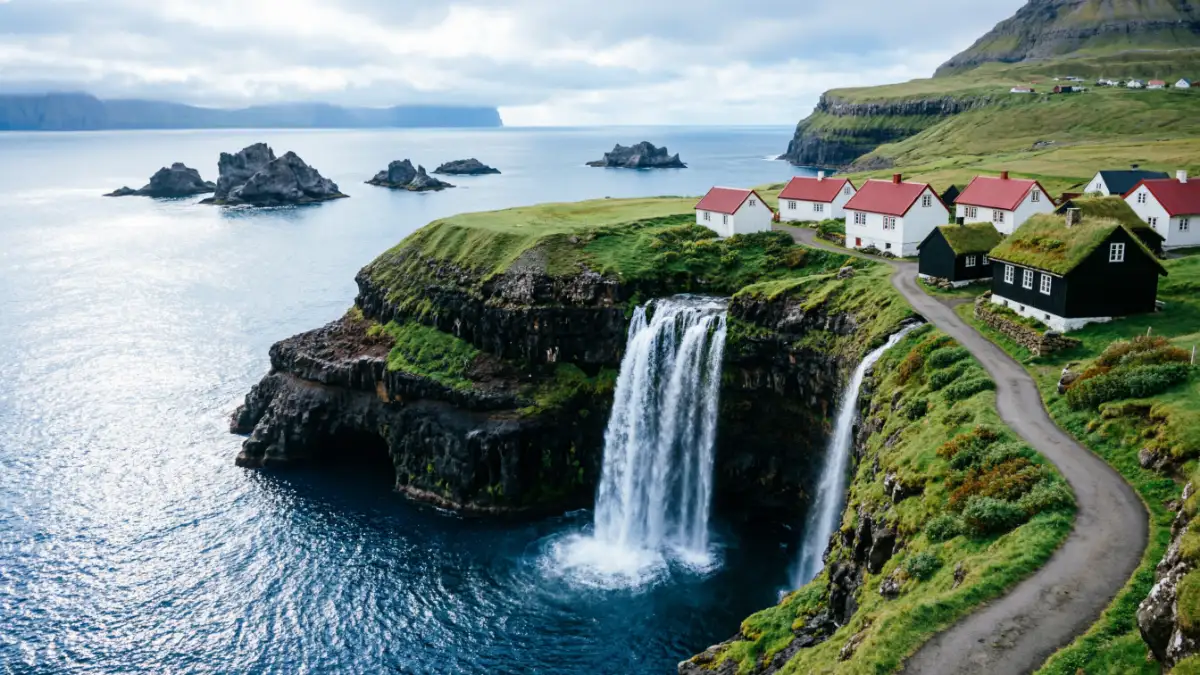
Travel to the Faroe Islands and you step into a place that feels genuinely unlike anywhere else on Earth 18 volcanic islands stacked between Norway and Iceland, wrapped in Atlantic fog, and almost entirely untouched by mass tourism.
For American travelers tired of overcrowded bucket-list destinations, this North Atlantic archipelago offers something rare: dramatic scenery, authentic culture, and the kind of quiet that reminds you why you started traveling in the first place.
Getting here from the US takes planning, but the payoff is extraordinary.
This guide covers everything flights, visas, the best time to go, where to stay, what to eat, how much to budget, and the insider tips that most travel sites skip.
If you’re planning a 5-day adventure or a two-week deep dive, this guide will get you there prepared and excited.
Quick Facts: Faroe Islands at a Glance
| Detail | Info |
| Location | North Atlantic, between Norway and Iceland |
| Capital | Tórshavn |
| Language | Faroese, Danish (English widely spoken) |
| Currency | Danish Krone (DKK) |
| Time Zone | WET (UTC+0) / WEST (UTC+1 in summer) |
| Visa Required for US Citizens | No (90-day Schengen-style rule) |
| Electricity | 220V, Type C/K plugs |
| Country Code | +298 |
| Population | ~54,000 |
| Total Islands | 18 (17 inhabited) |
| Official Tourism Site | Visit Faroe Islands (visitfaroeislands.com) |
Best Time to Travel to the Faroe Islands
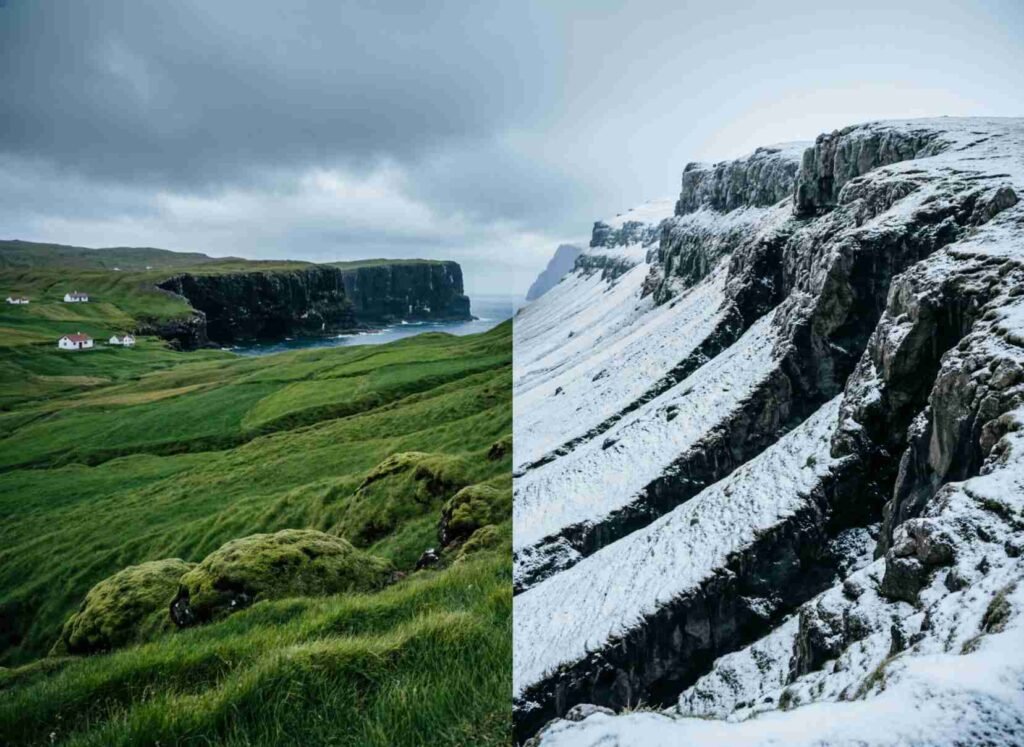
The best time to visit the Faroe Islands for most American travelers is June through August, when days are long, temperatures are mildest, and all roads and hiking trails are fully accessible. July offers up to 19 hours of daylight, making it ideal for hikers and photographers. That said, every season has something to offer.
Seasonal Breakdown
| Season | Months | Avg Temp | Pros | Cons |
| Spring | Apr–May | 6–10°C (43–50°F) | Fewer crowds, blooming landscapes | Unpredictable weather, some trails muddy |
| Summer | Jun–Aug | 10–13°C (50–55°F) | Long daylight, best hiking, all attractions open | Peak prices, more visitors (still uncrowded by global standards) |
| Autumn | Sep–Oct | 8–11°C (46–52°F) | Dramatic light, lower prices, moody skies | Shorter days, some ferry routes reduced |
| Winter | Nov–Mar | 3–6°C (37–43°F) | Northern lights possible, raw beauty | Very short days, rough seas, limited access |
Insider tip: The Faroe Islands are famous for having four seasons in a single day. Packing layers isn’t optional it’s the entire strategy. Even in July, temperatures rarely climb above 15°C (59°F).
How to Get to the Faroe Islands from the USA
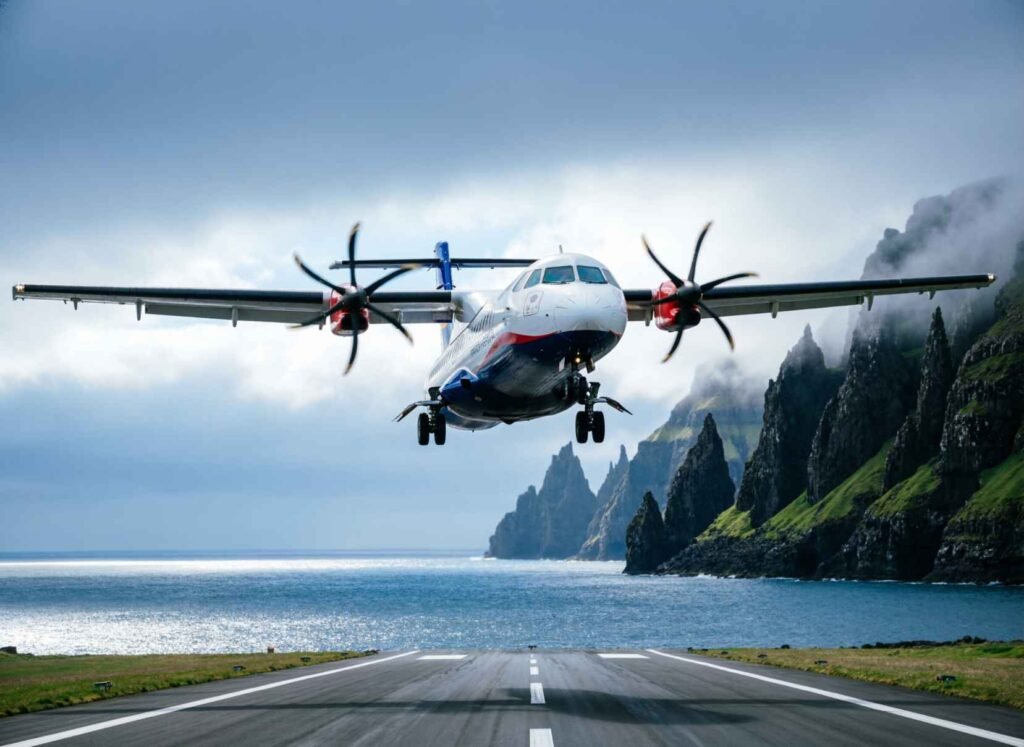
There are no direct flights from the United States to the Faroe Islands. American travelers typically fly into a European hub most commonly Copenhagen, Reykjavik, or London then connect to Vágar Airport (FAE), the islands’ only international airport. The total journey from the US East Coast usually takes 14–18 hours door to door.
Best Connection Routes
Via Copenhagen (CPH) Most Popular Atlantic Airways and SAS both operate routes between Copenhagen and Vágar. Flight time from CPH to FAE is about 2 hours. Most US travelers fly into Copenhagen on SAS, Scandinavian carriers, or major US airlines with European partnerships, then connect.
Via Reykjavik (KEF) This works especially well if you’re combining a Faroe Islands trip with an Iceland visit. Icelandair operates this route with good frequency in summer. KEF to FAE takes roughly 1 hour 45 minutes.
Via London (LHR or LGW) British Airways and Atlantic Airways serve the London–Vágar route. Good for travelers coming from the US on transatlantic fares into London, which often run competitively.
Faroe Islands Ferry Option The Smyril Line operates a weekly car ferry the MS Norröna from Hirtshals, Denmark, via the Faroe Islands to Iceland. The crossing from Denmark to the Faroes takes about 36 hours. It’s a genuine adventure experience, not a practical shortcut.
Money-saving tip: Book US-to-Europe legs separately from your Copenhagen–FAE connection. Booking them together as one itinerary sometimes inflates the price significantly. Compare Atlantic Airways directly (atlanticairways.com) for the final leg.
Visa and Entry Requirements for US Citizens
US passport holders do not need a visa to visit the Faroe Islands for stays up to 90 days. The Faroe Islands are not a member of the EU, but they operate under a passport union with Denmark and participate in a Schengen-equivalent arrangement. Your US passport is all you need.
Important note: The Faroe Islands are NOT part of the Schengen Area. This distinction matters if you’re combining a Faroe Islands trip with other European destinations your Faroe Islands days do not count against your 90-day Schengen allowance. Always verify entry requirements with the Danish Embassy or official Faroese government sources before travel, as policies can change.
Getting Around the Faroe Islands
The Faroe Islands have a surprisingly excellent transport network for their size, including an underwater tunnel system that connects islands that were previously only reachable by ferry. Renting a car is the most flexible option and strongly recommended for first-time visitors.
Transport Options
Rental Car The most popular choice for visitors. Roads are well-maintained and clearly marked, though some mountain roads are single-lane with passing places. Driving on the right side (same as the US). International driving license may be required check with your rental company.
Underwater and Subsea Tunnels The Faroes have made massive infrastructure investments in recent years. The Eysturoyartunnilin, opened in 2020, is the world’s first undersea roundabout and connects the islands of Eysturoy and Streymoy. Several tunnels are toll-free; others require a fee paid via the Faroepass app download it before you go.
Bus (Strandfaraskip Landsins SSL) A public bus network covers most populated areas. It’s cheap and reliable for getting between towns, though schedules can be sparse in rural areas. The Visit Faroe Islands website publishes timetables.
Ferry Services Several islands not connected by tunnel or bridge are still reached by ferry. Routes run regularly in summer but reduce in winter. The ferry between Klaksvík and Svínoy, for example, is the only option for reaching some of the more remote northern islands.
Helicopter Atlantic Airways operates helicopter services to the islands of Mykines, Skúvoy, Froðba, and Svínoy. These are genuinely necessary in bad weather and genuinely thrilling even when it’s calm. Book well in advance, especially for Mykines.
Where to Stay in the Faroe Islands
Accommodation in the Faroe Islands ranges from boutique hotels in Tórshavn to remote farm stays and traditional turf-roofed guesthouses. The islands are small, so staying in the capital, Tórshavn, gives you a reliable base from which most major attractions are within 90 minutes’ drive.
Accommodation Types
Hotels (Mid-Range to Luxury) Hotel Hafnia and Hotel Tórshavn are centrally located options in the capital. The Faroe Islands Hotel and Hilton Garden Inn Faroe Islands (Enniberg) have opened in recent years, raising the standard for international visitors. Expect to pay 1,200–2,500 DKK ($110–$230) per night for a solid mid-range hotel room. Always verify current rates and availability directly.
Guesthouses and B&Bs Far cheaper and far more atmospheric. Family-run guesthouses throughout the islands typically include breakfast and give you genuine access to local life. Rates around 600–900 DKK ($55–$85) per night are common, though this varies. Book ahead in summer.
Glamping and Farm Stays Søstrene Holm on Suðuroy and other agritourism options offer something uniquely Faroese staying close to the land, with sheep literally in the garden. These book out fast; reserve several months in advance.
Camping Wild camping is permitted in the Faroe Islands but comes with strong expectations around Leave No Trace principles. Designated campsites are more reliable. Bring a four-season tent even summer nights get cold and windy.
Budget Breakdown: How Much Does It Cost to Visit the Faroe Islands?
The Faroe Islands are an expensive destination by global standards, comparable to Norway or Iceland. Budget travelers spending carefully can manage on $150–$200 per day, while mid-range travelers typically spend $250–$350 per day. Luxury experiences push well beyond that.
| Expense | Budget | Mid-Range | Splurge |
| Accommodation (per night) | $55–$85 (guesthouse) | $110–$180 (hotel) | $230+ (luxury) |
| Meals (per day) | $40–$60 (self-catering/casual) | $80–$120 (restaurants) | $150+ (fine dining) |
| Car Rental (per day) | $60–$80 (economy) | $90–$120 (SUV) | $140+ (premium) |
| Activities | Many free (hiking) | $50–$100/day | $200+ (guided tours) |
| Tunnel/Ferry Tolls | $5–$20/day | same | same |
Note: All prices are approximate and should be verified at time of booking. Prices change, and exchange rates between USD and DKK fluctuate. The Faroe Islands have no sales tax on most tourist-facing services, which helps offset the high sticker cost.
Money-saving tips:
- Stock up on groceries at Bonus or Miklagarður supermarkets in Tórshavn and Klaksvík. Self-catering cuts your food budget in half.
- Most of the best experiences the hikes, the cliffs, the waterfalls are completely free.
- Shoulder season (May and September) brings lower accommodation rates without dramatically worse weather.
Top Attractions and Things to Do
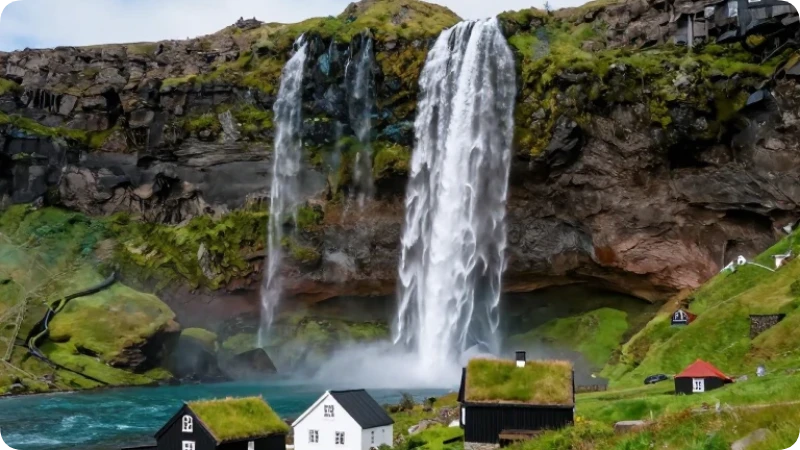
The Faroe Islands’ greatest attractions are almost entirely outdoors dramatic sea cliffs, mountain passes, hidden villages, and a coastline that has to be seen to be believed. Most cost nothing to visit beyond the travel to reach them.
Sørvágsvatn / Trælanípa
This lake appears to float above the ocean a visual trick created by the angle of the clifftop path. The Trælanípa hike offers one of the most photographed views in the North Atlantic. The trail is approximately 5 km (3 miles) round trip and involves some steep, uneven terrain. A small fee applies at the trailhead (verify current amounts locally). Go early morning to avoid crowds and catch the best light.
Gásadalur and Múlafossur Waterfall
The waterfall that cascades directly into the ocean at Gásadalur has become iconic, but the village itself only accessible by road after a tunnel opened in 2004 remains genuinely remote and perfectly preserved. The short walk from the road to the viewpoint takes about 10 minutes. Absolutely worth it.
Kallur Lighthouse, Kalsoy Island
Getting to Kallur requires taking a ferry to Kalsoy, then hiking about 90 minutes along a dramatic ridge path. The lighthouse sits at the tip of the island with sheer cliffs dropping hundreds of meters on both sides. This is arguably the single best hike in the Faroe Islands. Go on a clear day if you can visibility matters enormously here.
Tórshavn Old Town (Tinganes)
Tórshavn is one of the world’s smallest capital cities, and Tinganes its old harbor district is a genuinely charming cluster of red and black turf-roofed buildings that have housed government functions since Viking times. Worth an afternoon of slow wandering, not a rushing visit.
Mykines and the Puffin Colonies
Mykines Island is home to one of the largest Atlantic puffin colonies in the world. Access is by helicopter or ferry (weather-dependent), and visitor numbers are capped to protect the ecosystem. The crossing and walk to the lighthouse involves a dramatic suspension bridge over the ocean. Book your ferry or helicopter ticket months in advance this sells out fast.
Vestmanna Sea Cliffs
Boat tours from Vestmanna take you into sea caves and beneath towering basalt cliffs where thousands of seabirds nest. The cliffs reach over 400 meters in places. This is one of the best wildlife and landscape experiences in the North Atlantic, and the boats get close in ways that would be impossible on foot.
The Village of Gjógv
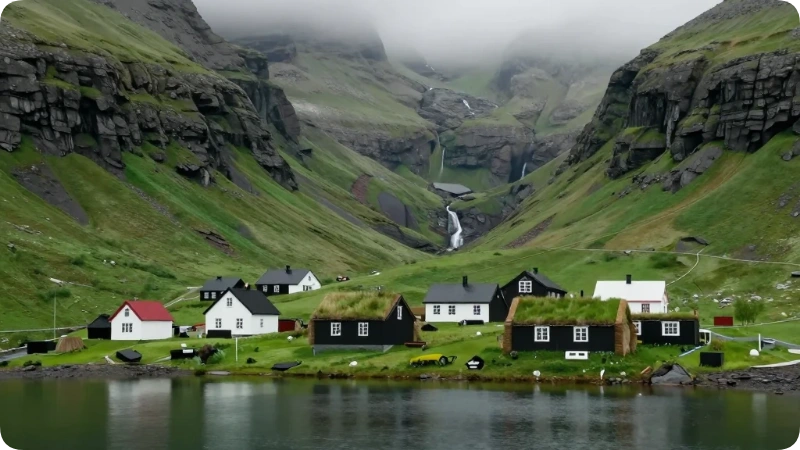
Hidden at the end of a long mountain road on Eysturoy island, Gjógv (pronounced roughly “jog”) sits beside a natural gorge carved by the sea. The village has a guesthouse, a church, and a handful of turf-roofed houses and almost no tourists outside of summer. It’s the Faroe Islands distilled to their essence.
Hidden Gems Most Tourists Miss
Three places worth going out of your way for:
Enniberg Cliffs on the island of Viðoy are among the highest sea cliffs in the world, rising 754 meters from the ocean. They receive a fraction of the visitors that Trælanípa does, partly because the road out there is an adventure in itself. The new Hilton Garden Inn nearby has made the area slightly more accessible, but it’s still genuinely off the beaten path.
Sandavágur is a quiet village on Vágar island with one of the oldest runic inscriptions in the Faroe Islands, carved into a stone near the church. Most visitors drive straight through on their way to Sørvágsvatn. Stop for 20 minutes and you’ll have the place to yourself.
Froðba Hot Tubs (accessible only by helicopter or on foot from Suðuroy) this is the most remote hot spring experience in the Faroes, set against cliffs with ocean views. It requires real effort to reach, which is precisely the point.
Food and Dining in the Faroe Islands
Faroese cuisine has had a genuine renaissance in the past decade, led by chefs who have taken traditional fermentation and preservation techniques and placed them alongside world-class sourced ingredients. Restaurant Koks held two Michelin stars before relocating temporarily to Greenland a signal of how seriously the food world takes Faroese cooking.
What to Eat
Ræst (fermented/wind-dried meat and fish) The most distinctly Faroese food experience. Lamb and fish are air-dried in wooden sheds called hjallur and develop a complex, funky flavor that divides visitors sharply. Try it at least once, preferably with local guidance on what pairs well.
Skerpikjøt Wind-dried mutton, the national food. It’s eaten thinly sliced, often with flatbread. Strong, pungent, and deeply traditional.
Faroese lamb The islands have more sheep than people, and the lamb here is exceptional. Grass-fed, free-range by default, and served in restaurants across the islands. The quality is outstanding.
Klipfiskur (salted dried cod) A staple for centuries, still served in various preparations across the islands.
Where to eat in Tórshavn: ÁARSTOVA, Restaurant Ræst, and the fish market along the harbor are all recommended starting points. Prices are high by American standards for sit-down dining expect $40–$70 per person without drinks at a mid-range restaurant. Verify current pricing and reservations directly.
Culture and Etiquette
Faroese culture is deeply rooted in Norse heritage, fishing, and a strong sense of communal identity that comes from living in one of the world’s most remote societies. A few things to know before you go:
Respect private property on hiking routes. Several of the Faroe Islands’ most popular trails cross farmland, and farmers have occasionally closed paths due to erosion and disrespectful behavior. The Faroese have responded by developing a system of paid, managed trail access follow the rules and pay any required fees.
The Grindadráp (the traditional pilot whale hunt) is a deeply polarizing topic. It has been practiced for over a millennium and is part of the cultural fabric of the islands. Visitors who raise the subject should do so thoughtfully and with genuine curiosity rather than confrontation.
English is widely spoken, especially among younger Faroese. Making any attempt at Faroese even just “Takk” (thank you) is warmly received.
Tipping is not standard practice. Restaurant bills typically include service; an occasional rounding-up is fine, but don’t feel obligated to add 20%.
Safety Tips for US Travelers
The Faroe Islands are exceptionally safe by international standards, with very low crime rates and a well-functioning healthcare system. The primary risks are environmental, not human.
- Weather changes fast. The Faroes have a saying: don’t like the weather? Wait five minutes. Always check the Faroese Meteorological Institute (met.fo) before hiking or taking a boat.
- Cliff edge safety. There are no guardrails on many of the most dramatic viewpoints. Stay well back from edges, especially in wet or windy conditions. Several tragic accidents have occurred involving tourists who got too close.
- Atlantic swell. Coastline hiking can put you in the path of sudden large waves. Wet rocks are extremely slippery.
- Mountain driving. Some roads in the Faroes are one-lane with sharp bends and no barriers. Drive slowly and use the designated passing places.
- Travel insurance. Given the remoteness and the potential cost of medical evacuation, comprehensive travel insurance is strongly recommended for the Faroe Islands. Verify what your policy covers before departure.
Packing List for the Faroe Islands
The Faroe Islands demand functional gear over fashionable gear. Wind and rain are near-constant possibilities even in summer.
- Waterproof outer shell jacket (this is non-negotiable)
- Insulating mid-layer (fleece or down)
- Moisture-wicking base layers
- Waterproof hiking boots with ankle support
- Wool or synthetic hiking socks (bring extras)
- Waterproof trousers
- Gloves and a warm hat (yes, even in July)
- Gaiters (useful for boggy mountain terrain)
- Trekking poles (optional but helpful on steep coastal trails)
- Type C/K plug adapter (US plugs don’t fit)
- Power bank (helpful for long hiking days away from outlets)
- Download the Faroepass app and offline maps before arrival
Common Tourist Mistakes (and How to Avoid Them)
Mistake 1: Underestimating driving times and road conditions. The Faroe Islands look small on a map, but mountain roads, single-lane tunnels, and frequent fog can make a 20-mile journey take an hour. Build buffer time into every day. Fix: Plan for half the sites you think you can see, and you’ll see all of them without stress.
Mistake 2: Not booking Mykines access in advance. This is the most commonly regretted oversight. Ferry and helicopter tickets to Mykines sell out months ahead in summer. Fix: Book Mykines transport the same day you book your flights.
Mistake 3: Skipping Suðuroy because it’s “out of the way.” The southernmost island requires a 2-hour ferry from Tórshavn, which puts most visitors off. But it’s also the least visited and most authentic-feeling island in the group. Fix: Dedicate one day of your trip to the Suðuroy ferry the crossing itself is beautiful and the island rewards the effort.
Sample Itinerary: 7 Days in the Faroe Islands
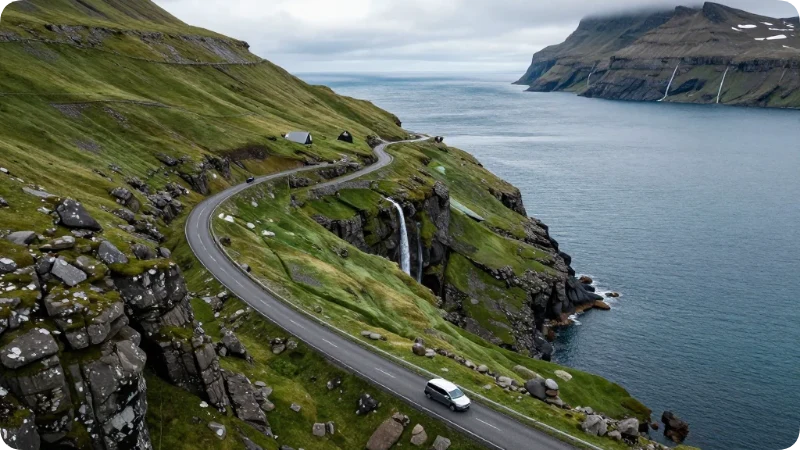
This itinerary is designed for first-time visitors with a rental car, combining the major highlights with genuine off-the-beaten-path moments.
Day 1 Arrival and Tórshavn Arrive at Vágar Airport. Collect rental car. Drive to Tórshavn (45 minutes). Explore Tinganes, the old harbor district. Walk the harbor front. Easy dinner in the capital to recover from travel.
Day 2 Vágar Island Hike to Sørvágsvatn / Trælanípa (half day). Drive to Gásadalur and Múlafossur Waterfall (afternoon). If time allows, check out Bøur village.
Day 3 Eysturoy: Gjógv and the Eastern Villages Drive across the Eysturoyartunnilin tunnel to Eysturoy. Stop at the village of Gjógv. Continue to Eiðis Eiðisvatn lake and the dramatic twin peaks of Eiðiskollur. Return via the scenic north coast road.
Day 4 Streymoy: Vestmanna Boat Tour Morning boat tour of the Vestmanna Sea Cliffs (2–3 hours). Afternoon visit to Kirkjubøur, the ancient ecclesiastical capital, with its 14th-century cathedral ruins.
Day 5 Kalsoy: Kallur Lighthouse Hike Take the early ferry to Kalsoy from Klaksvík. Hike to Kallur Lighthouse (3–4 hours round trip). Return ferry. Overnight in Klaksvík.
Day 6 Mykines Take the morning ferry or helicopter to Mykines. Walk to the puffin colonies and the lighthouse suspension bridge. Return in the afternoon. Spend the evening in Tórshavn.
Day 7 Departure Return rental car. Depart from Vágar Airport.
Responsible Travel in the Faroe Islands
The Faroe Islands launched the “Closed for Maintenance, Open for Volunteers” initiative in 2019 one of the most creative responsible tourism programs in the world. Each spring, the islands close to tourists for a weekend while locals and vetted volunteers perform trail maintenance, erosion control, and conservation work. Applications for volunteer spots open annually and are worth pursuing.
Beyond that, the basics matter: stay on marked trails, pay all trail access fees, pack out everything you pack in, and don’t approach nesting seabirds especially on Mykines. The islands’ ecosystem is genuinely fragile, and the Faroese are watching carefully how tourism growth affects it.
Is the Faroe Islands Worth It for American Travelers?
Yes emphatically, for the right traveler. The Faroe Islands demand effort: expensive flights, long travel days, high daily costs, and weather that doesn’t cooperate on command. In return, you get some of the most dramatic landscape in the Northern Hemisphere, genuine cultural authenticity, almost no crowds, and the particular satisfaction of having reached somewhere that most people only see in Instagram photos.
Who should go: Hikers, photographers, nature travelers, anyone looking to get off the tourist circuit, couples seeking a unique adventure, and travelers who’ve already done Iceland and want something rawer and more remote.
Who might reconsider: Budget-focused travelers with limited time, anyone who needs warm sunny weather to enjoy a destination, or families with very young children (the terrain is demanding).
How long do you need? A minimum of 5 days is necessary to see the main highlights. Seven to ten days lets you explore more deeply and absorb the pace of the islands. Two weeks is not too long.
What’s overrated? The Lake Sørvágsvatn photo has been replicated so many times that the hike now draws a queue on clear summer days. It’s still worth doing, but go early.
What’s underrated? Suðuroy. Almost every first-time visitor skips it, which means you’ll have it largely to yourself.
FAQs
Do I need a visa to visit the Faroe Islands from the USA?
No. US passport holders can visit the Faroe Islands visa-free for up to 90 days. The Faroe Islands are not part of the European Union or the Schengen Area, so your days there don’t count against your Schengen allowance. Always verify entry requirements with official sources before travel, as policies can change.
How do I get from the US to the Faroe Islands?
There are no direct flights from the USA to the Faroe Islands. You’ll need to connect through a European hub most commonly Copenhagen, Reykjavik, or London before catching a connecting flight to Vágar Airport (FAE). Total journey time from the US East Coast is typically 14–18 hours.
What is the weather like in the Faroe Islands?
The Faroe Islands have a subarctic maritime climate with mild, wet, and windy conditions year-round. Summer (June–August) is the warmest season, with temperatures between 10–13°C (50–55°F). Rain is possible any day of the year. Four seasons in a single day is a cliché that also happens to be accurate. Pack waterproofs regardless of when you visit.
Is the Faroe Islands expensive for Americans?
Yes. The Faroe Islands are comparable in cost to Norway or Iceland. Budget travelers can manage on $150–$200 per day with careful planning (self-catering, guesthouses). Most mid-range visitors spend $250–$350 per day. Hiking and most natural attractions are free, which helps.
What language do people speak in the Faroe Islands?
Faroese (a North Germanic language closely related to Icelandic and Old Norse) and Danish are the official languages. English is widely spoken, particularly among younger people and in tourism-facing businesses. You won’t need Faroese to get around, but a few words go a long way toward making a good impression.
Can I rent a car in the Faroe Islands with a US license?
US driver’s licenses are generally accepted for short-term rental in the Faroe Islands, but some rental companies may require an International Driving Permit (IDP). Confirm with your specific rental company before travel. Roads are well-maintained, and driving is on the right side same as the US.
When is the best time to see puffins in the Faroe Islands?
Atlantic puffins are present in the Faroe Islands from approximately April through August, with peak numbers in June and July. Mykines Island has the most accessible and largest colony. Book your ferry or helicopter to Mykines months in advance it sells out quickly in summer.
Final Thoughts
The Faroe Islands reward travelers who do the work. Book early, pack right, plan for weather, and go with an open schedule the islands routinely rearrange plans through fog, wind, and cancelled ferries, and the best response is to sit down with a cup of coffee in a harbor café and wait for the clouds to lift.
Three things to take away: this destination requires planning but offers a payoff that few places on Earth can match; the combination of extreme landscape and genuine cultural warmth is unlike anywhere else in the North Atlantic; and the Faroe Islands are still relatively undiscovered by American travelers, which makes right now an exceptional time to go.
Start with the Visit Faroe Islands official tourism website (visitfaroeislands.com) for the most up-to-date trail access information, ferry schedules, and accommodation listings. Prices, hours, visa rules, and policies are all subject to change always verify before you book.
The Atlantic fog is waiting. So are the puffins.

Ben Fogle believes that true adventure begins where the pavement ends. After spending years documenting extreme environments, rowing across oceans, and trekking through frozen landscapes, he mastered the art of wilderness travel. For Travelmarse, Ben constructs highly detailed guides on deep-nature packing lists, wildlife safety, and sustainable eco-tourism. He breaks down intimidating, rugged expeditions into clear, step-by-step roadmaps so everyday travelers can safely connect with the natural world.