Feature Snippet:
Travel memoirs are first person narratives that blend personal experience with a specific place, time, or journey. They differ from travel guides by focusing on emotional truth alongside practical observation.
The best travel memoirs transform a personal trip into a universal story capturing not just where someone went, but who they became along the way.
What Makes a Great Travel Memoir (And Why They Matter)

Some trips change you. Not because of the hotel you stayed in or the flight you booked, but because of the moment a stranger handed you food you couldn’t name, or you stood at a canyon rim and felt genuinely small. That feeling that transformation is what travel memoirs are built from.
Millions of Americans travel every year. They take photos, collect souvenirs, and scroll through memories on their phones. But very few ever sit down and write the story of what happened to them. That’s a loss not just for potential readers, but for the traveler. Writing a travel memoir forces you to understand your own journey in ways that photos never can.
This guide covers everything you need to know about travel memoirs: how to read the best ones, how to write your own, and how to use the process to become a sharper, more intentional traveler. If you just returned from a cross country road trip or you’ve been carrying a story from ten years ago, this article will help you turn it into something worth sharing.
Quick Facts: Travel Memoirs at a Glance
| Feature | Detail |
| Genre | Narrative nonfiction / personal essay |
| Average length | 60,000–90,000 words (book); 1,000–5,000 words (essay) |
| Most popular setting | International travel, road trips, solo adventure |
| Common themes | Identity, loss, freedom, cultural discovery, healing |
| Best known American examples | Wild, Eat Pray Love, The Art of Travel, A Walk in the Woods |
| Starting point | A single transformative moment, not an entire trip |
The Difference Between a Travel Journal and a Travel Memoir
A travel journal records what happened. A travel memoir explains what it meant.
Many aspiring travel writers confuse the two. A journal entry might say: “Drove through the Smoky Mountains. Stopped at a diner. Weather was clear.” A memoir version of the same day asks deeper questions. Why did that diner feel so familiar? What were you running from or toward when you pointed the car south? What did the mountains reflect back to you that morning?
Travel memoirs in America have a long tradition of doing exactly this kind of reflective work. Bill Bryson’s A Walk in the Woods follows the Appalachian Trail through Georgia, North Carolina, Tennessee, Virginia, and beyond but the book is really about middle age, friendship, and the absurdity of modern American life. The trail is the vehicle. The meaning is the destination.
When you sit down to write your own travel memoir, start by identifying the emotional core of your trip. Not the itinerary. The turning point.
The Best American Travel Memoirs Worth Reading Before You Write
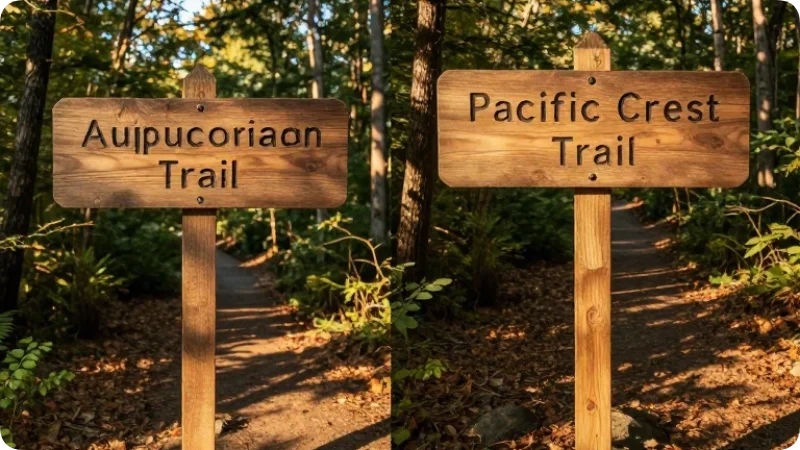
Reading widely in the genre before writing your own is one of the most practical things you can do.
Wild by Cheryl Strayed follows one woman’s solo hike of more than a thousand miles on the Pacific Crest Trail through California and Oregon. It became a cultural phenomenon after its 2012 publication and a major film. What makes it work isn’t the hiking it’s the grief, the recklessness, and the slow rebuilding of a self.
A Walk in the Woods by Bill Bryson takes a funnier, more self deprecating approach to the Appalachian Trail. Bryson grew up in Des Moines, Iowa, returned to America after living in England for years, and decided to hike one of the country’s most iconic long distance trails. The result is both hilarious and genuinely moving.
Blue Highways by William Least Heat Moon is a masterpiece of American road trip writing. After losing his job and his marriage in the same week, the author drove 13,000 miles through small town America on backroads (marked blue on old highway maps). Published in 1982, it remains one of the finest portraits of rural American life ever written.
The Alchemist’s Daughter and similar personal narratives show how even shorter trips a week in New Mexico, a solo drive through Montana can produce genuine memoir material when the emotional stakes are real.
How to Write a Travel Memoir: A Practical Step by Step Guide

Writing a travel memoir doesn’t require a dramatic journey. It requires honesty, detail, and structure. Here’s how to start.
Step 1: Choose one trip, not all of them. The biggest mistake new travel writers make is trying to cover too much. Pick a single journey even a weekend trip and go deep rather than wide.
Step 2: Find the emotional core. Ask yourself: what changed? Something shifted, either in how you saw the world or how you saw yourself. That shift is your story.
Step 3: Start in the middle of the action. Don’t begin with packing your bag or booking your flight. Open with a scene something vivid and specific. The smell of a market in New Orleans. The sound of rain on a tent in Glacier National Park. A conversation with a stranger on a train through Colorado.
Step 4: Braid scene and reflection. The best travel memoirs move between what happened (scene) and what it meant (reflection). Don’t let either run too long without the other.
Step 5: Use place as a character. If you’re writing about Nashville or the Nevada desert, the place itself should feel alive on the page. Research the history. Notice the light. Listen to the locals.
Step 6: Be honest about discomfort. The moments where things went wrong the missed connection in Denver, the week of rain in the Pacific Northwest, the argument in the car are often the most compelling parts of the story.
Step 7: Revise for structure, not just style. A travel memoir needs an arc. The person who leaves should be different from the person who returns. Make sure that change is visible on the page.
The Best Destinations in America for Travel Memoir Material
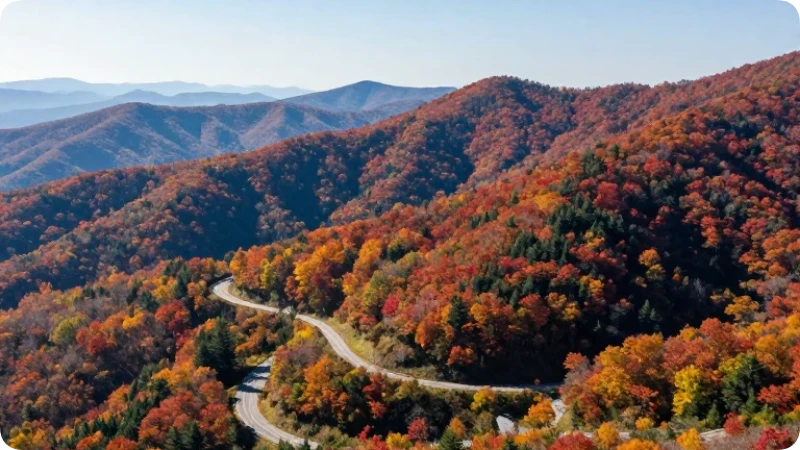
Certain places seem to generate stories by their very nature. These are some of the most memoir rich destinations in the United States.
Appalachian Trail (Georgia to Maine) 2,190 miles through fourteen states, including Georgia, North Carolina, Tennessee, Virginia, West Virginia, Maryland, Pennsylvania, New Jersey, New York, Connecticut, Massachusetts, Vermont, New Hampshire, and Maine. The trail has inspired hundreds of memoirs and personal essays. About 3 million people visit sections of the trail each year, according to the Appalachian Trail Conservancy.
Route 66 (Illinois to California) The original highway of American myth runs 2,448 miles from Chicago to Santa Monica. It passes through Illinois, Missouri, Kansas, Oklahoma, Texas, New Mexico, Arizona, and California. Road tripping Route 66 has generated more published travel writing than almost any other single American journey.
New Orleans, Louisiana Few American cities carry as much cultural, historical, and sensory weight per square mile. The French Quarter, Tremé, and Garden District offer layers of history that reward both travelers and writers. The city’s relationship with loss especially after Hurricane Katrina gives any visit genuine emotional depth.
Alaska’s Denali National Park Six million acres of wilderness with just one road and no cell service for much of the park. Visitors encounter grizzly bears, caribou herds, and views of Denali (the highest peak in North America at 20,310 feet). The isolation alone generates introspection.
The Four Corners Region (Utah, Colorado, Arizona, New Mexico) Monument Valley, Canyon de Chelly, Mesa Verde National Park, and the Colorado Plateau are landscapes that make writers out of people who’ve never written a word. The ancestral Puebloan history here adds context that deepens any journey.
Insider Tips for Writing Travel Memoirs That Actually Get Read
These five tips come from working travel writers and published memoirists not writing textbooks.
Tip 1: Keep a voice memo, not just a notebook. When something moves you in the moment, you talk differently than when you write later. Pull out your phone and record yourself reacting to what you’re seeing. That raw material often contains your best lines.
Tip 2: Write the boring day. Every trip has a day where nothing goes as planned. The car breaks down outside Amarillo. It rains for six straight days in Olympic National Park. Those days reveal character in ways that highlight reels never do.
Tip 3: Interview locals on the record. Ask someone from the place a park ranger, a diner owner, a gas station attendant what they think tourists miss about where they live. Their answers will surprise you and add authentic texture to your narrative.
Tip 4: Don’t wait until you’re home to start writing. Even five minutes of scene setting in a notebook or phone app while you’re still in the place produces sharper details than any memory can recover weeks later.
Tip 5: Read one memoir from the region you’re visiting before you go. Not a guidebook a memoir. It teaches you how other writers have navigated the same landscape and helps you see what’s left to say.
Hidden Gems: Underrated Places for Travel Memoir Inspiration
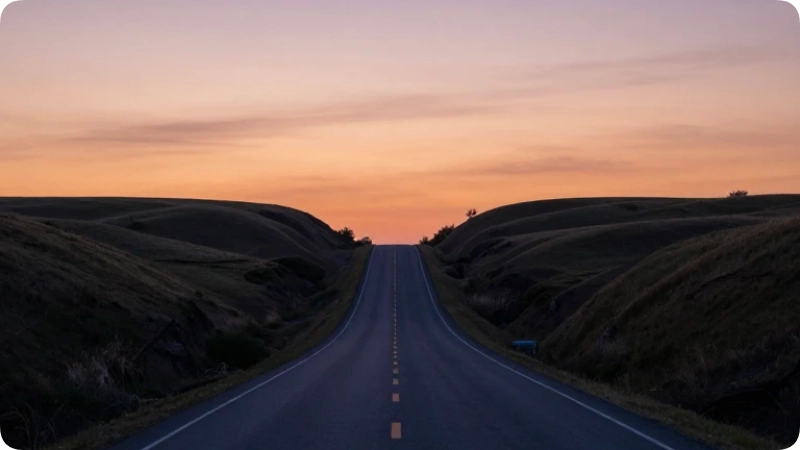
Most travel memoirs about America cluster around the usual suspects New York, California, the Mountain West. These three destinations offer equally rich material with far fewer competing stories already in print.
The Driftless Area (Wisconsin, Minnesota, Iowa, Illinois) This region of unglaciated landscape in the upper Midwest features dramatic bluffs, spring fed trout streams, and small towns that feel genuinely untouched by mainstream American culture. Backroads through Vernon County, Wisconsin, or Allamakee County, Iowa offer landscape and character studies that nobody is writing about yet.
The Natchez Trace Parkway (Mississippi to Tennessee) This 444 mile road follows an ancient trail used by Native Americans, European traders, and Civil War soldiers. The National Park Service maintains it with no commercial development along the corridor, creating a kind of time travel experience that generates powerful writing material.
Marfa, Texas This tiny West Texas town (population roughly 2,000) sits in the high desert Chihuahuan landscape and has become a strange intersection of minimalist art, cowboy culture, and Silicon Valley transplants. Donald Judd’s permanent art installations at the Chinati Foundation give the town a surreal quality that almost writes itself.
Common Mistakes Travel Memoirists Make (And How to Fix Them)
Mistake 1: Writing a trip report instead of a memoir. If your narrative can be summarized as “I went here, then here, then here,” it’s a trip report. Fix this by identifying the emotional question your journey was answering even if you didn’t know it at the time.
Mistake 2: Leaving yourself out of the story. Travel memoirs require vulnerability. If you’re presenting yourself as a camera observing without being affected readers will disengage. Fix this by asking: what did this place make me feel, fear, or question about myself?
Mistake 3: Over explaining the history. Many travel writers drop in so much historical and cultural context that the personal narrative disappears under the research. Fix this by treating historical information the same way a novelist handles exposition: briefly, and only when it serves the story in motion.
Travel Memoir vs. Travel Essay vs. Travel Blog: What’s the Difference?
Understanding the format helps you choose the right vehicle for your story.
A travel memoir is a full length book or substantial narrative (typically 60,000 words or more) built around a single extended journey and focused on personal transformation. Cheryl Strayed’s Wild is a memoir.
A travel essay is a shorter, more focused piece (typically 1,500 to 10,000 words) that captures a single moment, day, or theme from a journey. Many travel essays appear in magazines, literary journals, and anthologies. The Best American Travel Writing series (published annually) is one of the best places to read examples.
A travel blog is an ongoing, web based collection of posts that may include memoir style writing but is generally more conversational, frequently updated, and often tied to practical advice. Blogs can evolve into books several major travel memoirs began as blog posts.
Choose your format based on the scope of your story and where you want it to live.
How Travel Journaling Feeds Better Memoir Writing
The daily practice of travel journaling builds the raw material that memoirs are eventually carved from.
Even five minutes of writing per day during a trip produces a resource that becomes invaluable during the drafting stage. The sensory details you capture in real time the particular green of the water in the Boundary Waters Canoe Area Wilderness in Minnesota, the exact way the light hits the red rock of Sedona at 6 a.m. are details that memory will soften and blur within weeks.
Consider keeping a structured journal that captures three things each day: one image (something you actually saw, described precisely), one conversation (even a fragment), and one feeling (named honestly). This three part entry takes less than ten minutes and becomes the backbone of richer writing later.
National parks and long distance trails are particularly good environments for journaling because the absence of screens and distractions creates the conditions where genuine observation becomes possible.
Reading Travel Memoirs as a Traveler: What to Look For
Reading travel memoirs while planning a trip or after returning from one changes how you experience both the place and the book.
Before a trip, reading a memoir set in your destination helps you notice things a guidebook would never mention. Tony Horwitz’s Confederates in the Attic, set largely across Civil War sites in the American South, transforms a drive through Virginia or Tennessee from a scenic route into a meditation on historical memory. Rebecca Solnit’s A Field Guide to Getting Lost, while not strictly a travel memoir, illuminates the American West in ways that change how you see it from a highway.
After a trip, reading a memoir set in the same place creates a conversation between your experience and someone else’s. You’ll find yourself arguing with the author, adding details they missed, and recognizing moments from your own journey in their pages.
Either way, reading travel memoirs makes you a more observant traveler.
Sample Weekend Writing Retreat Itinerary: Blue Ridge Parkway, Virginia and North Carolina
This two day itinerary combines travel with writing practice, using one of America’s most scenic drives as the setting.
Day 1: Drive the northern section of the Blue Ridge Parkway, entering near Waynesboro, Virginia, and heading south toward Asheville, North Carolina. Stop at Humpback Rocks (milepost 5.8) for a short hike with views of the Shenandoah Valley. Write for 20 minutes in your car or at a picnic table immediately after. Continue south, stopping at the Mabry Mill (milepost 176.1) one of the most photographed spots on the entire parkway and write a scene focused entirely on sound and smell, no visual description allowed. Overnight in Floyd, Virginia, a small town known for its Friday Night Jamboree at the Floyd Country Store.
Day 2: Drive to the North Carolina border and continue to the Linn Cove Viaduct (milepost 304.4), an engineering marvel that curves around Grandfather Mountain. Write for 30 minutes about a decision you made on this trip or during any trip that you’re still thinking about. Continue to Asheville, have lunch in the River Arts District, and spend an hour in a coffee shop writing the opening paragraph of a longer piece inspired by the drive.
Safety and Practical Notes for Writing Retreats in Remote Areas
If you plan to write in remote national park settings or along long distance trails, a few practical considerations apply. Always file a trip plan with someone who isn’t traveling with you before heading into wilderness areas. The National Park Service recommends carrying a paper map in addition to digital navigation, since cell service is unreliable or nonexistent in most parkland.
Weather in mountainous regions can change quickly in every season. The Appalachian Mountain Club recommends checking forecasts at weather.gov rather than consumer weather apps for more precise elevation specific data. Keep emergency supplies a first aid kit, extra food, and a fully charged external battery in your vehicle even for day use writing stops.
Travel insurance is worth considering for any trip that involves extended solo travel in remote areas. Many policies cover emergency evacuation, which can be relevant in wilderness settings where medical evacuation costs can reach five figures.
FAQs
What is a travel memoir?
A travel memoir is a first person narrative nonfiction work that documents a real journey while exploring its personal and emotional meaning. Unlike a travel guide, it focuses on the inner experience of travel the transformation, discoveries, and challenges that occur when a person moves through an unfamiliar place. The best travel memoirs use the journey as a lens to examine larger questions about identity, culture, and belonging.
How long should a travel memoir be?
Full length travel memoirs typically run between 60,000 and 90,000 words, which is roughly 240 to 360 pages. Travel essays shorter memoir style pieces range from 1,500 to 10,000 words. If you’re writing your first travel memoir, starting with a single essay about one moment from a trip is a more practical and achievable goal than attempting a book length narrative immediately.
Do you need to travel internationally to write a travel memoir?
No. Some of the most celebrated American travel memoirs are set entirely within the United States. Bill Bryson’s A Walk in the Woods, Blue Highways by William Least Heat Moon, and Wild by Cheryl Strayed all take place on American soil. What matters is the depth of engagement with the place, not the distance traveled from home.
What’s the best way to start writing a travel memoir?
Start with the most vivid scene from your trip a single moment, place, or conversation that you keep returning to. Write it as a scene first: what you saw, heard, smelled, and felt in that moment. Don’t try to explain its significance yet. Once the scene is on the page, the meaning often becomes clearer. Beginning with chronology (first I flew to Denver, then I drove to Boulder) is the most common mistake first time travel memoirists make.
Are travel memoirs still popular?
Yes. According to Publishers Weekly, narrative nonfiction which includes travel memoir consistently ranks among the top selling nonfiction categories in the United States. Digital publishing and independent presses have expanded the market for travel essays and short form memoir, making it easier than ever to find readers for work that doesn’t fit traditional book length formats.
What makes a travel memoir different from fiction?
Travel memoirs are grounded in factual experience real places, real people, real events. Authors are ethically bound to represent what actually happened, though compression, scene reconstruction, and composite characters are accepted conventions when disclosed. The distinction between travel memoir and travel inspired fiction sometimes blurs, but memoir carries an implicit contract with the reader: this is what really happened to a real person in a real place.
Can a short trip produce a travel memoir?
Absolutely. Some of the most powerful travel essays are set over a single afternoon or a two day drive. The length of the journey matters far less than the quality of attention you bring to it. A solo drive through the Kansas Flint Hills at dusk can generate better memoir material than a three week international trip experienced without genuine curiosity or reflection.
Three Takeaways Before You Start Writing
Every traveler has at least one story worth telling. The biggest obstacle isn’t writing ability it’s the false belief that your journey wasn’t dramatic or important enough.
Travel memoirs are not about extraordinary destinations. They’re about ordinary people paying close attention to where they are and what it does to them.
Start small: one essay, one trip, one scene. Read widely in the genre before you write, because the best travel memoirists will teach you more in an afternoon than any writing guide can.
And keep your journal the raw, unpolished, embarrassingly honest version because that material is the foundation everything else gets built on.
The road doesn’t have to be long. It just has to be yours.

Maya Lin inspires travelers to explore the globe with absolute confidence and independence. Armed with a background in digital media and a decade of independent solo travel experience, she knows exactly how to navigate unfamiliar cities smoothly and safely. For Travelmarse, Maya curates the solo travel and hidden-gem verticals. She reviews charming boutique hotels, designs smart neighborhood walking routes, and shares practical language-learning hacks, giving readers the exact tools they need to travel solo without the stress.