Featured Snippet: A travel enthusiast is someone who actively seeks new destinations, cultures, and experiences, often planning trips around national parks, road trips, food, and photography.
In the USA, becoming a true travel enthusiast means mixing iconic landmarks with hidden gems, budgeting smart, and traveling responsibly across all 50 states.
Every travel enthusiast remembers the moment a single road trip or weekend getaway turned into a lifelong habit of chasing new horizons.
Maybe it was a sunrise over the Grand Canyon, or a quiet coastal town that felt undiscovered. Yet many enthusiastic travelers hit the same wall: too many destinations, not enough time, money, or a clear plan to turn wanderlust into action.
This guide solves that problem. If someone is a new travel enthusiast planning their first cross country itinerary or a seasoned road tripper looking for underrated spots, this article breaks down everything from budgeting and packing to safety, seasonal timing, and sample itineraries across the United States.
It blends practical research with real travel experience, so every recommendation is grounded, not generic.
By the end, readers will know how to plan smarter, travel safer, and discover the kind of places that make travel enthusiasts fall in love with exploring the USA all over again.
What Defines a True Travel Enthusiast
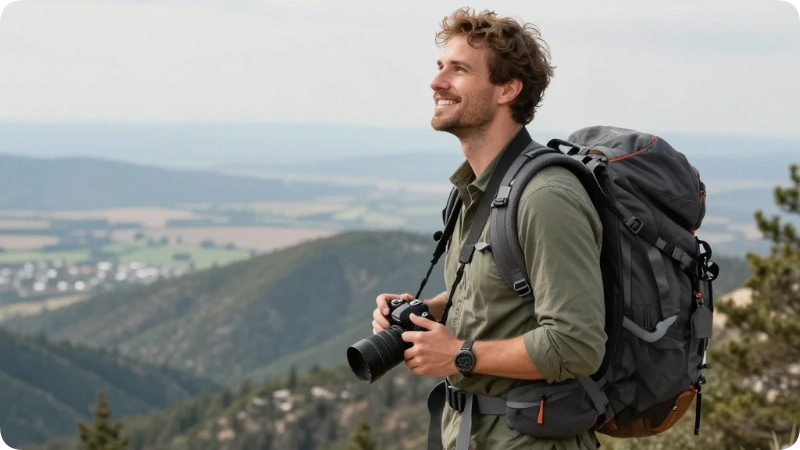
A travel enthusiast is defined by curiosity, flexibility, and a consistent desire to explore new places rather than repeat the same vacation spot. They prioritize experiences hiking, food, culture, photography over luxury alone. In the USA, this often means combining national parks, city breaks, and road trips into one travel lifestyle.
Travel enthusiasts typically share a few traits:
- They research destinations deeply before booking
- They value experiences over material souvenirs
- They’re comfortable with both solo trips and group travel
- They track travel goals, like visiting all 50 states or every National Park
This mindset shapes everything else in this guide from how to plan a trip to how to pack for it.
Quick Facts Table for USA Travel Enthusiasts
| Category | Details |
| Best Time to Travel | April June, September October |
| Top Regions | Pacific Northwest, Southwest deserts, New England, Rockies |
| Average Road Trip Budget | $100 $200/day per person (varies widely) |
| National Parks | 63 designated National Parks (NPS) |
| Best Travel Style | Mix of planned bookings + flexible days |
Note: Prices and seasonal conditions change always verify with the National Park Service (NPS) or local tourism boards before booking.
Best Time to Visit for Travel Enthusiasts
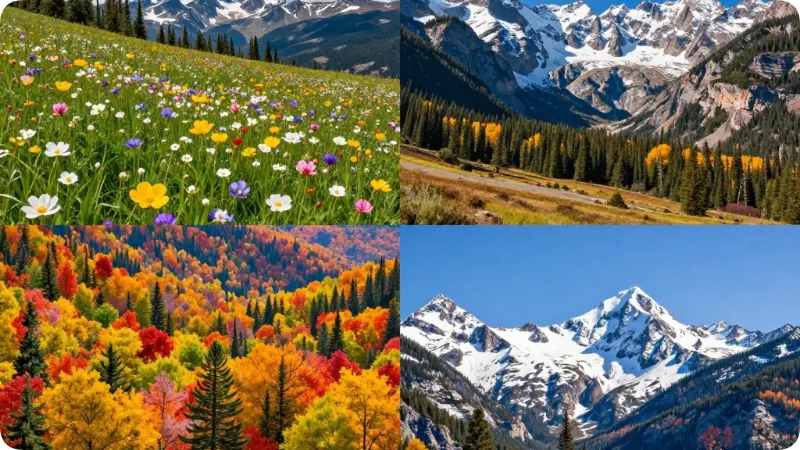
The best time for most USA travel depends on region, but spring and fall generally offer the best mix of mild weather and lighter crowds. Summer brings peak crowds and prices, especially in national parks, while winter favors snow sport destinations and southern warm weather escapes.
Seasonal Comparison Table
| Season | Pros | Cons | Best For |
| Spring (Mar May) | Mild weather, blooming landscapes | Some trails still closed | Southwest deserts, national parks |
| Summer (Jun Aug) | Long days, full access | Crowds, heat, high prices | Coastal towns, mountain hikes |
| Fall (Sep Nov) | Fewer crowds, foliage | Shorter days | New England, Pacific Northwest |
| Winter (Dec Feb) | Low prices, snow activities | Limited access in parks | Ski towns, Florida, Southwest |
How to Get There: Transport Options for Travel Enthusiasts
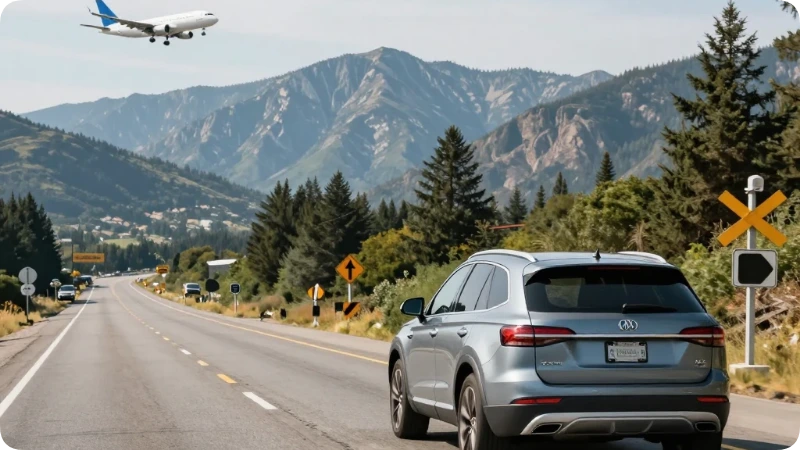
Most travel enthusiasts exploring the USA rely on a mix of flights, rental cars, and regional trains depending on distance. Major hubs include international airports in cities like Denver, Atlanta, and Los Angeles, while Amtrak connects scenic regional routes for those who prefer rail travel.
Key transport considerations:
- Flights: Best for cross country trips; book 6 8 weeks ahead for lower fares
- Rental cars: Essential for national park and rural road trips
- Amtrak: Scenic but slower; good for travelers without rental cars
- Rideshare/public transit: Practical within major cities
Always confirm baggage and security rules through the TSA website before flying, since policies can change.
Where to Stay: Lodging Options Across the USA
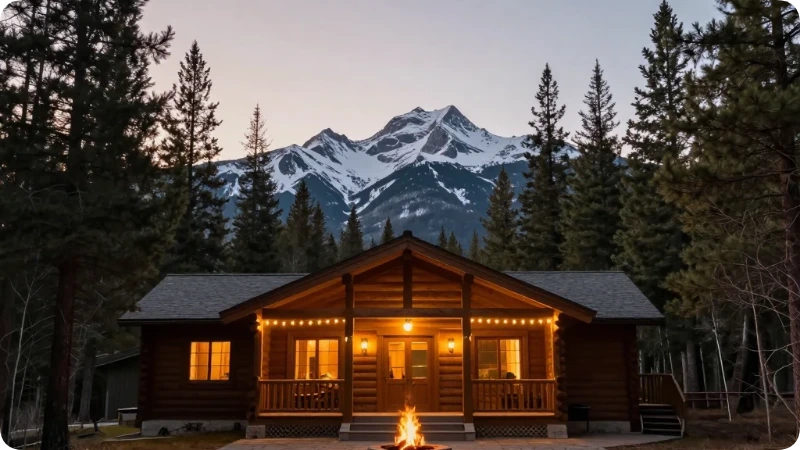
Travel enthusiasts typically choose lodging based on trip style hotels for city stays, cabins or lodges near national parks, and campgrounds for budget friendly outdoor trips. Many also mix accommodation types within a single itinerary to balance comfort and cost.
Popular lodging categories include:
- Boutique hotels in walkable downtown areas
- National Park lodges (book early these sell out months ahead)
- Vacation rentals for longer stays or groups
- Campgrounds and RV parks for budget travel
Budget Breakdown for a USA Travel Enthusiast Trip
A realistic daily budget for a USA trip ranges from $75 for budget camping based travel to $250+ for comfortable mid range trips with hotels and dining out. Costs vary significantly by region, with cities like New York and San Francisco running higher than rural or southern destinations.
| Expense | Budget Traveler | Mid Range Traveler |
| Lodging | $30 $60/night | $120 $200/night |
| Food | $20 $35/day | $50 $80/day |
| Transport | $20 $40/day | $50 $100/day |
| Activities | $10 $30/day | $40 $70/day |
Money saving tip: Many National Parks offer an annual pass that pays for itself after just 3 4 visits.
Top Attractions Every Travel Enthusiast Should Know
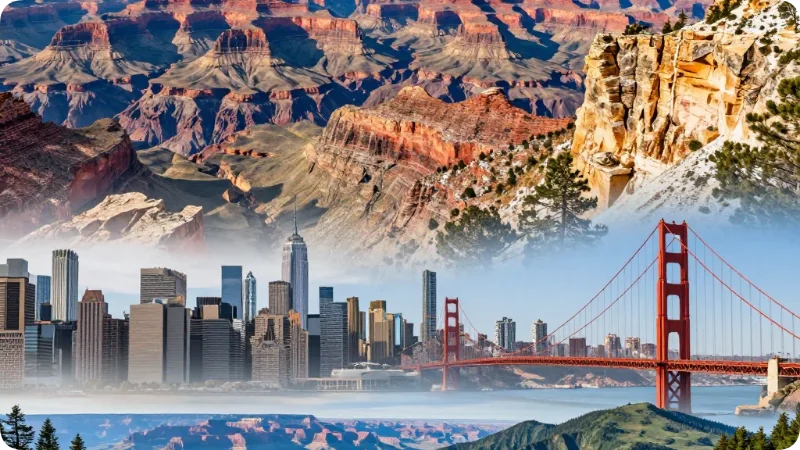
The USA’s top attractions span natural wonders and cultural landmarks, including the Grand Canyon, Yellowstone, and major cities like New York and San Francisco. These destinations consistently rank high because they offer a variety of scenery, history, and activities within a single trip.
A few essentials worth prioritizing:
- Grand Canyon National Park (Arizona)
- Yellowstone National Park (Wyoming/Montana/Idaho)
- Great Smoky Mountains (Tennessee/North Carolina)
- New York City for culture and food
- San Francisco and the Pacific Coast Highway for scenic driving
Hidden Gems for Travel Enthusiasts Seeking the Road Less Traveled
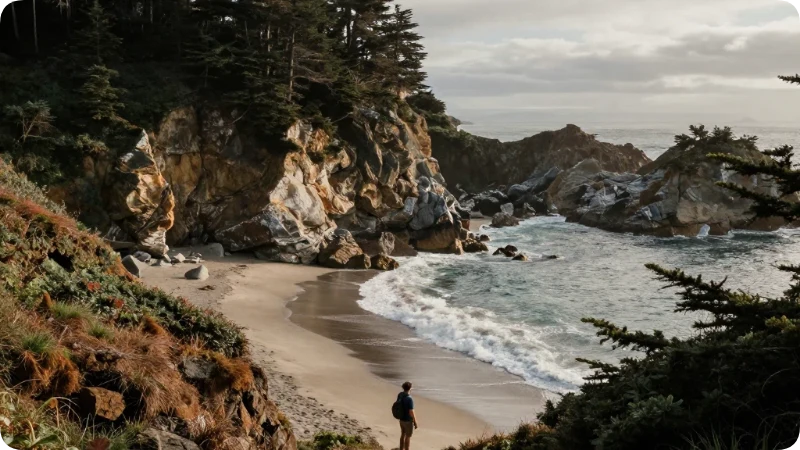
Beyond the well known landmarks, the USA hides smaller destinations that deliver equally memorable experiences without the crowds. These hidden gems reward travelers willing to go slightly off the main tourist route.
Three worth highlighting:
- Lost Coast, California a remote, undeveloped stretch of coastline with no major highway access, ideal for backpackers seeking solitude.
- Marfa, Texas is a small desert town known for minimalist art installations and surprisingly excellent stargazing.
- Acadia National Park’s quiet side (Schoodic Peninsula), Maine offers Acadia’s coastal beauty with a fraction of the crowds found on Mount Desert Island.
Things to Do: Activities That Define the Travel Enthusiast Lifestyle
Travel enthusiasts in the USA gravitate toward hiking, scenic drives, food exploration, and photography as core activities. Many also build trips around specific interests like wildlife viewing, history, or music scenes in cities like Nashville and New Orleans.
Popular activity categories:
- Hiking and backpacking in national and state parks
- Scenic road trips (Pacific Coast Highway, Blue Ridge Parkway)
- Food tours in cities like New Orleans, Austin, and Portland
- Photography focused trips to deserts, coastlines, and mountains
Food & Dining Highlights Across the USA
Regional food is a major draw for travel enthusiasts, with each part of the country offering distinct culinary identities shaped by local culture and history. Trying regional specialties is often considered essential to understanding a destination, not just visiting it.
A few regional must tries:
- New Orleans: Gumbo, beignets, and Creole cooking
- Austin: Texas barbecue and breakfast tacos
- Pacific Northwest: Fresh seafood and coffee culture
- New England: Lobster rolls and clam chowder
Culture & Etiquette Tips for Respectful Travel
Respecting local culture means understanding regional customs, tipping norms, and pace of life, which can vary significantly across the USA. What feels normal in a big city may feel rushed or out of place in smaller rural communities.
Helpful etiquette notes:
- Tipping 15 20% is standard at restaurants
- Rural communities often value slower, friendlier interactions
- National Park etiquette includes staying on marked trails and respecting wildlife distance guidelines set by the NPS
Safety Tips Every Travel Enthusiast Should Follow
Safe travel in the USA involves basic precautions like sharing an itinerary with someone, checking weather alerts, and being cautious with isolated trails or remote roads. Most destinations are very safe, but preparation reduces avoidable risks.
Key safety practices:
- Check NPS alerts for trail closures or wildlife warnings
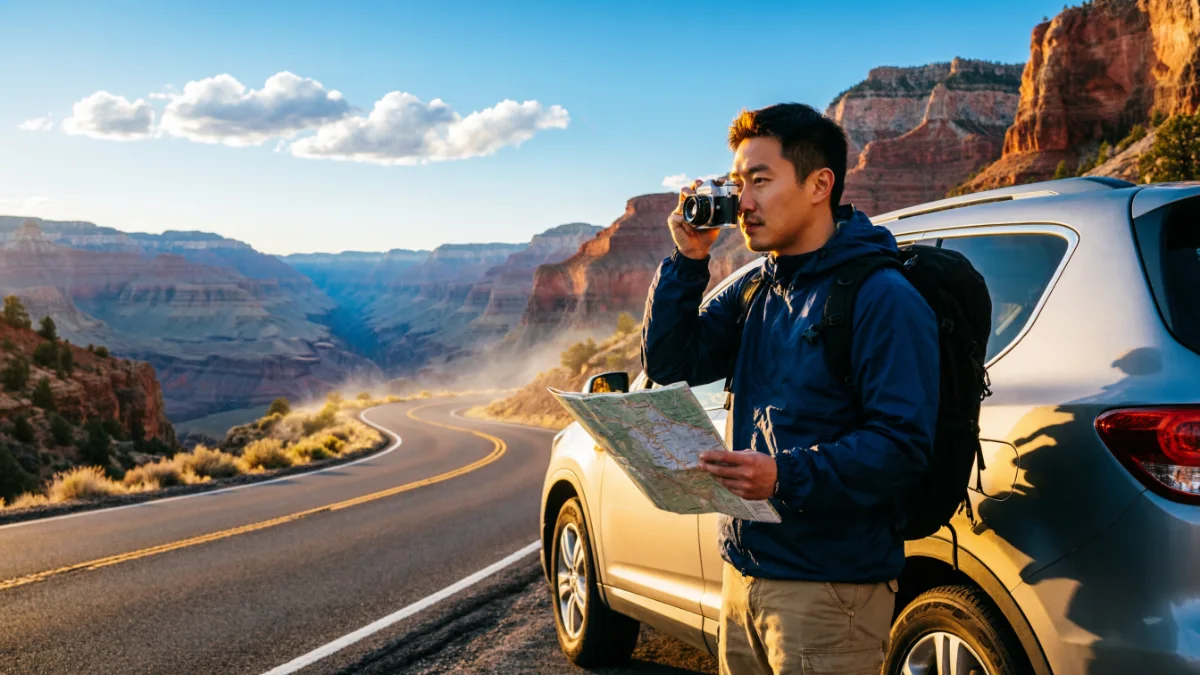
- Carry a paper map in areas with poor cell service
- Monitor CDC travel health guidance for specific regions
- Keep emergency contacts and ID accessible while hiking
Packing Advice for Long Distance USA Travel
Smart packing for USA travel enthusiasts means layering for variable climates and packing differently depending on If the trip focuses on cities, nature, or both. A flexible packing list prevents overpacking while covering unexpected weather shifts.
Essentials to include:
- Moisture wicking layers for hiking
- A reusable water bottle and basic first aid kit
- Weather appropriate outerwear (deserts can be cold at night)
- Portable charger for long driving days
Family Tips for Traveling the USA Together
Family travel works best when itineraries include built in downtime and kid friendly stops like visitor centers, easy nature trails, and interactive museums. National Parks often have Junior Ranger programs that keep children engaged while educating them about conservation.
Solo Travel Tips for the Independent Enthusiast
Solo travel in the USA is generally safe and rewarding, especially when travelers research lodging safety, share location updates, and choose well trafficked trails. Many solo travelers find national parks and small towns particularly welcoming due to active hiking and travel communities.
Accessibility Considerations for USA Destinations
Many National Parks and major attractions now offer accessible trails, visitor centers, and transportation options, though availability varies by location. It’s best to check directly with the NPS or specific attraction websites for current accessibility details before traveling.
Responsible Travel: Protecting the Places You Visit
Responsible travel means minimizing environmental impact, respecting wildlife, and supporting local economies through small businesses. Travel enthusiasts who prioritize sustainability help preserve the very landscapes that make USA travel so rewarding.
Simple responsible travel habits:
- Stick to marked trails to avoid erosion
- Avoid single use plastics where possible
- Support local restaurants and shops over chains
Common Mistakes Travel Enthusiasts Make (And How to Fix Them)
Many travel enthusiasts overpack their itineraries, underestimate driving distances, or skip travel insurance, leading to stress and unexpected costs. Recognizing these patterns early helps create smoother, more enjoyable trips.
- Overpacking the itinerary Fix: build in buffer days between major stops.
- Underestimating driving distances Fix: always check real time drive estimates, not just map distance.
- Skipping travel insurance Fix: compare basic policies covering trip cancellation and emergency medical costs.
Nearby Attractions Worth Adding to Your Itinerary
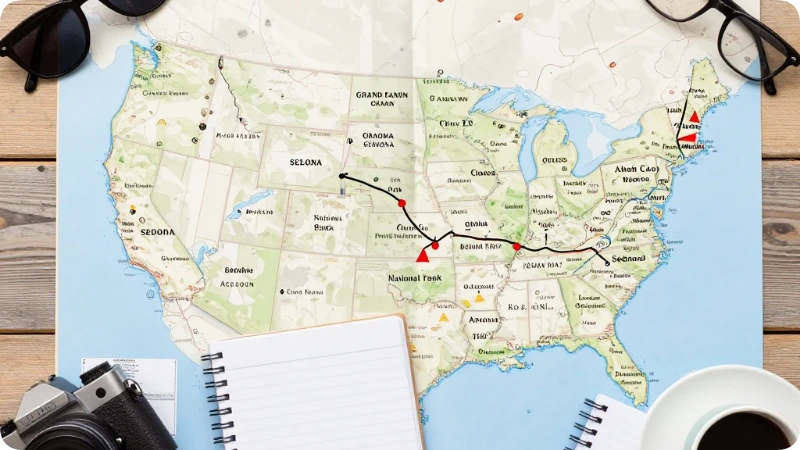
Many popular destinations have lesser known nearby attractions that pair well without requiring major detours. For example, travelers visiting the Grand Canyon can also explore nearby Sedona’s red rock formations within a short drive.
Alternatives to Overcrowded Destinations
For travelers seeking similar experiences without heavy crowds, several alternative destinations offer comparable scenery with more breathing room. These alternatives are especially useful during peak summer travel season.
| Popular Spot | Underrated Alternative |
| Zion National Park | Capitol Reef National Park |
| Yosemite | Sequoia & Kings Canyon |
| Miami Beach | Tybee Island, Georgia |
Sample 7 Day Itinerary for a USA Travel Enthusiast
A balanced 7 day itinerary mixes a major landmark, a scenic drive, and at least one slower, low key day to avoid burnout. This sample focuses on the Southwest but can be adapted regionally.
- Day 1 2: Arrive and explore Grand Canyon National Park
- Day 3: Scenic drive to Sedona, explore red rock trails
- Day 4: Rest day, local dining and photography
- Day 5 6: Drive to Zion National Park, hike key trails
- Day 7: Departure day, buffer for travel delays
FAQs
What makes someone a travel enthusiast?
A travel enthusiast is defined by a consistent passion for exploring new places, learning about cultures, and prioritizing experiences over routine. It’s less about how often someone travels and more about the mindset of curiosity and openness to new destinations.
Is the USA a good country for travel enthusiasts?
Yes, the USA offers extreme geographic diversity, from deserts to coastlines to mountains, all within one country. This variety makes it especially appealing for travelers who enjoy mixing nature, city life, and road trips in a single visit.
What is the cheapest way to travel across the USA?
The cheapest approach typically combines road trips, camping or budget lodging, and cooking some meals instead of dining out. Off season travel and National Park annual passes also significantly reduce overall costs.
How long should a USA road trip itinerary be?
Most travel enthusiasts find 7 14 days ideal for a regional road trip, allowing enough time to explore without rushing. Cross country trips often take 3 4 weeks to do comfortably.
What is the most underrated USA travel destination?
Smaller destinations like Marfa, Texas, or the Schoodic Peninsula in Maine are often considered underrated compared to nearby famous attractions. They offer similar beauty with significantly fewer crowds.
Do I need travel insurance for domestic USA trips?
While not legally required, travel insurance is recommended for trip cancellations, medical emergencies, or weather related disruptions, especially during long road trips or remote hiking. Costs and coverage vary, so compare policies before booking.
What should I avoid as a first time USA travel enthusiast?
First time travelers should avoid overpacking their itinerary and underestimating driving distances between destinations. It’s also wise to verify park hours and seasonal closures through official sources before finalizing plans.
Final Takeaways for Every Travel Enthusiast
Becoming a confident travel enthusiast comes down to three things: thoughtful planning, flexible budgeting, and respect for the places visited. The USA’s diversity means there’s always a new region, trail, or town worth discovering, often just a short drive from the well known landmarks.
For those ready to plan their next trip, start small: pick one region, build a loose itinerary, and leave room for spontaneous discoveries along the way. The best travel memories often come from the unplanned moments in between the must see stops.
Note: Prices, park hours, and travel policies change frequently and always verify current details through official sources like the NPS, TSA, or state tourism boards before booking.

Ben Fogle believes that true adventure begins where the pavement ends. After spending years documenting extreme environments, rowing across oceans, and trekking through frozen landscapes, he mastered the art of wilderness travel. For Travelmarse, Ben constructs highly detailed guides on deep-nature packing lists, wildlife safety, and sustainable eco-tourism. He breaks down intimidating, rugged expeditions into clear, step-by-step roadmaps so everyday travelers can safely connect with the natural world.