Travel fans across the country share one thing in common they know that the United States holds more diversity, beauty, and raw adventure than most people could explore in a lifetime.
From the red canyons of Utah to the jazz-soaked streets of New Orleans, from the glaciers of Alaska to the coral reefs of Florida, America rewards the curious traveler at every turn.
But knowing where to start is the real challenge. If you are a first-time road tripper, a seasoned national park hopper, or someone finally crossing bucket-list destinations off the list, the sheer scale of this country can feel overwhelming.
This guide cuts through the noise and gives you practical, experience-backed advice on the best ways to travel the USA where to go, when to go, how to save money, and how to travel smarter than the average tourist.
The tips here draw on real traveler insights, official guidance from the National Park Service (NPS), the U.S. Department of Transportation (DOT), and state tourism boards. Prices and hours change, so always verify the latest information directly with official sources before you book.
What Makes the USA a Dream Destination for Travel Fans
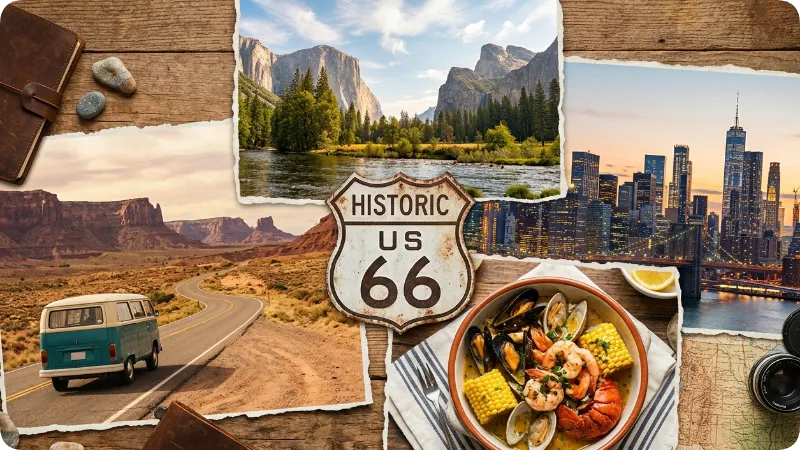
The United States covers more than 3.8 million square miles and contains 63 national parks, hundreds of state parks, thousands of miles of coastline, and dozens of world-class cities. For travel fans, that variety is the biggest draw. You can ski fresh powder in Colorado one week and snorkel in Hawaii the next. You can explore a centuries-old mission in San Antonio on Monday and stand in Times Square on Friday.
According to the U.S. Travel Association, domestic travel generated over $1.1 trillion in spending in recent years, reflecting just how deeply Americans love to explore their own country. International visitors also arrive by the tens of millions annually, drawn by iconic landmarks, diverse cultures, and the legendary American road trip experience.
The country’s transportation infrastructure including more than 500 commercial airports, an expanding Amtrak rail network, and an interstate highway system stretching over 46,000 miles makes getting around relatively straightforward once you have a plan.
Best Time to Visit the USA for Travel Fans
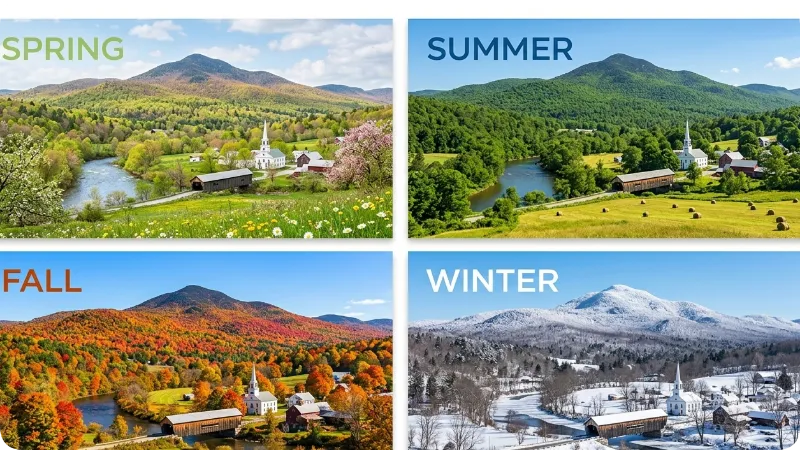
The best time to visit the USA depends entirely on where you are going, but spring (April to June) and fall (September to November) are the most universally pleasant seasons for travel fans exploring multiple regions. Summer brings crowds and heat, especially at popular national parks. Winter offers solitude and lower prices in many destinations, though mountain and northern routes can be inaccessible.
Seasonal Snapshot by Region:
The Pacific Coast (California, Oregon, Washington) is best in late spring and early fall. Summer is popular but foggy along the California coast. Winters are mild in Southern California.
The Mountain West (Colorado, Utah, Wyoming) peaks for hiking from June through September. Ski season runs November through April in resort towns.
The Southeast (Florida, Georgia, the Carolinas) shines in spring and fall. Florida summers are intensely hot and humid. Hurricane season officially runs June through November.
The Northeast (New York, New England) is famous for fall foliage from late September through mid-October. Summers are warm and lively. Winters can be harsh in New England.
The Southwest (Arizona, New Mexico, Nevada) is best visited October through April. Summer temperatures in Phoenix and Las Vegas regularly exceed 110°F, which is dangerously hot for outdoor activities.
The Midwest (Illinois, Minnesota, Michigan) enjoys a beautiful summer, particularly around the Great Lakes. Winters are cold and snowy.
Peak season nationally is June through August, when families travel during school vacations. Shoulder seasons (April to May and September to October) offer better value, thinner crowds, and comfortable temperatures across most of the country.
How Travel Fans Get Around the USA
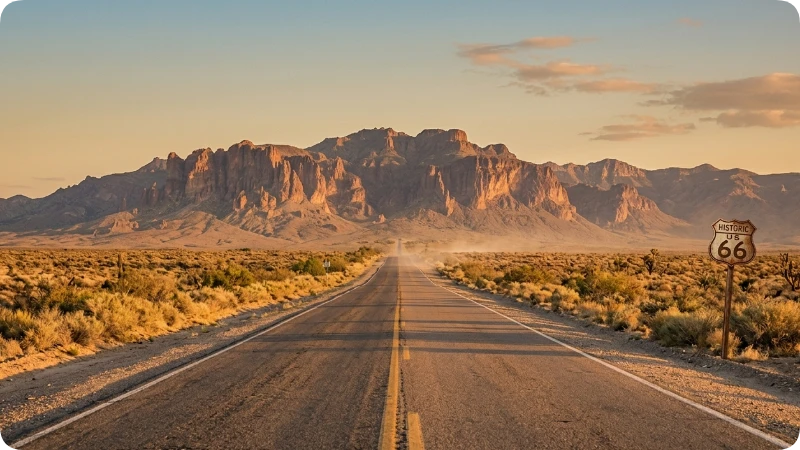
Getting around the United States is easier when you choose the right transportation for your trip. Because the country is so large, many travelers use a mix of flights, trains, cars, and public transit.
Flying is the fastest way to cover long distances. The USA has more than 500 commercial airports, with major hubs in Atlanta, Los Angeles, Chicago, Dallas, and Denver. Budget airlines such as Southwest, Spirit, and Frontier often offer affordable domestic flights. For the best prices, book flights three to six weeks in advance and check current security requirements before traveling.
Road trips remain one of the most popular ways to experience America. Famous routes include Route 66, California’s Pacific Coast Highway, the Blue Ridge Parkway, and Going-to-the-Sun Road in Glacier National Park. Renting a car gives travelers the freedom to explore small towns, scenic viewpoints, and national parks at their own pace, especially in western states where public transportation is limited.
Amtrak, the national passenger rail service, connects more than 500 destinations across 46 states. Scenic routes such as the California Zephyr and Coast Starlight are favorites among travelers who want to enjoy the journey as much as the destination. While train travel is usually slower than flying, it offers memorable views and a relaxed experience.
Public transportation is excellent in a few major cities. New York City’s subway system is one of the largest in the world, while Chicago, San Francisco, and Washington, D.C. also have reliable transit networks. In many other cities, however, rental cars and rideshare services are often the most convenient options.
Travel Tip: When visiting national parks, take advantage of free shuttle services whenever available. Parks such as Yosemite, Zion, and Acadia use shuttle systems that help visitors avoid traffic and parking challenges while making it easier to explore popular attractions.
Where Travel Fans Should Stay in the USA
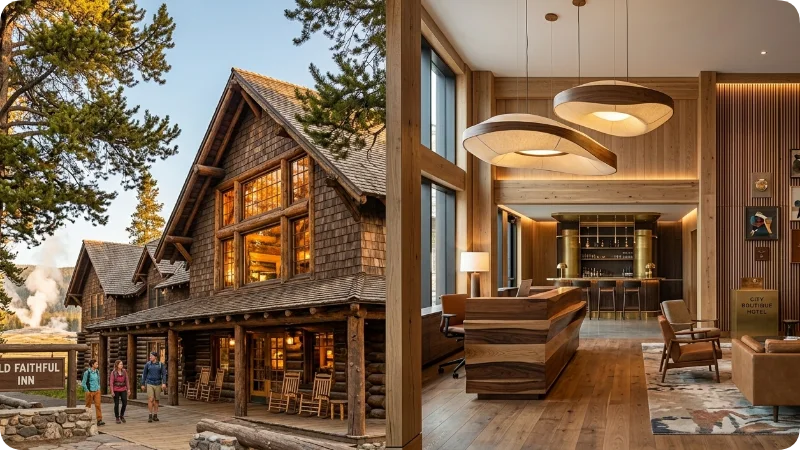
The United States offers accommodation options for every budget and travel style, from luxury resorts and boutique hotels to vacation rentals, campgrounds, and budget motels.
Hotels and Resorts are the most popular choice for many travelers. Major brands such as Marriott, Hilton, Hyatt, and IHG can be found across the country, offering reliable service and loyalty rewards. Boutique hotels are also popular, especially in cities and cultural destinations, where they often provide a more unique and local experience.
Vacation Rentals have grown significantly in popularity. Platforms like Airbnb and Vrbo offer apartments, cabins, beach houses, and larger properties that are ideal for families, groups, or longer stays. These rentals often provide more space and amenities than traditional hotel rooms, making them a practical option in many destinations.
National Park Lodges and Campgrounds offer unforgettable experiences for nature lovers. Historic lodges near famous parks allow visitors to stay close to some of America’s most spectacular landscapes. Because demand is high, especially during summer, booking several months in advance is highly recommended. Campgrounds are another affordable way to experience the country’s natural beauty while staying within a travel budget.
Budget Accommodations are widely available throughout the United States. Hostels can be found in many major cities, while budget motel chains provide simple and affordable lodging for road-trippers and travelers looking to reduce costs.
When choosing where to stay, consider your itinerary, transportation needs, and desired travel experience. City-center hotels provide convenience for sightseeing, while vacation rentals and cabins often offer more space and privacy.
Travel Tip: State park cabins and lodges are often overlooked but can provide excellent value. Many offer comfortable accommodations in scenic natural settings at prices lower than comparable hotels or vacation rentals. For travelers seeking a balance between affordability and outdoor adventure, they can be one of the best accommodation choices in the United States.
Top Destinations Every Travel Fan Should Know
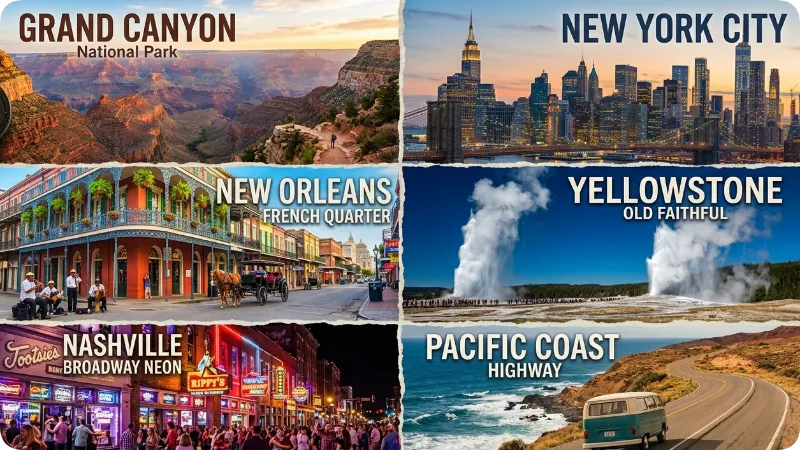
The United States is filled with iconic destinations, but a few stand out for consistently delivering memorable experiences. From world-famous cities to breathtaking national parks, these places deserve a spot on most travel itineraries.
New York City, New York
Few destinations capture the energy and diversity of America like New York City. Visitors can explore landmarks such as Central Park, Brooklyn Bridge, and Statue of Liberty. The free Staten Island Ferry offers excellent skyline views, while museums, theaters, and neighborhoods provide endless opportunities for exploration. Although the city can be expensive, many attractions are free or low-cost.
Grand Canyon, Arizona
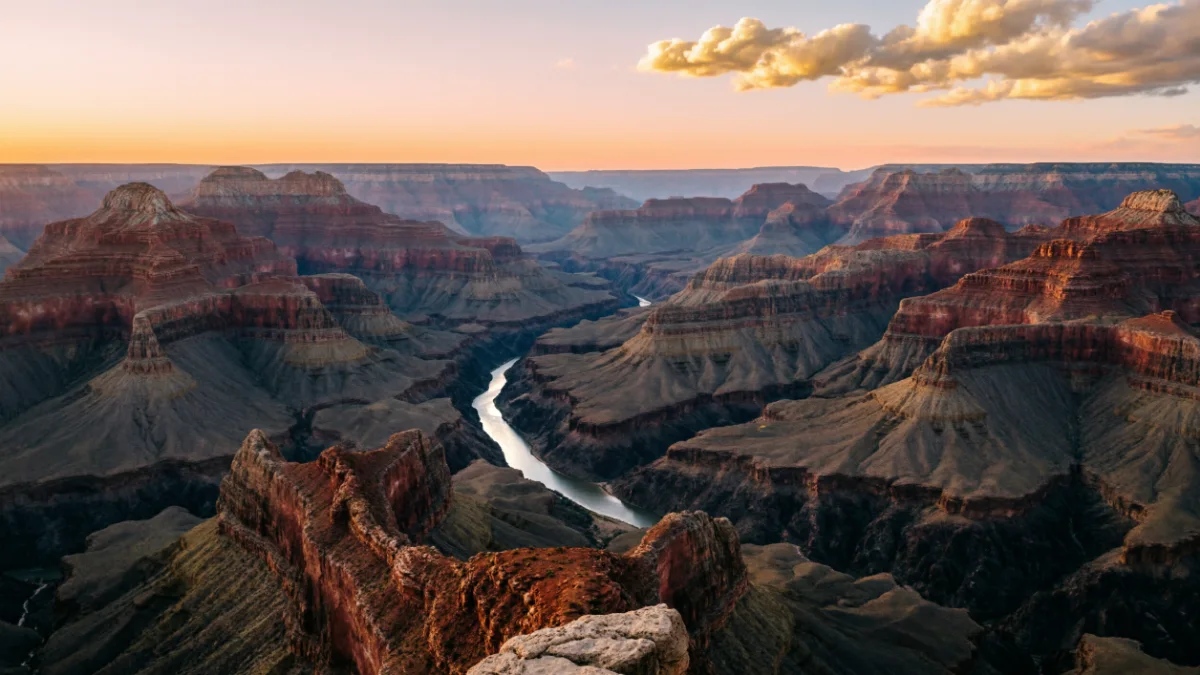
The Grand Canyon is one of the world’s most impressive natural wonders. Most visitors explore the South Rim, which is open year-round and offers spectacular viewpoints and hiking trails. Spring and fall provide pleasant weather and smaller crowds, making them ideal times to visit.
New Orleans, Louisiana
Known for its unique culture, music, and cuisine, New Orleans offers an experience unlike anywhere else in the country. The French Quarter, live jazz venues, historic architecture, and famous festivals create a vibrant atmosphere that rewards slow exploration.
Yellowstone National Park
Yellowstone National Park is famous for its geysers, hot springs, and abundant wildlife. Visitors can watch eruptions at Old Faithful, spot bison and elk, and explore some of America’s most dramatic landscapes. Summer accommodations often sell out months in advance.
Nashville, Tennessee
Nashville combines music history, Southern hospitality, excellent food, and a growing arts scene. The Country Music Hall of Fame and Museum is a highlight, while the city’s live music venues attract visitors from around the world.
Hidden Gems Worth Exploring
Travelers looking beyond the most famous attractions should consider the Boundary Waters Canoe Area Wilderness, the artistic community of Marfa, the mountain scenery of Asheville, and the beautiful shoreline of Apostle Islands National Lakeshore. These destinations offer unique experiences with fewer crowds and plenty of local character.
Whether you prefer vibrant cities, cultural landmarks, or outdoor adventures, the United States offers destinations that can suit every type of traveler.
Food and Dining for Travel Fans Across the USA
American food culture is far more regional and sophisticated than its fast-food reputation suggests. Travel fans who eat like locals will have a dramatically richer experience than those who stick to chain restaurants.
Regional food identities run deep. New England is synonymous with lobster rolls, clam chowder, and fresh seafood. The American South delivers barbecue (with fierce regional variation between Texas brisket, Carolina pulled pork, and Memphis ribs), fried chicken, and biscuits. Louisiana’s Creole and Cajun cuisines gumbo, étouffée, beignets stand entirely apart. The Pacific Northwest is defined by fresh salmon, Dungeness crab, and a strong farm-to-table ethos. Texas claims its own unique food culture anchored by Tex-Mex and world-famous barbecue.
In major cities, the dining scenes rival those of any global food capital. New York City’s restaurant landscape is unparalleled in breadth. Los Angeles consistently leads on innovation, driven by its diverse immigrant communities and proximity to extraordinary produce. Chicago’s deep-dish pizza is a cultural institution, though the thin-crust tavern style is what many locals prefer.
Insider Tip: Seek out food halls in major cities. Markets like Pike Place Market in Seattle, Eastern Market in Washington D.C., and the Original Farmers Market in Los Angeles offer a concentrated taste of local food culture at accessible prices.
Budget Dining Tip: Lunch menus at upscale restaurants often offer the same quality as dinner at significantly lower prices. Many of America’s best restaurants offer lunch service at roughly half the dinner cost.
Safety Tips for Travel Fans in the USA
The United States is generally safe for domestic and international travelers, but common-sense precautions apply, particularly in urban environments and remote outdoor settings.
Urban Safety: Keep your phone and valuables out of sight in crowded areas. Use ATMs inside banks or well-lit locations rather than on the street. Research your specific neighborhood before arrival conditions vary significantly within cities. The CDC and local health departments publish travel health advisories; check cdc.gov for any region-specific guidance.
Outdoor and Wilderness Safety: The NPS reports that most backcountry injuries and fatalities involve dehydration, heat illness, falls, and flash flooding. Always carry more water than you think you need, especially in desert environments. Tell someone your itinerary before heading into the backcountry. Download offline maps using apps like AllTrails or Gaia GPS, as cell service is absent in most national parks.
Weather Awareness: The United States experiences extreme weather events including hurricanes (Gulf and Atlantic coasts, June to November), tornadoes (Tornado Alley in the Central Plains, spring and early summer), wildfires (Western states, summer through fall), and blizzards (Mountain West and Northeast, winter). Monitor the National Weather Service (weather.gov) for alerts when traveling.
Travel Insurance: Travel fans heading on extended trips, booking nonrefundable reservations, or exploring remote areas should seriously consider travel insurance. Policies vary widely in coverage compare plans carefully and read the fine print. Medical costs in the United States are high without adequate coverage.
Driving Safety: Road conditions vary dramatically across the country. Mountain passes in Colorado and Wyoming can be closed by snow well into May and can reopen to snowfall as early as September. Desert roads in summer can reach extreme surface temperatures. Check state department of transportation websites for road conditions before driving unfamiliar routes.
Common Mistakes Travel Fans Make (and How to Avoid Them)
Even experienced travel fans make predictable errors when navigating the USA. Three of the most common are easy to fix once you know about them.
Underestimating Distances: The United States is enormous. Many first-time visitors and even domestic travelers unfamiliar with a region dramatically underestimate how far apart destinations are. Driving from Los Angeles to the Grand Canyon takes roughly five hours. Driving from Miami to Key West takes three hours. The continental U.S. spans roughly 2,800 miles coast to coast. Build realistic travel time into your itinerary and resist the urge to cram too many destinations into a single trip.
Skipping Reservations for National Parks: Entrance reservations and campground bookings for popular national parks often open months in advance and sell out quickly. Zion, Glacier, Rocky Mountain, and Arches all require advance planning during peak season. Check nps.gov for current reservation requirements these change year to year.
Ignoring the Shoulder Season: Summer is the most popular time to travel in the United States, but it is also the most expensive and most crowded. September through October and April through May offer better rates, smaller crowds, and often more pleasant weather. Fall foliage season in New England (late September to mid-October) is one of the most spectacular seasonal travel experiences in the country, and many travelers who go once make it an annual tradition.
Budget Breakdown for USA Travel Fans
Travel costs in the United States span a wide range depending on your destination, travel style, and time of year. The following estimates reflect general averages and will vary significantly by region. Always verify current prices directly with providers.
Budget traveler (hostels, camping, cooking, budget flights): Roughly $75 to $125 per day.
Mid-range traveler (3-star hotels, mix of dining out and cooking, car rental): Roughly $175 to $300 per day.
Luxury traveler (4- to 5-star hotels, fine dining, premium flights): $400 to $700+ per day.
National park entrance fees typically range from $15 to $35 per vehicle. The America the Beautiful Pass sold at nps.gov for an annual fee covers entrance fees to all national parks and federal recreation lands and pays for itself quickly for dedicated travel fans. Verify current pricing at the NPS website.
Gasoline prices fluctuate and vary by state. California consistently runs higher than the national average. Midwestern states generally run lower. The U.S. Energy Information Administration (EIA) publishes weekly price updates at eia.gov.
Money-Saving Tip: Many world-class museums offer free or pay-what-you-wish admission on certain days or hours. The Smithsonian Institution museums in Washington D.C. are permanently free. The Metropolitan Museum of Art in New York City recommends a suggested donation. Check individual museum websites for current policies.
Packing Advice for USA Travel Fans
What you pack depends entirely on where and when you’re going, but a few principles apply universally to travel fans exploring the United States.
Layers are essential in most regions and seasons. Even in summer, evenings in mountain destinations like Jackson Hole, Wyoming or Sedona, Arizona can be surprisingly cold. City air conditioning can be aggressive enough to require a light jacket even in July.
Footwear deserves serious attention. Comfortable, broken-in walking shoes are non-negotiable for city travel New Yorkers routinely walk 5 to 8 miles per day. Hiking boots with ankle support are worth the luggage weight for any trip involving national parks or backcountry trails.
Tech Essentials: A portable power bank is invaluable on long drives and in parks without outlets. An offline map app is essential in national parks. A dash camera is increasingly popular among road trippers for both safety documentation and capturing scenic footage.
Insider Tip: Pack a reusable water bottle with a built-in filter (brands like Brita or LifeStraw make excellent options). Tap water in most U.S. cities is safe to drink, and filtering options give peace of mind in backcountry settings.
Sun Protection: At high elevations and in desert environments, UV exposure is intense. SPF 50 sunscreen, quality sunglasses (UV400 rated), and a wide-brim hat are not optional they are practical necessities.
Sample 10-Day USA Itinerary for Travel Fans (Southwest Focus)
This itinerary covers some of the most visually stunning and culturally rich destinations in the American Southwest. It is designed for travel fans flying into Las Vegas, Nevada and flying out of Phoenix, Arizona.
Day 1 to 2: Las Vegas, Nevada. Arrive, recover from travel, explore the Strip and Fremont Street Experience. Visit the Neon Museum for an unexpected cultural highlight.
Day 3: Drive north to Zion National Park, Utah (approximately 2.5 hours). Hike the Riverside Walk or Angels Landing (permit required for Angels Landing book via recreation.gov well in advance).
Day 4: Zion to Bryce Canyon National Park (approximately 1.5 hours). Explore the amphitheaters of hoodoos at sunrise for the best light and smallest crowds.
Day 5: Bryce Canyon to Capitol Reef National Park via Scenic Byway 12 one of the most spectacular drives in the United States.
Day 6: Capitol Reef to Arches National Park, Utah (approximately 2.5 hours). Timed entry permits required in peak season (check nps.gov/arch).
Day 7: Arches to Canyonlands National Park, then drive south toward Monument Valley on the Utah-Arizona border.
Day 8: Monument Valley Navajo Tribal Park. The iconic buttes are a Navajo Nation site; entrance fees and guided tour options are available at navajonationparks.org.
Day 9: Drive to the South Rim of the Grand Canyon (approximately 2.5 hours from Monument Valley). Sunset at Mather Point is unforgettable.
Day 10: Grand Canyon to Phoenix (approximately 3.5 hours). Depart from Phoenix Sky Harbor International Airport (PHX).
This route covers roughly 1,200 miles of driving. Rent a reliable vehicle with good ground clearance if you plan to explore any unpaved roads.
Responsible Travel Tips for USA Travel Fans
America’s natural and cultural resources belong to everyone including future generations of travel fans. Responsible travel protects these places and ensures they remain worth visiting.
Leave No Trace: The Leave No Trace Center for Outdoor Ethics (lnt.org) publishes seven core principles for minimizing impact in natural areas. Pack out everything you pack in. Stay on designated trails. Do not remove rocks, plants, or natural objects from national or state parks.
Respect Indigenous Lands and Culture: Many of America’s most iconic landscapes Monument Valley, Canyon de Chelly, Chaco Culture, and others are on or adjacent to tribal lands. Travel respectfully, follow all tribal regulations, seek out Native-owned tourism operators, and do not photograph people or ceremonies without explicit permission.
Support Local Businesses: Spending at locally owned restaurants, shops, and tour companies keeps money in the communities you visit. Local operators also typically offer deeper cultural insight and more authentic experiences than large national chains.
Wildlife Viewing Ethics: In national parks, maintain a safe distance from wildlife at all times. The NPS recommends at least 25 yards from most wildlife and at least 100 yards from bears and wolves in Yellowstone. Feeding wildlife is illegal in national parks and causes serious harm to animal behavior and human safety.
FAQ
What is the best way to see multiple national parks in the USA?
The best approach is to purchase the America the Beautiful Annual Pass (currently $80, verify at nps.gov), which covers entrance fees to all federal lands. Plan your itinerary around geographic clusters the Utah “Mighty 5” (Zion, Bryce, Capitol Reef, Canyonlands, and Arches) can be covered in 7 to 10 days. Book accommodations and permits months in advance, especially for summer visits.
How much money do travel fans need for a USA road trip?
A comfortable domestic road trip averages $150 to $250 per person per day, covering mid-range accommodation, dining, fuel, and park entrance fees. A budget-focused trip using campsites and cooking your own food can come in under $100 per person per day. Costs vary significantly by region California and the Northeast generally run higher than the Midwest and South.
Do travel fans need a passport to travel within the USA?
U.S. citizens do not need a passport for domestic travel, but a REAL ID-compliant driver’s license or state ID is required to board domestic flights as of the TSA’s current regulations. Non-citizens must carry valid travel documents at all times. Check tsa.gov for the most current identification requirements.
What is the most underrated destination in the USA?
Many travel fans point to the Upper Peninsula of Michigan, which combines dramatic Lake Superior scenery, Pictured Rocks National Lakeshore, and a quiet, unhurried pace that feels increasingly rare. Other strong candidates include the Palouse region of eastern Washington State, Natchez, Mississippi (for Civil War-era history), and the Kancamagus Highway in New Hampshire for fall foliage.
When is the best time to avoid crowds at major USA attractions?
Visiting on weekdays rather than weekends makes a measurable difference at most attractions. Arriving at opening time (often 7 to 8 a.m. at national parks) means lighter traffic and better light for photography. Traveling in September and October or April and May consistently delivers thinner crowds and lower prices compared to peak summer season.
Is travel insurance worth it for USA domestic trips?
For short, flexible trips with refundable bookings, travel insurance may not be necessary. For trips involving nonrefundable reservations, remote wilderness travel, international visitors (medical costs in the U.S. are very high without insurance), or extended itineraries, travel insurance is strongly worth considering. Compare policies carefully coverage varies significantly between providers.
What should first-time travel fans know before exploring the American Southwest?
Water is everything. The desert Southwest has extreme heat from May through September, and dehydration is the leading cause of medical emergencies in parks like the Grand Canyon and Zion. Carry at least one liter of water per hour of hiking. Cell service is absent in most remote areas download offline maps before you leave civilization. Timed entry permits are now required at many popular Southwest parks during peak season; check nps.gov well before your trip.
Three Things Every Travel Fan Should Take Away from This Guide
First, planning ahead separates a great USA trip from a frustrating one. National park permits, popular lodge reservations, and sold-out flights are all avoidable problems with a little advance research.
The official sources nps.gov, recreation.gov, amtrak.com, tsa.gov have the most current and reliable information.
Second, the United States rewards travelers who go off the obvious path. The famous destinations are famous for good reasons, but the greatest travel stories from the USA often come from the unexpected stop, the state park nobody warned you about, or the small-town diner that turned out to be the best meal of the trip.
Third, the best time to travel the USA is the time that works for your schedule but if you have flexibility, shoulder seasons consistently deliver better value, fewer crowds, and more authentic experiences.
America is massive, endlessly varied, and genuinely extraordinary. Start planning your next adventure.

Ben Fogle believes that true adventure begins where the pavement ends. After spending years documenting extreme environments, rowing across oceans, and trekking through frozen landscapes, he mastered the art of wilderness travel. For Travelmarse, Ben constructs highly detailed guides on deep-nature packing lists, wildlife safety, and sustainable eco-tourism. He breaks down intimidating, rugged expeditions into clear, step-by-step roadmaps so everyday travelers can safely connect with the natural world.