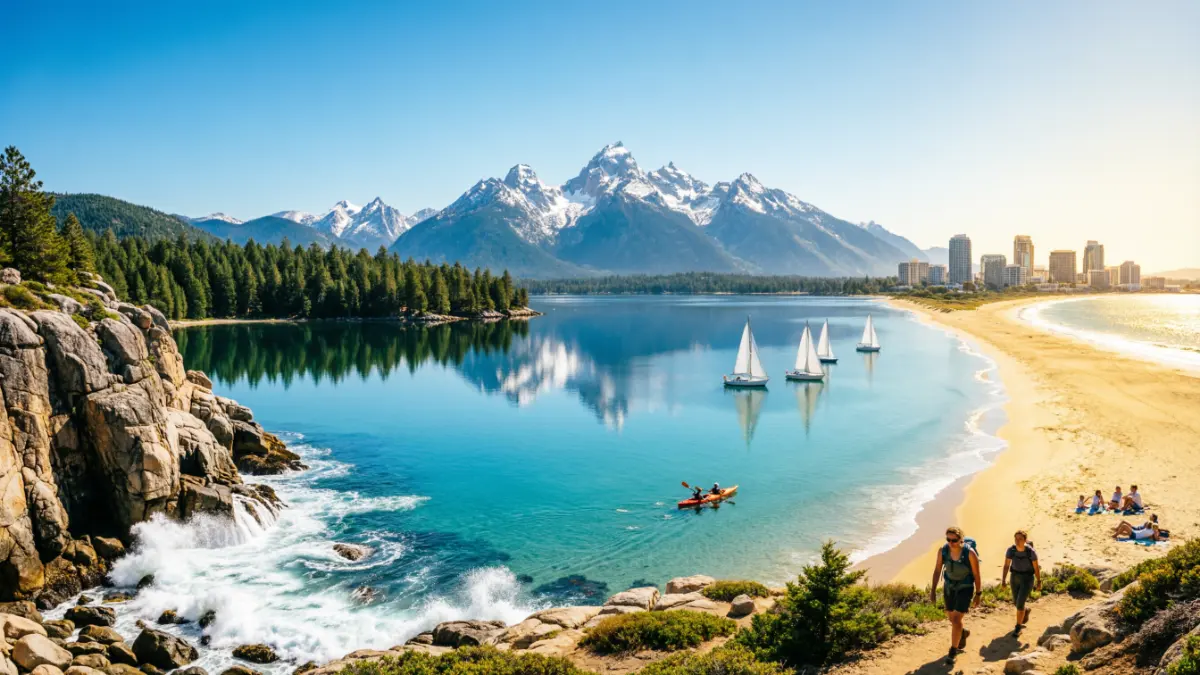
Quick Answer: The best places to travel in summer in the USA include Acadia National Park (Maine), the Outer Banks (North Carolina), Glacier National Park (Montana), Lake Tahoe (California/Nevada), and San Diego (California).
These spots offer mild to warm weather, open trails, and full seasonal access from June through August.
Summer is the season everyone waits for longer days, school breaks, and that itch to pack a bag and go somewhere new.
But the wrong choice can mean melting in a heatwave, fighting crowds shoulder to shoulder, or paying double for a hotel room that isn’t even that nice.
Choosing where to travel in summer shouldn’t feel like a gamble.
Across the United States, there are coastal towns, alpine parks, and easygoing cities that hit their stride exactly when summer rolls in cooler mountain air, open beaches, and festivals that only happen this time of year.
This guide breaks down the best regions, when to go, what to budget, and how to skip the tourist traps so your summer trip actually feels like the escape you pictured.
Quick Facts Table: Top Summer Destinations at a Glance
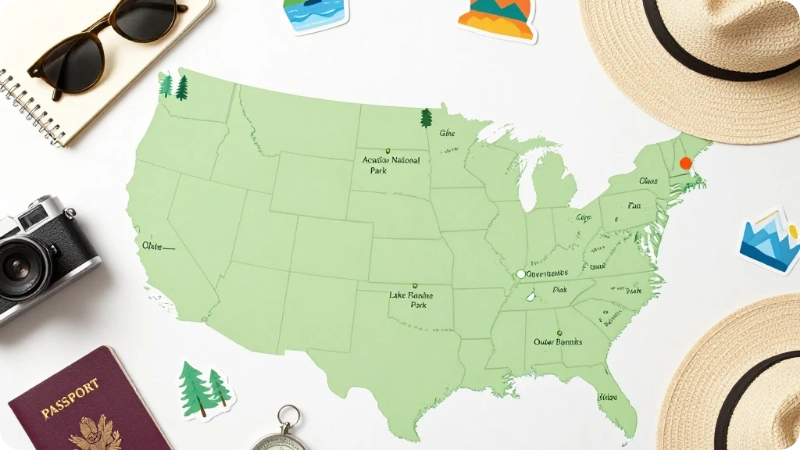
Summer travel in the USA spans coastlines, mountains, and cities, each with a different vibe and price point. Here’s a side by side look at five standout regions for trip planning.
| Destination | Best For | Avg. Summer Temp | Ideal Trip Length |
| Acadia National Park, ME | Hiking & coastal views | 70 75°F | 3 4 days |
| Outer Banks, NC | Beach & family travel | 80 88°F | 4 6 days |
| Glacier National Park, MT | Mountain adventure | 65 75°F | 4 5 days |
| Lake Tahoe, CA/NV | Lakes & outdoor fun | 75 82°F | 3 5 days |
| San Diego, CA | Mild weather & culture | 70 78°F | 4 6 days |
Best Time to Visit for Summer Travel
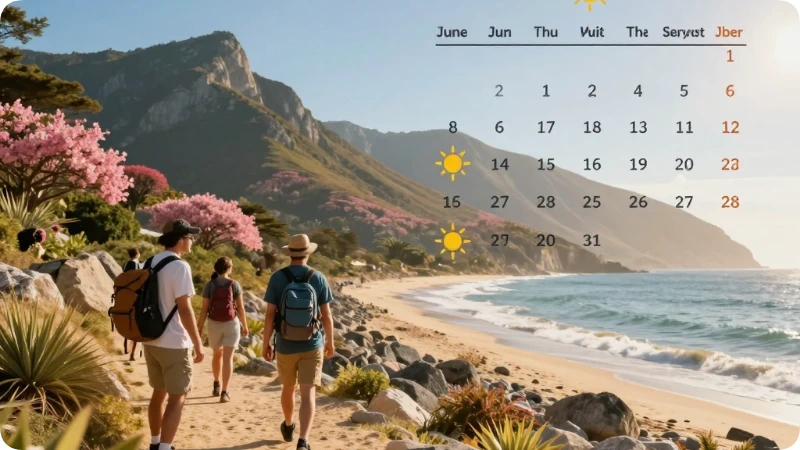
The sweet spot for most U.S. summer trips is mid June through early September, when schools are out and parks, beaches, and attractions run full hours. Late June and early September count as shoulder weeks with slightly smaller crowds, similar weather, and often better rates.
If your dates are flexible, weekday travel in July (the peak month nationally) saves money on flights and lodging. National Park visitor centers, run by the National Park Service (NPS), typically post seasonal hours online, so it’s worth checking before locking in a trip.
Peak, Shoulder, and Off Season Breakdown
- Peak season (July early August): Highest prices, biggest crowds, but full access to trails, ferries, and visitor programs.
- Shoulder season (mid June, late August early September): Smaller crowds, comparable weather, noticeably better deals.
- Off season (outside June September): Some Northern destinations close trails or reduce services; desert Southwest destinations actually get more comfortable.
Seasonal Comparison: Coast vs. Mountain vs. City Trips
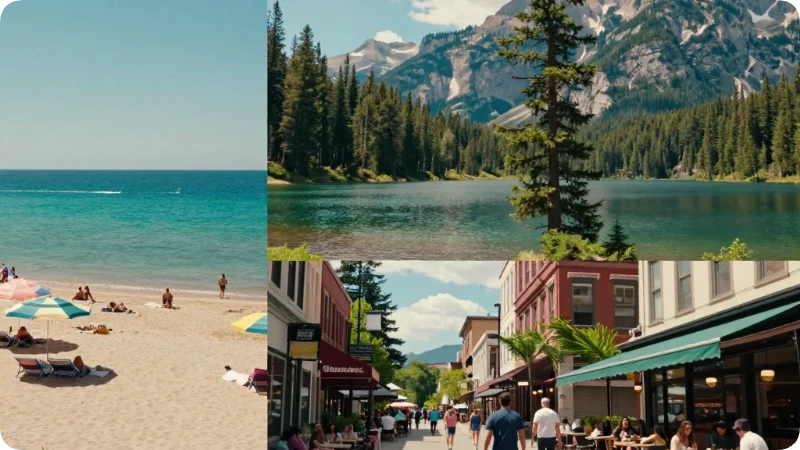
Each summer destination type comes with its own trade offs in heat, crowd size, and cost. Coastal trips run hot and humid, mountain trips stay cooler but require more planning, and city trips offer the most flexibility for last minute changes.
$ $
| Trip Type | Weather Feel | Crowd Level | Cost Level |
| Coastal (Outer Banks, San Diego) | Warm, humid | High | |
| Mountain (Glacier, Tahoe) | Cool, dry | Moderate High | $$ |
| City (Chicago, Denver) | Warm | Moderate |
Bold takeaway: If you’re heat sensitive, mountain destinations like Glacier National Park or Lake Tahoe offer the most comfortable summer climate in the country.
How to Get There: Flights, Drives, and Regional Hubs
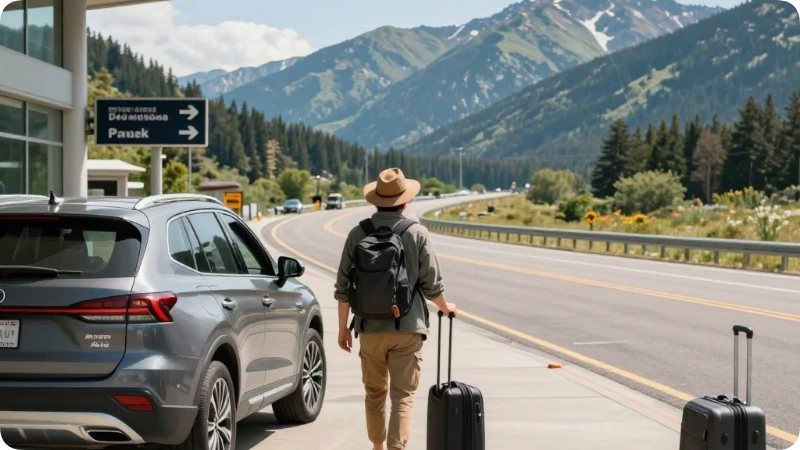
Most major summer destinations are reachable through regional airport hubs within a 1 3 hour drive of the final stop. Booking flights 2 3 months ahead for peak summer dates typically locks in better fares before prices climb in late spring.
For Acadia, the closest major airport is Bangor International (BGR), about an hour from the park. Glacier National Park is served by Glacier Park International Airport (FCA) in Kalispell, Montana. San Diego International Airport (SAN) sits just minutes from downtown, making it one of the easiest entry points on this list.
Driving Routes Worth Considering
Road trippers heading to Lake Tahoe often combine the drive with a stop in Reno or Sacramento. The Outer Banks is best reached via U.S. Route 158, a scenic stretch connecting the barrier islands.
Transport Options Once You Arrive
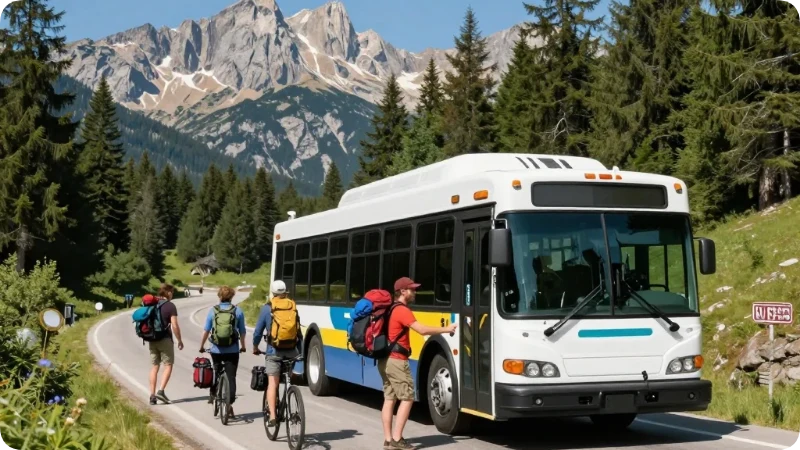
Rental cars remain the most flexible way to explore most summer destinations, especially national parks where shuttle access can be limited outside peak hours. In cities like San Diego, public trolley and bus systems cover most major attractions without a car.
Glacier National Park runs a free shuttle system along Going to the Sun Road during peak summer months, which helps avoid the limited parking at trailheads. Acadia operates the Island Explorer, a free seasonal shuttle that connects Bar Harbor to major park access points.
Money saving tip: Skipping the rental car in shuttle served parks like Acadia or Glacier can save $40 $80 per day without limiting where you can go.
Where to Stay: Lodging Options by Budget
Summer lodging ranges from rustic park lodges and campgrounds to beachfront resorts and mid range city hotels, with prices generally peaking in July. Booking 60 90 days ahead is the strongest way to lock in lower rates and better availability.
In park lodges, like those inside Glacier or Acadia, book out months in advance for July and August. Nearby gateway towns (West Glacier, Bar Harbor) typically offer more availability with a short shuttle or drive into the park.
Budget Breakdown by Trip Style
- Budget ($75 $150/night): Campgrounds, motels, hostels in gateway towns
- Mid range ($150 $300/night): Chain hotels, vacation rentals, in town inns
- Splurge ($300+/night): Beachfront resorts, in park historic lodges
Top Attractions Worth Building a Trip Around
Each of these destinations has at least one attraction recognized nationally for summer visitation, drawing the bulk of seasonal crowds. Planning around these rather than against them usually produces the smoothest itinerary.
Acadia’s Cadillac Mountain summit draws crowds for sunrise views, and reservations are required during peak months. The Outer Banks’ Cape Hatteras Lighthouse remains one of the most photographed landmarks on the East Coast. Glacier’s Going to the Sun Road is consistently ranked among the most scenic drives in the country by travel publications.
Hidden Gems for Travelers Who Want to Skip the Crowds
Beyond the headline attractions, each region has quieter spots that deliver similar scenery without the wait. These are well worth building into a flexible itinerary.
- Schoodic Peninsula (near Acadia) has the same coastal views, a fraction of the visitors since it’s across the bay from the main park loop.
- Ocracoke Island (Outer Banks) reachable only by ferry, which naturally limits crowd size while keeping the beach pristine.
- Two Medicine Valley (Glacier National Park) less trafficked than the main Going to the Sun corridor, with comparable mountain and lake views.
Things to Do Beyond the Obvious Sightseeing
Summer destinations aren’t just about checking off landmarks, outdoor activities like kayaking, tide pooling, and ranger led programs round out a trip. Many national parks run free educational programs through the NPS during summer months specifically for visiting families.
Lake Tahoe’s clear water makes it one of the few U.S. lakes suited for snorkeling, alongside paddleboarding and lake cruises. The Outer Banks is known for kiteboarding and wild horse tours on the northern beaches.
Food & Dining: What to Expect Regionally
Regional food is one of the easiest ways to connect with a destination’s culture, and each summer hotspot has its own signature dishes worth seeking out. Coastal regions lean heavily on fresh seafood, while mountain towns favor hearty, trail ready meals.
In Maine, a proper lobster roll near Bar Harbor is considered a non negotiable stop. The Outer Banks is known for fresh caught flounder and hush puppies at local seafood shacks. Montana’s gateway towns near Glacier serve bison burgers and huckleberry desserts, a regional specialty.
Culture & Etiquette Tips for Summer Travelers
Each region carries its own pace and local customs, and respecting them goes a long way toward a smoother trip. Coastal towns tend to be casual, while national park communities place high value on conservation etiquette.
Always yield to wildlife at a safe distance in places like Glacier, where black bears and mountain goats are common sightings. In small coastal towns, tipping service staff is especially appreciated, since many businesses rely heavily on the short summer season.
Safety Tips for Summer Trips
Heat related illness, water safety, and wildlife encounters are the most common summer travel risks, and most are preventable with basic precautions. The CDC recommends staying hydrated and avoiding peak midday sun during outdoor activity in warm climates.
Always check rip current forecasts before swimming at Outer Banks beaches, since conditions can change quickly. In bear country like Glacier, the NPS recommends carrying bear spray and making noise on trails to avoid surprise encounters.
Packing Advice for Mixed Summer Climates
Packing for summer travel means layering for temperature swings, especially in mountain destinations where mornings can be cool even in July. A lightweight rain shell is worth packing for nearly any U.S. summer trip, since afternoon storms are common.
For coastal trips, reef safe sunscreen, a wide brim hat, and water shoes cover most needs. For mountain parks, pack a fleece layer, sturdy hiking boots, and a refillable water bottle with a filter for backcountry trails.
Family Travel Tips for Summer Destinations
Family friendly summer trips work best when they balance structured activities with downtime, especially with younger kids. Junior Ranger programs, offered free at most national parks, are a reliable way to keep kids engaged without extra cost.
San Diego ranks especially well for families thanks to its mix of beaches, zoos, and mild climate that limits heat exhaustion risk. The Outer Banks’ shallow sound side beaches are often safer and calmer for small children than the ocean side.
Solo Travel Tips for Summer Trips
Solo travelers often find summer an easier season to meet other travelers, since hostels, group tours, and shuttle systems run more frequently. Coastal towns and college adjacent cities like San Diego tend to feel more solo friendly than remote backcountry routes.
Insider tip: Ranger led hikes are a low pressure way for solo travelers to explore national parks safely while meeting like minded people.
Accessibility Considerations
Many national parks and coastal boardwalks have expanded accessible routes in recent years, though availability varies by site. Glacier National Park’s Apgar Village and several Acadia carriage roads offer paved or hard packed accessible paths.
It’s worth checking each destination’s official accessibility page before booking, since trail conditions and accommodations can change seasonally.
Responsible Travel Practices for Summer Visitors
Summer is the peak season for fragile ecosystems like coral reefs, alpine meadows, and dune systems, making responsible travel habits especially important. Staying on marked trails prevents erosion in places like Glacier’s alpine zones.
Supporting local, family run restaurants and shops over large chains also helps these seasonal economies stay sustainable year round.
Common Mistakes Travelers Make in Summer and How to Avoid Them
- Skipping reservations for popular trailheads or sunrise spots, like Cadillac Mountain, now require timed entry. Fix: book as early as the reservation window opens.
- Underestimating mountain weather swings, sunny mornings can turn into cold, wet afternoons. Fix: always pack a layer, even in July.
- Booking lodging too late peak summer rooms near major parks sell out months ahead. Fix: book 60 90 days in advance.
Underrated and Overrated: An Honest Look
Glacier National Park is genuinely underrated compared to more famous parks, offering comparable scenery with smaller crowds in its eastern valleys. On the other hand, some of the most heavily marketed beach towns can feel overrated once parking and crowd fatigue set in by midday.
Is it worth it? Yes most of these destinations deliver on the hype if timed with shoulder season dates. How long is needed? 4 5 days is typically enough to see the highlights without rushing.
Sample 5 Day Summer Itinerary (Glacier National Park Example)
- Day 1: Arrive via FCA airport, settle into West Glacier lodging, easy valley walk.
- Day 2: Drive Going to the Sun Road, stop at Logan Pass.
- Day 3: Hike Two Medicine Valley, picnic lakeside.
- Day 4: Boat tour on Lake McDonald, evening ranger program.
- Day 5: Morning wildlife drive, depart.
Alternatives if These Destinations Don’t Fit Your Trip
Travelers looking for similar experiences with different crowd levels or budgets have several solid alternatives. Acadia alternatives include Maine’s Schoodic Peninsula for the same coastline with fewer visitors. For Glacier, nearby Waterton Lakes (just across the Canadian border) offers a similar alpine landscape with smaller crowds.
FAQs
What is the cheapest time to travel in summer?
Late August and early September tend to offer the lowest summer prices, since families return home before the school year starts while weather remains warm in most regions.
Is it better to travel to the mountains or the beach in summer?
It depends on heat tolerance; mountains like Glacier or Tahoe stay cooler and less humid, while beach destinations offer warmer water but higher humidity and crowd levels.
Do national parks require reservations in summer?
Some do, especially for popular trailheads or sunrise viewpoints like Cadillac Mountain. Always check the specific park’s NPS page before traveling, since policies can change seasonally.
How far in advance should I book summer lodging?
60 90 days ahead is recommended for popular destinations, especially gateway towns near national parks where rooms sell out quickly in July.
Is summer a good time for family travel in the USA?
Yes most national parks, beaches, and cities run full seasonal programming, including free Junior Ranger activities, making it one of the most family friendly travel windows of the year.
What should I pack for unpredictable summer weather?
A lightweight rain layer, sun protection, and breathable clothing cover most regions. Mountain destinations also call for a warmer layer for cool mornings and evenings.
Are these destinations good for solo travelers?
Yes, especially coastal towns and parks with shuttle systems and ranger led programs, which make it easier to explore safely and meet other travelers.
Final Takeaways
Summer travel in the USA rewards a little planning: book lodging early, time your trip around shoulder weeks when possible, and match the destination to your heat tolerance and travel style.
If it’s the cool trails of Glacier, the salty air of the Outer Banks, or the easy pace of San Diego, the right summer trip is less about chasing a single “best” spot and more about finding the fit that matches how you actually want to spend your days off.
Start narrowing down dates and a destination type now, and the rest of the planning flights, lodging, packing falls into place far more easily.
Note: Prices, reservation requirements, and park policies change seasonally. Always verify current details on official NPS, TSA, or state tourism board websites before booking.

Ben Fogle believes that true adventure begins where the pavement ends. After spending years documenting extreme environments, rowing across oceans, and trekking through frozen landscapes, he mastered the art of wilderness travel. For Travelmarse, Ben constructs highly detailed guides on deep-nature packing lists, wildlife safety, and sustainable eco-tourism. He breaks down intimidating, rugged expeditions into clear, step-by-step roadmaps so everyday travelers can safely connect with the natural world.