Japan pulls American travelers in for a hundred different reasons: ancient temples sitting beside glass skyscrapers, bullet trains that run to the minute, and food that turns a quick lunch into a memory. The hardest part isn’t finding things to do in Japan; it’s narrowing down which ones fit your trip length, budget, and travel style.
This guide covers the top things to do in Japan for every type of visitor: first-timers, families, young adults, solo travelers, and thrill-seekers. You’ll also find seasonal advice, transportation tips, food must-tries, shopping ideas, and etiquette guidance so nothing catches you off guard once you land.
Quick Answer:
The top things to do in Japan include exploring Tokyo’s Shibuya and Asakusa districts, viewing Mt. Fuji from Hakone, visiting Kyoto’s Fushimi Inari Shrine, soaking in an onsen (hot spring), riding the shinkansen (bullet train), eating fresh sushi in Osaka, and exploring Hiroshima’s Peace Memorial Park.
Quick Facts Table
Here’s a fast reference for planning a USA-to-Japan trip before diving into the details.
| Category | Details |
| Best time to visit | March–May (cherry blossoms) or October–November (fall colors) |
| Currency | Japanese Yen (¥) verify current exchange rate before booking |
| Visa for US citizens | Generally visa-free for short tourist stays confirm current requirements with the Japanese embassy or travel.state.gov before flying |
| Main international airports | Narita (NRT) and Haneda (HND) in Tokyo, Kansai (KIX) near Osaka |
| Official tourism authority | Japan National Tourism Organization (JNTO) |
| Language | Japanese; English signage common in major cities and train stations |
| Recommended trip length | 7–14 days for a well-rounded first visit |
| Getting around | Japan Rail (JR) network, shinkansen bullet trains, subways, IC cards (Suica/Pasmo) |
Best Time to Visit Japan
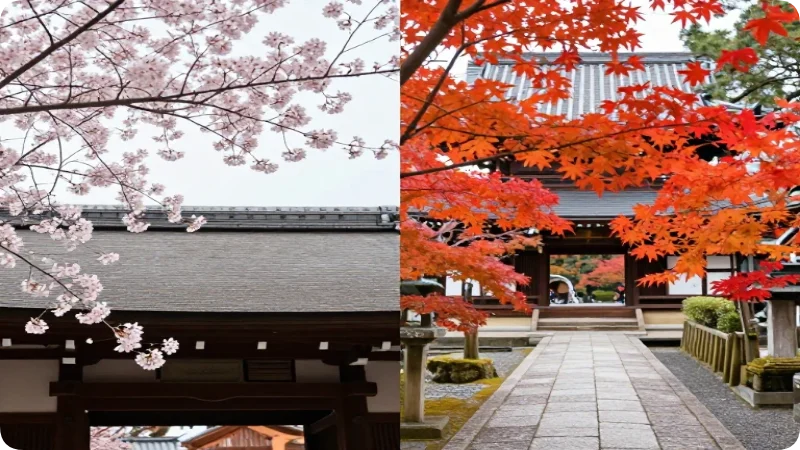
The best time to visit Japan is late March to early May for cherry blossoms or October to November for fall foliage, when temperatures stay mild and comfortable for walking. Summer brings heat and humidity, while winter offers fewer crowds and excellent skiing in northern regions.
Seasonal Comparison Table
| Season | Months | Weather | Pros | Cons |
| Spring | Mar–May | Mild, 50–70°F | Cherry blossoms, festivals | Peak crowds, higher prices |
| Summer | Jun–Aug | Hot, humid, rainy season in June | Fireworks festivals, long days | Heat, humidity, typhoon risk |
| Fall | Sep–Nov | Cool, crisp | Fall colors, fewer crowds than spring | Early nightfall |
| Winter | Dec–Feb | Cold, snow in north | Ski resorts, illuminations, low crowds | Cold in northern/mountain regions |
Insider tip: Shoulder-season weeks (early March or late November) often deliver decent foliage or blossoms with noticeably thinner crowds and lower hotel rates.
Top 10 Things to Do in Japan
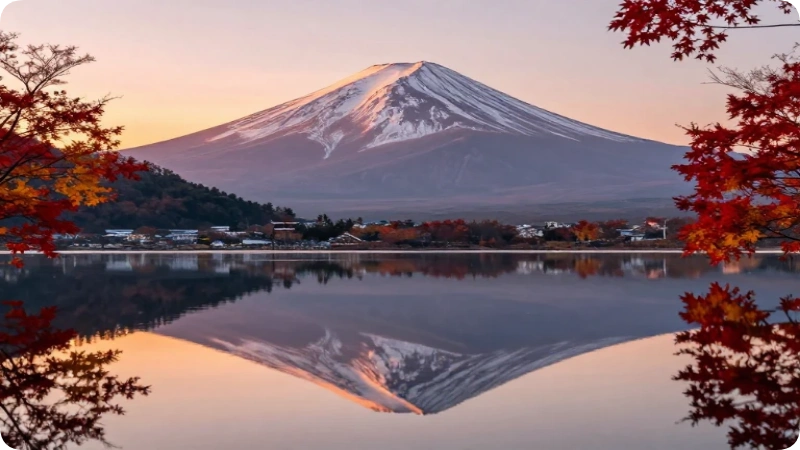
Japan’s top experiences mix iconic landmarks with everyday cultural moments from watching sumo wrestlers train to wandering a bamboo grove at sunrise. These ten activities consistently rank as the most memorable for first-time visitors.
- Explore Tokyo’s Shibuya Crossing and Shinjuku nightlife.
- Walk through Kyoto’s Fushimi Inari Shrine’s thousands of red torii gates
- See Mt. Fuji from Hakone or Kawaguchiko Lake
- Ride the shinkansen bullet train between cities
- Visit Hiroshima Peace Memorial Park and Museum
- Soak in a traditional onsen (hot spring) in Hakone or Beppu
- Wander Arashiyama’s Bamboo Grove in Kyoto
- Eat at Tsukiji Outer Market or Osaka’s Dotonbori food street
- Tour Osaka Castle and Osaka’s Umeda Sky Building
- Experience a traditional tea ceremony or kimono rental day
Top 15 Places to Visit in Japan
Beyond Tokyo and Kyoto, Japan’s regional cities and countryside offer equally rewarding stops for travelers with extra time. This list spans cities, mountains, and coastal towns worth adding to a longer itinerary.
Tokyo, Kyoto, Osaka, Hiroshima, Nara, Hakone, Nikko, Kanazawa, Sapporo, Fukuoka, Nagoya, Okinawa, Takayama, Miyajima Island, and Yokohama each bring a distinct flavor, from Nara’s free-roaming deer to Okinawa’s tropical beaches and Sapporo’s snow festivals.
Underrated alternative: Kanazawa offers Kyoto-style temples and gardens (including the celebrated Kenrokuen Garden) with a fraction of the tourist crowds.
Top Things to Do in Japan, Tokyo
Tokyo delivers the widest range of experiences in one city: futuristic districts, historic temples, and world-class food all within a single subway network. Most first-time visitors spend 3–5 days exploring Tokyo before heading to other regions.
Don’t miss Senso-ji Temple in Asakusa, the Shibuya Scramble Crossing, teamLab Planets digital art museum, Akihabara for electronics and anime culture, and the Meiji Shrine’s forested grounds near Harajuku. Tokyo Skytree and Tokyo Tower both offer skyline views, though Skytree is taller and pricier.
Unique Things to Do in Tokyo, Japan
For travelers who’ve done the standard sightseeing list, Tokyo has plenty of lesser-known experiences that feel distinctly local. These add texture beyond the typical highlight reel.
- Visit a themed café (owl café, robot restaurant-style shows, cat café)
- Explore Shimokitazawa’s vintage shops and indie theaters
- Try a standing sushi bar (tachigui) for a fast, authentic lunch
- Ride the Yamanote Line loop just to people-watch
- Browse Nakamise Shopping Street’s traditional snacks before reaching Senso-ji.
Top Things to Do in Japan for Young Adults
Young adult travelers tend to gravitate toward nightlife, shopping, and social experiences alongside cultural sightseeing. Tokyo and Osaka both cater well to this crowd with karaoke, izakaya-hopping, and youth-driven fashion districts.
Shibuya and Shinjuku’s Golden Gai alley are popular for nightlife, while Harajuku’s Takeshita Street is a go-to for streetwear and quirky shopping. Osaka’s Dotonbori district combines street food with a lively bar scene, and both cities have 24-hour karaoke boxes that are a rite of passage for visiting groups.
Adventurous Things to Do in Japan
Japan isn’t only temples and trains; it also has strong hiking, skiing, and outdoor adventure options for active travelers. Mountain regions and coastal areas both offer options depending on the season.
Hike Mt. Fuji during the official July–September climbing season, ski or snowboard in Niseko (Hokkaido) or Hakuba, go whitewater rafting near Minakami, or try canyoning in Okutama. Scuba diving around Okinawa’s coral reefs is a strong warm-weather alternative for travelers who want adventure without cold-weather gear.
Things to Do in Japan with Kids
Japan is one of the more family-friendly international destinations thanks to its safety, cleanliness, and clear public transit signage. Several attractions are specifically built with children in mind.
Tokyo Disneyland and DisneySea, Universal Studios Japan in Osaka, the Ghibli Museum, and Nara Park’s friendly deer are consistent family favorites. Bullet trains also double as an attraction for kids who enjoy trains, and convenience stores (konbini) make snack breaks easy and affordable between stops.
Top Things to Do in Japan in December
December in Japan means winter illuminations, ski season openings, and noticeably thinner tourist crowds compared to spring and fall. It’s a strong month for travelers who don’t mind cooler temperatures.
Highlights include Tokyo’s winter illumination displays (Roppongi Hills, Marunouchi), early-season skiing in Niseko and Hakuba, New Year preparations at shrines, and hot pot (nabe) dining, which is a seasonal comfort food. Christmas in Japan is treated as a couples’ holiday rather than a family one, which surprises many first-time American visitors.
Hidden Gems in Japan
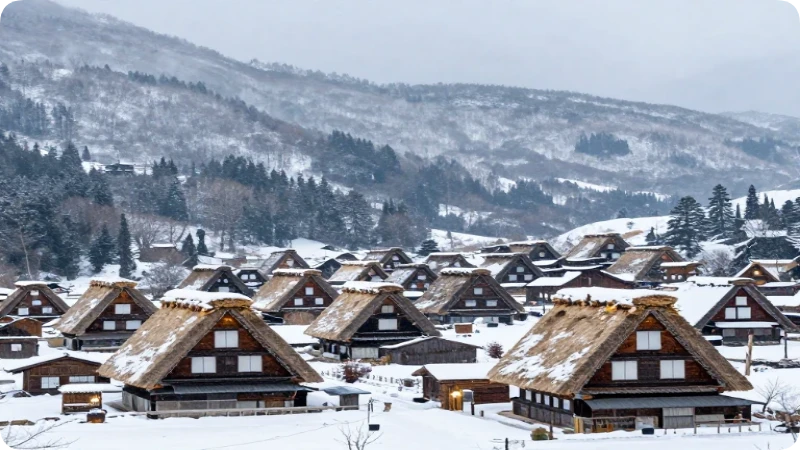
Beyond the well-known landmarks, Japan has smaller towns and neighborhoods that rarely make the standard tourist itinerary but reward travelers who make the detour.
- Yanaka (Tokyo): An old-town neighborhood that survived WWII bombing, with narrow streets and traditional shops
- Shirakawa-go: A UNESCO village with steep thatched-roof farmhouses, especially striking under snow
- Naoshima Island: An “art island” with outdoor installations and the Chichu Art Museum
- Iya Valley (Shikoku): Remote vine bridges and mountain scenery far from typical tour routes
- Zao Fox Village: A less crowded alternative to Nara’s deer park, home to free-roaming foxes
Must-Try Food in Japan
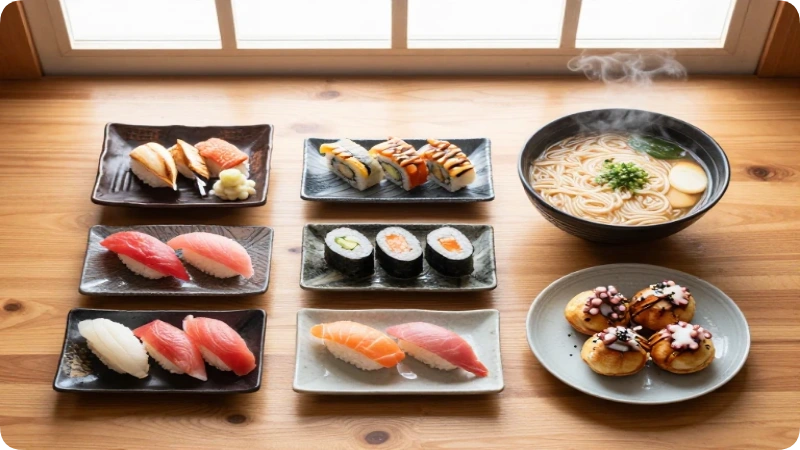
Japanese cuisine varies dramatically by region, so eating your way across the country is one of the best ways to understand local culture. Fresh, seasonal ingredients and precise technique define most dishes.
Sushi and sashimi (best in Tokyo or Osaka), ramen (regional broths vary; try tonkotsu in Fukuoka), okonomiyaki (Osaka’s savory pancake), takoyaki (octopus balls, also Osaka), wagyu beef, and kaiseki (multi-course traditional dining) top most food lists. Convenience store food, particularly onigiri and egg sandwiches, is genuinely good and worth trying, not just a backup option.
What Food Is a Must-Try in Tokyo?
Tokyo’s food scene ranges from Michelin-starred sushi counters to standing ramen shops that cost under $10. Tsukiji Outer Market remains the go-to spot for fresh seafood breakfasts, while Omoide Yokocho (“Memory Lane”) in Shinjuku offers grilled skewers (yakitori) in a nostalgic alley setting.
What Is the Most Expensive Food in Japan?
High-grade wagyu beef and premium omakase sushi (chef’s-choice tasting menus) rank among Japan’s priciest dining experiences, with some Tokyo omakase counters running several hundred dollars per person. Prices vary widely and change often, so check current menu pricing directly with the restaurant before booking.
What Is Special in Japan to Buy?
Japan is known for high-quality, uniquely local souvenirs that are difficult to find elsewhere, from handmade crafts to niche snack flavors. Shopping districts in Tokyo and Kyoto specialize in different categories.
Popular purchases include Japanese knives (Kappabashi Street, Tokyo), matcha and regional snacks, kimono or yukata robes, ceramics and lacquerware, stationery (Japan is famous for high-quality pens and notebooks), and limited-edition KitKat flavors sold only in Japan. Don’t forget tax-free shopping counters; many stores offer duty-free purchases for tourists with a valid passport.
How to Get Around Japan
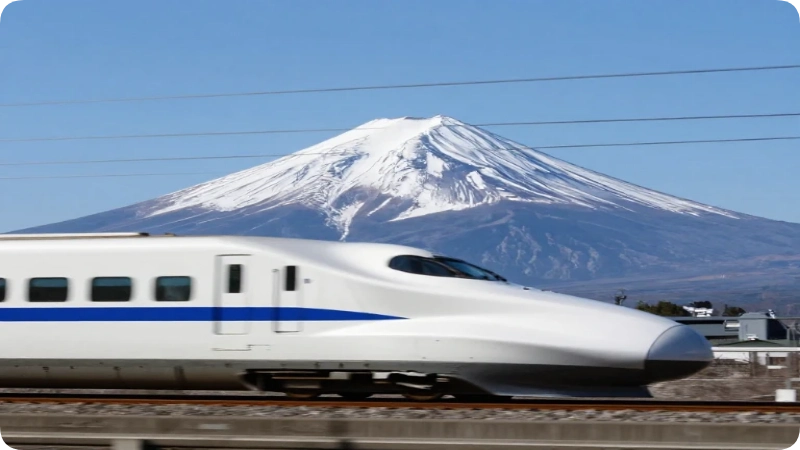
The Japan Rail (JR) network and shinkansen bullet trains make intercity travel fast, reliable, and largely stress-free compared to renting a car. Cities themselves are best explored by subway and on foot.
A Japan Rail Pass can save money for multi-city itineraries, though it’s worth calculating against individual ticket prices since pass rules and pricing change periodically; check the JR official pass site for current rates. Suica and Pasmo IC cards work across most city transit systems and convenience stores, making them worth picking up on arrival at Narita or Haneda airport.
Culture & Etiquette Tips
Japan places a strong value on quiet public behavior, cleanliness, and respect for shared spaces, and small etiquette mistakes are easy for first-time visitors to make unintentionally. Learning a few norms in advance goes a long way.
Remove shoes before entering homes, some restaurants, and temples. Avoid eating while walking in crowded areas. Keep phone calls quiet on trains, and don’t tip; it’s not customary and can even confuse. Bowing is common as a greeting, though a nod is generally fine for tourists.
Is Public Affection Acceptable in Japan?
Public displays of affection like hand-holding are common and fine, but more intimate gestures such as extended kissing or hugging are generally viewed as private and are uncommon to see in public, especially outside major cities. Couples visiting Japan typically save more visible affection for private settings out of general cultural norms around public modesty.
What Shouldn’t I Wear in Japan?
Japan doesn’t have strict dress laws, but modest, neat clothing is generally expected, especially at temples, shrines, and traditional restaurants. Beachwear, overly revealing clothing, and swimwear should stay at the beach or pool rather than city streets.
Cover shoulders and knees when visiting religious sites, and avoid wearing shoes indoors where floor seating (tatami) is used. Visible tattoos can still restrict entry to some traditional onsens and public baths, so check policies ahead or look for tattoo-friendly facilities in advance.
Common Mistakes Tourists Make (and How to Fix Them)
- Not carrying enough cash Many smaller shops and restaurants outside major cities are still cash-only; carry yen for backup.
- Skipping seat reservations on the shinkansen during peak season Reserve ahead during cherry blossom or Golden Week travel to avoid standing for hours.
- Assuming English is widely spoken everywhere It’s common in Tokyo’s tourist areas but far less so in rural regions; a translation app helps.
Sample Itinerary: 10 Days in Japan
This itinerary balances Tokyo’s energy with Kyoto’s history and a food-focused stop in Osaka, giving first-time visitors a well-rounded introduction to the country.
| Days | Location | Focus |
| 1–4 | Tokyo | Shibuya, Asakusa, Akihabara, day trip to Hakone/Mt. Fuji |
| 5–7 | Kyoto | Fushimi Inari, Arashiyama, Gion district, Nara day trip |
| 8–10 | Osaka | Dotonbori food scene, Osaka Castle, Universal Studios Japan |
Is Japan Worth Visiting? (Honest Take)
Japan is worth visiting for the vast majority of travelers thanks to its safety, efficient transit, food quality, and mix of ancient and modern culture in one trip. The main drawbacks are the long flight from the US, the language barrier outside cities, and rising costs during peak seasons.
Overrated: Some travelers find heavily Instagrammed spots like teamLab exhibits overcrowded relative to the experience. Underrated: Regional cities like Kanazawa and Takayama offer comparable beauty to Kyoto with far fewer crowds.
FAQs
What are the top 3 things Japan is known for?
Japan is best known for its blend of ancient temples and shrines, cutting-edge technology and cities, and its distinct cuisine, especially sushi and ramen. These three elements combine to give Japan a reputation as a country that honors tradition while staying futuristic.
What shouldn’t I miss in Japan?
Don’t miss Kyoto’s Fushimi Inari Shrine, a view of Mt. Fuji, and at least one shinkansen ride, since these three experiences capture Japan’s cultural, natural, and technological sides. Pairing them with a food-focused city like Osaka rounds out a well-balanced trip.
What is a must-try in Japan?
Fresh sushi, a bowl of regional ramen, and a traditional kaiseki meal are must-try food experiences in Japan. Beyond food, a stay at a ryokan (traditional inn) with an onsen bath is considered a must-try cultural experience.
What are 5 reasons to visit Japan?
Visit Japan for its exceptional food, efficient and safe public transportation, rich cultural history, distinct seasonal scenery, and a strong sense of public safety. These factors combine to make it one of the most approachable international destinations for US travelers.
Why is Gen Z obsessed with Japan?
Gen Z’s interest in Japan is largely driven by anime and pop culture exposure, social media travel content, and a strong appeal toward Japan’s fashion, food, and aesthetic subcultures. Affordable domestic travel within Japan and viral must-see spots on platforms like TikTok have also boosted interest.
What is the prettiest part of Japan to visit?
Kyoto is widely considered one of the prettiest regions of Japan thanks to its temples, gardens, and preserved historic districts like Gion. The Japanese Alps and Hokkaido also rank highly for natural scenery, especially during fall foliage and winter snow seasons.
What should tourists know before going to Japan?
Tourists should know that cash is still important outside major cities, tipping isn’t customary, and public transit etiquette (quiet phone use, no eating while walking) matters. It’s also worth confirming current visa requirements for US citizens before booking flights, since policies can change.
Do I need a visa to visit Japan from the USA?
US citizens are generally permitted short-term tourist visits without a visa, but exact requirements and stay lengths can change, so this should always be confirmed directly with the Japanese embassy or travel.state.gov before travel. Passport validity requirements should also be checked ahead of departure.
Is Japan expensive for American tourists?
Japan can range from budget-friendly to expensive depending on choices. Convenience store meals and public transit are affordable, while hotels during peak cherry blossom season and fine dining can add up quickly. Exchange rates also shift, so it’s worth checking current USD-to-yen rates before setting a trip budget.
How many days do I need in Japan?
Ten to fourteen days allows a solid first-time itinerary covering Tokyo, Kyoto, and Osaka without feeling rushed. Shorter trips of 5–7 days can still work well if focused on just one or two regions.
Is Japan safe for solo female travelers?
Japan is widely regarded as one of the safer countries in the world for solo travelers, including women, thanks to low crime rates and reliable public transit. As with any destination, standard precautions like avoiding poorly lit areas late at night are still recommended.
Is English widely spoken in Japan?
English is fairly common in Tokyo’s major tourist areas, train stations, and hotels, but far less common in rural regions and smaller local restaurants. Translation apps and pointing at menu photos are common workarounds that most travelers rely on.
Conclusion
Japan rewards travelers who mix the big-ticket landmarks Fushimi Inari, Mt. Fuji, the shinkansen with smaller, local moments like a standing sushi bar or a quiet neighborhood walk. If you’re chasing cherry blossoms in spring, winter illuminations in December, or a food-first trip through Osaka, the country adapts easily to different travel styles and budgets.
Before booking, double-check current visa requirements, exchange rates, and Japan Rail Pass pricing directly through official sources, since these details shift over time. From there, the only real decision left is which region to explore first.