
Picking the wrong neighborhood can turn a Lisbon trip into hours of uphill walking and missed sunsets. Portugal’s capital is a city of seven hills, and where you sleep shapes everything else: how far you’ll walk, how well you’ll sleep, and how much of that golden afternoon light you’ll actually see from your window.
This guide breaks down where to stay in Lisbon, Portugal, neighborhood by neighborhood, so American travelers can book with confidence instead of guesswork. If it’s a first solo trip, a family vacation, a romantic getaway, or a nightlife-driven weekend, there’s a Lisbon base that fits.
Below, find honest comparisons, safety notes, walkability rankings, budget guidance, and answers to the questions travelers ask most before landing in Lisbon.
Featured Snippet:
The best areas to stay in Lisbon are Baixa (central, walkable, first-timers), Chiado (upscale, shopping, nightlife), Alfama (historic Old Town charm), Príncipe Real (trendy, LGBTQ+-friendly, quiet), and Belém (family-friendly, riverside, near monuments). Most tourists base themselves in Baixa or Chiado for easy access to trams, viewpoints, and attractions.
Quick Facts Table: Lisbon Neighborhoods at a Glance
| Neighborhood | Best For | Vibe | Walkability | Price Level |
| Baixa | First-timers | Central, grid streets | High | $$ |
| Chiado | Shopping, nightlife | Upscale, lively | High | $$$ |
| Alfama | Old Town charm | Historic, hilly | Low–Medium | $$ |
| Príncipe Real | Couples, foodies | Trendy, boutique | Medium | $$$ |
| Belém | Families | Riverside, spacious | Medium | $$ |
| Bairro Alto | Nightlife | Loud, bohemian | Medium | $$ |
| Parque das Nações | Modern comfort | Quiet, contemporary | High (flat) | $$ |
Prices fluctuate seasonally; always verify current rates directly with hotels or booking platforms.
Where to Stay in Lisbon for the First Time
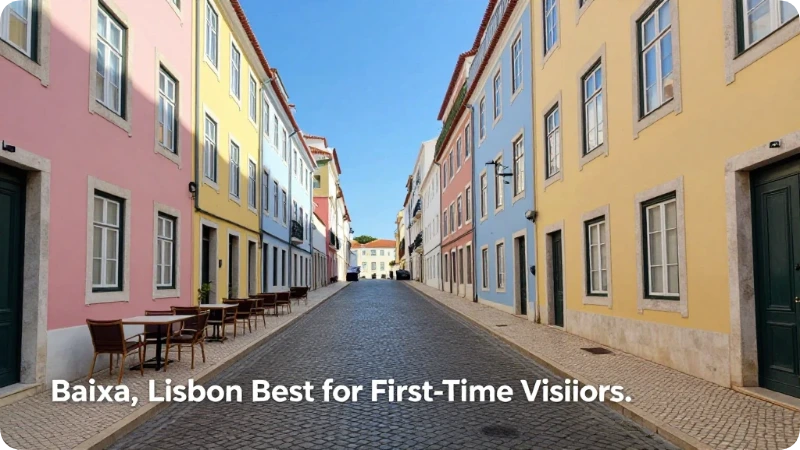
First-time visitors should stay in Baixa or Chiado, Lisbon’s flat, central downtown districts. Both sit within walking distance of the Tagus River, the main tram lines, and top attractions like Rossio Square and the Santa Justa Lift, making orientation simple without a car.
Baixa’s rebuilt 18th-century grid layout is unusually flat for Lisbon, a relief after a long flight. Chiado adds a slightly more polished, boutique feel with easy access to Bairro Alto’s nightlife just uphill.
Tip: Book a hotel within a five-minute walk of a tram or metro stop. Lisbon’s hills are steeper than they look on a map.
Lisbon Old Town or City Centre: Which Is Better?
Alfama (Old Town) suits travelers chasing atmosphere and history, while Baixa/Chiako (City Centre) suits those prioritizing convenience and flat streets. Alfama’s narrow, winding lanes feel like a living postcard but come with steep climbs and fewer late-night dining options.
City Centre neighborhoods offer easier logistics: shopping, restaurants, and transit hubs are all within a short stroll. Alfama rewards travelers willing to trade convenience for authenticity: ado music drifting from open windows, laundry strung between balconies, and river views from Miradouro das Portas do Sol.
Bottom line: Choose City Centre for ease, Alfama for character. Many travelers stay in Baixa and simply walk into Alfama for an afternoon.
Where Do Most Tourists Stay in Lisbon? (Main Tourist Area)
Most tourists stay in Baixa and Chiado, Lisbon’s downtown core and main tourist area. These districts anchor the city’s tram network, including the iconic Tram 28, and put major sights he Lisbon Cathedral, Rossio Square, and riverside Praça do Comércio within easy reach.
This concentration means downtown can feel busy in peak season (June–August), but it also means shorter walks between dinner, drinks, and your hotel door.
What’s Lisbon’s Most Walkable Area?
Baixa is Lisbon’s most walkable neighborhood thanks to its flat, 18th-century grid of rebuilt streets. Unlike hillier districts such as Alfama or Bairro Alto, Baixa was reconstructed after the 1755 earthquake with wide, level avenues designed for easy movement.
Parque das Nações, the modern riverside district built for Expo ’98, is also extremely flat and walkable, though it sits farther from the historic core.
For travelers with mobility concerns: prioritize Baixa or Parque das Nações over Alfama, Graça, or Bairro Alto.
Chiado, Lisbon: Shopping and Nightlife Base
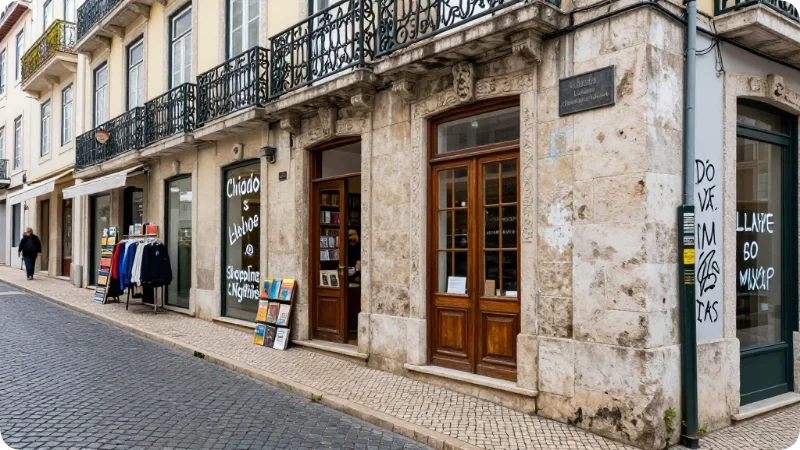
Chiado blends upscale shopping streets like Rua Garrett with literary cafés, boutique hotels, and easy uphill access to Bairro Alto’s bars. It’s one of Lisbon’s most walkable premium neighborhoods and a favorite among travelers who want polish without sacrificing central location.
What’s the best area in Lisbon for shopping? Chiado is Lisbon’s top shopping district, home to Portuguese fashion brands, bookstores like Livraria Bertrand, recognized as one of the world’s oldest operating bookshops, nd the nearby Baixa pedestrian streets for souvenirs and local crafts.
Where to Stay in Lisbon for Couples
Couples tend to prefer Príncipe Real, Chiado, or Alfama for their romantic atmosphere, boutique hotels, and walkable evening strolls. Príncipe Real offers leafy squares, design shops, and quiet wine bars away from the loudest crowds.
Chiado suits couples who want dinner reservations and rooftop bars within steps of their hotel. Alfama appeals to romantics chasing sunset views over the Tagus and live fado performances in intimate, candlelit taverns.
Where to Stay in Lisbon with Family

Families generally do best in Belém or Parque das Nações, both flatter, quieter, and stroller-friendly compared to the historic hills. Belém puts families near the Jerónimos Monastery, Belém Tower, and riverside parks, plus the famous Pastéis de Belém bakery for a kid-approved treat.
Parque das Nações offers modern apartment-style hotels, the Lisbon Oceanarium, and wide promenades ideal for children on bikes or scooters. Both areas connect to downtown Lisbon by tram, train, or metro in 15–20 minutes.
Where to Stay in Lisbon for Nightlife
Bairro Alto is Lisbon’s nightlife capital, packed with small bars that spill into the streets after 11 p.m., especially Thursday through Saturday. Chiado, directly downhill, offers a calmer but still lively alternative with lounge bars and late-dinner spots.
Caution: Booking a hotel directly inside Bairro Alto means noise well past midnight. Light sleepers should choose Chiado or Baixa instead and simply walk up for the evening.
Safest Area to Stay in Lisbon
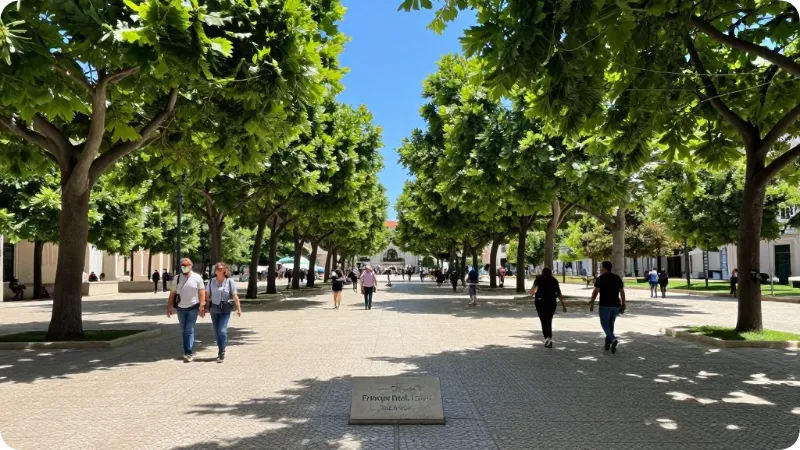
Baixa, Chiado, Príncipe Real, Belém, and Parque das Nações are consistently rated among Lisbon’s safest neighborhoods for tourists, with low rates of violent crime and heavy foot traffic that discourages trouble. Portugal itself ranked 7th on the 2026 Global Peace Index, one of the highest rankings of any country in the world.<cite index=”8-1″>Portugal maintained the same position in 2026 as in 2025 at 7th place, demonstrating its continuing stability and commitment to peace.</cite>
Petty theft and pickpocketing on crowded trams (especially Tram 28) and in tourist-heavy squares is the main risk, not violent crime. Keep bags zipped and in front on public transport.
Which is safer, Italy or Portugal? Portugal ranks consistently among the world’s top 10 safest countries on the Global Peace Index, a notably stronger position than Italy, which typically falls well outside the top 30. Both countries are considered safe for tourists overall, but Portugal’s lower crime rates and political stability give it a paper edge.
Is It Safe to Walk in Lisbon at Night?
Yes, Lisbon is generally safe to walk at night in well-lit, populated areas like Baixa, Chiado, and Bairro Alto, especially with other pedestrians around. Stick to main streets rather than isolated alleys in Alfama or Mouraria after dark, where poor lighting and steep, empty stretches reduce visibility.
Solo travelers and women walking alone should still take standard precautions: avoid deserted staircases, keep valuables out of sight, and use licensed taxis or ride-share apps late at night rather than walking long distances alone.
Where to Avoid Staying in Lisbon (and Poorer Areas)
Travelers should generally avoid basing themselves in outer districts like parts of Marvila, Chelas, or areas near Intendente late at night, which see higher rates of petty crime and fewer tourist services after dark. Intendente Square itself has been revitalized in recent years with new hotels and restaurants, but the surrounding side streets still warrant extra caution at night.
These areas aren’t dangerous for daytime visits or transit, but they lack the walkability, lighting, and dining density that make downtown Lisbon comfortable for evening strolls back to a hotel.
Do’s and Don’ts in Lisbon (Common Mistakes)
Do:
- Wear comfortable, broken-in walking shoes; cobblestones and hills are unforgiving.
- Validate a Viva Viagem transit card before boarding trams or the metro.
- Greet shopkeepers with “bom dia” or “boa tarde” before asking questions.
Don’t:
- Don’t leave bags open or phones on café tables; pickpocketing spikes on Tram 28.
- Don’t tip lavishly; 5–10% is generous in Portugal, unlike US norms.
- Don’t schedule too many hilltop miradouros back-to-back in one day; it’s exhausting.
3 Tourist Mistakes and Fixes:
- Mistake: Wearing new white sneakers on Lisbon’s slick cobblestones. Fix: Pack rubber-soled, broken-in shoes.
- Mistake: Skipping sunscreen because it’s Europe, not the beach. Fix: Lisbon’s summer sun is intense; apply SPF daily even in the city.
- Mistake: Booking a hotel without checking hill grade or stairs. Fix: Check neighborhood elevation (Baixa and Parque das Nações are flattest) before booking.
What to Wear in Lisbon to Not Look Like a Tourist
Locals in Lisbon tend to dress in neutral, well-fitted clothing- linen shirts, simple dresses, and leather or canvas shoes rather than bright athletic wear. Comfortable but polished footwear is the biggest tell; sturdy walking shoes in muted tones blend in far better than white sneakers or flip-flops.
Layering also helps, since coastal breezes can make evenings cooler than the daytime heat suggests, even in summer.
Must-Buy Souvenirs in Lisbon
Popular, authentic souvenirs include hand-painted azulejo tiles, tinned sardines from specialty shops like Conserveira de Lisboa, Portuguese cork goods (wallets, bags), and bottles of vinho verde or ginjinha liqueur. Livraria Bertrand in Chiado is a memorable stop for book lovers seeking a unique keepsake tied to Lisbon’s literary history.
What Food Is Lisbon Famous For?
Lisbon is best known for pastéis de nata (custard tarts), fresh grilled sardines, bacalhau (salt cod prepared dozens of ways), and hearty seafood rice dishes. The original custard tart recipe is famously guarded at Pastéis de Belém, a bakery operating since 1837.
Pair meals with a glass of vinho verde, a young, slightly effervescent white wine from northern Portugal, widely available at neighborhood tascas (casual taverns).
How Many Days Is Best in Lisbon?
3 to 4 days is generally the sweet spot for a first Lisbon visit enough time to explore Baixa, Alfama, Belém, and take one day trip to Sintra without rushing. Two days covers only the highlights, while five or more allows a slower pace with beach time in nearby Cascais.
Is 3 days in Lisbon too long? No, three days is close to ideal for most travelers, covering the historic core, a riverside neighborhood, and a half-day excursion, without feeling padded or repetitive.
Lisbon or Porto: Which Should You Choose?
Choose Lisbon for a bigger-city energy, coastal day trips, and more direct US flight options; choose Porto for a smaller, riverside charm centered on port wine cellars and the Douro Valley. Lisbon suits travelers who want variety: beaches, palaces, nightlife, and history in one trip.
Is Porto or Lisbon better? Neither is objectively better; it depends on pace. Porto is more compact and walkable in a weekend, while Lisbon offers more day-trip options (Sintra, Cascais, Óbidos) and a livelier nightlife scene.
Is it cheaper to go to Lisbon or Porto? Porto is typically 10–20% cheaper for hotels and dining than Lisbon, though both remain affordable compared to Western European capitals like Paris or Rome. Prices shift seasonally, so compare current rates before booking.
How many days do you need in Porto vs. Lisbon? Porto can be well explored in 2 days, while Lisbon benefits from 3–4 days given its larger size and nearby day-trip destinations.
What is the prettiest city in Portugal? This is subjective, but Porto’s riverside Ribeira district and Sintra’s fairy-tale palaces are frequently cited as Portugal’s most photogenic spots, alongside Lisbon’s tiled hillside neighborhoods.
Most Beautiful Street and Don’t-Miss Sights in Lisbon

Rua Augusta in Baixa, with its triumphal arch framing the Tagus River, is widely considered one of Lisbon’s most photogenic streets. Rua da Bica, with its yellow funicular climbing a steep, tiled hillside, is another favorite for photography.
What should you not miss in Lisbon? Don’t skip the Belém Tower, Jerónimos Monastery, a Tram 28 ride through Alfama, sunset at Miradouro de Santa Catarina, and at least one full pastel de nata tasting in Belém.
Is It Okay to Speak English in Lisbon?
Yes, English is widely spoken in Lisbon’s tourist areas, hotels, and restaurants, making communication easy for US travelers. Learning a few basic Portuguese phrases “obrigado/a” (thank you), “por favor” (please), “bom dia” (good morning) is appreciated by locals and often smooths interactions, even though it isn’t required.
What Not to Bring Into Portugal
Travelers should avoid bringing large amounts of undeclared cash (over €10,000 requires declaration under EU customs rules), fresh meat or dairy products from outside the EU, and counterfeit goods, all of which can be seized at customs. Always check current US Customs and Border Protection and Portuguese customs guidance before departure, since regulations can change.
Budget Breakdown: What to Expect
| Category | Budget | Mid-Range | Luxury |
| Hotel (per night) | $60–$100 | $120–$220 | $250+ |
| Meals (per day) | $25–$40 | $50–$80 | $100+ |
| Local transit | $1.65/ride or ~$7/day pass | Same | Private transfers |
Prices are general estimates and change with season and demand. Verify current rates on hotel and airline sites before booking.
FAQs
Which is the best place to stay as a tourist in Lisbon?
Baixa is the best overall base for tourists, offering flat, walkable streets, central tram access, and proximity to Chiado’s shops and Alfama’s historic charm all within a short walk of most major attractions.
What is the nicest part of Lisbon to stay in?
Príncipe Real is often called the nicest, most polished neighborhood, known for leafy squares, boutique hotels, and a quieter, design-forward atmosphere compared to the busier downtown core.
Where should I stay in Lisbon on a Reddit-recommended budget trip?
Travelers on forums like Reddit frequently recommend Baixa or Anjos/Arroios for budget stays; both offer lower hotel rates than Chiado while remaining a short tram or walk from the historic center.
Is Baixa or Alfama better for a first visit?
Baixa suits first-time visitors better due to its flat layout and central position, while Alfama is worth a day visit for its historic charm even if you don’t stay there overnight.
Do I need a car to get around Lisbon neighborhoods?
No Lisbon’s trams, metro, and buses connect all major neighborhoods efficiently, and a car often becomes a burden given narrow streets and limited parking in the historic core.
What time of year has the best weather for exploring Lisbon neighborhoods on foot?
Spring (April–June) and early fall (September–October) offer mild, walkable weather in the mid-60s to mid-70s°F, avoiding both summer crowds and winter rain.
Are Lisbon’s hills a dealbreaker for visitors with mobility issues?
Not necessarily; staying in Baixa or Parque das Nações avoids the steepest climbs, and Lisbon’s historic Tram 28 and several funiculars help cover hillier stretches without walking.
Conclusion
Choosing where to stay in Lisbon comes down to three questions: How much walking is realistic? How loud can the nights get? And how central does home base need to be? Baixa and Chiado answer “yes” to convenience, Alfama answers “yes” to atmosphere, and Belém or Parque das Nações answer “yes” to space and quiet.
Lisbon rewards travelers who match their neighborhood to their travel style rather than defaulting to the first highly rated hotel in search results. Book central, walkable areas for first visits, and always confirm current prices and safety updates directly with official sources before finalizing plans.
Pack comfortable shoes, grab a Viva Viagem card, and let Lisbon’s hills, trams, and tiled façades do the rest.

Maya Lin inspires travelers to explore the globe with absolute confidence and independence. Armed with a background in digital media and a decade of independent solo travel experience, she knows exactly how to navigate unfamiliar cities smoothly and safely. For Travelmarse, Maya curates the solo travel and hidden-gem verticals. She reviews charming boutique hotels, designs smart neighborhood walking routes, and shares practical language-learning hacks, giving readers the exact tools they need to travel solo without the stress.