
Picking a home base in a city split across two continents can feel overwhelming before you’ve even booked a flight. One wrong choice and a traveler ends up 45 minutes from the Blue Mosque, stuck on a ferry schedule they didn’t plan for, or paying premium rates for a location they barely use.
Knowing where to stay in Istanbul ahead of time solves all of that. This guide breaks down the city’s most traveler friendly neighborhoods from the domes and minarets skyline of Sultanahmet to the café culture of Kadıköy so travelers can match their trip style, budget, and must see list to the right base before they land.
Istanbul rewards a little pre trip planning. Get the neighborhood right, and everything else the walk to breakfast, the ferry at sunset, the late night bites on Istiklal Street falls into place.
Featured Snippet:
The best area to stay in Istanbul depends on your travel style. Sultanahmet is ideal for first-time visitors who want to walk to Hagia Sophia and the Blue Mosque, while Galata and Beyoğlu offer nightlife and restaurants. Karaköy suits boutique hotel lovers, and Kadıköy is perfect for budget travelers seeking local culture.
Quick Facts Table
| Category | Details |
| Best overall area for first timers | Sultanahmet (Old City) |
| Best for nightlife & central location | Beyoğlu / Taksim / Galata |
| Best for local, less touristy vibe | Cihangir |
| Best boutique/design hotels | Karaköy |
| Best budget + authentic experience | Kadıköy (Asian side) |
| Best luxury/upscale | Nişantaşı, Bebek |
| Closest airport to city center | Istanbul Airport (IST), ~35 50 min by car/metro |
| Currency | Turkish Lira (TRY) |
| Entry requirement for US citizens | Visa free or e Visa depending on current rules verify at evisa.gov.tr before booking |
Sultanahmet vs Galata vs Taksim: Which Istanbul Area Is Better?
Choosing between Sultanahmet, Galata, and Taksim depends on what kind of Istanbul experience you want. These three areas are the most popular bases for visitors, but each offers a completely different atmosphere.
| Area | Best For | Main Advantage | Main Drawback |
| Sultanahmet | First time visitors | Walking distance to historic sights | Quiet at night |
| Galata | Couples, food lovers, boutique stays | Charming streets and central location | Hills and higher prices |
| Taksim | Nightlife and entertainment | Restaurants, shopping, metro access | More crowded and noisy |
Head to Sultanahmet if:
- This is your first Istanbul trip
- You want to visit Hagia Sophia, Blue Mosque, and Topkapı Palace easily
- You prefer walking instead of using transport
Consider Galata if:
- You want beautiful streets, cafés, rooftop restaurants, and a more modern Istanbul feel
- You enjoy exploring neighborhoods on foot
- You want easy access to both Old City and Beyoğlu
Choose Taksim if:
- Nightlife, shopping, and restaurants matter most
- You prefer a lively city atmosphere
- You plan to use public transportation frequently
Quick recommendation:
First visit → Sultanahmet
Romantic or stylish stay → Galata
Nightlife focused trip → Taksim
Old Town vs New Town Istanbul: Where Should You Stay?
Istanbul is often divided into two main tourist zones: the Old Town (Sultanahmet and nearby historic districts) and the New Town (Beyoğlu, Galata, Taksim, and surrounding neighborhoods).
Old Town Istanbul (Sultanahmet)
Best for travelers who want Istanbul’s famous landmarks right outside their hotel door.
Advantages:
- Walk to Hagia Sophia, Blue Mosque, and Basilica Cistern
- Easier sightseeing schedule
- Better for short trips
Disadvantages:
- Less nightlife
- More tourist focused restaurants
- Streets become quiet after evening
New Town Istanbul (Galata, Beyoğlu, Taksim)
Best for travelers who want restaurants, nightlife, shopping, and a more modern atmosphere.
Advantages:
- Better evening entertainment
- More cafés and bars
- Strong public transportation connections
Disadvantages:
- Requires transport to reach many historic attractions
Best choice:
For first time visitors staying 2 4 days, Old Town is usually more convenient. For longer stays or repeat visitors, New Town offers a more complete Istanbul experience.
Safest Areas to Stay in Istanbul for Tourists
Istanbul is a large city, and safety varies by neighborhood. The best areas for visitors are usually busy districts with good transportation, restaurants, and plenty of travelers.
Sultanahmet Safest for First Time Visitors
Sultanahmet is one of the easiest areas for new visitors because everything is walkable and tourist activity continues throughout the day.
Best for:
- First time travelers
- Older travelers
- Short Istanbul visits
Galata & Karaköy Best Balance of Safety and Location
These neighborhoods offer a mix of locals and visitors, making them popular with travelers who want nightlife without staying in the busiest tourist zones.
Best for:
- Couples
- Solo travelers
- Food lovers
Kadıköy Safe Local Experience
Kadıköy is popular with locals and younger travelers. It has cafés, markets, restaurants, and a relaxed atmosphere.
Best for:
- Repeat visitors
- Longer stays
Where to Stay in Istanbul for Solo Female Travellers
Istanbul can be a rewarding destination for solo female travelers, especially when choosing a neighborhood with good transport, busy streets, and plenty of cafés and restaurants nearby.
The best areas include:
Sultanahmet
A comfortable choice for first time solo visitors because attractions are close and many travelers stay nearby.
Galata
A favorite for solo travelers who want cafés, rooftop restaurants, and a more social atmosphere.
Kadıköy
Great for experienced solo travelers who want a local neighborhood feel with excellent food and nightlife.
Solo travelers should consider:
- Staying near metro, tram, or ferry stations
- Avoiding isolated streets late at night
- Using registered taxis or ride apps
Where to Stay in Istanbul With Family
Families should prioritize quiet streets, easy transportation, and hotels with larger rooms rather than choosing only based on nightlife.
Best Family Areas:
Sultanahmet
Best for families visiting Istanbul for the first time.
Why families like it:
- Major attractions are walkable
- Less transportation stress
- Many family friendly hotels
Karaköy
A good option for families who want modern hotels and restaurants.
Benefits:
- Waterfront walks
- Stylish accommodations
- Easy tram connections
Nişantaşı
Best for families wanting a quieter, upscale neighborhood.
Benefits:
- Safe residential atmosphere
- Shopping streets
- Higher end hotels
Avoid staying directly on Istiklal Street if traveling with young children because nightlife noise can continue late.
Where to Stay in Istanbul for a Week
A one week Istanbul trip allows travelers to experience more than just the historic center. Instead of staying in one neighborhood, consider choosing a base that matches your travel style.
Best One Week Options:
Option 1: Sultanahmet + Galata Split
- First 3 nights: Sultanahmet for historic attractions
- Next 4 nights: Galata or Karaköy for restaurants and nightlife
Option 2: Galata Base
Best for travelers who want one hotel location.
Benefits:
- Central location
- Easy access to Old City
- Better evening atmosphere
Option 3: Kadıköy Base
Best for budget travelers and repeat visitors.
Best Istanbul Areas for Hotels
Choosing a hotel in Istanbul is mostly about location rather than the hotel itself. A cheaper hotel in the wrong district can cost hours of travel time every day.
Best Hotel Areas:
Luxury Hotels
- Nişantaşı
- Bebek
- Bosphorus waterfront
Boutique Hotels
- Galata
- Karaköy
- Sultanahmet
Budget Hotels
- Kadıköy
- Beyoğlu side streets
- Sultanahmet guesthouses
When booking, check:
- Walking distance to public transport
- Recent guest reviews
- Noise complaints
- Elevator availability (many historic buildings lack elevators)
Best Time to Visit (and How It Affects Where to Stay)
Istanbul is a year round destination, but the season a traveler visits changes how much a neighborhood’s location matters. Spring (April May) and fall (September October) bring mild weather and thinner crowds, making it easier to justify staying slightly outside the historic core.
Summer (June August) is peak season with the heaviest crowds around Sultanahmet, so a base with quick metro or tram access matters more. Winter (November March) is quiet and cooler, with some rain, which makes indoor adjacent neighborhoods like Beyoğlu packed with cafés, museums, and covered bazaars a comfortable choice.
Seasonal snapshot:
- Peak (June August): Hot, crowded, highest hotel rates book Sultanahmet or Beyoğlu early.
- Shoulder (April May, September October): Best weather to crowd ratio; ideal for exploring farther flung areas like Kadıköy or Bebek.
- Off season (November March): Fewer tourists, lower rates, some rain central, walkable neighborhoods shine.
Where to Stay in Istanbul: Top Neighborhoods
Sultanahmet (Old City) Best for First Time Visitors
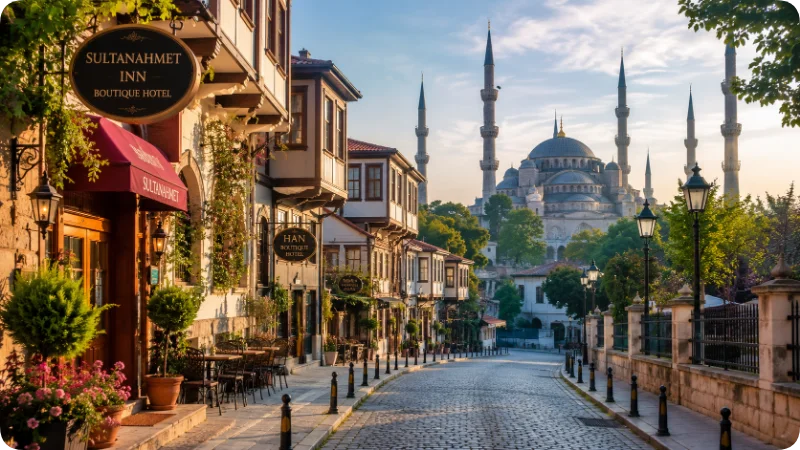
Sultanahmet puts travelers within a five to ten minute walk of Istanbul’s headline attractions Hagia Sophia, the Blue Mosque, Topkapı Palace, the Basilica Cistern, and the Grand Bazaar. It’s the single most convenient base for anyone visiting for the first time and focused on history.
The tradeoff is atmosphere: Sultanahmet quiets down early in the evening compared to Beyoğlu, and it leans heavily touristy, with restaurants and shops priced accordingly. <cite index=”7 1″>Travelers staying three or more days often split their time between Sultanahmet and Taksim/Beyoğlu to get both the historic sights and the livelier nightlife.</cite>
Best for: First time visitors, history lovers, travelers who want to walk to major sites. Skip if: Nightlife and a young, buzzing scene are the priority.
Beyoğlu, Taksim & Galata Best for Nightlife and Central Access
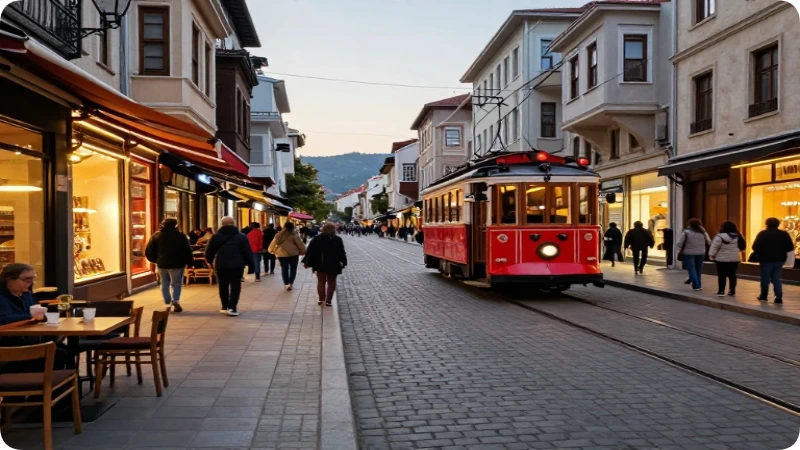
<cite index=”3 1″>Istiklal Street and the surrounding Galata area rank among the most central and popular spots in the city, putting visitors within walking distance of major attractions, restaurants, and public transportation.</cite> Taksim Square anchors the district as one of Istanbul’s main cosmopolitan hubs, packed with restaurants, bars, and theaters.
<cite index=”4 1″>Beyoğlu sits just north of Sultanahmet and is widely considered the top choice for travelers on a budget, centered around the pedestrianized Istiklal Caddesi that draws locals and tourists alike, day and night.</cite> Galata, technically part of Beyoğlu, has its own distinct character built around the iconic Galata Tower and cobblestone lanes.
Safety wise, <cite index=”7 1″>the Beyoğlu district including Taksim, Galata, and Karaköy is considered very safe for tourists, with Istiklal Avenue busy with both visitors and locals throughout the day and night.</cite> As in any major city, keep an eye on belongings in crowded pockets like the Grand Bazaar and Istiklal Street.
Best for: Nightlife, restaurants, shopping, and easy metro access to both the Old City and the Bosphorus. Skip if: A quiet night’s sleep matters more than being in the middle of the action Istiklal Street stays loud late.
Cihangir Best for a Local, Bohemian Feel
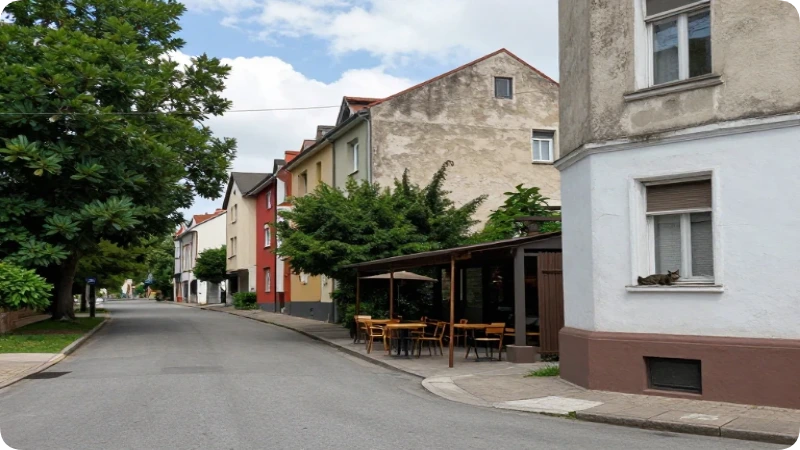
<cite index=”6 1″>Cihangir is a residential, less touristy pocket of Beyoğlu known for hipster cafés and street art, and it’s long been popular with artists, actors, and expats.</cite> It doesn’t have marquee attractions of its own, but <cite index=”6 1″>its location gives easy walking access to Taksim Square and Istiklal Street.</cite>
Travel writers who return to Istanbul repeatedly often gravitate here specifically because it delivers the same access as Beyoğlu with a calmer, more residential pace after dark a useful distinction for anyone who’s already done the major sights and wants to live like a local for a few days.
Best for: Repeat visitors, slower travel, cafés and neighborhood life over checklist sightseeing. Skip if: It’s a first trip built entirely around the historic monuments Cihangir is a 20 30 minute walk or short taxi from Sultanahmet.
Karaköy Best for Boutique and Design Hotels

Karaköy sits where the Golden Horn meets the Bosphorus, a former port district that’s transformed into Istanbul’s most design forward neighborhood. Expect converted warehouses turned into stylish hotels, third wave coffee shops, and some of the city’s best contemporary dining.
<cite index=”5 1″>Karaköy is loud on weekends, with waterfront bars running late light sleepers or travelers with children may prefer Cihangir just above it for similar access with more quiet.</cite> <cite index=”6 1″>It’s also one of the better neighborhoods for eating out on a budget despite its trendy reputation.</cite>
Best for: Design conscious travelers, foodies, couples wanting a stylish base near the water. Skip if: Traveling with young kids or needing an early bedtime.
Kadıköy (Asian Side) Best for Budget and Authentic Local Life
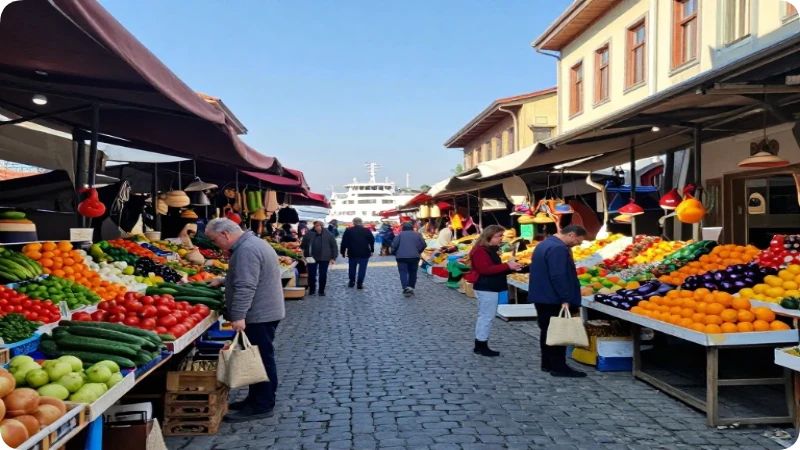
Most first time visitors never cross the Bosphorus which is exactly the appeal for those who do. <cite index=”5 1″>Kadıköy is a proper residential neighborhood with a twice weekly street market, a fish market, and wine bars and cafés that fill with actual locals rather than tour groups.</cite>
<cite index=”7 1″>Kadıköy and neighboring Moda are noticeably cheaper than the European tourist zones and offer an authentic, non touristy experience with a strong food and café scene.</cite> The ferry connection is part of the charm: <cite index=”5 1″>the crossing from Eminönü takes about 25 minutes and doubles as one of the best low cost ways to see the Bosphorus.</cite> <cite index=”7 1″>It’s not ideal for a first visit centered on the major historical sites, but it’s a great fit for a second trip or a longer stay.</cite>
Best for: Budget travelers, foodies, return visitors, anyone wanting a break from tourist crowds. Skip if: It’s a short first trip and the Old City sights are the main goal the ferry adds 20 30 minutes each way.
Nişantaşı & Bebek Best for Luxury Stays
<cite index=”7 1″>Nişantaşı is Istanbul’s upscale residential and shopping district, home to designer boutiques, fine dining, and some of the city’s best boutique hotels, while Bebek along the Bosphorus and the historic Pera area also offer excellent luxury options.</cite> These neighborhoods trade proximity to Sultanahmet for quiet, tree lined streets, high end shopping, and in Bebek’s case waterfront views.
Best for: Honeymooners, luxury travelers, anyone prioritizing comfort and views over walkability to historic sites. Skip if: Budget is a major factor or the trip is short and sightseeing focused.
Comparison Table: Istanbul Neighborhoods at a Glance
$
| Neighborhood | Best For | Vibe | Distance to Old City | Price Range |
| Sultanahmet | First time visitors, history | Historic, touristy | Walking distance | $$ |
| Beyoğlu/Taksim/Galata | Nightlife, central access | Lively, energetic | 15 20 min tram | $$ |
| Cihangir | Local, bohemian life | Relaxed, residential | 20 30 min walk/taxi | $$ |
| Karaköy | Boutique/design hotels | Trendy, artsy | 15 20 min | |
| Kadıköy | Budget, authentic culture | Local, laid back | 25 min ferry | $ |
| Nişantaşı / Bebek | Luxury | Upscale, quiet | 25 40 min | $$$$ |
How to Get There and Get Around
Istanbul is served by two airports: Istanbul Airport (IST), the main international hub on the European side, and Sabiha Gökçen (SAW) on the Asian side, which handles many budget and regional carriers. IST is roughly 35 50 minutes from Sultanahmet and Beyoğlu by metro or taxi depending on traffic; SAW is more convenient for travelers based in Kadıköy.
Once in the city, the tram (T1 line) connects Sultanahmet directly to Karaköy and across the Galata Bridge toward Kabataş, where it links to the funicular up to Taksim. The Bosphorus ferries cheap, scenic, and genuinely useful for transport, not just sightseeing connect the European and Asian sides in 20 30 minutes.
Tip: Pick up an Istanbulkart, the city’s rechargeable transit card, on arrival. It works across trams, metro, buses, and ferries and is far cheaper than single ride tickets.
Budget Breakdown by Neighbourhood
Accommodation costs shift noticeably by district and season. Sultanahmet and central Beyoğlu carry the highest rates due to demand and location; Kadıköy and outer Beyoğlu pockets run lower. As a general guide:
- Budget ($30 $60/night): Hostels and simple guesthouses in Sultanahmet’s back streets, Laleli, or Kadıköy.
- Mid range ($60 $150/night): Boutique hotels in Cihangir, Karaköy, or well located Beyoğlu properties.
- Luxury ($150+/night): Bosphorus view hotels in Beşiktaş, Bebek, or five star properties near Sultanahmet with Blue Mosque views.
Prices fluctuate with season and currency exchange rates, so always confirm current rates directly with hotels or booking platforms before finalizing a trip.
Common Mistakes When Choosing Where to Stay
Booking only in Sultanahmet for a week long trip. It’s perfect for the first two or three days, but the area quiets down early pairing it with a night or two in Beyoğlu balances sightseeing with atmosphere.
Ignoring the Asian side entirely. Kadıköy is a short, scenic ferry ride away and offers noticeably better value skipping it means missing both savings and an authentic slice of the city.
Underestimating Istanbul traffic. A hotel that looks close on a map can mean a 40 minute crawl during rush hour. Prioritize proximity to a tram, metro, or ferry line over straight line distance to attractions.
Sample 5 Day Itinerary Using This Guide
- Days 1 2: Base in Sultanahmet Hagia Sophia, Blue Mosque, Topkapı Palace, Basilica Cistern, Grand Bazaar.
- Day 3: Move to Beyoğlu/Galata Galata Tower, Istiklal Street, evening in the bars near Karaköy.
- Day 4: Day trip to Kadıköy via ferry local markets, Moda seaside walk, dinner among locals.
- Day 5: Bosphorus cruise and a stroll through Bebek or Nişantaşı before departure.
Safety Tips for Choosing a Neighborhood
Istanbul is generally safe for tourists, and the areas covered above are among the most visited and well patrolled in the city. Standard big city precautions apply: watch belongings in crowded spots like the Grand Bazaar and Istiklal Street, use registered taxis or ride hailing apps, and keep valuables out of sight on public transport.
Travel advisories can change, so it’s worth checking the U.S. Department of State’s Turkey travel page shortly before departure for the latest guidance.
Responsible Travel Notes
Several neighborhoods on this list especially Sultanahmet and central Beyoğlu deal with heavy tourist volume. Spreading a stay across a quieter area like Cihangir or Kadıköy helps ease pressure on the most visited streets while giving local businesses outside the main tourist strip a share of visitor spending.
FAQs
Is Sultanahmet in Old Town Istanbul?
Yes. Sultanahmet is located in Istanbul’s Old City (historically known as the historic peninsula). It is the main area for visitors who want to see landmarks like Hagia Sophia, the Blue Mosque, Topkapı Palace, and the Basilica Cistern.
Is it better to stay in Galata or Sultanahmet?
Sultanahmet is better for first time visitors because the major historic attractions are within walking distance. Galata is better for travelers who prefer cafés, nightlife, boutique hotels, and a more modern Istanbul atmosphere.
Is Taksim or Sultanahmet better to stay in Istanbul?
Sultanahmet is better for sightseeing, while Taksim is better for nightlife and shopping. Travelers visiting Istanbul for the first time usually prefer Sultanahmet, while younger travelers and return visitors often enjoy Taksim or Galata.
What is the safest area to stay in Istanbul?
Sultanahmet, Galata, Karaköy, and Kadıköy are among the safest and most popular areas for tourists. The best choice depends on If you prioritize sightseeing, nightlife, or local culture.
Where should first time visitors stay in Istanbul?
First time visitors should usually stay in Sultanahmet because it minimizes travel time to Istanbul’s most famous attractions. Galata is another excellent choice for travelers who want a more lively neighborhood.
What is the best area to stay in Istanbul for first time visitors?
Sultanahmet is the top choice for first timers, putting travelers within walking distance of the Hagia Sophia, Blue Mosque, Topkapı Palace, and Grand Bazaar. It’s ideal for a first two to three days focused on major historic sites.
Is it better to stay on the European or Asian side of Istanbul?
The European side (Sultanahmet, Beyoğlu, Karaköy) holds nearly all major attractions and is best for shorter trips. The Asian side (Kadıköy) suits travelers who want lower prices and a more local experience, especially on longer stays.
What’s the safest area to stay in Istanbul?
Sultanahmet, Beyoğlu, Karaköy, and Kadıköy are all considered safe and well trafficked by tourists and locals alike. Standard urban precautions around crowded areas and public transport apply anywhere in the city.
How many days should I spend in Sultanahmet?
Two to three days is typically enough to cover Sultanahmet’s major sights at a comfortable pace, including Hagia Sophia, the Blue Mosque, Topkapı Palace, and the Basilica Cistern.
Do I need a visa to visit Istanbul from the USA?
Entry requirements for US citizens have changed in recent years and are subject to further change. Travelers should confirm current rules directly at the official Turkish e Visa portal (evisa.gov.tr) before booking.
Is Kadıköy worth staying in for a first trip to Istanbul?
Kadıköy is better suited to a second visit or a longer stay, since it sits a ferry ride away from the major historic sites. For a first trip focused on sightseeing, a European side base is more practical.
What’s the most underrated neighborhood in Istanbul?
Kadıköy is arguably the most underrated most first time visitors skip it entirely, missing a lower cost, locally driven side of the city with strong food, markets, and café culture.
Final Takeaways
Choosing where to stay in Istanbul comes down to three questions: How many days is the trip? Is this a first visit or a return trip? And is the priority sightseeing, nightlife, or local culture?
For most first time travellers, a Sultanate base with a night or two added in Beyoğlu covers the essentials without over complicating logistics. Return visitors and longer stays open the door to Cihangir’s quieter streets, Karaköy’s design hotels, or Kadıköy’s local rhythm across the water.
Istanbul rewards travellers who match their neighbourhood to their trip style rather than defaulting to whatever ranks first in a search.
Book early for peak summer travel, keep transit lines in mind when comparing hotels, and confirm current entry requirements before finalising plans the rest of the city is ready to be explored on foot, by tram, and by ferry.

Ben Fogle believes that true adventure begins where the pavement ends. After spending years documenting extreme environments, rowing across oceans, and trekking through frozen landscapes, he mastered the art of wilderness travel. For Travelmarse, Ben constructs highly detailed guides on deep-nature packing lists, wildlife safety, and sustainable eco-tourism. He breaks down intimidating, rugged expeditions into clear, step-by-step roadmaps so everyday travelers can safely connect with the natural world.