Picking where to stay in Munich can make or break a trip. Choose the wrong neighbourhood, and long train rides eat into sightseeing time. Choose well, and cobblestone streets, beer gardens, and the Alps skyline are all a short walk away.
Munich is compact, clean, and easy to navigate, but its neighbourhoods each have a distinct personality from the historic charm of the Altstadt to the bohemian energy of Schwabing. This guide breaks down the best areas to stay in Munich for first timers, families, solo travelers, Oktoberfest crowds, and holiday season visitors, along with a map overview, safety notes, and answers to the questions travelers ask most.
Featured Snippet:
The best area to stay in Munich depends on your travel style. Altstadt (Old Town) is the top choice for first time visitors who want major attractions nearby, while Schwabing offers cafés and a local atmosphere. Maxvorstadt suits museum lovers, Glockenbachviertel is ideal for nightlife, and Haidhausen or Bogenhausen provide a quieter, upscale stay.
Quick Facts Table
A fast overview before diving into neighborhood details, covering the essentials American travelers usually look for when planning where to base themselves in Munich.
| Category | Details |
| Best area for first timers | Altstadt (Old Town) |
| Best area for nightlife | Glockenbachviertel |
| Best area for families | Schwabing or Bogenhausen |
| Best area for budget travel | Near Hauptbahnhof (Central Station) |
| Best area for Oktoberfest | Ludwigsvorstadt / Theresienwiese |
| Main airport | Munich Airport (MUC) |
| Public transport hub | Marienplatz / Hauptbahnhof |
| Currency | Euro (€) |
| Walkability | Very high in central districts |
Prices, transit schedules, and hotel availability change often always confirm current details on official city and transit sites before booking.
Best Area to Stay in Munich (Overview)
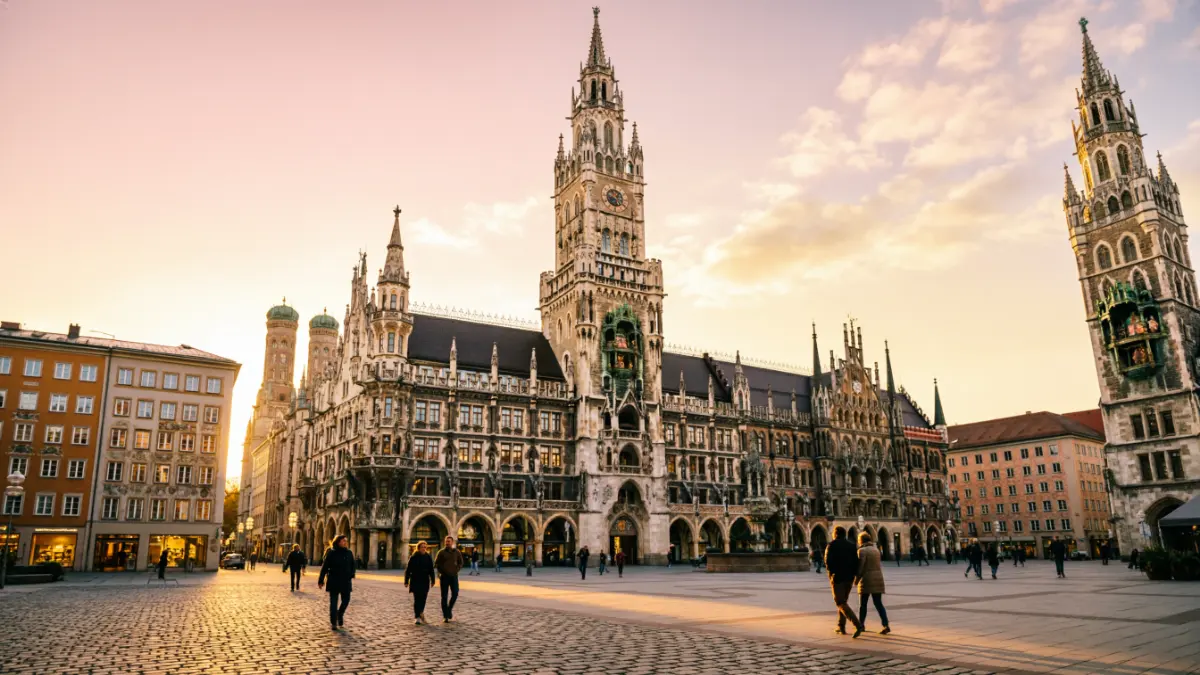
The best overall area to stay in Munich is the Altstadt, the historic city center anchored by Marienplatz. It puts major landmarks, transit lines, and restaurants within walking distance, making it the most convenient base for visitors who want to minimize commute time.
Beyond the Altstadt, Munich’s neighborhoods each serve a different travel style. Schwabing suits travelers who want charm without the tourist crowds. Maxvorstadt is ideal near the museum district. Haidhausen and Bogenhausen offer a more residential, local feel just a few U Bahn stops from the center.
Where to Stay in Munich for First Time Visitors
First time visitors should stay in Altstadt Lehel or the area immediately around Marienplatz, since nearly every major attraction Marienplatz, Frauenkirche, Viktualienmarkt, and the Residenz sits within a 15 minute walk.
This area also connects directly to Munich’s S Bahn and U Bahn network, so day trips to Nymphenburg Palace, Dachau Memorial, or the Alps require no transfers through unfamiliar districts. Hotels here range from mid range to upscale, and rooms book up faster during summer and Oktoberfest, so early reservations matter.
For a slightly quieter but still central option, Lehel just east of the Altstadt along the Isar River offers leafy streets, easy access to the English Garden, and shorter walks to the same core sights.
Where to Stay in Munich Old Town (Altstadt)
The Altstadt is Munich’s medieval core, home to Marienplatz, the Glockenspiel, and the city’s oldest churches, and it remains the single most convenient neighborhood for sightseeing on foot. Nearly all major museums, the Residenz palace complex, and the central beer halls sit inside or just beyond its ring road.
Staying here means paying a premium for location, and streets can feel crowded with tourists during peak season. Noise from nearby squares and pedestrian zones is common, so travelers who value quiet evenings might prefer bordering districts like Lehel instead.
Best for: first time visitors, short stays, travelers without a car. Consider skipping if: you want budget rates or a local, non touristy feel.
Best Area to Stay in Munich for Families
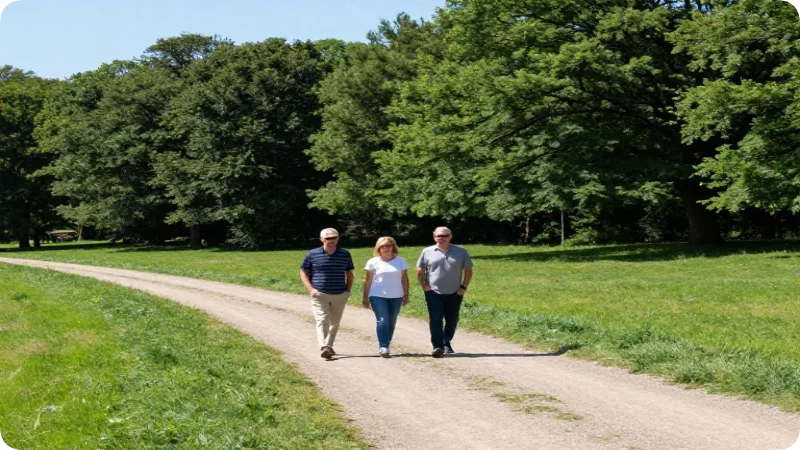
Families tend to do best in Schwabing or Bogenhausen, both of which combine residential calm with quick transit access to central Munich and the English Garden’s open lawns and playgrounds.
Schwabing offers wide sidewalks, casual cafés, and proximity to the Englischer Garten Munich’s largest park, ideal for picnics, biking, or letting kids run. Bogenhausen, across the Isar River, is quieter still, with leafy streets and easy access to Friedensengel park.
Both neighborhoods typically offer larger apartment style accommodations, which suit families better than compact city center hotel rooms.
Where to Avoid Staying in Munich
The area immediately surrounding Munich Hauptbahnhof (Central Station), especially at night, is generally considered less pleasant for tourists due to a higher concentration of adult entertainment venues and occasional public intoxication near the station exits.
This doesn’t mean the district is unsafe in a broad sense Munich overall has low violent crime but travelers, especially those with children or traveling solo at night, often prefer neighborhoods a few blocks further out, such as Ludwigsvorstadt Isarvorstadt’s quieter side streets or the Altstadt itself.
Always check current local advisories, since conditions around any transit hub can shift.
What Is the Safest Neighborhood in Munich?
Munich ranks among Europe’s safer major cities overall, and neighborhoods like Bogenhausen, Lehel, and Schwabing are consistently rated among the safest and most residential, with low crime rates and well lit, family friendly streets.
These areas are popular with long term residents rather than nightlife crowds, which contributes to their calmer atmosphere after dark. As with any city, standard precautions watching belongings on public transit and avoiding poorly lit shortcuts late at night are still recommended.
What Are the Nicest Parts of Munich?
The nicest parts of Munich for a memorable stay include Lehel for its riverside elegance, Schwabing for its artsy café culture, and the Altstadt for architectural beauty around Marienplatz and the Frauenkirche’s twin towers.
- 🏙️ Lehel quiet, upscale, close to the Isar River and museums.
- ☕ Schwabing bohemian history, boutique shopping, tree lined streets.
- ⛪ Altstadt Gothic and Baroque landmarks within walking distance of each other.
- 🌳 Haidhausen French quarter charm with a village like feel.
Each of these districts pairs well with a stroll through the Englischer Garten, one of the largest urban parks in the world.
Where to Stay in Munich: Map & Neighborhood Overview
Understanding Munich’s layout helps travelers choose a base that matches their itinerary, since the city radiates outward from Marienplatz with the Isar River running north south along the eastern side of downtown.
| Neighborhood | Vibe | Best For |
| Altstadt | Historic, central | First timers, short trips |
| Schwabing | Trendy, residential | Families, longer stays |
| Maxvorstadt | Cultural, academic | Museum lovers |
| Glockenbachviertel | Nightlife, LGBTQ+ friendly | Solo travelers, nightlife |
| Lehel | Quiet, upscale | Couples, relaxed pace |
| Haidhausen | Local, charming | Authentic city feel |
| Bogenhausen | Residential, calm | Families, safety priority |
| Ludwigsvorstadt | Convenient, transit hub | Oktoberfest, budget stays |
Most of these neighborhoods sit within a 10 20 minute U Bahn or S Bahn ride of Marienplatz, so no choice puts travelers too far from the action.
Where to Stay in Munich for Oktoberfest
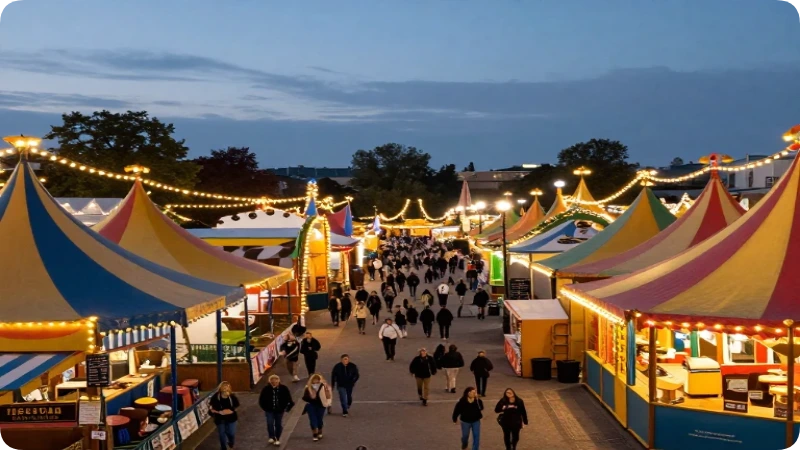
For Oktoberfest, the best base is Ludwigsvorstadt Isarvorstadt, the district surrounding Theresienwiese, the festival grounds itself, since it allows visitors to walk to the tents rather than navigate packed public transit.
Hotels here sell out months in advance and prices rise sharply during the festival, typically running late September through the first weekend of October. Booking six to twelve months ahead, and confirming current festival dates on Munich’s official tourism site, is strongly advised.
Travelers who can’t secure a room nearby can also consider the Hauptbahnhof area, which sits one to two U Bahn stops from the festival grounds.
Where to Stay in Munich for Christmas Markets
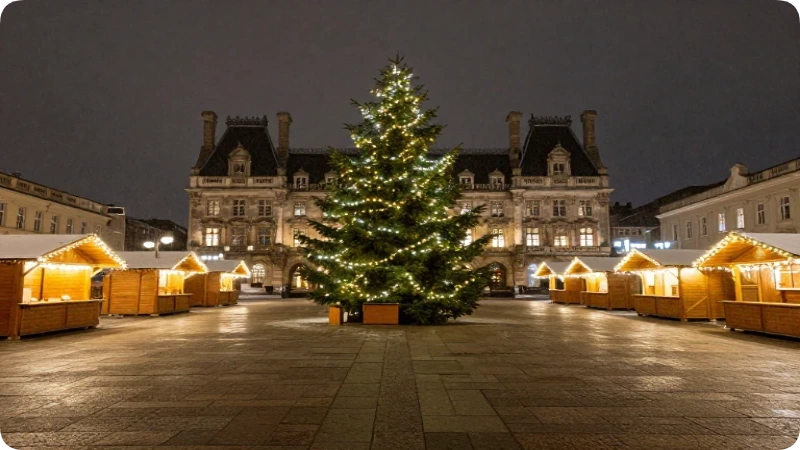
The Altstadt is the top choice for Christmas markets, since Marienplatz hosts Munich’s largest and most famous Christkindlmarkt directly outside the New Town Hall, alongside smaller markets scattered through nearby squares.
Staying within the Altstadt or Lehel means stepping outside into festive lights, mulled wine stalls, and wooden ornament vendors without needing transit at all. Streets can be crowded on weekend evenings, so travelers who prefer calmer walks back to their hotel might choose Lehel over the market square itself.
Where to Stay in Munich in December
December visitors should prioritize Altstadt or Lehel for proximity to Christmas markets and shorter daylight hours, since fewer walkable hours make a central base especially valuable in winter.
Munich in December is cold, often near or below freezing, with occasional snow. A centrally located hotel reduces time spent waiting outdoors for trains and keeps museums, indoor cafés, and heated market stalls within easy reach.
Packing tip: insulated boots and a warm coat matter more than an umbrella, since snow is more common than heavy rain this time of year.
Is Munich the Most Walkable City?
Munich isn’t Europe’s single most walkable city, but its city center ranks among the most pedestrian friendly in Germany, with a compact Altstadt, wide pedestrian zones, and a dense public transit network filling in the gaps.
Most core attractions Marienplatz, Viktualienmarkt, the Residenz, and the Frauenkirche sit within a 15 minute walk of one another. For destinations farther out, like Nymphenburg Palace or Dachau, the U Bahn and S Bahn networks are fast, clean, and easy for English speaking visitors to navigate.
How Many Days in Munich Is Enough?
2 to 3 days is enough to see Munich’s core highlights, including Marienplatz, the Residenz, Viktualienmarkt, and a beer garden visit, while 4 to 5 days allows time for day trips to Neuschwanstein Castle or Dachau Memorial.
- 1 day: Marienplatz, Frauenkirche, quick beer garden stop.
- 2 3 days: add museums, the English Garden, and Nymphenburg Palace.
- 4 5 days: add day trips to the Alps, Neuschwanstein, or Salzburg.
Travelers visiting only for Oktoberfest often extend their stay by an extra day or two to recover between festival days.
Best Month to Visit Munich
May, June, and September are generally considered the best months to visit Munich, offering mild weather, blooming parks, and fewer crowds than the peak Oktoberfest weeks in late September and early October.
| Season | Months | Pros | Cons |
| Spring | Apr Jun | Mild weather, blooming gardens | Occasional rain |
| Summer | Jul Aug | Warm, long days, beer gardens | Peak crowds, higher prices |
| Oktoberfest | Late Sep early Oct | Iconic festival atmosphere | Highest prices, packed hotels |
| Winter | Dec Feb | Christmas markets, festive charm | Cold, short daylight hours |
Travelers who want good weather without festival level crowds and pricing often lean toward late spring or early autumn.
Top 5 Tourist Attractions in Munich
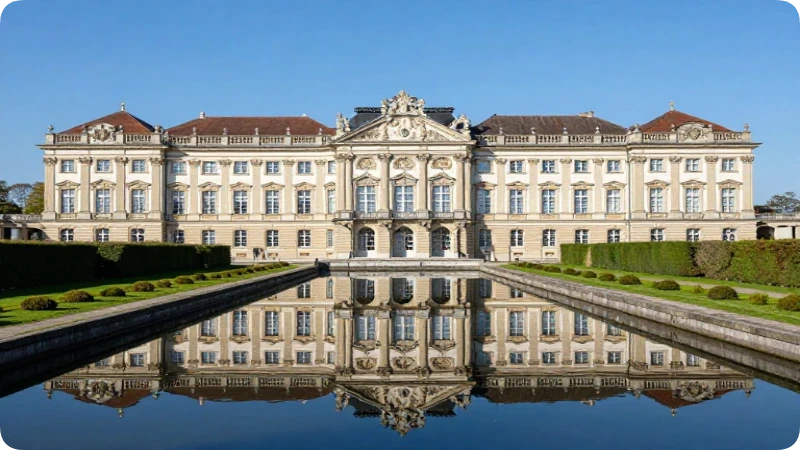
Munich’s top attractions cluster mostly around the Altstadt and are easily combined into a single walking route or short transit hop from most recommended neighborhoods.
- Marienplatz & Glockenspiel the historic main square and animated clock tower show.
- Frauenkirche Munich’s iconic twin domed cathedral.
- Nymphenburg Palace, the former royal summer residence and gardens.
- Englischer Garten is one of the world’s largest urban parks, with the famous Eisbach surfing wave.
- Viktualienmarkt is a lively food market for local specialties and outdoor dining.
Combining these five sights typically fills one to two full sightseeing days.
Where to Stay in Munich: What Reddit Travelers Say
Threads on travel forums like Reddit frequently point first timers toward the Altstadt or Marienplatz area for convenience, while more budget conscious or repeat visitors often recommend Schwabing or Haidhausen for a better price to location balance.
A recurring theme in traveler discussions is to avoid booking directly beside the Hauptbahnhof for anything beyond one transit focused night, echoing the same caution covered earlier in this guide. Forum opinions vary and reflect personal experience rather than official guidance, so cross checking with current hotel reviews is still worthwhile.
Budget Breakdown: What Accommodation Costs in Munich
Munich accommodation costs vary widely by neighborhood and season, with the Altstadt commanding the highest nightly rates and outer districts like Haidhausen or Bogenhausen offering comparatively better value.
- Budget stays: hostels and simple guesthouses, generally found near the Hauptbearnhof and outer U Bahn stops.
- Mid range hotels: widely available in Schwabing, Maxvorstadt, and Ludwigsvorstadt.
- Upscale hotels: concentrated in the Altstadt and Lehel.
Rates spike significantly during Oktoberfest and the Christmas market season, sometimes several times higher than the rest of the year, so always verify current pricing directly with hotels or booking platforms rather than relying on general estimates.
Common Mistakes When Choosing Where to Stay in Munich
Avoiding a few frequent booking mistakes can save both money and travel time during a Munich trip.
- Booking near the Hauptbahnhof for a full stay is convenient for arrival, but not the most pleasant base for evenings. Fix: use it only for a short transit focused night, or choose the Altstadt instead.
- Underestimating Oktoberfest demand rooms near Theresienwiese sell out far in advance. Fix: book six plus months ahead for festival dates.
- Assuming every central hotel is walkable to everything Munich is walkable, but outer attractions like Nymphenburg still require transit. Fix: confirm transit access before booking, not just distance on a map.
FAQs
Which is the best area to stay in Munich?
The Altstadt (Old Town) is generally the best area to stay in Munich, since it places Marienplatz, the Frauenkirche, and major transit lines within easy walking distance for most visitors.
Where should I stay in Munich for the first time?
First time visitors should stay in or near the Altstadt or Lehel, which offer central access to top sights, transit connections, and a walkable, easy to navigate layout for newcomers.
Where to avoid staying in Munich?
The immediate area around Munich Hauptbahnhof is often best avoided for a full stay, especially at night, due to its livelier and less family friendly atmosphere compared to nearby districts.
Is Munich the most walkable city?
Munich isn’t the single most walkable city in Europe, but its central Altstadt is highly pedestrian friendly, and an efficient U Bahn and S Bahn network covers everywhere sidewalks don’t reach.
What are the nicest parts of Munich?
Lehel, Schwabing, and the Altstadt are widely considered the nicest parts of Munich, each combining architectural charm, walkability, and easy access to parks or landmarks.
How many days in Munich is enough?
Two to three days covers Munich’s core highlights comfortably, while four to five days allows extra time for day trips to Neuschwanstein Castle, Dachau Memorial, or the Bavarian Alps.
What is the safest neighborhood in Munich?
Bogenhausen, Lehel, and Schwabing are consistently rated among Munich’s safest neighborhoods, known for low crime rates and quiet, residential streets.
What is the best month to visit Munich?
May, June, and September offer Munich’s best combination of mild weather, blooming parks, and fewer crowds than the peak Oktoberfest season in late September and October.
What are the top 5 tourist attractions in Munich?
Marienplatz, the Frauenkirche, Nymphenburg Palace, the Englischer Garten, and Viktualienmarkt rank as Munich’s top five must see attractions for most visitors.
Where to stay in Munich for first timers?
First timers get the most value staying near Marienplatz in the Altstadt, since it minimizes transit time to major landmarks, restaurants, and shopping streets.
Where to stay in Munich near Marienplatz specifically?
Hotels directly within the Altstadt district sit closest to Marienplatz, typically within a five to ten minute walk, though rates here run higher than in surrounding neighborhoods.
Is it better to stay near the airport or city center in Munich?
Staying in the city center is almost always better for sightseeing, since Munich Airport sits roughly 40 minutes from downtown by train; airport area hotels only make sense for very early flights.
Do I need a car to get around Munich neighborhoods?
No, a car isn’t necessary in Munich, since the U Bahn, S Bahn, tram, and bus network connects nearly every recommended neighborhood efficiently without the hassle of city parking.
How far in advance should I book a hotel for Oktoberfest?
Booking six to twelve months in advance is recommended for Oktoberfest, as hotels near Theresienwiese and central Munich sell out early and prices rise sharply closer to the festival.
Conclusion
Choosing where to stay in Munich comes down to three priorities: proximity to Marienplatz for first time sightseeing, a quieter residential district like Bogenhausen or Lehel for families and safety, and early booking for high demand seasons like Oktoberfest and the Christmas markets.
Munich rewards travelers who stay central; nearly every major landmark, from the Frauenkirche to Viktualienmarkt, sits within a short walk or quick train ride of the Altstadt. Whichever neighborhood fits the trip, confirming current hotel rates, transit schedules, and festival dates directly with official sources helps avoid surprises.

Maya Lin inspires travelers to explore the globe with absolute confidence and independence. Armed with a background in digital media and a decade of independent solo travel experience, she knows exactly how to navigate unfamiliar cities smoothly and safely. For Travelmarse, Maya curates the solo travel and hidden-gem verticals. She reviews charming boutique hotels, designs smart neighborhood walking routes, and shares practical language-learning hacks, giving readers the exact tools they need to travel solo without the stress.