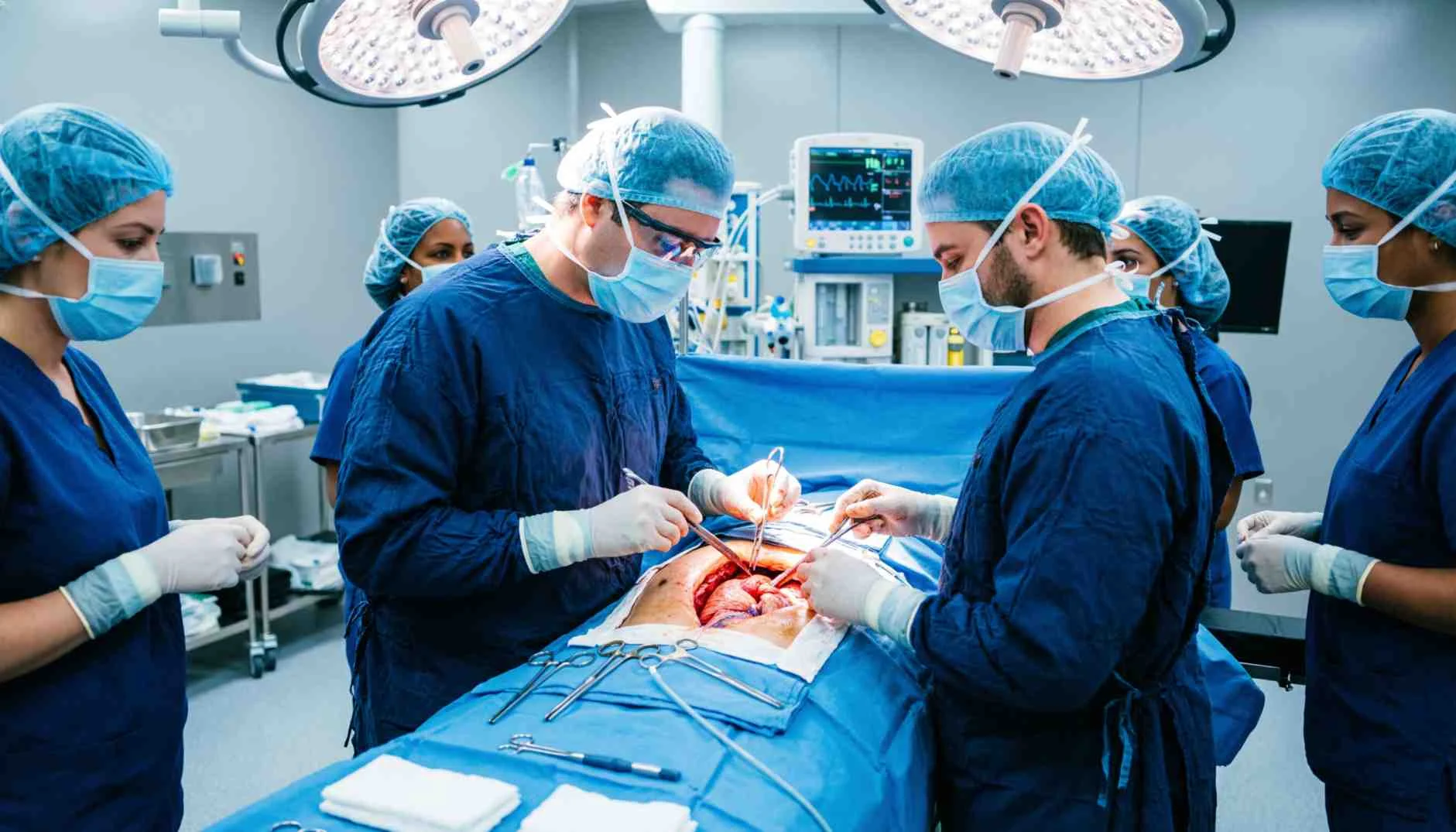
CVOR travel nurse jobs place registered nurses in cardiovascular operating rooms across the country on short-term contracts, typically lasting 13 weeks.
These positions require scrub or circulating experience in open-heart surgery, valve repairs, bypass procedures, or vascular cases.
Pay packages frequently exceed $3,000 $4,500 per week, making CVOR one of the highest-paying travel nursing specialties in 2026.
Why CVOR Travel Nursing Is One of the Hottest Specialties Right Now
The demand for CVOR travel nurses has surged across the United States, and that trend shows no sign of slowing down.
The Association of periOperative Registered Nurses (AORN) consistently reports staffing shortages in cardiovascular surgical units, particularly in rural and mid-sized hospitals upgrading their cardiac programs.
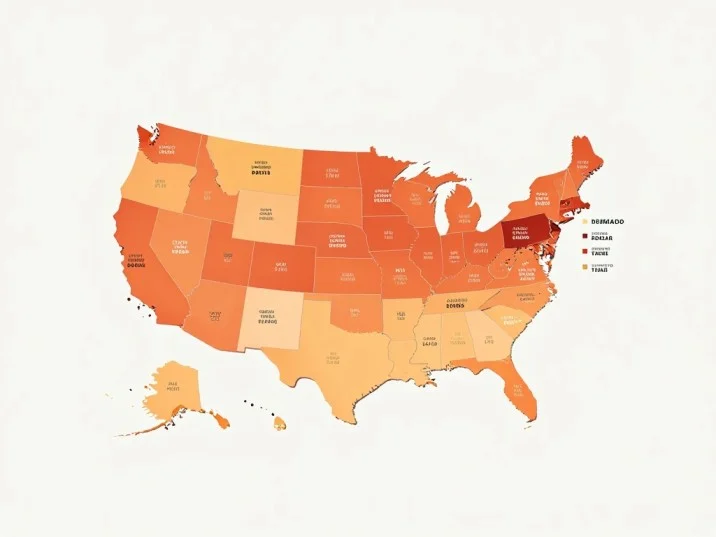
Facilities in states like Texas, Florida, California, and the Pacific Northwest regularly post urgent CVOR openings with premium pay packages.
Hospitals need CVOR nurses who can walk into a room, scrub a CABG (coronary artery bypass graft), circulate a valve replacement, or assist with a transcatheter aortic valve replacement (TAVR) without a lengthy orientation period.
That specialized skill set is exactly why agencies compete for experienced CVOR travelers and why the pay reflects that demand.
If you have at least one to two years of CVOR experience in a high-volume cardiac program, the travel nursing path can open doors to cities and hospitals you never imagined working in while paying down student loans, building retirement savings, or simply bankrolling an adventure-filled lifestyle between contracts.
Quick Facts: CVOR Travel Nurse Jobs at a Glance
| Category | Details |
| Typical contract length | 13 weeks (some 8- or 26-week options available) |
| Average weekly pay | $3,000 $4,500 (taxable + non-taxable stipends) |
| Required experience | 1 2 years CVOR (scrub and/or circulate) |
| Top hiring states | Texas, Florida, California, New York, Washington |
| Common procedures | CABG, valve repair/replacement, TAVR, VAD implantation |
| Certification bonus | CNOR certification often adds $1 $3/hr |
| Housing | Stipend or agency-provided (varies by contract) |
| Shifts | Typically 10 12 hours, on-call required |
What Does a CVOR Travel Nurse Actually Do?
A CVOR travel nurse functions within the cardiovascular operating room, supporting open-heart and major vascular procedures as either a scrub technician role (in some states with dual-trained nurses) or, more commonly, as a circulating RN. The circulator manages the sterile field, coordinates the surgical team, documents intraoperative care, handles medications, and communicates with the cardiac perfusionist, anesthesiologist, and surgeon throughout the case.
Most CVOR travel contracts require the ability to scrub or circulate or both. High-volume facilities performing 10 to 20 cardiac cases per week need nurses who can keep up with complex equipment like heart-lung bypass machines (in coordination with the perfusionist), intra-aortic balloon pumps (IABPs), ventricular assist devices (VADs), and robotic-assisted cardiac surgery systems such as the da Vinci Surgical System.
On call expectations vary significantly by facility. Some hospitals require CVOR travelers to take call two or three times per week, while others limit it to one weekend per month. Always ask your recruiter for the exact on-call schedule before signing any contract.
How Much Do CVOR Travel Nurses Really Make?

Pay is one of the biggest reasons experienced OR nurses pursue travel nursing, and CVOR commands some of the highest packages in the specialty OR world. A realistic weekly breakdown might look like this:
Base taxable hourly rate: $25 $45/hour (varies by state and facility) Tax-free housing stipend: $800 $1,500/week (based on GSA per diem rates for that city) Tax-free meals and incidentals (M&IE) stipend: $200 $450/week Total weekly gross: $3,000 $4,500+
The tax-free stipends are only legal if you maintain a permanent tax home elsewhere a critical IRS requirement that every travel nurse needs to understand before their first contract. The IRS defines a tax home as your primary place of business, and you must regularly work near it, pay duplicate living expenses while on assignment, and not abandon it. Consult a travel nurse tax specialist (companies like TravelTax or Stride Tax are popular in the travel nurse community) before assuming all your stipends are tax-exempt.
Crisis rates short-notice contracts offered to fill urgent vacancies can push total weekly pay well above $5,000 for CVOR nurses willing to drop everything on two weeks’ notice.
Best States and Cities for CVOR Travel Nurse Jobs

Geography matters a great deal when choosing your next CVOR assignment. Some states offer higher base pay due to cost of living, union influence, or staffing shortages, while others provide the best lifestyle perks alongside competitive contracts.
Texas leads the country in sheer volume of CVOR travel openings. Houston’s Texas Medical Center the largest medical complex in the world and Dallas-area hospitals like UT Southwestern Medical Center and Baylor Scott & White constantly seek experienced cardiac OR travelers. The absence of state income tax is a meaningful financial bonus.
California posts some of the highest hourly rates in the country, with facilities in Los Angeles, San Francisco, and San Diego regularly offering CVOR contracts above $4,000/week. California’s safe staffing laws and union presence push base rates up, though the higher cost of housing stipends and state income tax require careful budgeting.
Florida combines strong cardiac surgery volume driven by its large retiree population with no state income tax. Tampa General Hospital, Mayo Clinic Jacksonville, and Orlando Health all run active CVOR programs. The lifestyle appeal of Florida’s beaches and weather makes these assignments especially popular.
Washington and Oregon attract travelers who want Pacific Northwest outdoor adventures paired with strong hospital systems. Virginia Mason Franciscan Health and Swedish Medical Center in Seattle post CVOR openings regularly.
New York offers high pay rates, particularly in New York City and surrounding areas, though housing costs eat significantly into stipends. If you have connections to free or low-cost housing in the metro area, New York contracts can be highly lucrative.
How to Find Legitimate CVOR Travel Nurse Jobs

Not all travel nursing agencies are created equal, and CVOR nurses deserve to work with recruiters who understand cardiac OR nuances not generalists who confuse CVOR with PACU. Here is a step-by-step approach to finding strong assignments.
- Identify your top 3 5 travel nursing agencies. Look for agencies with a dedicated OR or perioperative division. Names that consistently appear in CVOR travel nurse forums include AMN Healthcare, Cross Country Nurses, Aya Healthcare, Triage Staffing, and Medical Solutions. Each negotiates differently with hospitals, so having multiple agencies working for you expands your pool of options.
- Complete your agency profiles before you search. Uploading your skills checklist, certifications (CNOR, BLS, ACLS), and references upfront speeds up the submission process dramatically. CVOR positions fill fast.
- Use job boards as a supplement, not a replacement. Sites like Travel Nurse Source, Highway Hypodermics, and NurseFly (now Vivian Health) aggregate listings across agencies. Use them to gauge market rates and spot geographic trends, then go directly to your recruiter.
- Ask specific CVOR screening questions. Before accepting any offer, ask: What is the average daily case volume? What procedures run in this room? Is the position primarily scrub, circulate, or both? What is the on-call requirement? What is the orientation length? A legitimate facility answers these clearly.
- Negotiate your package. The first offer is rarely the best offer. Experienced CVOR travelers regularly negotiate higher stipends, sign-on bonuses, completion bonuses, and travel reimbursements. Your recruiter earns a margin on your contract, so pushing back benefits you directly.
- Verify the facility’s reputation. Check the hospital’s CMS (Centers for Medicare & Medicaid Services) quality ratings, look for CVOR-specific reviews on platforms like Indeed or Glassdoor, and ask your travel nurse network on Reddit’s r/TravelNursing or Facebook groups for firsthand experiences at that facility.
Top CVOR Travel Nursing Agencies Worth Knowing
Choosing the right agency shapes your entire travel experience from how quickly you get submitted to how well your housing stipend covers your actual rent. These agencies earn strong marks specifically from CVOR and OR travelers.
Aya Healthcare operates one of the largest nursing networks in the country and has a dedicated OR division with recruiters who understand scrub and circulate distinctions. Their benefits package includes health insurance from day one of your contract, which matters when short gaps between assignments occur.
Cross Country Nurses has been placing travel nurses for over 25 years and maintains strong hospital relationships in major cardiac surgery markets. Their online portal makes managing compliance documents relatively painless.
AMN Healthcare is one of the industry’s largest players with access to exclusive hospital contracts. Their CVOR travelers report strong communication and consistent renewal offers at high-volume facilities.
Triage Staffing earns consistent praise for transparent pay packages and recruiter responsiveness. Smaller than AMN but highly regarded within the travel OR community.
Medical Solutions frequently wins awards for workplace culture and nurse satisfaction. Their team navigates complex CVOR compliance checklists efficiently, reducing the administrative burden on travelers.
Always work with two or three agencies simultaneously it gives you negotiating leverage and access to a wider range of facilities. Just be careful not to get submitted to the same hospital by multiple agencies at the same time, as duplicate submissions create contractual problems.
What Credentials and Experience Do You Need?
The barrier to entry for CVOR travel nursing is higher than most specialties, and that is precisely why the pay reflects it. Here is what most facilities require.
Most CVOR travel contracts require a minimum of one to two years of recent, hands-on cardiovascular OR experience at a facility performing open-heart procedures. General OR experience does not qualify hospitals specifically want nurses who have scrubbed or circulated on CABG, valve procedures, aortic surgery, or TAVR cases. Some elite programs prefer candidates with VAD implant experience.
Certifications that strengthen your candidacy significantly include the CNOR (Certified Nurse Operating Room) through CCI (Competency & Credentialing Institute) and the CVOR specialty certification. BLS and ACLS are universally required. Many facilities add a facility-specific skills checklist assessment during the credentialing process.
State licensure is handled through either a full state license or, if you hold a compact nursing license, you can practice in any of the 41 Nurse Licensure Compact (NLC) member states without applying separately. Check the National Council of State Boards of Nursing (NCSBN) website at ncsbn.org for the current list of compact states, as membership changes periodically.
CVOR Travel Nurse Housing: Stipend vs. Agency-Provided
Housing is one of the most practically important and most confusing aspects of travel nursing. You will generally choose between two options.
Taking the housing stipend means you receive tax-free money (within IRS guidelines) to find your own housing. This gives you control over your living situation, and if you find affordable housing below the stipend rate, you pocket the difference. For CVOR travelers in expensive markets like San Francisco or New York City, this requires careful research. Platforms like Furnished Finder, Airbnb (for longer stays), and corporate apartment sites cater specifically to travel nurses.
Agency-provided housing removes the search burden but eliminates the opportunity to save money on housing. Some agencies provide comfortable corporate apartments while others deliver the bare minimum. Always ask for photos and exact addresses before accepting agency housing location relative to your hospital matters for long commutes on overnight call.
Most experienced CVOR travelers recommend taking the stipend once you have a few contracts under your belt, because the tax advantages and lifestyle control outweigh the convenience of agency housing.
Seasonal Trends in CVOR Travel Nurse Job Availability
CVOR travel nurse openings fluctuate across the year, and understanding the rhythm helps you plan strategically.
January through March tends to produce a surge in openings as hospital budgets reset and new fiscal year staffing plans launch. CVOR travelers who make themselves available in January frequently land their preferred locations.
Summer (June August) brings another wave of openings as staff nurses take extended vacations and hospitals scramble to maintain OR capacity. Florida and coastal destination cities see strong demand as patient volumes dip slightly but surgical schedules continue.
Fall (September November) is historically the busiest CVOR period as elective cardiac surgery volumes climb patients who deferred procedures over the summer return to schedule operations before year-end insurance deductibles reset. This is when crisis rates appear most frequently.
December sees a slowdown in new contract starts due to the holiday period, but it can be an excellent time to negotiate January starts with premium packages.
Insider Tips for CVOR Travel Nurses
These practical insights come from the broader travel CVOR nursing community and reflect common lessons learned across multiple contracts.
Tip 1: Negotiate your on-call cap in writing. On-call requirements are one of the most frequent sources of conflict between travelers and facilities. Before signing, confirm the maximum number of on-call shifts per week and per month, and ensure this appears in your contract not just verbal assurances from a manager.
Tip 2: Build a shadow skills checklist. Beyond what your agency sends to the facility, maintain your own detailed list of every cardiac procedure you have participated in, every device you have handled, and your volume numbers. This becomes your negotiating document when a facility questions your experience level.
Tip 3: Arrive a day early, not the day before your shift. Starting orientation exhausted after a cross-country flight is a poor way to make a first impression in a high-stakes CVOR environment. Build one buffer day into every new assignment.
Tip 4: Introduce yourself to the perfusionist on day one. The cardiac perfusionist runs the heart-lung bypass machine and is your closest collaborator during open-heart cases. A strong working relationship from the first day makes every subsequent case smoother.
Tip 5: Track your tax documents obsessively. Housing stipends, travel reimbursements, and completion bonuses each have tax implications. Use a dedicated folder physical or digital for every paystub, contract, and expense receipt. The IRS audits travel nurses more frequently than staff nurses due to the complexity of their tax situations.
Common Mistakes CVOR Travel Nurses Make (and How to Avoid Them)
Mistake 1: Accepting the first pay package offered. Many travelers, particularly those new to travel nursing, treat the initial offer as fixed. It is not. Recruiters have margin to work with, and politely pushing back with a specific counter-offer backed by market data from Vivian Health or similar platforms frequently results in a higher stipend or completion bonus.
Fix: Research current CVOR rates in your target market before every negotiation. Approach it professionally and be specific: “I am seeing CVOR circulator rates at $3,400 $3,700 weekly in Houston. Can you get closer to that range?”
Mistake 2: Letting your compact license lapse without noticing. Compact license status requires your primary state of residence to be a compact member state. If you move your permanent tax home to a non-compact state, you lose multistate privileges without realizing it until you are already committed to a contract.
Fix: Check your license status on your state Board of Nursing website every six months and verify compact eligibility at ncsbn.org whenever you consider changing your tax home address.
Mistake 3: Skipping the facility’s CVOR-specific orientation details. Every cardiac program runs slightly differently different surgeons have different preferences, different scrub counts, different back-table setups. Assuming your previous hospital’s workflow matches the new facility is a fast path to friction with the permanent staff.
Fix: Ask for the facility’s cardiac surgery preference cards, surgeon preference sheets, and any available orientation materials before your first day. Most facilities will share these during credentialing.
CVOR Travel Nurse Lifestyle: What to Expect Between Contracts

The gap between contracts typically one to four weeks is one of travel nursing’s underappreciated benefits. Many CVOR travelers deliberately structure these gaps around travel, visiting national parks, international trips, or extended stays with family.
Because CVOR travelers earn significantly more per assignment than staff nurses, even a few weeks unpaid between contracts rarely impacts annual earnings negatively.
Some travelers maintain a travel fund setting aside a portion of each contract’s earnings specifically for gap-period travel. A 13-week contract earning $55,000 gross, for example, leaves room to fund a three-week road trip through the American Southwest before the next assignment begins.
Travel nursing also allows geographic flexibility that staff nursing cannot offer. A CVOR traveler can spend one contract in the Pacific Northwest hiking the Cascades, the next in Miami enjoying the beach scene, and the following assignment in Nashville exploring the music and food culture all while building a resume that reflects experience across diverse cardiac surgery programs and patient populations.
How CVOR Travel Nursing Compares to Staff Positions
| Factor | CVOR Travel Nurse | CVOR Staff Nurse |
| Weekly earnings | $3,000 $4,500+ | $1,400 $2,200 (varies by region) |
| Benefits | Portable (agency-provided) | Employer-provided (more stable) |
| Job security | Contract-to-contract | Long-term employment |
| Geographic flexibility | High choose your location | Limited to employer’s facility |
| PTO | Not typically included | Accrual-based |
| Career variety | High-volume diverse experience | Depth at one program |
| Tax complexity | Higher (requires specialist) | Standard W-2 |
Neither path is objectively superior the right choice depends on your career stage, financial goals, family situation, and appetite for change. Many CVOR nurses travel for three to five years to accelerate savings, then transition back to a staff position with a significantly stronger resume and financial foundation.
Responsible Travel Nursing: Being a Good CVOR Citizen
Travel nurses sometimes face skepticism from permanent staff who worry that travelers disrupt team cohesion or lack institutional loyalty. As a CVOR traveler, you carry a responsibility to show up fully prepared, maintain the highest clinical standards, and integrate respectfully into each unit’s culture.
Arrive at every assignment knowing your fundamentals cold. Refresh your knowledge of cardiopulmonary bypass circuits, common cardiac surgery instruments, and TAVR procedural steps before your first shift. Facility orientation periods for travelers are often shorter than for new staff hires, so self-preparation fills that gap. The Joint Commission (TJC) sets standards for nursing competency verification that hospitals must meet, and your compliance documentation reflects those standards.
Engage genuinely with the permanent CVOR team. Ask questions respectfully, acknowledge that you are new to their specific workflow, and offer your own experience as a resource rather than a critique of how they do things. Travel nurses who build real connections with permanent staff often receive contract extensions, glowing references, and invitations to return at future dates.
FAQ:
What qualifications do I need to become a CVOR travel nurse?
You need a valid RN license (compact or state-specific for your assignment location), a minimum of one to two years of hands-on CVOR experience at a facility performing open-heart procedures, current BLS and ACLS certifications, and the ability to pass facility-specific CVOR skills assessments. CNOR certification strengthens your application considerably and often adds a pay premium.
How long are CVOR travel nurse contracts?
Most CVOR travel contracts run 13 weeks, roughly equivalent to one quarter of a year. Some facilities offer eight-week short-term fills during high-demand periods, and others post 26-week extended contracts for travelers who prefer stability. Extension options at the same facility are common when both parties are satisfied with the arrangement.
Can I choose where I travel as a CVOR nurse?
Yes location is one of travel nursing’s core advantages. You and your recruiter work together to identify facilities posting CVOR openings in your preferred region or city. Flexibility on location expands your options and pay, but most agencies can find CVOR openings in or near your preferred destinations.
Do CVOR travel nurses receive benefits?
Most travel nursing agencies offer health, dental, and vision insurance though coverage quality, cost, and waiting periods vary significantly between agencies. Some agencies provide insurance from day one of a contract, while others impose a waiting period. Always compare benefit packages alongside pay rates when evaluating agency offers.
What is the difference between scrubbing and circulating in CVOR?
The scrub nurse (or scrub tech, in non-RN roles) works within the sterile field, directly handling instruments and supplies passed to the surgeon during the procedure. The circulating RN works outside the sterile field, managing the room environment, documenting care, handling medications, and coordinating the broader surgical team. Many CVOR travel contracts expect nurses to perform both roles, though some facilities hire specifically for one or the other.
Is a compact nursing license required for CVOR travel nursing?
A compact license is helpful but not required. If you hold a compact license through an NLC member state, you can practice in 41 states without applying for additional licenses. Travelers working in non-compact states including California must obtain a full state license before starting. Licensing timelines vary from two weeks to several months, so plan ahead when targeting non-compact states.
How do I handle taxes as a CVOR travel nurse?
Travel nurse taxation is genuinely complex. The tax-free housing and per diem stipends are legal only if you maintain a legitimate tax home a permanent residence where you regularly work or return to. You must pay duplicate living expenses to qualify. Work with a tax professional who specializes in travel nursing, as standard CPAs often mishandle travel nurse returns. TravelTax.com and similar services cater specifically to this population.
Conclusion: Is CVOR Travel Nursing Right for You?
CVOR travel nursing combines elite clinical skills, serious earning potential, and genuine geographic freedom into one of the most rewarding paths in specialized nursing.
Three things matter most as you decide: the financial opportunity is real and significant, the clinical demands are high enough that preparation and experience are non-negotiable, and the lifestyle flexibility is unlike anything a traditional staff position can offer.
Start by auditing your current CVOR experience honestly volume, procedures, and both scrub and circulate competency.
Then connect with two or three reputable agencies, get your compact license if your state allows it, and begin researching markets where your skills command the strongest packages. The demand is there. The pay is strong. The adventure is entirely yours to design.
The OR never stops needing great cardiac nurses. The question is simply where yours will be.

Maya Lin inspires travelers to explore the globe with absolute confidence and independence. Armed with a background in digital media and a decade of independent solo travel experience, she knows exactly how to navigate unfamiliar cities smoothly and safely. For Travelmarse, Maya curates the solo travel and hidden-gem verticals. She reviews charming boutique hotels, designs smart neighborhood walking routes, and shares practical language-learning hacks, giving readers the exact tools they need to travel solo without the stress.