
Radiation therapist travel jobs offer licensed professionals a rare chance to combine a meaningful healthcare career with the freedom to live and work across the United States.
In short, these are short term contract positions typically 13 weeks placed through staffing agencies at hospitals and cancer treatment centers nationwide.
Travel radiation therapists earn significantly higher pay than permanent staff, gain clinical diversity, and explore new cities on someone else’s dime.
Imagine treating patients at a cutting edge cancer center in Miami one season, then moving to a mountain town in Colorado the next.
That’s the real appeal of radiation therapist travel jobs and thousands of licensed radiation therapists across the USA are already living that life.
The healthcare travel industry has grown dramatically over the past decade. According to the American Society of Radiologic Technologists (ASRT), radiation therapists are consistently listed among the most in demand allied health professionals in the country.
Hospitals in rural areas, specialty cancer clinics, and urban academic medical centers all struggle to maintain full staffing and travel therapists fill those gaps.
This guide walks you through everything you need to know: how the job works, where to find the best opportunities, what to pack, how to handle licensing, and how to make the most of each destination you land in you’re a new graduate weighing your options or a seasoned RT tired of the same four walls, this article gives you a practical, honest picture of what radiation therapist travel jobs actually look like.
What Are Radiation Therapist Travel Jobs?
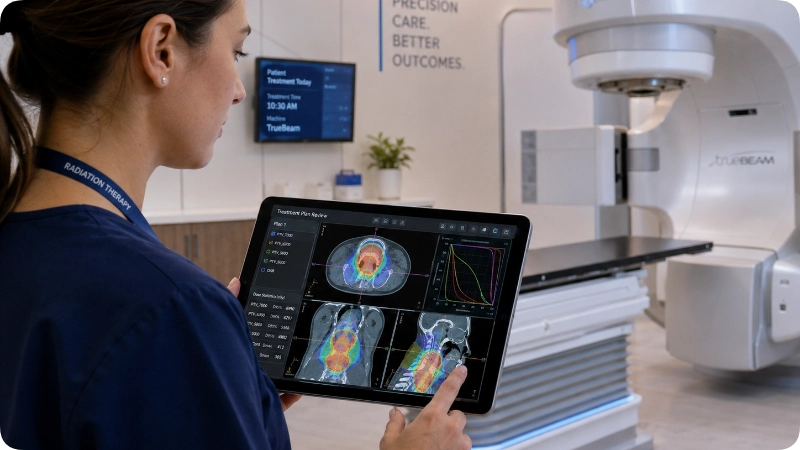
Radiation therapist travel jobs are temporary, contract based positions where a licensed radiation therapist works at a host facility usually for 13 weeks arranged through a travel healthcare staffing agency. These roles exist because radiation therapy departments experience frequent staffing shortages due to the specialized nature of the work, low school enrollment numbers, and high regional demand variation.
Most contracts run 13 weeks, though extensions, 8 week placements, and even permanent to hire arrangements exist. The staffing agency handles credentialing, housing stipends, travel reimbursement, and often malpractice insurance. The therapist shows up ready to work, integrates into the team, and moves on when the contract ends or extends if both sides agree.
Pay packages are a major draw. Travel RTs typically earn a base hourly rate plus tax free stipends for housing and meals, which can push total weekly earnings to $2,000–$3,500 or higher depending on location and demand. Always consult a tax professional to understand stipend eligibility, as the IRS has specific rules around tax home status.
Quick Facts: Radiation Therapist Travel Jobs at a Glance
| Factor | Details |
| Typical contract length | 13 weeks (some 8 week or extended options) |
| Average weekly pay | $2,000–$3,500+ (base + stipends) |
| Required credential | ARRT(T) certification + state licensure |
| Top hiring states | California, Texas, Florida, New York, Arizona |
| Most common settings | Hospital outpatient, cancer centers, academic medical centers |
| Agency placement timeline | 2–6 weeks from application to start date |
| Best time to search | January–March and September–October |
Note: Pay rates change frequently. Always verify current packages directly with agencies.
Why Radiation Therapists Choose Travel Work
Travel radiation therapy appeals to professionals at different career stages for very different reasons, and understanding those motivations helps clarify this path suits you.
New graduates increasingly use travel jobs to rapidly build clinical experience across machine types Varian TrueBeam, Elekta Versa HD, Accuray CyberKnife that a single permanent position may never expose them to. Within two years of travel, many RTs develop a machine agnostic confidence that makes them highly competitive for senior or supervisory roles.
Experienced therapists often turn to travel work after burnout, divorce, an empty nest, or simply a desire for change. The combination of higher pay, flexible scheduling between contracts, and new city experiences addresses several needs at once. Some therapists intentionally use travel contracts to “test drive” cities before making a permanent move.
A third group uses travel work strategically to pay down student loans or save aggressively. A single 13 week contract in a high demand market like California or New York can generate more take home than six months at a permanent staff position in a lower cost of living state.
Best States and Cities for Radiation Therapist Travel Jobs
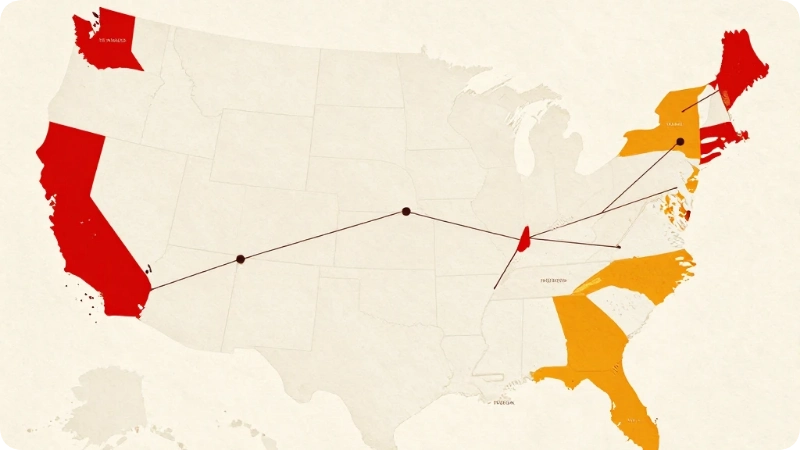
Some states consistently offer more openings, higher pay, and stronger quality of life bonuses than others. The demand landscape shifts seasonally, but certain regions reliably generate high placement activity throughout the year.
California tops the list for pay rates. The state’s large population, high concentration of NCI designated cancer centers, and strict ARRT plus state licensing requirements all drive up compensation. Cities like Los Angeles, San Diego, Sacramento, and San Francisco post frequent openings. The cost of living is high, but housing stipends in California are typically the most generous in the country.
Texas stands out for volume of openings rather than pay rate per se. Houston’s Texas Medical Center the world’s largest medical complex alone generates a steady stream of travel RT placements. Dallas, Austin, and San Antonio also run active programs. Texas has no state income tax, which meaningfully boosts net pay.
Florida benefits from a large retiree population and a thriving network of cancer treatment facilities along both coasts. Miami, Tampa, Orlando, and Jacksonville all post regular openings. Florida is also popular for winter assignments, when snowbirds from the Northeast swell the patient population.
New York and New Jersey offer high base rates and the appeal of major metro living, though housing costs offset much of the pay advantage. Academic medical centers affiliated with Columbia, NYU, and Memorial Sloan Kettering are among the most prestigious placements available.
Arizona and Nevada have emerged as high demand markets due to rapid population growth in the Phoenix, Scottsdale, Tucson, and Las Vegas metro areas. These assignments often come with strong stipends and reasonable cost of living by major city standards.
How to Find Radiation Therapist Travel Jobs

Finding legitimate, well paying travel radiation therapy positions requires knowing which agencies to trust and how to evaluate a contract package critically.
Start with agencies that specialize in allied health or radiology travel specifically. General travel nursing agencies sometimes handle RT placements, but niche firms those focused on imaging and radiation therapy professionals typically have stronger relationships with oncology departments and better awareness of machine type requirements. Look for agencies accredited by The Joint Commission or NATHO (National Association of Travel Healthcare Organizations).
When you contact an agency, ask these questions directly:
- What is the gross weekly pay, broken down as hourly rate plus stipends?
- Is the housing stipend company provided or a weekly allowance?
- What is the guaranteed hours clause, and what happens if the hospital cancels shifts?
- Does the agency cover ARRT renewal fees and state license costs?
- What is the cancellation policy if the hospital terminates the contract early?
Never accept a verbal pay quote as final. Get the full contract in writing and read every clause. Pay packages often look better on paper than they pay out in practice once overtime rules, housing deductions, and insurance premiums are factored in.
Licensing and Credentialing for Travel Radiation Therapists
Licensing is the most time consuming part of landing your first travel assignment, and planning ahead saves weeks of frustration.
All radiation therapists in the USA must hold ARRT(T) certification. Beyond that, individual state licensing requirements vary significantly. Some states including Texas, Colorado, and several others operate on a simple registration system tied to your ARRT credential. Others, like California, New York, and Florida, require a full separate state license application, background check, and processing time that can stretch 8–12 weeks.
The best strategy is to hold licensure in 3–4 states before you begin traveling, targeting the states where you most want to work. Start applications 3–4 months before your desired first contract start date. Keep a digital folder with certified copies of your degree, clinical hours documentation, ARRT card, and references you will submit these repeatedly.
Some agencies offer licensing assistance or reimbursement. Even when reimbursement is promised, pay the fees upfront and keep every receipt. Reimbursement terms vary and are sometimes tied to contract completion requirements.
What to Expect During a Travel Assignment

The first week of any travel assignment is the most demanding, and knowing what to expect reduces stress considerably.
Most facilities run a 2–5 day orientation period before you take on a full patient load. You will review emergency protocols, learn the department’s specific machine setup and chart review workflows, and meet the dosimetrists and radiation oncologists you’ll work alongside. Bring patience and genuine curiosity each department does things slightly differently, and the fastest way to earn trust is to ask smart questions rather than assume your previous employer’s workflow applies.
Housing is typically provided by the agency (corporate apartments) or covered via a weekly stipend. Corporate apartments vary widely in quality. Request photos and read reviews before accepting a placement. If you receive a housing stipend instead, sites like Furnished Finder and CHBO specialize in furnished short term rentals popular with travel healthcare workers.
Socially, travel assignments can feel isolating at first. Many experienced travel RTs recommend joining local Facebook groups, using Meetup for activities, and connecting with other travel healthcare workers through platforms like Highway Hypodermics or the Travel Rad Tech community on Reddit. Making one or two local connections in the first two weeks dramatically changes the experience.
Insider Tips for Radiation Therapist Travel Jobs
These five practical insights come from experienced travel RTs the kind of things no agency recruiter will tell you during the sales pitch.
Tip 1: Negotiate everything, not just pay. Agencies have flexibility on sign on bonuses, completion bonuses, license reimbursement, and travel allowances. The first offer is rarely the best offer. Counter politely and specifically.
Tip 2: Research the department before you accept. Ask your recruiter for the Glassdoor and Indeed rating of the host facility, and look up recent reviews from travel therapists specifically. Toxic departments cycle through travel staff constantly which is exactly why they have openings.
Tip 3: Maintain your tax home. The IRS requires you to maintain a legitimate tax home to qualify for tax free stipends. This means continuing to pay rent, utilities, or a mortgage at a primary residence and returning there regularly. Lose your tax home status and all stipends become taxable income. Consult a travel healthcare tax specialist, not a general accountant.
Tip 4: Take full advantage of off hours. The biggest perk of travel RT work isn’t the pay it’s the forced permission to explore new places. Schedule your arrival a day early, research the local food scene, find the closest national or state park, and make a short list of must do activities for your 13 weeks. You won’t regret it.
Tip 5: Document your clinical experience meticulously. Keep a running log of machine types, treatment techniques, and special procedures you work with at each facility. This portfolio becomes invaluable when interviewing for permanent positions or pursuing advanced credentials like ARRT subspecialty exams in dosimetry.
Hidden Gems: The Best Cities for Travel RTs Who Love to Explore

Most travel RT guides focus only on pay rates. These three destinations offer strong clinical opportunities and exceptional quality of life that rarely get enough attention.
Asheville, North Carolina sits in the Blue Ridge Mountains with a thriving arts scene, outstanding farm to table food culture, and easy access to the Blue Ridge Parkway and Great Smoky Mountains National Park. Mission Hospital and the Pardee Cancer Center post travel RT openings regularly. Pay rates are moderate, but the cost of living and outdoor recreation make Asheville one of the most satisfying overall assignments available.
Albuquerque, New Mexico offers a unique combination of high desert landscapes, rich Native American and Hispanic cultural heritage, and a growing medical infrastructure tied to the University of New Mexico Cancer Center. The cost of living is among the lowest of any mid sized American city, meaning housing stipends stretch exceptionally far. Balloon Fiesta in October is a genuine once in a decade kind of experience if your contract timing aligns.
Portland, Oregon combines one of the country’s most vibrant food and coffee scenes with immediate access to Mount Hood, the Columbia River Gorge, and the Oregon coast. OHSU (Oregon Health & Science University) and Providence Cancer Institute both operate strong radiation oncology programs. Oregon has no sales tax, which helps offset the higher cost of living.
Common Mistakes Travel Radiation Therapists Make (and How to Fix Them)
Even experienced travel RTs fall into predictable traps. Knowing these mistakes in advance puts you years ahead of the learning curve.
Mistake 1: Accepting the first agency offer. Many new travel RTs sign with the first agency that calls them back, assuming all agencies offer similar packages. In reality, pay rates for the same position can vary $200–$500 per week depending on which agency holds the contract. Compare offers from at least three agencies before committing. Working with two agencies simultaneously known as “multi agencying” is also a legitimate strategy.
Mistake 2: Ignoring the guaranteed hours clause. If a hospital sends you home early due to low patient volume and your contract lacks a guaranteed hours clause, you simply don’t get paid for those hours. This can dramatically reduce your actual weekly earnings. Insist on a clause guaranteeing at minimum 36 hours per week regardless of patient census.
Mistake 3: Failing to plan for contract gaps. Back to back contracts sound ideal but rarely happen perfectly in practice. Experienced travel RTs keep 4–6 weeks of living expenses saved as a buffer. Gaps between contracts even 1–2 weeks are normal and can actually be a benefit if you’ve planned to use the time for travel or rest.
Packing and Gear Essentials for Travel Radiation Therapists
Packing for a 13 week assignment differs meaningfully from a weekend trip, and getting this right saves money and reduces stress in the first week.
Focus on building a versatile professional wardrobe. Scrubs are your daily uniform, so invest in 5–7 comfortable, durable sets. Brands favored by RTs include FIGS, Jaanuu, and Cherokee Workwear. Pack a comfortable pair of compression socks radiation therapy involves significant standing and quality clinical footwear like Dansko or Brooks.
For housing, pack a small set of essential kitchen items a sharp knife, a cutting board, a good coffee setup since corporate apartments are notoriously under equipped. A portable Bluetooth speaker, a few framed photos, and a plant or succulent dramatically improve how “home” a temporary apartment feels within 24 hours of arrival.
Digitize every important document before departure: ARRT card, state licenses, DEA registration if applicable, immunization records, and BLS/ACLS certifications. Store them in a cloud folder accessible from your phone. Facilities will request these repeatedly, and having them immediately available signals professionalism.
Budget Breakdown for a Typical Travel RT Assignment
Understanding the real financial picture not the recruiter’s best case scenario helps you plan honestly.
| Expense Category | Typical Monthly Cost |
| Housing (if taking stipend) | $1,200–$2,500 depending on city |
| Food and groceries | $400–$700 |
| Transportation/car | $200–$500 (gas, parking, insurance) |
| Phone and internet | $100–$150 |
| Entertainment and activities | $200–$500 |
| Emergency fund contribution | $200–$400 |
| Total estimated monthly costs | $2,300–$4,750 |
Compare this to your take home weekly pay, keeping in mind that the housing stipend is intended to offset your housing cost directly. Many travel RTs save $15,000–$30,000 or more per year compared to permanent staff equivalents when the full package is managed carefully.
Safety, Wellbeing, and Avoiding Burnout
Travel radiation therapy is genuinely demanding. You enter new clinical environments every few months, rebuild professional relationships repeatedly, and navigate the emotional weight of oncology all while managing the logistical complexity of constant relocation.
Radiation safety protocols in travel positions deserve special attention. Every facility has its own physics team, badge monitoring system, and QA protocols. Review the department’s radiation safety manual during orientation regardless of how familiar the equipment seems. Compliance with the Nuclear Regulatory Commission (NRC) guidelines and state radiation control program requirements is non negotiable.
Burnout is a real risk. Many travel RTs find that building intentional recovery time between contracts even one week off preserves the enthusiasm that made travel appealing in the first place. The oncology setting is emotionally intensive; maintaining outside interests, physical activity, and social connection directly affects clinical performance and longevity in the profession.
Alternatives to Traditional Travel RT Contracts
Traditional 13 week agency contracts are not the only path to travel radiation therapy work.
Per diem and local travel positions offer a middle ground for therapists who want variety without full relocation. These placements involve driving 50–100 miles from home to cover short term needs at nearby facilities, often on a day by day or week by week basis.
Locum tenens arrangements, while less common in radiation therapy than in physician roles, do exist particularly for therapists willing to cover rural or critical access facilities in underserved areas. Organizations like the National Rural Health Association (NRHA) can point therapists toward programs connecting professionals with underserved communities.
Direct facility contracts represent another option. Some large cancer networks like Dana Farber, MD Anderson, and Mayo Clinic hire “in house travelers” staff who float between system facilities without using an external agency. These roles offer travel variety with full employee benefits, though pay packages are generally lower than agency contracts.
Sample 13 Week Travel RT Itinerary and Experience Plan
Here is a realistic picture of what a well planned 13 week assignment in a city like San Diego, California might look like beyond the clinical work.
Weeks 1–2: Arrive one day early. Unpack, orient to the neighborhood, locate the nearest grocery store, find a good coffee shop within walking distance. Drive the route to the facility once before your first day. Attend orientation. Keep the schedule light fatigue in week one is real.
Weeks 3–6: Establish clinical rhythm. Start exploring on weekends: Balboa Park, the Gaslamp Quarter, La Jolla Cove, Torrey Pines State Natural Reserve, and the USS Midway Museum are all within easy reach. Day trip to Joshua Tree National Park and the Anza Borrego Desert State Park.
Weeks 7–10: Evaluate to request a contract extension or begin exploring next assignment options. Book one longer weekend trip Los Angeles, Palm Springs, or a coastal drive up to Big Sur. Deepen connections with coworkers.
Weeks 11–13: Begin next contract logistics: license applications if needed, recruiter conversations, housing research. Wind down at work, document key clinical experiences. Schedule a final San Diego beach day.
Frequently Asked Questions
Do I need prior experience to get radiation therapist travel jobs?
Most agencies and host facilities prefer at least 1–2 years of post graduation clinical experience before traveling. Some agencies will place new graduates in select entry level markets, but having prior experience reduces your onboarding burden significantly and makes you more attractive to competitive placements at major cancer centers.
How does state licensing work for travel radiation therapists?
Radiation therapy does not have a multistate compact equivalent to nursing’s Nurse Licensure Compact. Each state has its own licensing requirements, though most recognize ARRT(T) certification as the primary credential. Processing times range from a few weeks to 3 months depending on the state. Starting applications early is essential. Verify current requirements directly with each state’s radiation control board, as they change periodically.
What is the difference between a travel radiation therapist’s gross pay and take home pay?
Gross weekly pay includes your taxable hourly rate multiplied by hours worked, plus non taxable stipends for housing and meals. Take home pay depends on your federal and state tax filing status, your tax home situation, health insurance premiums, and agency specific deductions. A $3,000 gross weekly package typically nets between $2,100–$2,600 after all deductions. A travel healthcare accountant can optimize your filing considerably.
Can I bring my family or a partner on travel assignments?
Yes, and many travel RTs do. Housing stipends are paid regardless of you travel solo or with a partner or family. Families typically look for agency provided corporate apartments rather than taking the stipend independently, as furnished two bedroom units offer more space and stability. Research school districts carefully if you have school age children, since a 13 week enrollment period can be disruptive depending on the age group.
What happens if a hospital cancels my travel RT contract early?
Early cancellation by the facility not by you typically triggers a kill fee paid by the agency, the amount depending on your specific contract terms. Read the cancellation clause before signing. If you cancel early without cause, you may owe the agency for housing costs and travel advances. Having clear, written terms around cancellation protects both sides.
Is it worth traveling as a radiation therapist financially?
For most therapists, yes substantially. The combination of competitive base rates, tax free stipends, completion bonuses, and licensing reimbursements typically generates 30–60% more annual income than a comparable permanent position. The financial advantage is strongest in high demand markets and when therapists manage their tax home status correctly. The non financial benefits clinical growth, geographic exploration, professional flexibility add further value that’s harder to quantify but consistently cited by experienced travel RTs as the real reason they stay.
What are the best agencies for radiation therapist travel jobs?
The best agency is the one that consistently fills RT positions (not just nursing), communicates transparently, and offers competitive packages. Ask colleagues for referrals, check TravelNurse.com and Highway Hypodermics for community reviews, and verify NATHO membership. Working with 2–3 agencies gives you access to more exclusive contracts and competitive leverage when negotiating.
Final Thoughts: Is Travel Radiation Therapy Right for You?
Radiation therapist travel jobs offer something genuinely uncommon: a healthcare career with built in flexibility, financial upside, and the chance to see the country while doing meaningful clinical work.
The logistics are real licensing, housing, tax management, frequent transitions but they are manageable with preparation and the right support network.
Three things are worth remembering as you decide.
First, the financial benefit is real but requires active management of your tax situation, not passive income.
Second, the clinical growth from working across multiple facilities and machine platforms is a professional asset that compounds over time.
Third, the lifestyle suits some people deeply and exhausts others and the only way to know which camp you fall into is to try a single contract with an honest self assessment at the end.
If you have your ARRT(T), at least a year of clinical experience, and a genuine curiosity about the country beyond your home state, travel radiation therapy is absolutely worth exploring. Start with one agency, one contract, one city and let the work take you somewhere new.

Ben Fogle believes that true adventure begins where the pavement ends. After spending years documenting extreme environments, rowing across oceans, and trekking through frozen landscapes, he mastered the art of wilderness travel. For Travelmarse, Ben constructs highly detailed guides on deep-nature packing lists, wildlife safety, and sustainable eco-tourism. He breaks down intimidating, rugged expeditions into clear, step-by-step roadmaps so everyday travelers can safely connect with the natural world.