By an experienced traveler and practical researcher. Rules, fees, and prices change, so confirm the details with official sources before you book.
Featured Snippet:
The best travel tips for Italy start with paperwork and habits. Carry a passport valid three months past your trip, check EES and ETIAS rules, use cards but keep some euros, cover shoulders and knees in churches, watch for pickpockets, validate regional train tickets, and book top sights early.
Intro: Your First Italy Trip Should Feel Like a Dream, Not a Puzzle
Picture a warm piazza, a plate of fresh pasta, and church bells at sunset. Now picture a long line at a closed museum, a surprise fine, or a lost wallet. The gap between those two trips is often just a few smart habits.
These travel tips for Italy fill that gap. They are written for US travelers who want clear answers, not fluff. Below, you will find entry rules, safety facts, money advice, dress codes, restaurant etiquette, and honest cost guidance. Every section stands on its own, so jump to what you need.
Quick Facts Table: Italy at a Glance for Americans
This snapshot covers the basics most first-time visitors ask about. Details can change, so verify anything official before you fly.
| Topic | Quick Fact |
| Currency | Euro (EUR) |
| Language | Italian (English common in tourist areas) |
| Stay without a visa | Up to 90 days in any 180 days (Schengen rule) |
| Passport rule | Valid 3+ months past departure; issued within 10 years |
| Power plugs | Types C, F, L; 230V |
| Emergency number | 112 |
| US advisory level | Level 2: Exercise Increased Caution (verify) |
| Tipping | Not required; small extras are welcome |
Tips for Traveling to Italy for the First Time
First-timers do best with a simple plan: pick two or three regions, book major sights ahead, and leave open time. Rome, Florence, and Venice fit neatly into one trip by high-speed train. Trying to see everything leads to stress, so slow down and enjoy fewer places.
- Book flights and top attractions early.
- Pack light and comfortably.
- Learn a few Italian phrases.
- Use trains between cities.
- Keep a copy of your passport.
How to Visit Italy for the First Time
To visit Italy for the first time, confirm your passport, book flights into Rome (FCO), Milan (MXP), or Venice (VCE), then reserve hotels and timed tickets. Most US visitors fly overnight from cities like New York, Boston, or Chicago. Plan seven to ten days for a classic route.
Sample first-timer route: Rome (3–4 nights), Florence (2–3 nights), Venice (2 nights). Add Cinque Terre or the Amalfi Coast if time allows.
What Are 10 Things I Should Know Before Visiting Italy?
Before you go, know these ten points. They prevent most common problems and save both time and money.
- Your passport must meet Schengen rules.
- Many sights need timed tickets.
- Churches enforce dress codes.
- Dinner starts late, often after 7:30 p.m.
- Regional train tickets need validation.
- Driving zones (ZTL) bring heavy fines.
- Strikes (scioperi) can disrupt transport.
- Cards work widely, but small cash helps.
- Pickpockets target crowded areas.
- Tap water is generally safe to drink.
What I Wish I Knew Before Going to Italy
Most travelers say the same three things: they packed too much, planned too many cities, and booked top sights too late. Italy rewards a slower pace. Cobblestones tire feet quickly, and many smaller shops close for a long midday break. Build rest into every day, and you will enjoy it more.
Travel to Italy Requirements for US Citizens
US citizens need a valid passport to enter Italy. Under Schengen rules, it should be valid at least three months past your planned departure and issued within the last ten years. No tourist visa is needed for stays up to 90 days in any 180 days.
Also, carry proof of onward travel and your hotel details. Border officers rarely ask, but they can.
Travel to Italy Requirements 2026: EES and ETIAS
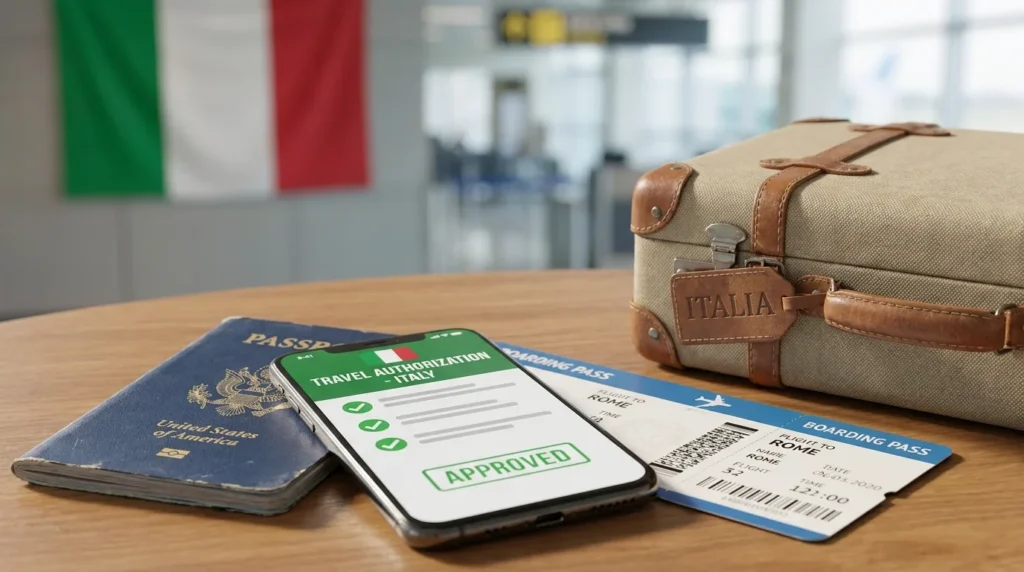
Two EU systems matter in 2026. The Entry/Exit System (EES) began on October 12, 2025, and was due to reach all external border points by April 10, 2026. It collects a photo and fingerprints at first entry. ETIAS is a separate online travel authorization for visa-free visitors, including Americans.
Official EU sources have said ETIAS would start in the last quarter of 2026, with a transition period afterward. Reported fees are about 7 euros, but check the official EU ETIAS website for the confirmed start date and rules before booking. Avoid look-alike sites that charge extra.
Is It Safe to Travel to Italy Right Now?
Italy is generally safe for tourists. The US State Department lists Italy at Level 2, “Exercise Increased Caution,” citing terrorism risk and petty crime, mainly in tourist areas and on public transport. That level is common across Western Europe. Check travel.state.gov for the latest wording, and enroll in the Smart Traveler Enrollment Program (STEP).
Is It Safe to Travel to Italy With the Israel War?
Italy is not a party to the Israel conflict, and the fighting is not happening on Italian soil. Americans can fly to Italy normally. Still, large demonstrations do happen in Italian cities, and the State Department advises avoiding protests. Monitor official advisories and consider flexible bookings.
Is It Safe to Travel to Italy Right Now With War in the Region?
If you worry about wider regional tensions, focus on what you can control. Buy travel insurance and read its “act of war” and terrorism clauses closely, because exclusions vary. Choose refundable hotels where possible, and check airline alerts before departure. Rules and risk levels can change, so verify on official US government pages.
Travel Tips for Italy From the USA
From the USA, flights to Italy take roughly eight to ten hours, depending on your departure city. Overnight flights are common, so plan a light first day. Book your hotel for the night you land, since early check-in is not guaranteed.
- Notify your bank of travel dates.
- Download offline maps and translation apps.
- Consider an eSIM or international plan.
- Buy a Type C/F/L plug adapter.
Is $5000 Enough for a Trip to Italy?
For one person on a 7–10 day mid-range trip, $5,000 is usually enough, even with flights. For two people, it gets tighter once airfare, hotels, and tours add up. Costs vary a lot by season, city, and travel style, so treat the table below as rough planning ranges, not guarantees.
| Style | Rough Daily Cost (per person, excl. flights) |
| Budget (hostels, groceries, regional trains) | 90–150 |
| Mid-range (3-star hotels, restaurant meals) | 200–350 |
| Comfort (4-star hotels, guided tours) | $350+ |
Is $1000 Enough for a Week in Italy?
One thousand dollars for a week is very tight. That is about $140 a day if flights are already paid for. It can work with hostel dorms, grocery meals, free sights, and slow regional trains. Add flights, and it is not realistic. Plan a bigger budget if you want comfort.
What Is the Cheapest Month to Visit Italy?
November (outside holiday weekends), late January, and February are usually the cheapest months. Flights and hotels drop after the summer rush. March can also offer value. The tradeoff is cooler, wetter weather and shorter days.
| Season | Crowds | Prices | Weather |
| Spring (Apr–Jun) | High | Medium–High | Mild, pleasant |
| Summer (Jul–Aug) | Very high | High | Hot; many locals vacation in August |
| Fall (Sep–Oct) | Medium | Medium | Warm, harvest season |
| Winter (Nov–Feb) | Low | Low | Cool, rainy; some closures |
Is Food Expensive in Italy?
Food in Italy can be very affordable if you eat like locals. Coffee at a bar counter costs far less than sitting at a table. A pranzo (lunch) special, pizza by the slice, or a local trattoria beats restaurants next to major landmarks. Prices rise sharply in tourist hotspots, so walk a few blocks away.
Italy Tips for Restaurants
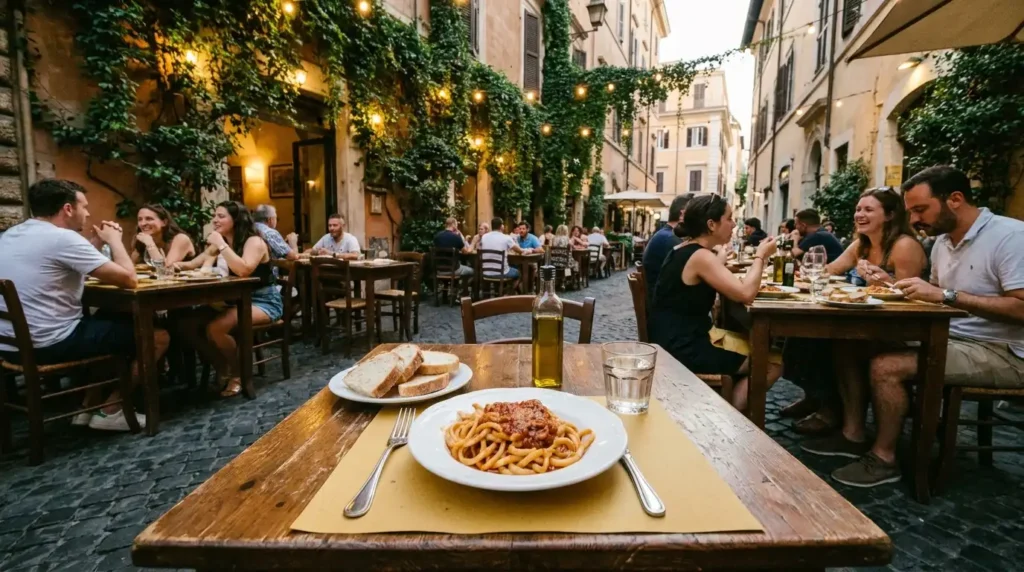
Restaurants in Italy follow their own rhythm. Lunch runs about 12:30 to 2:30 p.m., and dinner often starts after 7:30 p.m. Many places add a coperto (cover charge) of a few euros per person. Check the menu for it, and ask for the bill, since servers rarely bring it unasked.
- Skip places with photo menus and hawkers outside.
- Order the house wine or regional specialty.
- Share antipasti if portions look large.
What to Wear to Dinner in Italy
Smart casual works almost everywhere. Think dark jeans or chinos, a nice top or button-up, and clean shoes. Italians dress with care, even for casual meals. Fine dining may call for a jacket or dress, so check the restaurant’s website or ask your hotel.
How to Dress When Traveling to Italy
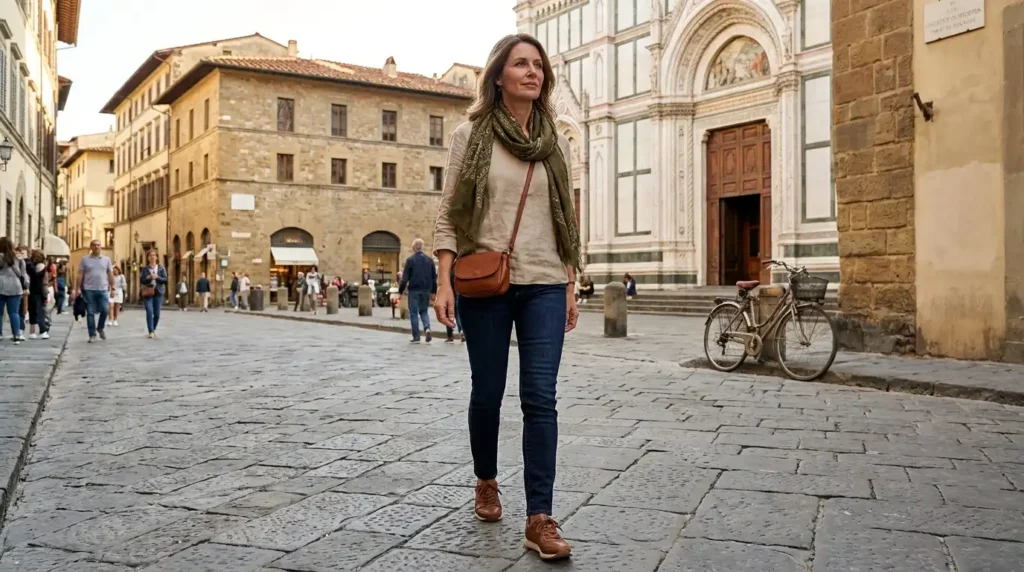
Dress in layers with comfortable walking shoes. Cities lean stylish, so neat, simple outfits fit in better than athletic wear or beachwear. Cover shoulders and knees for churches, including St. Peter’s Basilica. Pack a light scarf, which also helps in air-conditioned places.
Do Ladies Wear Jeans in Italy?
Yes, women wear jeans in Italy year-round, often dark and well-fitted. Pair them with a blouse, blazer, or stylish sweater to blend in. Avoid ripped or very casual styles for dinner. For churches, jeans are fine as long as knees and shoulders are covered.
What Kind of Bag Should I Bring to Italy?
Choose a crossbody bag with zippers and a flap that sits in front of your body. A small anti-theft backpack also works, worn on your front in crowds. Pick a bag that holds a water bottle and a light layer. Avoid open totes on trains and buses.
What Not to Bring to Italy
Leave bulky luggage, high heels for cobblestones, and 110V hair tools at home. Many US-only appliances can overheat on 230V power, so check the label. Skip flashy jewelry and large amounts of cash. A smaller suitcase helps on stairs, trains, and narrow streets.
What Not to Bring Into Italy (Customs Rules)
The EU limits personal imports of meat, dairy, and many plant products from outside the bloc, so leave sandwiches and cheeses behind. Do not pack illegal drugs, counterfeit goods, or weapons. If carrying 10,000 euros or more in cash, you must declare it. Check official EU and Italian customs pages for current limits.
Should I Buy Euros Before Going to Italy?
You do not need to buy many euros ahead. Having 100 euros or so on arrival is handy for a taxi, a snack, or a tip. After that, withdraw from a bank ATM (Bancomat) in Italy. Avoid airport exchange kiosks, which often charge poor rates and high fees.
How Much Cash Should I Carry to Italy?
Most travelers do well carrying 100–300 euros in small bills and coins. Use it for cafés, markets, public toilets, and small shops. Keep the rest on cards, and store cash in more than one place. Skip large bills, which small vendors may not break.
Does Italy Prefer Cash or Card?

Cards are widely accepted, including contactless and phone payments, in hotels, restaurants, and big shops. Still, small cafés, markets, and rural places may prefer cash or set minimums. When a terminal asks to charge you in dollars, choose euros to avoid poor conversion rates. Bring a card with no foreign transaction fees.
Can I Keep Cash in My Pocket When Going Through Airport Security?
Yes, you can carry cash through TSA checkpoints. TSA does not set a domestic limit, but officers may ask about large amounts. Leaving the US with more than $10,000 requires a report to US Customs and Border Protection. Entering the EU with 10,000 euros or more requires a declaration. Verify current rules on cbp.gov.
Do’s and Don’ts When Traveling to Italy
Small habits show respect and earn warmer service. Learn them, and locals notice.
Do:
- Say buongiorno or buonasera when entering shops.
- Book popular sights ahead.
- Validate train tickets.
- Carry a photo of your passport.
Don’t:
- Drive into ZTL zones.
- Sit on monument steps to eat.
- Wear swimsuits away from the beach.
- Ignore dress codes.
What to Beware of in Italy

Watch for pickpockets, fake petitions, “friendship bracelet” tricks, unlicensed taxis, and restaurants with inflated tourist prices. Hotspots include Rome Termini, busy metro lines, Florence’s crowded sights, and Milan Central. Keep valuables in front pockets, and use official white taxis or ride apps.
What Common Tourist Mistakes Should You Avoid in Italy?
Three mistakes cause the most trouble:
- Overpacking the itinerary. Fix: stay at least two nights in each city.
- Skipping reservations. Fix: book the Colosseum, Vatican Museums, Uffizi, and Last Supper in advance.
- Driving in historic centers. Fix: use trains and park outside ZTL zones.
How to Be Polite in Italy
Greet people when you enter and leave shops, cafés, and small hotels. Use per favore and grazie generously. Speak at a moderate volume, especially in restaurants and on trains. Starting with a simple “Parla inglese?” shows effort and usually earns patient help.
What Is Considered Rude in Italian Culture?
Common missteps include ordering a cappuccino after a meal, asking for ketchup with pasta, cutting spaghetti with a knife, and cutting in line. Loud talking and tourist-only behavior, like sitting on monuments, are also frowned upon. Most Italians forgive honest mistakes, but small efforts matter.
What Time Do Italians Usually Go to Bed?
Many Italians go to bed around 11 p.m. to midnight, especially in cities and during summer. Dinner often runs late, and evening strolls (passeggiata) are social. This varies by region, age, and season. Expect lively streets well into the evening, so request a quiet room.
What Are 5 Facts About Italy?
- Italy has 20 regions, each with its own food and dialects.
- It contains two tiny independent states: Vatican City and San Marino.
- Italy has one of the world’s largest numbers of UNESCO World Heritage Sites.
- Espresso is usually drunk standing at the bar.
- Pizza Napoletana and Italian pizza-making traditions hold UNESCO cultural recognition.
What Are the Big 3 in Italy?
The “Big 3” usually means Rome, Florence, and Venice. Together they cover ancient ruins, Renaissance art, and canal-side charm. Milan is sometimes added as a fourth. They are easy to link by fast trains like Trenitalia Frecciarossa and Italo. Expect crowds, so go early.
Which Part of Italy Is the Safest?
Northern regions such as Trentino-South Tyrol, Aosta Valley, and Friuli Venezia Giulia are generally regarded as calm, with low crime. Small towns across Tuscany and Umbria are also relaxed. Big cities everywhere have pickpocketing, so stay alert. Always check current advisories.
What Are Italy’s Biggest Issues for Visitors?
For visitors, the most noticeable issues are overtourism, transport strikes, petty theft, heat waves in summer, and slow bureaucracy. Venice has tested a day-trip access fee on selected days, so check the official Venice calendar. Planning and staying flexible keeps these from spoiling your trip.
Sample Italy Itinerary for Beginners (7 Days)
Here is a simple route that works for many first-timers:
- Days 1–3: Rome (Colosseum, Vatican, Trastevere)
- Days 4–5: Florence (Duomo, Uffizi, day trip to Tuscany)
- Days 6–7: Venice (St. Mark’s, Murano, Burano)
Book timed tickets first, then build free time around them.
Underrated Alternatives and Crowd-Avoidance Tips
To skip crowds, try Bologna for food, Lecce for baroque beauty, and Lake Orta instead of Lake Como. Visit big sights at opening time or late afternoon. Travel in April, May, September, or October for balance. Overrated: restaurants beside major landmarks. Underrated: regional trains and small hill towns.
Travel Insurance, Tours, and Booking Considerations
Travel insurance helps with medical care, delays, and cancellations. Compare policies for medical coverage, trip interruption, and exclusions. Consider guided tours for places like the Vatican and Pompeii, where context adds a lot. Book refundable stays when plans are uncertain.
FAQs
Do I need an International Driving Permit in Italy?
Yes, US drivers are generally expected to carry an International Driving Permit alongside their US license. Rental companies may not ask, but police can. Get it from AAA before you leave. Also, learn about ZTL zones and highway tolls, and verify current rules.
Is tap water safe to drink in Italy?
Yes, tap water is generally safe across Italy. Many cities, including Rome, have free public fountains where you can refill a bottle. Restaurants often serve bottled still (naturale) or sparkling (frizzante) water. Ask for acqua del rubinetto if you prefer tap.
Do I need travel insurance for Italy?
Italy does not require travel insurance for US tourists, but it is strongly recommended. Your US health plan may not cover care abroad. Look for medical coverage, evacuation, and trip cancellation, and read exclusions carefully.
What plug adapter do I need for Italy?
Italy uses Type C, F, and L plugs with 230V power. A simple adapter fits phone chargers, but check that each device accepts 100–240V. Hair dryers and curling irons often do not, so consider a dual-voltage model.
Is tipping expected in Italy?
Tipping is not required. A service charge or coperto may already appear on your bill. Rounding up or leaving a few euros for great service is a kind gesture. For taxis, rounding up is common.
How many days do I need for a first trip to Italy?
Seven to ten days works well for Rome, Florence, and Venice. Two weeks adds space for Tuscany, Cinque Terre, or the Amalfi Coast. More time lets you slow down and avoid rushing.
Do I need to speak Italian to visit Italy?
No, English is widely spoken in tourist areas, hotels, and big restaurants. Learning basic greetings and grazie still earns warm smiles. Download an offline translation app for smaller towns.
Conclusion
Three takeaways stand out. First, confirm entry rules, including EES and ETIAS, through official sources. Second, protect your belongings, book major sights early, and dress for churches. Third, eat like a local and keep a little cash on hand.
With these travel tips for Italy, your first trip can feel relaxed and rewarding. Start by checking your passport today, and compare flights and flexible hotels when you are ready. Then picture that piazza at sunset, and go.
Always verify visa rules, advisories, fees, and opening hours with official sources such as travel.state.gov, the EU ETIAS site, CBP, and Italian tourism boards.

Stephen Fry brings an insatiable curiosity for history, language, and global heritage to the Travelmarse team. Having spent decades traveling the globe to study regional storytelling and ancient civilizations, he excels at uncovering the hidden narratives of modern destinations. Stephen anchors the cultural vertical on Travelmarse, where he writes deep-dive guides on architectural history, museum crawl strategies, and local customs. His vivid, engaging writing helps travelers look past the surface and truly understand the heritage of the places they visit.