A gap in Casablanca’s arrival hall, a blank itinerary, and a country that feels like three different worlds packed into one that’s the moment most American travelers hit when they first plan things to do in Morocco. Between mountain passes, desert dunes, and medina alleys that twist for miles, the sheer range of options can overwhelm even a seasoned traveler.
This guide clears that confusion. It walks through the best time to visit, where to go first, what to eat, what to buy, the current safety context, and city-by-city highlights from Marrakech to Tangier to Agadir. Every section answers a real question American travelers ask before booking flights.
By the end, a clear itinerary framework, a packing checklist, and honest answers about safety and money will be ready to use. Morocco rewards travelers who show up prepared, and this guide is built to do exactly that.
Quick Answer:
Morocco offers desert camel treks in the Sahara, blue-washed streets in Chefchaouen, souk shopping in Marrakech, surfing in Taghazout, and Roman ruins in Volubilis. First-timers should anchor a trip around Marrakech, Fes, and either the Sahara or the coast, allowing 7–10 days to see the country without rushing between cities.
Quick Facts Table
| Category | Details |
| Capital | Rabat |
| Largest city | Casablanca |
| Main tourist hubs | Marrakech, Fes, Chefchaouen, Tangier, Agadir |
| Currency | Moroccan Dirham (MAD) |
| Language | Arabic, Tamazight (Berber), French widely used |
| Visa for US citizens | Not required for stays up to 90 days |
| Flight time from NYC | About 7–8 hours direct |
| Best months | March–May and September–November |
| Time zone | GMT/UTC (no daylight saving in winter) |
Prices, entry rules, and advisory levels change often, so double-check details on the U.S. State Department and Morocco National Tourist Office sites before departure.
Best Time to Visit Morocco
The best time to visit Morocco is from March to May or from September to November, when daytime temperatures are comfortable across both the desert and the coast. Summer turns the Sahara and Marrakech brutally hot, while winter brings snow to the Atlas Mountains and chilly desert nights.
Spring brings blooming almond and orange trees, especially around Fes and the Ourika Valley. Fall offers similar mild weather with fewer crowds than spring break season.
Winter still works well for coastal cities like Agadir and Essaouira, where temperatures stay mild year-round. Travelers heading toward the Sahara in December or January should pack heavy layers, since desert nights can drop near freezing.
What Is the Best Month to Go to Morocco?
April and October are widely considered the best individual months to visit Morocco. Both months deliver warm, dry days in the high 70s to low 80s Fahrenheit, cooler evenings, and manageable crowds compared to the peak summer rush.
April adds the bonus of blooming landscapes in the Atlas foothills. October keeps the beach season alive along the coast, while the Sahara cools into pleasant trekking territory.
What Is the Cheapest Month to Visit Morocco?
January and February typically offer the cheapest flights and hotel rates, since this falls outside the main European and American holiday travel windows. Riads in Marrakech and Fes often drop rates noticeably in this off-peak stretch.
The trade-off is colder nights, especially in the mountains and desert, plus occasional winter rain in the north. Packing warm layers makes this budget window comfortable.
When Not to Go to Marrakesh?
Avoid Marrakech in July and August, when daytime highs regularly climb past 100°F (38°C), and the medina’s narrow alleys trap heat with little shade. Late Ramadan timing can also mean reduced restaurant hours during daylight, though evenings come alive.
Travelers sensitive to extreme heat should shift trips toward spring or fall instead, when the city’s rooftop terraces and gardens feel far more enjoyable.
How to Get There
Most American travelers reach Morocco through Mohammed V International Airport (CMN) in Casablanca, the country’s main international gateway, or Marrakech Menara Airport (RAK), which is closer to the historic medina and Atlas Mountains.
Royal Air Maroc runs direct flights from New York (JFK), while other US travelers typically connect through European hubs like Paris, Madrid, or London on carriers such as Delta, Air France, or Iberia. Flight time from the East Coast runs roughly 7–8 hours direct, longer with a layover.
Inside the country, Morocco’s train network (ONCF) connects Casablanca, Rabat, Fes, Tangier, and Marrakech efficiently and affordably. Intercity buses (CTM and Supratours) and domestic flights fill in the gaps to Agadir, Essaouira, and the south.
How Many Days Is Ideal in Morocco?
Ten days is the ideal length for a first Morocco trip, allowing time for Marrakech, a Sahara Desert excursion, and either Fes or the coast without feeling rushed. A tighter 7-day trip still works well if travelers focus on just Marrakech and the desert.
Two weeks or more allows for a fuller loop covering Chefchaouen, Fes, the Sahara, and the Atlantic coast, ideal for travelers who want depth over speed.
Where to Go First Time in Morocco?
First-time visitors should start in Marrakech, Morocco’s most accessible and tourist-ready city, then branch out to the Sahara Desert or the Atlas Mountains. Marrakech offers direct flights, a walkable medina, and enough English-speaking tour infrastructure to ease travelers into the country.
From there, a short add-on to Essaouira (coastal, relaxed) or Fes (deeper cultural immersion) rounds out a well-balanced first trip without overloading the schedule.
Where to Stay
Riads, traditional Moroccan homes built around a central courtyard, offer the most memorable lodging experience, especially inside the medinas of Marrakech and Fes. Many combine rooftop terraces, hammam spas, and home-cooked breakfasts into the room rate.
Modern hotels and international chains cluster in Gueliz (Marrakech’s new town) and along coastal Agadir, better suited to travelers who want pools, elevators, and easy taxi access. Budget travelers can find comfortable guesthouses in the medinas for a fraction of Western hotel prices, though booking ahead during spring and fall is smart since well-reviewed riads fill up fast.
Top Attractions in Morocco
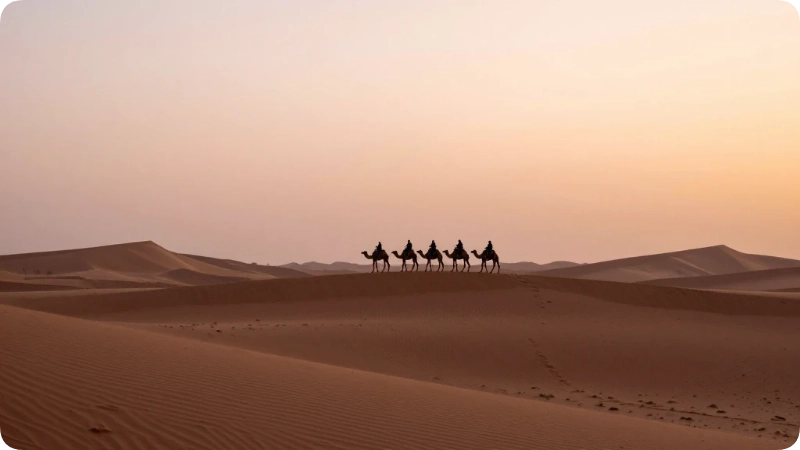
Morocco’s biggest draws mix ancient history with striking landscapes. Jemaa el-Fnaa square in Marrakech, the Sahara’s Erg Chebbi dunes, the blue city of Chefchaouen, the Fes el-Bali medina (one of the largest car-free urban zones on Earth), and the Roman ruins of Volubilis near Meknes anchor most itineraries.
Coastal travelers add Essaouira’s fishing port and windswept ramparts, while adventure seekers head to Toubkal National Park for Atlas Mountain trekking. Each region delivers a genuinely different Morocco, which is exactly why multi-city itineraries work so well here.
What Is the #1 Tourist Attraction in Morocco?
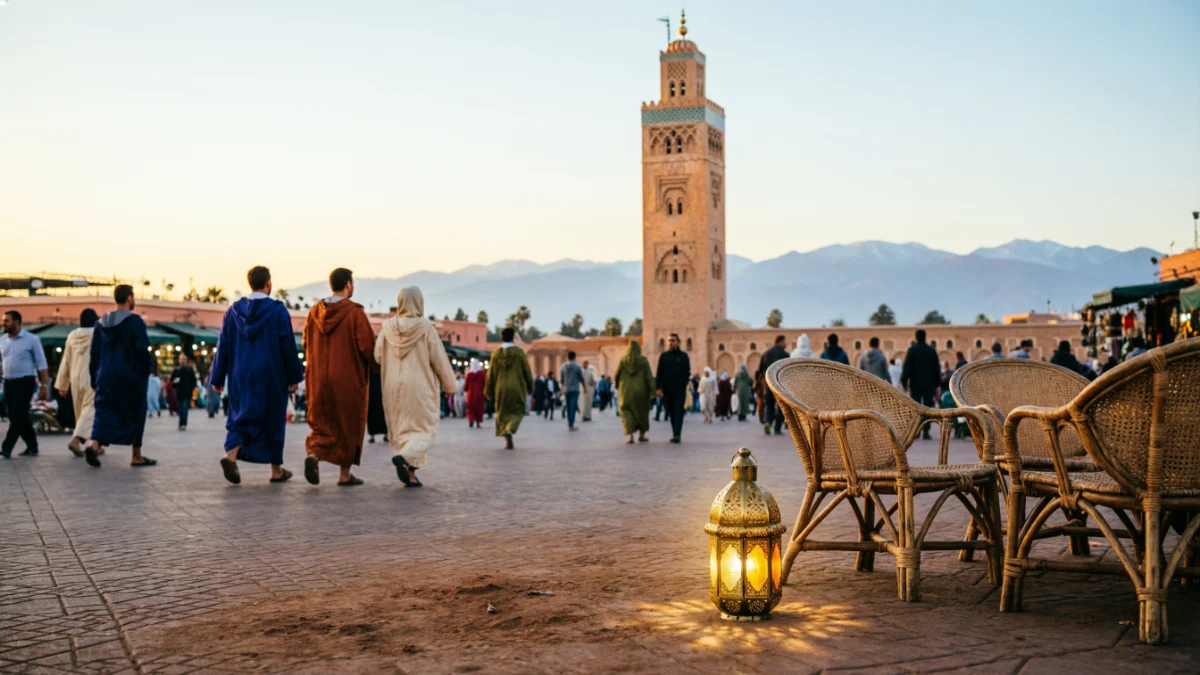
Jemaa el-Fnaa square in Marrakech is Morocco’s single most-visited attraction, drawing crowds daily with its food stalls, storytellers, musicians, and snake charmers. A UNESCO-recognized cultural space since 2001, the square transforms completely between its quiet morning market and its electric, food-stall-packed evenings.
Visiting both at sunset and again after dark shows two entirely different sides of the same square.
Top 20 Things to Do in Morocco
- Wander Jemaa el-Fnaa square at sunset in Marrakech
- Ride a camel into the Erg Chebbi dunes at sunrise
- Sleep in a desert camp under the Sahara stars
- Explore the blue streets of Chefchaouen
- Get lost in the Fes el-Bali medina
- Visit the Bahia Palace and Saadian Tombs
- Tour the Majorelle Garden in Marrakech
- Hike in the Atlas Mountains near Imlil
- Walk the ramparts of Essaouira
- Surf the breaks at Taghazout near Agadir
- Tour the Roman ruins at Volubilis
- Soak in a traditional hammam spa
- Shop for rugs and leather in the souks
- Take a Moroccan cooking class
- Visit the Hassan II Mosque in Casablanca
- Drive the Dades and Todra Gorges
- Explore Ait Benhaddou’s kasbah (a famous film location)
- Sip mint tea at a rooftop café
- Browse the tanneries of Fes
- Day-trip to the Ourika Valley waterfalls
Unique Things to Do in Morocco
Beyond the standard checklist, Morocco rewards travelers who dig a bit deeper. Staying overnight with a nomadic Berber family in the Atlas foothills offers a far more personal look at rural Moroccan life than any day tour.
Taking a calligraphy or zellige tile-making workshop in Fes connects visitors directly with centuries-old craft traditions still practiced today. Cyclists can also arrange a mountain-biking route through the Atlas foothills, a growing niche activity around Imlil and Ouirgane that most tour groups skip entirely.
Things to Do in Morocco: Marrakech
Marrakech blends chaos and calm in equal measure. Beyond Jemaa el-Fnaa, the Bahia Palace shows off 19th-century Moroccan architecture at its finest, while the Majorelle Garden (once owned by Yves Saint Laurent) offers a cool, cactus-filled escape from the medina’s heat.
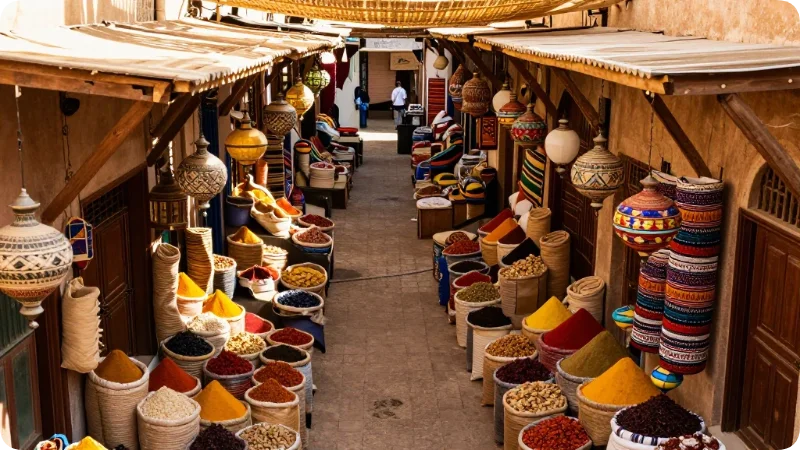
Shopping in the souks rewards patient bargainers, and a sunset camel or quad ride into the Agafay Desert just outside the city gives a taste of Sahara scenery without the long drive. Evenings often end with a rooftop dinner overlooking the Koutoubia Mosque minaret.
Things to Do in Morocco: Tangier
Tangier sits where the Mediterranean meets the Atlantic, giving it a distinct port-city energy shaped by decades as an international zone. The Kasbah Museum, housed in a former sultan’s palace, overlooks the strait toward Spain, visible on clear days.
The American Legation Museum, the first US public property abroad, tells the story of Morocco’s centuries-old relationship with the United States. A short ferry ride connects Tangier to Tarifa, Spain, making it an easy add-on for travelers combining Morocco with a European trip.
Things to Do in Morocco: Agadir
Agadir offers Morocco’s most relaxed beach-town pace, rebuilt with wide boulevards after a 1960 earthquake. Its long sandy beach draws sunbathers and families, while nearby Taghazout has become one of North Africa’s top surf towns.
A short drive leads to the Souss-Massa National Park, home to rare bird species, and the Paradise Valley palm oasis offers swimming holes tucked into rocky canyons, a favorite day trip from the coast.
10 Best Places to Visit in Morocco
- Marrakech souks, palaces, and the famous main square
- Fes the medieval medina and leather tanneries
- Chefchaouen the blue-painted mountain town
- Sahara Desert (Merzouga) dunes, camel treks, desert camps
- Essaouira windswept beaches and a laid-back fishing port
- Chefchaouen area day trips into the Rif Mountains
- Ait Benhaddou a UNESCO-listed fortified kasbah
- Casablanca the Hassan II Mosque and modern city life
- Agadir & Taghazout beaches and surf culture
- Atlas Mountains (Imlil) hiking and Berber villages
What Should You Not Miss in Morocco?
A Sahara Desert overnight and the Fes medina top the list of things not to miss in Morocco. Both offer experiences unavailable almost anywhere else on Earth: sleeping under uninterrupted desert stars and walking through a car-free medieval city still fully lived-in today.
A traditional hammam visit and a home-cooked Moroccan meal (tagine or couscous) round out the essential, can’t-skip experiences.
Hidden Gems
Beyond the famous stops, a few underrated spots deliver outsized rewards. Chefchaouen’s upper Rif Mountain trails stay nearly empty even when the town itself fills with day-trippers.
Meknes, often skipped in favor of Fes, offers similarly stunning architecture with a fraction of the crowds. The Dades and Todra Gorges in the east reward travelers willing to drive further, delivering canyon scenery that rivals the American Southwest.
What Is the Prettiest Part of Morocco?
Chefchaouen, the blue-washed mountain town in the Rif range, is widely considered Morocco’s most photogenic destination. Its cascading blue-and-white buildings climb a hillside backed by green peaks, creating a scene unlike anywhere else in the country.
The Dades Valley and the Ourika Valley near Marrakech also draw praise for dramatic natural scenery, particularly in spring when almond blossoms and river valleys turn vivid green.
Food & Dining
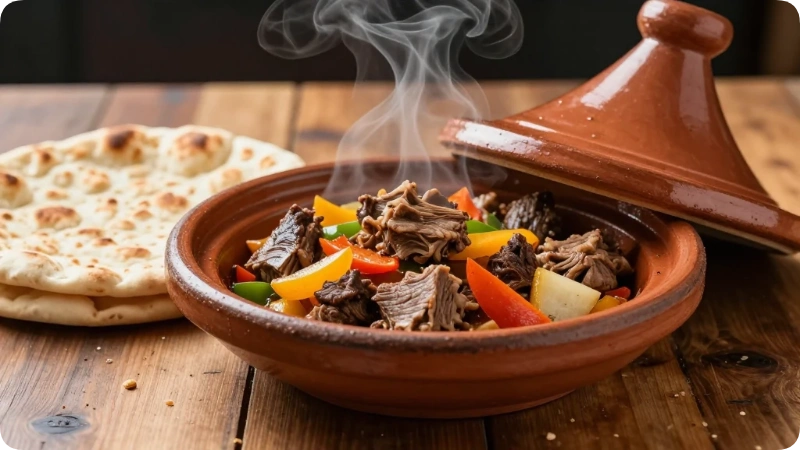
Moroccan cuisine centers on slow-cooked tagines (meat or vegetable stews named for their conical clay pot), fluffy couscous (traditionally served on Fridays), and fresh-baked flatbread served with nearly every meal. Sweet mint tea, poured from height into small glasses, functions as both a drink and a social ritual.
Street food fans should try msemen (flaky square pancakes), harira soup (especially popular during Ramadan), and grilled skewers from Jemaa el-Fnaa’s evening food stalls. Vegetarians will find Morocco surprisingly accommodating, since vegetable tagines and bean-based dishes appear on nearly every menu.
What to Eat in Morocco to Not Get Sick?
Stick to freshly cooked, hot food served at busy stalls with high turnover, since heat kills most foodborne bacteria and busy vendors cycle through ingredients quickly. Tagines, grilled meats, and freshly baked bread are generally safe bets.
Avoid pre-cut fruit, salads washed in tap water, and anything that’s been sitting out at room temperature. Bottled or filtered water for drinking and for brushing teeth further reduces risk.
What to Not Eat in Morocco?
Raw or unpeeled produce washed in tap water poses the biggest risk for travelers’ stomachs. Unpasteurized dairy, street-vendor ice, and pre-made juices of unclear origin also carry higher contamination risk.
Peeling fruit personally, choosing cooked vegetables over raw salads, and skipping ice in drinks outside reputable restaurants all help avoid an unwanted bout of traveler’s diarrhea.
Can I Brush My Teeth with Tap Water in Morocco?
Bottled or filtered water is the safer choice for brushing teeth in Morocco, particularly outside major hotels. Tap water in cities like Casablanca and Rabat is treated, but pipe infrastructure and mineral content differ enough from US water that sensitive stomachs may still react.
Many riads and hotels provide free bottled water precisely for this reason; using it for both drinking and brushing removes the guesswork entirely.
Should I Bring Toilet Paper to Morocco?
Yes, packing a small stash of tissue or travel toilet paper is a smart move, especially for day trips into the desert, mountains, or smaller towns. Restaurants and hotels typically stock it, but public restrooms and rural stops often don’t.
A small travel-size pack takes up minimal luggage space and solves a genuinely common frustration on longer excursions.
Shopping in Morocco
Morocco’s souks reward slow browsing over quick purchases. Bargaining is expected almost everywhere except fixed-price government cooperatives, and starting around 40–50% of the initial asking price is a common, respectful opening move.
Fes specializes in leather goods and ceramics, Marrakech in textiles, lanterns, and spices, and the Atlas Mountain villages in handwoven rugs. Government-run Ensemble Artisanal cooperatives offer fixed prices and guaranteed craftsmanship for travelers who’d rather skip the haggling entirely.
What Is Worth Buying in Morocco?
Handwoven Berber rugs, leather goods, and argan oil rank among Morocco’s most worthwhile souvenirs. Rugs from the Atlas Mountains carry genuine regional craftsmanship, while Feleleathere, made using centuries-old methods, offers quality that’s hard to find elsewhere.
Spices (saffron, ras el hanout blends), hand-painted ceramics from Safi, and silver Berber jewelry also make for durable, distinctly Moroccan keepsakes.
Morocco Famous Things to Buy
- Berber and Beni Ourain rugs handwoven wool textiles from Atlas Mountain villages
- Argan oil cosmetic and culinary oil produced almost exclusively in southern Morocco.
- Leather goods bags, babouche slippers, and poufs from Fes tanneries
- Spices saffron, cumin, and ras el hanout blends from souk spice stalls
- Ceramics hand-painted blue pottery from Fes and Safi
- Metal lanterns filigree brass and iron lighting fixtures
- Silver jewelry traditional Berber and Tuareg-style designs
Is Morocco Cheap for Shopping?
Yes, Morocco is generally inexpensive for shopping compared to US and European prices, especially for handmade goods like leather, textiles, and ceramics. Bargaining lowers prices further, often by 30–50% off the initial quote.
Higher-end rugs and quality leather still command fair prices reflecting genuine craftsmanship, so extremely low offers on clearly high-quality pieces are worth some skepticism.
Culture & Etiquette
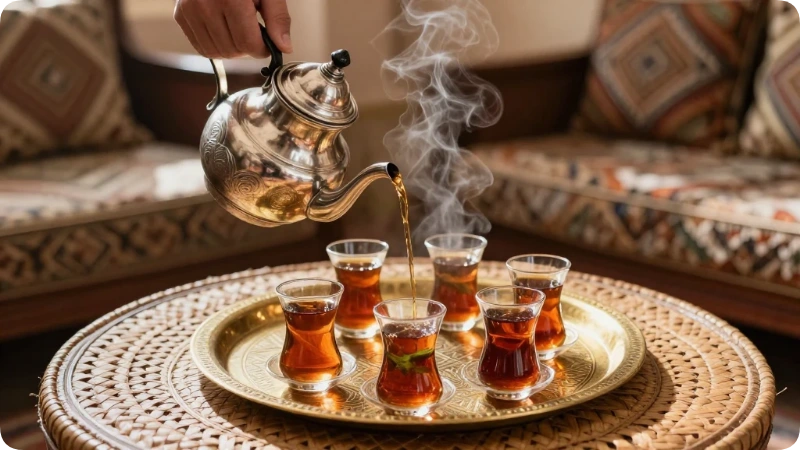
Morocco is a Muslim-majority country, and modest dress, respectful greetings, and awareness during Ramadan go a long way toward positive interactions. Removing shoes before entering homes, accepting mint tea when offered, and using the right hand for eating or handing items are small gestures locals notice and appreciate.
Photographing people, especially in rural areas or of women, without asking first is considered impolite. A simple “Is it okay if I take your photo?” almost always gets a warm response or a polite decline worth respecting.
Can Females Wear Shorts in Marrakesh?
Shorts are technically fine in Marrakech’s modern districts and resort pools, but most female travelers feel more comfortable in knee-length skirts, loose pants, or capris in the medina and rural areas. Morocco is more relaxed than many assume, particularly in tourist zones, but modest clothing reduces unwanted attention and shows cultural respect.
Packing a lightweight scarf also helps for occasional mosque courtyards or conservative neighborhoods.
What Is Not Allowed in Morocco?
Public displays of affection, drug possession, and criticizing the monarchy or Islam are all treated seriously under Moroccan law. Alcohol is legal but sold only in licensed restaurants, bars, and stores, not in the medina’s traditional shops.
Photography near government buildings, military sites, and airports is also restricted. Same-sex relationships remain illegal, and unmarried couples sharing hotel rooms can occasionally draw scrutiny, though enforcement in tourist areas is rare.
Safety Tips
Morocco’s cities are generally safe for alert travelers, with petty theft and scams, ot violent crime, the main practical concern. Using licensed guides (identifiable by an official badge), agreeing on taxi fares before riding, and avoiding overly persistent “helpful” strangers in the medina all reduce hassle significantly.
Solo female travelers should expect frequent attention in medinas; confident, brief responses and continued walking usually end unwanted interactions quickly. Registering with the State Department’s STEP program before departure provides an extra safety net for emergency alerts.
Is Morocco Safe Right Now for Tourists?
Yes, Morocco remains open and generally safe for tourists, though the US State Department currently rates the country a Level 2: Exercise Increased Caution advisory, citing the possibility of terrorism targeting tourist locations, transportation hubs, and markets. <cite index=”9-1″>Terrorist groups continue plotting possible attacks in Morocco, and terrorists may attack with little or no warning.</cite>
Millions of Americans and Europeans visit each year without incident, and the advisory level matches many popular European destinations. Staying alert in crowds, avoiding demonstrations, and checking the official advisory before departure is the sensible approach, not a reason to cancel plans.
Is Morocco Affected by the Iran War?
No Morocco has not been directly affected by the 2026 Iran-Israel-US conflict. Morocco sits thousands of miles from the conflict zone, and <cite index=”18-1″>the distance of more than 5,000 kilometers has meant no disruption to travel or daily life in the country</cite> at any point during the fighting.
Hotels, riads, flights, and tours across Morocco have continued operating normally throughout the regional tension. The wider Middle East tourism industry has felt real disruption <cite index=”14-1″>the conflict has been estimated to cost the region’s travel and tourism sector roughly €515 million a day</cite> but that impact centers on the Gulf and Levant, not North Africa. Travelers should still monitor official government advisories for any updates, since regional situations can shift.
What Are the Main Problems in Morocco?
Petty theft, aggressive touts in tourist zones, and occasional taxi overcharging rank as the most common traveler complaints in Morocco. Air pollution and traffic congestion affect Casablanca and Marrakech during peak hours, and rural infrastructure (roads, plumbing) can lag behind city standards.
None of these typically escalate beyond mild inconvenience for prepared travelers, but they’re worth planning around; confirming prices upfront and keeping valuables secured solves most of it.
What Is Safer, Morocco or Egypt?
Both countries carry similar US State Department advisory levels, and both are generally safe for prepared tourists, though the character of risk differs. Morocco’s concerns center on petty crime and occasional terrorism warnings in tourist areas; Egypt carries added considerations around the Sinai Peninsula and periodic regional tension.
For a first North Africa trip, Morocco’s more tourist-developed infrastructure and shorter flight time from the US make it a slightly gentler entry point, though millions travel safely to both every year.
Which Is Safer, Turkey or Morocco?
Turkey and Morocco both sit at comparable safety advisory levels for typical tourist routes, though Turkey’s southeastern border regions carry additional caution due to regional conflict proximity. Istanbul, Cappadocia, and the Turkish coast see heavy, safe tourist traffic, much like Marrakech and Fes in Morocco.
Neither destination should be avoided outright; both reward sensible precautions like avoiding border regions and staying alert in crowded tourist zones.
What to Avoid in Morocco?
Avoid unlicensed “guides” who approach unprompted in medinas, drinking tap water without filtering, and skipping travel insurance. Unofficial currency exchange on the street, unmetered taxis without a pre-agreed fare, and wandering deep into unfamiliar medina alleys after dark also invite unnecessary hassle.
Confirming prices before any service, from taxi rides to henna tattoos, ads off the majority of tourist-targeted scams before they start.
What Not to Do in Marrakech?
Don’t accept unsolicited directions or “free” tours from strangers in the medina; they typically end with an aggressive request for payment. Avoid photographing the Jemaa el-Fnaa performers (snake charmers, monkey handlers) without agreeing on a tip first, since disputes over photo fees are common.
Skipping sunscreen, underestimating walking distances in the maze-like medina, and drinking alcohol in public outside licensed venues round out the list of easy-to-avoid mistakes.
Common Mistakes (And How to Fix Them)
Mistake 1: Not agreeing on a taxi fare beforehand. Fix: Always confirm the price before entering, or insist on the meter in Casablanca and Rabat, where meters are standard.
Mistake 2: Wearing very casual, revealing clothing in the medina. Fix: Pack loose, breathable, modest clothes; cultural respect aligns here more than most travelers expect.
Mistake 3: Skipping travel insurance. Fix: Book a policy covering medical evacuation and trip interruption, especially given occasional weather-related travel disruptions in mountain and desert regions.
Packing Advice
Layering is the golden rule for Morocco, since temperatures swing dramatically between desert days, mountain evenings, and coastal breezes. A lightweight scarf, comfortable closed-toe walking shoes for medina cobblestones, and a portable phone charger for long desert excursions round out the essentials.
Sunscreen, a reusable water bottle with a filter, and modest layers (long pants, covered shoulders) for mosque visits and conservative neighborhoods all earn their spot in the suitcase.
What Not to Pack for Morocco?
Skip skimpy swimwear for anywhere outside hotel pools, flashy expensive jewelry, and overly heavy luggage that’s hard to manage over medina cobblestones. Flip-flops struggle on uneven stone streets, and single-use plastic water bottles add unnecessary waste when a filtered reusable bottle solves the same problem.
Leaving valuables and excess cash at home beyond what’s needed for the day also reduces theft risk.
Things to Do in Morocco: Reddit Recommendations
Travelers researching r/Morocco and r/travel threads consistently highlight a few recurring tips: booking a licensed desert tour operator rather than the cheapest street offer, spending at least two nights in the Sahara rather than a rushed overnight, and allowing extra buffer time between cities since travel often takes longer than Google Maps suggests.
Reddit users also frequently recommend Chefchaouen and Essaouira as the most “worth the detour” stops beyond the standard Marrakech-Fes-desert loop, along with hiring a local guide for at least the first day in any new medina to avoid getting lost.
Sample Itinerary (7–10 Days)
| Day | Location | Highlights |
| 1–3 | Marrakech | Jemaa el-Fnaa, Bahia Palace, Majorelle Garden, souks |
| 4 | Atlas Mountains | Imlil hike, Berber villages |
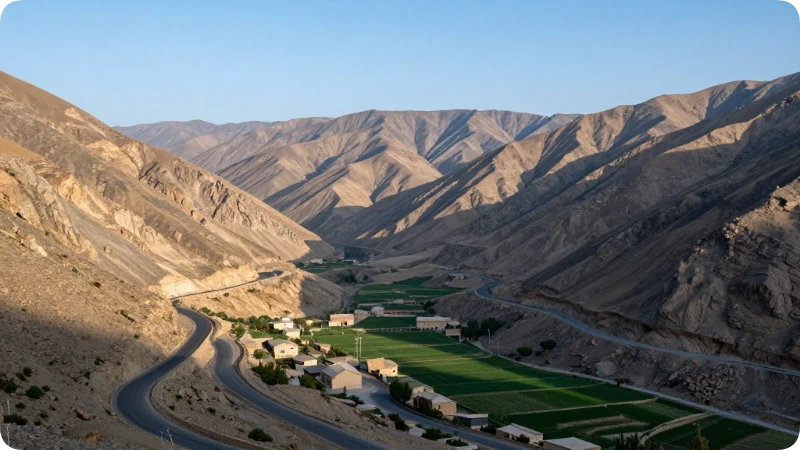
| 5–6 | Sahara Desert (Merzouga) | Camel trek, overnight desert camp |
| 7 | Fes | Medina, tanneries, Bou Inania Madrasa |
| 8 | Chefchaouen (optional) | Blue city wandering |
| 9–10 | Essaouira or Casablanca | Coastal relaxation or Hassan II Mosque |
FAQs
What language is spoken in Morocco?
Arabic and Tamazight (Berber) are Morocco’s official languages, with French widely used in business and tourism. English is increasingly common in hotels, restaurants, and tour operations in major cities.
Do I need a visa to visit Morocco from the USA?
No US citizens can enter Morocco visa-free for stays up to 90 days with a passport valid at least six months beyond the entry date. Confirm current requirements on the official Moroccan consulate site before travel.
Is it safe to drink alcohol in Morocco?
Alcohol is legal in licensed restaurants, hotels, and bars, but not sold in most traditional shops. Public drinking outside licensed venues is discouraged and can draw unwanted attention.
How much does a typical trip to Morocco cost?
Costs vary widely by travel style, but budget travelers can manage on modest daily amounts using guesthouses and local food, while mid-range travelers spend more on riads, private guides, and desert excursions. Compare current rates before booking, since prices shift seasonally.
Is Morocco good for solo female travelers?
Yes, with preparation, any solo women travel safely through Morocco every year. Expect frequent attention in medinas, dress modestly, and stick to well-reviewed accommodations and licensed tour operators for the best experience.
What is the tipping culture in Morocco?
Tipping is customary and appreciated, typically a small amount for restaurant staff, guides, and hotel porters. Rounding up taxi fares is common, and tour guides generally expect a modest tip at the end of a multi-day excursion.
Can I use US dollars in Morocco?
Moroccan Dirham is the required currency for most transactions, and US dollars are not widely accepted outside of some large hotels. Exchange currency at banks or official exchange offices rather than street vendors for the safest rate.
Final Takeaways
Morocco delivers three distinct experiences in one trip: the historic medinas of Marrakech and Fes, the vast quiet of the Sahara, and the breezy coastline of Essaouira and Agadir. A 7–10 day trip built around these regions, timed for spring or fall, hits the sweet spot between comfortable weather and manageable crowds.
Current safety context matters, but it shouldn’t overshadow the trip. Morocco remains a well-traveled, welcoming destination for prepared American visitors. Packing light layers, budgeting time for bargaining in the souks, and booking a licensed guide for the desert leg rounds out a smart plan.
Start with a shortlist of two or three cities, build in buffer days for travel between them, and let the country’s mix of mountains, desert, and medina do the rest. Morocco has a way of turning a simple checklist into a trip travelers talk about for years. Verify travel advisories and official entry rules, then go build that itinerary.

Ben Fogle believes that true adventure begins where the pavement ends. After spending years documenting extreme environments, rowing across oceans, and trekking through frozen landscapes, he mastered the art of wilderness travel. For Travelmarse, Ben constructs highly detailed guides on deep-nature packing lists, wildlife safety, and sustainable eco-tourism. He breaks down intimidating, rugged expeditions into clear, step-by-step roadmaps so everyday travelers can safely connect with the natural world.